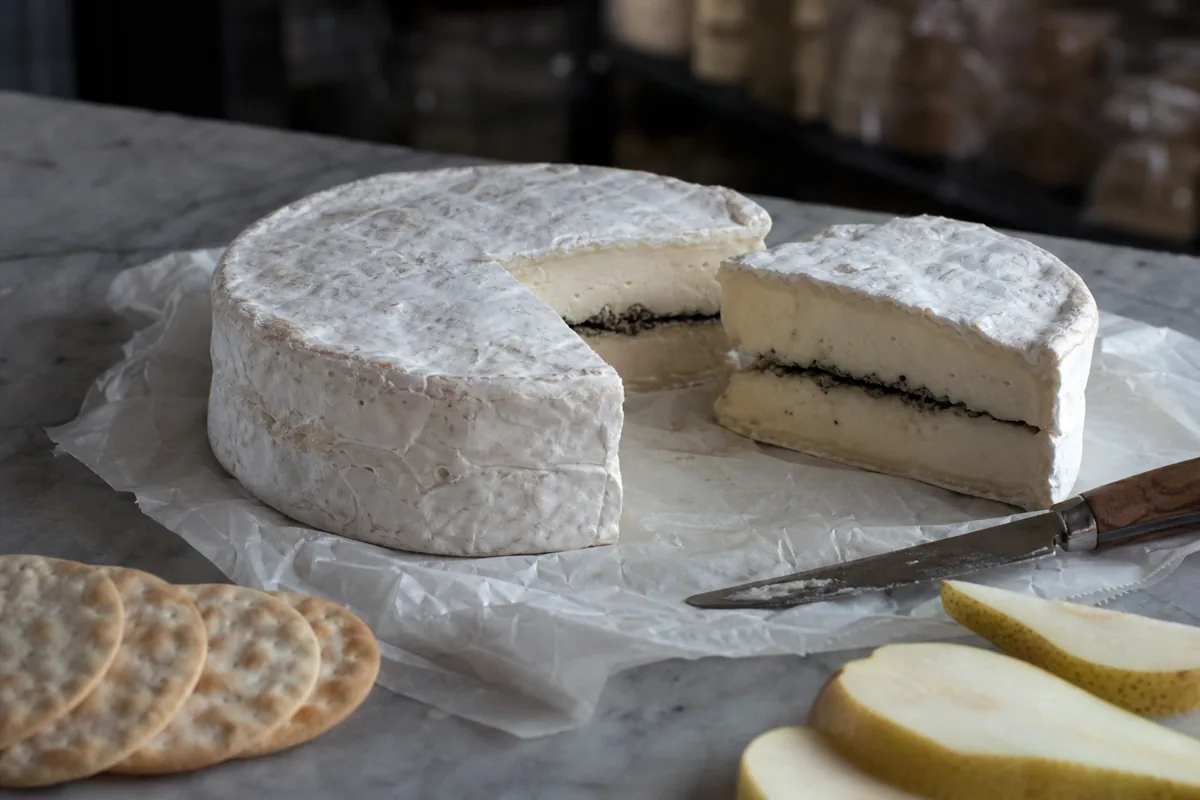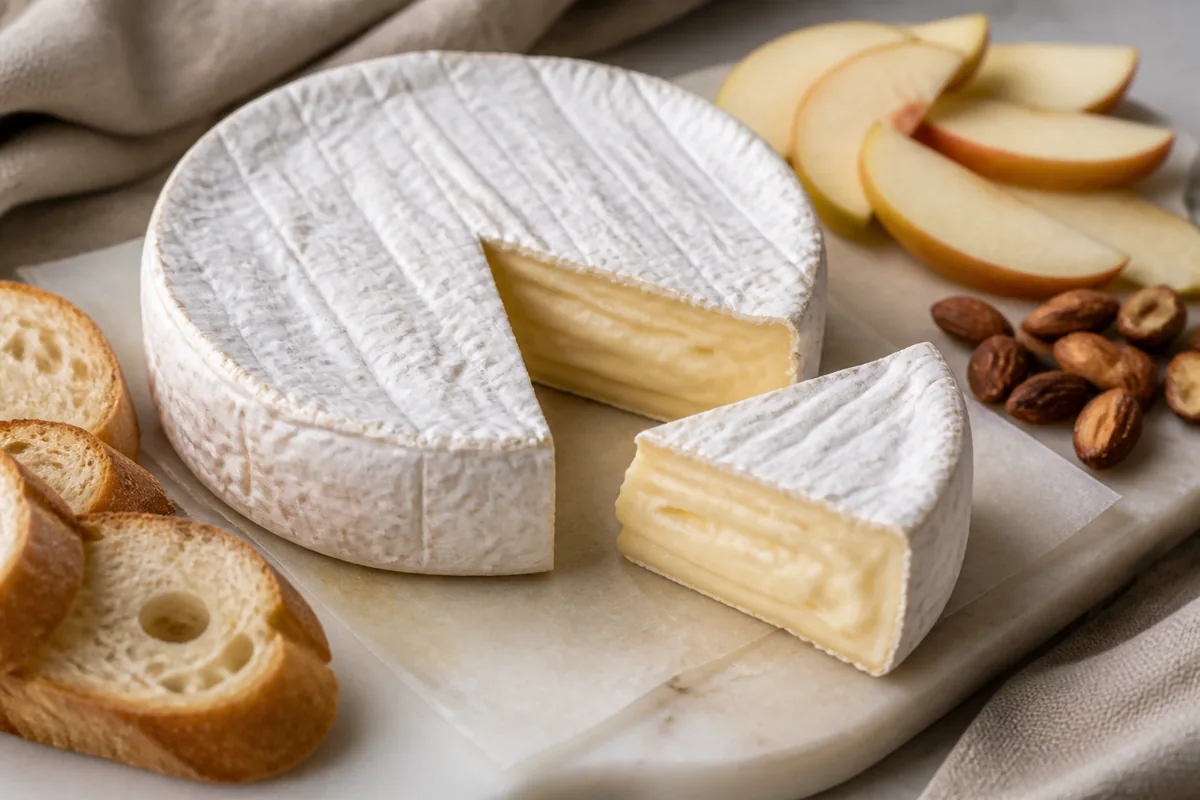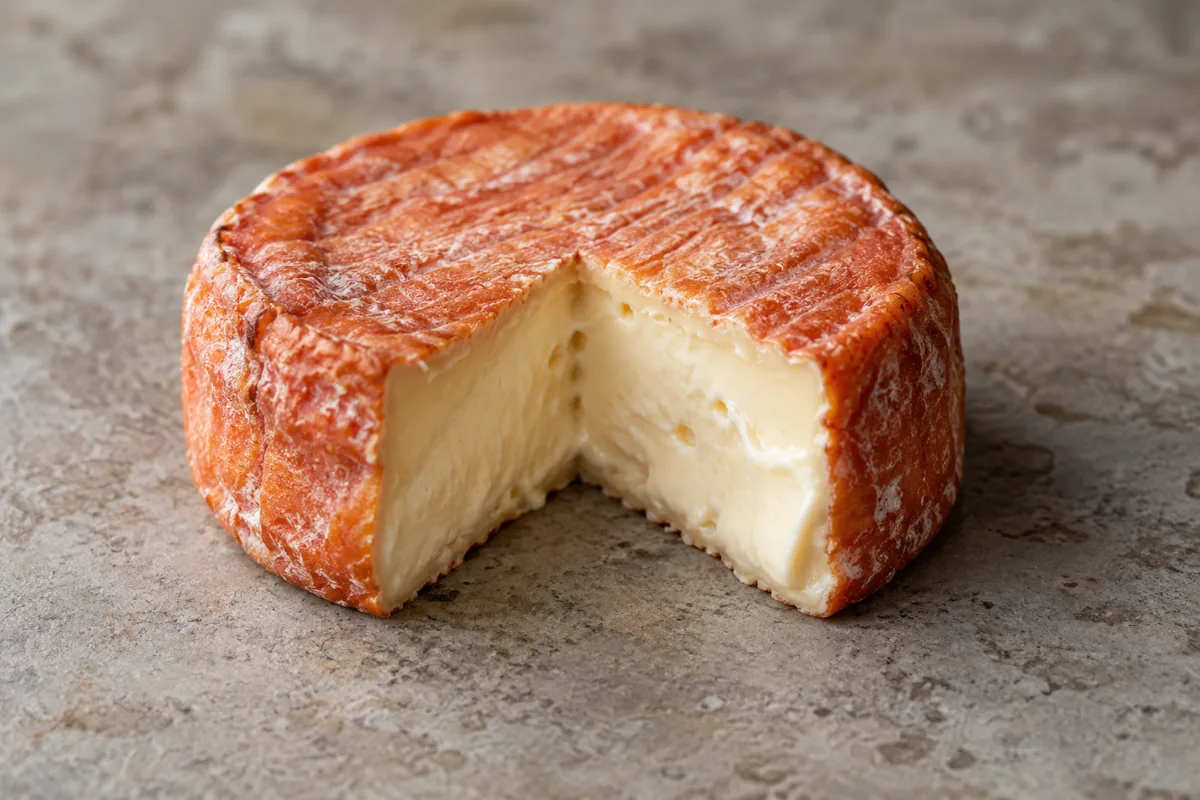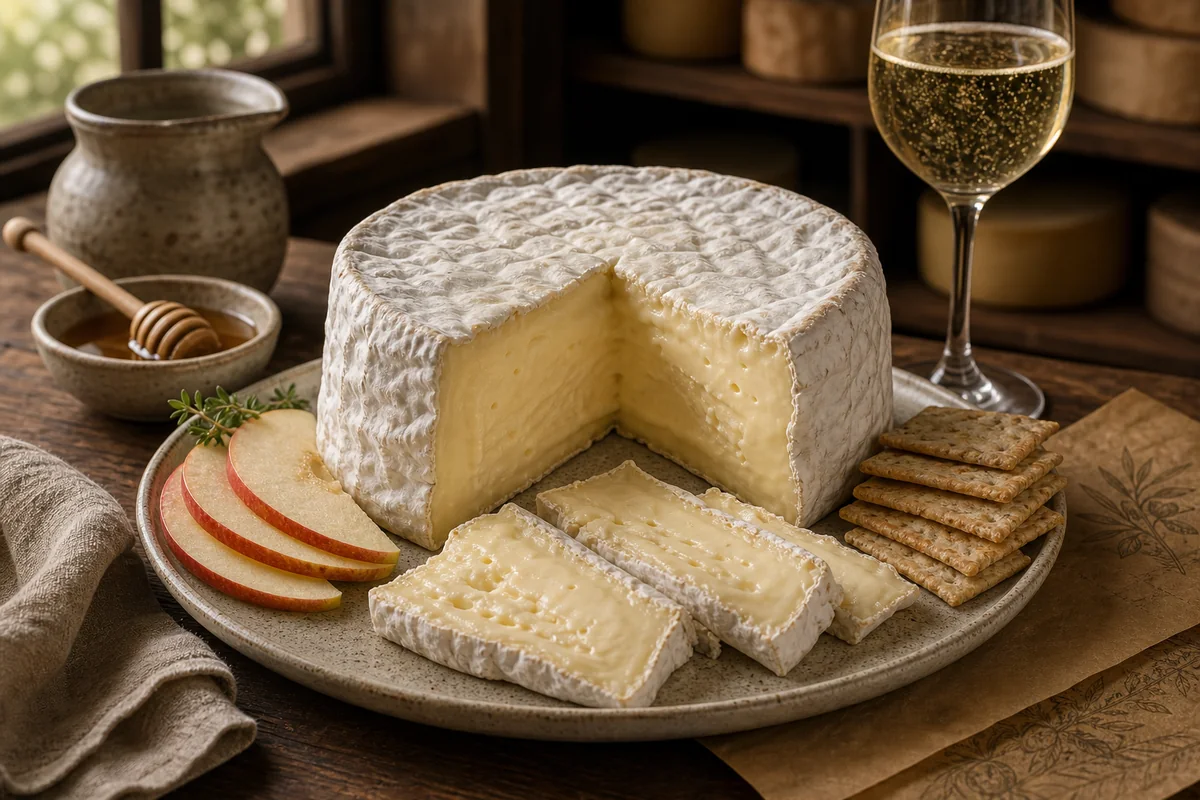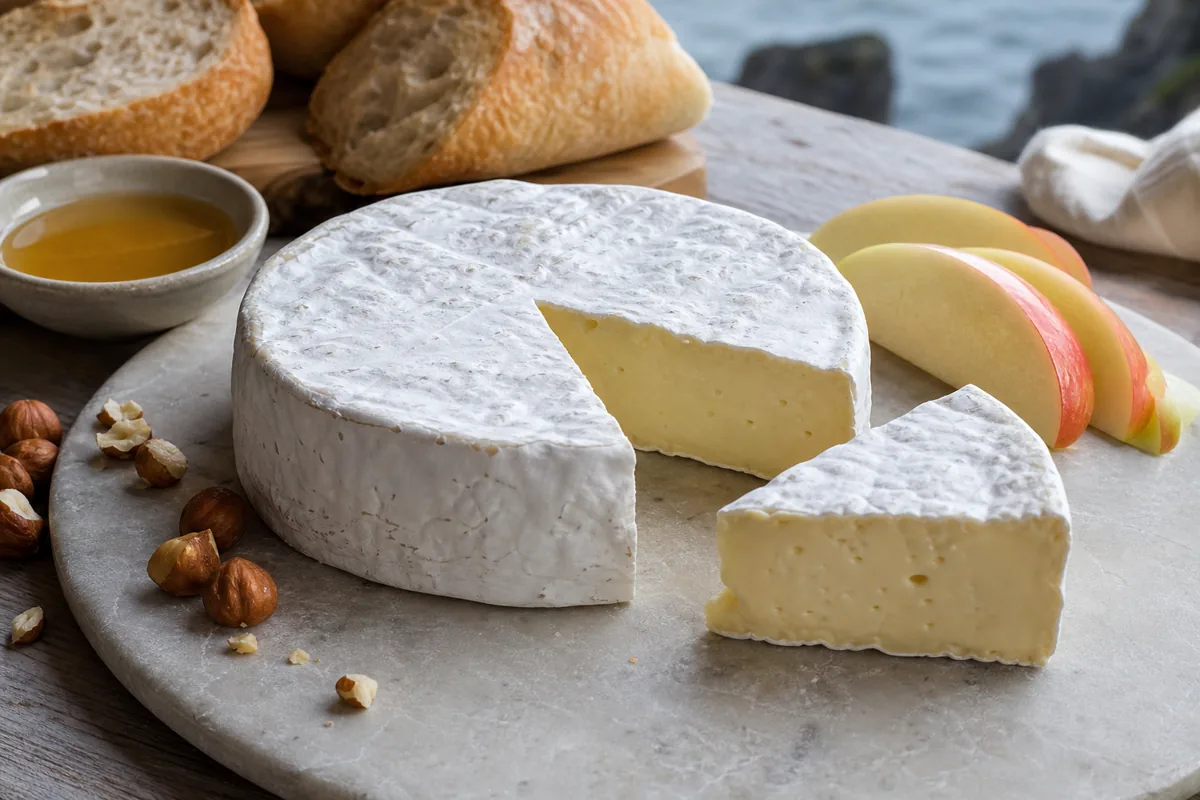
Comox Brie is Natural Pastures' soft cow's milk cheese from Courtenay on Vancouver Island, with a white bloomy rind and a center that softens as it ripens. You can serve it on a cheese plate or bake it, but pregnancy advice treats that white rind differently from a plain pasteurised soft cheese.
Look for Natural Pastures on the wrapper if you want this particular product. The broader Brie family also includes cheeses with different milk, sizes and ripening schedules.
In This Article
How Do You Choose A Wheel For Tonight?
If you need a creamy cheese plate tonight, ask the retailer how soft the center is and when the wheel will be ready to serve. A cut piece shows the paste, while an intact wrapper supplies the product name, date and storage instructions.
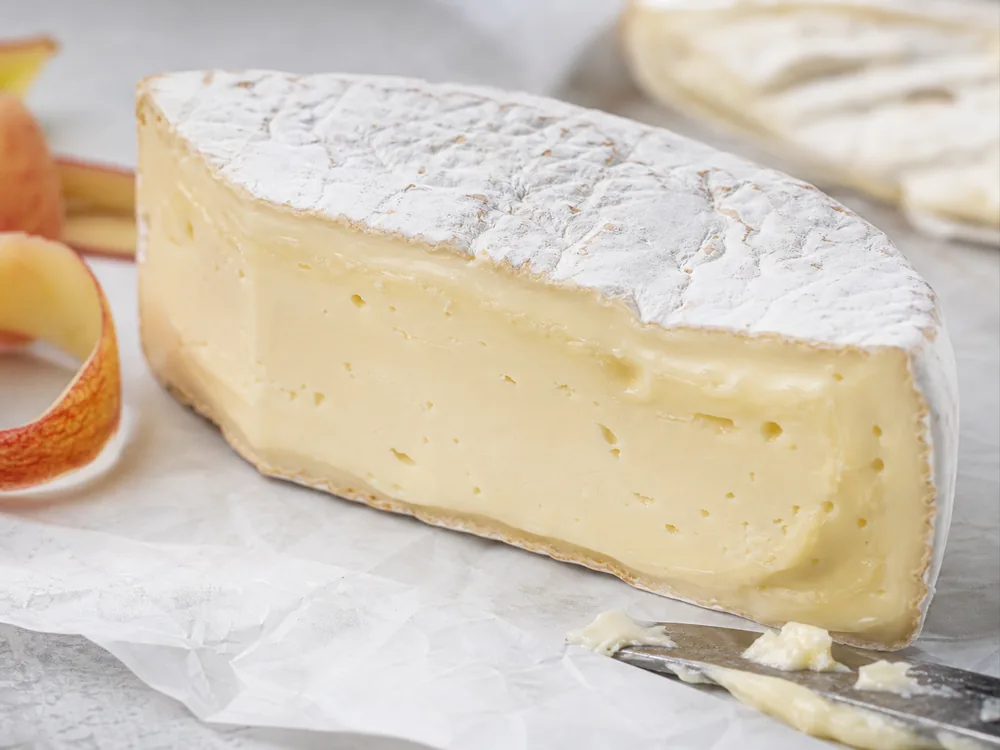
Ripening works from the outside inward, so a firmer center and softer edge can occur together. As the paste softens toward the center, the cultured-butter flavor develops earthy, savory and mushroomy notes.
You can slice a firmer wheel thinly for bread. Leaving it on the counter for days to force ripening or baking a spoiled piece cannot replace proper refrigerated handling.
The available product sheet dates from June 2014, so use your current package for today's size, nutrition, date and unopened shelf life.
What Can You Serve With Comox Brie?
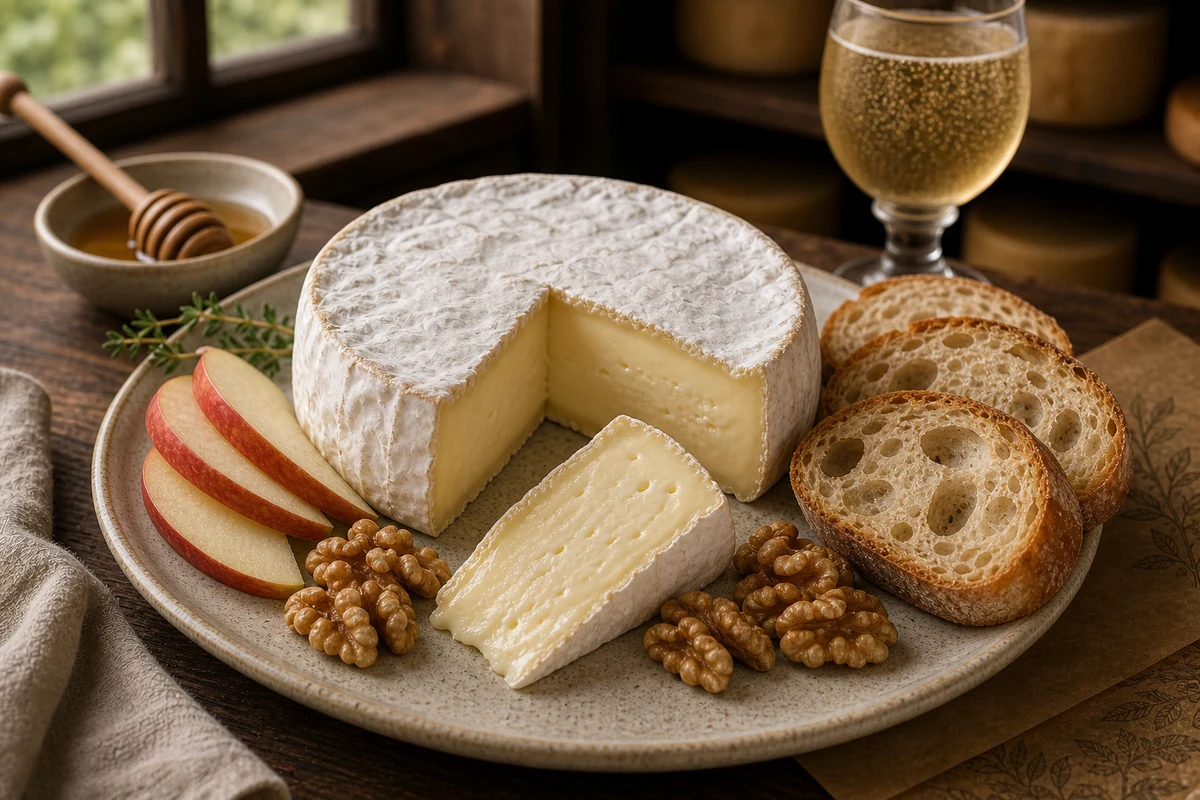
Bread or crackers with a little chutney or tart jam let you taste the cheese alongside a sweet or tangy accompaniment. Apple or pear adds crispness, and plain toast gives the soft paste a sturdy base.
Cut wedges through the rind and center so each portion includes both textures. With a more ripened, earthy wheel, plain crackers or unflavored toast leave those developed flavors easier to taste than sweet chutneys do.
For baked Brie, use a recipe matched to the wheel's size and a dish that contains the softened cheese. One baking time cannot cover every package.
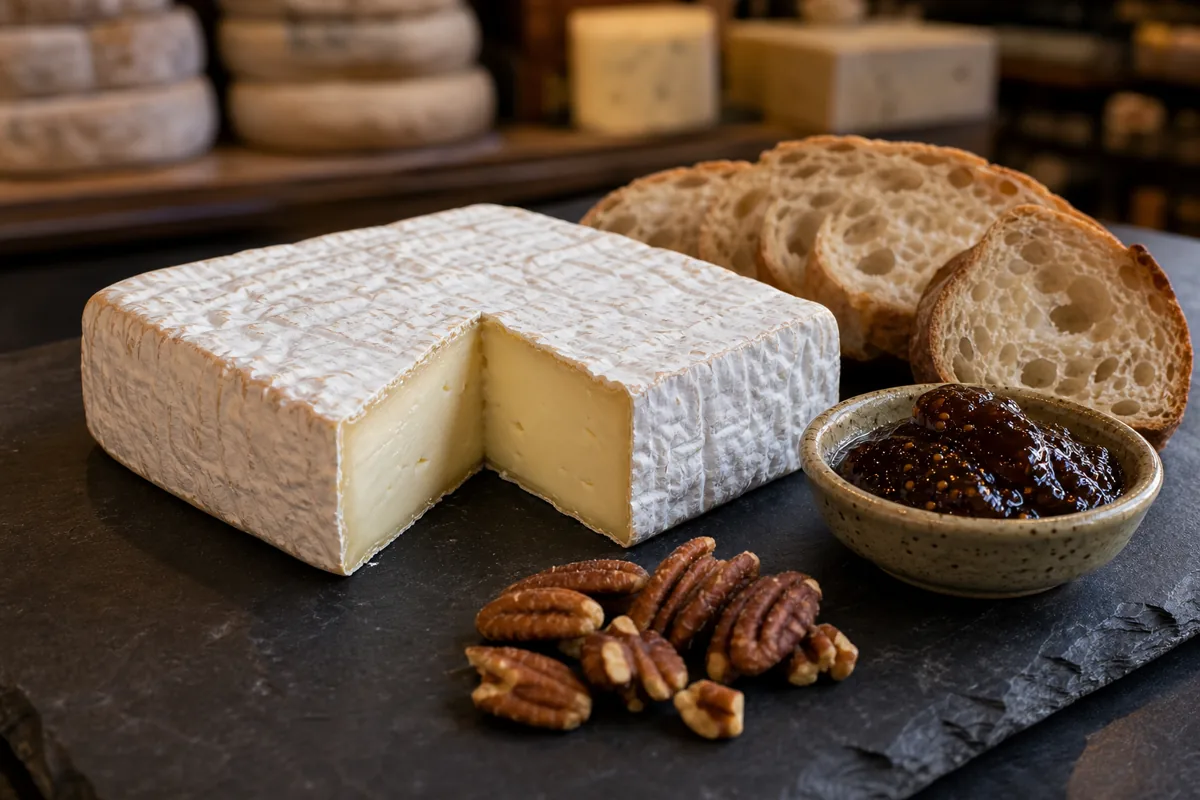
If Comox Brie is unavailable, another mild Brie-style cow's milk cheese can replace it on a board, but compare size and moisture for a baked dish. North Carolina's Looking Glass Creamery made Pack Square, a square Brie-style cheese.
How Cold Should You Keep It?
The 2014 product sheet specifies 2-4 C refrigeration and advises against freezing. Follow any more specific current-package instructions, keeping a cut face covered to reduce drying.
Cheese paper or parchment inside a covered container can protect leftovers. A cut piece has different handling needs from an unopened wheel, so the unopened shelf-life figure does not give you a leftover-storage period.
Small serving portions let you replenish the plate from the refrigerator in warm weather. Follow safe refrigeration and serving-time limits because a pleasant smell alone cannot establish that soft cheese is safe.
Who Makes It On Vancouver Island?
The Smith family founded Natural Pastures Cheese Company in 2001 as an expansion of Heritage Dairy Farm in the Comox Valley. Swiss Master Cheesemaker Paul Sutter joined shortly afterward and developed the range, which includes more than twenty artisan cheeses.
Comox Brie takes its name from the nearby town of Comox, in the valley supplying the dairy's milk. Its milk comes from Ayrshire cattle on Vancouver Island farms.
The cheese earned World Championship Cheese Contest Gold with 98.95 points out of 100, becoming the first Brie from western Canada to win Gold there and beating established Quebec entries. The award-winning wheel used milk from Ayrshire cattle tended by a Canada Master Breeder on Vancouver Island.
What Changes If You Are Pregnant?
Health Canada puts Brie and Camembert in its higher-risk group even when pasteurised, so Comox Brie's pasteurised milk leaves that Canadian caution in place. Safer alternatives include pasteurised hard cheeses and spreadable cheeses such as cream cheese.
The NHS wants white-coated mould-ripened soft cheeses cooked until steaming hot, which includes Comox Brie's white bloomy rind. For UK advice, thorough cooking until steaming hot is required before you eat it.
The CDC's safer list includes pasteurised soft cheese heated to an internal temperature of 165°F (74°C) or until steaming hot. In the US, heat Comox Brie that way before eating it.
For Canadian advice, keep the separate higher-risk Brie classification in view when choosing an alternative. Our cheese in pregnancy guide compares the country-specific lists.