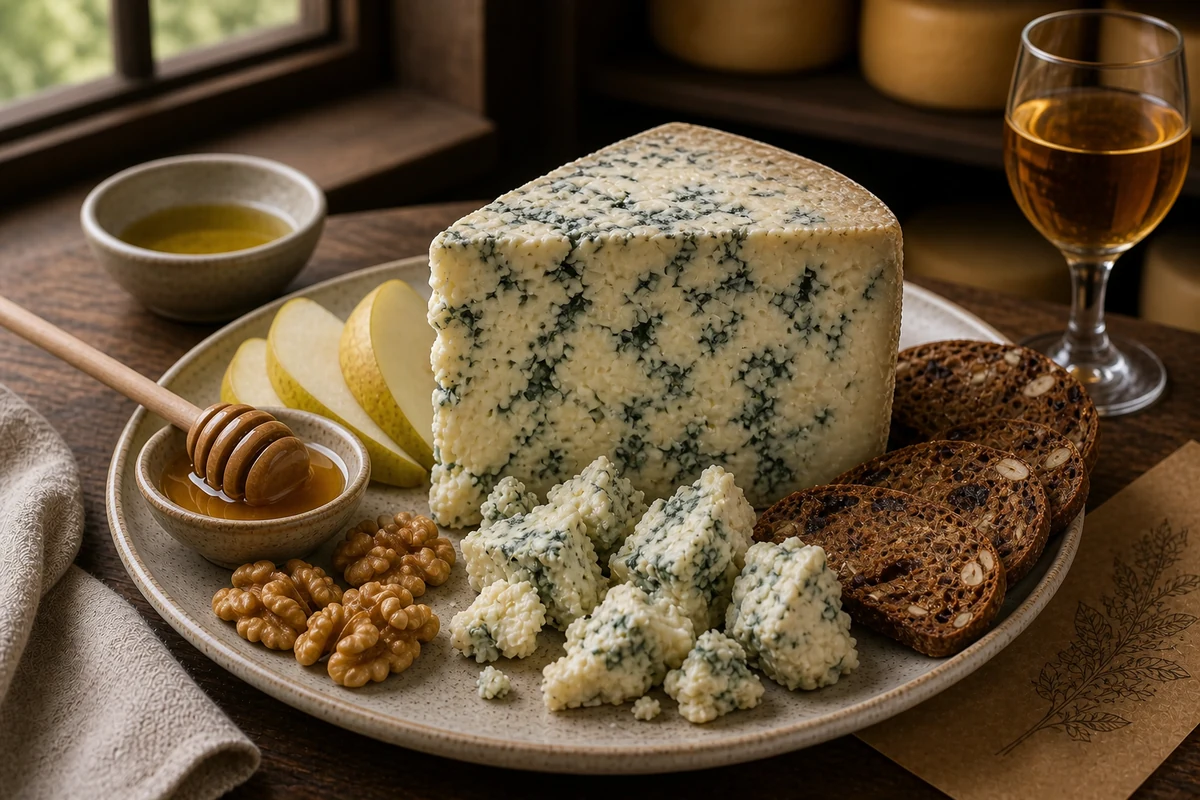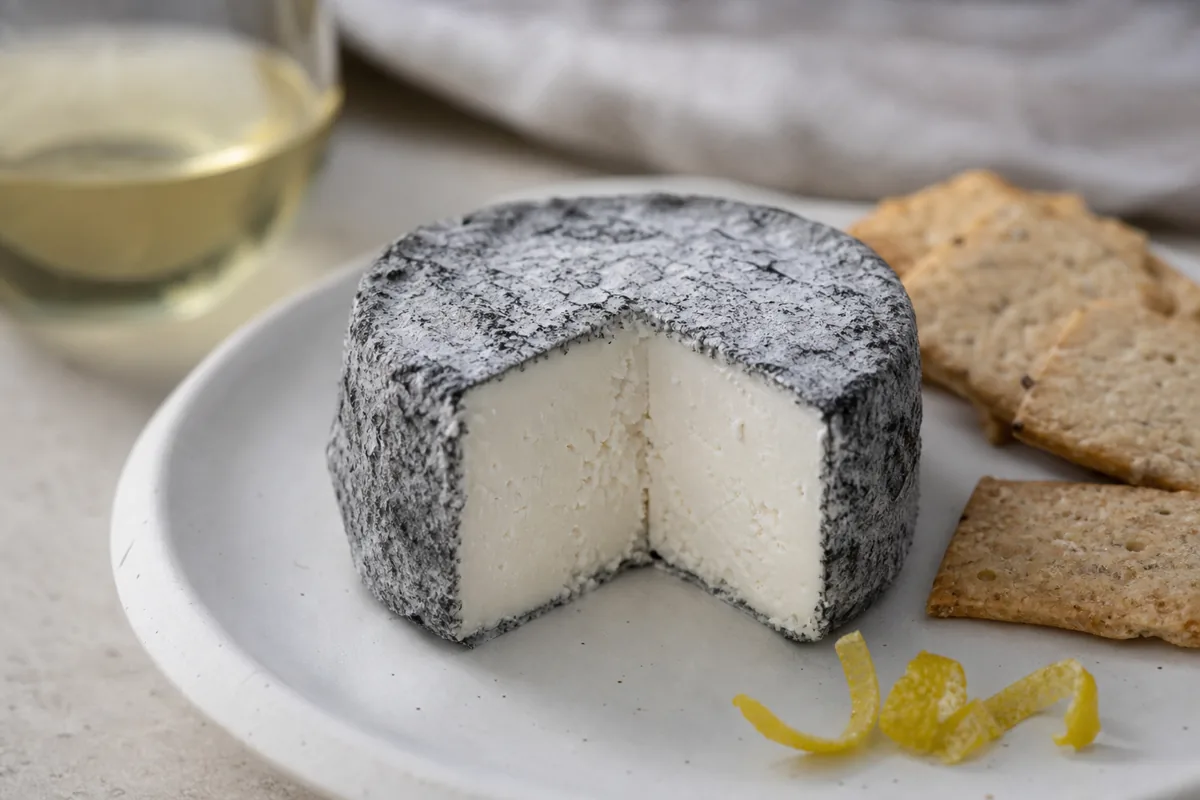
Acapella is Andante Dairy's small, ash-coated goat cheese, spelled Acappella by the maker. Its ripened rind sets it apart from fresh goat cheese, and the maker describes a more tender texture and earthier flavor as it ages.
For a cheese board, you are choosing between a mild, tangy round and a more developed one. The seller's description of the batch tells you which you have better than a photograph or an assumed number of weeks.
In This Article
What Does the Ash Rind Change?
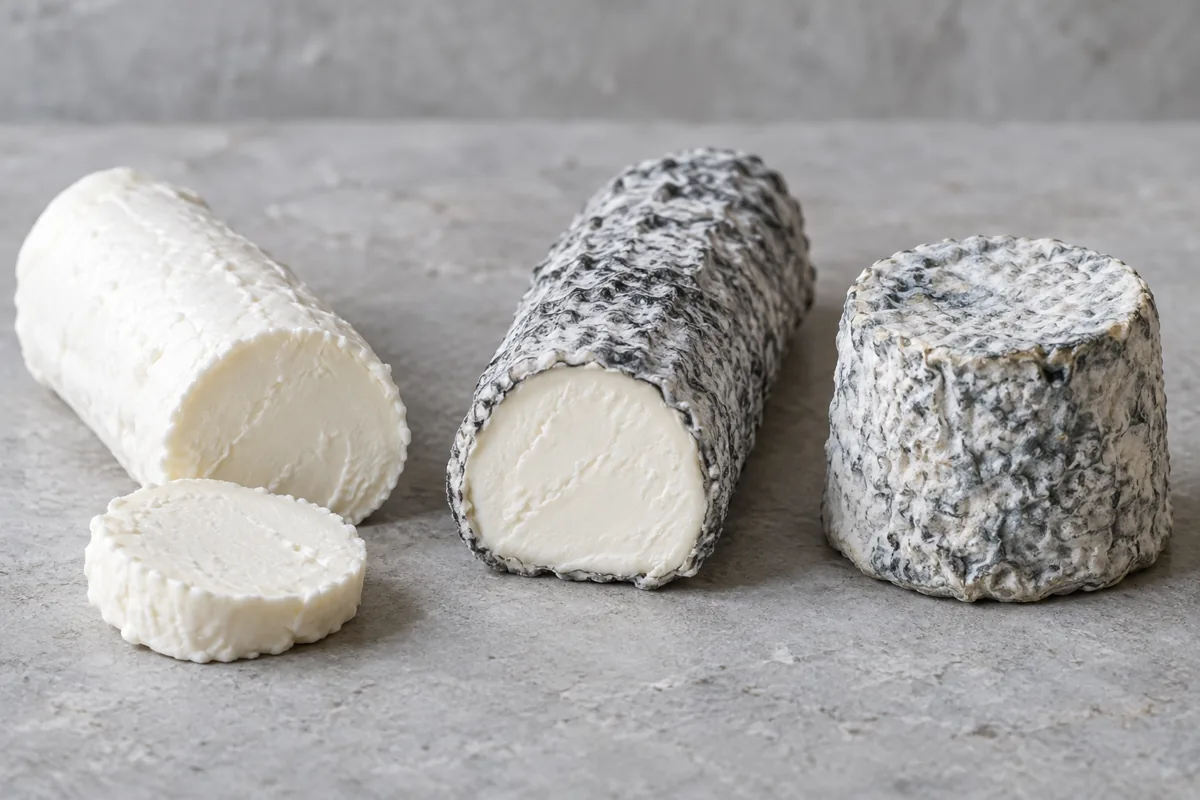
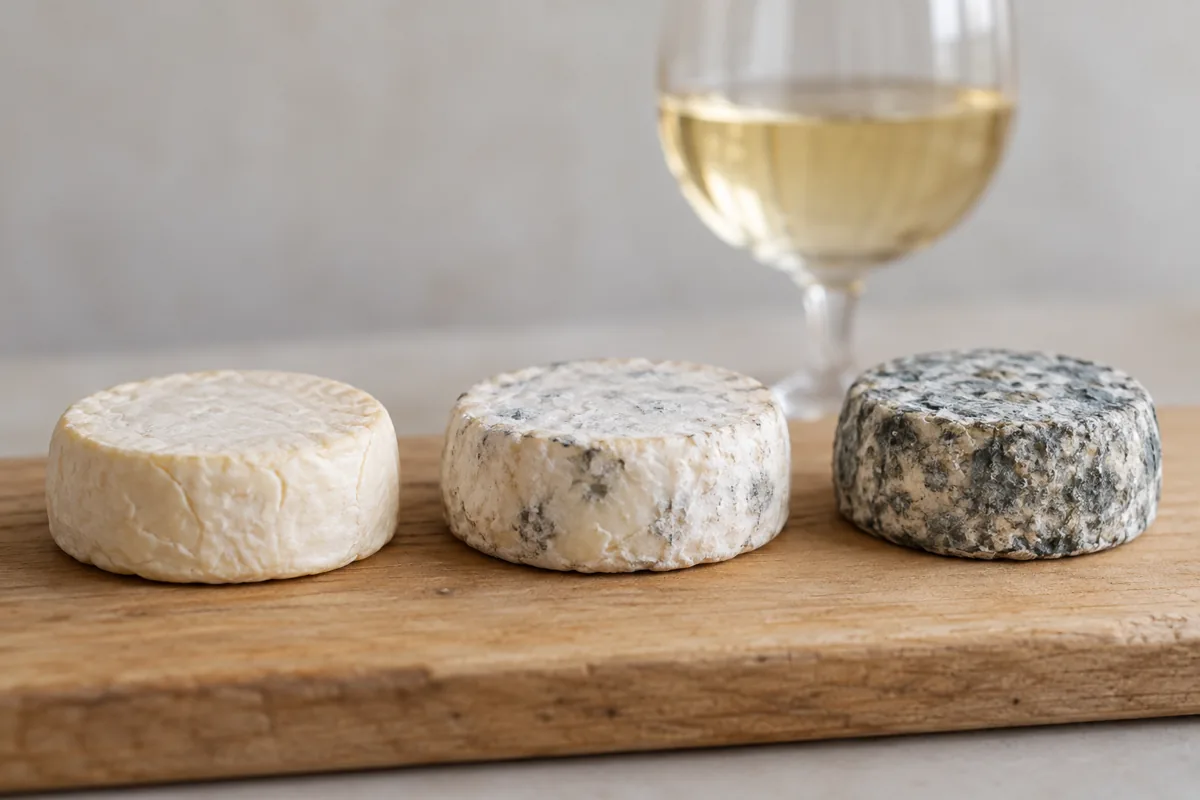
The blue-grey surface combines ash and Geotrichum around white curd. Andante describes increasingly savory flavor with maturation, while Culture's cheese library records mild, buttery notes and a tart finish.
Use the two descriptions as a range to ask the seller about, since no round is promised to taste exactly like either.
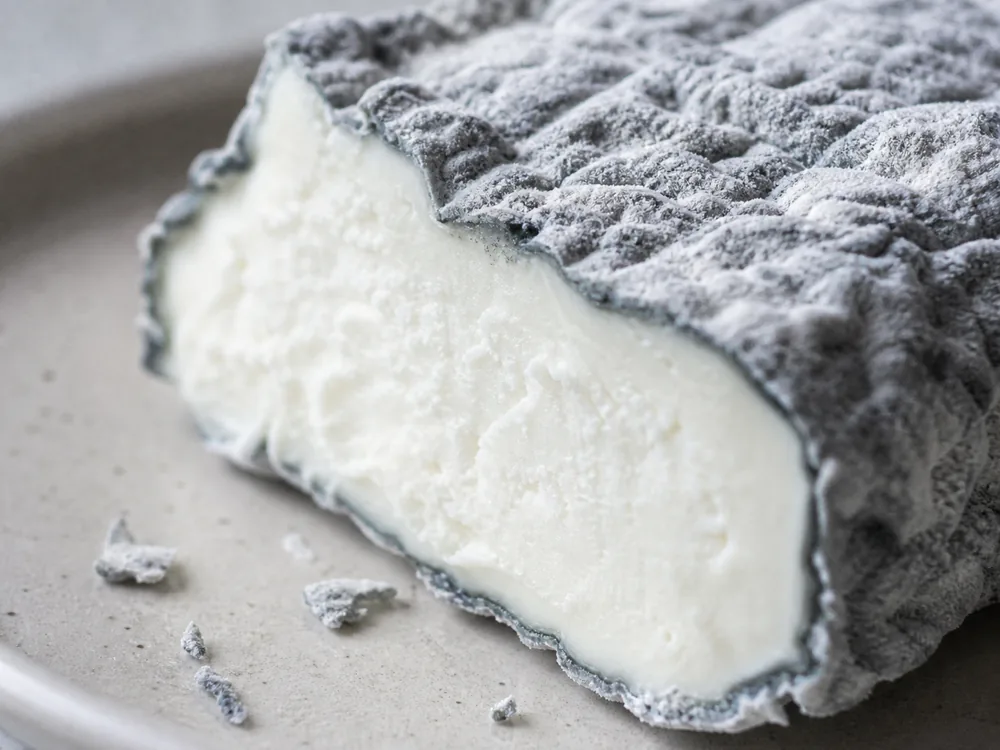
The grey belongs to the surface coating and does not mean blue veins inside the cheese. It also cannot tell you how long a round has been stored or whether it has stayed cold, so ask the seller both.
Which Acapella Is on the Label?
Andante currently describes Acapella as a 4.5-ounce round, while Culture records three formats under the name, so the name alone does not tell you which one an older photograph or shop listing shows.
| Listing | Format described | Buying consequence |
|---|---|---|
| Andante: Acappella | 4.5-ounce round | The maker's present description is the starting point for identification. |
| Culture: Acapella | Pyramid, 3-ounce round, and larger 4-6-ounce ash-coated round | The name alone does not tell you which one a listing shows. |
| Andante: Bel Canto | 8-9-ounce ash-coated pyramid | A current Andante pyramid may carry a different product name. |
The maker lists vegetarian rennet alongside goat milk, starter culture, ash and salt, and Culture identifies pasteurized milk. Check the current package to confirm the milk treatment for the round you buy.
If you are choosing on diet, keep the two facts apart: vegetarian rennet says nothing about pasteurization, and neither fact supplies an expiry date.
Check the nutrition panel on your package for the sodium, fat and serving values of the round you buy.
How Should You Serve or Replace Acapella?
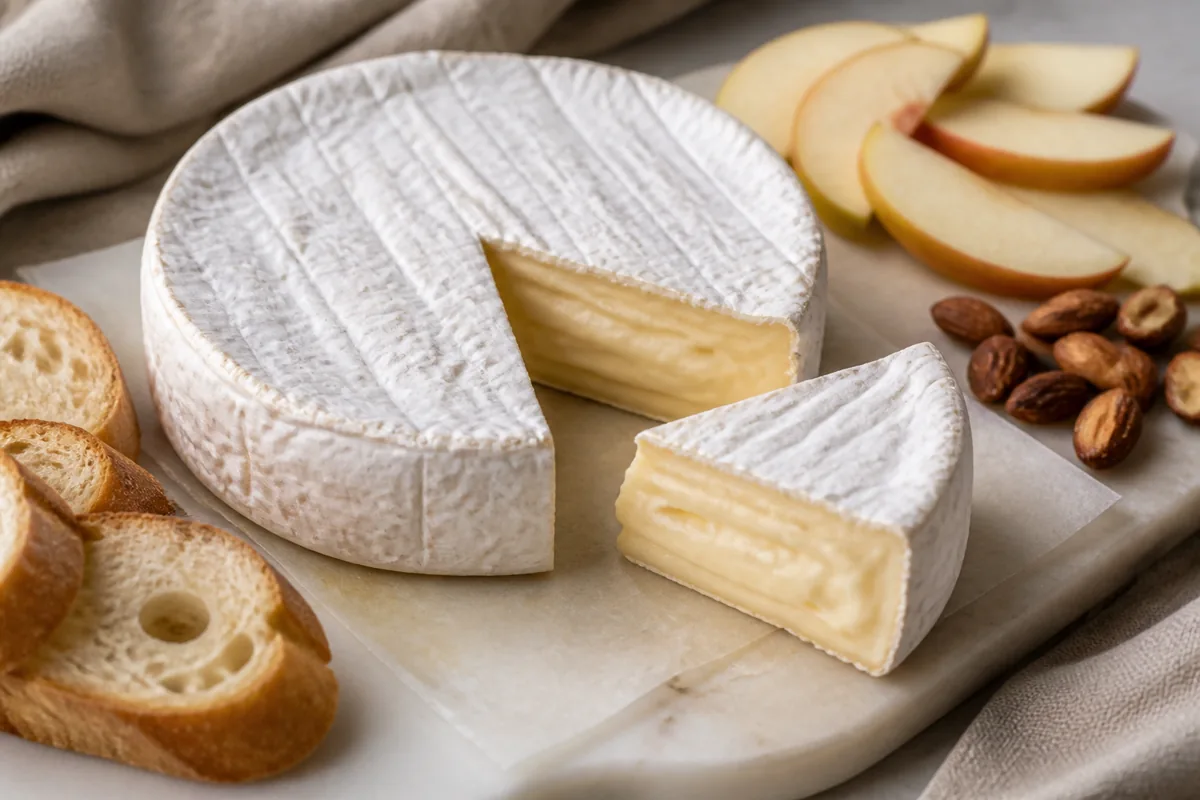
We recommend a small plate with plain bread or crackers first, because it leaves the rind and curd easy to taste separately. Cut wedges through the centre so each portion includes both, rather than spreading the whole round into a topping.
Apple slices and a few almonds are optional accompaniments for crispness and crunch. Keep honey on the side so each person can choose the sweetness without covering every piece.
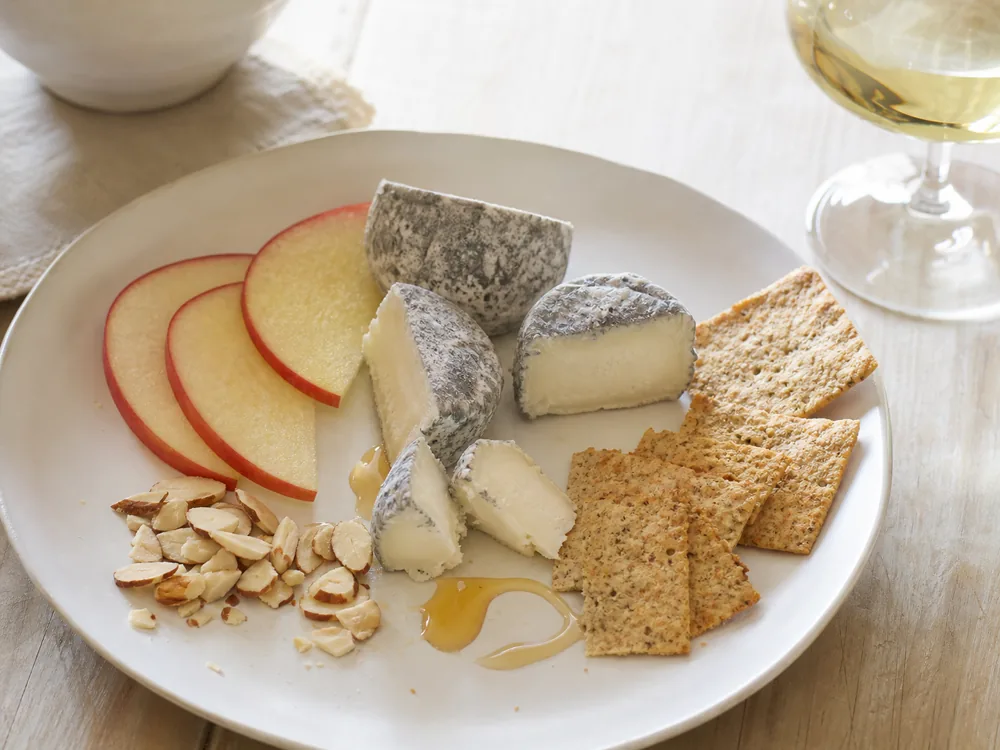
Culture recommends white Burgundy with Acapella. That is a published pairing suggestion, rather than evidence that one wine will suit every stage of ripeness.
When Acapella is unavailable, the replacement depends on which feature you wanted:
- For the rind: ask for another ash-coated, soft-ripened goat cheese, with its texture described by the seller. A matching coating does not guarantee matching flavour or firmness.
- For a spread: fresh goat cheese is a practical alternative, but it leaves out the matured rind.
- For this named product: confirm Andante Dairy and the label before ordering; a similar-looking round is not proof of identity.
For toast, adding a portion after the bread is toasted is a serving suggestion that keeps the cheese separate from the cooking step. It does not count as the thorough heating described below for pregnancy.
How Should You Store Acapella?
Follow the package's storage and use-by instructions, including any shorter period after opening.
For household storage, the FDA recommends a refrigerator at 40°F (4°C) or below and covered food that is protected from contamination. Keep Acapella refrigerated and take out only the portion you intend to serve.
Under the FDA's household rule, discard food requiring refrigeration after more than two hours at room temperature, or one hour above 90°F (32°C). Bringing leftovers back to the fridge does not make an over-limit portion safe again.
Normal appearance or smell cannot establish safety: the FDA distinguishes spoilage from bacteria that can cause illness without visible changes. The rind illustration above is therefore a description of a cheese style, not a test for whether your leftovers are safe.
Is Acapella Safe During Pregnancy?
US: the CDC lists pasteurized soft cheeses heated to an internal temperature of 165°F or until steaming hot among safer choices during pregnancy. Served cold, Acapella is described as a pasteurized, ash-coated soft-ripened goat cheese, a type the CDC list does not cover, so ask a midwife or doctor.
UK: the NHS says mould-ripened soft cheeses with a white coating, including chèvre, must be thoroughly cooked, whether the milk is pasteurized or not. Cheese cooked until steaming hot throughout meets its cooking advice.
The NHS does not name Acapella, and its grey ash coating makes classification by colour alone unreliable. Our precaution for this mould-ripened goat cheese is to eat it only after thorough cooking during pregnancy, or choose one of the NHS's listed alternatives; removing the rind or gently warming it is not equivalent.