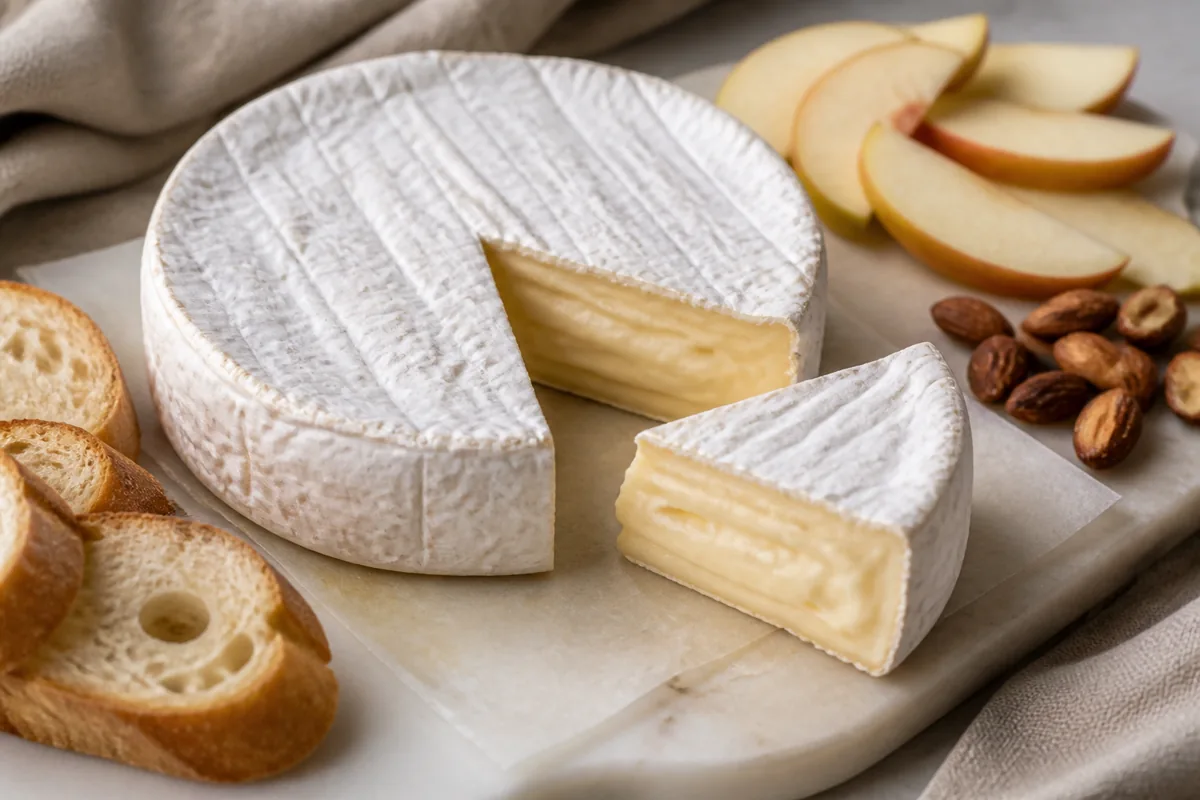
Pack Square was documented as a square, Brie-style cow's-milk cheese made by Looking Glass Creamery in North Carolina. The current producer site does not name Pack Square or confirm that it remains in production, so older product descriptions should not be read as a current label.
If you find a package or counter listing, check the producer name, milk treatment, date, storage directions, and current seller because those details matter more than the square shape.
In This Article
What Was Pack Square Cheese?
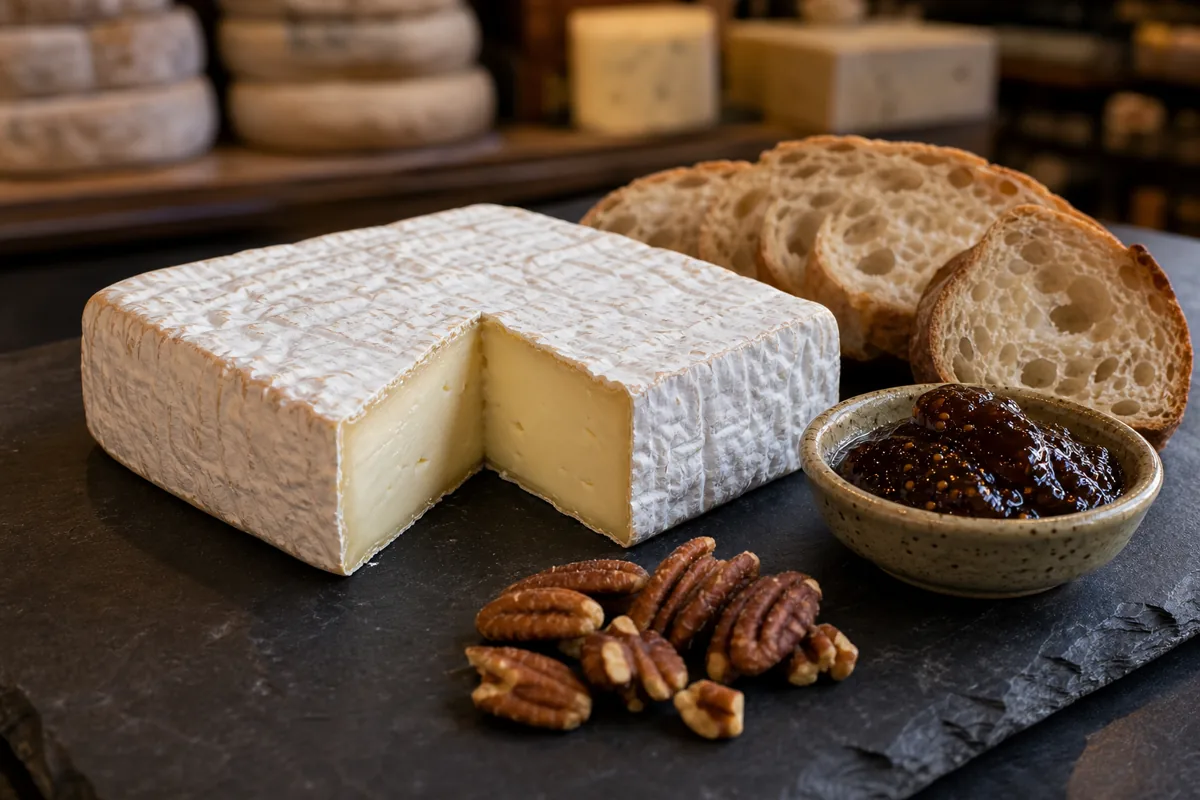
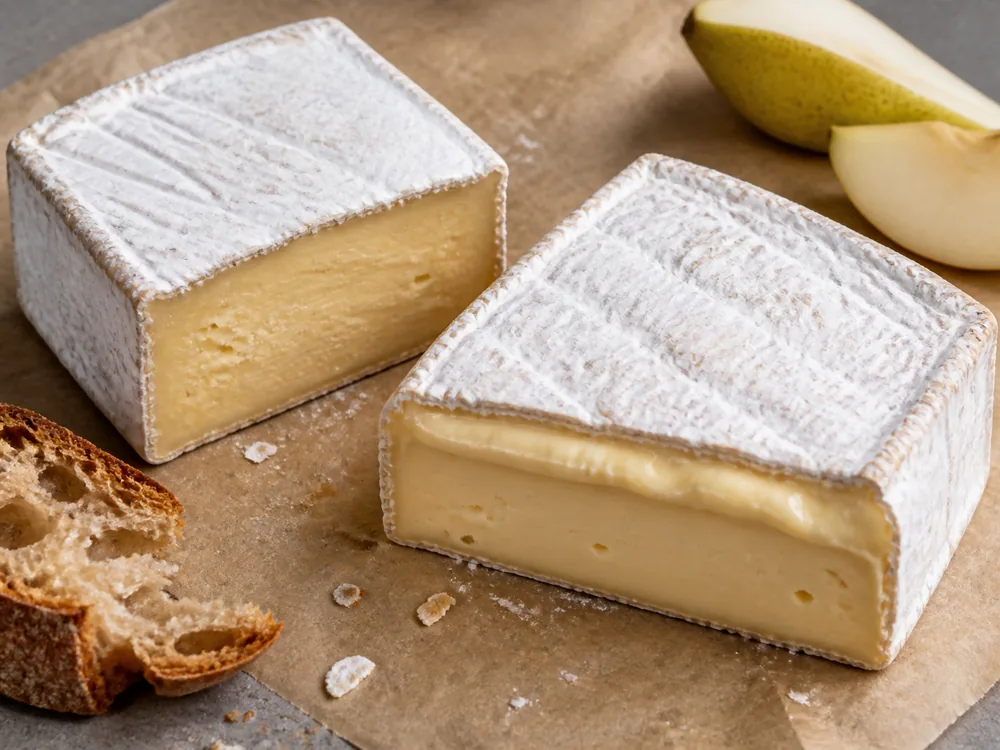
An older Southern Cheesemakers' Guild listing identifies Pack Square as a bloomy-rind, Brie-style cheese made from cow's milk by Looking Glass Creamery at its former Fairview site. Cheese.com's exact profile also attributes the cheese to Looking Glass and describes a square mould, Jersey cow's milk, a white bloomy rind, and a golden paste.
The obsolete Fairview address and former website identify the guild page as an older directory record, while Cheese.com remains a reference rather than a current producer label.
| Record | Supported conclusion |
|---|---|
| Older cheesemakers' guild listing | Pack Square name, cow's milk, bloomy rind, Brie-style cheese, Fairview producer location |
| Cheese.com exact profile | Square mould, Jersey-milk attribution, soft-ripened style, white rind, buttery and creamy description |
| Current producer history | Cheesemaking moved to Columbus in 2018 and the Fairview location closed in 2022 |
| Current producer cheese page | Farmstead cheese from the producer's own herd, both raw and pasteurized varieties, and no Pack Square listing |
Is Pack Square Still Made?
Current production is unconfirmed. Looking Glass Creamery's present site explains that it moved cheesemaking from Fairview to its Columbus farm in 2018, closed the original location in 2022, and now makes cheese from its own herd.
The current cheese page names a broad range and says the creamery makes both raw-milk and pasteurized cheeses, but it does not name Pack Square. The online store also does not ship perishable products, while the farm page directs visitors to its Columbus cafe and shop.
A current package is needed to resolve pasteurization, ingredients, weight, nutrition, date, and storage after opening instead of transferring those details from Brie or another Looking Glass cheese.
What Does Pack Square Taste Like?
Cheese.com describes the historical product as buttery, creamy, earthy, and slightly spicy, with a rich grassy aroma. Treat those as attributed notes from a reference record, not as our tasting result or a promise about a current batch.
For any soft bloomy-rind cheese sold under this name, the package and seller should guide the condition check. Reject damaged or leaking packaging, a missing date, or a piece that has not stayed cold.
The rind and paste can change as a bloomy-rind cheese ripens, but the reviewed Pack Square records do not provide a verified schedule or a universal pressure test. Ask the seller whether the specific piece is ready for the day you plan to serve it.
How Do You Serve Pack Square or Find a Substitute?
A square format is easiest to share when each piece includes outer rind and inner paste. Cut the square in half, then cut narrow portions across a fresh face so one guest does not get only a rind-heavy corner.
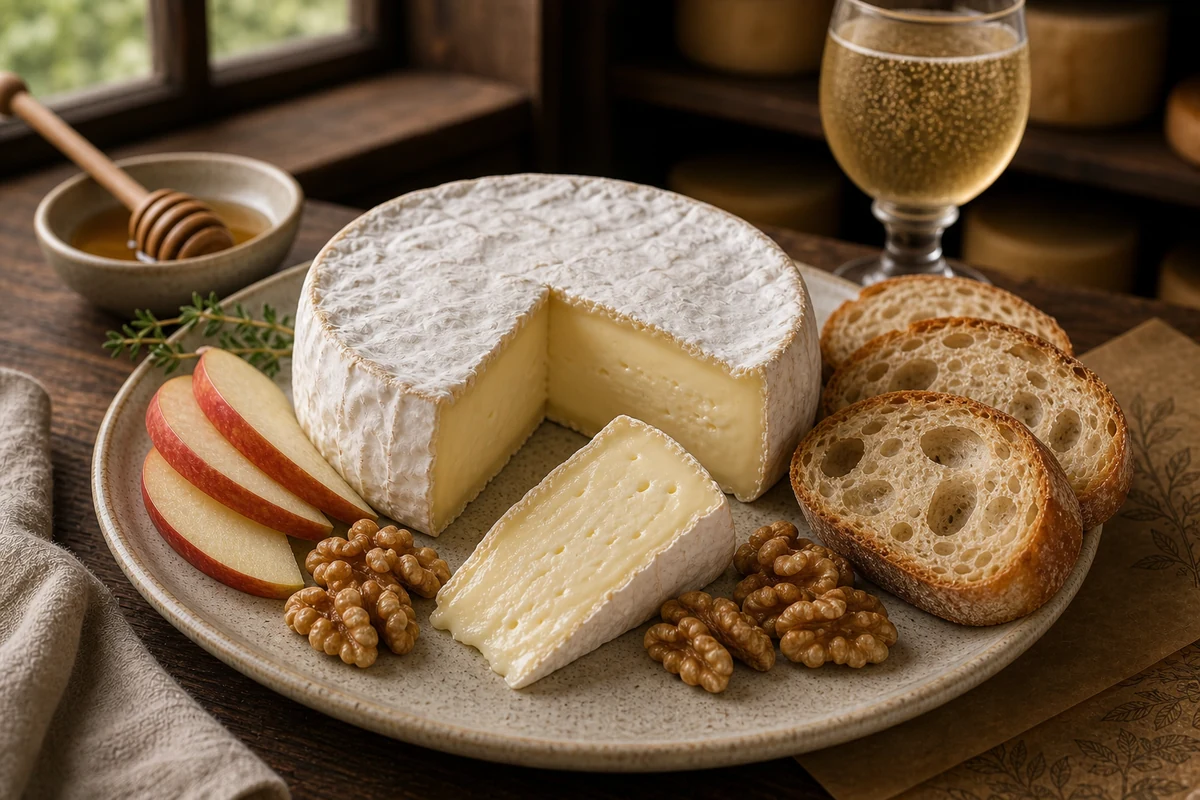
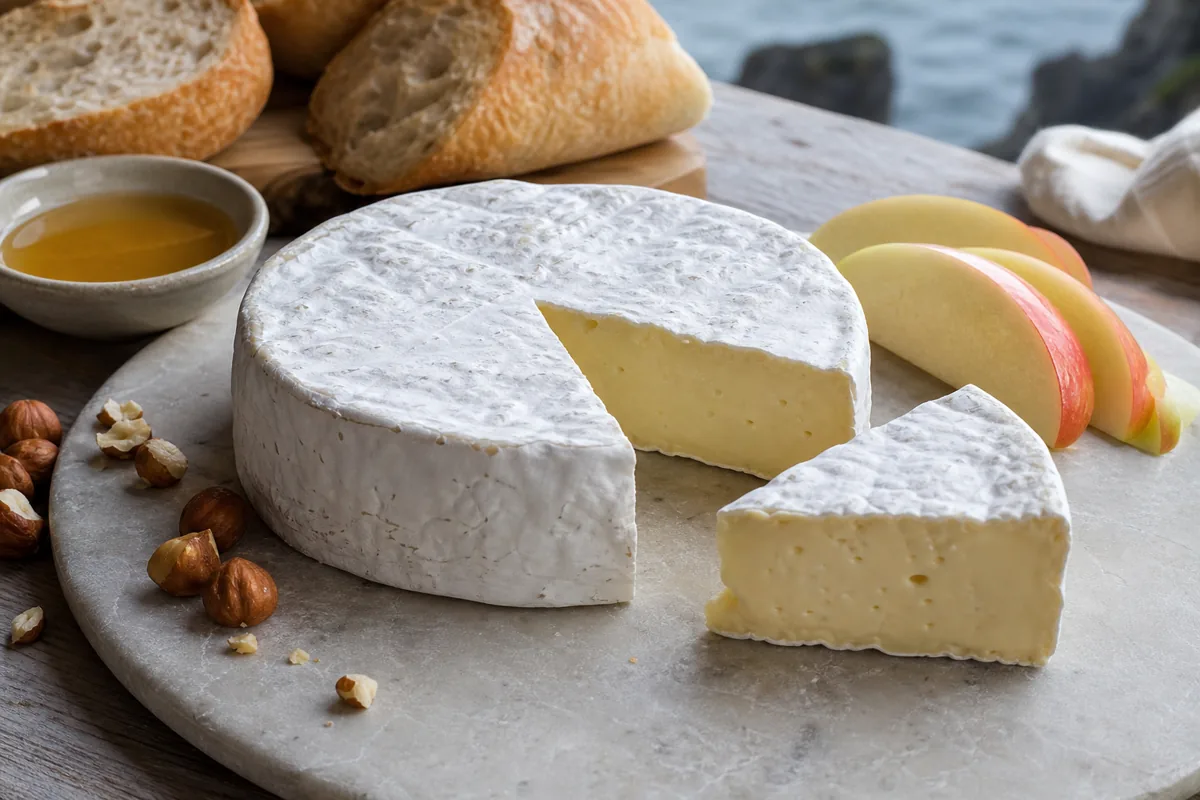
If the cheese matches the older buttery and earthy description, bread, pear, apple, and toasted nuts give it a simple board without hiding the rind. These are serving suggestions, not a claim that we tested Pack Square.
| Closest broad style | Pasteurized Brie with a similar fat level and ripeness |
| Earthier rind | Pasteurized Camembert-style cheese |
| Richer board cheese | Pasteurized double-cream bloomy-rind cheese |
| Square presentation | Any labelled square bloomy-rind cheese with the milk treatment and date you need |
Choose a soft-ripened cheese with broad retail availability when matching texture matters, or a typically earthier bloomy-rind cheese when rind intensity matters. Match the package size, milk treatment, and ripeness required for your meal instead of choosing by shape alone.
How Should You Store and Check Pack Square?
Keep the cheese at 40°F (4°C) or below.
FDA advises refrigerating perishables promptly, following label directions, and limiting time at room temperature to two hours, or one hour when the air is above 90°F (32°C).
USDA gives one week as a general refrigerator guide for soft cheeses such as Brie, but that is not a Pack Square package instruction. Use the printed date and producer or seller guidance when they give a shorter limit.
Do not use smell alone to prove safety. If the cold-storage history is unknown, the package is damaged, or the date and identity cannot be verified, choose another cheese.
Is Pack Square Safe During Pregnancy?
No current exact-product record reviewed here confirms whether Pack Square is made with pasteurized milk, and the current producer says its wider range includes both raw-milk and pasteurized cheeses.
CDC explains that pasteurization kills Listeria in milk, while soft cheese can still become contaminated during cheese-making. A milk statement alone therefore does not settle the risk for this soft-ripened style.
For the United States, the CDC lists pasteurized soft cheeses heated to an internal temperature of 165°F (74°C) or until steaming hot among its safer choices. It lists soft cheese made from unpasteurized (raw) milk and unheated cheese sliced at a deli as riskier choices.
Served cold, Pack Square made with pasteurized milk is described as a soft-ripened cheese with a white bloomy rind, a type the CDC list does not cover, so ask a midwife or doctor.
The NHS says pasteurised or unpasteurised mould-ripened soft cheeses with a white coating on the outside, and foods made from unpasteurised milk, must be thoroughly cooked. It lists any cheese that's been cooked until steaming hot as safe to eat.
If a seller cannot show the original milk-treatment statement, do not treat the cheese as pasteurized. A Brie substitute also needs its own label check and the same current guidance.
SOURCES & REFERENCES
Older exact-product records describe Pack Square as a square, Brie-style cow's-milk cheese with a white bloomy rind, made by Looking Glass Creamery at its former Fairview location.
Current production is unconfirmed because Looking Glass Creamery remains active at its Columbus farm but its current public cheese pages do not name Pack Square. Ask the producer before travelling or relying on an old retailer listing.
Use a labelled Brie for the closest broad texture, a Camembert-style cheese for a stronger earthy rind, or another square bloomy-rind cheese when presentation matters. Check the milk treatment, date, and ripeness of the exact package.
Keep a verified package at 40°F (4°C) or below and follow its date and storage directions. FDA limits perishable food at room temperature to two hours, or one hour above 90°F (32°C).
The current product and its milk treatment are unconfirmed. The NHS says pasteurised or unpasteurised mould-ripened soft cheeses with a white coating on the outside must be thoroughly cooked, and the CDC lists pasteurized soft cheeses heated to an internal temperature of 165°F (74°C) or until steaming hot as safer.
The CDC lists soft cheese made from unpasteurized (raw) milk as riskier, and served cold, a pasteurized soft-ripened cheese is a type its list does not cover, so check the label and ask a midwife or doctor.