Monterey Jack is California's original commercial cheese and one of the most versatile melters in the American cheese pantry. Mild, creamy, and forgiving under heat, it earned its place as the go-to cheese for everything from quesadillas to cheeseburgers. The Gouda vs Cheddar comparison shows how other mild washed-curd melters differ from Monterey Jack in origin and texture.
It is also one of the few American originals with a documented history stretching back to Franciscan missions in the 1700s. The Spanish regional cheese guide covers how Spanish dairy traditions arrived in California through those same Franciscan missions. The path from mission dairy to supermarket staple is worth knowing before you buy.
This profile covers everything useful about Monterey Jack: origin, flavor by type, melt behavior, and how to store it correctly.
In This Article
What Monterey Jack Is
Monterey Jack is a pasteurized cow's milk cheese developed in California's Monterey County during the 19th century. Its mild, buttery character and excellent melt behavior made it the foundation for several American cheese styles.
Franciscan monks in the Monterey region produced a fresh, mild white cheese from the 1700s. David Jacks, a Scottish-born businessman, commercialized the cheese in the 1880s, shipping it from Monterey across California under the name "Jack's Cheese," which eventually contracted to Monterey Jack.
- Origin — Monterey County, California, commercial production from the 1880s under David Jacks
- Milk — pasteurized whole cow's milk, no geographic protection required
- Rind — rindless; sold vacuum-sealed or under wax coating
- Key variants — Young Jack (3-4 weeks), Pepper Jack, Colby-Jack, Dry Jack (3-6 months)
- Protected status — none; any producer in the US can make Monterey Jack
Unlike European cheeses with strict geographic designations, Monterey Jack has no protected status. This means quality and flavor vary significantly between producers. Artisan California-made Jack from Vella Cheese Company or Fiscalini Creamery bears little resemblance to mass-market block Jack from a commodity dairy.
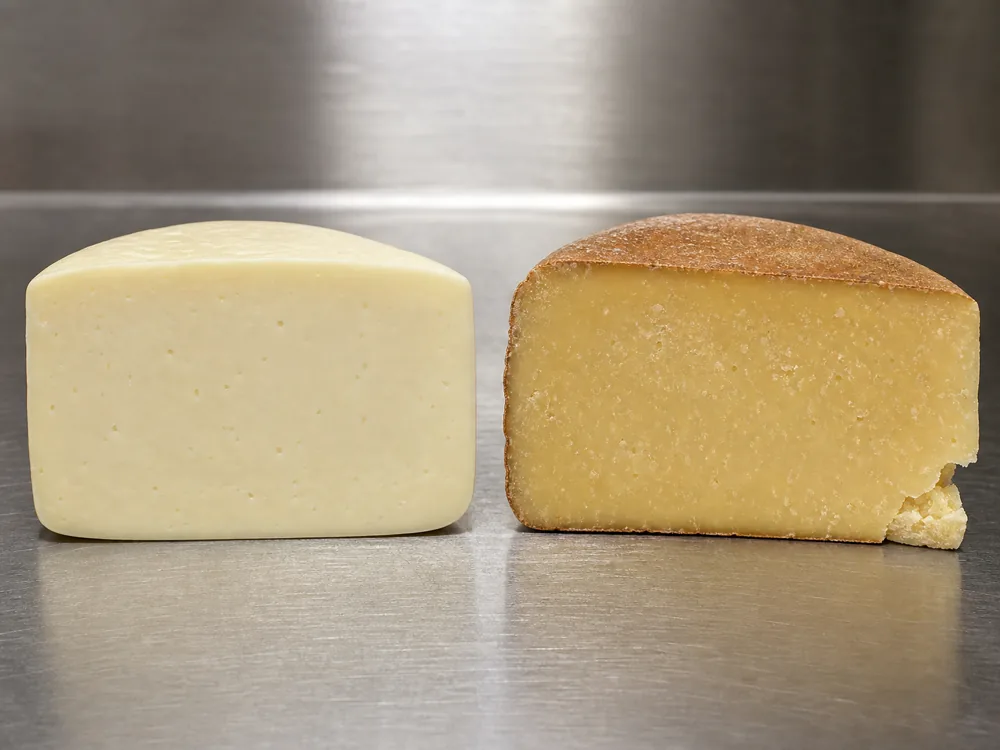
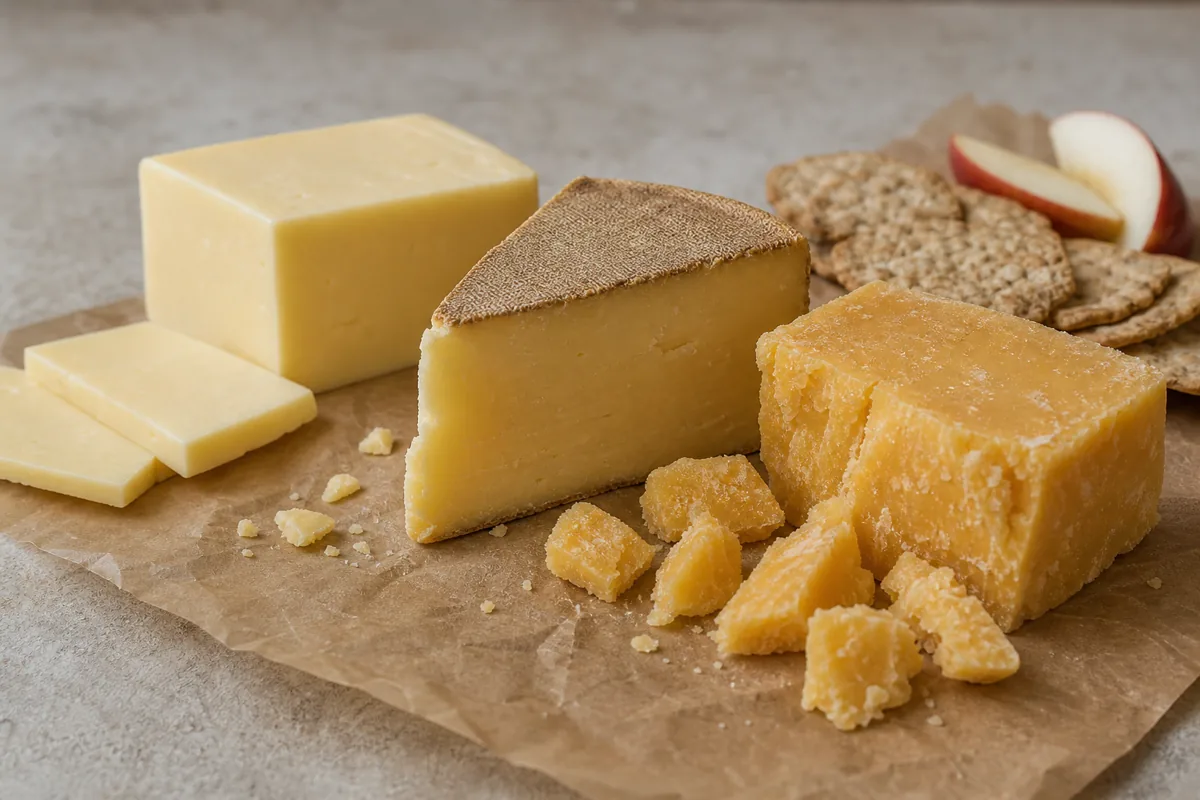
Dry Jack is the aged version, matured 6-12 months until the paste firms and develops a nutty, granular character. Vella Cheese Company's Dry Jack, made in Sonoma since 1931, is the benchmark and one of the most distinctive American cheeses.
David Jacks did not invent the cheese. Franciscan missionaries were making a similar fresh white cheese in the Monterey region before California became a US state. Jacks commercialized and distributed it under his name. The origin story is contested but the commercial lineage from Jacks is well-documented from the 1880s.
Monterey Jack Flavor and Texture
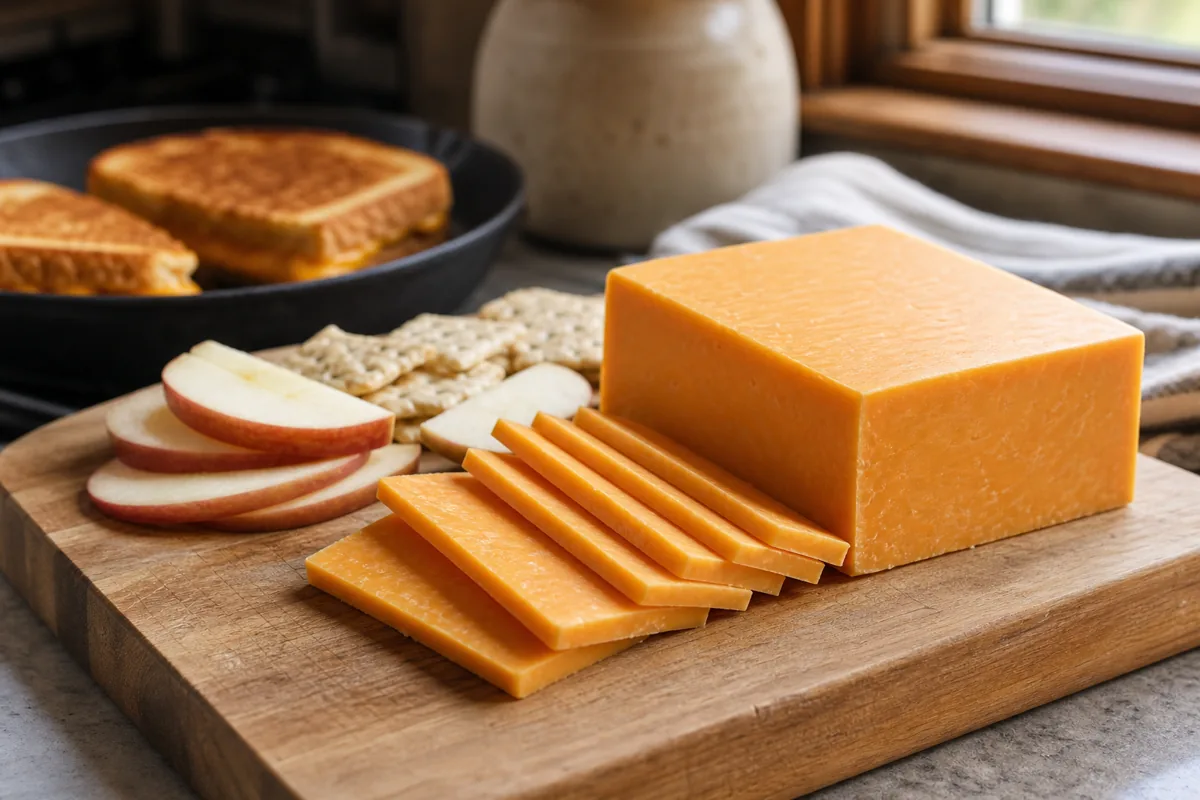
Young Monterey Jack (3-4 weeks) has a very mild, buttery, slightly tangy flavor with almost no sharpness. The texture is supple and springy, cutting cleanly without crumbling. It is one of the blandest cheeses widely sold in the US, which is the point.
That neutrality is a feature, not a defect. Young Jack melts smoothly and carries other flavors without competing with them, making it ideal for cooking applications where cheese texture matters more than cheese flavor.
The radar above reflects young Monterey Jack at 3-4 weeks. Pepper Jack registers higher on the salty and bitter scales due to added chilis. Dry Jack at 6+ months shows significantly higher umami (60+) and lower creamy as moisture drops and the paste firms.
Dry Jack is a different eating experience entirely. The long aging produces a nutty, savory, almost Parmesan-like depth with a granular texture and a flavor profile that works on boards rather than melted.
- Young Jack (3-4 weeks): very mild, buttery, slight tang, supple texture, maximum melt quality
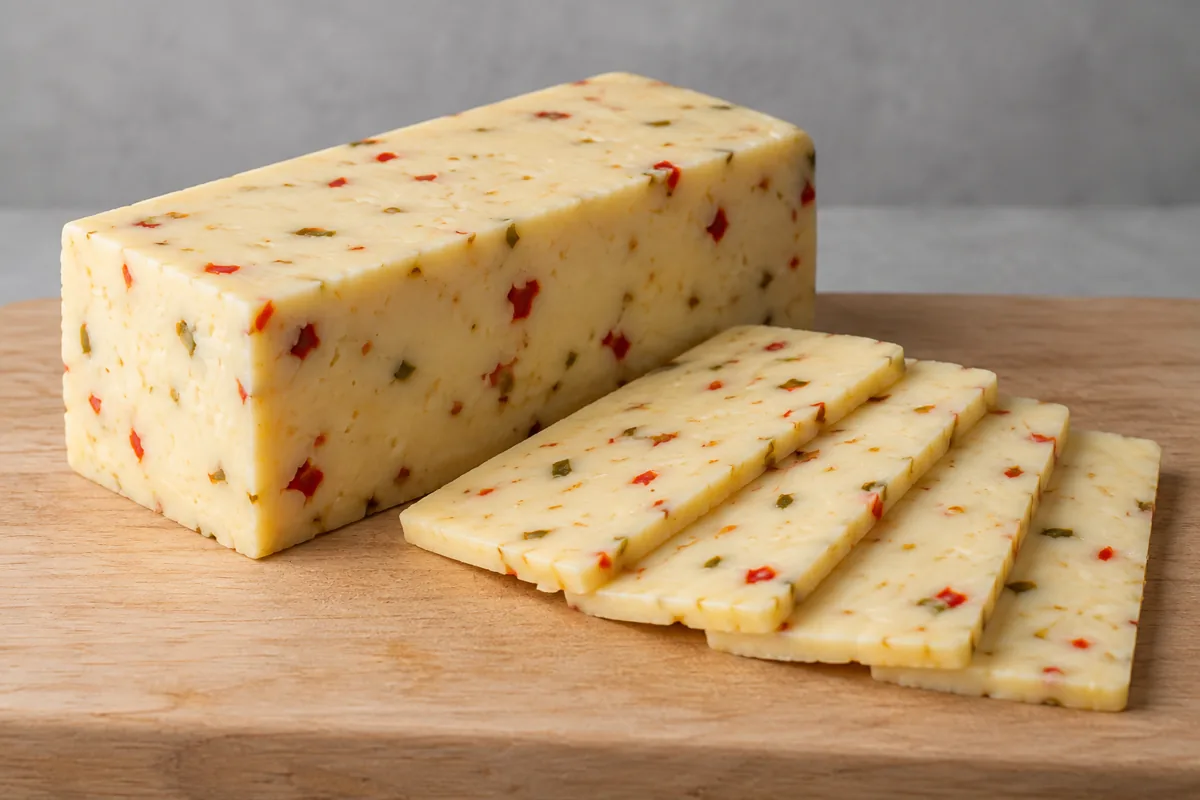
- Pepper Jack: Young Jack base with added habanero and jalapeno peppers, moderate heat, same melt
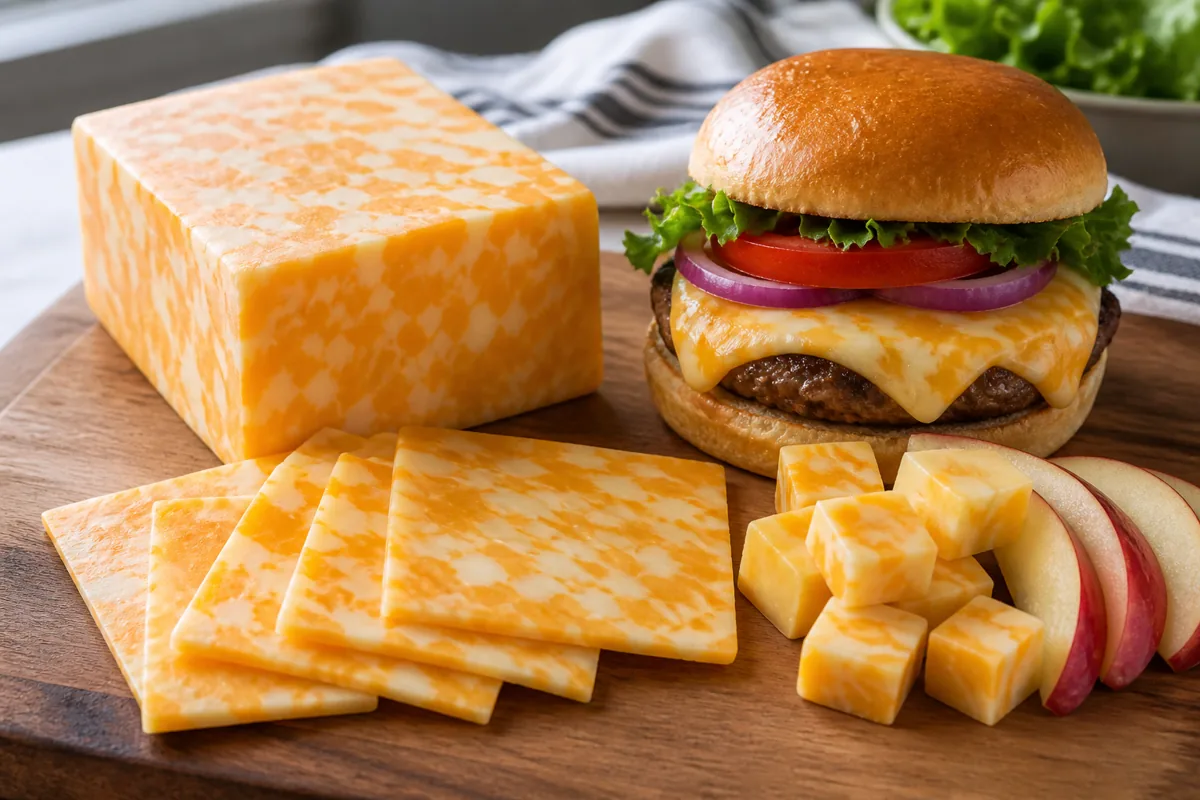
- Colby-Jack (Co-Jack): marbled blend of Monterey Jack and Colby, milder than either alone
- Dry Jack (6-12 months): nutty, savory, granular texture, Parmesan-adjacent flavor, best raw
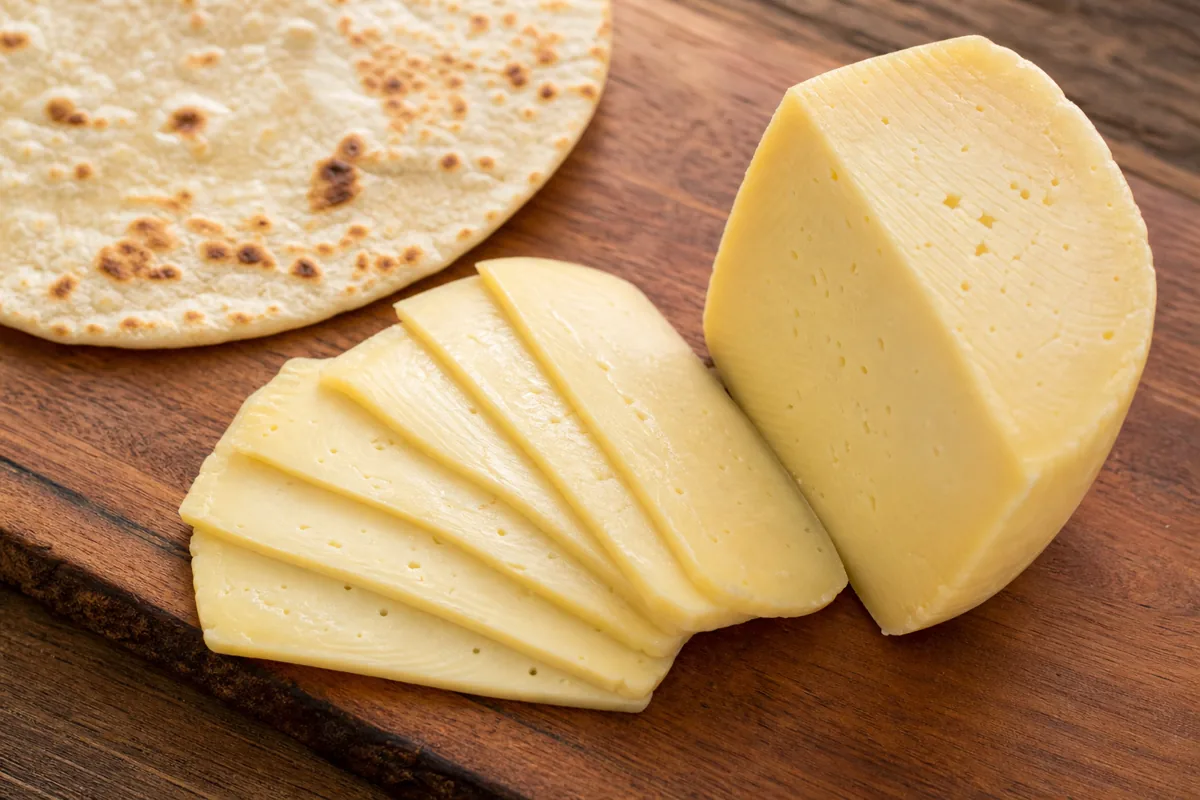
The paste of young Monterey Jack is smooth and nearly eye-free, distinguishing it visually from Swiss-family cheeses. The high moisture content (up to 44%) is what gives it that supple bite and excellent melt behavior at low temperatures.
How Monterey Jack Melts
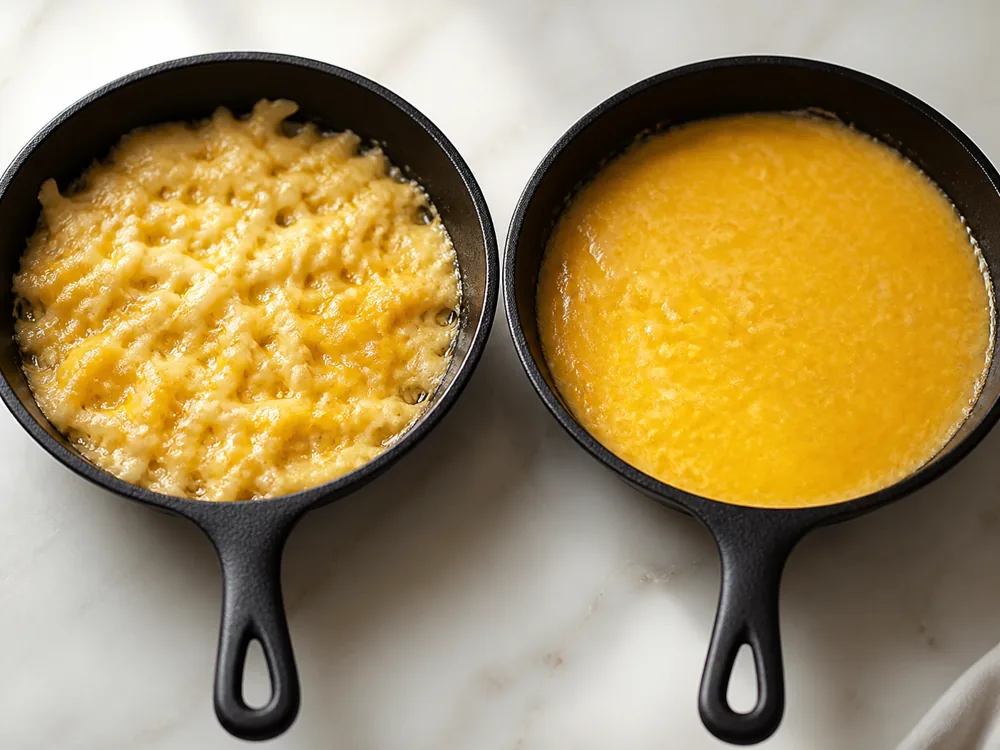
Young Monterey Jack is among the best-melting cheeses you can buy at a supermarket. Its high moisture, moderate fat, and mild curd structure mean it flows quickly and smoothly at temperatures as low as 130 degrees F (54 degrees C).
It does not separate into greasy oil and rubbery protein under normal cooking conditions. The relatively high pH of Monterey Jack (compared to cheddar) also prevents the protein from tightening up under heat.
The melt score of 88 reflects young Monterey Jack in a standard melt test. It ranks just below Gruyere and Fontina for melt smoothness, but ahead of most cheddars at equivalent price points. The low sharpness score (18) and availability score (98) confirm its position as the most accessible mild melter in the US market.
Pepper Jack inherits the same melt profile with added chili heat. It is particularly useful in Tex-Mex applications where you want both the smooth melt and a spice element without adding a separate component.
- Grate cold — cold Jack grates cleanly without clumping
- Low heat works — Jack melts at 130 F, well below most cheese fondue temperatures
- No anti-caking starch — buy block Jack and grate fresh for best melt results
- Blend for complexity — combine with sharp cheddar for flavor without losing melt quality
Monterey Jack Best Uses
The defining use case for young Monterey Jack is any application where smooth melt at moderate heat matters more than strong cheese flavor. Mexican and Tex-Mex cuisine adopted it widely for exactly this reason.
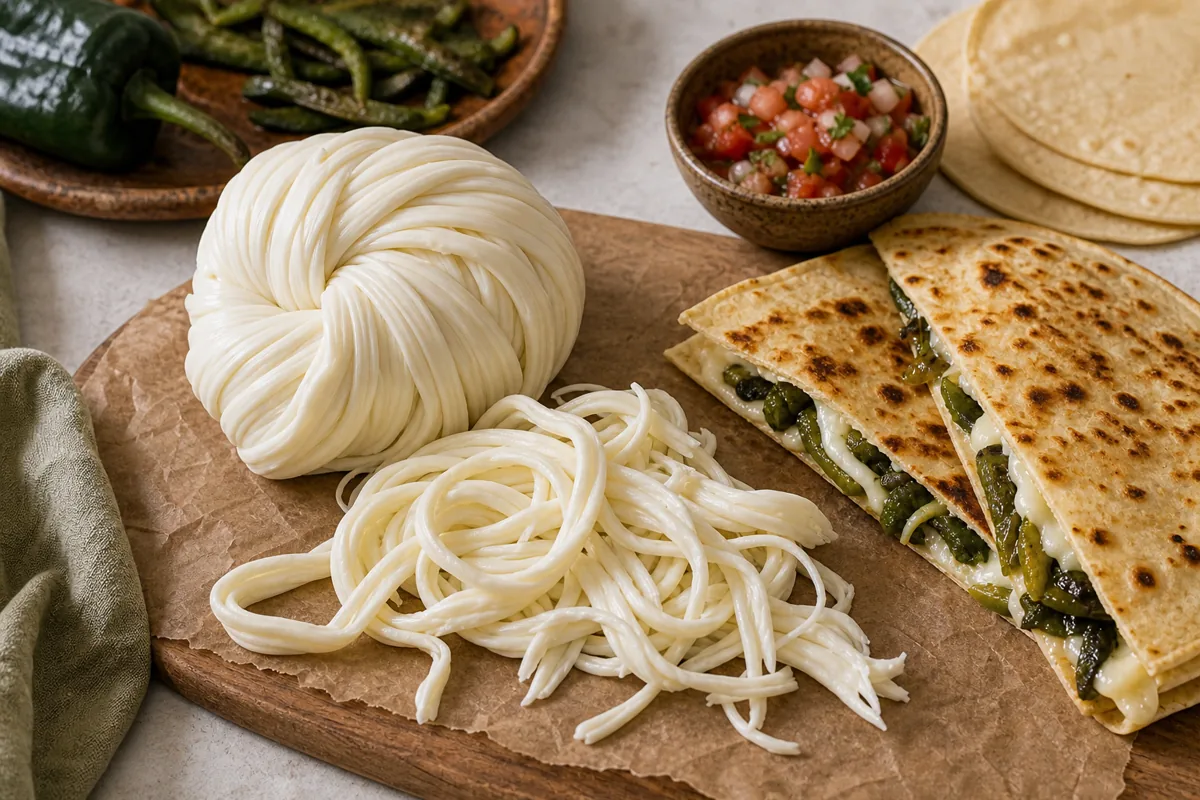
Authentic Mexican cheeses like Oaxaca and Asadero are harder to source in most US markets. Monterey Jack fills that role reliably because its melt behavior and mild flavor profile are close enough in most applications.
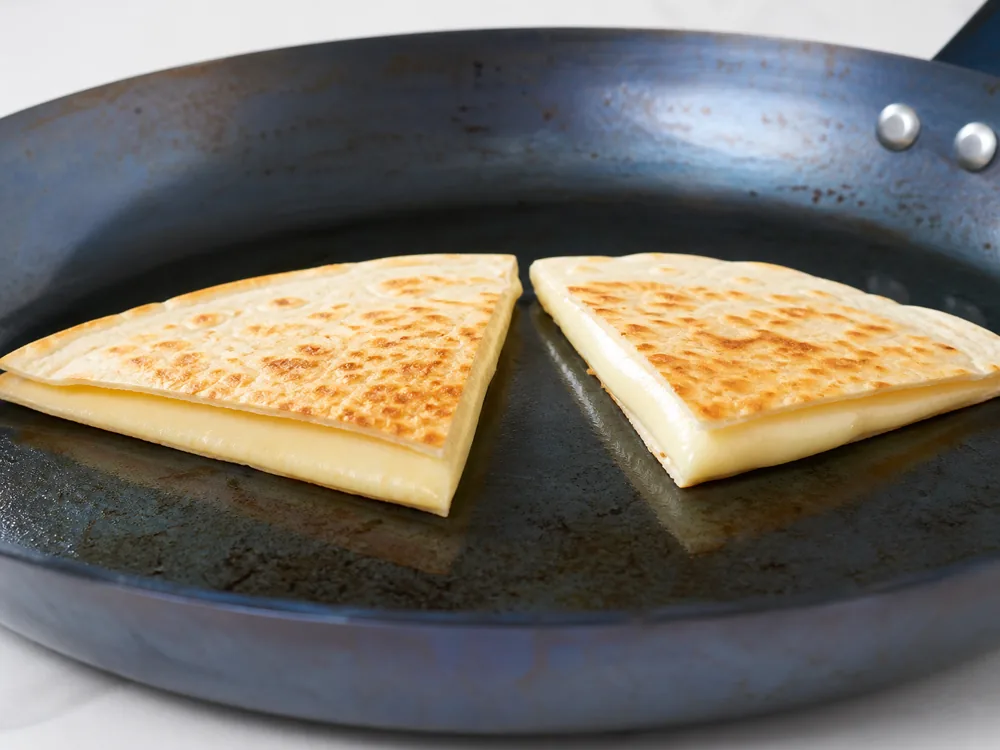
- Quesadillas and nachos — the standard Tex-Mex melter, smooth and non-greasy
- Cheeseburgers — melts evenly without overpowering beef flavor
- Enchiladas — combined with cheddar for color and flavor contrast
- Grilled cheese — mild base that lets other ingredients lead
- Mac and cheese sauce — melts smoothly into bechamel without graining
For a full ranking of cheeses by melt quality, use case, and flavor contribution, our best melting cheeses guide covers every major option from American singles through Gruyere and Raclette. For cold sandwich applications specifically, the sandwich cheese guide ranks Monterey Jack against eight others.
Dry Jack is a completely different use case. The Asiago d'Allevo profile shows how a similar aging transformation turns a mild fresh cheese into a hard grating wheel. Grated over pasta, used in place of aged Italian hard grating cheese on salads, or served on boards with fruit and cured meats, it behaves like an American Parmesan with a distinct California character. For dishes that call for a Parmesan-style grating cheese, the Parmesan substitute guide ranks Dry Jack alongside Pecorino and Grana Padano.
For the smoothest mac and cheese sauce, combine two parts Monterey Jack with one part sharp cheddar. The Jack provides the melt structure; the cheddar provides color and flavor. Add the cheese off-heat after the bechamel has thickened. Never boil cheese sauce after adding cheese — the protein tightens and the sauce grains.
Monterey Jack Pairings
Young Monterey Jack's mild, buttery flavor is so neutral that pairing is more about texture than flavor matching. The cheese works best with partners that bring assertiveness it lacks.
Dry Jack, by contrast, has enough complexity to hold its own against structured wines and bold foods.
- Crisp white wines — Sauvignon Blanc and dry Pinot Grigio cut through the butterfat cleanly
- Light lager — the best beverage for Jack in Tex-Mex meals
- Avocado — textural alignment between the two fats creates richness
- Roasted peppers — char and sweetness complement Jack's mild creaminess
- Dry chorizo — spice contrast with the mild, cool paste
Dry Jack pairs like a mild Parmesan. Try it with a medium-weight California red like Zinfandel or a Rhone-style Grenache. Its nutty depth bridges the gap between aged Italian hard cheeses and California winemaking traditions.
How to Store Monterey Jack
Young Monterey Jack is high-moisture and rindless, which makes it more vulnerable to drying and mold than aged hard cheeses. The cut face needs protection from refrigerator air.
Proper wrapping adds 1-2 weeks to the usable life of a cut block. Sloppy storage in the original packaging after opening is the main reason Jack goes slimy or develops surface mold early.
- Wrap the cut face tightly — exposure to air dries and slimes the surface within days
- Cheese drawer at 35-38 F — consistent cold prevents moisture sweating on the surface
- Zip bag with air removed — secondary barrier extends life significantly
- Check for sliminess before use — a slimy surface means the cold chain was broken at some point
Unlike hard rinded cheeses, Monterey Jack has no protective rind. Any surface mold on Monterey Jack is meaningful. Cut away at least one inch around any mold spot and use the rest promptly. If mold covers more than a small spot or the paste smells sour or ammonia-like, discard the piece.
Do not store opened Monterey Jack in the original resealable bag. Those bags trap moisture unevenly and create conditions for slime-forming bacteria on the surface. Transfer to fresh plastic wrap pressed directly against the cut face, then into a sealed zip bag. This small step doubles the useful fridge life.
Our cheese storage guide covers wrapping methods, mold assessment, and shelf-life charts for every major category from bloomy-rind rounds through hard block cheeses. The washed-curd American original from Wisconsin stores similarly to Monterey Jack and has identical wrapping requirements.
Buying Monterey Jack
Monterey Jack is available in every US supermarket, usually in both block and pre-shredded formats. Block Jack from the deli counter or cheese section is always the better buy for cooking.
For serious cooking or boards, seek out artisan California producers. Vella Cheese Company's Dry Jack and Fiscalini Creamery's handcrafted Jack are different products from commodity block Jack.
Monterey Jack Nutrition
Young Monterey Jack is calorie-moderate with strong protein and calcium per ounce. The high moisture (compared to aged hard cheeses) means slightly lower density than Parmesan or Gruyere, but it is still a nutritionally solid cheese.
- Moderate calories — 106 per ounce, lower than harder aged cheeses of similar fat content
- Good protein — 6.9g per ounce, solid contribution from a mild semi-soft
- Useful calcium — 212mg per ounce, 16% of daily value
- Very low carbs — 0.2g per ounce, suitable for low-carb diets
Sodium at 150mg per ounce is moderate for a cheese. Lower-sodium Monterey Jack varieties are available and widely sold in US markets for those managing dietary sodium intake.
These figures come from the USDA FoodData Central database for standard young Monterey Jack.
Monterey Jack FAQ
The most common questions about Monterey Jack, from melt behavior to the Dry Jack difference.
Young Monterey Jack has high moisture (up to 44%), moderate fat (50% FDM), and a relatively high pH compared to cheddar. These three factors together produce a protein network that relaxes quickly under heat without separating into greasy oil and rubbery curds. It melts at temperatures as low as 130 degrees F, making it one of the easiest cheeses to melt evenly in everyday cooking.
Pepper Jack is Monterey Jack with added chili peppers, typically habanero and jalapeno, mixed into the curd during production. The base cheese is identical. Melt behavior is the same. The only difference is heat level and flavor. Pepper Jack is not hotter than young Jack in terms of sharpness -- it just carries the capsaicin heat from the peppers.
Dry Jack is Monterey Jack aged for at least 6 months, compared to the 3-4 weeks for young Jack. The extended aging drives out moisture, firms the paste, and develops a nutty, savory flavor that is often compared to a mild Parmesan or aged Gouda. Vella Cheese Company in Sonoma produces the benchmark version. It is a board cheese, not a melter, and a completely different product from block supermarket Jack.
Yes, in most cooked applications. Both cheeses melt smoothly and have mild flavors. Monterey Jack is slightly richer and more buttery than fresh mozzarella, and it lacks mozzarella's slight tang and stretch. For pizza, quesadillas, and casseroles, the substitution works at a 1:1 ratio. On a fresh Caprese salad, Monterey Jack does not substitute well because the textures and fresh flavors are too different.
Young Monterey Jack has low but not negligible lactose, estimated around 0.2g per ounce. The cheese-making process converts most lactose to lactic acid during fermentation, but young Jack retains more residual lactose than hard aged cheeses like Gruyere or Parmesan. Most people with mild lactose sensitivity tolerate it in moderate amounts. Dry Jack, with its longer aging, has even less residual lactose. Individual responses vary.