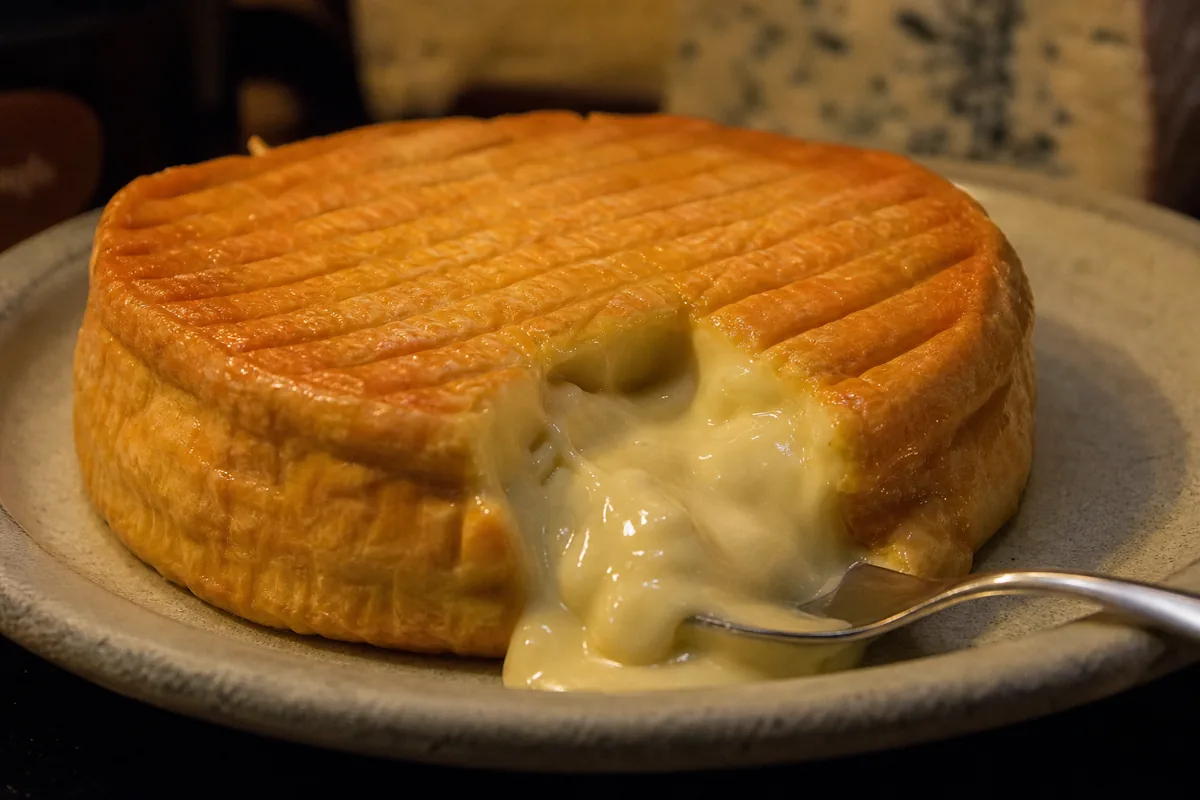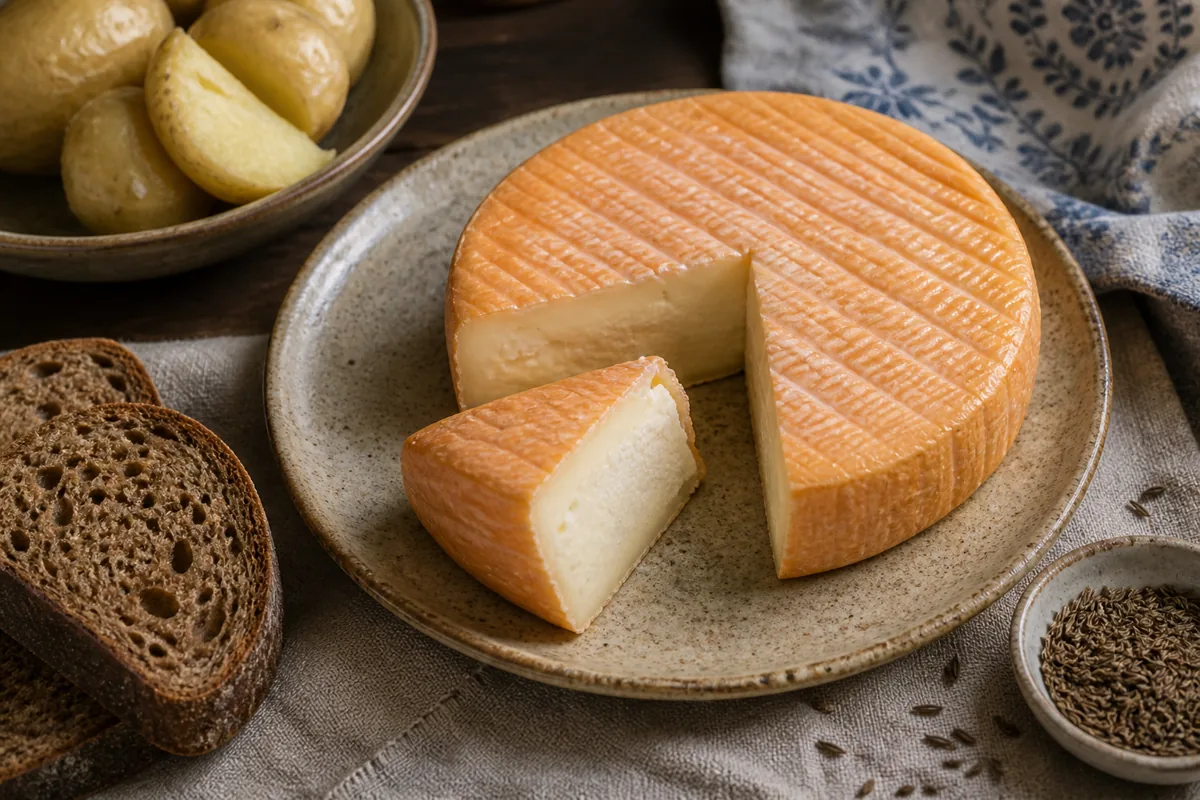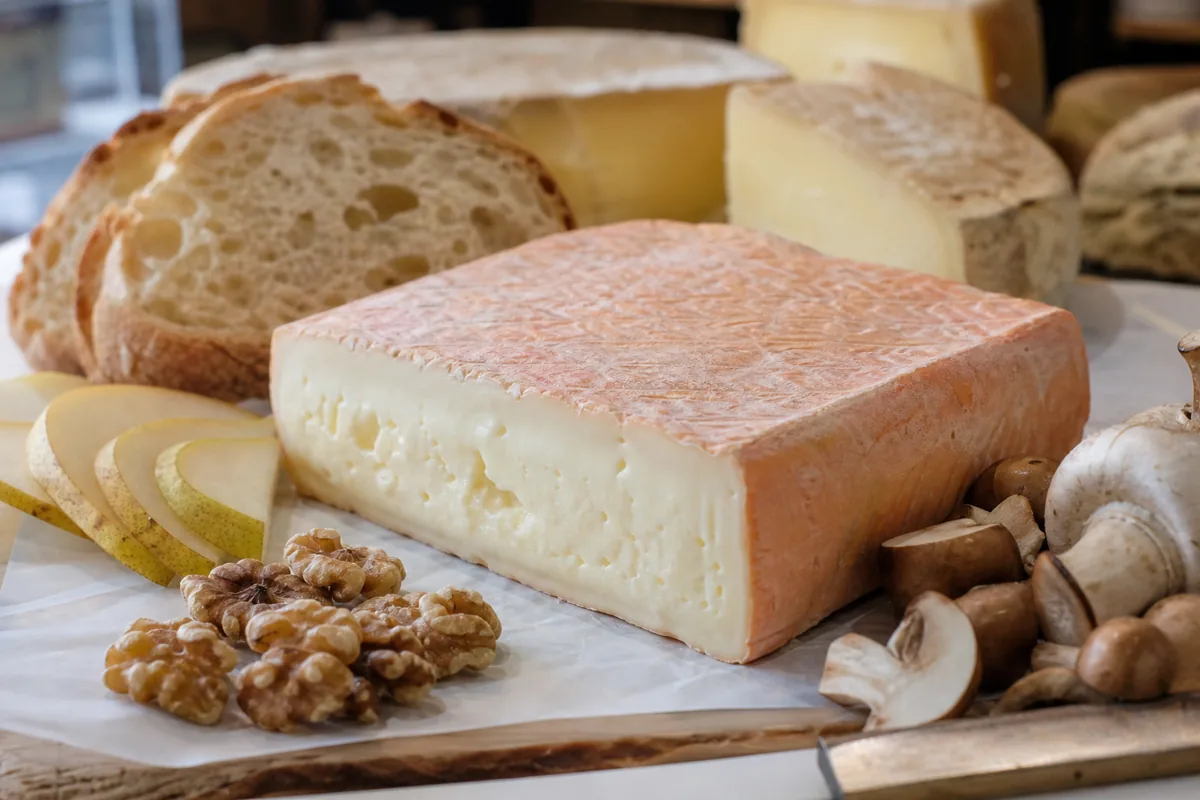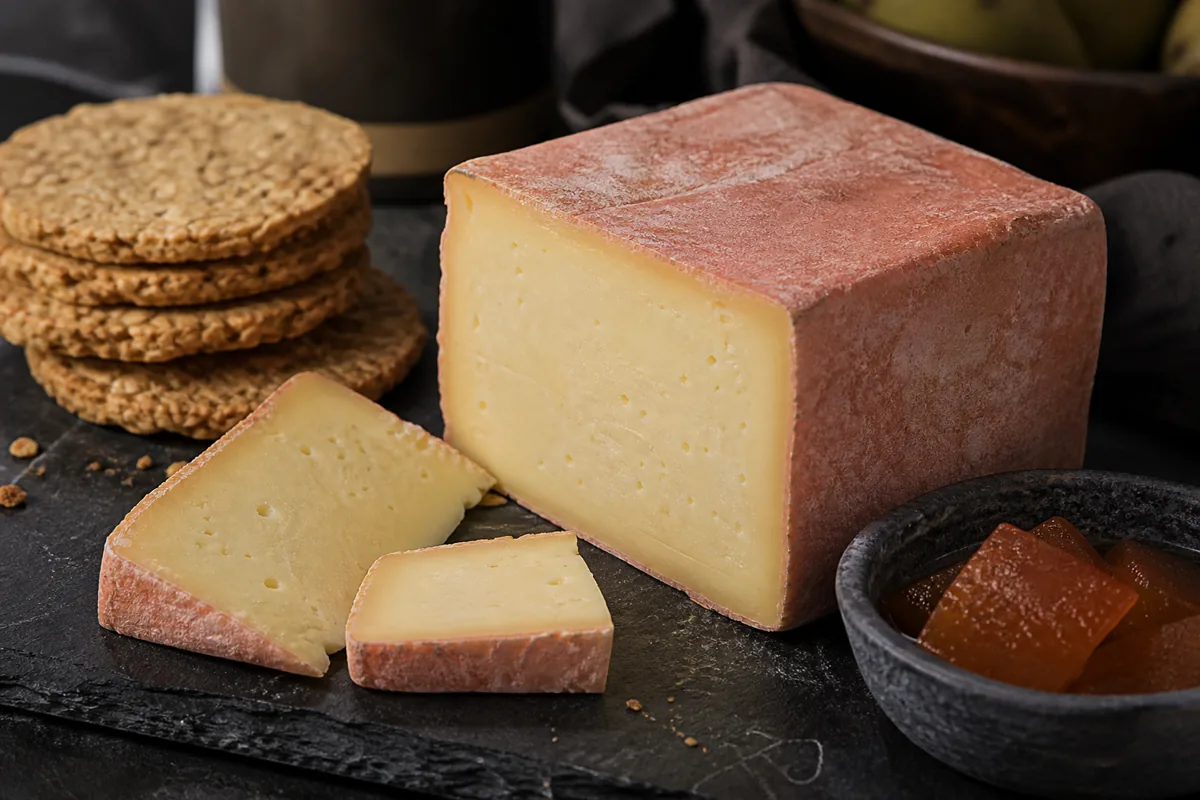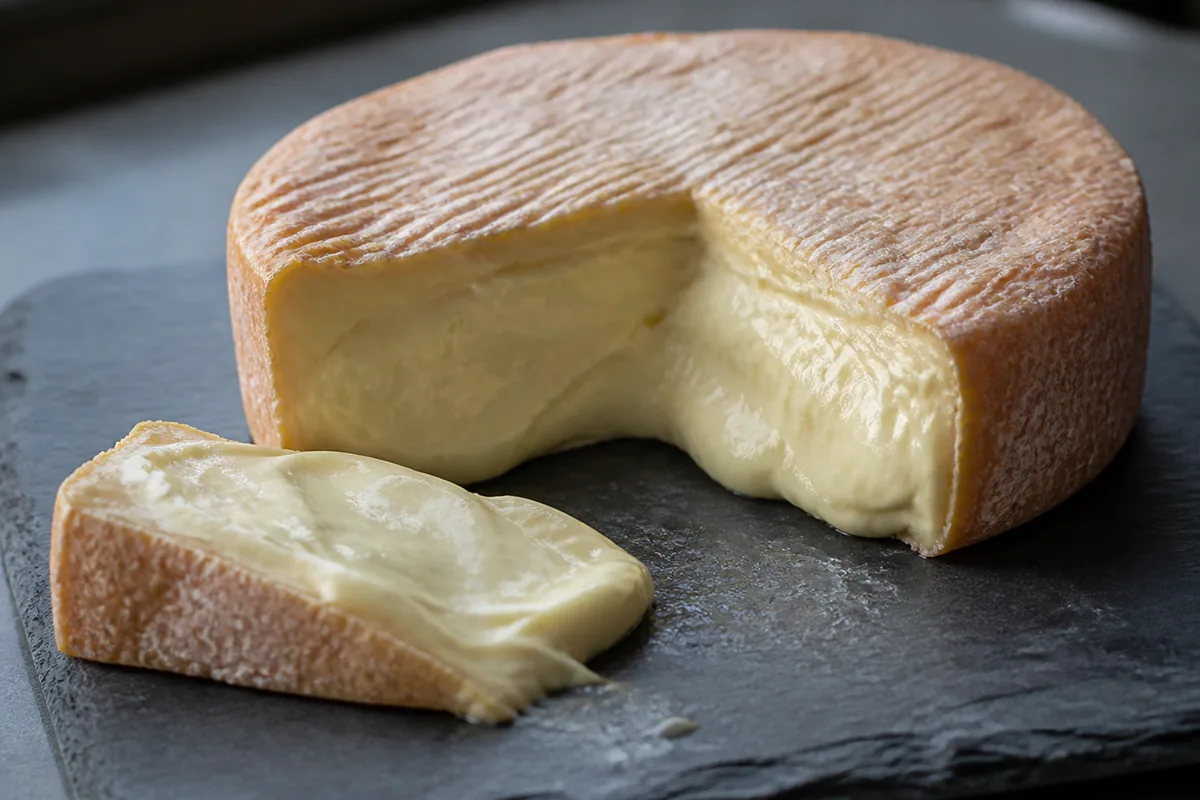
Dorset is a soft-ripened, washed-rind cow's-milk cheese that Consider Bardwell Farm in West Pawlet, Vermont, made before Woodlawn Creamery took over the plant in 2024.
The raw-milk original is gone, and Woodlawn Creamery, which now holds the recipe, had made no Dorset at all by mid-2024.
In This Article
Can You Still Buy Dorset Cheese?
No, not from the current maker. Seven Days reported in June 2024 that Woodlawn Creamery, which took over Consider Bardwell's cow's-milk cheeses, had not made any Dorset.
Seth and Kate Leach, seventh-generation dairy farmers in Pawlet, leased the Consider Bardwell plant and licensed three of its recipes: Pawlet, Rupert, and Dorset. They pay royalties on all sales for five years, after which they own the recipes and cheese names, and their first batches came out in January 2024.
Seven Days found Pawlet already selling and Rupert, a raw-milk, washed-rind cheese that ages at least eight months, due in September 2024. Southwind, a raclette-style cheese developed by Jeremy Russo, a farmer-cheesemaker and childhood friend of Seth's, started shipping in June.
Angela Miller, who ran Consider Bardwell with her husband, the architect Russell Glover, told Seven Days she was "well past retirement age" and had struggled to find employees after the farm restarted.
Seth Leach phoned Miller to ask whether she would sell. Seven Days reports that the Leaches ended up leasing the plant and licensing the recipes instead of buying the business.
Leslie Goff Tyminski, who started on Consider Bardwell's goat herd at 15 and rose to creamery director before the 2019 layoffs, is now Woodlawn's lead cheesemaker. Seth called hiring her a nonnegotiable part of the plan, and a regional distributor's cheese buyer had told him the recipes were great but not to "do this without hiring Leslie back."
That arrangement ties the recipes to the person who made them, and Seven Days adds that Miller and Glover had developed them with Westminster cheese expert Peter Dixon. Because no current producer lists Dorset, a wheel offered for sale today would most likely be old stock from Consider Bardwell.
Is This the Same as Dorset Blue Vinney from England?
Two unrelated cheeses answer to the phrase Dorset cheese, and search results mix them.
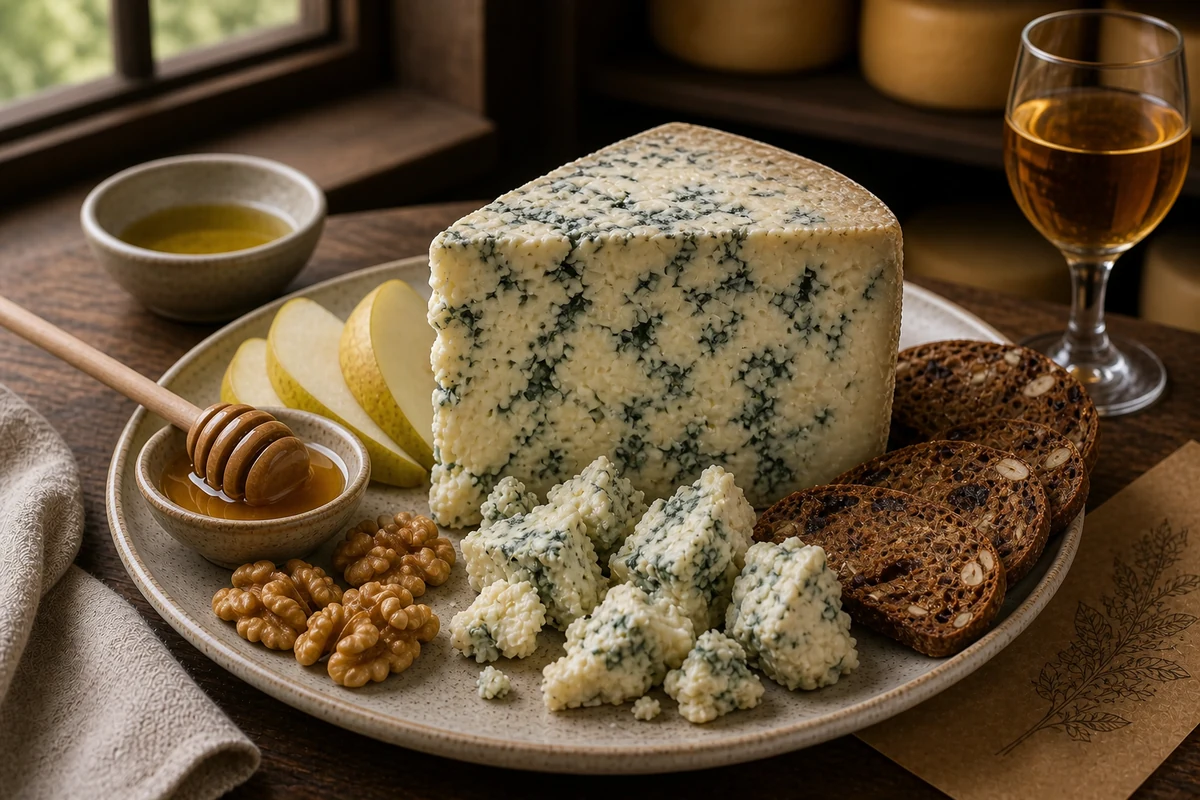
The English one is Dorset Blue Vinney, a hard, crumbly blue made near Sturminster Newton in the county of Dorset. Wikipedia says it was traditionally made from the skimmed milk left over from butter making, that modern makers use whole milk, and that the name carries a Protected Geographical Indication.
Hill Country Observer reports that every Consider Bardwell variety was named for a Vermont town, apart from Slyboro, which takes its name from the cider house across the New York line. Dorset fits that pattern, as do the Danby and Manchester goat's-milk cheeses the paper names.
What Dorset Tastes Like
Culture magazine describes the Dorset Minis as savory and vegetal, with the buttery quality of Jersey milk, a pleasant milky flavor, and a long finish. The washing builds mildly pungent flavors, often with hints of green olive and vegetable broth.
Kirstin Jackson of It's Not You It's Brie, tasting the raw-milk version, described it as creamy in a "cream-off-the-top-of-the-glass-milk-bottle type of way," with sweetness, a floral note, and a tang that kept it bright.
Culture calls the aroma of the pasteurized Minis "seasonally-influenced," and the 2022 relaunch notice says the paste turns creamy first near the rind, a zone the farm calls the creamline. The same notice lists notes of green olive and a savory depth it calls "brothy."
Jackson describes the raw original, while Culture and the 2022 relaunch notice describe the pasteurized cheeses.
| Attribute | Raw-milk original | Pasteurized versions |
|---|---|---|
| Milk | Raw cow's milk from neighboring Jersey herds | Woodlawn Farm cow's milk for the 2022 wheel, Jersey milk for the Minis |
| Taste | Creamy, sweet, floral, and tangy | Savory, vegetal, buttery, and milky, with a long finish |
| Size | 2.5-pound wheel | 2.5-pound wheel from 2022, plus 0.75-pound Minis |
The two sets of words do not line up: sweet, floral, and tangy from Jackson, savory, vegetal, and brothy from Culture and the relaunch notice. Miller told Hill Country Observer in 2018 that raw milk has flavors from microbes that pasteurization kills.
Milk and taster changed as well, so the notes cannot isolate pasteurization as the cause. Jackson wrote about Jersey milk bought from neighbors, Culture gives Jersey milk for the Minis, and the 2022 notice names Woodlawn Farm as the milk source.
Season moves the flavor too: Jackson says the raw cheese was made seasonally from the milk of cows grazing local pasture, and Miller told Hill Country Observer that flavor notes across the farm's cheeses vary as the animals rotate among pastures. The notes she lists are "umami, milky, lemony-bite, brothy, and pineapple-finish."
Goff said in 2018 that raw milk changes with the animals' diet and the weather, so the makers adjust the process to keep each cheese consistent. Two tasting notes written in different seasons can therefore differ even for the same recipe.
How Dorset Was Made
In 2018, Hill Country Observer reports, Consider Bardwell made its cow's-milk cheeses from the milk of Jersey cows on two neighboring farms. Seven Days says that by 2019 the farm bought from three nearby farmers, including Woodlawn Farm.
Hill Country Observer says Glover built the farm's six cheese caves and that each variety was assigned its own cave to bring out distinct qualities. Miller told the paper the caves were kept at 50 to 55 degrees Fahrenheit and 85 to 95 percent humidity, and VTDigger reports that Dorset aged in the washed-rind cave.
Culture says each wheel is hand-scrubbed with a brine solution as it ages.
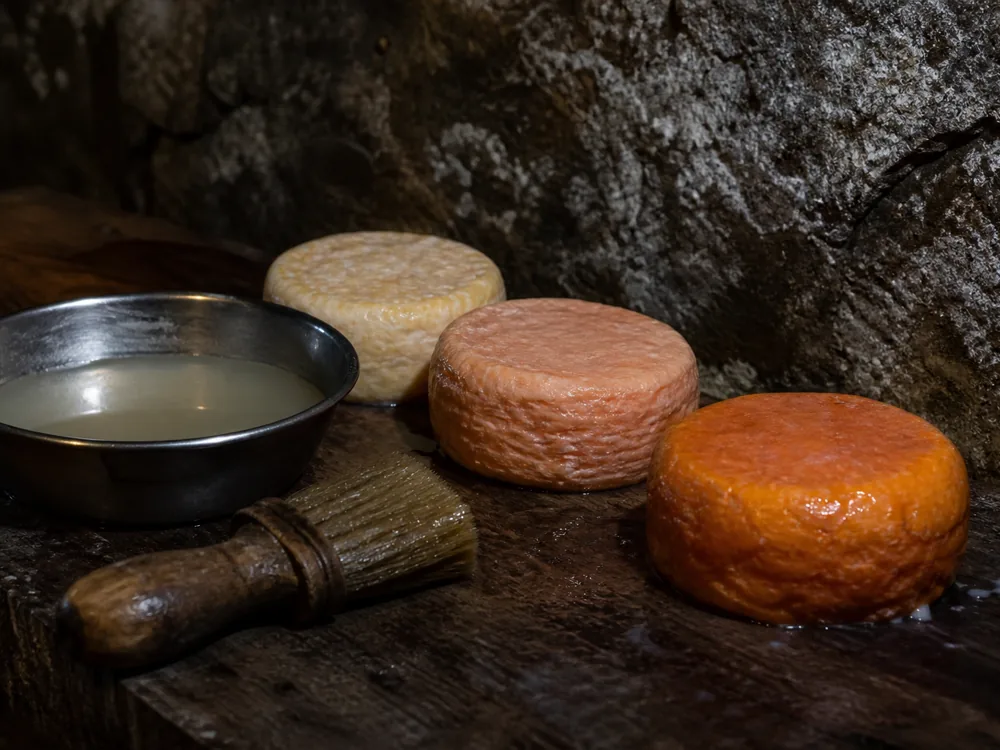
Hill Country Observer adds that cheesemakers at the farm hand-brush wheels with a bacteria-yeast solution to build the right micro-environment on the rind.
Jackson describes the wash as a brine of water and salt that encourages B. linens bacteria, which in her words "create the strongest smells in the dairy counter, but often the sweetest flavors."
Culture lists the Dorset Minis at 3.5 to 4 inches across, 0.75 to 1 inch tall, and 0.75 pound, less than a third of the 2.5-pound wheel.
Why Dorset Went From Raw Milk to Pasteurized
On 30 September 2019 Consider Bardwell recalled Dorset, Slyboro, and Experience after routine testing of finished products and the manufacturing environment pointed to possible Listeria monocytogenes contamination. The FDA notice covered Dorset 2.5-pound wheels with product dates from April 28, 2019, distributed to California, Massachusetts, New York, Texas, and Vermont, with no illnesses reported.
VTDigger reported that only cheeses aged in the farm's washed-rind cave were of concern. Seven Days later reported that the bacteria was traced to a small amount of goat's milk the cheesemaker bought from a local farmer.
Slyboro, one of the three recalled cheeses, is a raw goat's-milk cheese washed in hard cider according to Hill Country Observer, while Dorset is made from cow's milk. The farm's statement, quoted by VTDigger, said the majority of the Experience sold at farmers markets was not aged in that cave but was included "to simplify matters."
VTDigger adds that Whole Foods issued its own notice for Dorset in stores in Massachusetts, New Hampshire, Rhode Island, Maine, Connecticut, New York, and New Jersey.
E.B. Flory, the state's dairy section chief, said Vermont had not had a listeria recall like it in "probably closer to 50 years."
The CDC says pregnant women are 10 times more likely to get a Listeria infection, and it lists pasteurized soft cheeses heated to an internal temperature of 165°F or until steaming hot as safer.
The farm shut down that September, and in an announcement at the time Miller wrote that it lacked "the cash flow and resources to recover from the recall." Seven Days later put the losses at 200,000 dollars of destroyed cheese and 20 laid-off employees.
Miller resumed cheesemaking in July 2020 with pandemic recovery funding, Seven Days reports, but she struggled to find employees and began looking to sell or pass on the business.
Miller told Culture after the recall that if she ever returned to washed-rind cheese she would pasteurize to minimize the risk.
The Dorset described after the recall is pasteurized: the Minis in Culture's entry and the 2022 wheel in the relaunch notice.
In 2022 the farm offered the full 2.5-pound Dorset again, pasteurized and made with milk from Woodlawn Farm. Miller said it began as a one-off made from excess spring milk and stayed in production after three months of strong response.
What Is the History Behind Consider Bardwell Farm?
The land has a cheese history older than the cheese: in 1864 Consider Stebbins Bardwell founded the Pawlet Cheese Company there, which the 2022 relaunch notice calls Vermont's first dairy coop. Hill Country Observer says neighbors told Miller and Glover about it soon after they moved in, and that this gave the weekend property "so much more potential."
Miller, a literary agent for cookbook authors, and Glover bought the 300-acre property in 2001, according to Hill Country Observer. The paper dates the first cheese to 2002, from nine Oberhasli goats, and the Vermont creamery license to 2004.
Jackson gives 2003 for the start of cheesemaking, and Seven Days and the relaunch notice give 2004, which may count from the licensed operation.
By 2018 the farm made 115,000 to 120,000 pounds of cheese a year across six cheeses, three from raw goat's milk and three from raw cow's milk. Hill Country Observer lists Murray's Cheese in New York among its customers and says The French Laundry served its raw goat's-milk Danby and Manchester.
By 2019, Seven Days says, several hundred wheels of Pawlet shipped weekly to Kroger supermarkets, and Miller and Glover said the farm was poised to reach 2 million dollars in annual sales when it shut down.
Vermont's Sustainable Agriculture Council named the farm its Farm of the Year in 2013. Locally, the cheeses sold at the Dorset Farmers Market, where Glover handed out samples.
Which Washed-Rind Cheeses Can You Buy Instead of Dorset?
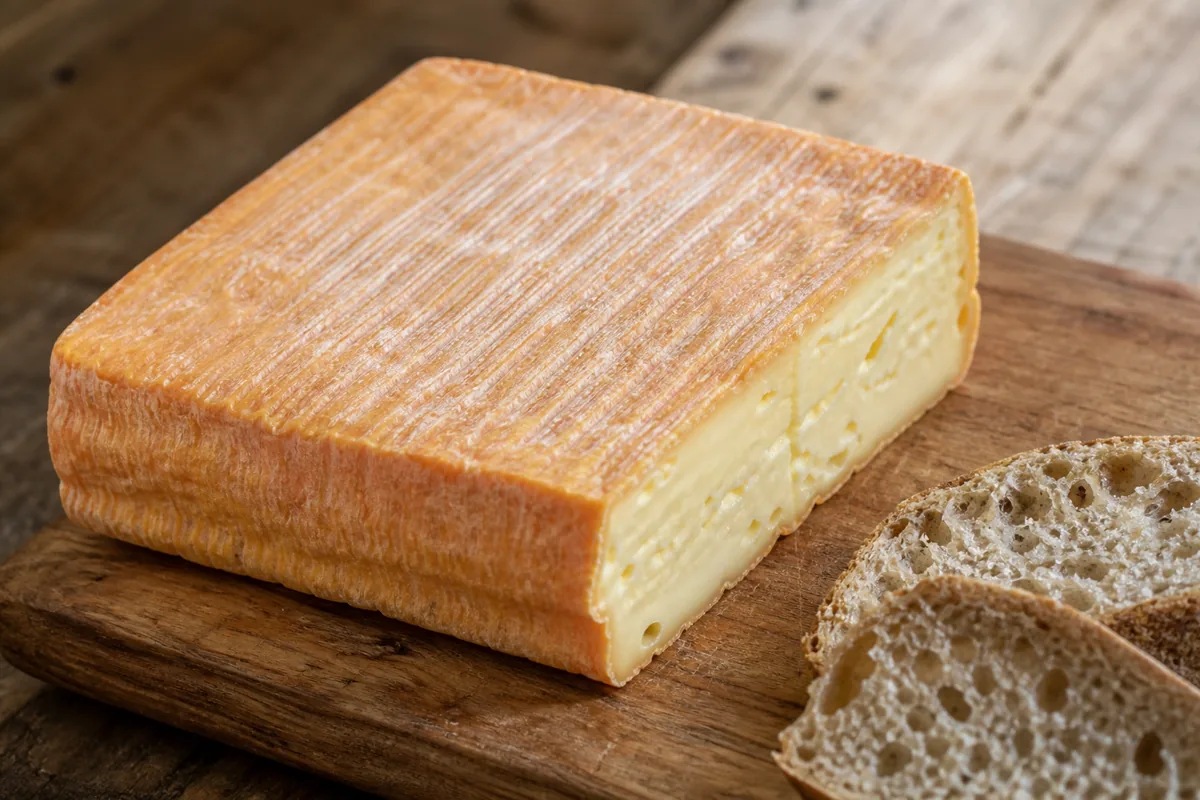
Culture says the Dorset Minis were inspired by washed-rind forefathers like Italian Taleggio, and Consider Bardwell's 2022 relaunch notice for the full wheel adds a second comparison.
That notice calls Dorset reminiscent of a hearty Taleggio or Pont L'Évêque in taste and style, which makes the pair the farm's own short list.
Pawlet is still made in the old Consider Bardwell plant, now by Woodlawn Creamery, and Seven Days describes it as a raw-milk, washed-rind tomme with an orange, basket-weave-imprinted rind.
Goff Tyminski says Woodlawn's Pawlet and Rupert are now 100 percent Holstein milk, where Consider Bardwell used mostly Jersey, and chef Nick Frank finds the new Pawlet a little mellower, fresher, and grassier than the old one.
She credits Woodlawn's milk, which she calls exceptionally high in fat and protein, with "intense umami, brothy, meaty, onion notes" that earlier versions lacked. The 2022 Dorset notice uses the words umami and brothy for Dorset.
Goff said in 2018 that her favorite way to eat Pawlet was melted onto pizza or in a grilled cheese, and Frank sears wedges on a wood-fired plancha for a crisp exterior and "a melty, oozy center."
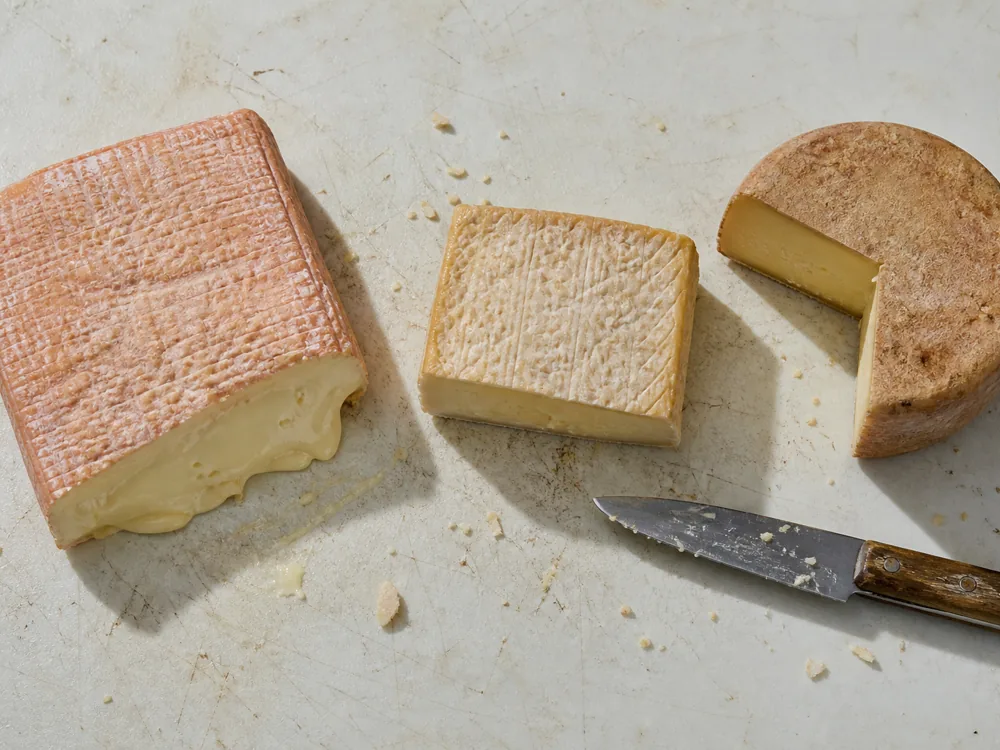
The farm compared Dorset only to Taleggio and Pont l'Évêque, so Pawlet is a near relative from the same plant rather than a stated substitute.
The farm's own comparisons are Taleggio and Pont l'Évêque. Pawlet is a near relative from the same plant, but it is now made with Holstein milk and will not taste exactly like the old Consider Bardwell cheeses.
| Detail | Dorset, 2022 wheel | Pawlet, Woodlawn Creamery |
|---|---|---|
| Milk | Pasteurized cow's milk from Woodlawn Farm | Raw-milk tomme per Seven Days; now Holstein milk |
| Size | 2.5-pound wheel | Wheel; 10 pounds in 2018 |
| Rind | Delicate, orange-hued | Orange, basket-weave-imprinted |
| Wash | Hand-scrubbed with brine (Culture, for the Minis) | Yeasts and good bacteria, two to three times weekly for two months, then weekly for a month |
| Ready to sell | Not published | 3 months |
| Status | Not made by Woodlawn as of June 2024 | Made and shipping |
What to Serve With Dorset
Jackson suggests the raw-milk Dorset on its own on a cheese plate, with orange blossom honey or apricot conserves, or melted in a grilled cheese sandwich.
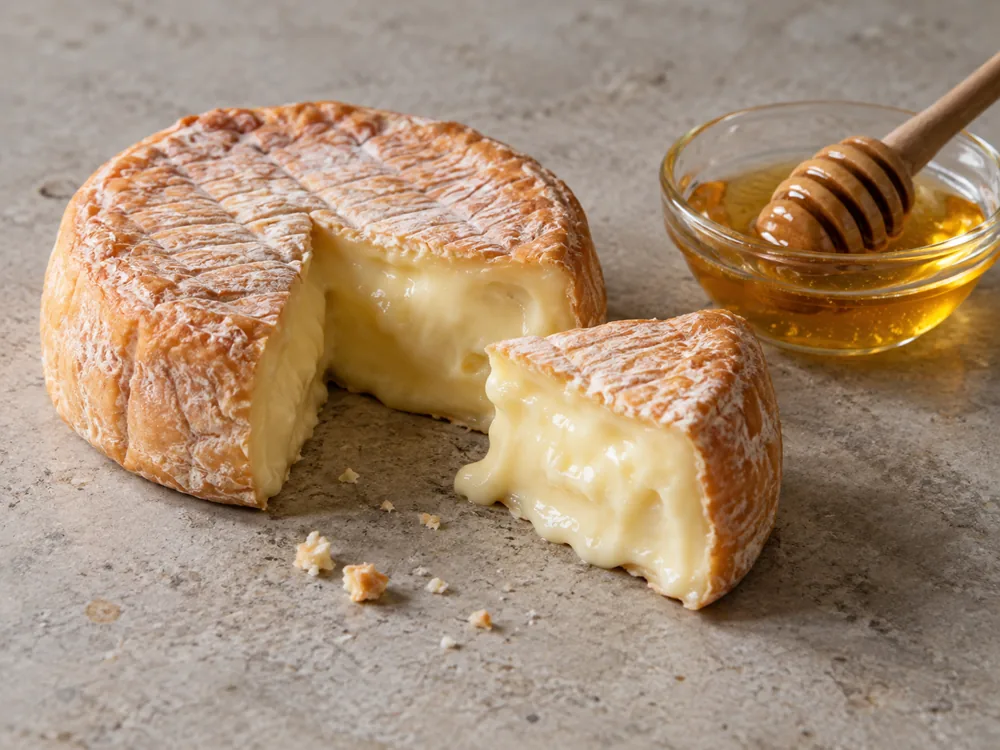
Her drink suggestions run from Alsatian white wine and sweet Riesling to a lush Pinot Noir and a sweet ale.
Four of her six suggestions carry sweetness, in a cheese she calls a "sweet funk" with a tang that keeps it bright.
| Pairing | Type | Why It Works |
|---|---|---|
| Orange blossom honey | Food | Jackson's serving suggestion for the raw-milk wheel. |
| Apricot conserves | Food | Jackson's second sweet match. |
| Alsatian white wine | Wine | One of four drinks Jackson names. |
| Sweet Riesling | Wine | Named by Jackson alongside the Alsatian white. |
| Lush Pinot Noir | Wine | Jackson's red option. |
| Ale with sweetness | Drink | Jackson's beer option. |