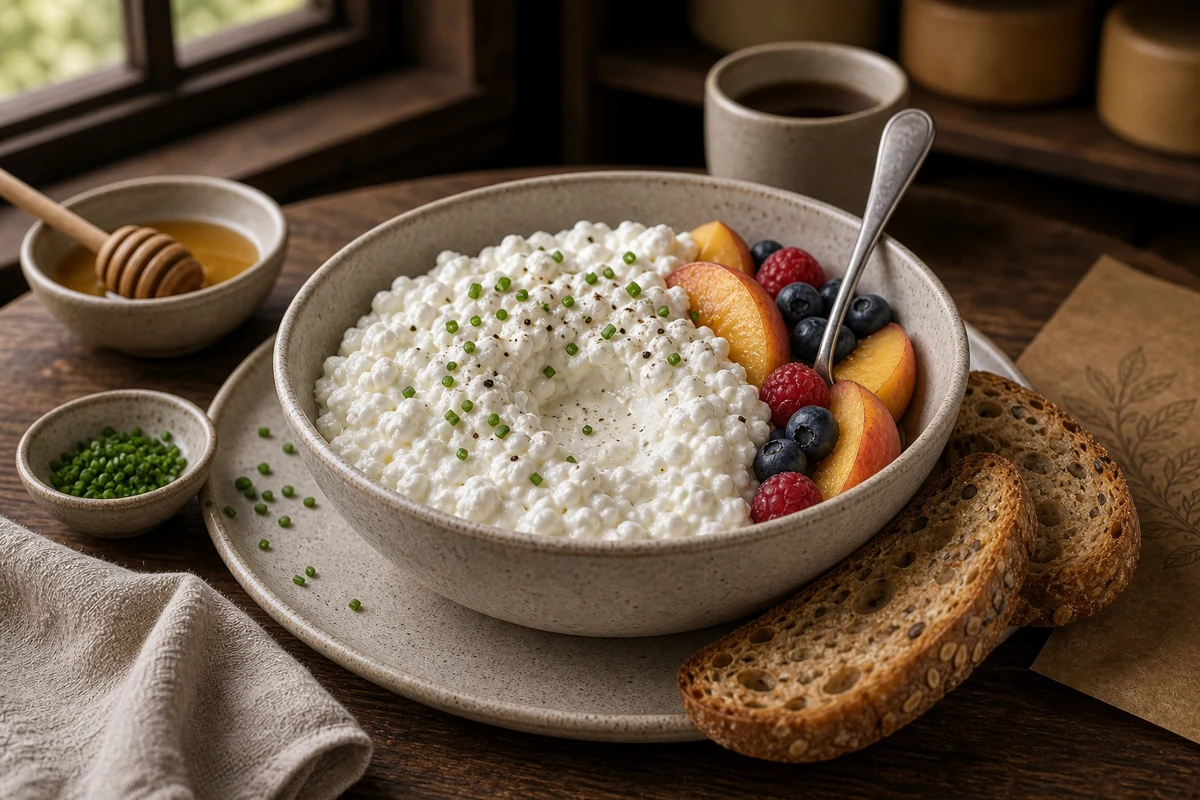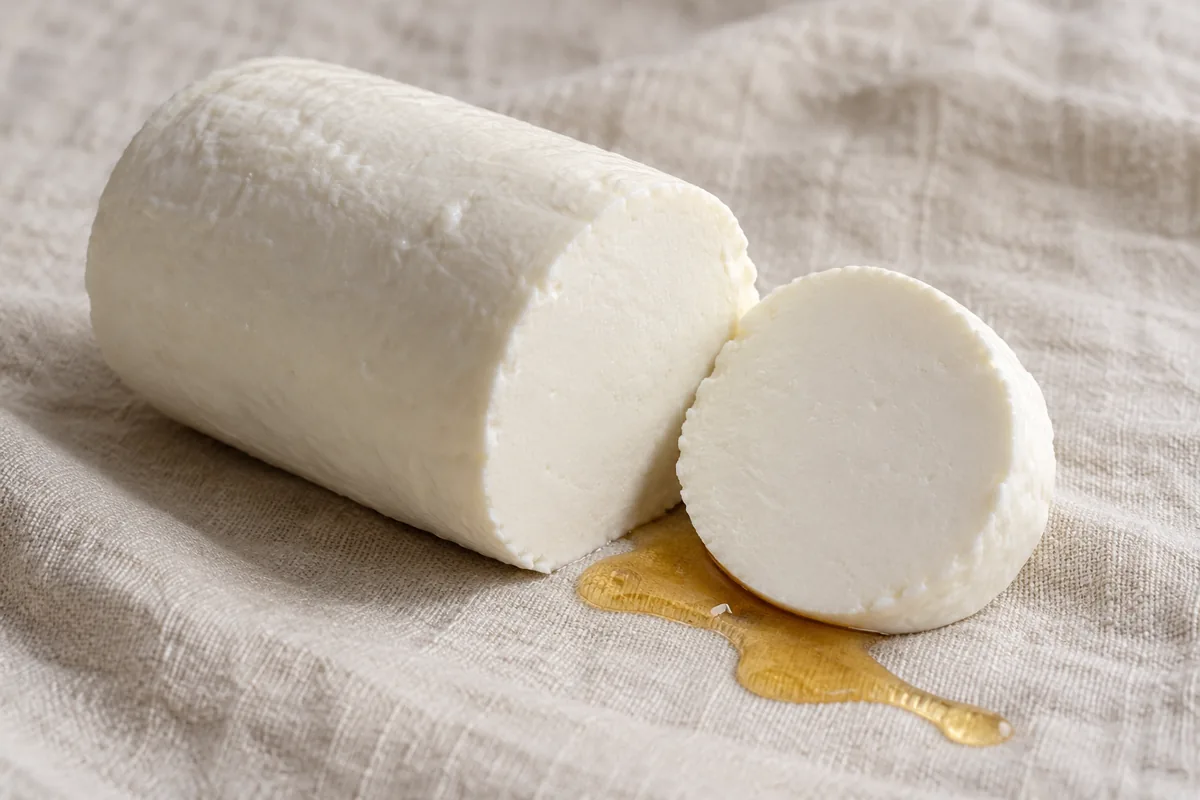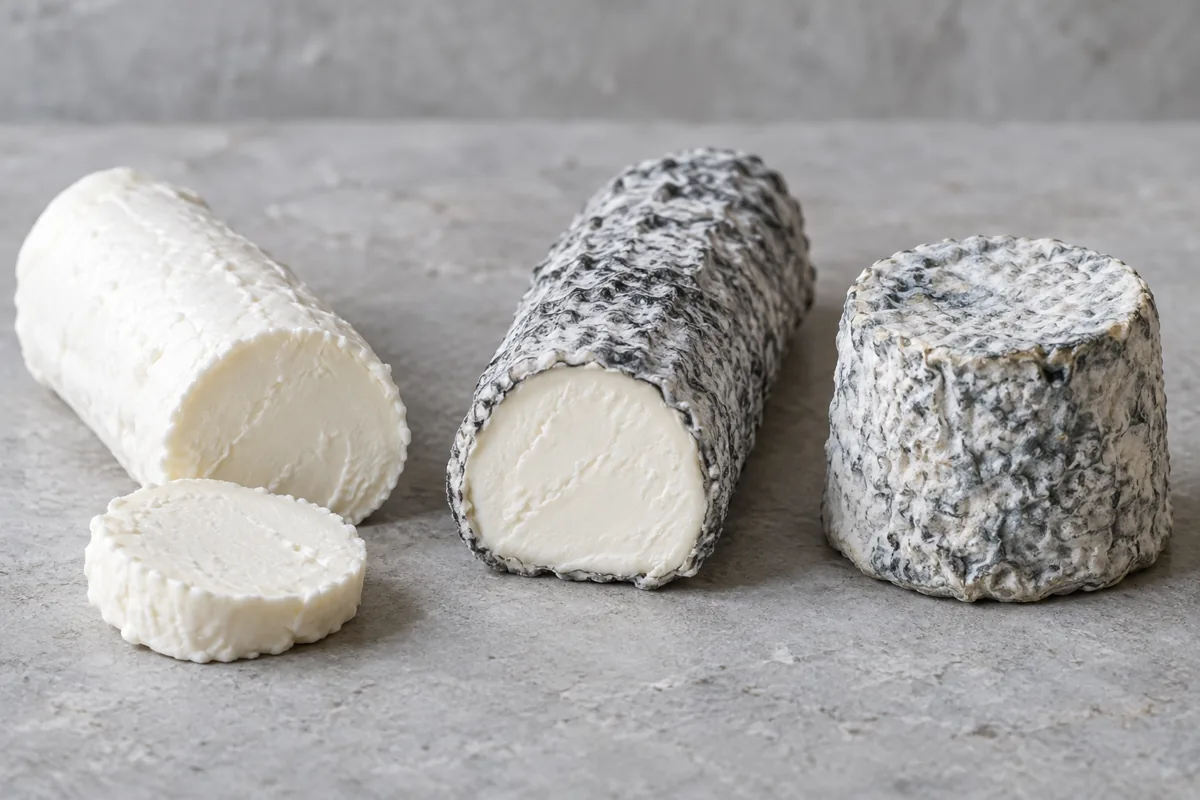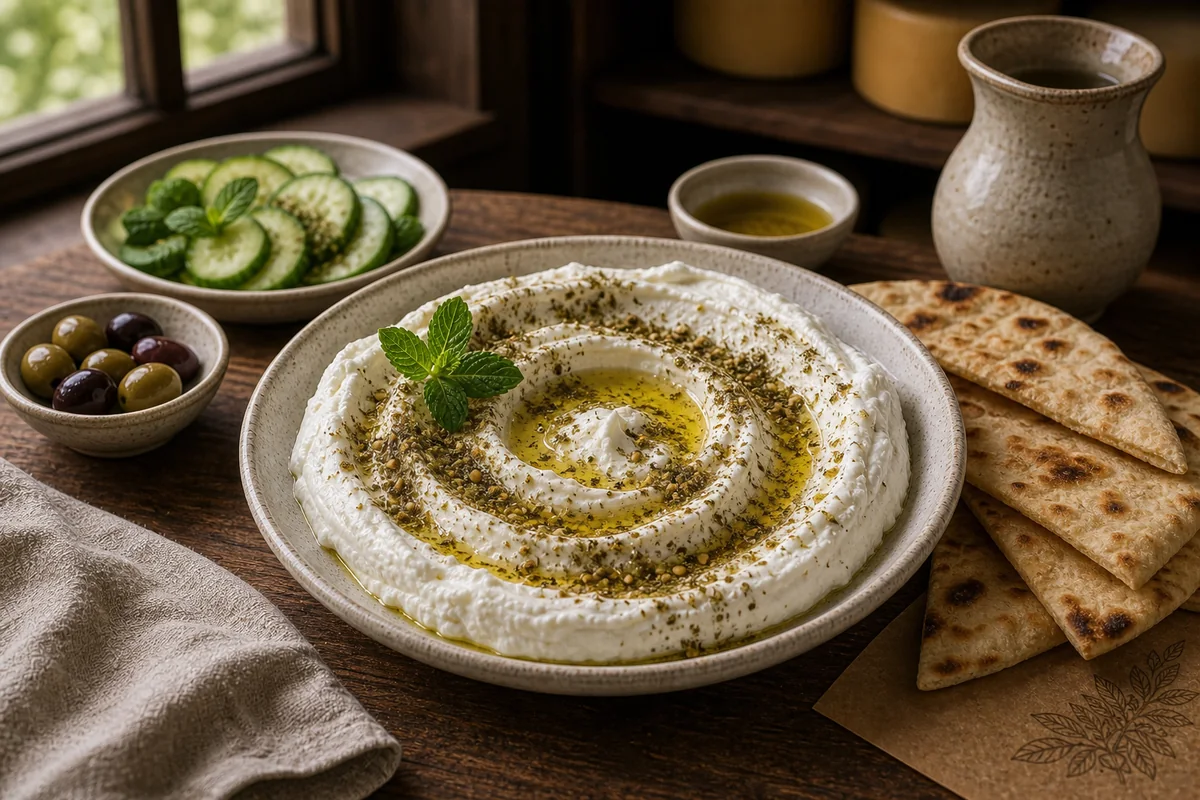
Labneh is concentrated fermented milk with a clean tang and a texture that can range from a thick spread to firm balls.
Codex places labneh within concentrated fermented milks. That category explains the shared yogurt-like base, while the exact milk, fat, salt, cultures, added cream, stabilizers, heat treatment, and storage directions still come from the product or recipe.
For a shopper, the useful questions are how dense the labneh is, what is in it, and which date and cold-storage directions apply.
In This Article
What Labneh Is
Fermentation lowers the milk's pH and forms a gel before concentration removes part of the whey. Codex defines concentrated fermented milk by increasing its protein before or after fermentation to at least 5.6 percent, and it names labneh as a traditional example.
The standard does not require every labneh to use the same animal milk or household cloth method. It also allows a fermented milk to be heat-treated after fermentation, in which case the live-culture requirement changes.
This is why the front name alone cannot answer whether a tub contains live cultures, added cream, a stabilizer, or a particular level of fat. Read the ingredients and nutrition panel when any of those details matter.
Why Does Labneh Range from Spreadable to Firm?
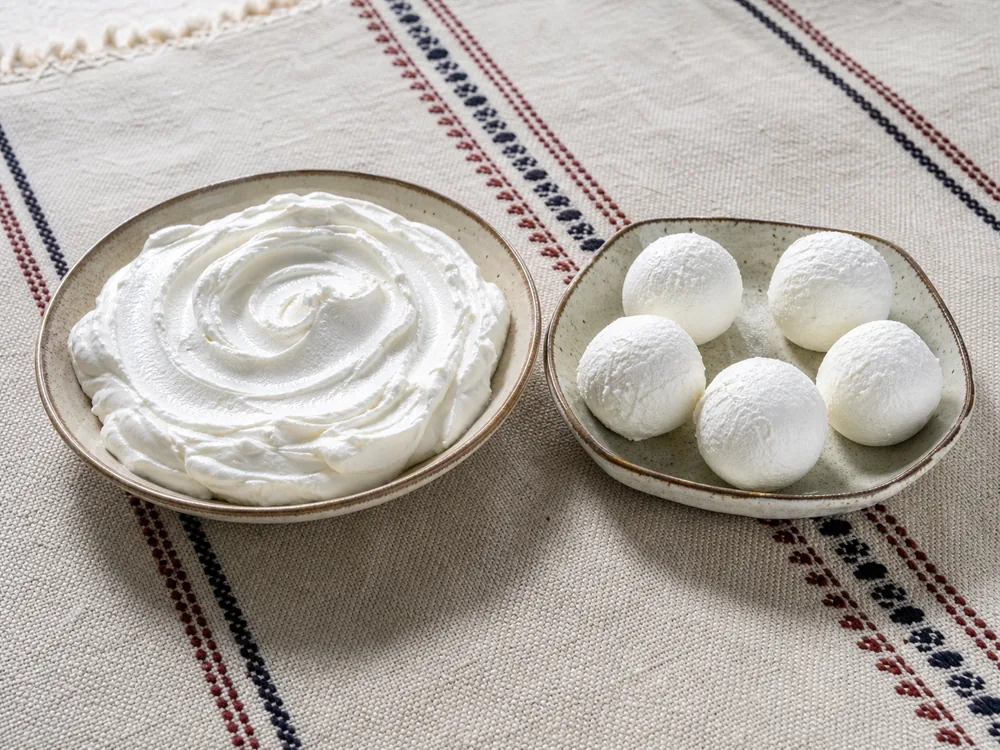
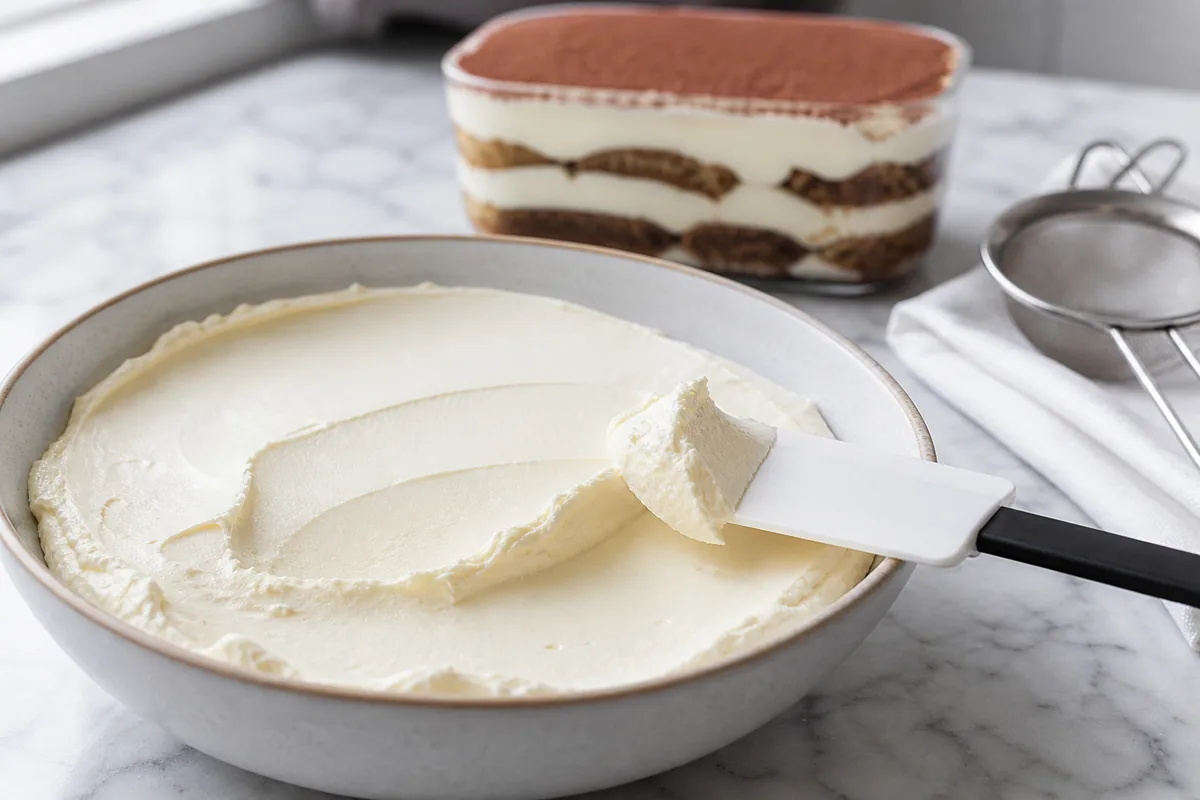
Less concentration leaves enough moisture for a spoonable dip or a swirl in a shallow bowl. More whey removal produces a denser mass that can hold a scoop or be rolled when the starting yogurt and formulation allow it.
Time matters, but it does not work as a universal texture scale. Protein, fat, stabilizers, salt, cloth, drainage area, and starting thickness all change how quickly a batch firms.
Use the visible result. Spreadable labneh should hold a spoon trail, while ball-stage labneh needs enough body to keep its shape without leaking whey across the plate.
How Does Labneh Differ from Greek Yogurt and Cream Cheese?
Labneh and Greek-style yogurt overlap because both are concentrated fermented milk. Package naming and concentration differ across markets, so texture and ingredients often tell you more than a single front-label term.
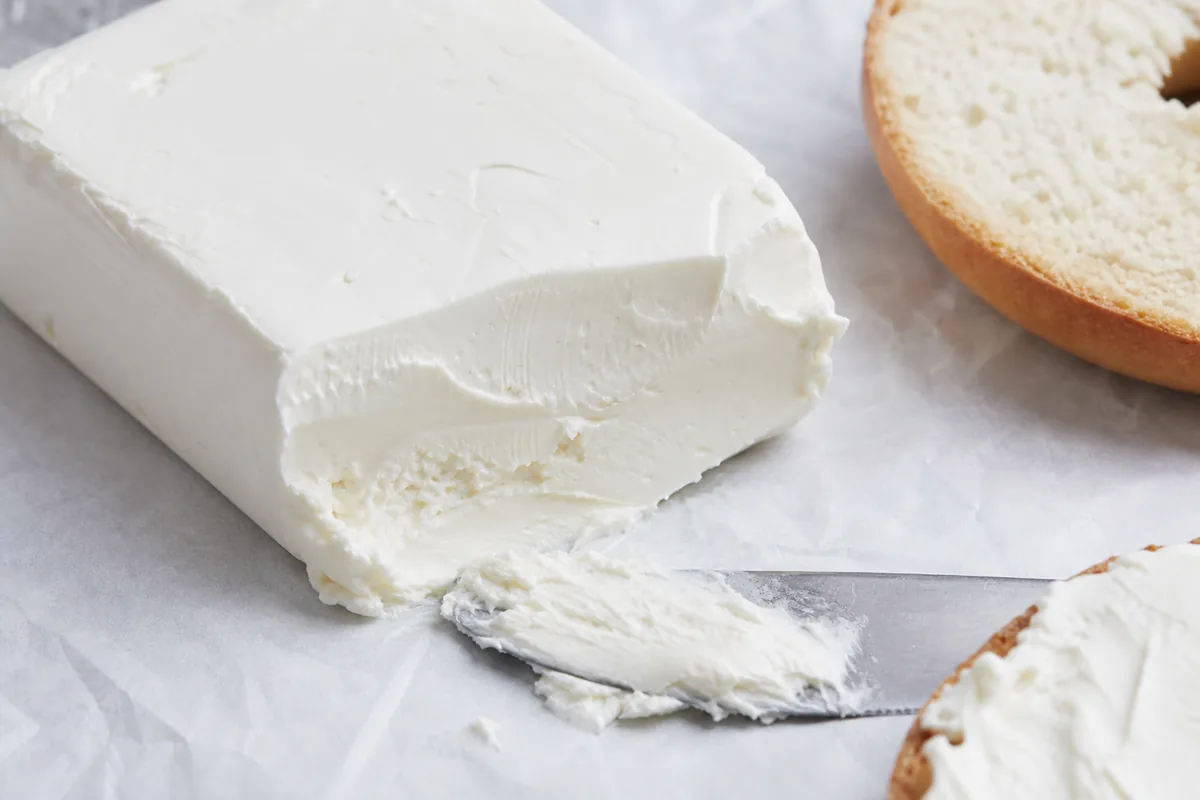
Cream cheese starts from a different fresh-cheese formulation and often includes cream. It usually gives a richer, milder result than labneh's direct cultured tang, although each exact product can shift that comparison.
Labneh can replace a richer cultured spread in a cold dip or on toast when extra acidity is welcome. In baking, use the ingredient the recipe names because water, fat, protein, and stabilizers affect the set.
How to Use Labneh
For a simple plate, spread labneh in a shallow bowl and add olive oil, zaatar, vegetables, olives, or bread at the table. Taste first because salt and tang vary widely among products.
It also works beneath roasted vegetables or beside grilled meat, where its acidity balances browned food. A spoonful can finish a warm soup or sauce after the pan comes off direct heat.
Strong heat can make some labneh release water or turn grainy. Recipes built around cream cheese may also depend on a different fat and stabilizer balance.
Can You Strain Yogurt into Labneh at Home?
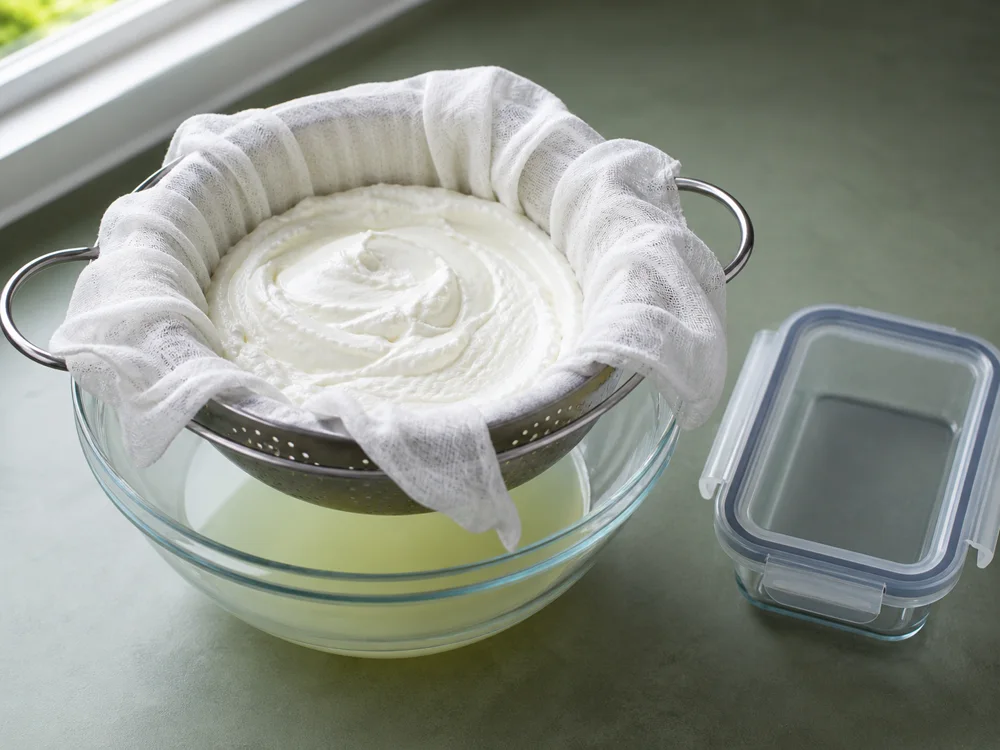
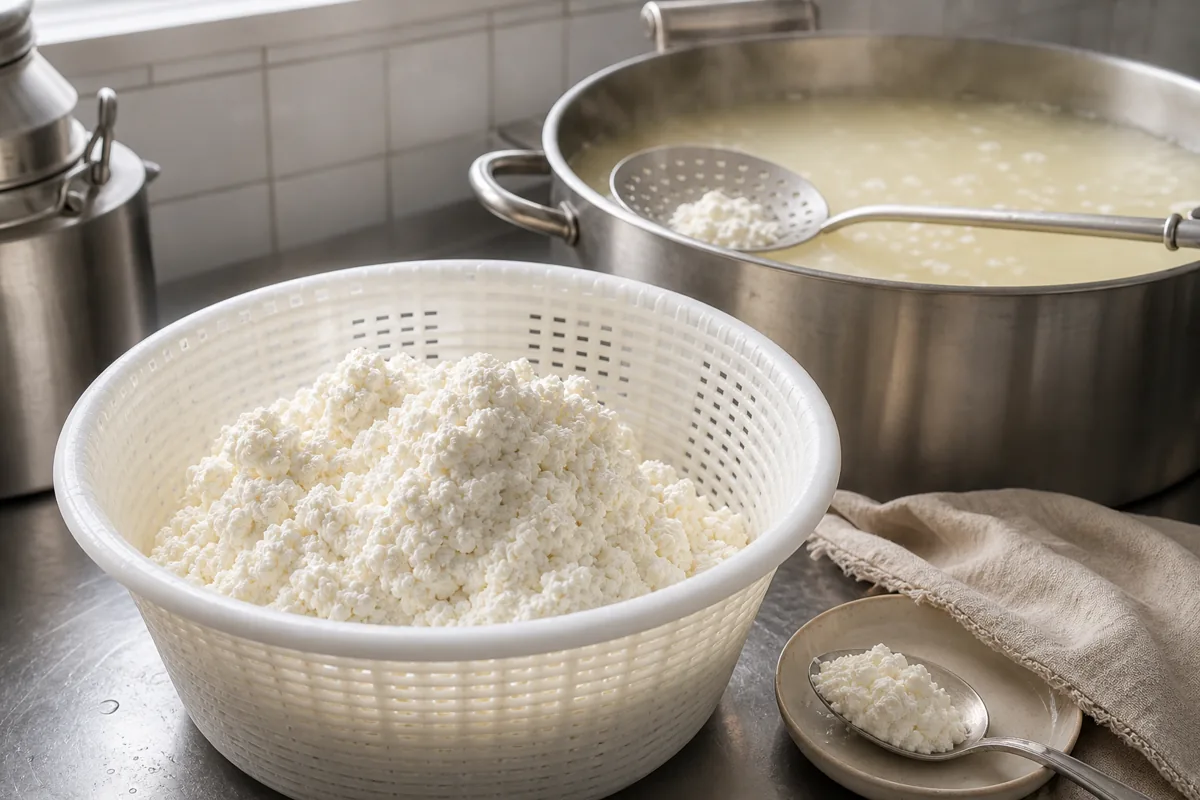
Washington State University Extension describes yogurt cheese, also called labneh or Greek yogurt, as yogurt strained through cloth or a paper filter to remove whey. Its method keeps the covered setup in the refrigerator for about 8 to 24 hours until the texture becomes spreadable or cheese-like.
Start with commercially pasteurized plain yogurt and clean equipment. The extension guidance also notes that gelatin, gums, or starch can prevent whey from separating, so read the ingredient list before choosing a yogurt for straining.
Set the lined colander over a bowl deep enough to keep the yogurt above the collected whey. Cover and refrigerate the entire setup, then stop when the texture suits the planned use.
The 8-to-24-hour range belongs to that extension method. A different yogurt, cloth, volume, or desired texture can change the endpoint.
What Should You Check on the Labneh Label?
| Exact product record | What its current page says | Storage after opening |
|---|---|---|
| Yaza Plain Labneh, U.S. | Pasteurized cultured milk and salt | Manufacturer recommends 5 to 7 days, refrigerated, and checking the package expiration date |
| Futura Foods Labneh, UK | Pasteurized cow's milk, cream, salt, culture, and preservative | Manufacturer says refrigerate and use within 3 days and by the date shown |
Those directions conflict only if they are treated as universal. Each belongs to a different formula, package, producer, and market.
Use the exact tub for allergens, milk treatment, nutrition, opened-life directions, and date. A nutrition panel from one labneh also cannot represent a product made with another milk or added cream.
How Should You Store Labneh?
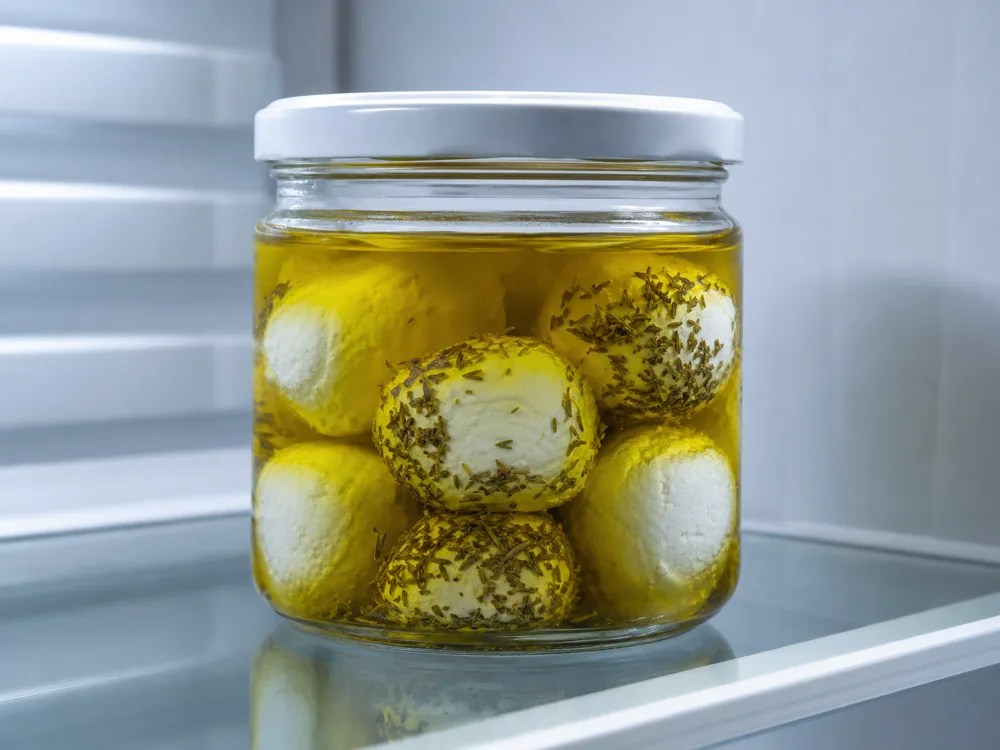
Keep commercial labneh at the temperature printed on its package and follow its date. Keep home-strained labneh covered and refrigerated from draining through service.
FoodSafety.gov says to discard yogurt held above 40 degrees F or 4 degrees C for more than two hours. Treat refrigerated labneh with the same caution when a power outage or serving delay breaks the cold chain.
A small layer of whey can be normal. Yaza tells customers to stir it back into its labneh, but that product-specific note does not override damage, mold, an unusual odor, or a broken cold chain.
Oil changes serving texture and limits surface exposure, but it does not make a jar of fresh dairy shelf-stable. Use a tested recipe or exact manufacturer direction for oil-packed labneh, keep it refrigerated, and do not borrow an opened-life count from another product.
Our cold-storage and wrapping notes can help with refrigerator handling, but the labneh package or tested recipe remains the product-specific authority.
Is Labneh Safe During Pregnancy?
Current CDC guidance lists pasteurized milk and dairy products made from pasteurized milk as the safer choice during pregnancy. It names several cheese types separately, but it does not name labneh.
Health Canada likewise lists pasteurized dairy products as the safer alternative to raw dairy. Its page does not assign labneh to a named cheese row, so the exact product's milk treatment, formula, seal, date, and refrigeration still matter.
Choose a sealed refrigerated product that clearly states pasteurized milk, then follow the current guidance for the country where it will be eaten. Home labneh also depends on pasteurized starting yogurt and clean refrigerated handling.
Our overview of milk treatment and product type explains why one pasteurized badge cannot answer every fresh-dairy case.
SOURCES & REFERENCES
What Else Do People Ask About Labneh?
Codex classifies labneh as a traditional example of concentrated fermented milk. Shops and recipes may call it yogurt cheese, strained yogurt, or labneh, so the ingredients and process give the clearest answer.
More whey removal usually creates a denser texture, but milk composition, protein, fat, salt, stabilizers, and production method also matter. Time alone cannot predict every product.
Follow the exact package. Current Yaza guidance says 5 to 7 days refrigerated, while the current Futura Foods product says 3 days and by the date shown.
No category-wide source reviewed here supports pantry storage for fresh labneh under oil. Use a tested recipe or exact manufacturer direction and keep the product refrigerated.
Current CDC and Health Canada guidance favors pasteurized dairy, but neither page names labneh separately. Check the exact product for pasteurized milk, keep it refrigerated, and follow current local guidance.