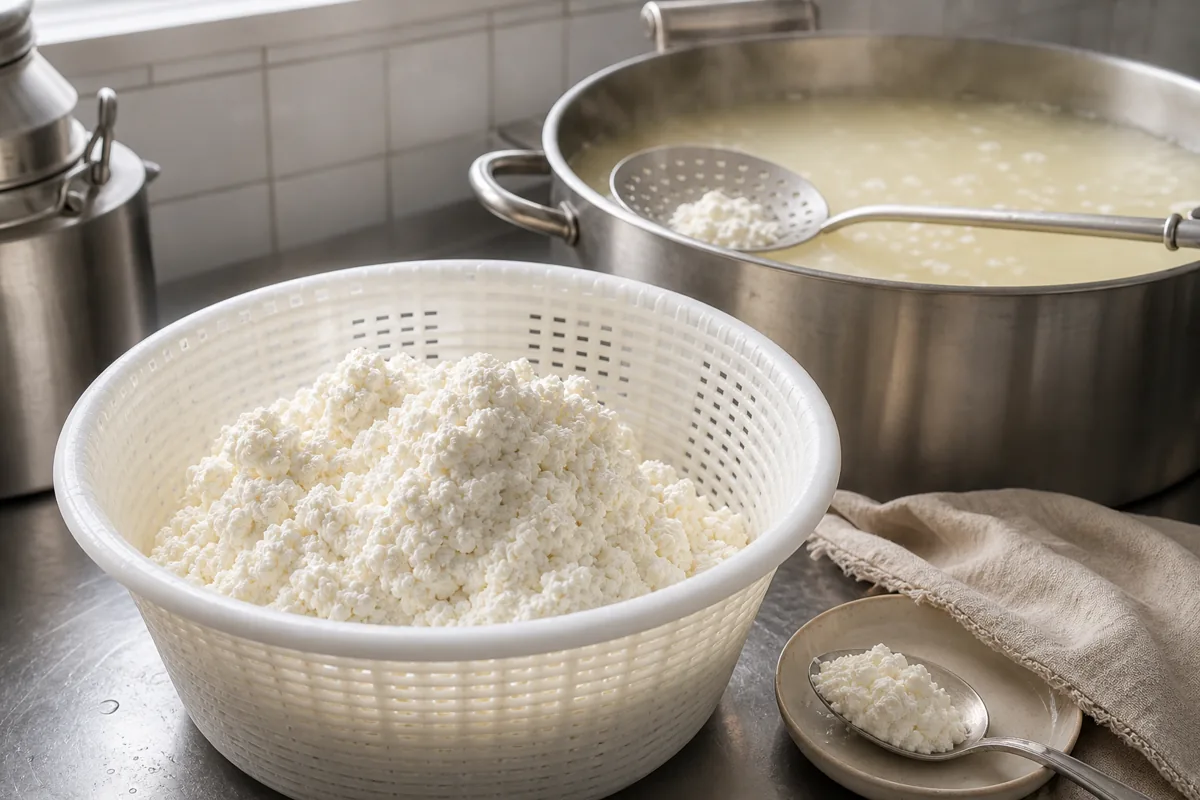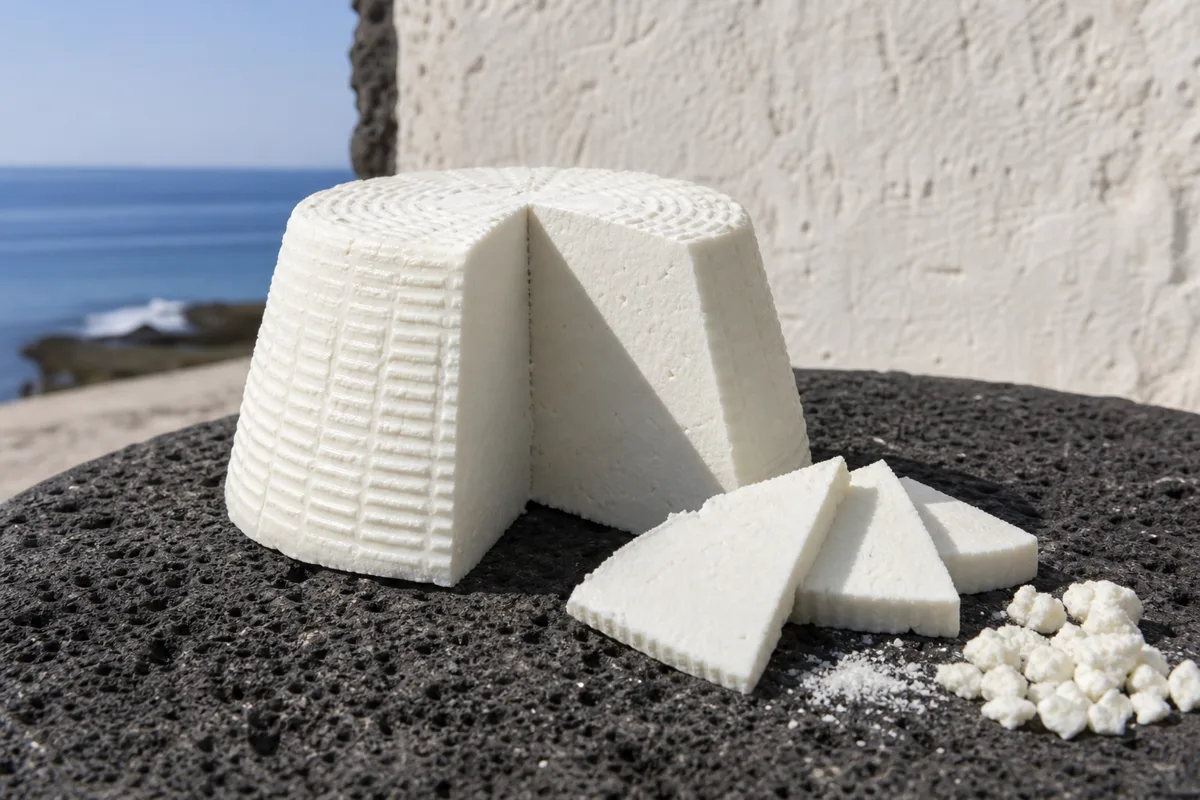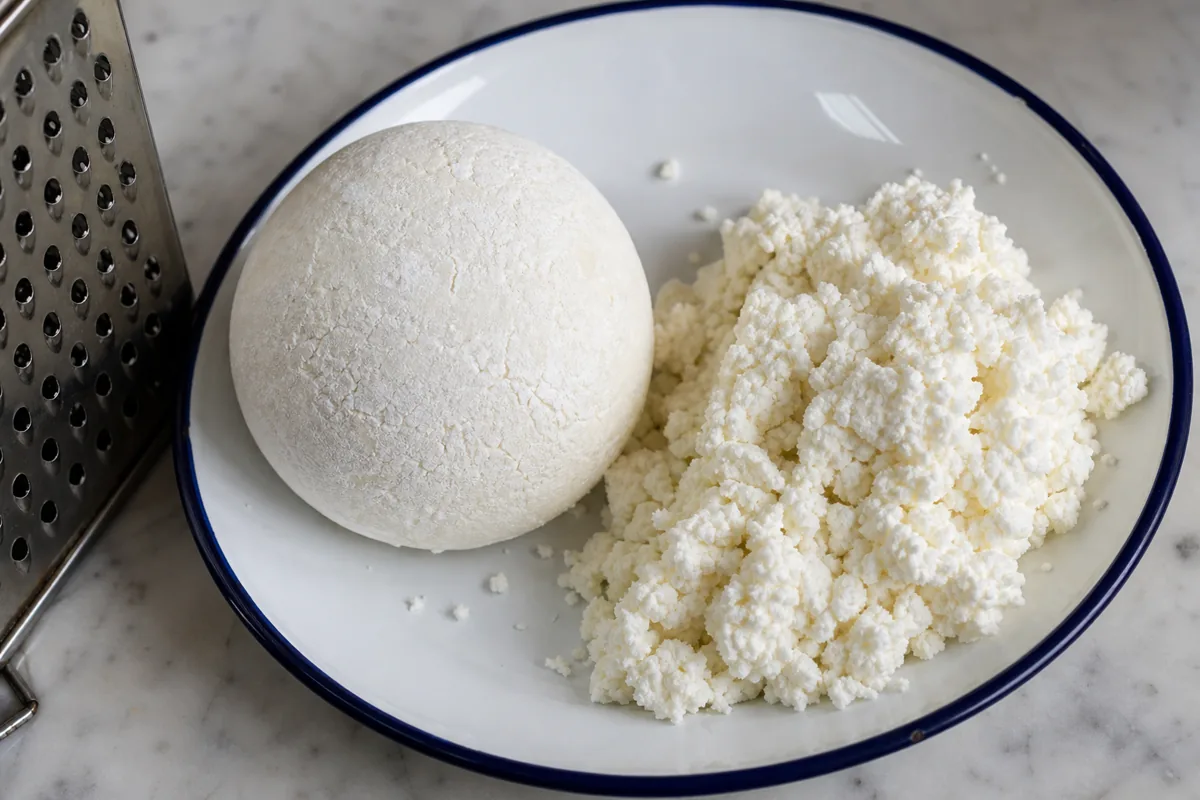
Mizithra is a Greek whey cheese sold in three styles: soft fresh mizithra, sour xynomizithra and hard dry mizithra for grating. Retail labels use all three names, so check which one your recipe means before you buy.
A honey dessert or a cheese pie calls for the fresh or sour style, while a plate of spaghetti calls for the dry one.
In This Article
What Is Mizithra Cheese?
Mizithra is a whey cheese, or a mixed milk-whey cheese, made from sheep, goats or both, with a typical ratio of 7 parts milk to 3 parts whey.
The liquid is brought slowly to a boil and curdled with rennet, whey from an earlier batch, or an acid such as lemon juice or vinegar, and a broken fig-tree sprig is a traditional curdling agent.
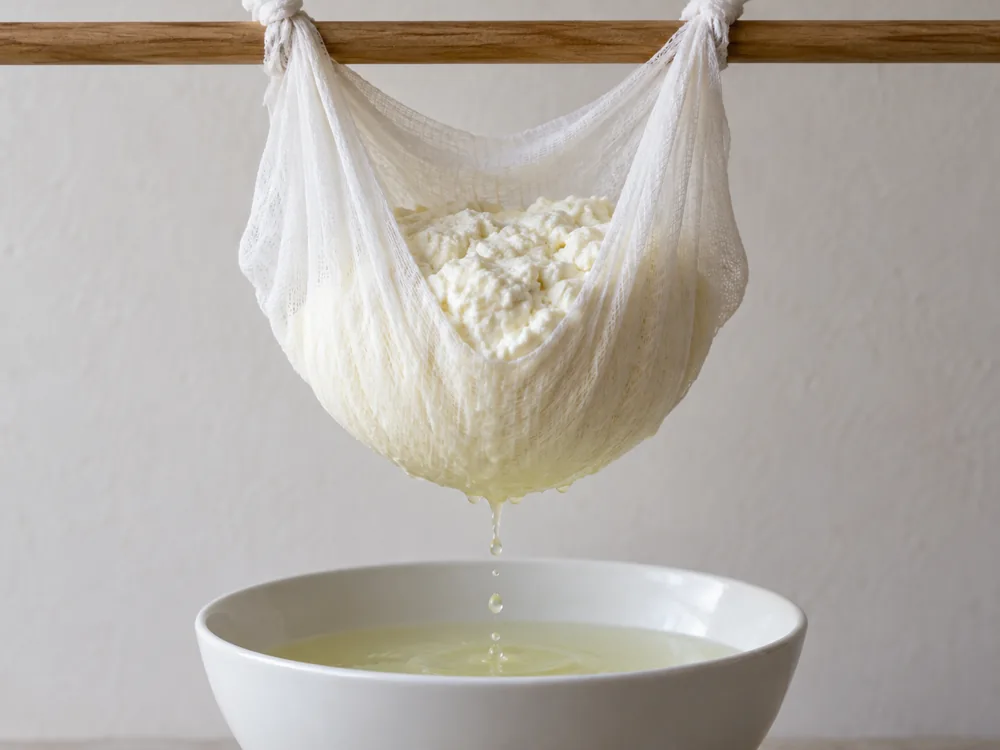
As soon as curds form they go into a cheesecloth bag to hang and drain, and the whey that drips out can curdle the next batch, so each batch can start the one after it.
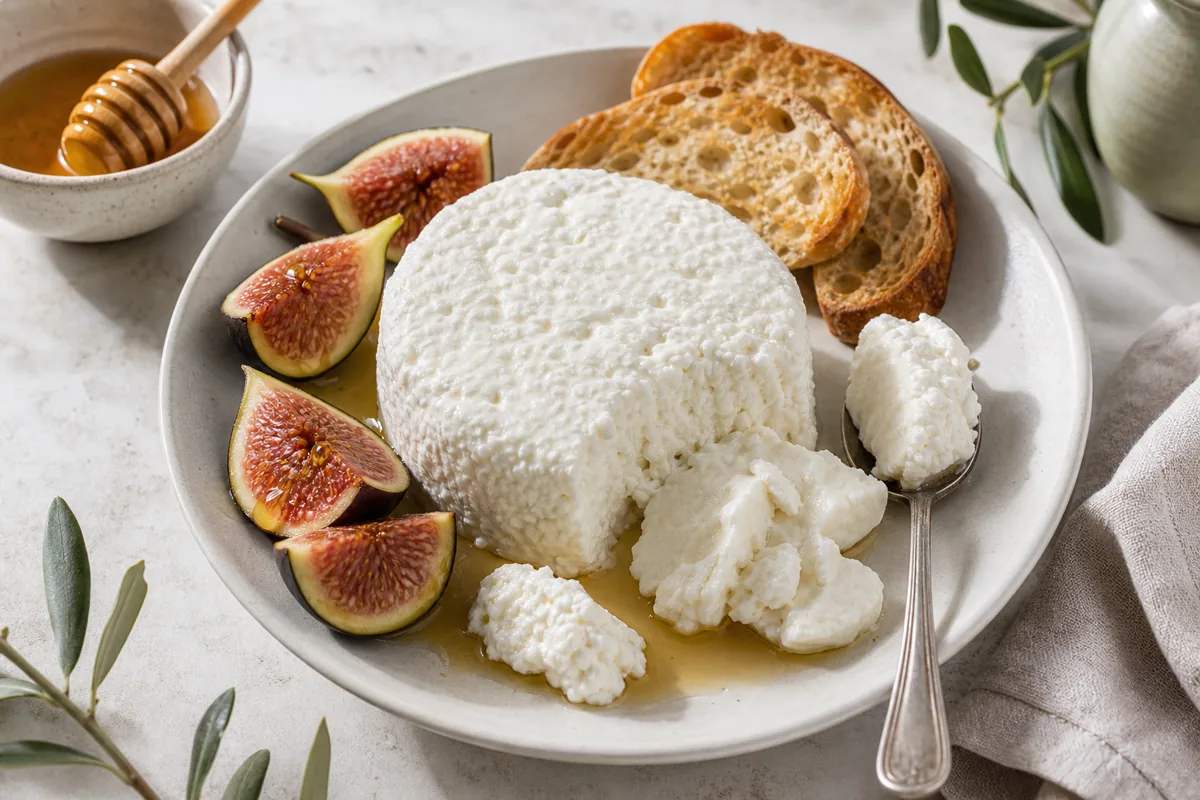
The curd then drains for a few days in cheesecloth. At that stage Wikipedia calls it sweet or fresh mizithra.
Mizithra is made mainly on Crete but is found all over Greece.
Cyprus has a similar whey cheese called anari, and in Turkish the same kind of cheese is called lor.
English Wikipedia's fact box gives these basics:
How Do Fresh, Sour, and Dry Mizithra Differ?
In the descriptions below, fresh mizithra is soft and dry mizithra is a grating cheese, while the sour style, xynomizithra, is described two ways.
| Style | What the source says | Source |
|---|---|---|
| Fresh | Soft, snow-white, creamy and moist, with an almost sweet, milky taste | English Wikipedia |
| Fresh | Soft and creamy, with a gently tangy, lightly salted flavour | Greek Flavours, Arvaniti pack |
| Xynomizithra (sour) | Salted and aged until drier, denser, saltier and more sour; often grated | English Wikipedia, mizithra entry |
| Xynomizithra (sour) | Soft, snow-white, creamy and moist, with a sour taste | English Wikipedia, xynomizithra entry |
| Xynomizithra (sour) | Soft and creamy, sour with sweet and savoury notes | Cheese Atlas |
| Xynomizithra (sour) | Soft, creamy and white with grains, dry and brackish taste | Kalogeraki (maker) |
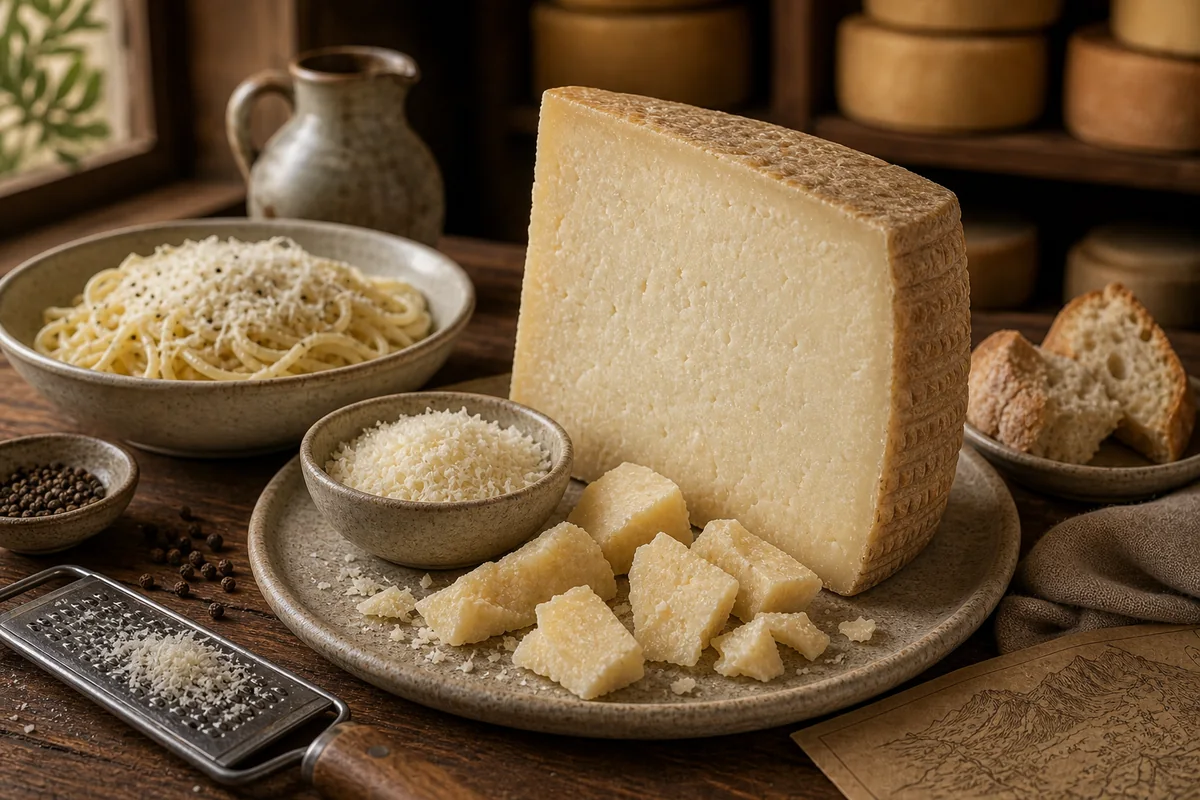
| Dry | Salt-dried grating cheese, the grating cheese par excellence of Greek cuisine | English Wikipedia |
| Dry | Matured whole ball, firm and easy to grate, with a mild to gently salty taste | Greek Flavours, Paramythias ball |
Fresh mizithra has no salt in Wikipedia's description, which ties its almost sweet, milky taste to that, while the Arvaniti fresh mizithra sold by Greek Flavours lists salt and calls its flavour gently tangy and lightly salted. If you want it unsalted, check the ingredient list for salt.
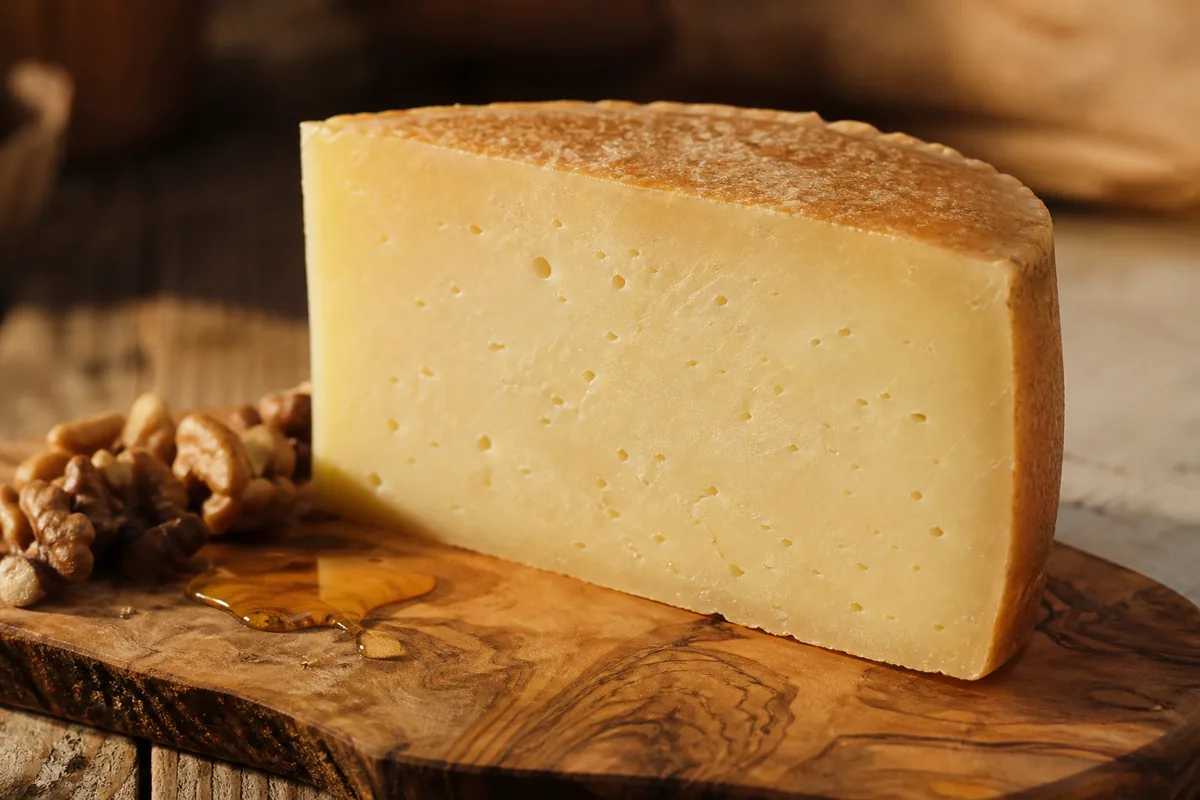
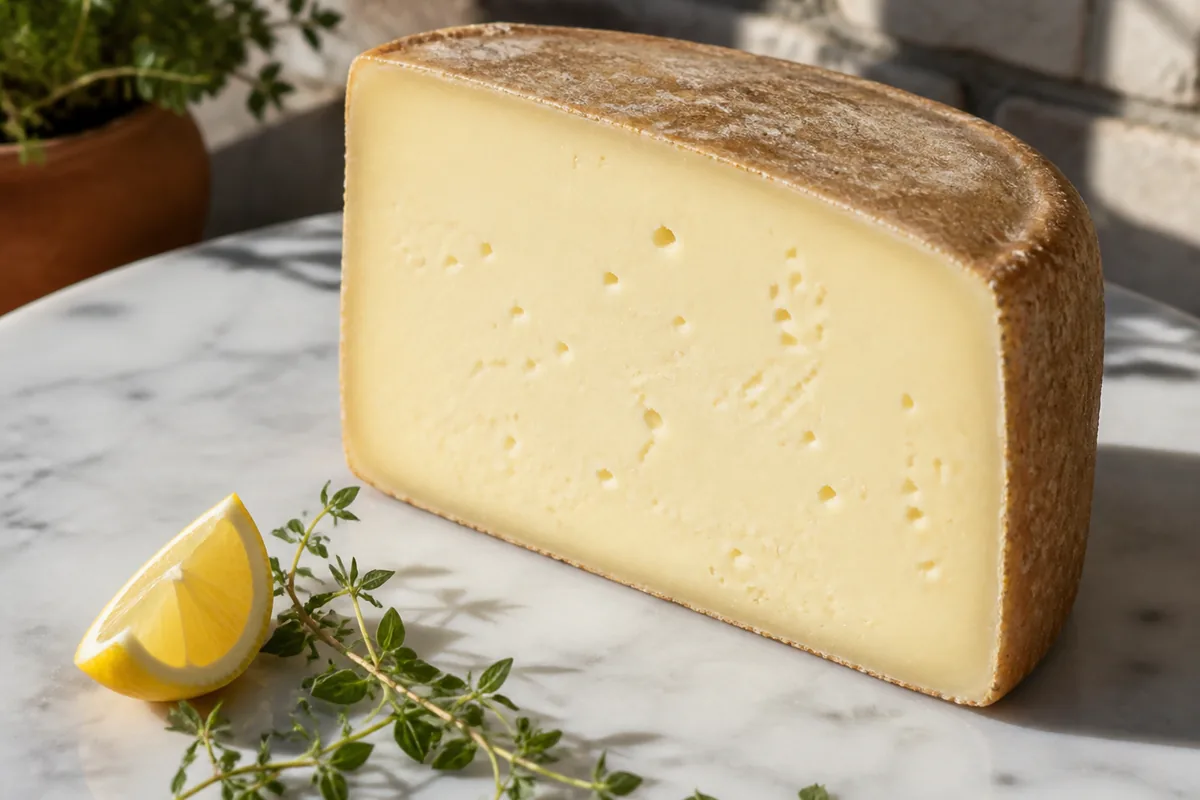
Xynomizithra is salted and aged until drier and often grated in Wikipedia's mizithra entry, but a soft, creamy cheese in Wikipedia's xynomizithra entry, Cheese Atlas and the Cretan maker Kalogeraki, so a pack labelled xynomizithra holds a soft cheese, not a grating one.
Wikipedia's mizithra entry says salting and ageing make the cheese more sour, while Kalogeraki lists lactic acid beside salt in its ingredients.
The protected version, Xynomyzithra Kritis, comes from the Chania, Rethymno, Heraklion and Lasithi areas of Crete, and the name is protected in both the EU and the UK.
Wikipedia's xynomizithra entry says makers heat strained sheep or goat whey, add up to 15% full-cream milk, let the curd stand for 30 minutes, drain it in molds, press it and ripen it for at least 2 months.
How Much Fat and Salt Is in Each Style of Mizithra?
Three retail labels put numbers on the style split: two packs sold through Greek Flavours and one on the Kalogeraki site.
| Product | Style | Energy | Fat | Protein | Salt |
|---|---|---|---|---|---|
| Arvaniti fresh mizithra | Fresh | 165 kcal | 10.3 g | 17.6 g | 2.0 g |
| Kalogeraki Cretan Xynomyzithra PDO | Sour | 239 kcal | 20.1 g | 13.2 g | 2.62 g |
| Paramythias dry mizithra | Dry | 275 kcal | 19 g | 21 g | 5 g |
Salt is what separates dry from the other two: the Paramythias dry ball carries 5 g of salt per 100 g, two and a half times the Arvaniti fresh pack and nearly twice Kalogeraki's 2.62 g.
The Paramythias page calls the dry cheese mild to gently salty, yet its own label lists the most salt of the three packs.
The sour Kalogeraki cheese lists 20.1 g of fat, about double the fresh Arvaniti pack's 10.3 g, and its protein is lower, 13.2 g against 17.6 g. Kalogeraki's ingredients add pasteurized milk and cream to the whey, which fits the extra fat.
Kalogeraki also states fat in dry matter of at least 38% and moisture of at most 70%, so a per-100 g figure on its label can include up to 70 g of water.
English Wikipedia's fact boxes give mizithra and xynomizithra the same figures, about 15% fat and about 15.5% protein. The labels sit on either side of that fat figure, with 10.3 g on the fresh pack and 19 to 20.1 g on the sour and dry ones.
Sugars on the labels stay small for the fresh and sour packs, 0.3 g on Arvaniti and 0.1 g on Kalogeraki, while the Paramythias dry ball lists 5 g per 100 g.
How Can You Tell Fresh, Sour, and Dry Mizithra Apart?
Start with the shape: fresh mizithra takes the shape of its hanging bag, with a rounded bottom and a conical, wrinkly top, while Wikipedia gives the pressed xynomizithra as usually a truncated cone or a ball.
For the sour style, the paste says more than the outline, because Kalogeraki describes its xynomizithra as soft, creamy and white with grains in the mass and of no fixed shape. The Paramythias dry mizithra is a vacuum-sealed whole ball, matured until it is firm enough to grate.
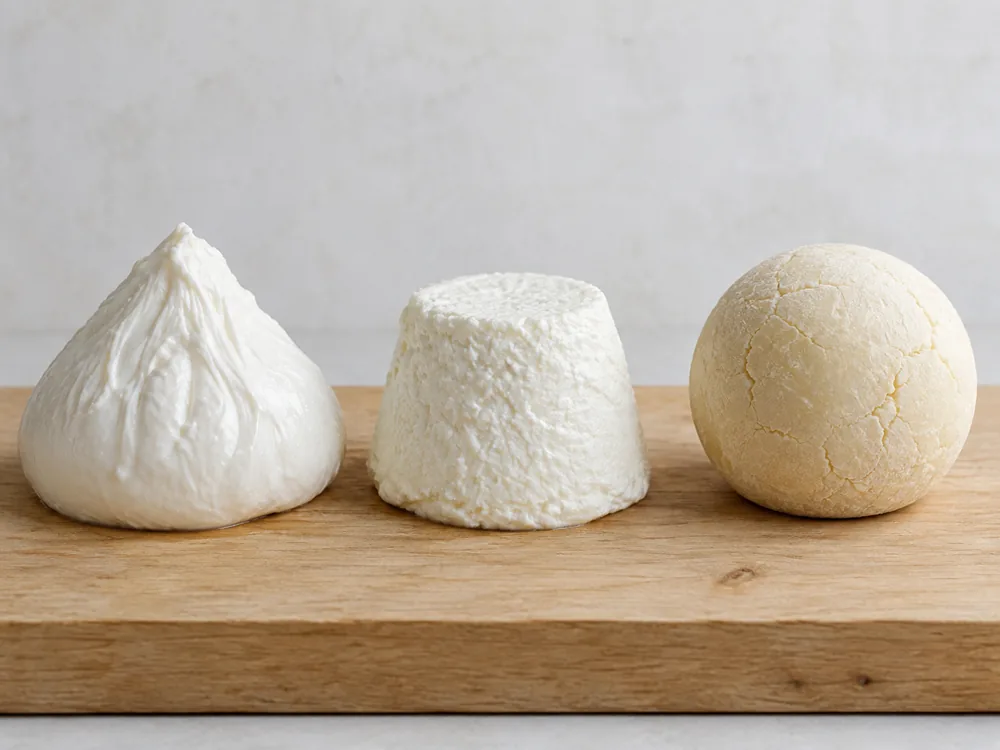
Then read the ingredient list: of these three labels, only the fresh pack lists a preservative. Arvaniti's fresh pack lists goat and sheep whey, salt and potassium sorbate, Kalogeraki lists whey, pasteurized milk and cream, salt and lactic acid, and Paramythias lists only partially skimmed sheep and goat whey.
How Is Mizithra Eaten, from Honey to Browned-Butter Spaghetti?
Fresh mizithra is eaten as a dessert with honey or as a meze with olives and tomato, and it also goes into salads, pastries, little cheese pies and Sfakiani pita.
Xynomizithra also goes into Cretan dishes: dakos, myzithropita, sarikopita and myzithropitakia, plus kalitsounia cheese pies and paximadi, the hard local bread.
Wikipedia calls aged mizithra the grating cheese of Greek cuisine, sprinkled over plates of pasta.
Paramythias also suggests dicing the dry cheese into a mixed platter with olives, sun-dried tomatoes and a touch of honey.
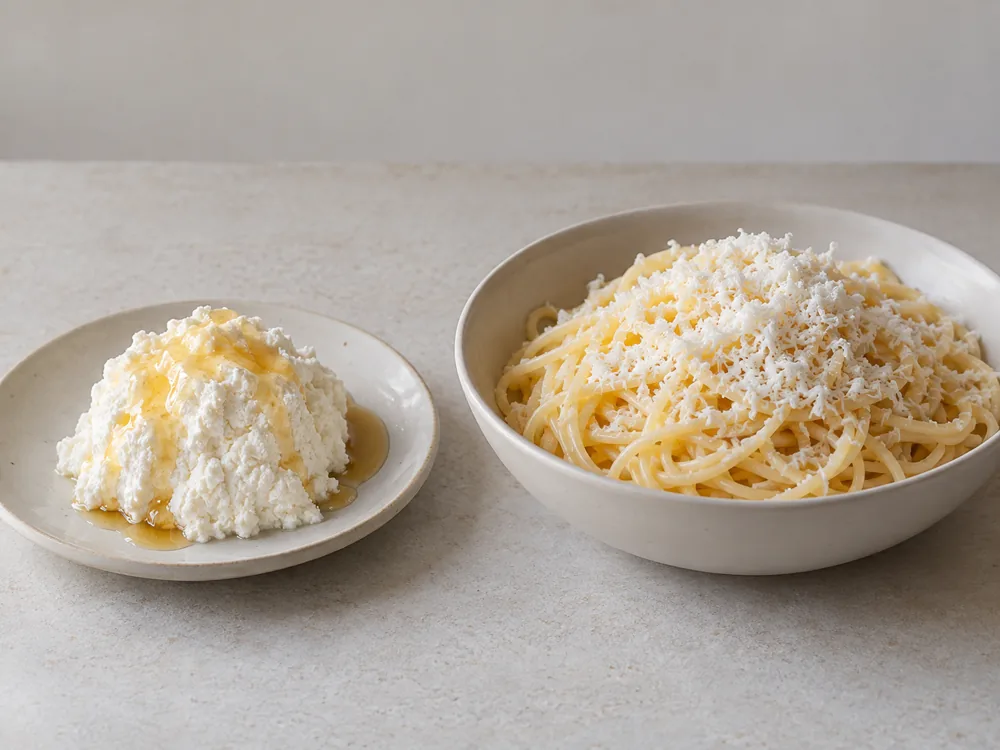
The Old Spaghetti Factory says its Spaghetti with Mizithra Cheese and Browned Butter is an old Dussin family recipe and is still the most popular dish on its menu.
If you want the cheese for that dish, the chain sells it in its restaurants and notes that some grocery stores have run short of it.
| Pairing | Type | Why It Works |
|---|---|---|
| Honey | Food | Fresh mizithra served as a dessert, according to English Wikipedia. |
| Olives and tomato | Food | Fresh mizithra served as a meze, according to English Wikipedia. |
| Paximadi | Food | Xynomizithra spread on the hard Cretan bread, according to Cheese Atlas. |
| Raki, wine or ouzo | Drink | Drinks Kalogeraki names for its PDO xynomizithra. |
When Should You Add Mizithra to a Hot Dish, and How Much Salt Does It Add?
Arvaniti recommends adding its fresh pack at the end of cooking to preserve flavour and texture, and Cheese Atlas says xynomizithra turns softer and milder when cooked.
The dry style sits at the other end of the process: Paramythias calls it a finishing cheese, grated generously over hot pasta or folded into bakes to add depth without overpowering the other ingredients.
If you grate generously, the salt adds up. At the label figures above, each 10 g of grated dry mizithra brings about 0.5 g of salt, against about 0.2 g from 10 g of the Arvaniti fresh pack.
Fresh mizithra goes in at the end of cooking, cooked xynomizithra turns softer and milder, and grated dry mizithra adds about 0.5 g of salt per 10 g.
What Can Replace Mizithra?
For honey plates and pie fillings, ricotta is the nearest swap, because Wikipedia compares fresh mizithra to Italian ricotta.
When a recipe needs a grating cheese, reach for ricotta salata: the same entry compares aged mizithra to Italian ricotta salata.
Within Greece, Wikipedia calls mizithra essentially the same cheese as anthotyros, which may contain some cow's milk.
Wikipedia also lists Greek manouri as another Greek sheep cheese with a similar flavour but not as dry as mizithra, which puts it nearer the soft styles than a grater.
How Is Mizithra Sold, and How Should You Store It?
English Wikipedia's fact box lists half a kilo or a kilo as the usual weights for mizithra.
Retail packs differ from that. Arvaniti sells fresh mizithra in a sealed 300 g pack and Kalogeraki sells its PDO xynomizithra in an airtight 350 g pack, while the Paramythias dry mizithra comes as a whole vacuum-packed ball of about 600 to 700 g.
For storage, the two packs and the CDC give these rules:
- Arvaniti fresh mizithra: keep refrigerated at 0 to 4 °C.
- Paramythias dry mizithra: keep refrigerated, wrap well once opened and eat within a few days.
- Any pack: the CDC says to keep a refrigerator at 40°F (4°C) or below.
- On the table: the CDC says perishable food, which includes dairy, should be refrigerated within 2 hours, or within 1 hour above 90°F.
Is Mizithra Safe in Pregnancy?
The answer depends on the pack, because makers treat the milk differently. Kalogeraki lists pasteurized sheep and goat milk and cream in its xynomizithra, while Cheese Atlas says Xynomizithra Kritis is made with unpasteurised milk.
Kalogeraki marks only the milk and cream as pasteurized, not the whey. For the Arvaniti fresh pack or the Paramythias dry ball, check the label or ask the seller whether the whey or milk was pasteurized.
English Wikipedia says mizithra is made from raw, whole ewe's or goat's milk.
The NHS lists pasteurised soft cheeses such as ricotta, cottage cheese and feta as safe during pregnancy, along with any cheese cooked until steaming hot, and says foods made from unpasteurised milk must be thoroughly cooked. It warns that unpasteurised or soft ripened dairy foods may contain listeria, and says you can check the packaging to see whether a cheese is pasteurised.
The CDC puts soft cheese made from unpasteurized milk on its riskier list. The same list includes any queso fresco-type cheese made with pasteurized or raw milk, such as requesón or similar fresh, soft cheeses.
The CDC lists pasteurized soft cheeses heated to an internal temperature of 165°F or until steaming hot as safer, and says pregnant women are 10 times more likely to get a Listeria infection. Served cold, fresh or sour mizithra is described as a pasteurized soft whey cheese, a type the CDC list does not cover, so ask a midwife or doctor.
Greek Flavours calls the dry Paramythias ball firm and easy to grate, and the NHS lists pasteurised or unpasteurised hard cheeses, pasteurised semi-hard cheeses and pasteurised soft cheeses as safe to eat. The CDC lists unpasteurized (raw) milk and dairy products made from raw milk as riskier, and served cold, a pasteurized dry mizithra is a firm grating cheese its list does not cover, so check the packaging and ask a midwife or doctor.
SOURCES & REFERENCES
What Else Do People Ask About Mizithra?
Fresh mizithra is soft with an almost sweet, milky taste, and the Arvaniti pack calls it gently tangy and lightly salted. Dry mizithra is firm and grated, and xynomizithra has a sour taste.
No. Both are whey cheeses and Wikipedia compares fresh mizithra to ricotta, but mizithra is Greek and made mainly from sheep or goat whey.
Xynomizithra is the sour style of mizithra. The protected Cretan version, Xynomyzithra Kritis, is a soft, creamy cheese ripened for at least 2 months.
Greek Flavours says to keep its Arvaniti fresh mizithra refrigerated at 0 to 4 °C, and to wrap the opened Paramythias dry ball well and eat it within a few days.
It uses mizithra for its Spaghetti with Mizithra Cheese and Browned Butter, an old Dussin family recipe that the chain calls the most popular dish on its menu.