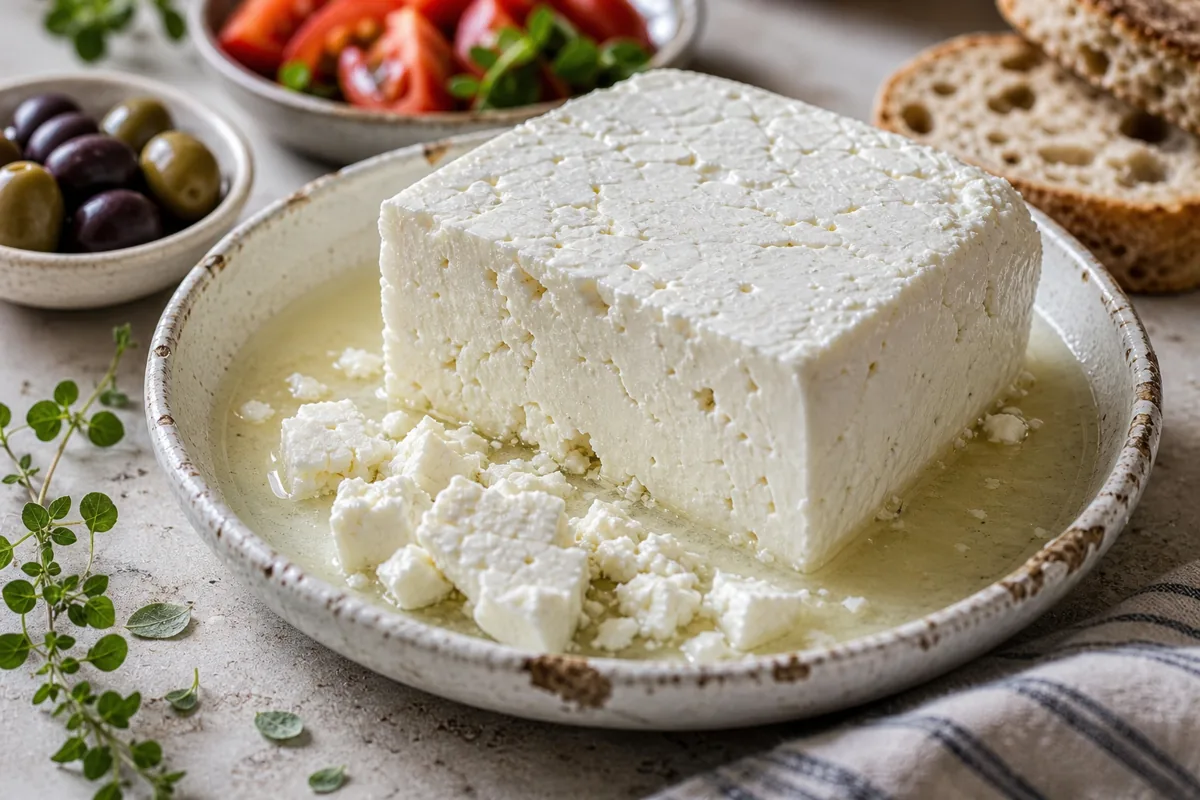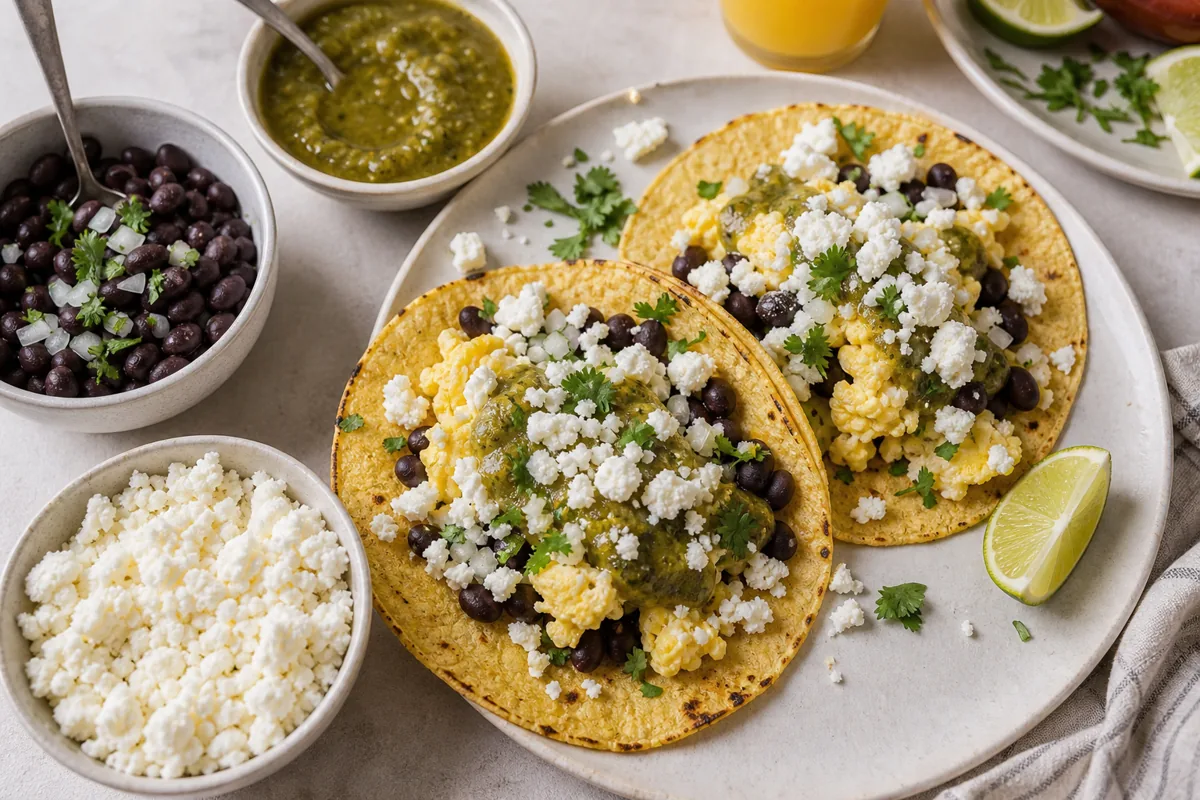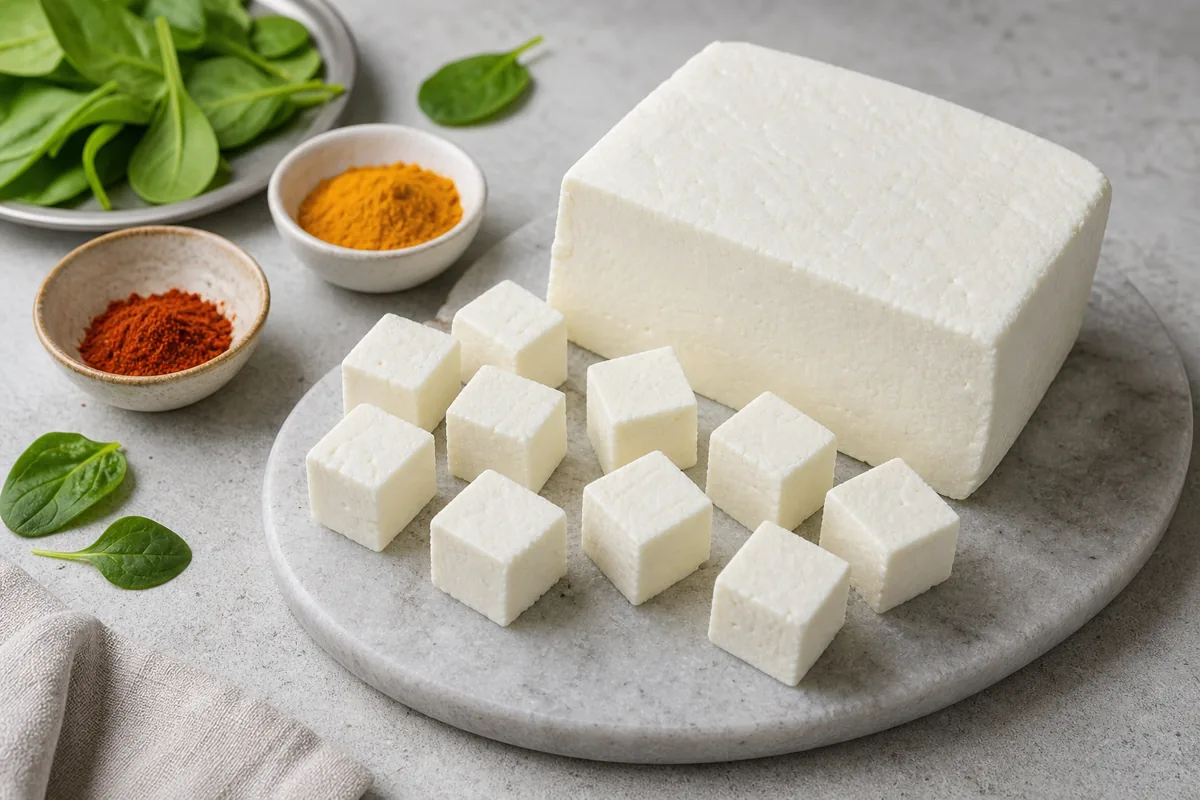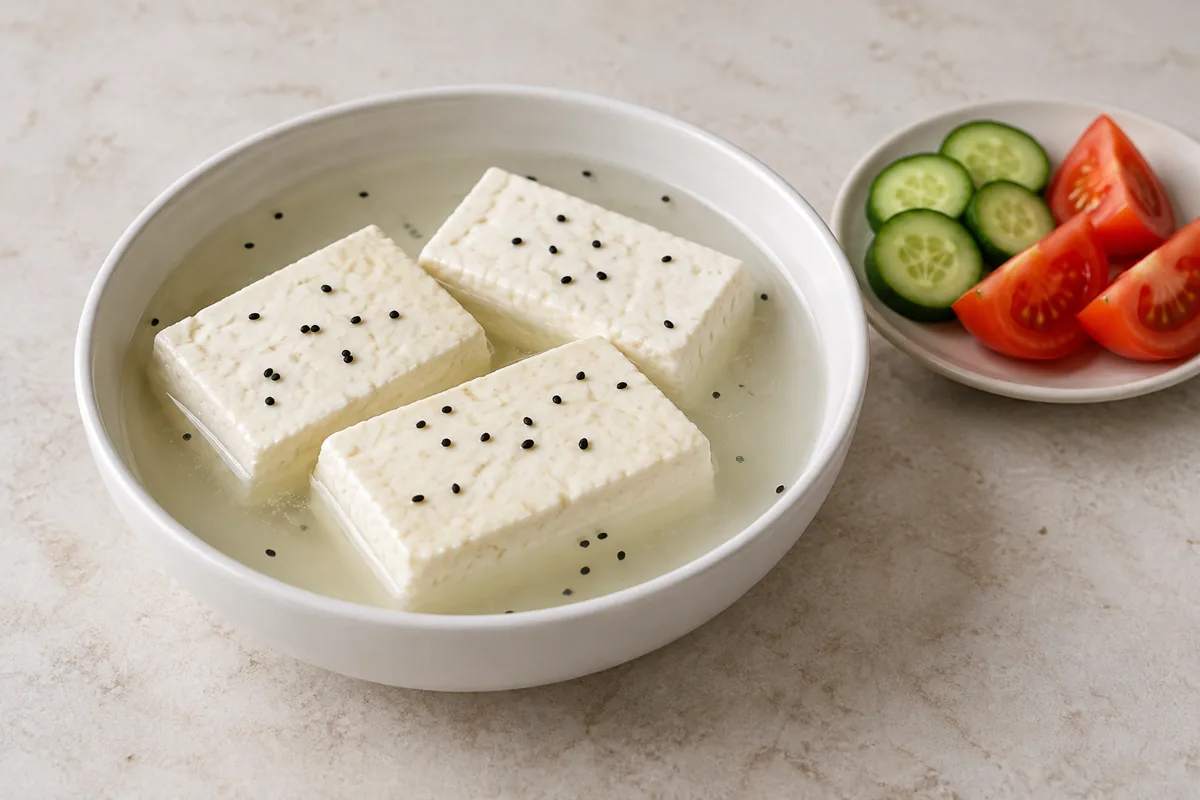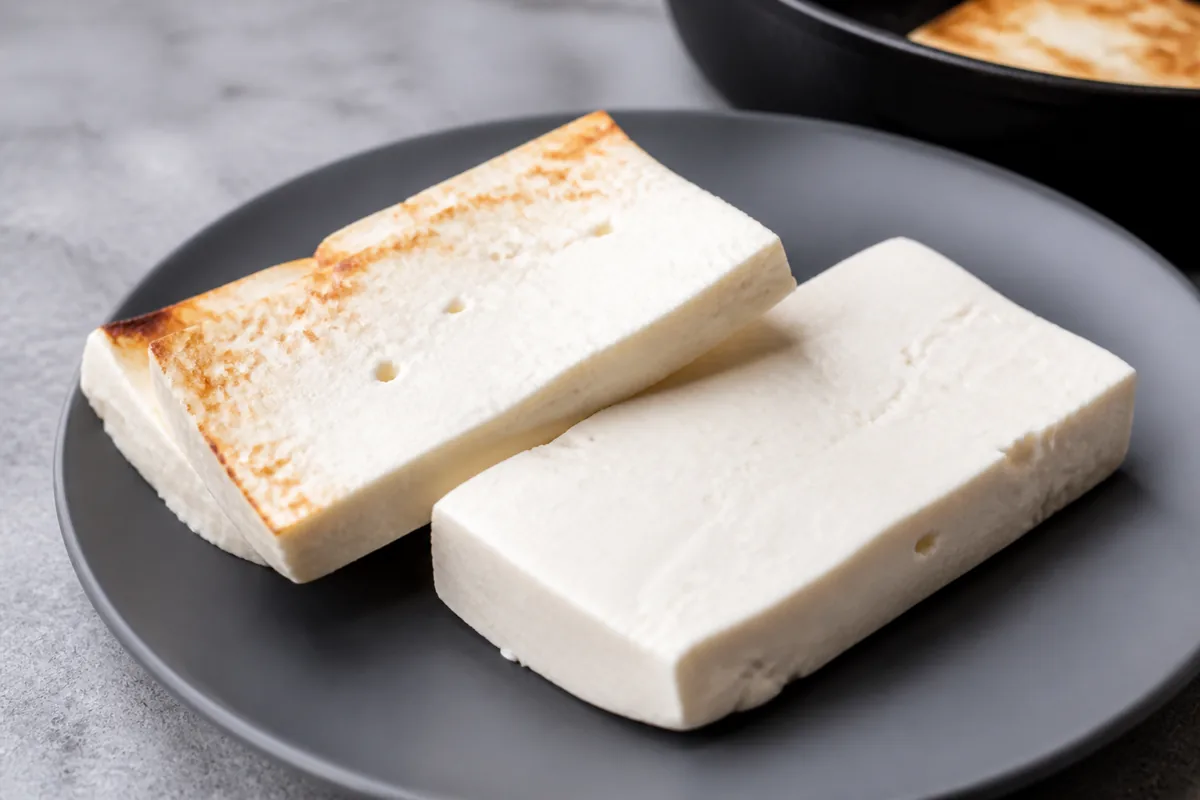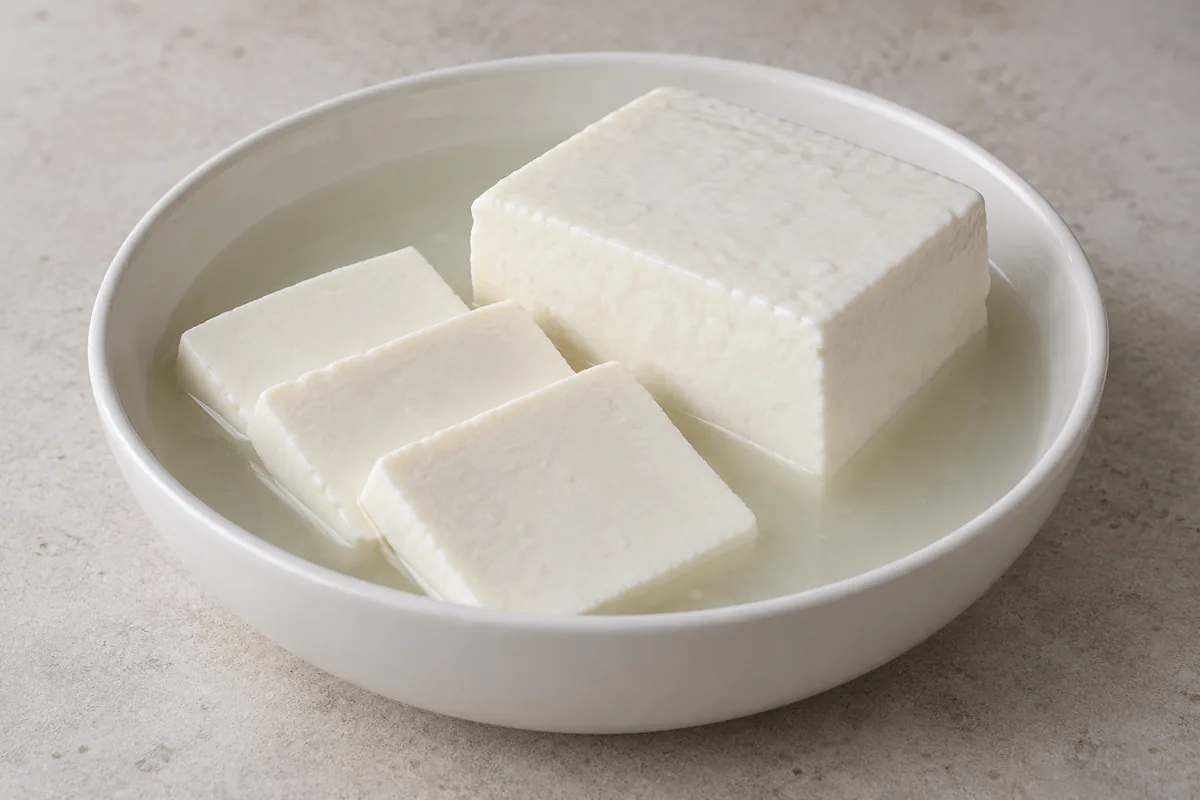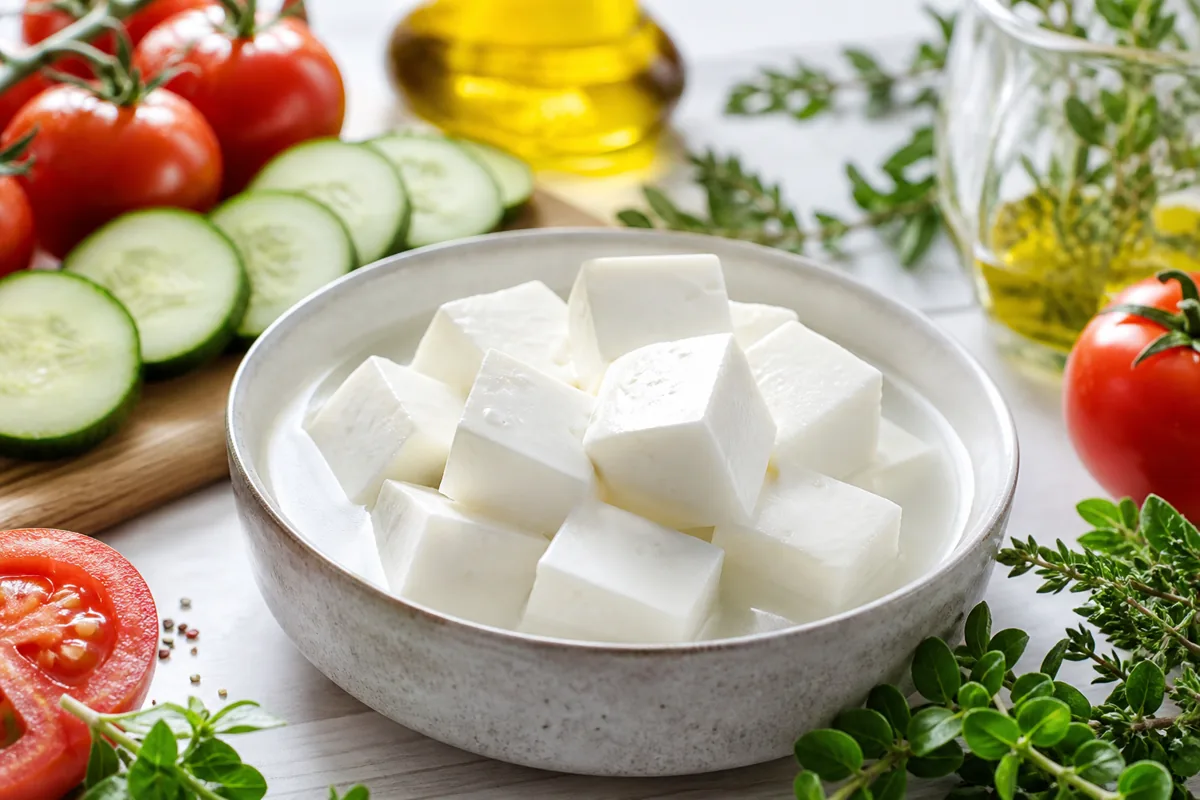
Danish feta is the older name for Danish white cheese, a cow's milk cheese kept in brine.
The EU has protected feta as a Greek name since 2002, so cheese made in Denmark is sold in the EU as Danish White or white cheese.
In This Article
What Is Danish Feta Cheese?
Danish feta is made in Denmark from cow's milk and also goes by Danish White. It is described as a creamier variant of Greek feta with a milder taste, so Greek Feta PDO can stand in for it when Danish white is not on the shelf.
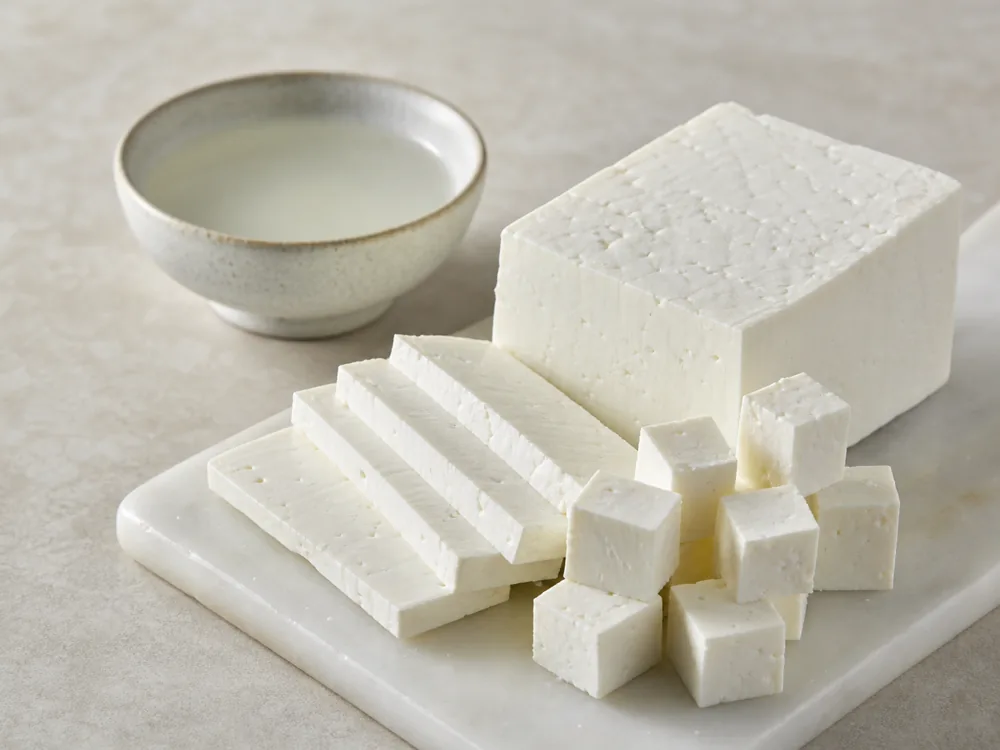
Danish white belongs to the wider white cheese family, which is made mostly from cow's milk, with some goat's and sheep's milk, and produced all over the world. White cheese blocks come in round and square shapes that suit slicing, and Denmark has a long tradition of exporting white cheese to the Middle East.
As a family, white cheese is sold fresh, soft and semi-hard, so the description line on a pack is the place to look for the texture you are buying.
Why Is Danish Feta Now Sold as Danish White?
Since 2002, feta has been a protected designation of origin in the European Union, which reserves the name for Greek cheese made to its rules. Before then, Danish white cheese was promoted as feta and called feta.
Feta PDO is tied to the terrain of Greece through milk from native breeds of ewes and goats, a set production method and at least two months of ripening.
The 2002 listing was a second attempt. Greece first asked for protection between 1994 and 1996, and the Commission approved that first request in 1996.
That first approval did not stand: after Denmark, France and Germany appealed, the Court of Justice annulled the decision because the Commission had not checked enough whether feta had become a generic name.
The Commission looked again, weighed production in other member states and registered feta anew in 2002, and Denmark and Germany appealed that decision too.
In 2005 the Court upheld the 2002 registration, accepting that feta was a generic term in some member states, Denmark among them, and that cheese was made outside Greece. It still found the Greek region well defined and noted that even non-Greek producers often leaned on feta's Greek status through their packaging.
The Commission gave other countries five years to find a new name or stop production, and Arla changed the name of its white cheese to Apetina, a brand name it had used since 1991.
On 14 July 2022 the Court of Justice ruled that Denmark had failed to stop the name feta being used on Danish cheese, including cheese exported outside the EU.
Brussels brought the case because Denmark kept putting feta on cheese it exported outside the EU, and Denmark argued the 1992 rules for protected names covered only sales inside the EU. The Court's Fifth Chamber rejected that, holding that a designation of origin applies wherever the product is sold.
The word is still used generically in the United States, Australia and New Zealand, so in those three markets the word feta on a pack does not by itself show that the cheese is Greek.
Is Danish White the Same as Greek Feta?
No. The milk alone separates them: Feta PDO comes from native ewes and goats, while Danish white is made with cow's milk.
| Attribute | Danish White | Feta PDO |
|---|---|---|
| Milk | Cow's milk | Native breeds of ewes and goats, milk fat at least 6%, by the PDO rules |
| Texture | Described as creamy, crumbly and smooth, and as a cheese whose cubes and slices hold together because it does not crumble easily when cubed or sliced | Described as crumbly and slightly grainy |
| Flavour | Described as mild | Salty and slightly acidic, and can be slightly peppery, by the PDO description |
| Name | Danish White or white cheese | Protected in the EU since 2002 |
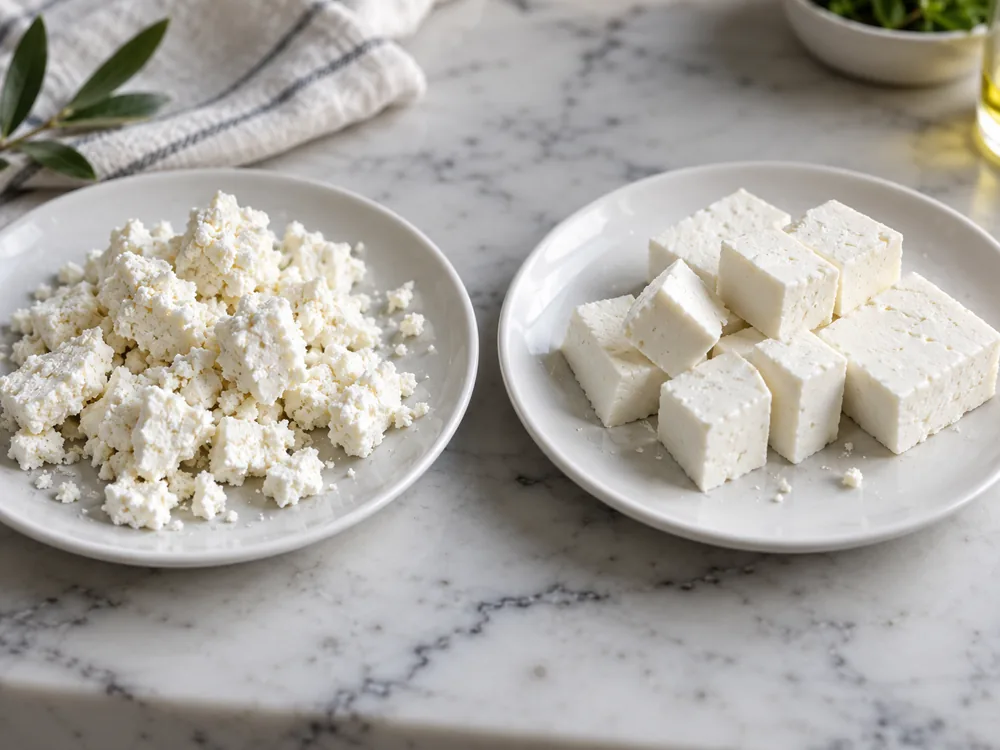
Why Is Danish White Described as Milder Than Greek Feta?
Danish white is made from cow's milk. Feta made from cow's milk is described as more subtle and less tangy than the sheep and goat version; to buy that version, choose a feta whose milk line reads sheep's milk, or sheep's and goat's milk, rather than cow's milk.
On the Greek side, Feta PDO comes only from native ewes and goats.
That milk is whole sheep's milk alone or sheep's milk with no more than 30% goat's milk.
Salting and ripening are the other variables in the Feta PDO make: the cut curd is covered in coarse salt, and microorganisms develop on its surface. The ewes' and goats' milk is described as giving the cheese its white colour and a flavour that can be slightly peppery, and the surface microorganisms as adding to the flavour, in the PDO description.
Ripening then runs in two stages, up to 15 days in a chamber at 18°C or below with at least 85% humidity and then refrigerated at 2 to 4°C, for at least two months in total.
What Do Feta-Style Names on a Pack Mean?
In the EU, only Feta or Feta PDO on a pack means the protected Greek cheese, and each of the other words below names something else.
| Wording | What it means |
|---|---|
| Feta, Feta PDO | In the EU only cheese made the traditional way in areas of Greece, from sheep's milk or sheep's and goat's milk, may bear the name |
| White cheese, Danish white | The family name, which covers Danish white |
| Salad cheese, Greek-style cheese | Names used for an imitation feta |
| Feta-style, feta-type | The wording new Canadian makers must use under the 2013 EU-Canada agreement, while makers already producing there kept the right to say feta |
Arla's Apetina shows how many layers one product can carry: in the UK the brand is Apetina, the product line is Original White Cheese in Brine, and the description line reads Mediterranean style semi-hard cow's milk cheese in salted water.
In the UK Arla also sells Apetina paneer and a pack of green olive and garlic cubes in oil, so the brand name alone does not say which cheese is inside.
On a feta-style pack, read the milk line first and the product wording second: Feta PDO means Greek sheep's or sheep's and goat's milk, while white cheese, salad cheese, Greek-style and feta-style name other cheeses, and a brand name such as Apetina does not say which one.
What Can Replace Danish Feta?
Start with Greek Feta PDO, but expect sheep's or sheep's and goat's milk instead of cow's.
Cow's-milk feta made in other countries sits closer to Danish white in milk: most cheese sold as feta in the United States is American and made from cow's milk, and similar cheeses may contain cow or buffalo milk.
The same milk check sorts the cheeses sold as substitutes for feta: cow's milk for the Danish type, and sheep's or sheep's and goat's milk for the PDO.
How Do You Use Danish White in Salads and Cooking?
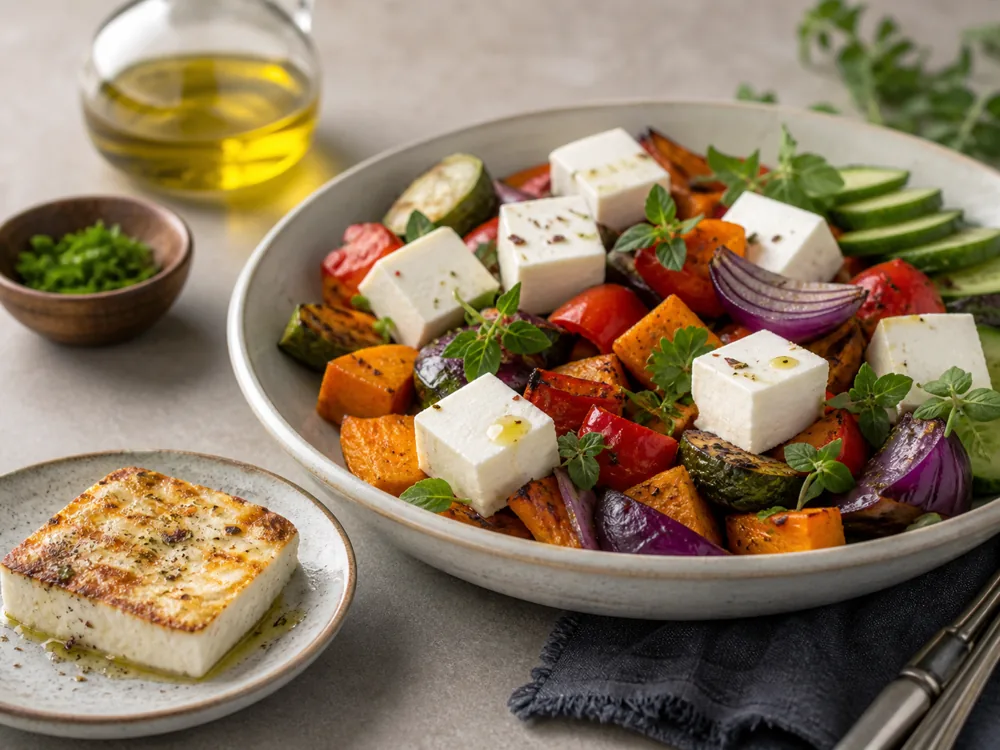
Danish white goes into salads and onto the grill. White cheese in general goes into many more dishes, listed below, and can stand in for other cheeses in a variety of them.
| Use | How It Works |
|---|---|
| Salads and grilling | Danish white goes into salads and onto the grill, and white cheese in general is also cooked or grilled. |
| Baking | White cheese in general goes into pastries, baking, oven dishes and tart fillings. |
| With olive oil and vegetables | White cheese in general is combined with olive oil and vegetables. |
| Pita and sandwiches | White cheese in general goes into pita bread and sandwiches. |
| Dips, dressings and marinades | White cheese in general is marinated and used in dips and dressing. |
| Mince dishes | White cheese in general also goes into mince dishes. |
For Arla's Apetina, try crumbling it over light salads or adding it to pasta dishes.
How Do You Buy and Store Danish White?
Danish white is sold in classic and herb-infused varieties, with garlic, sun-dried tomatoes or olives as the flavours.
Arla's Apetina Original White Cheese in Brine, sold in the UK in 200 g packs, carries the ingredients and per 100 g figures below.
Three fat figures circulate for feta-style cheese, and they measure different things. Under the Feta PDO rules the milk must have a minimum of 6% fat, and the cheese at least 43% fat in dry matter with at most 56% moisture.
The 21 g for Arla's Apetina is per 100 g of the cheese itself. Because the bases differ, you cannot read one against another: set a per 100 g fat figure only beside another per 100 g figure.
The keeping times in the box are Arla's, for its own Apetina, and the temperature is the CDC's: keep your refrigerator at 40°F or below, which is about 4°C. On another maker's pack, follow the times printed there.
Is Danish White Safe During Pregnancy?
If you are pregnant, check the label for the milk: Cheese.com lists cow's milk for Danish white, and Arla's ingredient list for its Apetina names milk without saying whether it is pasteurised.
If the label says pasteurised milk and you follow NHS advice, you can eat Danish white: Cheese.com calls it semi-hard, Arla describes its Apetina as semi-hard and lists the cubes as soft, and the NHS lists pasteurised semi-hard cheeses, such as edam, and pasteurised soft cheeses as safe to eat.
If you follow NHS advice and there is no label, or it does not say pasteurised milk, cook Danish white until it is steaming hot before you eat it: the NHS says any foods made from unpasteurised milk must be thoroughly cooked and lists any cheese that's been cooked until steaming hot as safe to eat.
If you follow US advice, ask a midwife or doctor before you eat Danish white without a label that says pasteurized milk, even cooked: the CDC lists unpasteurized (raw) milk and dairy products made from raw milk as riskier. It also says pregnant women are 10 times more likely to get a Listeria infection.
If you follow US advice, ask a midwife or doctor before you eat Arla's Apetina without a label that says pasteurized milk, even cooked: Arla's ingredient list calls the Apetina cubes soft, and the CDC lists soft cheese made from unpasteurized (raw) milk as riskier.
If the label says pasteurized milk and you follow US advice, ask a midwife or doctor before you eat Danish white cold: served cold, a pasteurised Danish white is described as a pasteurized semi-hard, creamy, crumbly and smooth cheese, a type the CDC list does not cover.
SOURCES & REFERENCES
What Else Do People Ask About Danish Feta?
Not under EU rules. The Court of Justice ruled in 2022 that only cheese produced in Greece can be called feta, including for sale outside the EU.
Cow's milk. Arla's Apetina, for example, is a cow's milk cheese in salted water.
It is described as creamy, crumbly and smooth, and as a cheese whose cubes and slices hold together because it does not crumble easily when cubed or sliced.
It goes into salads and onto the grill. White cheese in general also goes into baking, pastries, oven dishes, tart fillings and pita bread.
Arla renamed its product Apetina after the Court of Justice upheld the feta PDO in 2005.