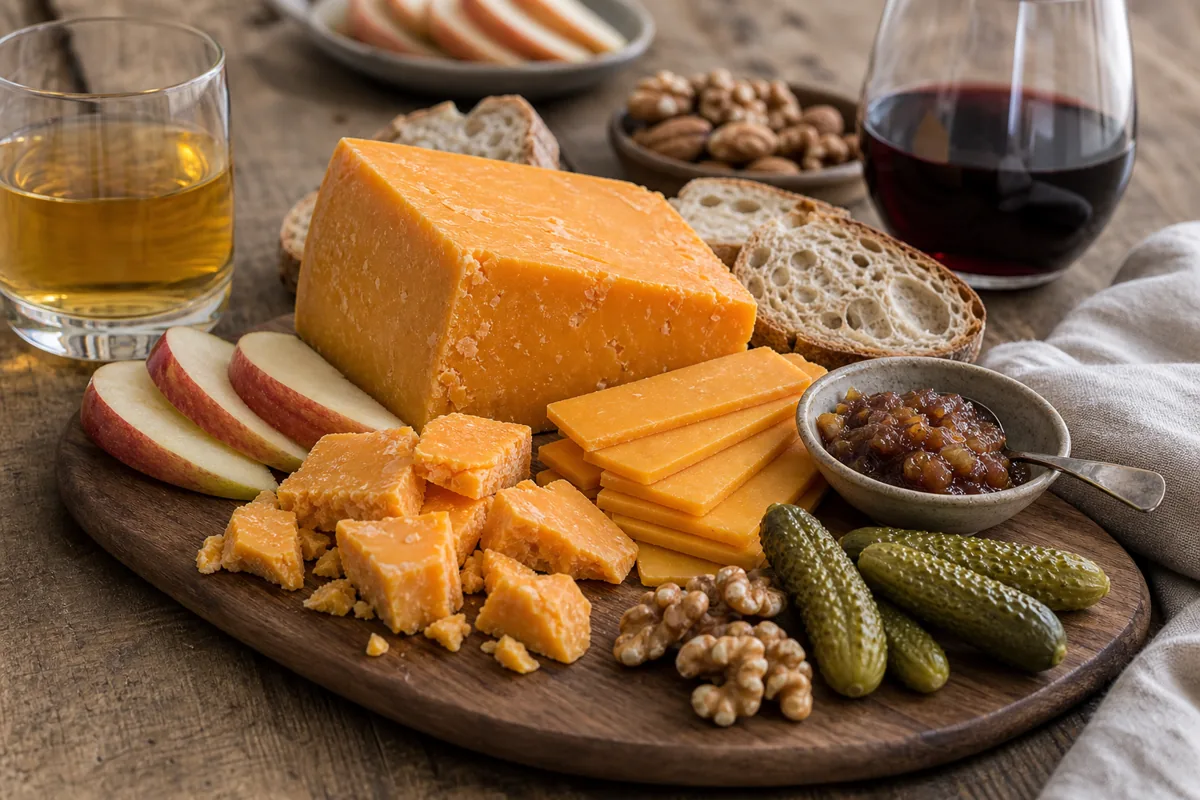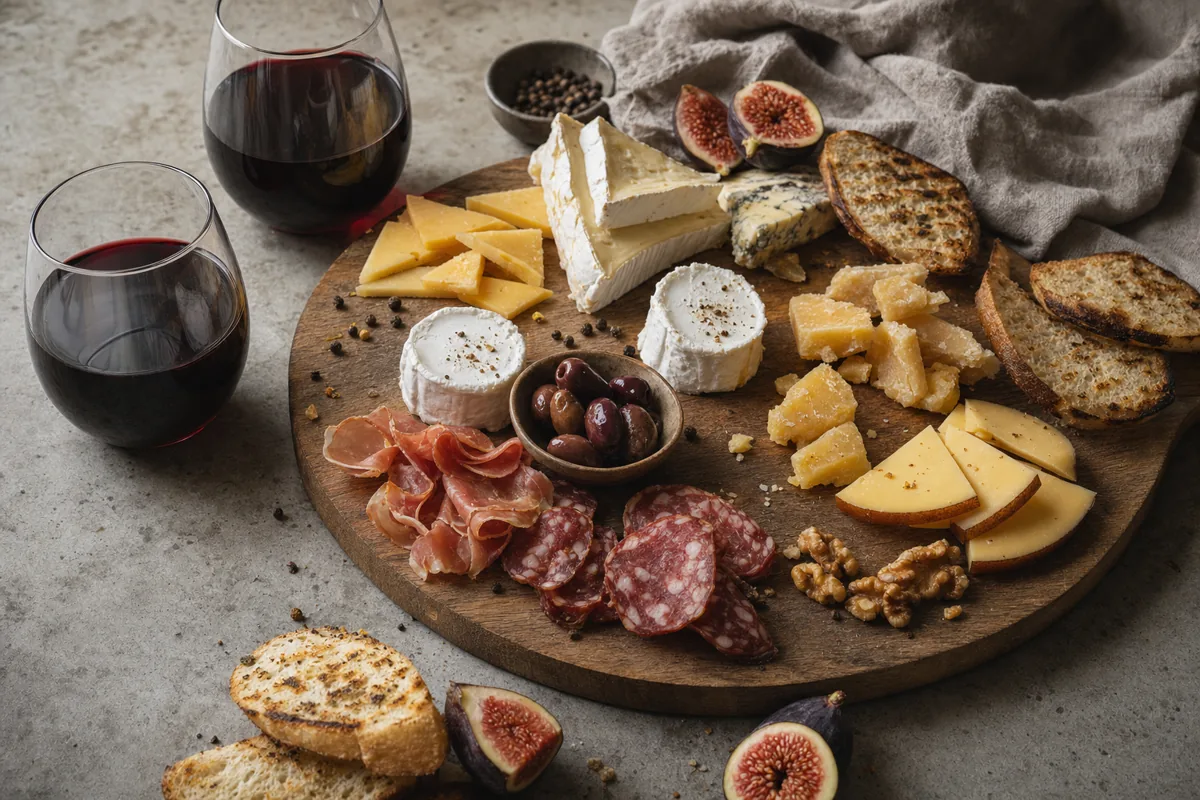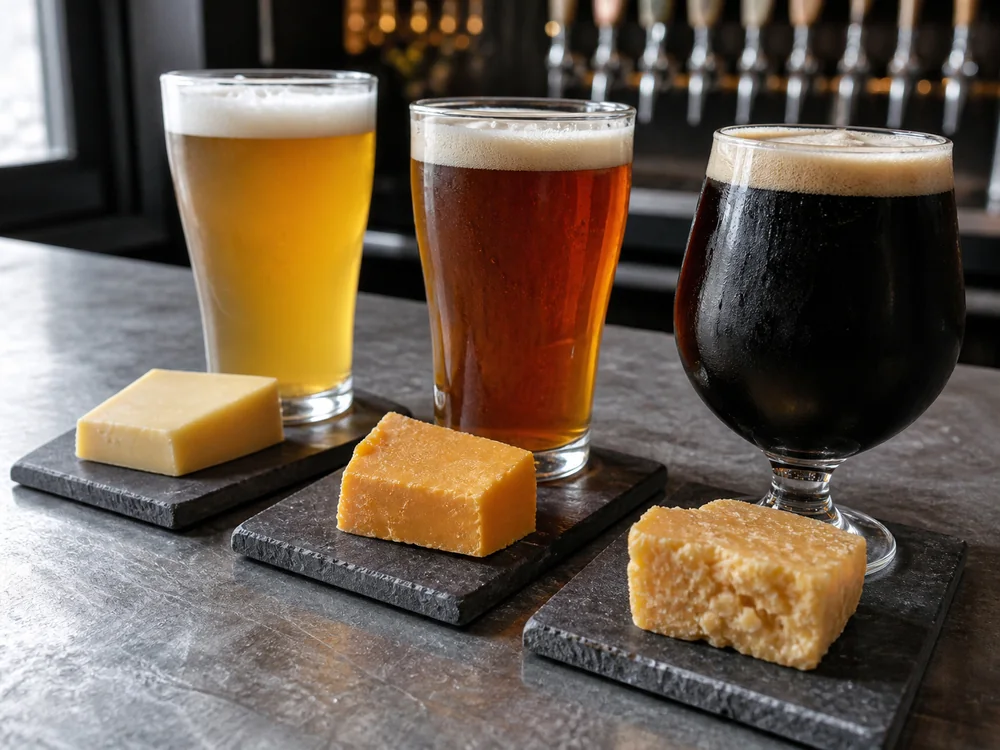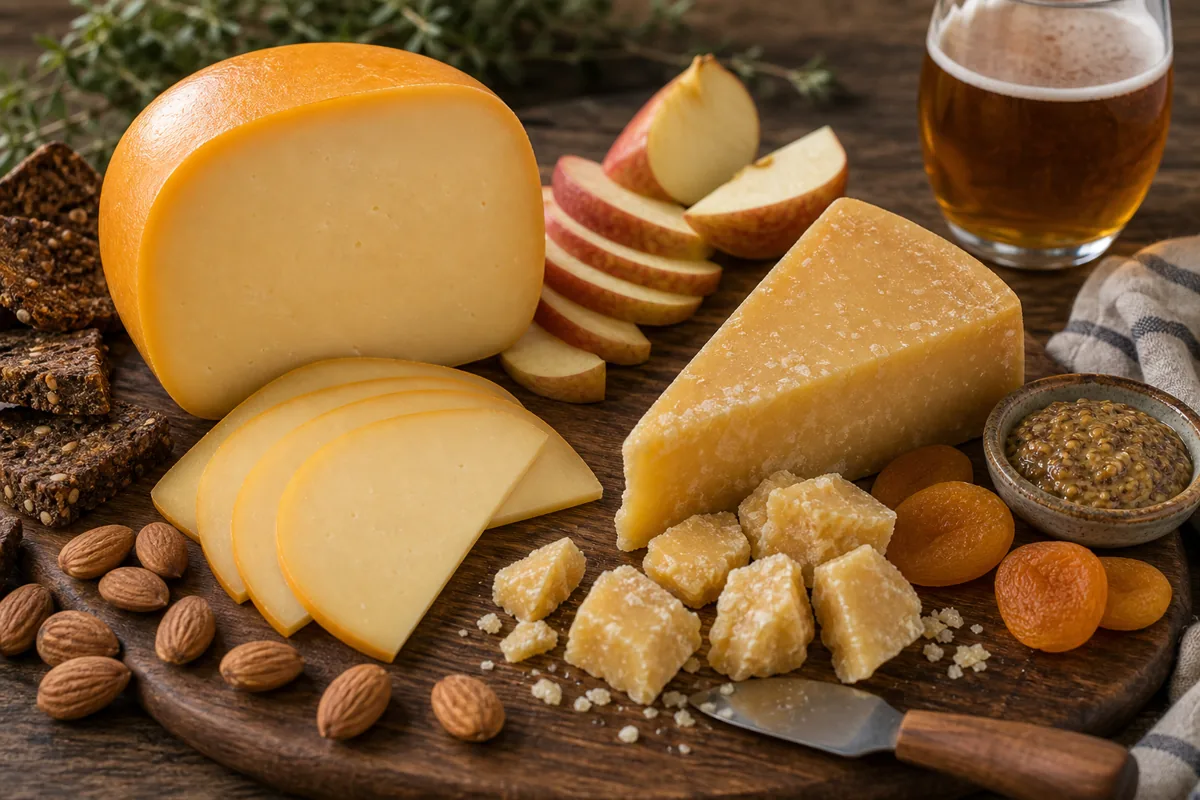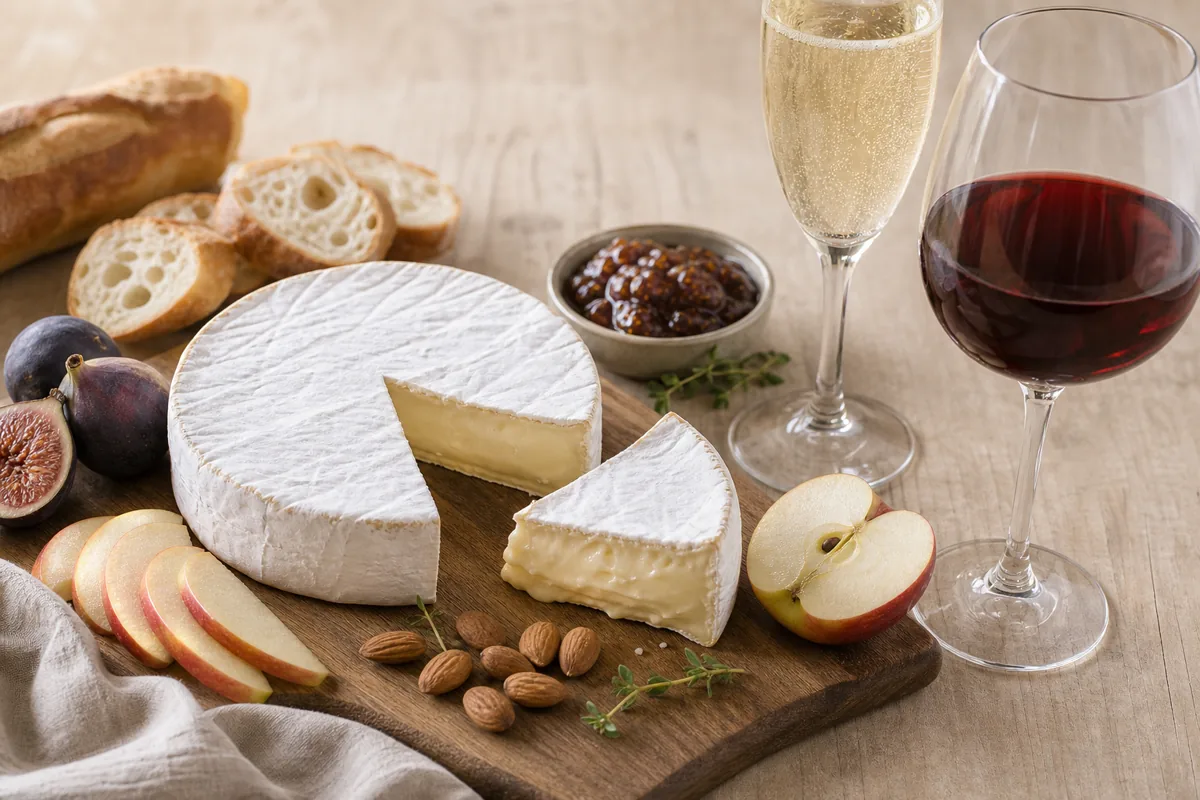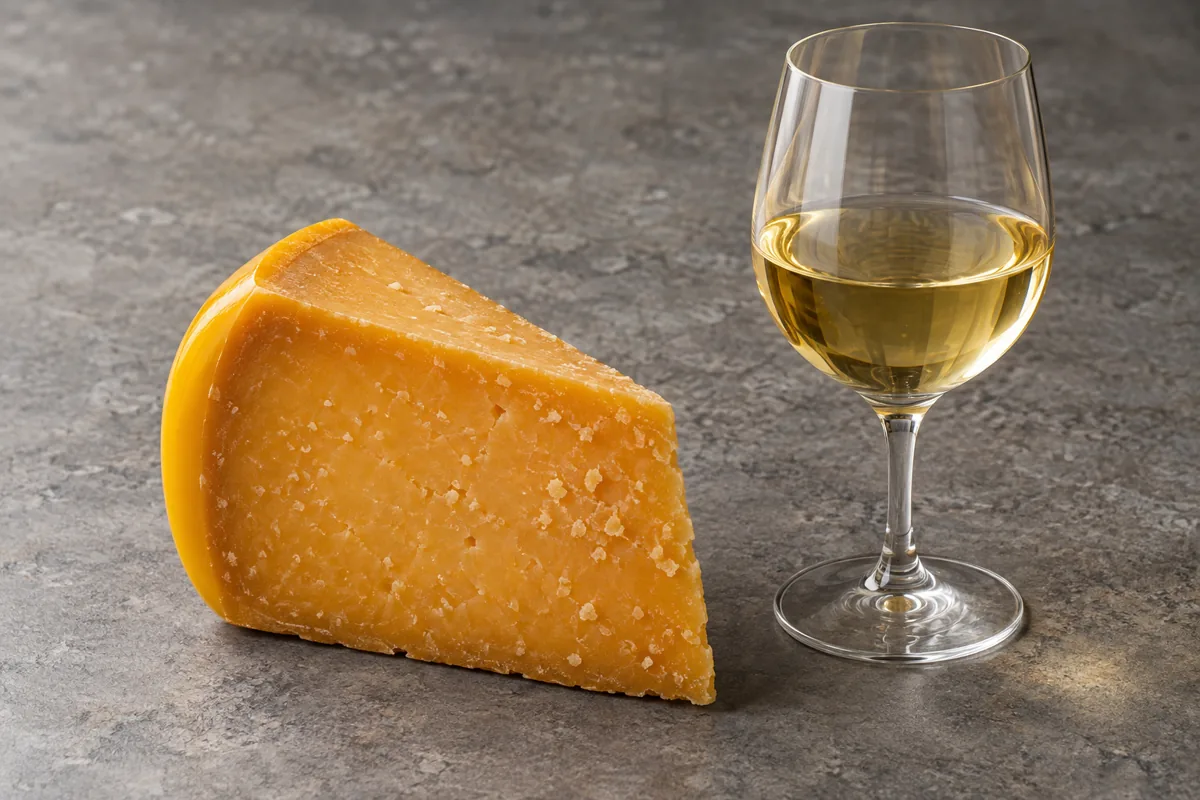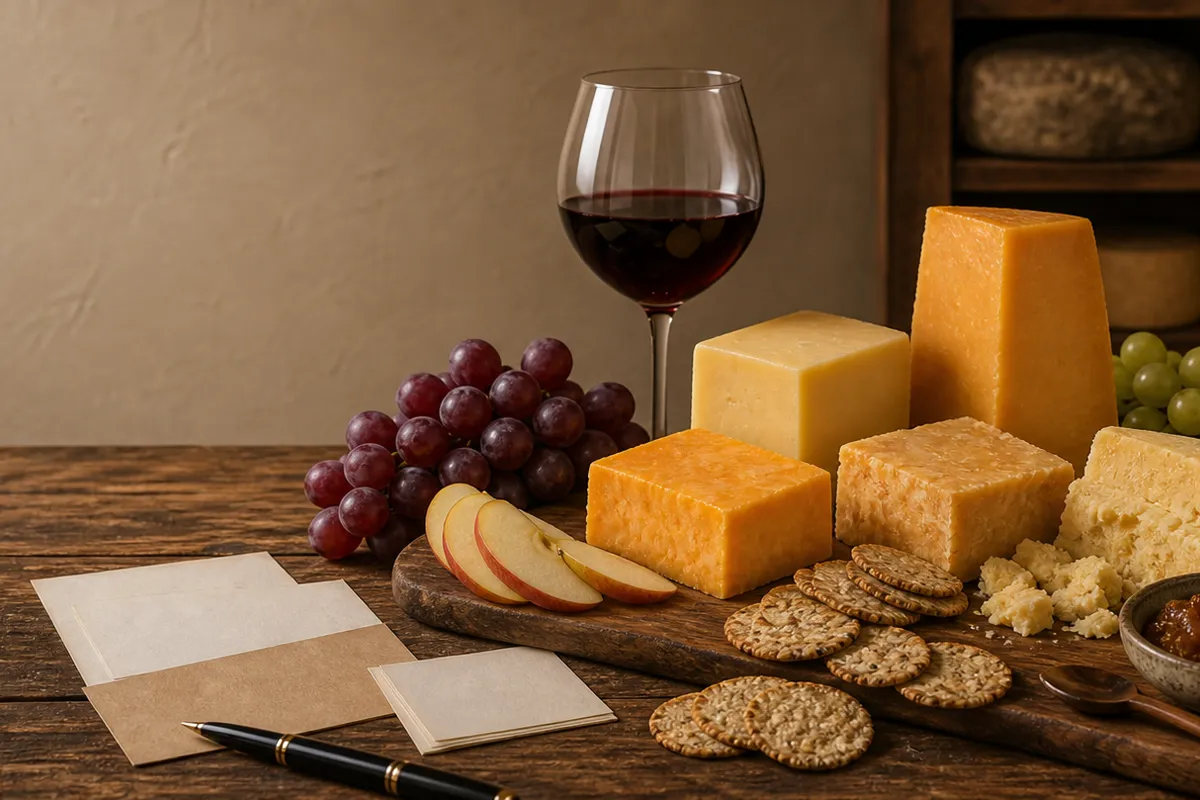
Choose a wine you like drinking, then consider the cheddar's actual taste. The word cheddar covers mild, buttery blocks and strongly flavoured, crumbly wedges, but it does not divide neatly into white-wine and red-wine age bands.
In This Article
Which wine should you try?
Cabernet Sauvignon: Cabot recommends it with Extra Sharp Cheddar. Start here if you want a red with a strongly flavoured cheese, especially when Cabernet is already a style you enjoy.
That recommendation is more useful than declaring Cabernet the best bottle for every cheddar. A particular wine's fruit, dryness and mouth-drying grip will still affect whether you enjoy the combination.
Pinot Noir: Quicke's pairs its Mature Clothbound Cheddar with Sharpham Pinot Noir in a published pairing selection. This gives you a concrete alternative to the idea that mature cheddar always overwhelms Pinot.
Chardonnay: Quicke's also paired Mature Clothbound Cheddar with Lyme Bay Chardonnay 2018. That is a historical example of a dry white with mature cheddar, rather than a claim that the same vintage is currently available.
Tawny Port: Taylor's suggests its aged tawny styles with full-flavoured cheeses including farmhouse cheddar. Consider this if you want a sweet fortified wine alongside the cheese, rather than a dry drink with lunch.
These are starting combinations from producers. They support trying different wine styles, but they are not results from a KnowTheCheese tasting panel or guarantees about every bottle bearing the same grape name.
Does the Label's Age Tell You Which Wine to Choose?
The age on a label can help distinguish products from the same maker.
It is less useful as a rule that every extra-sharp cheddar must be two years old or every mature wedge needs Cabernet.
Cabot describes its Extra Sharp as aged about twelve months and Seriously Sharp as twelve to fourteen months. Those examples show why a strength word alone cannot establish an exact age across brands.
Taste the cheese before deciding that it needs a bigger wine. Notice whether the bite is mild or forceful and whether the texture is smooth or crumbly, then ask a wine merchant for a style that fits your own preference for fruit, sweetness and dryness.
Clothbound cheddar does not require an old Bordeaux simply because it is clothbound. Quicke's recommendations for mature clothbound cheese include both Pinot Noir and Chardonnay, so the production style leaves several options open.
Likewise, the country on the cheese label is not a reliable shortcut to one grape. Comparing the actual wedges is more useful than assuming all English cheddar is earthy or all American cheddar is mild and straightforward.
How Do You Adjust a Pairing That Disappoints?
If the wine leaves your mouth unpleasantly dry, try a smaller bite of cheese and a sip of water before deciding whether to switch bottles.
You may prefer a red with less tannic grip or a white wine instead.
If sweetness dominates, first taste the cheese without chutney, jam or dried fruit. Removing one sweet accompaniment can tell you whether the wine itself is the problem.
If you can hardly notice the wine after the cheese, compare it with a milder cheddar or use a smaller piece. That is a practical adjustment to your own plate, rather than evidence that the whole wine category fails.
There is no reason to ban every Pinot Noir, Chardonnay or off-dry wine before trying it. A recommendation should help you find a combination you enjoy, not make you reject a bottle that already tastes good to you.
How Can You Compare Two Bottles with the Same Cheese?
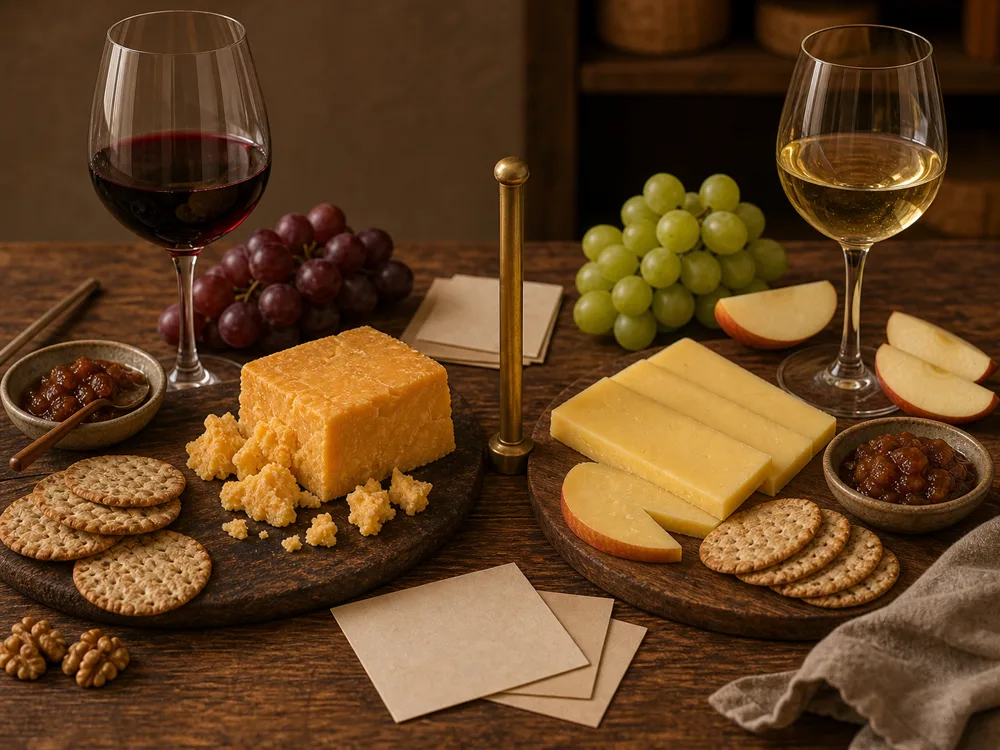
Use the same cheddar for both wines, with water and plain crackers available. Taste a small piece on its own, then try a sip after another piece and notice whether you still enjoy both flavours.
Keep chutney, strongly flavoured crackers and pickles aside during that first comparison. Add them afterwards to see how the combination changes, rather than changing wine, cheese and condiment all at once.
You do not need to score the wines or buy a second bottle just for a test.
If you already have one open, try it with the cheese and use what you notice to guide your next purchase.
For a complete plate, fruit and condiments with cheddar offer options beyond wine.
Once cheddar is part of a burger, tomato soup or a hot sandwich, the other ingredients also matter to the drink you choose.