Cheese Profile

Feta Cheese: Greek PDO, Brine Storage, and Cooking Uses

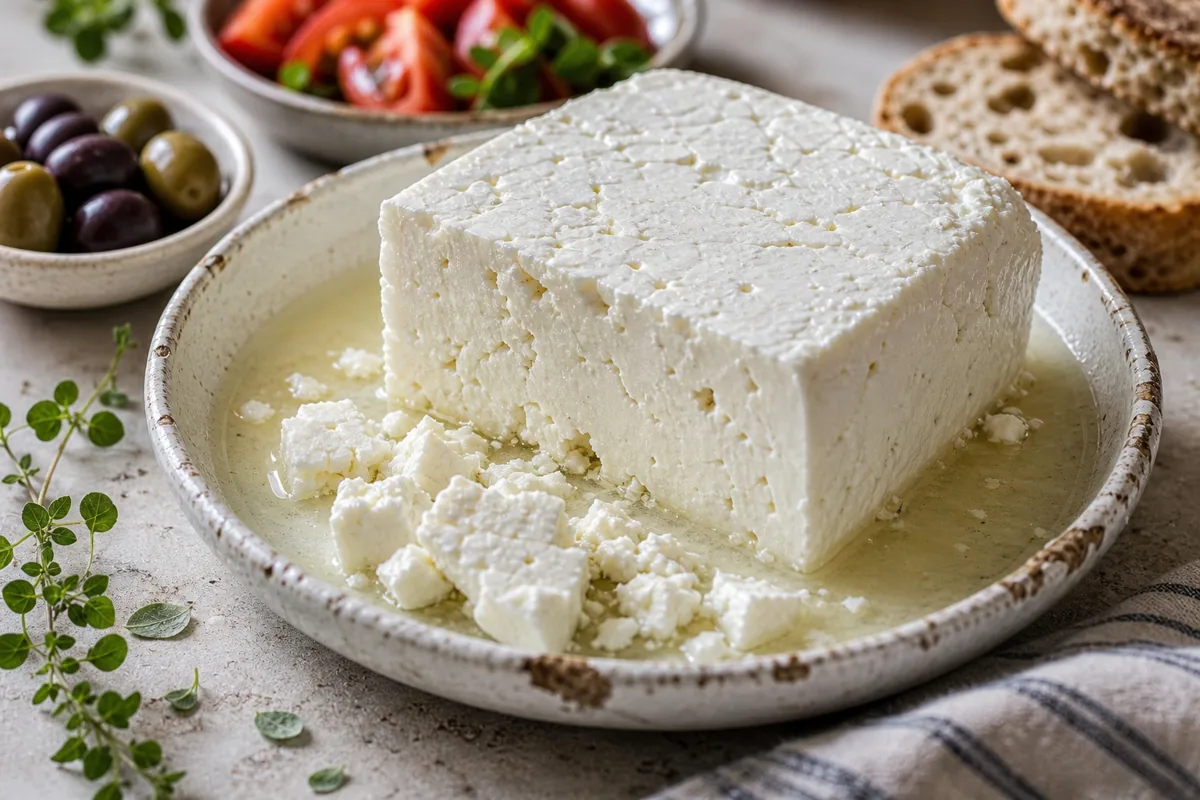
Block of Greek feta in brine with olives, tomatoes, and bread - Feta cheese | KnowTheCheese
FETA QUICK FACTS
OriginGreece (mainland and Lesbos)
MilkSheep's milk with up to 30% goat's milk under PDO rules
TextureCrumbly, firm when cold, creamier as it warms
RindNone, because feta is stored in brine
AgingMinimum 2 months in brine
Fat Content43-47% FDM (fat in dry matter)
PDO / DOPFeta PDO (2002, European Union)
AvailabilityCommon in supermarkets and specialty cheese counters
PriceBudget to mid-range
PregnancyChoose pasteurized feta during pregnancy and avoid raw-milk feta unless heated until steaming
LactoseModerate for a brined cheese, higher than long-aged hard cheeses

Feta is the brined Greek cheese Greece fought for in court. After a 20-year legal battle, the European Union granted Feta PDO status in 2002, restricting the name to cheese made in specific Greek regions from sheep's milk with up to 30% goat's milk.

That legal fight matters because it protects what makes real Feta different from brined white cheeses produced worldwide. The sheep's milk, the brine aging, and the Greek terroir produce a cheese that imitations labeled "feta-style" cannot replicate.

This profile covers genuine Greek Feta: how it is made, how to store it, and how to use it beyond the salad bowl.

What Feta Is

A block of real feta is a brined white cheese made from sheep's milk, with up to 30% goat's milk permitted under the PDO specification. It has no rind.

The cheese ages and stores submerged in a salt brine solution. That liquid preserves moisture, firms the texture, and develops the characteristic tangy flavor.

The PDO designation limits production to mainland Greece and the island of Lesbos. The sheep and goats must graze on local pasture, which gives the milk its distinctive herbal, grassy character.

PDO StatusGranted in 2002 and upheld by the EU court in 2005
Permitted MilkAt least 70% sheep's milk, with up to 30% goat's milk
Production ZoneMainland Greece and Lesbos
FormatRindless blocks aged and stored in brine
Minimum Aging2 months total curing and brine aging
Buying CueLook for Greek PDO, sheep/goat milk, and brine-packed blocks
  • Sheep's milk base -- minimum 70%, provides the tangy, rich flavor
  • No rind -- the brine acts as both preservative and flavor developer
  • PDO protected -- only cheese from specified Greek regions can be called Feta
  • Brined aging -- minimum 2 months submerged in salt solution
  • Crumbly texture -- breaks apart rather than slicing cleanly

Before the 2002 ruling, Denmark, Germany, and other countries produced "feta" from cow's milk. The EU court decided that Feta's identity is inseparable from its Greek geography and sheep's milk base. Non-Greek brined cheeses must now use different names within the EU, though enforcement outside Europe varies.

In the US market, you will find both genuine Greek Feta (imported) and domestic "feta" made from cow's milk. The flavor difference is significant. Greek sheep's milk Feta has a tangy, herbaceous character that cow's milk versions lack.

How to Buy Real Feta

The label tells you most of what matters. If you want Greek PDO Feta, look for Greece as the origin, sheep's milk listed first, goat's milk at no more than 30%, and a block packed in brine rather than dry crumbles in a tub.

Dry crumbled feta can be convenient for quick salads, but it is usually the weakest format for flavor. The small pieces lose moisture faster, taste saltier on the surface, and rarely show the creamy center you get from a brined block.

Label or Format What It Usually Means Best Use
Greek PDO Feta Sheep's milk with up to 30% goat's milk from approved Greek regions Greek salad, boards, baking, and dishes where feta is central
Sheep and goat feta-style May taste close to Feta but is not necessarily Greek PDO Good everyday salads and cooked vegetable dishes
Cow's milk feta Milder, less tangy, often springier or rubberier Budget use when feta is only a salty accent
Pre-crumbled Convenient but drier, with more exposed salty surface Fast toppings where texture matters less

For the best value, buy a brined block and crumble it yourself. You get better texture, more usable storage life, and clearer evidence that the cheese was not dried out before you opened it.

Feta Flavor and Texture

Greek Feta has a tangy, salty, slightly sour flavor with herbaceous undertones from the sheep's milk. The texture is crumbly and firm when fresh from the brine, softening as it warms to room temperature.

Age and brine concentration shift the flavor. Younger Feta (2-3 months) is milder and creamier. Feta aged 4-6 months in stronger brine becomes saltier, drier, and more intensely tangy.

Barrel-aged Feta sits inside that same brine and aging logic. The barrel is a curing and storage format that can make the cheese firmer, sharper, and more savory, but it does not turn Feta into a separate cheese family.

FETA FLAVOR PROFILE (GREEK PDO)
SALTYSWEETBITTERSOURUMAMICREAMY
Salty
62
Sweet
8
Bitter
18
Sour
55
Umami
30
Creamy
35

The radar above reflects Greek PDO Feta at 3-4 months of brine aging. Cow's milk "feta-style" cheeses score lower on sour (35) and salty (45), with a blander, more one-dimensional profile. The sheep's milk is what provides the tangy depth.

  • Young Feta (2-3 months) -- milder, creamier, less salty, crumbles in large pieces
  • Medium Feta (3-4 months) -- balanced tang and salt, firm crumble, most versatile
  • Aged Feta (5-6 months) -- sharper, saltier, drier, best for cooking and grating
  • Cow's milk "feta" -- milder, rubbery, less complex, different cheese entirely

If your Feta tastes too salty, soak it in plain water or milk for 15-30 minutes before serving. This draws out excess surface salt without changing the core flavor. Many Greek cooks routinely rinse Feta before adding it to salads or baked dishes.

The herbaceous quality of genuine Greek Feta comes from the sheep grazing on wild herbs, grasses, and shrubs in the Greek countryside. This terroir effect is why Feta from Thessaly tastes slightly different from Feta from Macedonia, even when the production method is identical.

TIP

To get the creamiest texture from Feta, whip it in a food processor with a tablespoon of olive oil and a squeeze of lemon juice. The result is a smooth, tangy spread perfect for flatbread, roasted vegetables, or dipping. This technique turns crumbly Feta into a versatile condiment.

How Greek PDO Feta Is Made

Production starts with fresh sheep's milk from local Greek breeds. The goat's milk portion (up to 30%) comes from goats grazing the same pastures. Both milks must originate within the PDO zone.

The cheesemaking process is straightforward, but the brine aging step is what gives Feta its identity.

  • Warm the milk -- heated to roughly 35 degrees C (95 degrees F)
  • Add rennet -- the curd sets in about one hour
  • Cut the curd -- into small cubes to release whey
  • Drain and mold -- pressed lightly in perforated molds for several hours
  • Dry salt -- rubbed with coarse salt for initial curing (1-2 days)
  • Submerge in brine -- placed in 7% salt solution for minimum 2 months

The brine does three things simultaneously. It helps preserve the cheese during aging, firms the texture by drawing moisture from the paste, and develops the tangy, salty flavor through slow fermentation in the salt solution.

Traditional producers age Feta in wooden barrels. The wood contributes subtle flavor compounds and maintains a stable brine environment. Industrial production uses stainless steel tanks, which are easier to sanitize but produce a slightly different flavor profile.

Cooking with Feta

In the kitchen, this is one of the most versatile salty cheeses. Its tangy, salty crumble adds flavor to salads, baked dishes, and sauces without overpowering other ingredients.

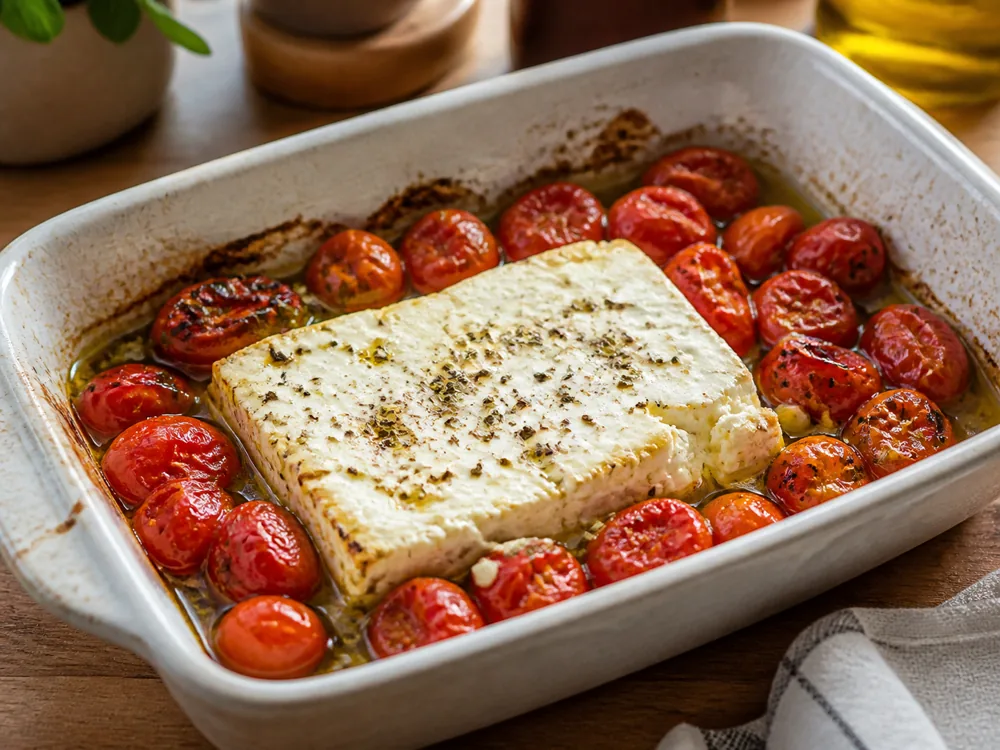
The key to cooking with Feta is understanding that it does not melt like mozzarella or pressed cheddar curd. It softens and gets creamy under heat, but it holds its shape rather than becoming a stretchy, flowing melt.

Roasted feta block with cherry tomatoes and olive oil in a baking dish - Feta cheese | KnowTheCheese
Feta softens and turns creamy at the edges under heat, but it still holds its shape in the dish.
UseHow It Works
Greek SaladThe defining use. A thick slab of Feta (not crumbled) over tomatoes, cucumbers, olives, and red onion with olive oil and oregano. In Greece, the Feta is sliced, not crumbled.
Baked Feta PastaA block of Feta roasted with cherry tomatoes, garlic, and olive oil at 400F until bubbly. Toss with pasta. The viral recipe works because Feta softens into a creamy sauce without fully melting.
Spanakopita FillingCrumbled Feta mixed with spinach, dill, and egg, wrapped in phyllo dough. The Feta provides the salty, tangy backbone of the filling.
Watermelon SaladCubed watermelon, crumbled Feta, mint, and a drizzle of balsamic reduction. The sweetness of the melon against the salty tang of the Feta is one of the best summer combinations.
Roasted VegetablesCrumble Feta over roasted peppers, zucchini, or eggplant during the last 5 minutes of cooking. The cheese softens and picks up roasted flavor without dissolving.
  • Slab, not crumble, for salads -- Greek tradition uses thick slices, not scattered bits
  • Roast at high heat -- Feta softens and caramelizes at 400F without melting away
  • Add last to hot dishes -- crumble over roasted vegetables or pasta in the final minutes
  • Whip for spreads -- food processor with olive oil creates a smooth, tangy dip

The baked Feta pasta trend went viral in 2021 for good reason. It works because Feta softens into a creamy sauce when roasted with tomatoes and olive oil, creating a one-pan dish that suits bright feta pairings with herbs and vegetables.

For dishes where you need a cheese that melts and stretches, Feta is the wrong choice. Use low-moisture mozzarella for stretch. Choose alpine melting cheese when you need a smoother sauce.

FETA SCORES
Melt Quality25/100
Flavor Intensity65/100
Sharpness55/100
Availability92/100

The melt score of 25 reflects that Feta softens but does not melt into a flowing liquid. It holds its shape under heat, which is a feature, not a flaw. The high availability score of 92 reflects that Feta is sold in nearly every grocery store worldwide.

How to Store Feta

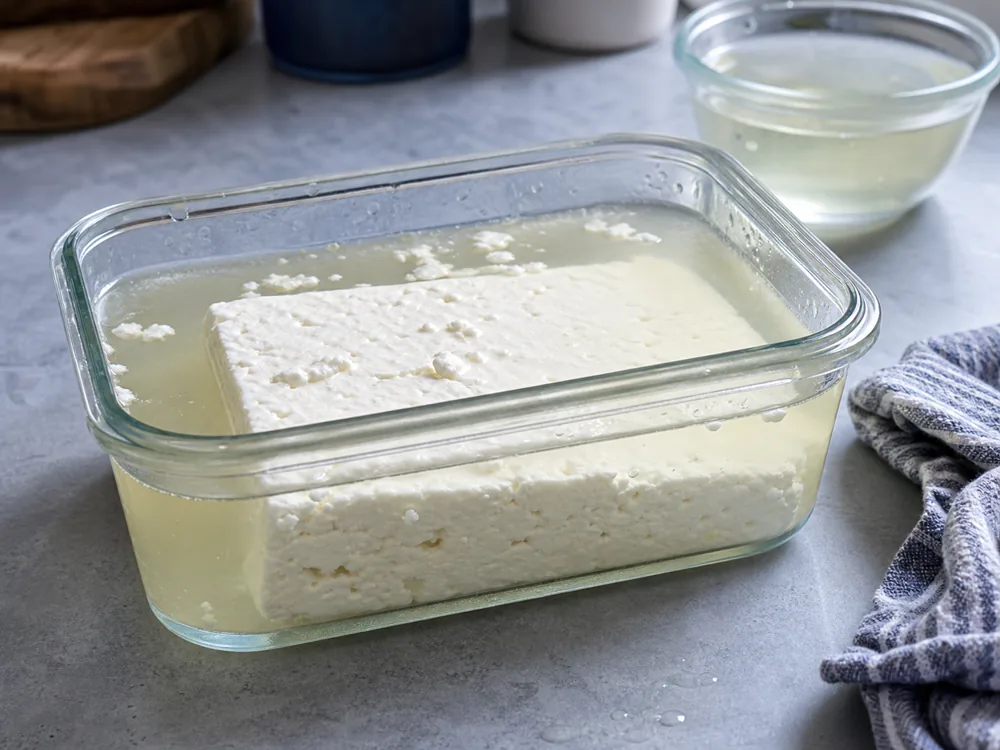
Brine does most of the storage work for this cheese, which makes it one of the easiest cheeses to keep. As long as the cheese stays submerged, it remains fresh for weeks or months.

The single most important rule: keep it in liquid. Feta exposed to air dries out, hardens, and loses flavor within days.

Block of feta submerged in brine inside a storage container - Feta cheese | KnowTheCheese
Keeping feta submerged in brine is what stops the block from drying out in the refrigerator.
STORAGE GUIDE
In original brine (unopened)
180+ days
Feta submerged in its original brine lasts months in the refrigerator. The salt solution preserves the cheese. Check the expiration date, but properly brined Feta often outlasts it.
In brine (opened)
28-42 days
After opening, keep the Feta submerged in the brine from the container. If you discarded the brine, make a replacement: 1 teaspoon of salt per cup of water.
Without brine (wrapped)
5-7 days
Feta without brine dries out fast. Wrap in damp paper towel, then in a loose bag. Use within a week. The texture will become crumblier and the flavor saltier as it dries.
Frozen Feta
90 days
Freeze in the brine or wrap tightly. Thawed Feta becomes very crumbly but works fine for cooking, salads, and baked dishes.
  • Keep submerged in brine -- the liquid is both preservative and flavor medium
  • Make replacement brine -- 1 teaspoon salt per cup of water if original is discarded
  • Do not drain and wrap -- Feta without brine dries and hardens within days
  • Refrigerate always -- store at 34-40 degrees F in a sealed container

If you buy Feta in a vacuum-sealed block without brine, transfer it to a container and make a simple brine solution: 1 teaspoon of salt dissolved in 1 cup of water. Submerge the cheese and refrigerate. This extends the shelf life from days to weeks.

Brine storage technique matters because feta dries quickly when exposed to refrigerator air. Brine is not permission to leave feta on the counter, so keep the container cold and covered after opening.

Feta Substitutes

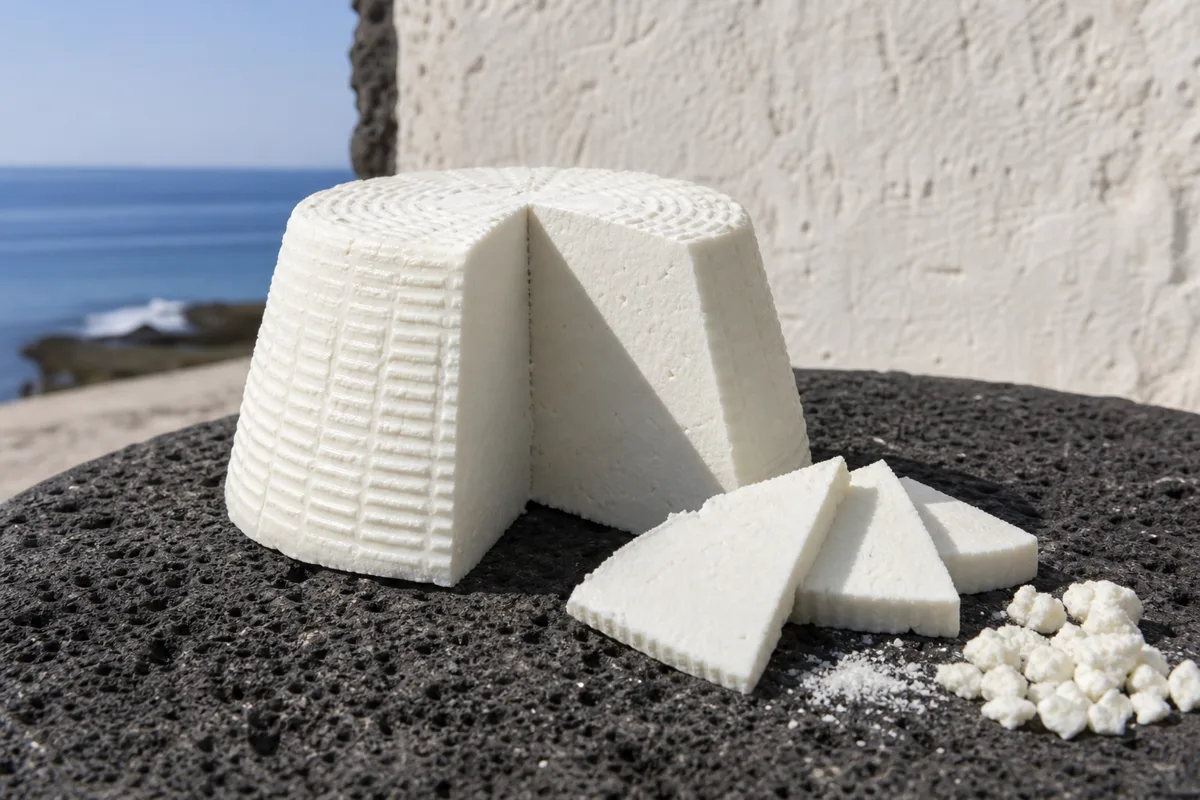
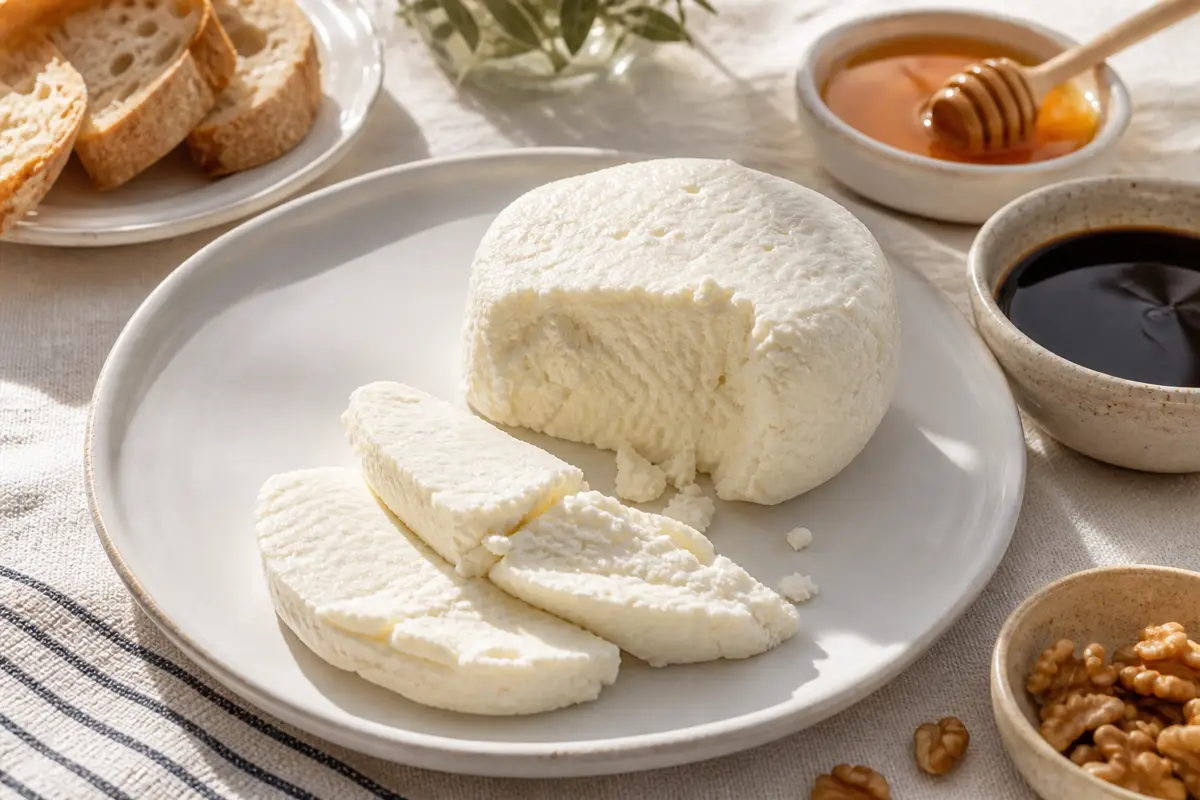
Ricotta salata is the closest non-Feta substitute. It is a pressed, salted, aged ricotta with a crumbly texture and mild salt flavor. It lacks Feta's tang but works in salads, pasta, and roasted vegetables.

  • Ricotta salata -- pressed salted ricotta, crumbly, milder tang, works in salads and pasta
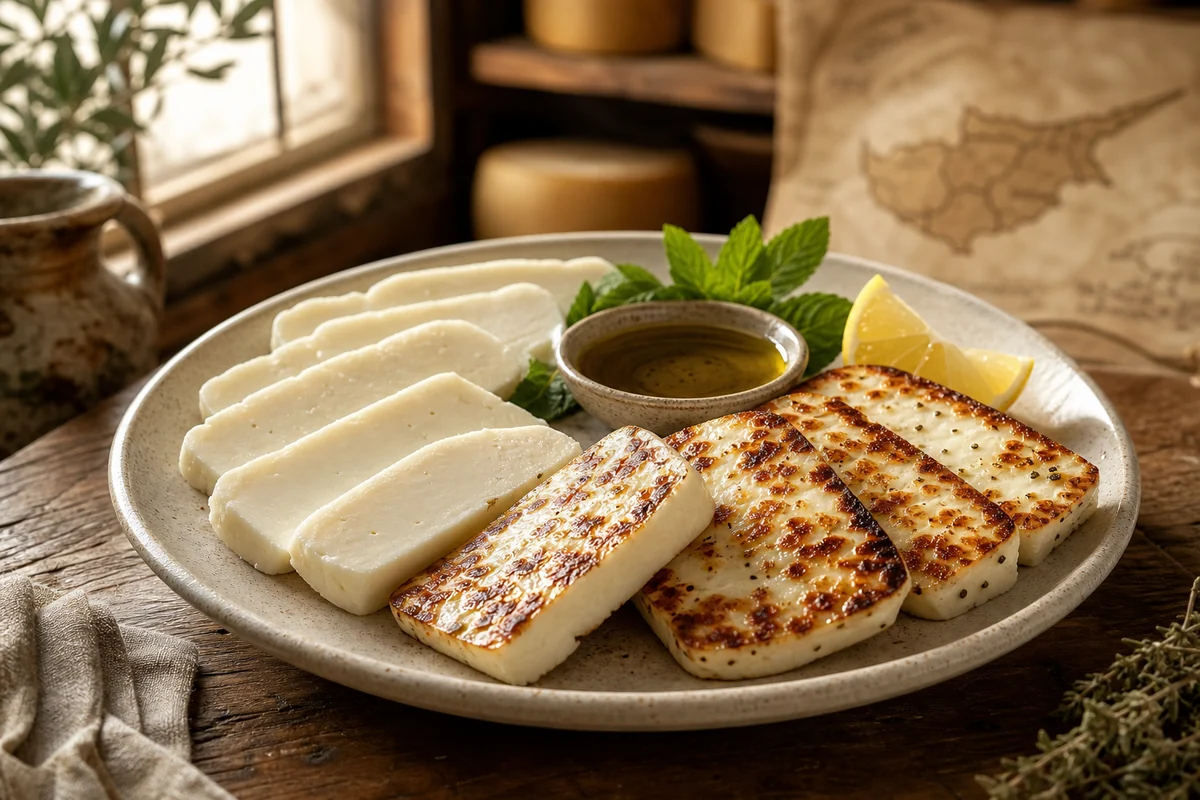
  • Halloumi -- firmer Cypriot brined cheese, saltier, holds shape when grilled, different texture entirely
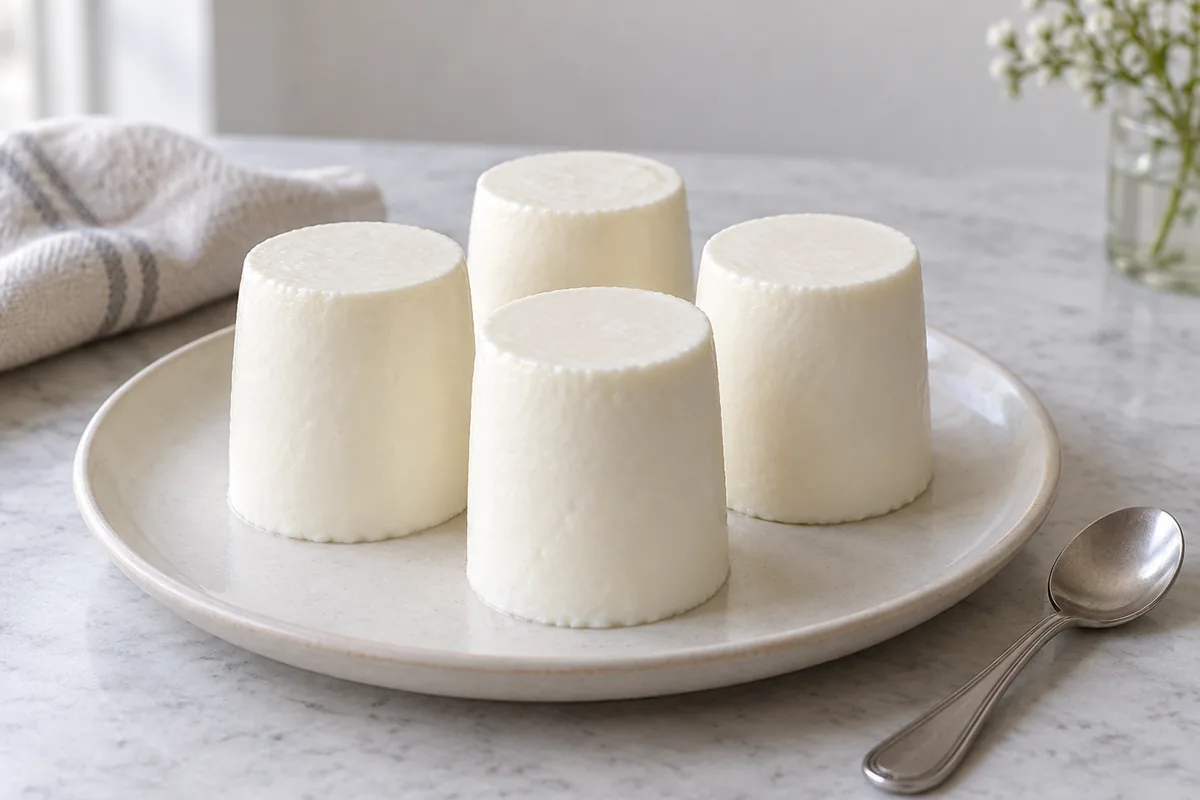
  • Queso fresco -- mild fresh crumble, less salty, works in Mexican-style dishes
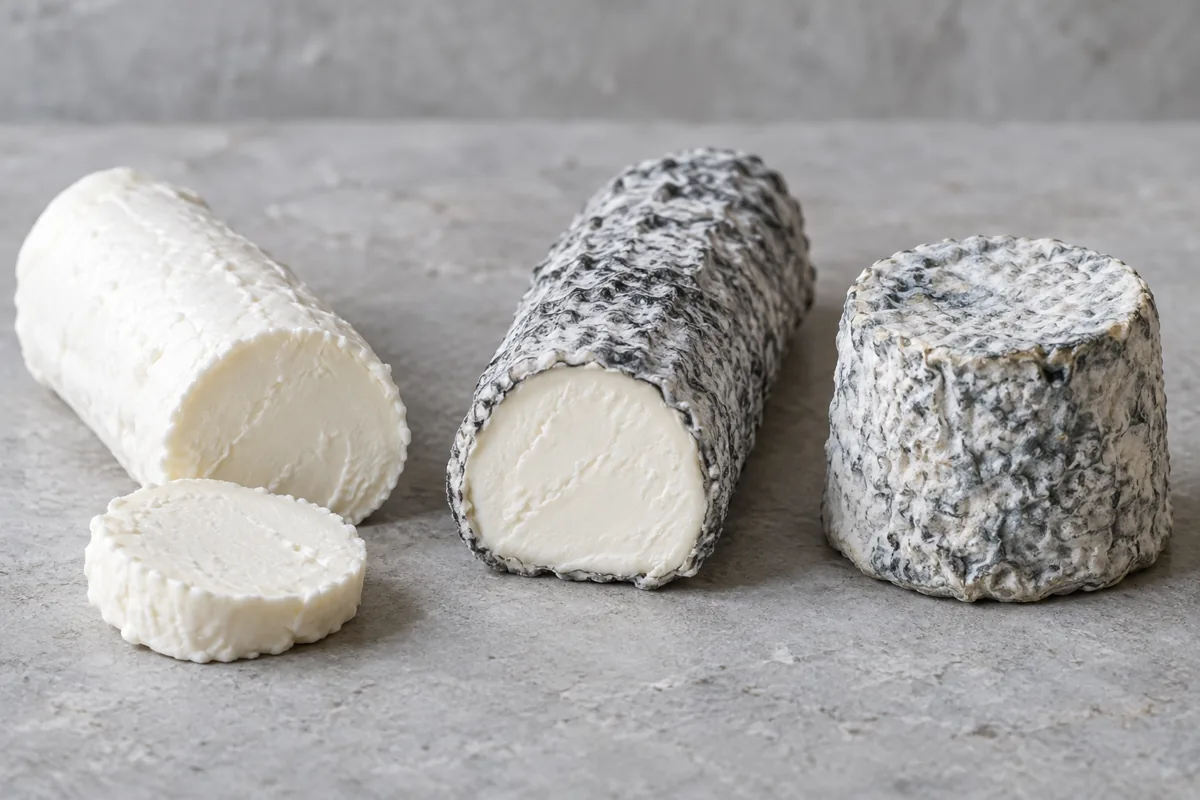
  • Goat cheese (chevre) -- tangy and creamy, similar acidity, softer texture

No substitute fully replicates Greek Feta's combination of tang, salt, and crumbly texture from the sheep's milk brine-aging process. For Greek dishes specifically, genuine PDO Feta is worth the small price premium over cow's milk imitations.

Feta Nutrition

Per ounce, this is one of the lower-calorie cheeses because the brine keeps moisture high. The tradeoff is higher sodium from the salt solution.


75
Calories

4.0g
Protein

6.0g
Fat

140mg
Calcium

316mg
Sodium

1.2g
Carbs

  • Low calories -- 75 per ounce, one of the lowest among aged cheeses
  • High sodium -- 316mg per ounce from the brine aging
  • Good calcium -- 140mg per ounce, 11% of daily value
  • Moderate lactose -- Feta retains more lactose than hard aged cheeses

The sodium concern is real but manageable. Rinsing Feta under water for 30 seconds removes some surface salt. Soaking in fresh water for 15-30 minutes reduces the salty edge further, which helps when olives, cured meat, or a salty sauce are already in the dish.

CHECK THE LABEL
Pasteurized Feta is safe during pregnancy. In the US, most imported and domestic Feta is made from pasteurized milk. In Greece and other European countries, some traditional Feta uses raw sheep's milk and may not be safe during pregnancy. Check the label for pasteurization status. If the label does not specify, ask the seller or choose a different cheese.

FoodSafety.gov and CDC pregnancy guidance treat feta as a safer choice when it is made from pasteurized milk. If the label does not say pasteurized, choose another cheese or heat the cheese until steaming hot. For a broader decision framework, use the pasteurization and heating rules.

Feta retains more lactose than hard aged cheeses because the brine-aging period is shorter than the long aging used for dry grating cheeses. People with lactose sensitivity may react to Feta when they tolerate long-aged Parmesan without issues.

How We Source Feta Claims

For identity and PDO rules, we rely on European Union and Greek PDO references first. Those sources define where Feta can be made, which milk is allowed, and why cow's milk brined cheese is not the same product under EU law.

For nutrition and pregnancy safety, we separate culinary facts from health guidance. Nutrition numbers come from USDA FoodData Central-style references, while pregnancy wording follows public food-safety guidance from FoodSafety.gov, CDC, and FDA rather than cheese-shop advice.

  • Identity claims come from PDO and EU legal sources.
  • Nutrition numbers use general feta nutrition data and should be treated as approximate by brand.
  • Pregnancy guidance follows pasteurization and heating guidance for higher-risk readers.
  • Buying advice is based on label cues that readers can check at the store.
SOURCES & REFERENCES

1.
Commission Regulation (EC) No 1829/2002: Registration of Feta as PDO
European Commission, 2002 PDO
The regulation formally registering Feta as a Protected Designation of Origin, limiting the name to cheese produced in specific Greek regions from sheep's milk (min 70%) and goat's milk (max 30%).

2.
Joined Cases C-465/02 and C-466/02: Germany and Denmark v Commission (Feta)
Court of Justice of the European Union, 2005 Gov
The landmark CJEU ruling upholding Feta's PDO status against challenges from Denmark and Germany, establishing that Feta is not a generic name and is linked to Greek geography and tradition.

3.
Feta PDO
European Commission Agriculture and Rural Development, 2026 Official
Official PDO overview describing milk, region, production process, and the sheep/goat milk basis of Feta.

4.
FoodData Central
USDA Agricultural Research Service, 2026 Nutrition
Reference nutrition database used for feta nutrition context; exact values vary by brand and format.

5.
People at Risk: Pregnant Women
FoodSafety.gov, 2026 Food Safety
Public guidance for pregnant readers, including choosing feta made with pasteurized milk and heating higher-risk cheeses until steaming hot.

Feta FAQ

These are the questions we hear most often about Feta, from storage to substitutes.

Under EU law, no. The PDO designation restricts the name Feta to cheese made in specific Greek regions from sheep's milk, with goat's milk capped at 30%. Cow's milk "feta" produced outside Greece is technically a different cheese.

In the US, the name is not protected, so domestic producers can label cow's milk brined cheese as "feta." The flavor and texture differ noticeably from genuine Greek Feta.

Keep it submerged in brine. The salt solution is both a preservative and a moisture regulator. If you discarded the original brine, make a replacement by dissolving 1 teaspoon of salt in 1 cup of water.

Submerge the cheese completely and store it in a sealed container in the refrigerator. Feta in brine lasts 4-6 weeks after opening.

Yes. Soak the Feta in plain water or milk for 15-30 minutes before serving. That short soak strips off the salty outer film first, so the center still tastes like Feta.

For cooking, a 30-second rinse under running water is usually enough when the dish already carries enough salt from olives, cured meat, or the sauce.

Not in the traditional sense. Feta softens and becomes creamy when heated, but it does not melt into a flowing liquid like mozzarella or Cheddar. It holds its shape under moderate heat and becomes slightly gooey at high temperatures.

That is why baked Feta pasta works. The cheese softens into a creamy sauce when mixed with roasted tomatoes, but it does not disappear into a liquid pool.

Feta is Greece's best-known protected cheese export. Before the PDO ruling, Denmark and Germany produced large quantities of cow's milk "feta" that undercut Greek producers on price.

The 2002 PDO designation and the 2005 CJEU ruling established that Feta's identity is tied to Greek geography, sheep's milk, and traditional production. The ruling protected Greek dairy farmers from cheap imitations using the same name.

WRITTEN BY
Elise writes every cheese profile, pairing guide, and substitute recommendation on KnowTheCheese. She trained at Murray's Cheese in New York and has visited over 40 creameries across Europe and North America.