Cheese Profile

Ameribella: Why This Indiana Washed Rind Smells So Strong

Ameribella is an Indiana raw cow milk washed-rind cheese from Jacobs & Brichford. Learn its Taleggio-like inspiration, flavor, aging, serving, storage.

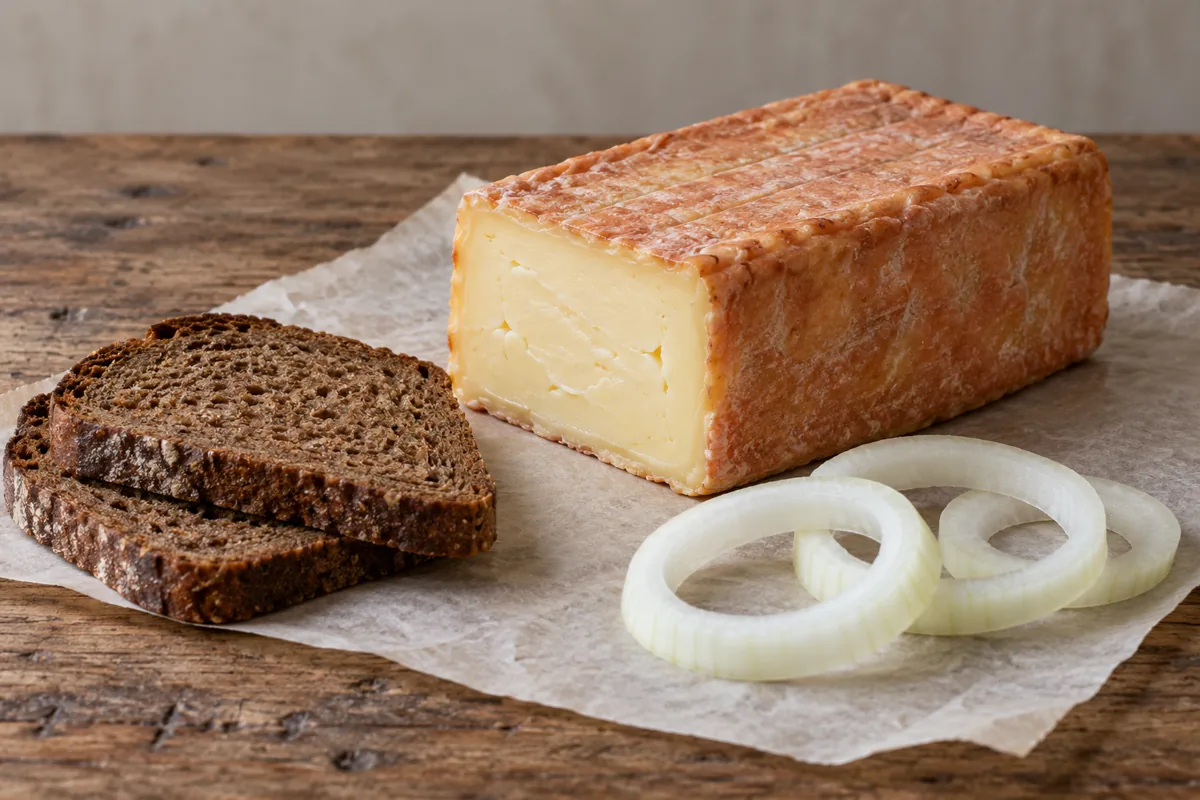
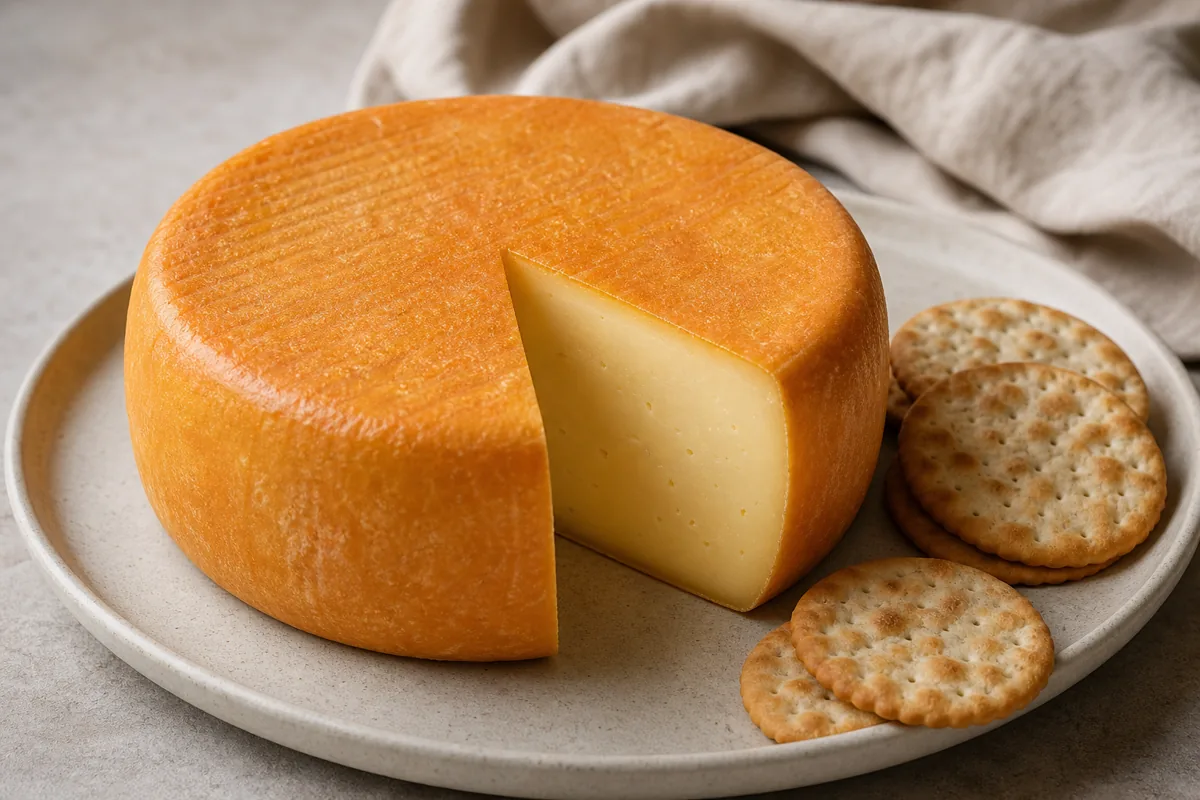
Washed-rind American cheese wedge with orange-brown rind and creamy paste - Ameribella | KnowTheCheese
AMERIBELLA QUICK FACTS
OriginIndiana, United States
MilkCow milk; raw milk in several retail references
TextureSemi-soft, creamy, smooth, sometimes runny
RindWashed rind, cream to orange-brown
AgingAt least 60 days in retail references
Fat ContentFull fat
AvailabilityAmerican artisan specialty
Pricespecialty
PregnancyRaw milk, check medical guidance
Lactoselow

Ameribella is an Indiana washed-rind cheese from Jacobs & Brichford Farmstead Cheese. The direct answer is that it is a semi-soft cow milk cheese with a cream to orange-brown washed rind, a creamy yellow paste, and an earthy, savory flavor inspired by Northern Italian washed-rind cheeses.

The search job is not just "what is it." A shopper also needs to know whether Ameribella is stinky in a good way, whether it behaves like a soft Italian washed-rind cheese, and whether the rind aroma will be too strong for a casual cheese board.

Ameribella is not a processed American slice, and generic washed-rind advice does not describe it. The producer, the Indiana origin, the washed rind, the age, the aroma, and the softening paste are what you actually judge it on.

Ameribella is an Indiana washed-rind cheese with Italian influence

Ameribella comes from Jacobs & Brichford Farmstead Cheese in Indiana. Cheese.com lists it as a semi-soft artisan cow milk cheese from Indiana with a washed rind, straw-colored paste, mushroomy and salty-sweet flavor, and earthy, grassy, lactic aroma.

Culture describes the cheese as inspired by Northern Italian styles, especially Taleggio, but the point is not imitation. Ameribella uses that washed-rind lane to make a U.S. farmstead cheese with its own savory, mellow, and sometimes meaty character.

ProducerJacobs & Brichford Farmstead Cheese
RegionIndiana, United States
StyleSemi-soft washed rind
Closest comparisonNorthern Italian washed-rind cheeses

That producer-first framing matters because the name can look like a generic brand phrase in search results. It is a named cheese, not a catchall for American washed-rind wheels.

The Italian influence should be read as a flavor lane, not as a copy claim. Ameribella uses the semi-soft washed-rind idea to create a cheese that can be earthy, lactic, and silky, while the Indiana producer identity keeps the buying question focused on the actual wheel in front of you.

  • Best first description: Indiana semi-soft washed-rind cow milk cheese.
  • Main rind cue: cream to orange-brown washed rind.
  • Main paste cue: pale creamy yellow, smooth, and sometimes runny as it ripens.
  • Main flavor cue: earthy, mushroomy, savory, salty, lactic, and gently sweet with age.

The washed rind is the point, not a defect

Ameribella's rind should smell more assertive than the paste tastes. Washed-rind cheeses are repeatedly brushed or washed during aging, which encourages surface microbes that create aroma, color, and savory depth.

That rind is why the cheese can smell earthy before it tastes balanced.

Cheese.com describes Ameribella with a soft cream to orange-brown rind and a pale creamy yellow paste with scattered fissures. Retail descriptions often call it pungent, earthy, yeasty, mushroomy, or meaty.

Those words are useful when they stay tied to a clean rind and a creamy interior.

Ameribella condition cues
CueHow to read it
Orange-brown rindExpected washed-rind color, not a flaw by itself.
Creamy yellow pasteThe cheese is ripening and should soften.
Mushroom or hay aromaNormal savory washed-rind lane.
Harsh ammonia or wet rotLikely overripe or poorly stored; choose another piece.

Do not scrape off the rind automatically. Taste a small edge first.

If the rind is clean and savory, it adds the character people buy Ameribella for.

If the rind is too intense for your table, trim a little at serving instead of rejecting the whole cheese. The paste can still give you the creamy, savory part of the experience.

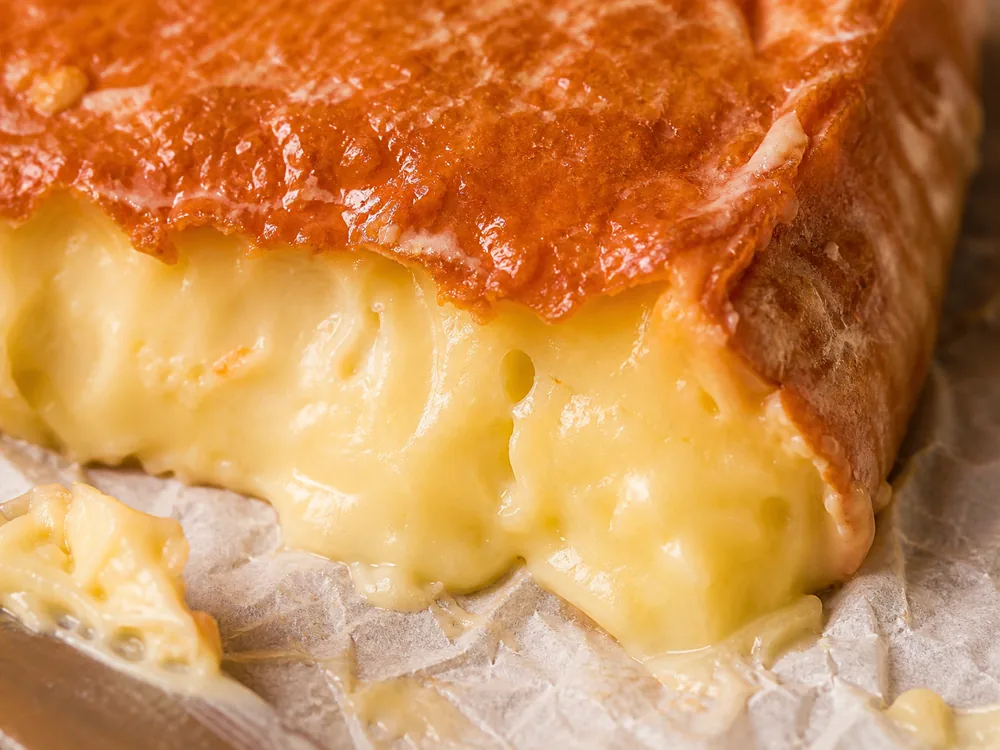
Orange-brown washed rind and creamy paste detail - Ameribella | KnowTheCheese
The tacky orange rind and creamy paste show why Ameribella smells stronger than it tastes.

That choice is useful with mixed guests. Washed-rind fans can take rind-heavy bites, while cautious eaters can start near the center and decide whether they want more aroma.

How old is Ameribella, and why does that matter?

Retail references commonly describe Ameribella as aged for at least 60 days. That number matters in the United States because raw-milk cheese must meet aging rules before sale.

If the label says raw milk, treat the age and pasteurization note as buying facts, not trivia.

Age also changes texture. Younger pieces can feel firmer, saltier, and more lactic.

As Ameribella ripens, the body can become smoother and silkier, while the flavor sweetens and the rind aroma grows more obvious.

60+ days
Retail aging signal
Common retail descriptions use at least 60 days; confirm the exact wheel and milk treatment on the label.

If you are serving guests who like mild cheeses, buy a younger, cleaner-smelling piece and serve smaller portions. For washed-rind fans, a riper piece can be the center of the board.

  • For tonight: choose a piece that smells savory but not sharp.
  • For later: choose a firmer piece and let it ripen under proper wrap.
  • For raw-milk caution: confirm the label, age, and guest needs before serving.

What does Ameribella taste like?

Ameribella tastes savory first. Expect salt, mushroom, hay, lactic tang, and an earthy finish, with sweetness increasing as the paste softens.

It can feel meaty or mustardy in some retail descriptions, but it should not taste dirty or bitter.

The texture is part of the flavor. A cool piece may seem firm and muted.

A rested piece becomes creamier, which makes the rind less aggressive and the paste more round. Let it sit briefly before judging it.

Compared with Taleggio's washed-rind softness, Ameribella often reads more American farmstead and less standardized. Compared with a stronger washed-rind wedge, it can be more approachable when the wheel is in good condition.

That middle lane is the useful buying clue. Ameribella is bold enough to anchor a board, but it does not have to be the most aggressive cheese on the table.

Use Ameribella where aroma can be part of the plate

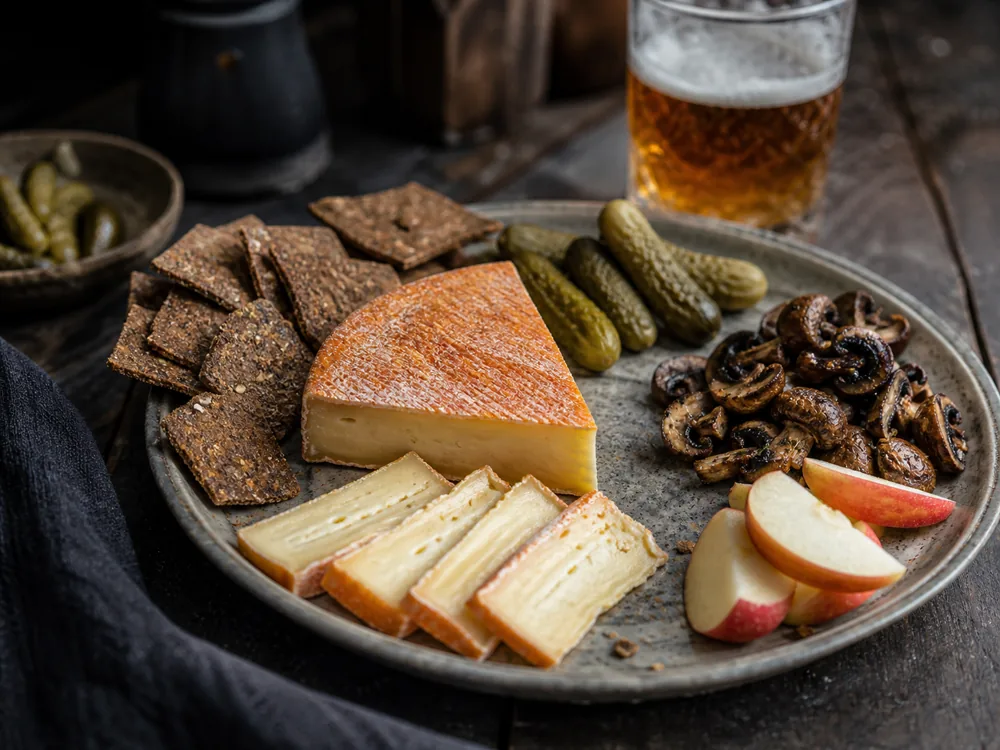
Ameribella belongs on boards where its smell is allowed to have a job. Rye crackers, crusty bread, pickles, roasted mushrooms, apples, and malty beer all help the savory rind feel intentional instead of loud, much like the support structure used for aged Brick cheese when it turns pungent.

Ameribella-style washed-rind cheese plate with crackers pickles mushrooms and beer - Ameribella | KnowTheCheese
Pickles, mushrooms, rye crackers, apples, and beer give Ameribella enough contrast for the rind aroma to work.

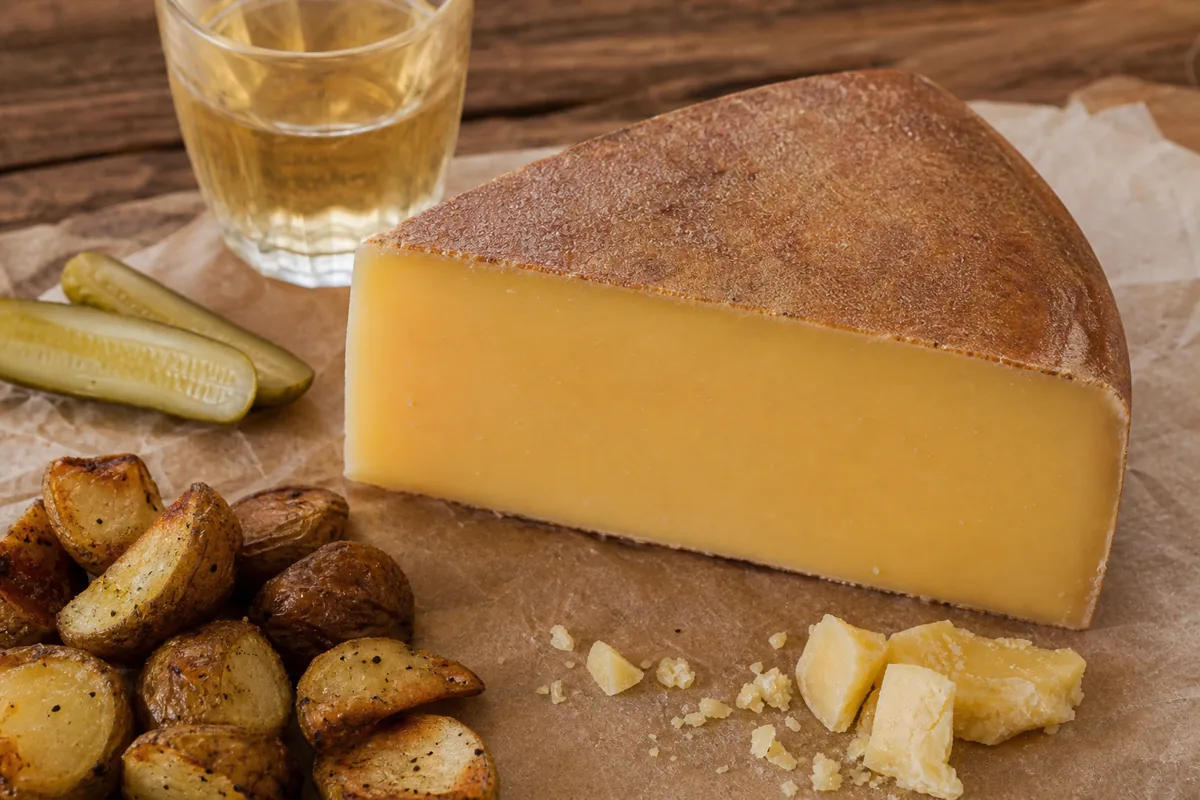
It can also work in warm food, but use it carefully. A small amount can enrich potatoes, toast, burgers, or a mushroom melt.

Too much heat can turn the aroma heavy, so add it late or use it where the dish already welcomes washed-rind depth.

  • Best board partners: rye crackers, apple, cornichons, roasted mushrooms, and amber beer.
  • Best warm use: toast, potatoes, burgers, or mushroom sandwiches.
  • Best serving move: small wedges, rested briefly, with enough bread.
  • Avoid: delicate fruit plates where the rind aroma will dominate everything.

If you need a quiet cheese for a mixed crowd, choose a buttery deli-style slice or mild young Dutch table cheese. Ameribella should be served when the washed rind is part of the reason for buying it.

How Ameribella Is Actually Made

The rind you are looking at is the result of a schedule, and knowing it explains most of the cheese.

It ripens for a minimum of 60 days, split into two distinct phases rather than left alone in a room.

For the first 45 days the block is wiped with a brine solution, which is what builds the orange washed rind and the savoury, faintly meaty edge that goes with it.

For the last 15 days it is wrapped in ripening papers and turned, which lets the paste settle and smooth out instead of drying at the surface.

The milk is the other half. Jacobs and Brichford work with raw milk from their own grass-fed herd, which is where the deep golden colour of the paste comes from rather than from any added colouring.

Grass feeding also moves with the season, so two wheels bought months apart can differ in colour and in depth without either being wrong.

Ameribella Is Younger Than It Tastes

Everything about this cheese reads as long-established, and it is not.

It was released in June 2012, built as an Italian-style washed rind in the tradition of Taleggio and the other cheeses of northern Italy rather than as an American original with no reference point.

The farm behind it is the old part. The family land in the Whitewater Valley of southeastern Indiana has been in the family since 1819, which is most of the reason the cheese is described as farmstead rather than artisan.

It also has a checkable credential rather than a vague reputation. Ameribella took a Good Food Award in 2015, judged against other American cheeses in the same category.

That combination is the useful part when you are deciding whether to buy it. You are getting a young recipe made on old ground, with the milk coming from a single herd rather than from a tanker.

How should you buy and store Ameribella?

Buy by condition. The rind should smell savory, earthy, and alive, but the paste should still look clean.

Avoid pieces with a sharp ammonia blast, excessive wetness, cracked dry paste, or rind breakdown that looks uncontrolled.

Store it like a washed-rind cheese. Wrap the cut piece in cheese paper or parchment with a loose outer wrap, then keep it in a covered box in the fridge.

That protects the cheese and keeps the aroma from taking over butter, fruit, and fresh dairy.

TIP

Open Ameribella near serving time, cut what you need, and rewrap the rest. Washed-rind aroma spreads fast in a refrigerator.

Serve it cool-room, not warm-room. Ten to twenty minutes out of the fridge is enough for a small wedge.

If it starts to slump hard or smell sharper, put the rest away. Keep it away from blue-veined cheeses in the fridge so both aromas stay cleaner.

Raw Milk, the 60-Day Rule, and Who Should Take Care

Ameribella is a raw-milk cheese, and that single fact answers two different questions at once.

The first is legal. United States rules require raw-milk cheese to be aged at least 60 days before sale, which is exactly the minimum this cheese carries, so the age on the label is doing regulatory work as well as flavour work.

The second is personal. Ageing reduces risk rather than removing it, so anyone following pregnancy guidance or eating with a compromised immune system should treat a raw-milk washed rind as a cheese to check rather than assume.

Washed rinds sit in the more cautious group for a specific reason. The surface stays moist and is handled repeatedly through ripening, which is a different risk picture from a dry hard wheel of the same age.

Cooking settles it either way. Heated through until steaming, the cheese stops being a raw-milk question, which is worth knowing if you want the flavour in a dish rather than on a board.

What can you substitute for Ameribella?

The closest substitute is another semi-soft washed-rind cheese with a creamy paste. Taleggio is the easiest flavor-lane comparison, while a mild orange-rind cheese gives a gentler option when you need less aroma.

If the recipe needs savory melt more than washed-rind identity, use young Gouda, Havarti, or smooth Italian-style melting cheese. Those cheeses will not copy Ameribella's rind, but they make better sense when the dish cannot handle a strong aroma.

Ameribella substitute by need
Closest washed-rind laneTaleggio or another semi-soft washed-rind cheese
Milder orange-rind board cheesePort Salut
Creamy melt without rind aromaFontina, Havarti, or young Gouda
Stronger washed-rind fan plateLimburger or Epoisses, in smaller portions

Do not use blue cheese as the first substitute just because both cheeses can be assertive. The job is different: Ameribella brings washed-rind savor, not blue mold bite.

For an American artisan comparison with less rind funk, a Vermont Alpine-style wheel gives savory depth in a cleaner, firmer format.

SOURCES & REFERENCES


1.
Cheese.com, 2026 Cheese Reference
Used for producer, Indiana origin, cow milk, semi-soft type, washed rind, texture, flavor, aroma, and description of rind and paste.

2.
Culture: The Word on Cheese, 2026 Cheese Reference
Used for Jacobs & Brichford context, Northern Italian/Taleggio inspiration, release context, and sensory support.

3.
GourmetFoodWorld, 2026 Retail Reference
Used for raw milk, washed rind, brick shape, aroma, savory/meaty flavor, and minimum 60-day aging retail context.

Ameribella is a semi-soft washed-rind cow milk cheese from Jacobs & Brichford in Indiana, inspired by Northern Italian washed-rind cheeses.

Yes, it can smell earthy and pungent because of the washed rind. A good piece should taste savory, creamy, mushroomy, and balanced rather than harsh.

Several retail references describe Ameribella as raw milk cheese aged at least 60 days. Check the label on the piece you buy and follow medical guidance for pregnancy or immune-risk diners.

It usually tastes salty, savory, mushroomy, earthy, lactic, and lightly sweet as it ripens, with a creamy yellow paste under an orange-brown washed rind.

Use Taleggio for the closest washed-rind lane, Port Salut for a milder orange-rind choice, or Fontina, Havarti, or young Gouda when you only need creamy melt.