Cheese Profile

Anniversary Ale Cheddar Cheese: Ale Flavor, Firm Texture, and Uses

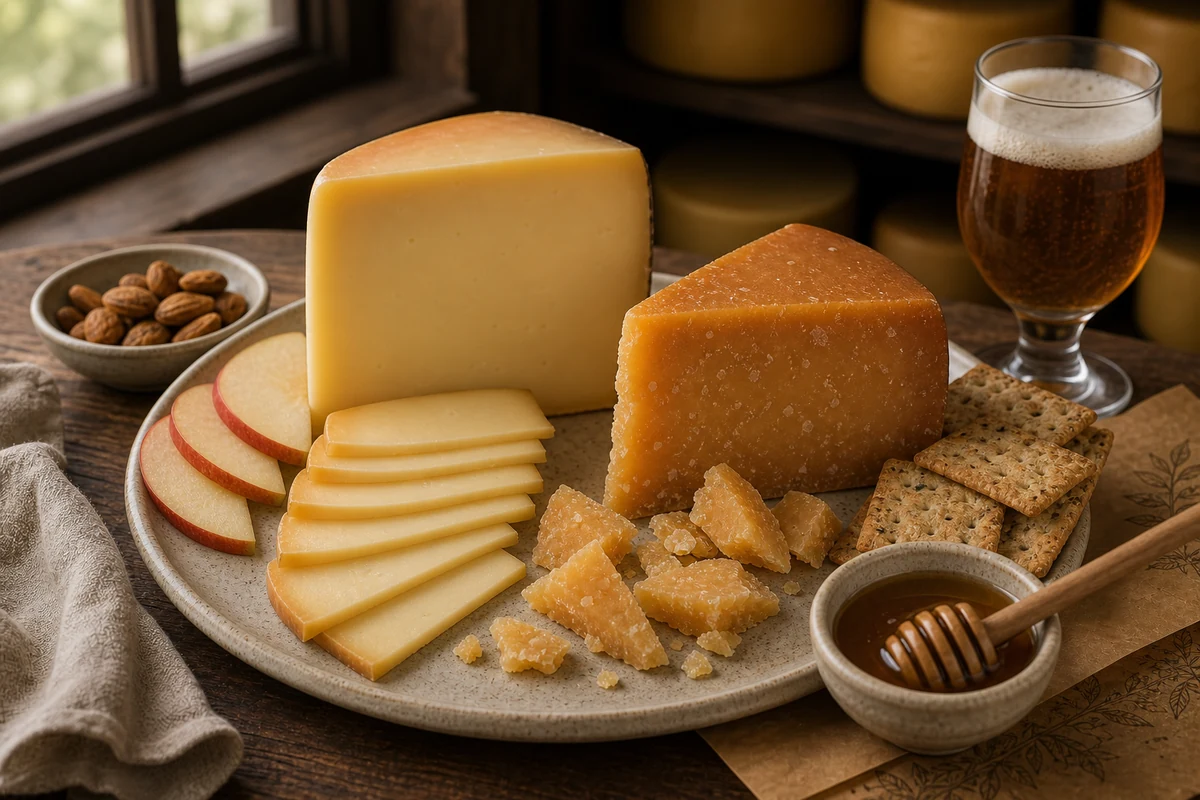
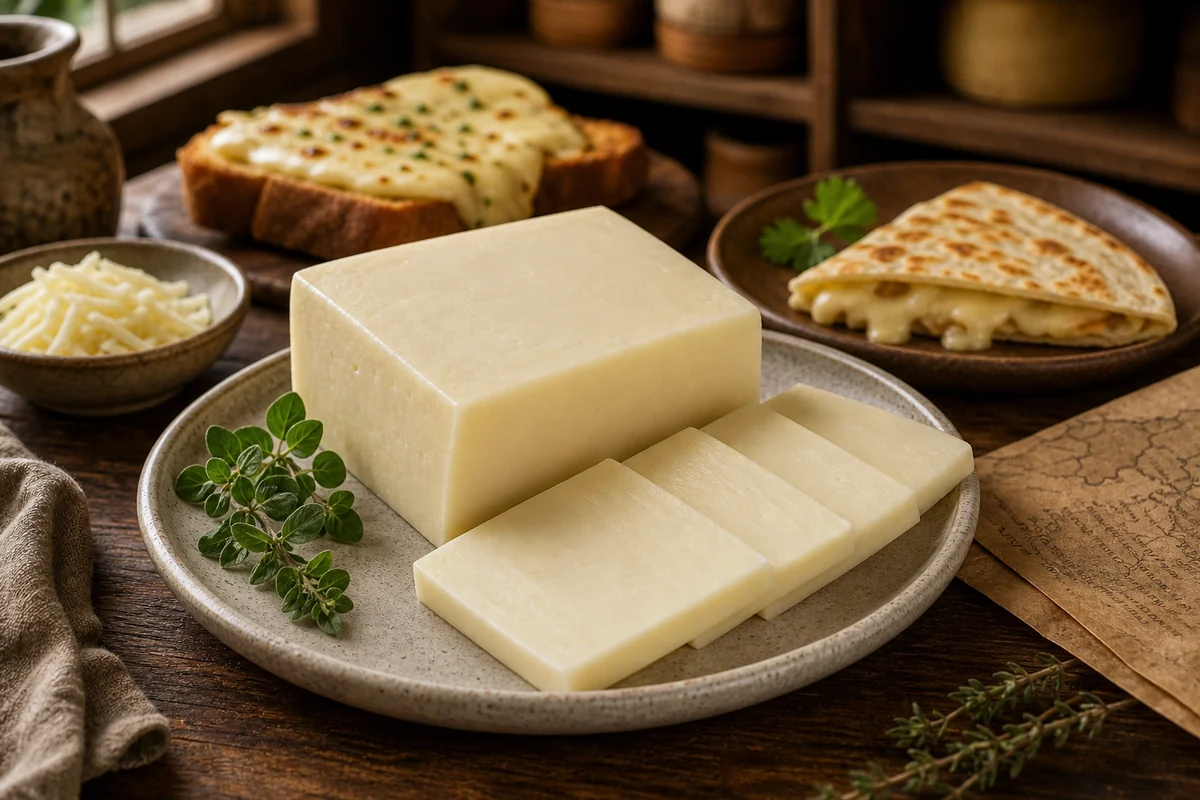
Firm ale cheddar wedge with dark ale walnuts and bread - Anniversary Ale Cheddar | KnowTheCheese
ANNIVERSARY ALE CHEDDAR QUICK FACTS
OriginOregon, United States
MilkCow milk
TextureFirm, cheddar-style
RindCut rind or natural edge depending on piece
AgingAged cheddar-style cheese; exact age varies by source
Fat ContentFull fat
AvailabilitySpecialty or limited retail
Pricespecialty
PregnancyCheck the label and medical guidance
LactoseLow to moderate

Anniversary Ale Cheddar is a firm ale-flavored cheddar-style cheese associated with Rogue Creamery in Oregon. The useful first answer is simple: treat it as a savory cheddar for slicing, grating, boards, and modest melting, not as a beer sauce or stretchy pub cheese.

The ale matters, but it does not replace the cheddar base. You still judge the wedge by texture, salt, age, cut-face condition, and whether the beer note helps the food you are serving.

What makes it different from plain cheddar-style cheese is the ale note. It adds a darker, slightly bitter edge, so bread, apples, walnuts, and beer-friendly pairings matter more than they would with a neutral block.

What is Anniversary Ale Cheddar cheese?

Anniversary Ale Cheddar is listed by Cheese.com as an American cow milk cheese from Rogue Creamery. Public references place it in a cheddar-style lane with ale as the signature flavor cue.

That distinction gives you a clear buying test. You are not buying a washed-rind cheese, a blue cheese, or a soft beer spread. You are buying a firm cheese that should cut cleanly and carry a darker malt note.

The name can make the cheese sound like a novelty item. It is better to read it as a flavor variation on a firm cheddar base. That keeps the article focused on how the wedge behaves on the plate.

That also keeps expectations fair. A good ale cheddar should add a darker note to familiar cheese jobs, not replace the basic test of whether the cut tastes clean.

The safest way to buy it is to think about the meal first. If the meal already has bitter beer, mustard, and charred bread, the cheese only needs a small role. If the plate is simple, the ale flavor can become the main reason to choose this wedge over plain cheddar.

  • Best first description: firm cheddar-style cheese with an ale flavor cue.
  • Main texture cue: dense enough to slice, cube, and grate.
  • Main flavor cue: savory cheddar with a darker beer note.
  • Main use cue: board cheese, snack cheese, or flavor accent in warm food.

The firm paste is more useful than the beer name

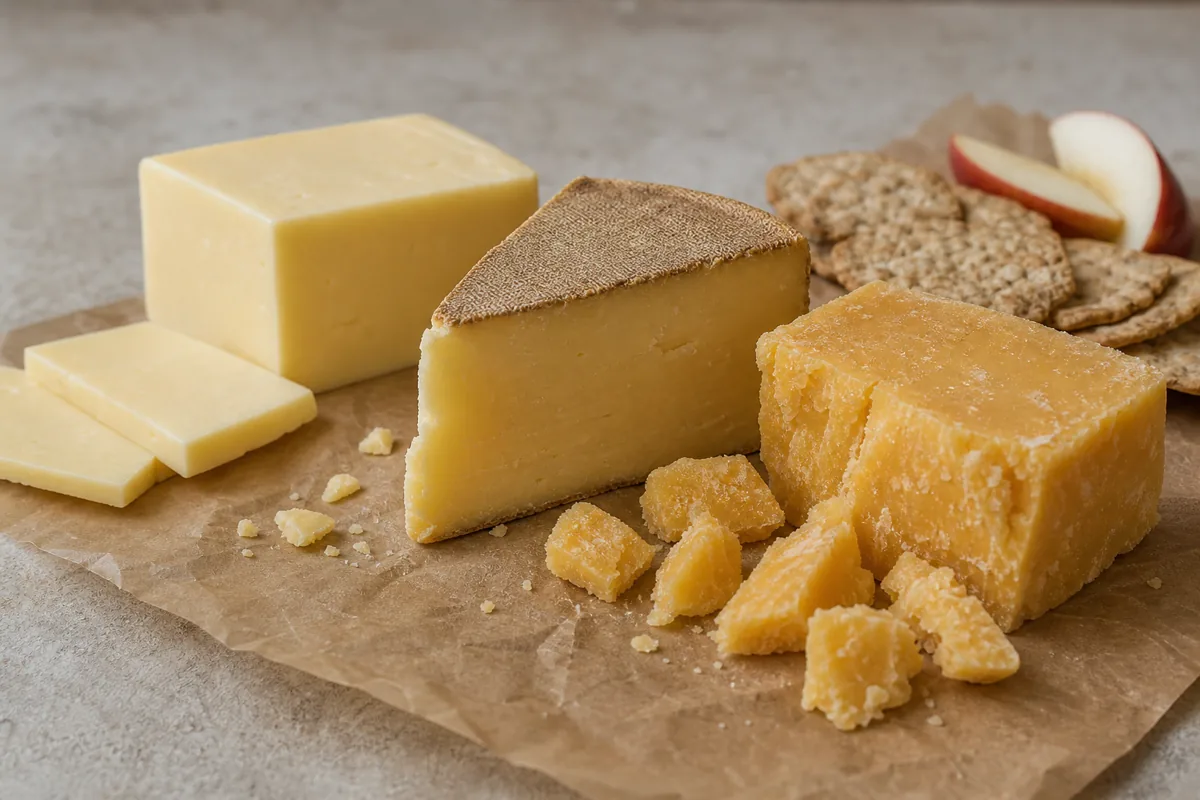
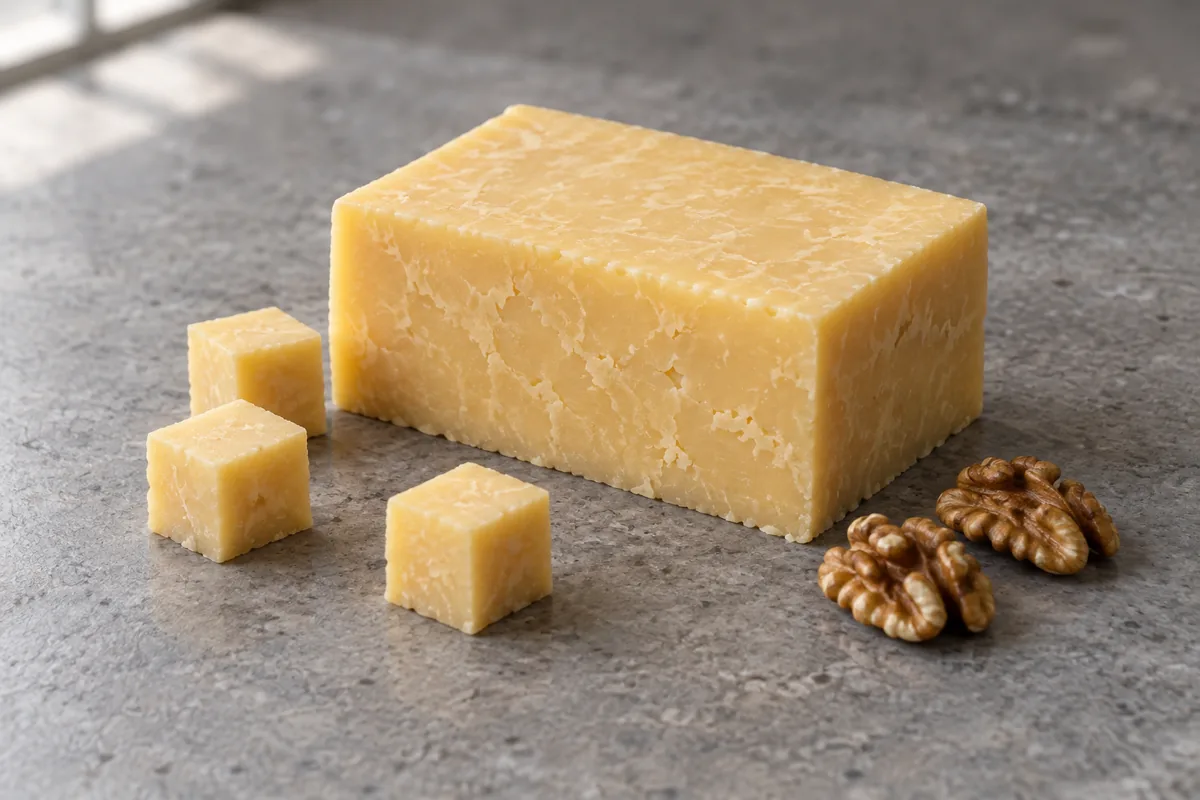
The cut face tells you more than the label. A good piece should look firm, clean, and dense. Small crumbs are fine. A sour smell, sweaty surface, or dry cracked edge means the wedge has not been handled well.

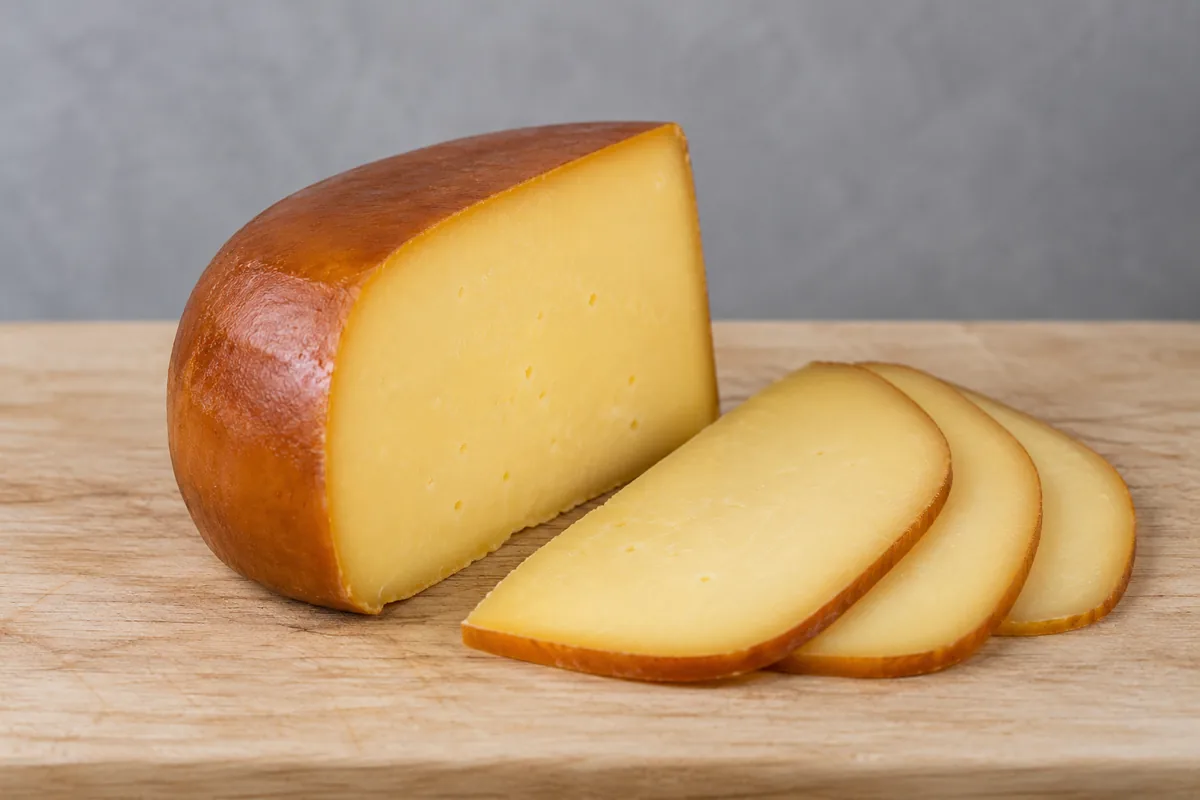
Dense firm cheddar cut face with ale-colored flecks - Anniversary Ale Cheddar | KnowTheCheese
The dense cut face matters because Anniversary Ale Cheddar is better for slices, shavings, and small grates than for stretchy melt.

Firm cheddar-style cheeses usually melt by softening and oiling before they stretch. That makes them useful in a grilled sandwich or over toast, but weak as the only cheese in a smooth sauce.

If you need a gentle melt, grate it fine and use lower heat. If the dish needs a creamy sauce, blend it with a smoother Jack-style cheese or a younger mild cheddar.

  • For slices: keep the cut thick enough that the firm paste does not crumble apart.
  • For grating: chill the wedge first so the ale-cheddar paste breaks cleanly.
  • For warm food: add it late so the beer note does not turn bitter.

What does Anniversary Ale Cheddar taste like?

Expect cheddar salt and dairy first, then a darker ale note. The beer flavor should read savory, malty, and slightly bitter in the background. It should not taste like stale beer poured over cheese.

The flavor is more useful with food than alone from the fridge. Bread, walnuts, apple, mustard, roasted potatoes, and ale all give the cheese a reason to be there.

ANNIVERSARY ALE CHEDDAR FLAVOR PROFILE
SALTYSWEETBITTERSOURUMAMICREAMY
Salty
58
Sweet
16
Bitter
14
Sour
18
Umami
54
Creamy
44

Compared with young Dutch table cheese, it should taste sharper and less sweet. Compared with blue-veined cheese, it is far calmer and more sandwich-friendly. Compared with plain cheddar, the ale note is the point.

That point can disappear if you bury the cheese under very sweet jam or smoky meat. Use one strong partner at a time so the ale note can still show.

Bitterness is the detail to watch. A little bitterness makes the cheese taste grown-up and beer-friendly. Too much bitterness makes the bite feel stale, especially if the cheese is cold or the bread is toasted dark.

Use it where cheddar flavor needs a darker edge

Anniversary Ale Cheddar is strongest in places where firm cheddar already works. Put it on a board, cube it beside roasted nuts, grate it over baked potatoes, or fold a little into eggs near the end of cooking.

For sandwiches, use it as a flavor cheese. A small amount can deepen a grilled cheese sandwich, especially with mustard, onion jam, or apple. If you use only this cheese, keep the heat moderate and give it time to soften.

  • Best cold use: cubes with bread, walnuts, apple, and a darker beer.
  • Best warm use: toast, potatoes, eggs, burgers, or grilled sandwiches.
  • Best blend: pair with Monterey Jack or mild cheddar for smoother melt.
  • Skip: queso, fondue, or pizza where stretch is the main job.

That use pattern keeps the cheese honest. It lets the ale note work as seasoning instead of forcing the wedge to behave like a processed pub dip.

For burgers, keep slices thin and add them after the first side is cooked. The cheese should soften over the hot patty without sitting long enough for the fat to separate. That small timing change matters more than adding extra cheese.

Pair it like a cheddar with a darker edge

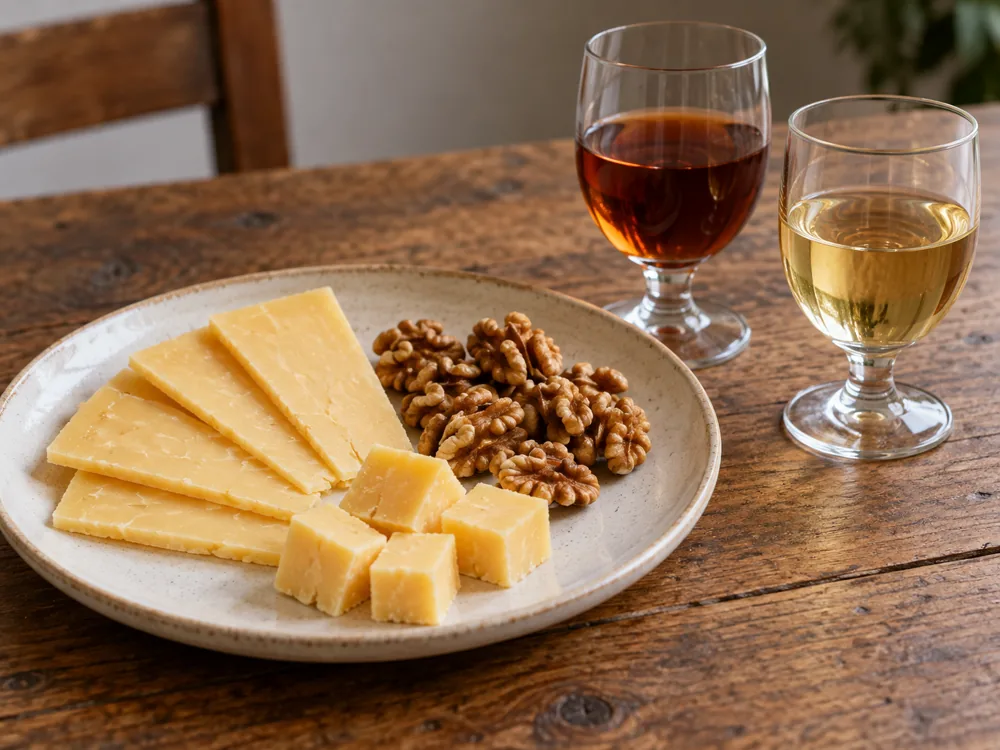
The easiest pairing path is beer, bread, nuts, and fruit. Cheese.com also points to wines such as Madeira and Moscato, which makes sense because sweetness can soften the bitter edge of ale flavor.

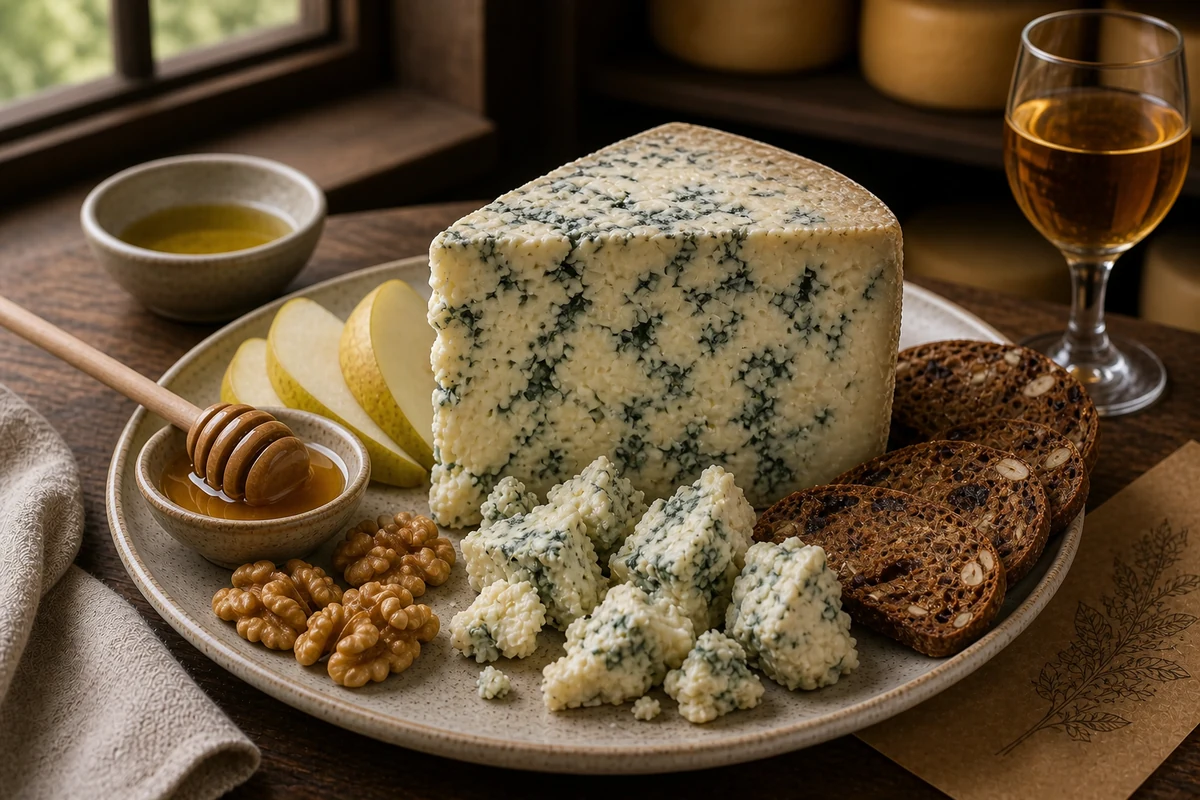
Cheddar slices with walnuts bread apples and sweet wine - Anniversary Ale Cheddar | KnowTheCheese
Sweet wine, bread, apples, and nuts give the ale-cheddar flavor enough contrast without making the plate heavy.

Use apples when the cheese tastes salty. Use walnuts when it tastes sweet. Use crusty bread when the ale note feels too loud. A little mustard can work, but too much turns the bite bitter.

TIP

If the ale note tastes sharp from the fridge, wait 15 minutes before judging it. Cold firm cheddar often tastes saltier and flatter than it will on the board.

On a larger board built around different cheese jobs, place it near mild cow milk cheeses rather than beside the strongest blue or washed-rind wedge. That gives guests a cleaner path through the board.

How should you buy and store it?

Buy a piece with a clean cut face and a seller who can identify the cheese clearly. Because this is a specialty cheese, do not assume every cheddar with beer in the name is the same product.

Store it like other firm cheeses. Wrap the cut face in cheese paper or parchment, then use a loose outer wrap or covered box. The goal is to slow drying without trapping wet plastic against the surface.

The same basic method used for storing cheese applies here. If the wedge smells sour or tastes stale after trimming, do not use cooking to hide the problem.

If you plan to serve it with beer, open the cheese before guests arrive and taste one thin piece. That gives you time to adjust the plate with apple, bread, or nuts if the ale note is stronger than expected.

If the wedge dries at the edge, do not throw away the whole piece. Trim the tired edge, grate the center, and use it on hot potatoes or toast. The ale note often survives grating better than it survives long board service.

What can you substitute for Anniversary Ale Cheddar?

The closest substitute is another firm ale cheddar or beer-flavored cheddar. If you cannot find one, choose the substitute by job. Plain sharp cheddar covers salt and bite.

Smoky Gouda-style flavor adds a darker board note. Monterey Jack or Havarti helps when you need smoother melt.

If the recipe needs a hard finishing cheese, use Parmesan-style cheese or aged Gouda instead. Those will not taste like ale cheddar, but they solve grating better than a soft cheese.

Do not substitute blue cheese just because Rogue Creamery is famous for blue cheese. The job here is firm, savory, cheddar-like, and beer-friendly.

SOURCES & REFERENCES

1.
Anniversary Ale Cheddar
Cheese.com, 2026 Cheese Reference
Used for the named cheese, Oregon/Rogue Creamery association, cow milk identity, firm texture, flavor framing, and pairing cues.

2.
Rogue Creamery
Rogue Creamery, 2026 Producer Reference
Used for producer context and Oregon specialty-cheese source identity, not as a live claim about current retail availability.

It is a firm cheddar-style cow milk cheese associated with Rogue Creamery and flavored with ale. Use it like a savory cheddar for boards, snacks, grating, and modest melting.

It should have a darker ale or malt note behind the cheddar flavor. It should not taste like liquid beer or a soft beer spread.

It softens in sandwiches, toast, eggs, and potatoes, but it is not the best single cheese for silky sauce, fondue, queso, or stretch-heavy pizza.

Use bread, walnuts, apples, mustard in small amounts, dark ale, Madeira, or Moscato. Sweet and nutty partners help balance salt and ale bitterness.

Use another ale cheddar if you can find one. Otherwise use sharp cheddar for flavor, smoked Gouda for darker board notes, or Monterey Jack when melt matters more.