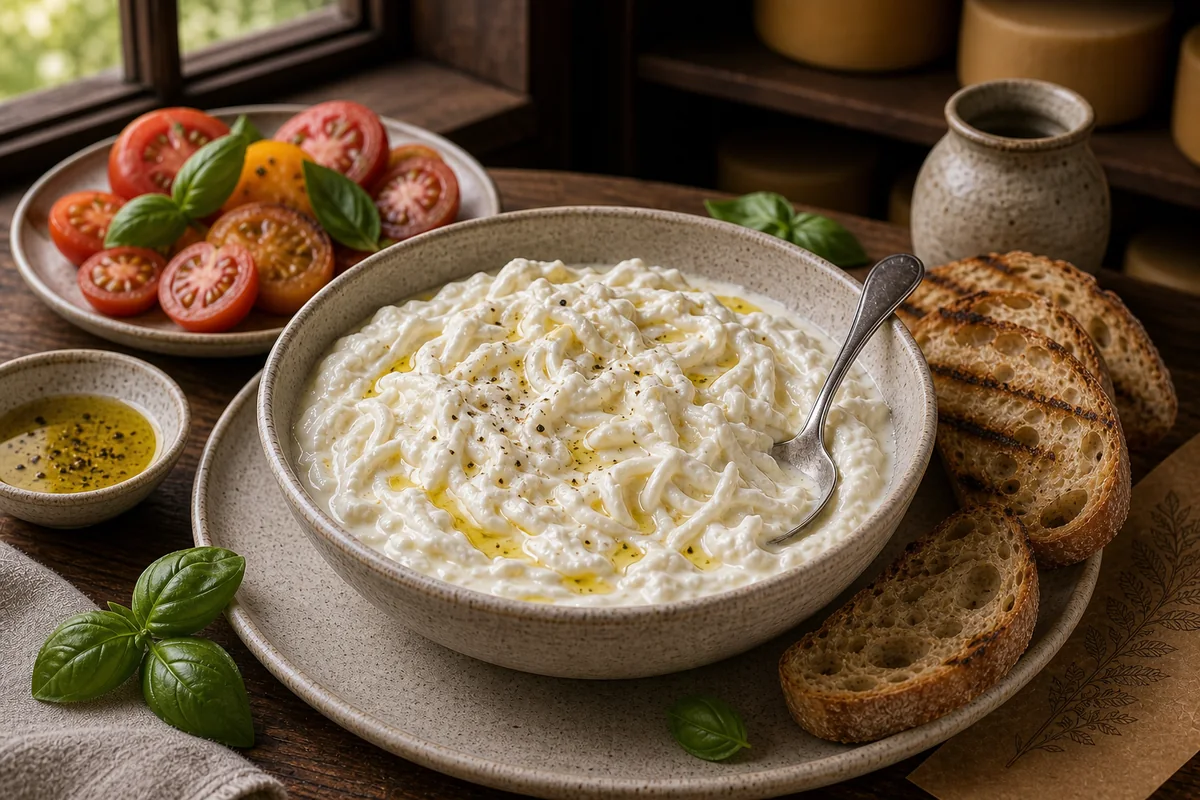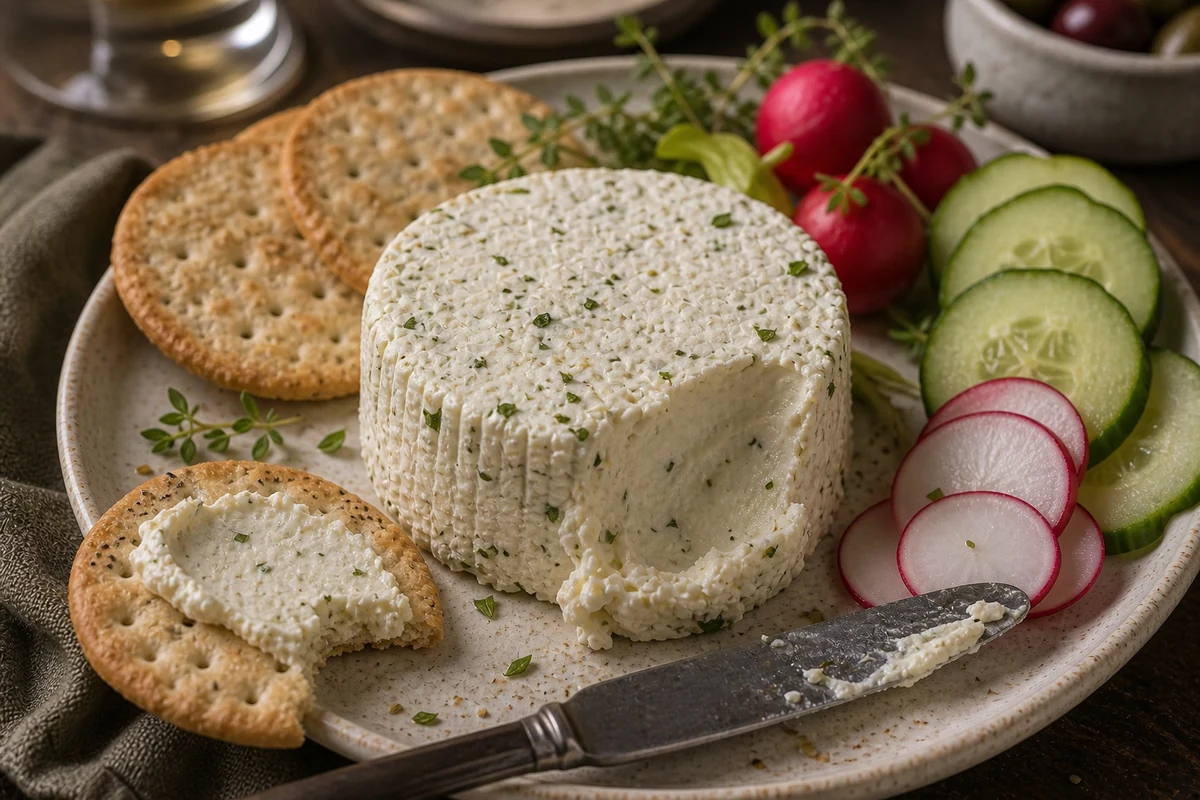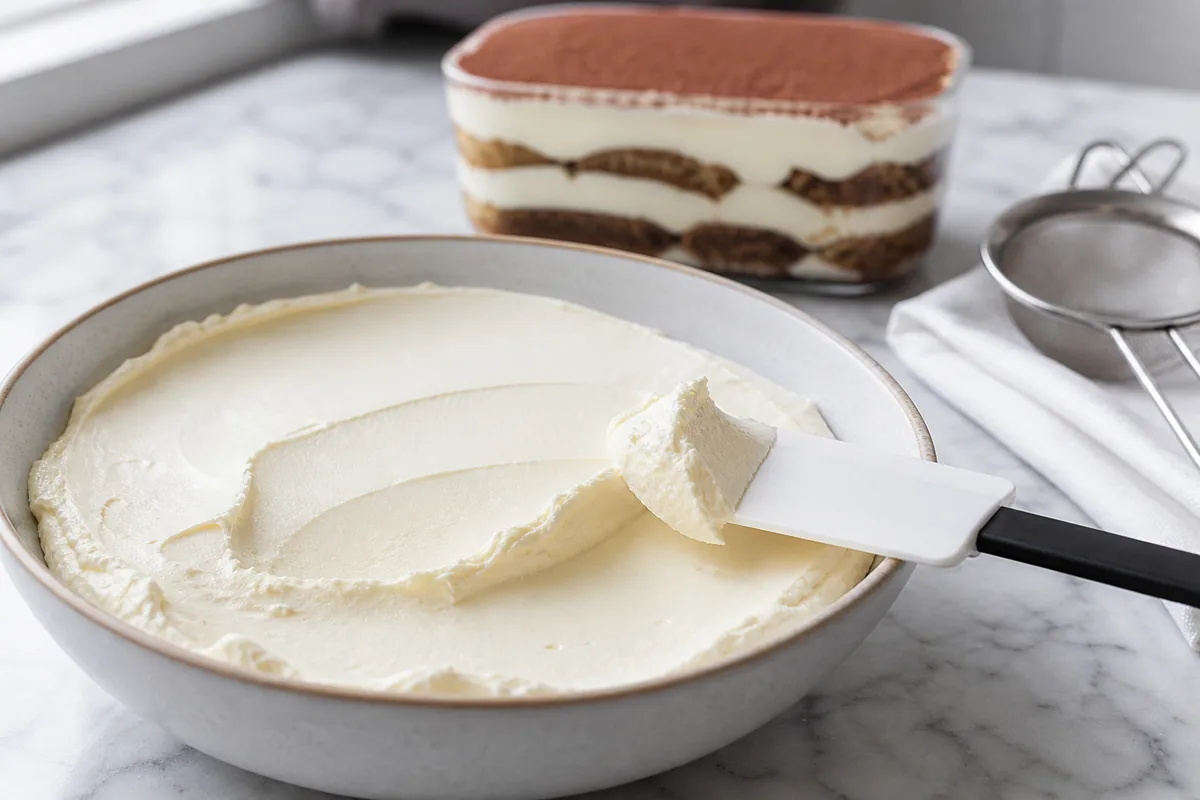
Mascarpone belongs in recipes where fat structure matters more than fresh cheese tang. A spoonful gives dessert filling, pasta sauce, or risotto dense cream richness without the sharp edge of cream cheese.
Understanding what mascarpone actually is - and what makes it different from cream cheese, fresh ricotta curds, and creme fraiche - changes how you use it and why it behaves differently in recipes.
The important decision is not whether mascarpone is "real cheese." It is whether the recipe needs cream-fat body, low acidity, and a soft set.
Mascarpone tastes sweeter and less tangy than cultured fresh-cheese spread. That difference explains why cream cheese can make tiramisu taste sharper and heavier.
In This Article
What Is Mascarpone?
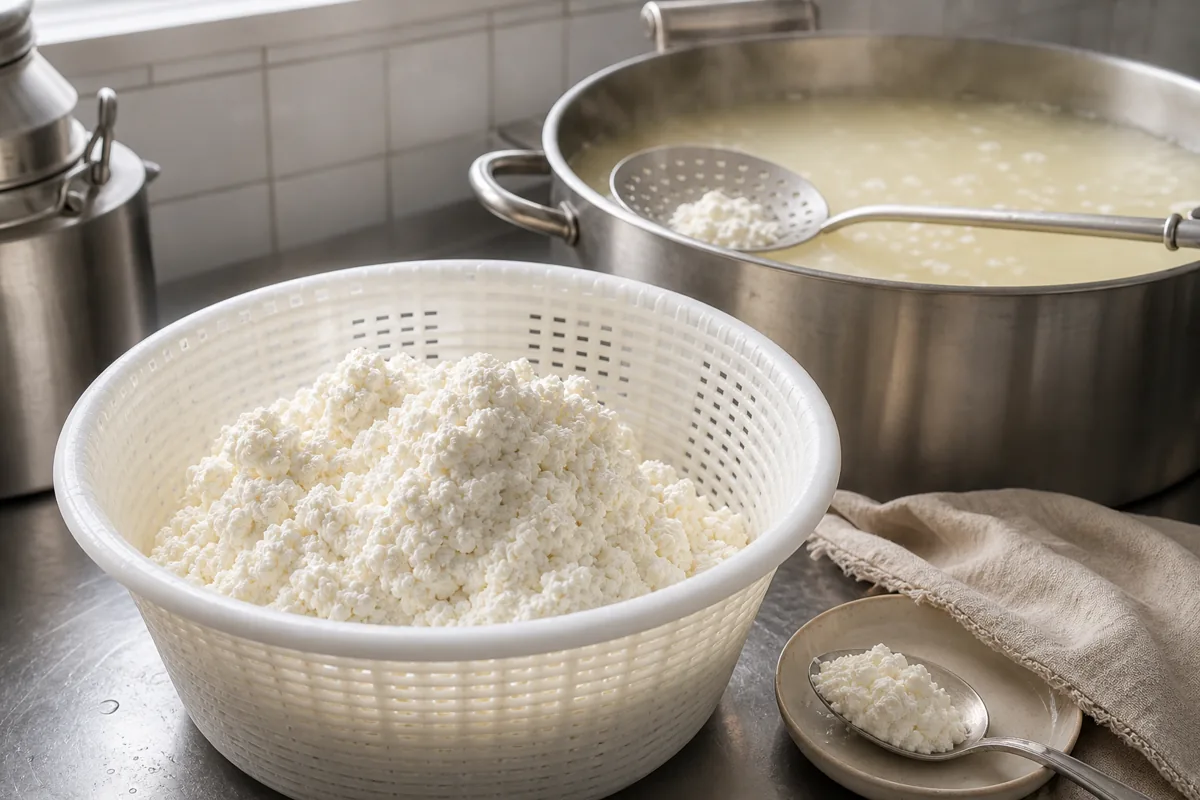
The ingredient list explains why mascarpone behaves like thick cream. It starts as heavy cream heated with an acid, typically citric acid or tartaric acid, then drains through linen and goes to market fresh.
Unlike most cheeses, mascarpone is made from cream, not whole milk. This single fact explains its extraordinary richness.
While full-fat cow's milk contains about 3.5% fat, the heavy cream used for mascarpone starts at 35-40% fat. The finished cheese has a fat-in-dry-matter content of approximately 75%.
- Origin - Lombardy region of northern Italy, exact origin debated but documented from the 16th century
- Production - cream heated to 185-190 F, acidified with citric or tartaric acid, drained through linen
- Fat content - 75% FDM, one of the highest of any widely available cheese
- Aging - none; sold fresh within days of production
- Protected status - none; the name is not geographically protected internationally
The name's origin is disputed. One theory links it to the Spanish phrase "mas que bueno" (more than good), reflecting Spanish influence in Lombardy during the 16th century.
Another theory traces it to the Lombard dialect word "mascarpa," referring to a fresh whey cheese made from ricotta production byproducts. Neither etymology is definitively settled.
Mascarpone has no geographic protection in international trade. Italian, American, and French producers all make mascarpone legally.
Quality varies. Italian-produced mascarpone and American artisan versions from BelGioioso and Vermont Creamery are richer and smoother than budget domestic versions.
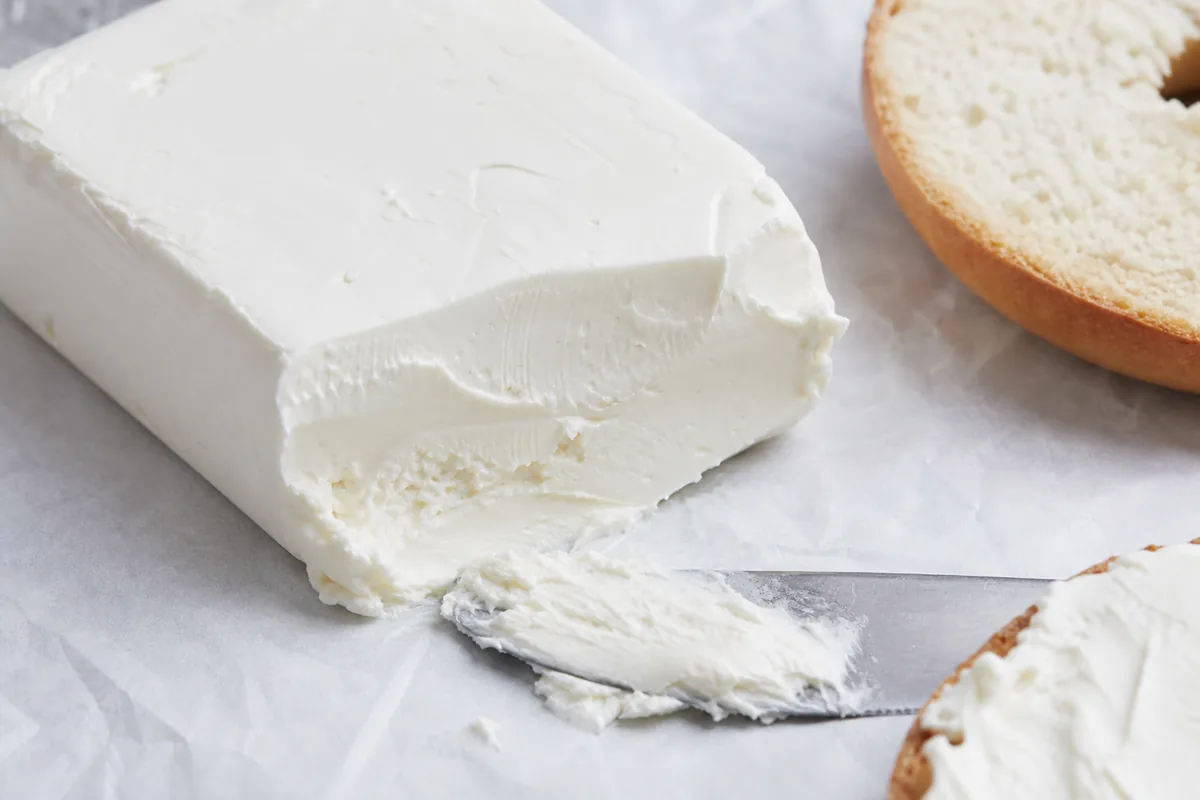
Mascarpone uses cream only with about 75% fat in dry matter and no stabilizers, while American cream cheese uses whole milk plus cream with about 33% fat and added stabilizers. The two are not interchangeable in most recipes, particularly tiramisu, where cream cheese produces a denser, tangier, less silky result.
The flavor stays sweet because mascarpone uses cream and acid instead of a long fermentation. Creamier dessert swaps start with tang, fat, and body, while ricotta tastes leaner and grainier in the same spoonful.
What Should Good Mascarpone Taste Like?
The flavor is rich, sweet, and only slightly tangy, with an almost pure cream character. It is less complex than aged cheese, but the richness and texture are incomparable in fresh cheese.
The texture is smooth, dense, and spreadable - thicker than whipped cream but softer than cream cheese. At refrigerator temperature it holds its shape.
At room temperature it softens to the consistency of thick sour cream. Overworked mascarpone (excessive beating or long mixing) breaks and turns grainy.
Mascarpone is almost entirely about creamy richness. What sweetness it has comes from the cream fat itself, not from added sugar.
The faint sourness comes from the acidification step in production. Savory depth and salt are both minimal because there is no aging and very little salt added.
The quality difference between premium and budget mascarpone is significant in a way that many fresh cheeses are not. Premium Italian or artisan American mascarpone has a silkier, more uniform texture and cleaner cream flavor.
- Flavor: pure cream richness, slightly sweet, faint tang from acidification, very mild
- Texture: smooth, dense spreadable cream with no visible curd structure
- Temperature sensitivity: firms at refrigerator temp, softens to loose cream at room temperature
- Behavior under mixing: breaks and turns grainy if overworked; fold gently, never beat aggressively
Mascarpone curdles if overheated in sauces. Add it off-heat or at the very end of cooking over low heat.
Bringing it to a full boil causes the fat and protein to separate into an oily, broken mess.
Mascarpone thickens sauces without the stringiness of stretched curd. That makes it the opposite of low-moisture mozzarella, which stretches but does not enrich evenly.
What Happens When You Heat Mascarpone?
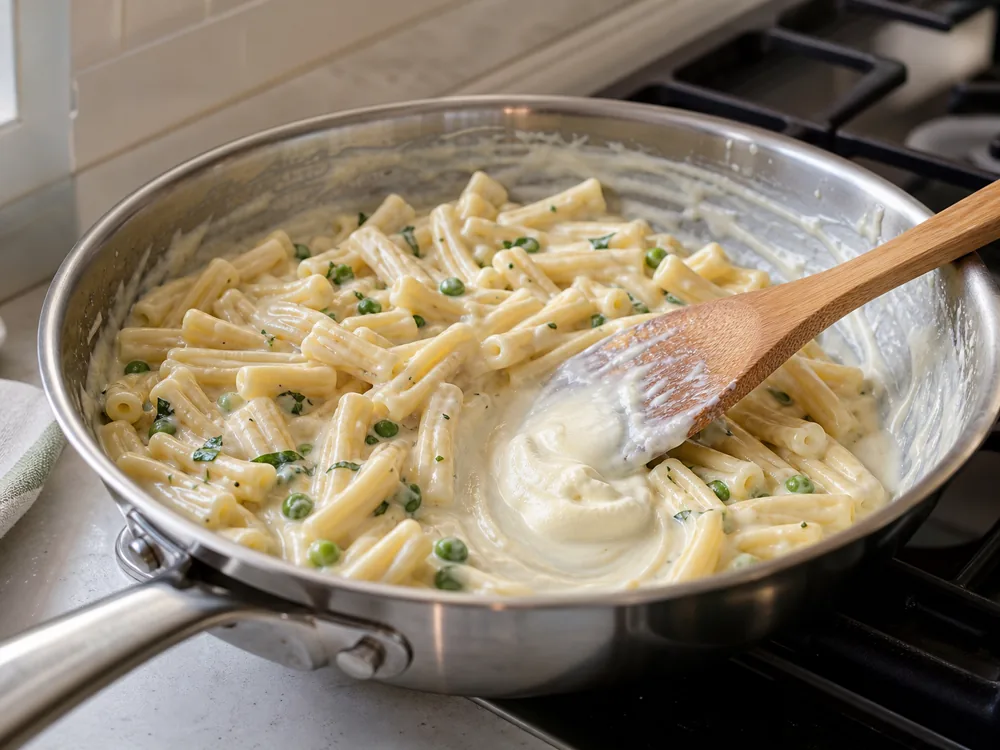
Heat asks for restraint. Mascarpone softens and incorporates into other ingredients at low heat, but it will break under high heat or aggressive boiling.
- Add off heat when a pasta sauce already has enough residual warmth.
- Loosen first with a spoonful of cream, milk, or pasta water before folding it into a hot base.
- Avoid boiling because high heat can make the fat separate from the water phase.
- Use dessert texture tradeoff only when tang and firmness matter to the recipe.
In cold applications like tiramisu, its texture holds structure in the finished dish. In warm pasta sauces, it enriches and coats without adding sharpness.
Mascarpone is not a melting cheese. In hot dishes it softens and blends but does not flow the way a semi-soft or hard cheese does, and it will break if overheated.
Its flavor is rich and creamy rather than assertive. It is common in specialty grocery stores but not universal in standard supermarkets.
- Fold, do not beat - overworking mascarpone breaks the fat network and turns it grainy
- Add off-heat in sauces - remove the pan from heat before stirring mascarpone in
- Bring to room temperature for mixing - cold mascarpone incorporated into whipped cream can cause uneven texture
- Use within days of opening - fresh cheese with no preservatives deteriorates faster than aged cheese
In savory pasta, mascarpone supplies body while aged cheese supplies salt. That split makes it useful beside pasta finishing cheeses rather than as a replacement for them.
Why Does Tiramisu Need Mascarpone?
Tiramisu is the proof of the texture, but it is not the only use. Any recipe that benefits from adding pure cream richness without sharpness is a candidate for mascarpone.
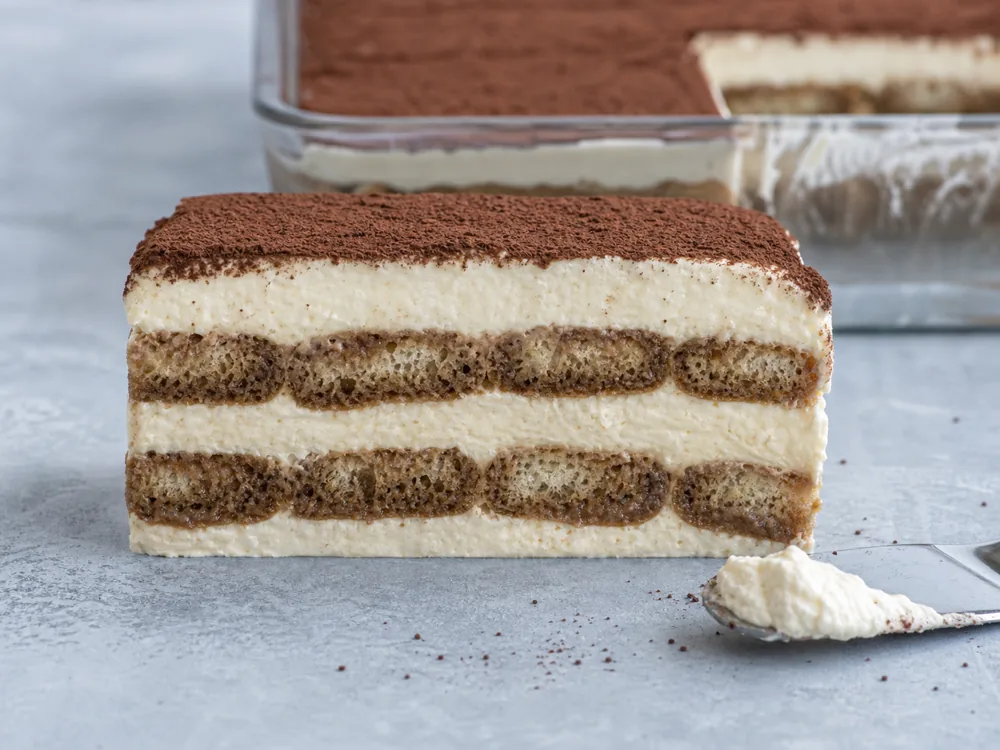
Fat is what holds the soaked layers apart. A filling built on whipped cream alone weeps into the biscuits within hours, where mascarpone sets soft enough to spoon and firm enough to hold a clean cut edge overnight.
Chill the assembled dish before judging it. The filling firms as the cream fat cools and sets, so a tiramisu that looks loose the moment you build it will slice cleanly after several hours in the refrigerator.
In savory cooking, it enriches without making dishes heavy in the way that cream can. In sweet applications, it provides body and richness that whipped cream cannot match on its own.
| Use | How It Works |
|---|---|
| Tiramisu | The defining application. Mascarpone is combined with egg yolks and sugar, then folded with whipped cream or egg whites to create the classic Italian dessert filling. Its richness and texture are irreplaceable here. Substitutes produce a noticeably different result. |
| Pasta Sauces | Stirred into pasta off-heat for an instant creamy sauce. Works particularly well with lemon zest, herbs, and prosciutto. Remove the pan from heat before adding mascarpone to prevent breaking. One or two tablespoons transforms a simple pasta dish. |
| Risotto Finishing | Stirred into finished risotto off-heat in place of or alongside butter. Adds rich creaminess without the sharpness that Parmesan provides alone. The classic combination is mascarpone plus Parmesan for the final mantecatura. |
| Frosting and Fillings | Whipped with powdered sugar and vanilla for a frosting that is richer than cream cheese frosting and less sweet than American buttercream. Holds structure better than whipped cream alone for cake fillings and toppings. |
| Cheesecake | Italian-style cheesecake uses mascarpone rather than cream cheese for a lighter, richer, less tangy result. The higher fat content and lack of stabilizers produces a silkier texture. Less firm than American cheesecake because there are no stabilizers. |
| Strawberries and Fresh Fruit | Dolloped alongside fresh strawberries or stone fruit with a drizzle of honey. Mascarpone serves the same role as Devonshire clotted cream in British tradition - pure fat richness as a counterpoint to fruit acidity. |
- Tiramisu - the defining application, irreplaceable here
- Pasta sauces - added off-heat for instant cream richness
- Risotto finishing - stirred in at the mantecatura step
- Cake frosting and fillings - richer than cream cheese, more stable than whipped cream
- Italian cheesecake - silkier, less tangy alternative to cream cheese versions
A tablespoon of mascarpone stirred into scrambled eggs off the heat produces the richest, creamiest scrambled eggs you can make. This is a classic Italian technique that requires no other change to your usual scrambled egg method.
Never boil a sauce containing mascarpone. Add it at the very end, with the heat off or on the lowest setting. Stir gently until it incorporates. If the sauce needs more heat after adding mascarpone, keep it below 160 F and stir constantly. Above 175 F, the fat separates and the sauce breaks. There is no way to rescue a broken mascarpone sauce.
What Pairs With Mascarpone?
Contrast does the work that acidity does not. Sweet cream fat needs acid, bitterness, or intensity to balance it.
The classic Italian pairings reflect this: espresso in tiramisu, lemon in pasta, Parmesan in risotto, and ripe fruit pairings on dessert plates. Each provides the contrast mascarpone needs.
| Pairing | Type | Why It Works |
|---|---|---|
| Espresso or Strong Coffee | Beverage | The defining pairing in Italian tradition. The bitterness and intensity of espresso cuts mascarpone's sweetness and fat. This contrast is exactly why tiramisu works as a dessert. Strong drip coffee achieves the same balance, cold brew less so. |
| Moscato d'Asti | Wine | The best Italian wine match for mascarpone in dessert applications. Moscato's light effervescence, peach and apricot notes, and low alcohol complement mascarpone without competing with it. The sweetness of both is aligned rather than clashing. |
| Sauternes or Barsac | Wine | A classic pairing for mascarpone with fresh strawberries or peaches. The botrytized sweetness and apricot notes of Sauternes mirror mascarpone's cream character while the acid provides contrast. |
| Lemon Zest and Juice | Food | Acid contrast for mascarpone in both sweet and savory applications. In pasta, lemon zest transforms mascarpone from heavy to bright. In desserts, a squeeze of lemon juice over mascarpone and strawberries provides the same contrast function. |
| Strong Dark Chocolate | Food | Bitter dark chocolate (70% or above) with cold mascarpone is a direct fat-versus-bitter pairing. The creaminess of mascarpone softens the chocolate's edge. Standard in Italian dessert plates alongside small portions of tiramisu. |
| Prosciutto di Parma | Food | Salt, fat, and sweetness in perfect alignment. Thin prosciutto with a dollop of mascarpone on grilled bread is a classic Lombardy appetizer. The salt of the prosciutto provides the contrast that mascarpone's sweetness needs. |
- Espresso - bitterness and intensity cut the fat in the classic Italian tradition
- Moscato d'Asti - light sweetness and bubbles complement dessert applications
- Lemon zest - acid contrast transforms mascarpone from heavy to bright in pasta
- Dark chocolate - bitter fat against sweet fat, the classic Italian dessert pairing
- Prosciutto - salt contrast on grilled bread, a Lombardy tradition
In savory pasta applications, the best wine pairing for a mascarpone sauce is a high-acid northern Italian white. Aged hard Italian cheese is almost always present in the same dish as mascarpone, and the wine needs to cut both fats simultaneously.
How Long Does Mascarpone Keep Once Open?
A fresh, unaged tub has no rind, no drying protection, and a short shelf life. It requires consistent refrigeration and needs to be used quickly after opening.
- Keep it sealed until the day you need it for dessert assembly.
- Use a clean spoon every time because the tub has no rind barrier.
- Move leftovers fast into an airtight container if the original seal is damaged.
- Use fat-matched substitutes only after matching fat, tang, and set point.
Unlike hard aged cheeses that tolerate minor temperature fluctuations, mascarpone can separate or develop off-flavors within hours if left at room temperature.
- Cover the surface directly - press plastic wrap against the mascarpone surface to block air contact
- Consistent cold at 35-38 F - temperature swings cause the emulsion to begin breaking
- Use within 3-5 days of opening - no preservatives, no rind, no protection from spoilage
- Never leave at room temperature - even 2 hours at room temp shortens the remaining shelf life significantly
Signs that mascarpone has gone off: a sour or off smell beyond mild tanginess, visible separation of liquid from the cream mass, yellow discoloration at the surface, or a bitter taste. Discard rather than risk it - at this fat content, spoiled mascarpone is obvious and the waste of a small amount is worth the certainty.
Never use mascarpone that has been left out at room temperature for more than 2 hours (or 1 hour if exposed to temperatures above 90 degrees F). The high fat and fresh protein content support rapid bacterial growth above 40 degrees F. Unlike hard cheeses, there is no rind, no salt brine, and no protective aging. Discard mascarpone left unrefrigerated even if it looks and smells normal.
A cold sealed container matters more for mascarpone than breathable wrap because the cheese is fresh, wet, and cream-rich.
How Do You Pick Good Mascarpone?
Most stores sell 8-ounce and 16-ounce tubs. Quality varies more than it does with most cheeses because cream quality, stabilizers, and cold-chain handling all change texture.
Italian-imported mascarpone and premium American brands like BelGioioso, Vermont Creamery, and Galbani are noticeably richer and smoother than budget options.
Take your tub from the back of the case rather than the front. Mascarpone sits at the edge of its emulsion at all times, and the front of a top shelf is the warmest spot in a chilled cabinet.
Get it home cold. A tub that rides an hour in a warm car looks fine in the refrigerator that evening and still breaks sooner under a mixer the next day.
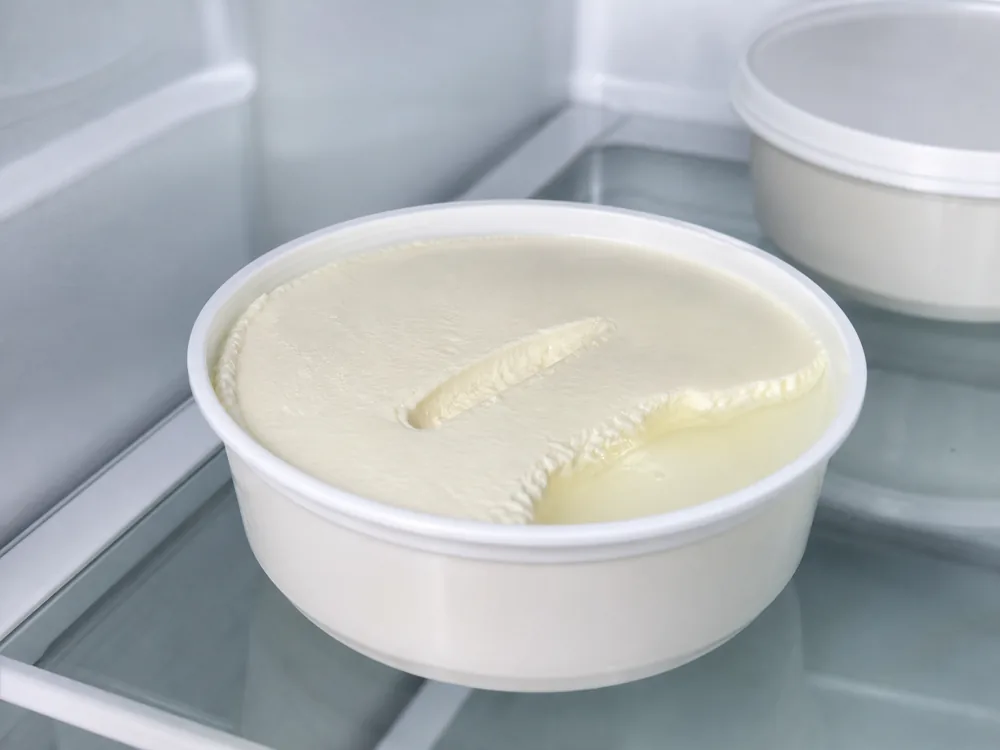
Open it before you build a recipe around it. Good mascarpone lifts out in one dense scoop that keeps the mark of the spoon, and cream that slumps flat again has already lost some of its structure.
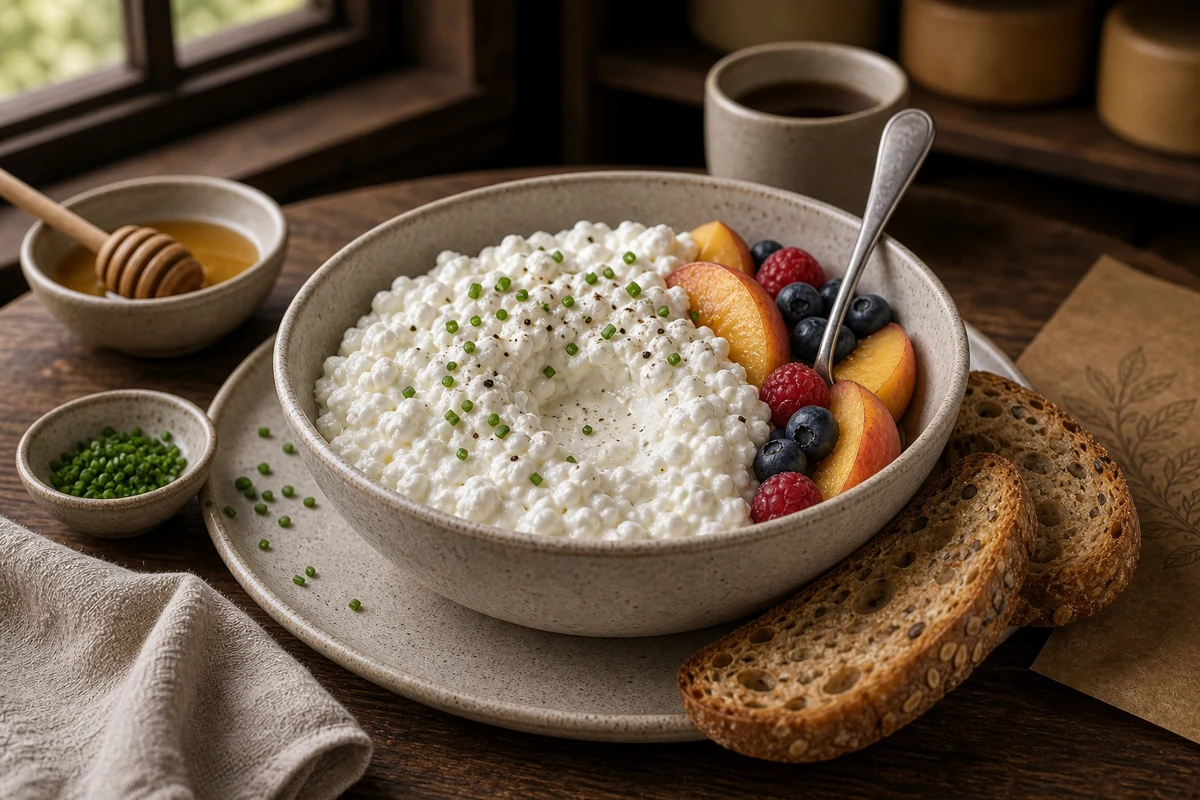
For higher-protein desserts, blended cottage cheese can mimic thickness but not mascarpone's cream-fat richness.
How Much Fat Is in Mascarpone?
This is one of the most calorie-dense foods in the dairy category. The extraordinary fat content means small quantities go a long way.
A tablespoon in pasta sauce or risotto delivers significant richness from a small amount.
Portion it by the spoon rather than by eye. A single tablespoon changes the texture of a bowl of risotto, and doubling it makes the dish heavy instead of twice as rich.
The same density is why mascarpone coats instead of thinning a dish. Stirred into a sauce it clings to the pasta, where a splash of cream runs to the bottom of the bowl.
Mascarpone's nutritional profile reflects its nature as a cream product, not a milk-protein cheese. It provides fat and calories effectively and very little else.
This is not a criticism. Its culinary value has nothing to do with protein or calcium density.
These figures are from the USDA FoodData Central database for standard mascarpone.
Mascarpone is one of a kind among soft cheeses. No other widely available dairy product delivers its specific combination of fat richness, neutral sweetness, and smooth texture. Use it in tiramisu, stir it into pasta off-heat, fold it into risotto at the finish, or dollop it alongside fresh fruit. Buy two-ingredient versions, use it within days of opening, and never boil it. The richness justifies the short shelf life.
SOURCES & REFERENCES
What Else Do People Ask About Mascarpone?
The questions people ask most often about mascarpone, from what makes it different from cream cheese to how it behaves in cooking.
The main differences are fat content, ingredients, and texture. Mascarpone is made from heavy cream acidified with citric or tartaric acid, with about 75% fat in dry matter and no added stabilizers.
American cream cheese uses whole milk plus cream, contains added stabilizers and gums, and has about 33% fat. Mascarpone is richer, silkier, and less tangy, and the two are not interchangeable in tiramisu -- cream cheese produces a denser, tangier result that lacks mascarpone's characteristic silkiness.
For some applications, yes. Creme fraiche has about 30% fat, compared to mascarpone's approximately 45% fat by weight.
Creme fraiche is thinner and noticeably tangier, and in pasta sauces or risotto it substitutes at a 1:1 ratio with a slightly thinner, more acidic result. In tiramisu the substitution changes both the texture (looser) and flavor (more sour) noticeably, so for dessert applications mascarpone has no true substitute.
Mascarpone turns grainy when the fat emulsion breaks, most often from overbeating with an electric mixer at high speed, incorporating cold mascarpone into warm ingredients too quickly, or overheating in a sauce above 175 degrees F. To prevent graininess in tiramisu, bring mascarpone to room temperature, beat on low speed only, and fold gently rather than mixing vigorously.
In sauces, always add mascarpone off-heat and stir gently to incorporate.
Opened mascarpone lasts 3-5 days in the refrigerator when covered with plastic wrap pressed directly against the surface. It has no preservatives, no protective rind, and no salt content sufficient to slow bacterial growth.
The use-by date on commercial mascarpone reflects the unopened product, so once opened, use it within the week and check for off-smells or visible separation. Discard when in doubt.
Mascarpone is sometimes labeled as Italian cream cheese but it is technically a fresh cream cheese made from cream, not a standardized American cream cheese product. The comparison is approximate.
Mascarpone is richer, smoother, less tangy, and contains no stabilizers. The only meaningful similarity is that both are fresh, spreadable, white cheeses, so for cooking purposes treat them as different products with different behaviors, particularly in desserts.