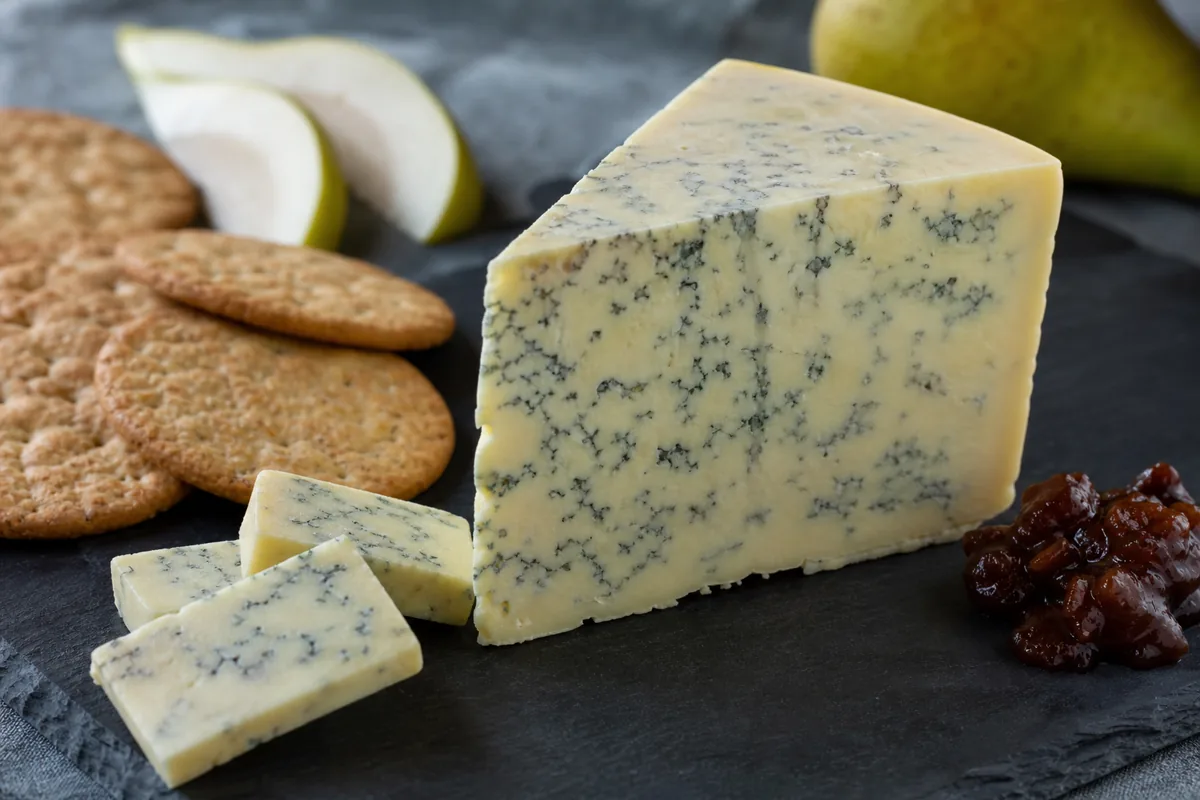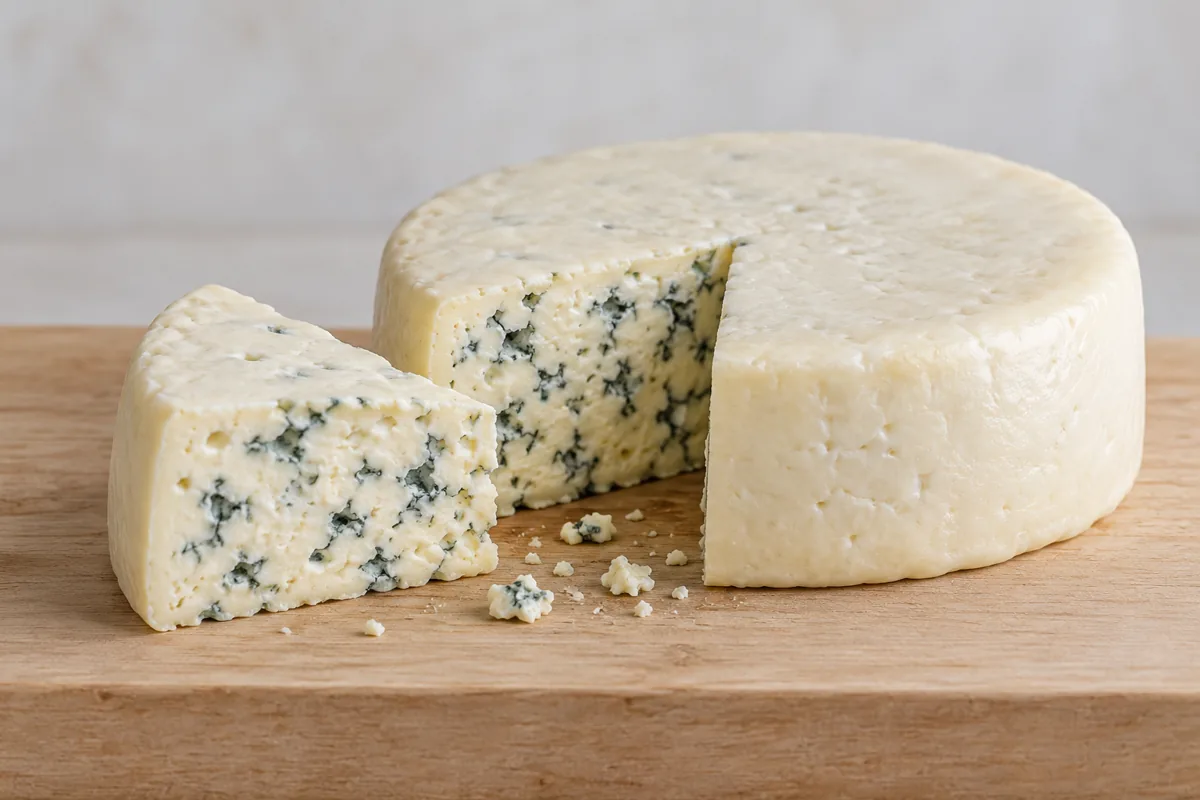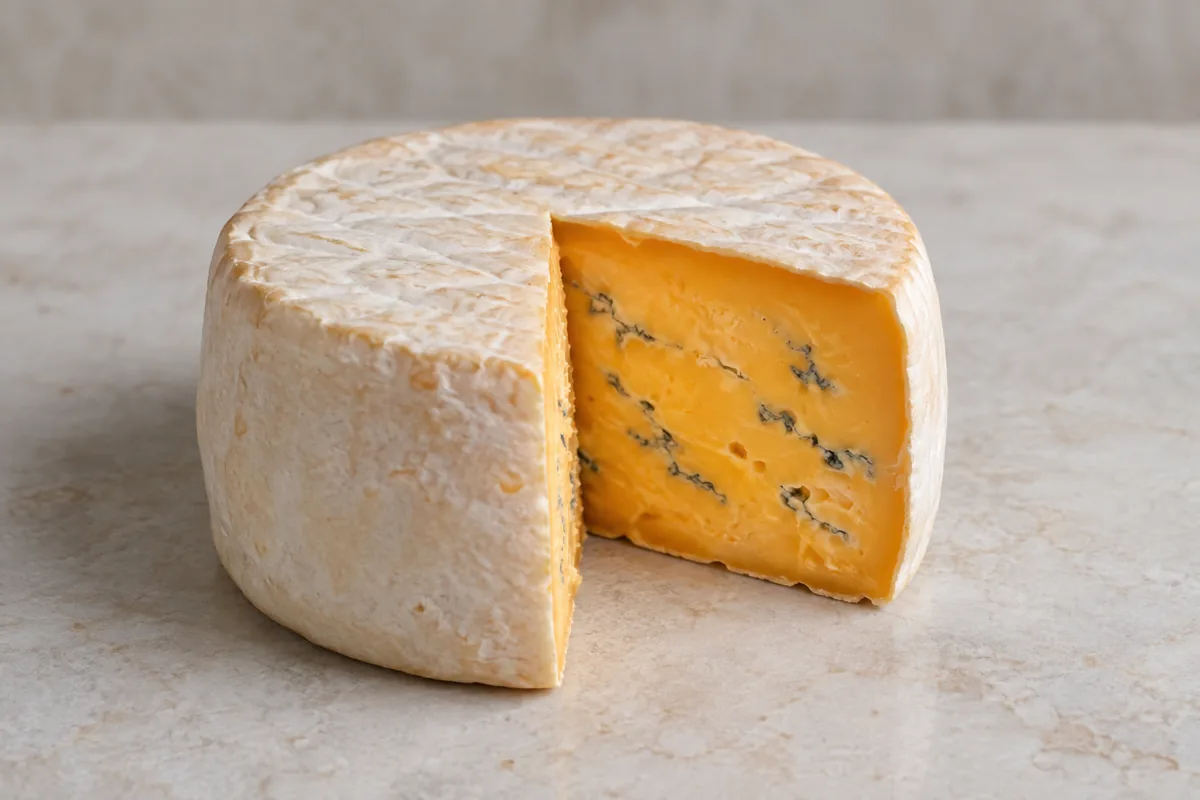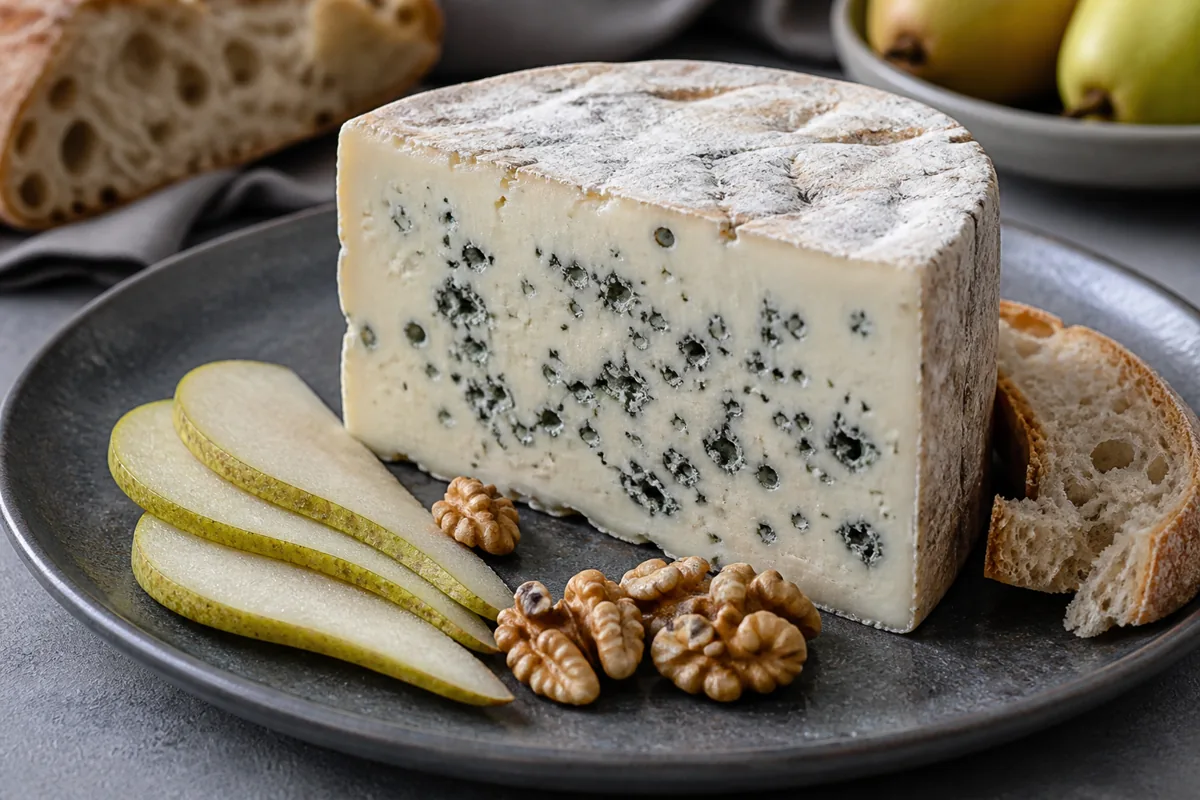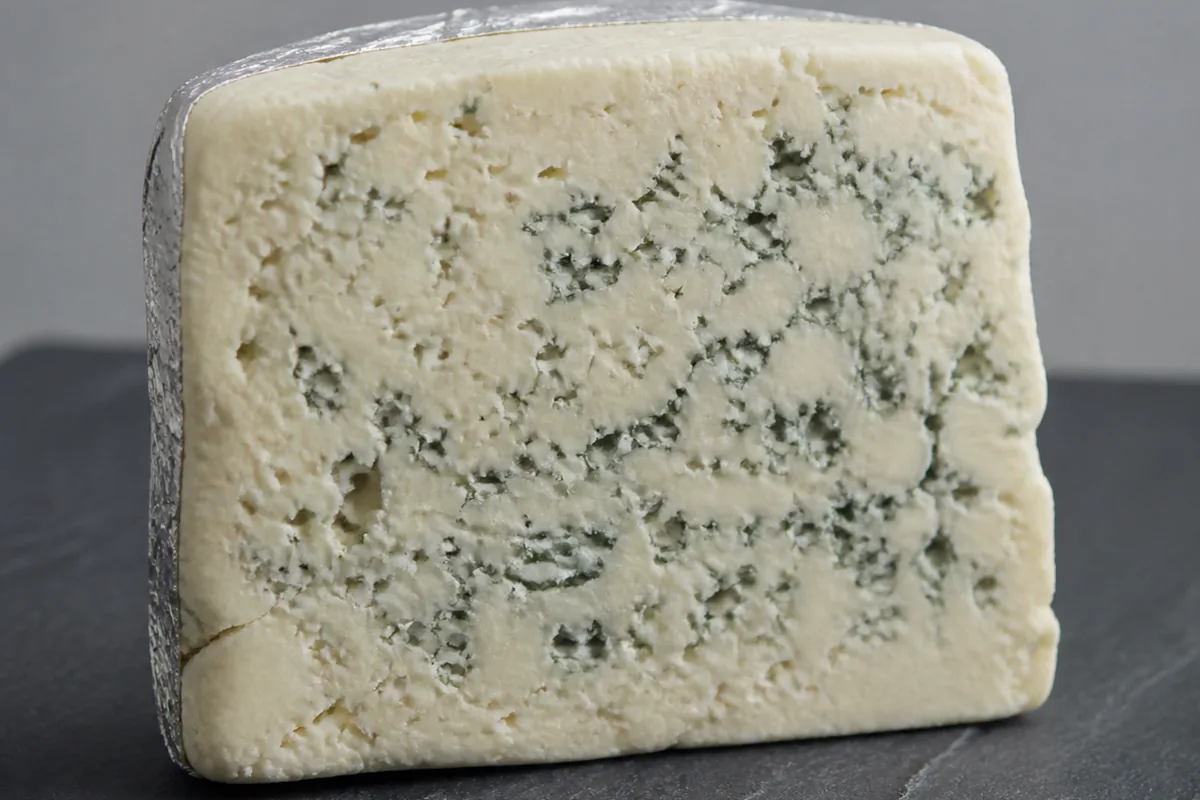
Beenleigh Blue is a soft blue cheese from Devon made with pasteurized sheep's milk at Ticklemore Cheese Dairy in Totnes.
Ticklemore calls the body soft and smooth, while Neal's Yard Dairy describes its selected pieces as moist and crumbly. Both descriptions appear on current product pages.
Check the maker, the age, the cut face, and the date before deciding whether a piece suits a cheese board, a sauce, or a dish you will cook thoroughly.
In This Article
Who Makes Beenleigh Blue and What Is in It?
Robin Congdon created Beenleigh Blue, and Ticklemore's product page dates its first production to 1978, while its history page places the start of the Beenleigh dairy around 1979. Ben Harris and his team make it today at Ticklemore Cheese Dairy in Totnes, according to Neal's Yard Dairy.
The milk comes from Tom and Helen Garland, and the sources place their flock differently. Neal's Yard says they farm locally in Devon, The Courtyard Dairy names a nearby farm in Somerset, and Ticklemore says the couple started milking sheep in Langport, Somerset in 2011 and moved to Exeter in April 2021.
Both retailers say the cheese is moulded and pierced so the blue mould can form, then wrapped to prevent a rind, at a few weeks old according to Neal's Yard and in foil according to The Courtyard Dairy.
Neal's Yard says Congdon used techniques similar to those used to make Roquefort, though the cheese tastes quite different, and The Courtyard Dairy calls it sweeter and milder than the recipe it started from. Roquefort facts therefore cannot fill gaps in a Beenleigh label.
Why Is Beenleigh Blue Made Seasonally?
Beenleigh Blue is a seasonal cheese, and the sources give slightly different seasons.
The Courtyard Dairy says Ben Harris takes the sheep's milk only from January to July. Ticklemore's history page says the seasonal make follows the French tradition at Roquefort of milking sheep only from January to June.
Treat January to July as a current retailer record rather than a fixed rule for every wheel.
Age and texture vary by seller as well, as the three current records below show.
| Current record | Texture and age | What it changes for you |
|---|---|---|
| Ticklemore product page | Soft, smooth body; no age given | Expect a creamier producer description |
| Neal's Yard product page | Moist, crumbly texture; average age of six to twelve months | Ask how the selected piece is showing today |
| Courtyard Dairy product page | Aged for four months | Do not carry this age over to another seller's wheel |
Two sellers can hold different ages at the same time, so ask for the make or cut date when it is available. Then judge the actual paste, because the three records do not describe one fixed texture.
How Do Beenleigh Blue's Taste and Texture Change?
Ticklemore describes rich depth with earthy blue notes, gentle sharpness, and a lingering, slightly sweet finish, often with sherry tones. Neal's Yard adds a lemony sweetness.
The Courtyard Dairy calls its cheese flinty, minerally, and light, with a delicate sweetness. It says the make runs from flinty and minerally early in the season to richer and more robust later, and that the flavor grows stronger as the cheese ages through the year.
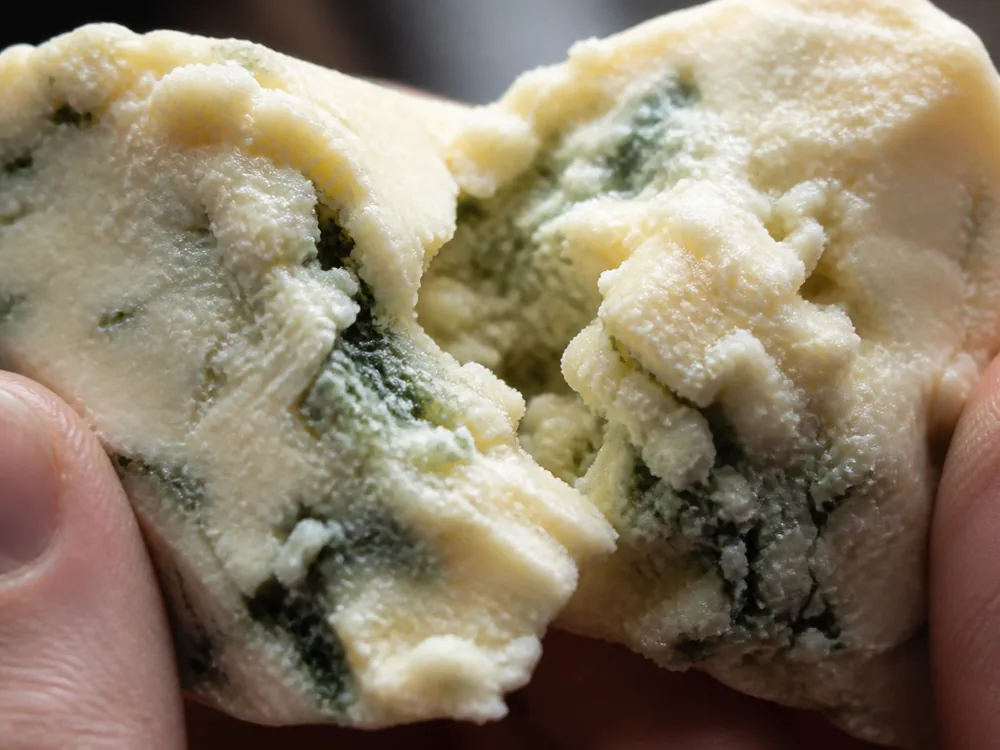
These are sellers' descriptions of their own cheese, not measurements.
Neal's Yard also matures some of Ben Harris's younger Beenleigh Blues in its own rooms to make Brunswick Blue, which it calls denser and more biscuity, with a natural rind. Extra maturing therefore gives a different cheese from the one in the Beenleigh wedge.
How Should You Buy a Piece of Beenleigh Blue?
Portions differ by seller. Neal's Yard sells from a sixteenth of a wheel (160 to 183 g) up to a whole wheel (2,560 to 2,932 g), while The Courtyard Dairy lists 210 g, 420 g, and 840 g.
How to Serve Beenleigh Blue
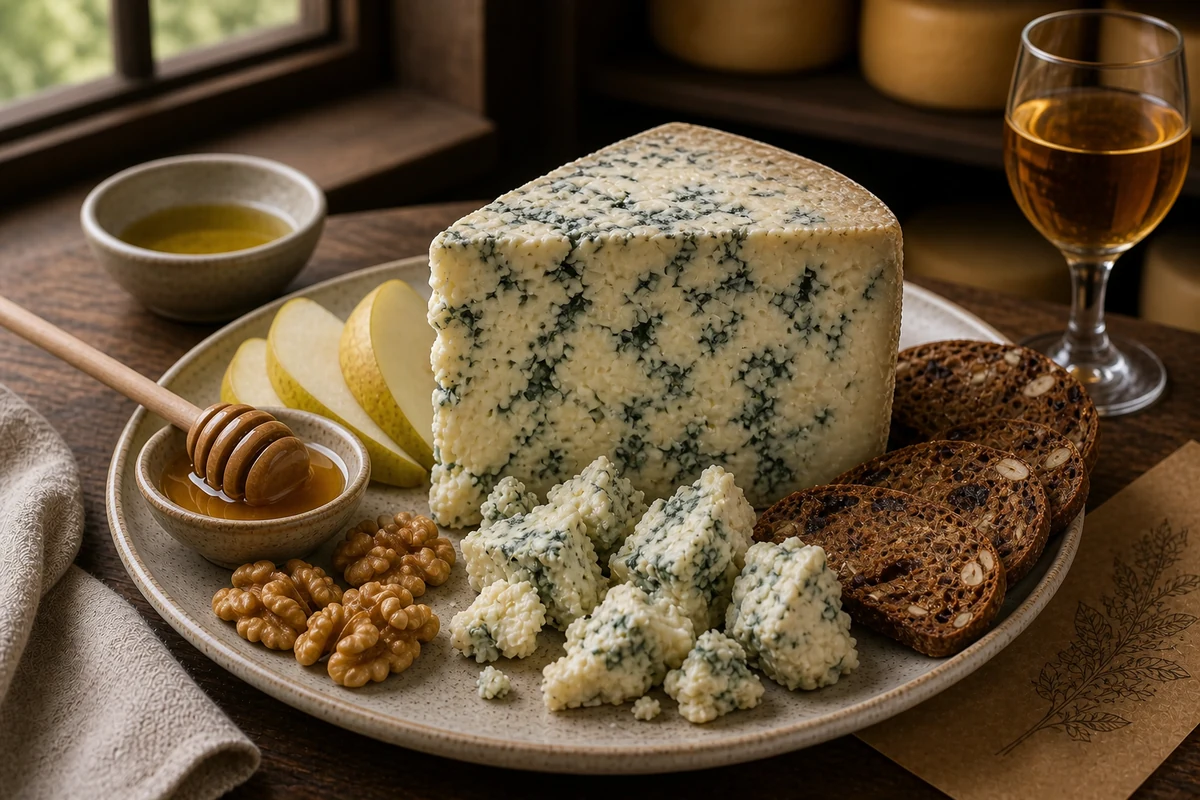
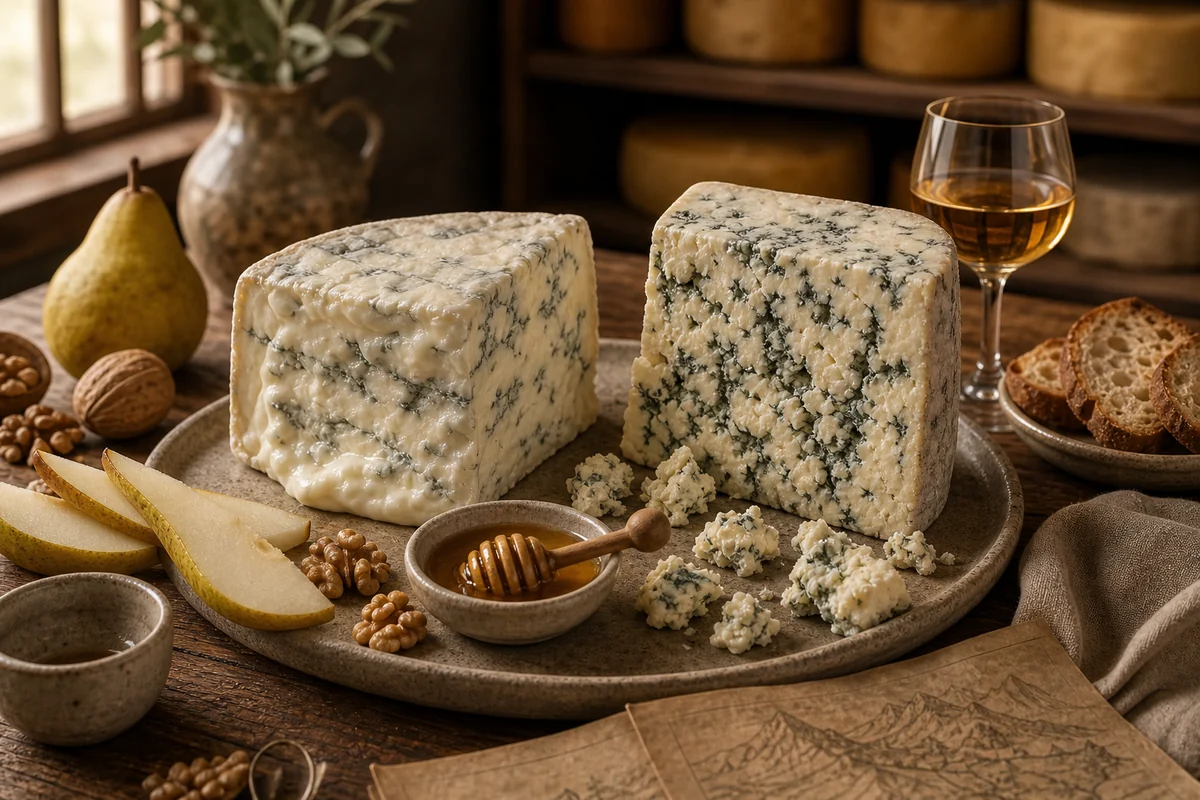
The producer recommends crusty bread, ripe pears, or a drizzle of honey, and says the cheese can be crumbled through salads, sauces, and steaks.
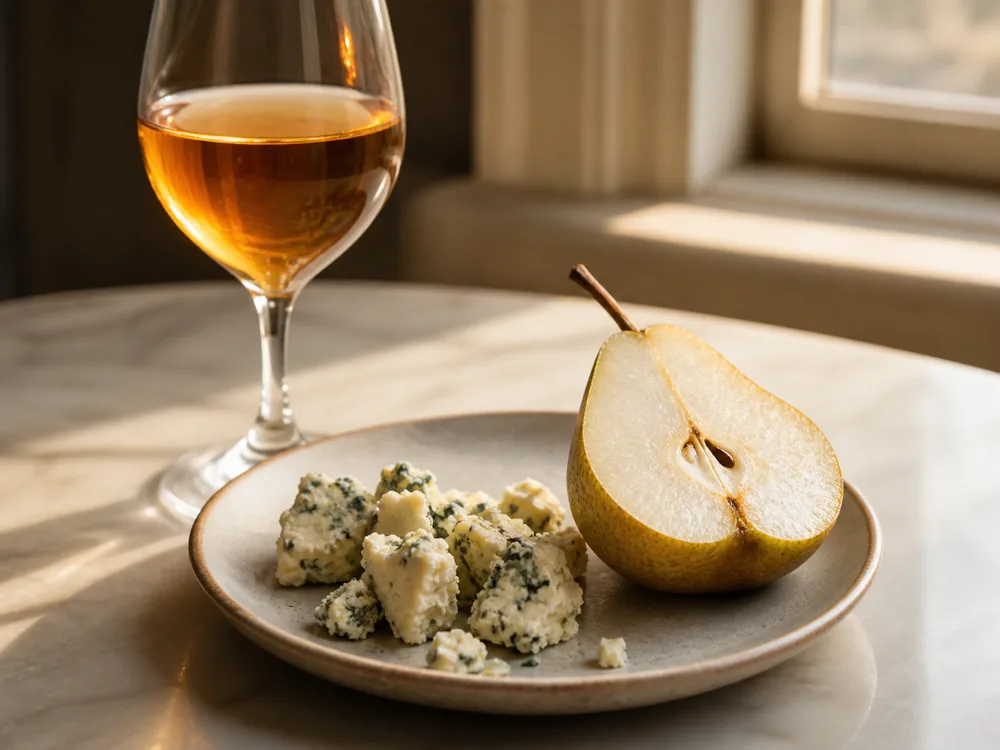
For drinks, the producer suggests a full-bodied red, a fortified wine or a crisp cider.
How Should You Store Beenleigh Blue?
The Food Standards Agency says the fridge should sit between 0 and 5°C and that dairy products belong in it. It also says to follow the storage instructions on the packaging, including the best-before and use-by dates.
Follow the seller's date and directions for an opened piece. The Courtyard Dairy says cheese it delivers has two weeks' shelf life from the date of delivery, which describes its own shipments rather than every wedge.
Is Beenleigh Blue Safe During Pregnancy?
Pasteurization does not settle the question for a soft blue cheese. NHS guidance says pasteurised or unpasteurised soft blue-veined cheeses, such as Danish blue, gorgonzola and roquefort, must be thoroughly cooked.
Ticklemore describes Beenleigh Blue as soft and smooth, so treat it as one of those cheeses. In the United States, the CDC lists pasteurized soft cheeses heated to an internal temperature of 165°F (74°C) or until steaming hot as safer, and says pregnant women are 10 times more likely to get a Listeria infection.
Served cold, Beenleigh Blue is described as a pasteurized soft, smooth or moist and crumbly blue cheese, a type the CDC list does not cover, so ask a midwife or doctor.
SOURCES & REFERENCES
What Else Do People Ask About Beenleigh Blue?
Both descriptions appear in current records. Ticklemore calls the body soft and smooth, while Neal's Yard describes its selected pieces as moist and crumbly.
Ask about age and look at the cut face.