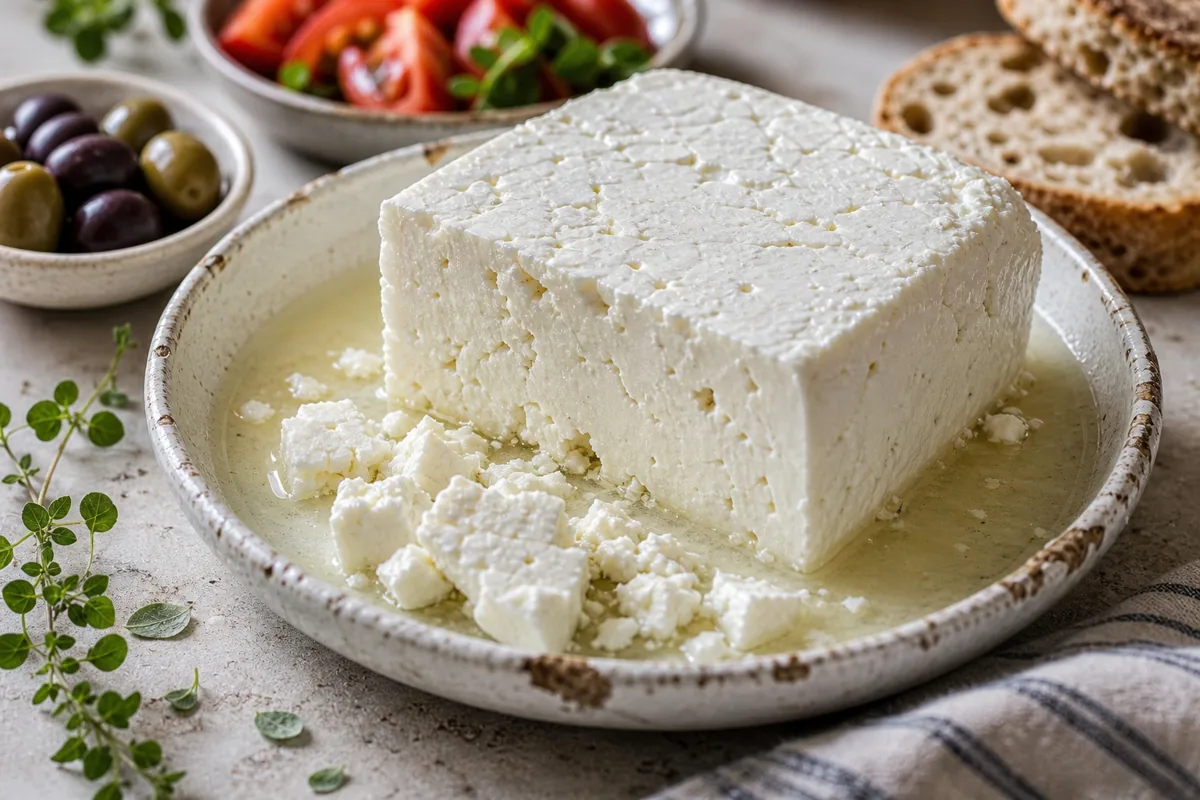
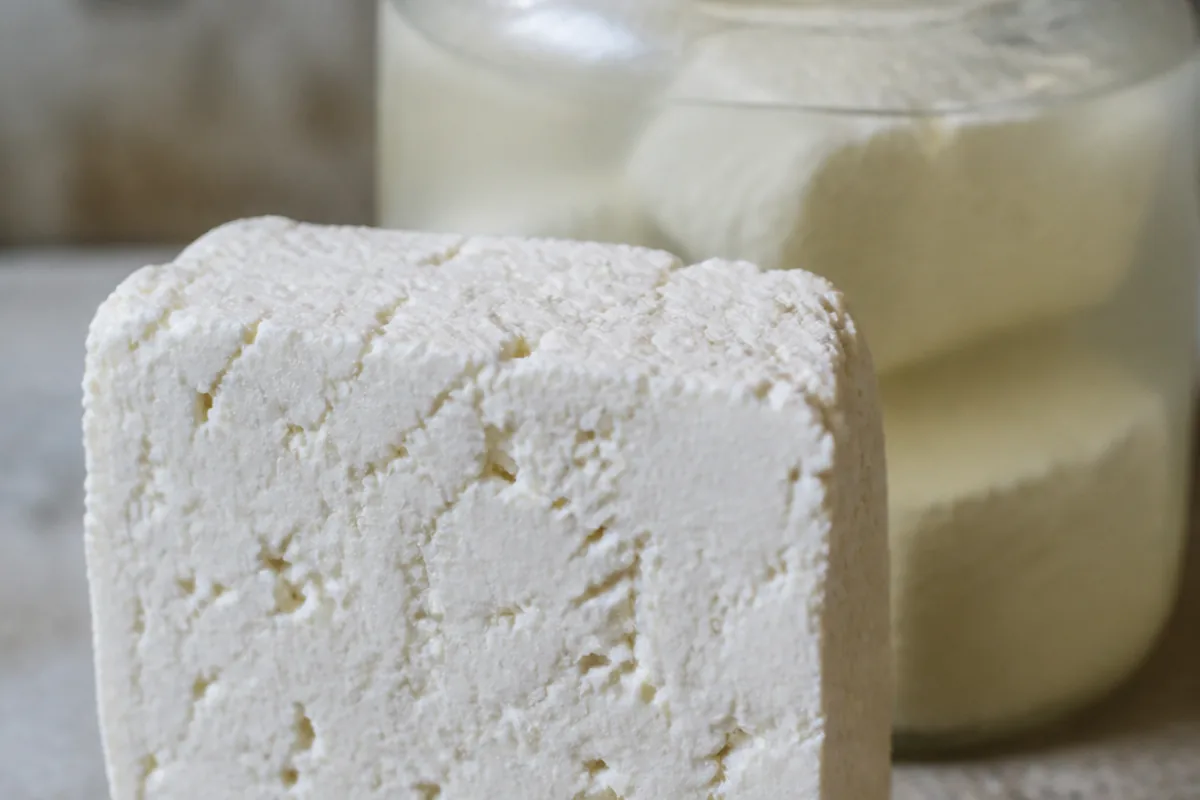
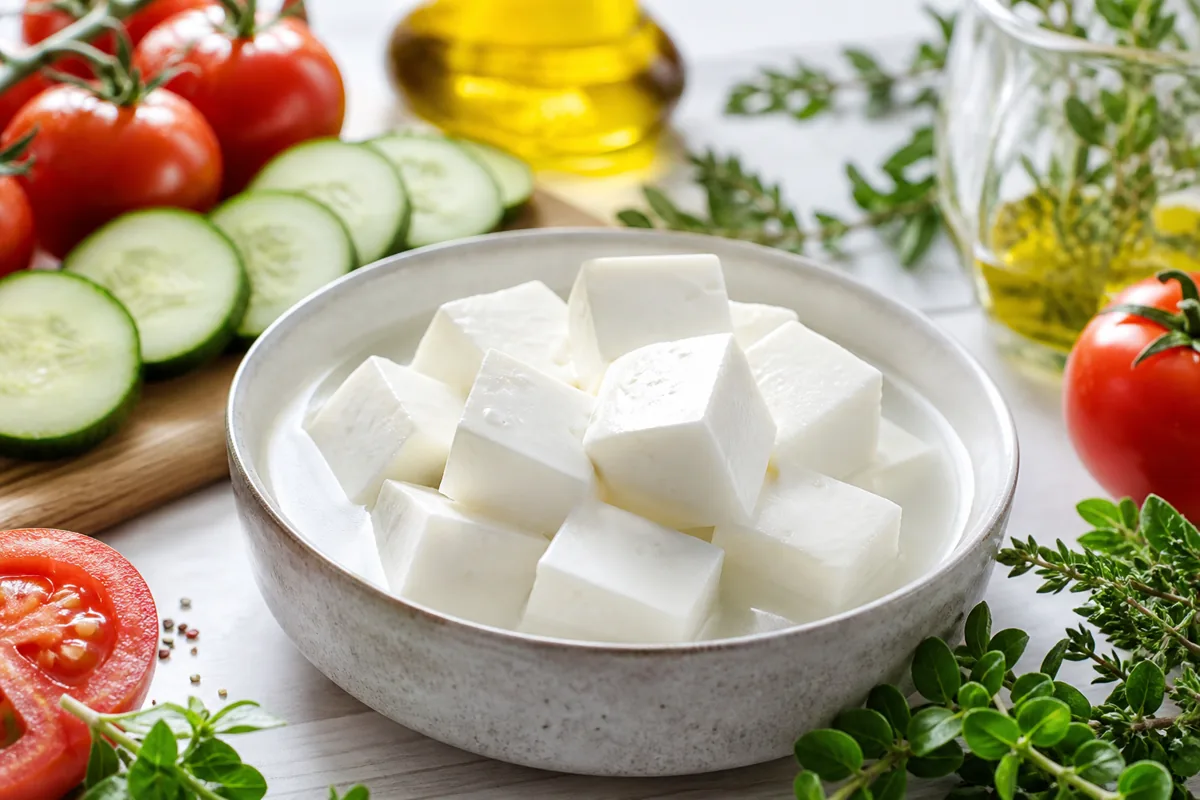
Organic certification and Greek Feta PDO are separate. A block labelled Feta PDO meets protected origin and production rules, but it is organic only if it also carries an organic certification mark.
A feta-style cheese made outside the PDO designation may be organic without meeting the Greek rules. Check the exact product's labels for both claims.
In This Article
What Makes Feta Organic If It's Already PDO?
Protected Designation of Origin status locks down where and how feta is made. The recipe requires at least 70 percent sheep's milk, with the remainder from goat, produced in the designated Greek regions, including Lesvos.

The specification bars powdered milk, milk proteins, colourants and preservatives. PDO feta also ripens for at least two months.
None of that is an organic-farming standard, though. Organic status is a separate certification under EU Regulation 2018/848, built around the farm rather than the finished recipe.
It requires permanent access to open-air pasture whenever conditions allow, along with certified organic feed and no routine antibiotics on the herd. A US-produced organic feta-style cheese follows the USDA's equivalent instead, which sets a minimum 120-day grazing season with at least 30 percent of dry matter intake from pasture.
The check on a pack is simple once you know there are two seals rather than one. A PDO shield confirms the recipe and the region.
A green Euro-leaf logo with a control-body code such as GR-BIO-01, or the USDA Organic seal, identifies the separate organic certification. A PDO organic feta must meet both sets of requirements.
Is Feta Labelled "Sheep" or "Goat" Actually That Milk?
A PDO feta can use sheep's milk alone or a blend with up to 30 percent goat's milk. A goat pictured on the pack therefore does not mean the cheese is made entirely from goat's milk.
The ingredient list identifies the milk used in that product. Organic certification describes how those ingredients were produced, so it answers a different question from the milk species.
Outside the PDO specification, a feta-style cheese may use a different milk. Someone looking for a sheep-and-goat cheese should check that detail separately from the organic mark rather than rely on the name or packaging illustration.
Is Organic Feta Cheese Vegetarian?
Organic feta can be vegetarian, but the answer depends on the rennet used in that product. Neither the organic label nor the PDO seal answers that question on its own.
Dodoni lists microbial rennet in the ingredients for its Greek PDO feta. That provides a concrete example of PDO feta made without animal rennet, although it does not establish the ingredients of every organic feta sold by other producers.
A vegetarian suitability statement or a named microbial rennet on the pack gives you more information than the word "enzymes" alone. When the label leaves the source unclear, the producer needs to confirm it for that exact product.
Halal suitability is a separate question. An organic or PDO seal is not a halal certificate, so the relevant evidence is a halal certification or confirmation from the producer for the product you are buying.
Is Organic Feta Cheese Healthier Than Regular Feta?
Organic certification does not establish a nutritional advantage for the feta in your basket. Compare the two products' nutrition panels on the same weight basis, then consider how much you actually use.
For a concrete reference, Dodoni lists 257 kcal, 21g fat, 17g protein and 2.5g salt per 100g for its Greek feta. These are figures for that product, not a standard that all organic and conventional feta shares.
A 2021 study in Cyprus compared organic and conventional cow, goat and sheep milk, along with retail halloumi. Its subject was milk composition and halloumi, so it cannot establish that a particular organic feta has less salt, fewer calories or a health benefit.
The distinction matters when organic certification is the reason for the higher price. It tells you about production standards, while the pack's nutrition panel tells you the salt and fat you will eat.
Is Organic Feta Pasteurised, and Can You Eat It Pregnant?
The pasteurised milk statement on the pack matters here, rather than whether the cheese is organic. For example, Waitrose describes Duchy Organic Greek Feta as made with pasteurised sheep's and goat's milk.
The NHS lists pasteurised feta among the cheeses you can eat during pregnancy. It says foods made from unpasteurised milk must be thoroughly cooked, because unpasteurised dairy foods may contain listeria bacteria.
The CDC lists feta made with pasteurized milk as a safer choice and soft cheese made from unpasteurized (raw) milk as a riskier one.
If there is no label, or it does not say pasteurised milk, cook organic feta until it is steaming hot before you eat it: the NHS says any foods made from unpasteurised milk must be thoroughly cooked and lists any cheese that's been cooked until steaming hot as safe to eat.
If you follow US advice, ask a midwife or doctor before you eat an organic feta without a label that says pasteurised milk, even cooked: the CDC lists unpasteurized (raw) milk and dairy products made from raw milk, and soft cheese made from unpasteurized (raw) milk, as riskier.
Heating is not a way to rescue cheese that is spoiled, recalled or past its use-by date.
Where Can You Buy Organic Feta Cheese?
In the US, Kirkland Signature Organic Feta at Costco is one listed option: USDA organic, made from 100 percent sheep's milk and a product of Greece.

UK supermarkets carry several genuine organic options rather than just one. Duchy Organic Greek Feta is sold at Waitrose in a 200g pack, made from pasteurised organic sheep and goat's milk sourced from central Greece.
Tesco stocks its own Organic Greek Feta, also made from pasteurised organic sheep and goat's milk. Odysea Organic PDO Feta is a further Waitrose option, and it carries the PDO shield alongside the organic certification, as does the Duchy product described above.
In Australia, Barambah Organics lists an organic feta in its cheese range. Check local stock before travelling, since a product listing does not guarantee availability at every retailer.
How Do You Store Organic Feta Once It's Opened?
Keep feta refrigerated at 5 degrees C or below, or at the lower temperature stated on its pack. The Food Standards Agency also advises following the use-by date and the storage instructions.
The opened-pack limit depends on the product and packaging. Dodoni advises four days for its vacuum-packed feta and eight days for its feta in brine after opening, which is why a blanket one-to-two-week rule is unreliable.
Keep the remaining cheese covered in its original brine when the product is supplied that way, and use clean utensils to take out a portion. Adding homemade brine does not restart the use-by clock or extend the producer's opened-pack instructions.
A smaller pack may be the better purchase if you only crumble a little over salads. Organic certification does not make an opened block keep longer.
What to Use Instead of Organic Feta Cheese
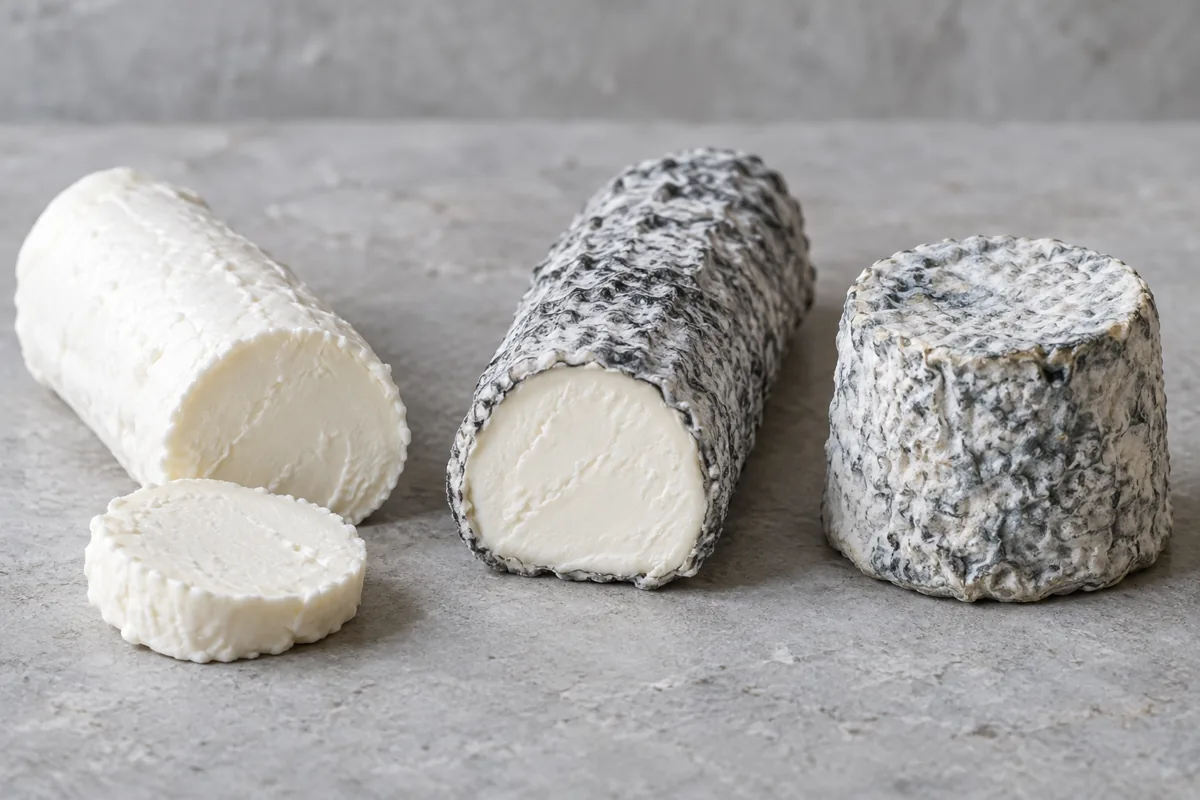
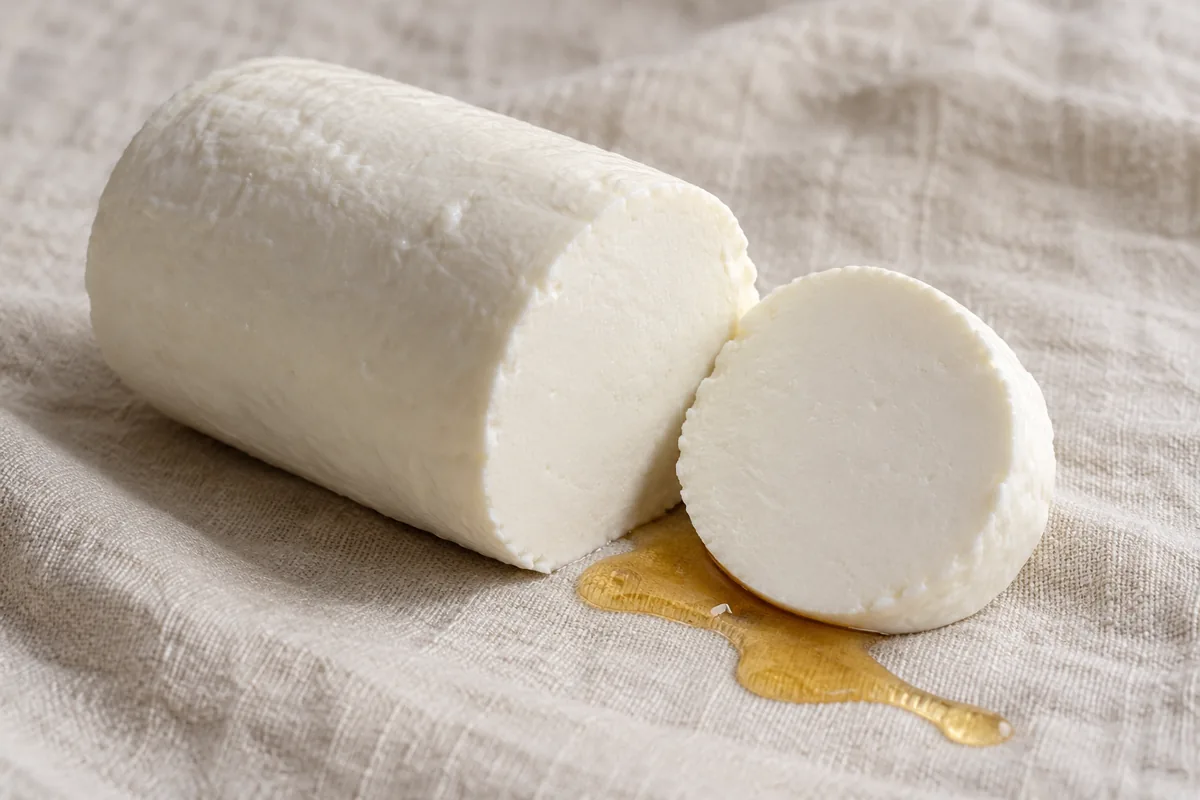
An organic goat cheese keeps the certified feed and grazing chain and a similar tang, though it trades away feta's brined firmness for a softer, spreadable texture.
Plain conventional PDO feta keeps the brined, crumbly style and is easier to find. It does not meet an organic-only buying requirement, and flavour still varies by producer.
For a wider list of options chosen by texture and saltiness rather than by certification, see more feta substitutes by use case.