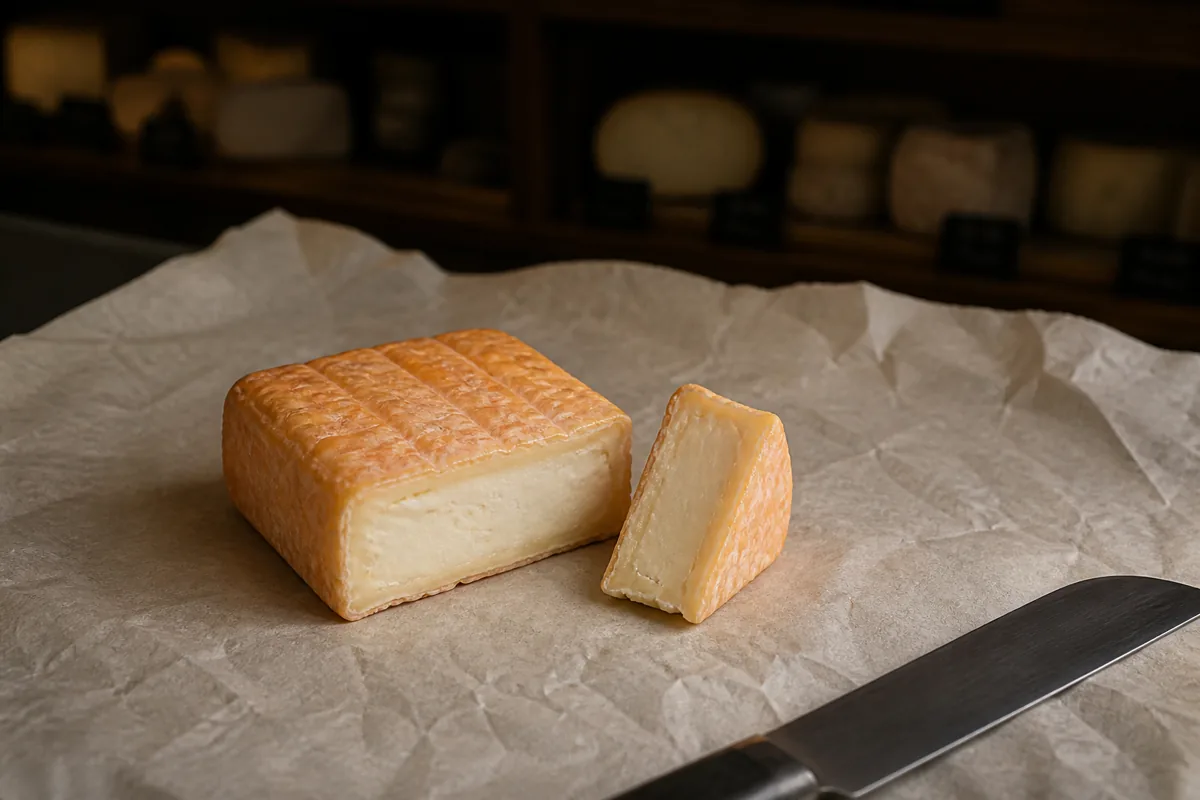
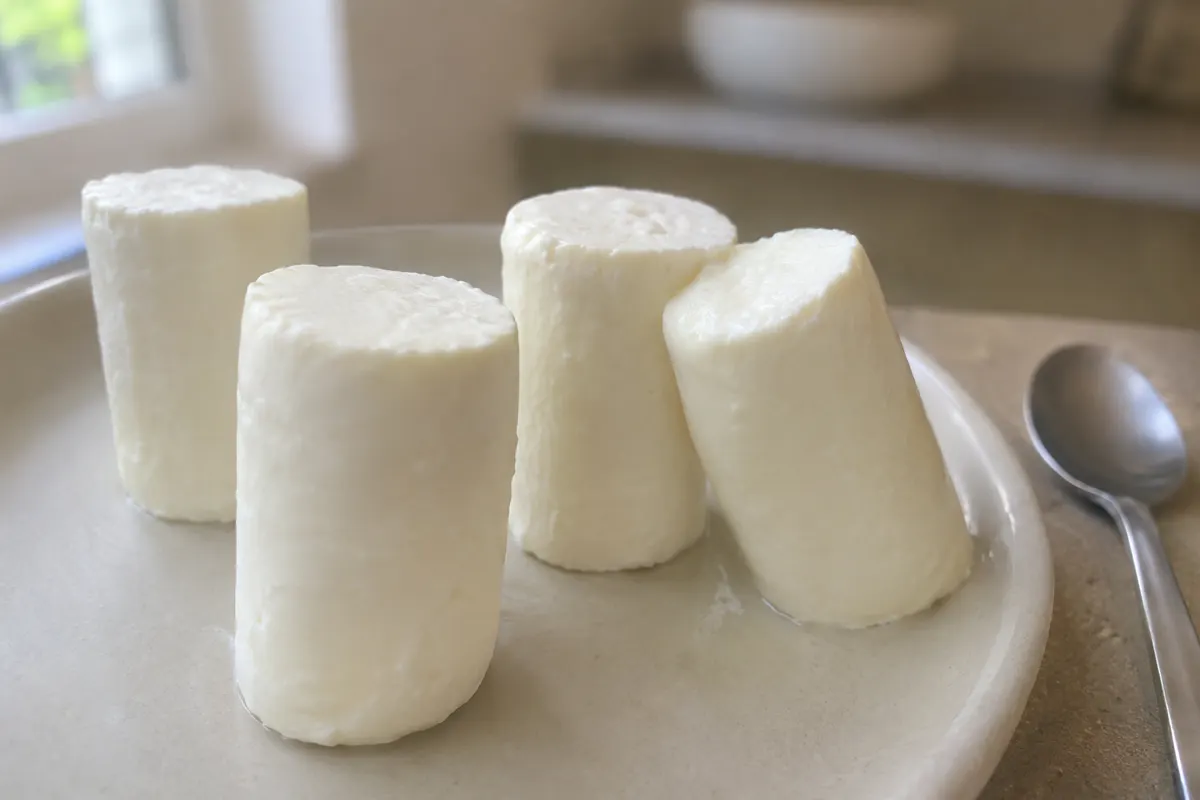
Oxford Isis is a soft English cow's-milk cheese with a rind washed in honey mead. It suits a cheese board where you want a pungent washed-rind option rather than another blue or a plain white-rind cheese.
In This Article
What Makes Oxford Isis Different?
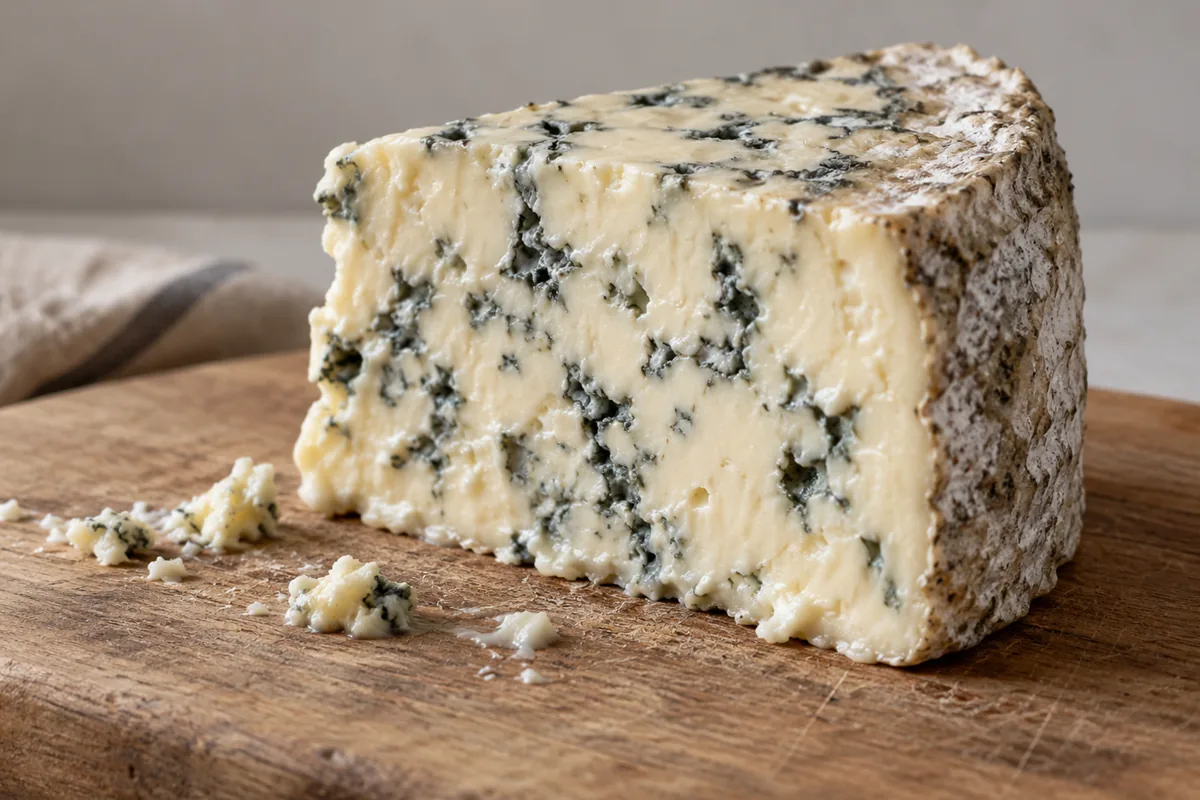
Oxford Cheese Company includes Isis in its range alongside Oxford Blue. The distinction is the treatment: Isis develops its character at a washed surface, while Oxford Blue has blue veining through the cheese.
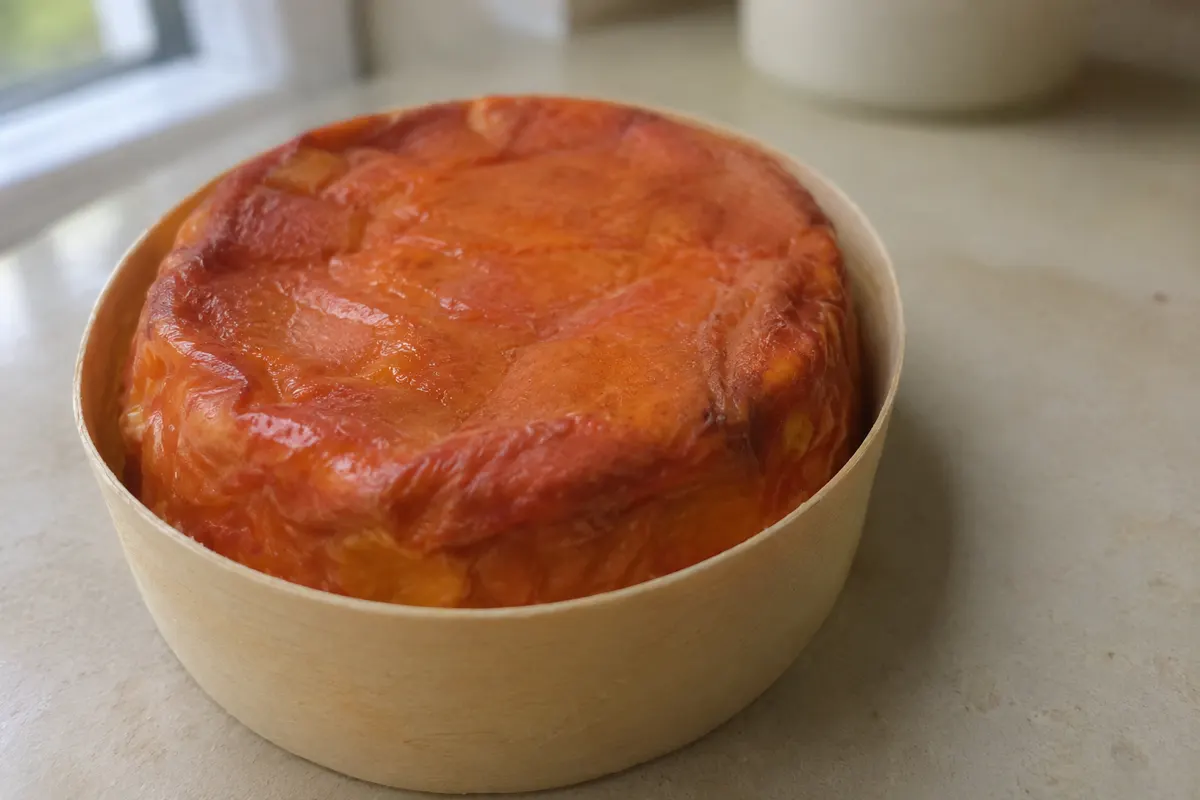
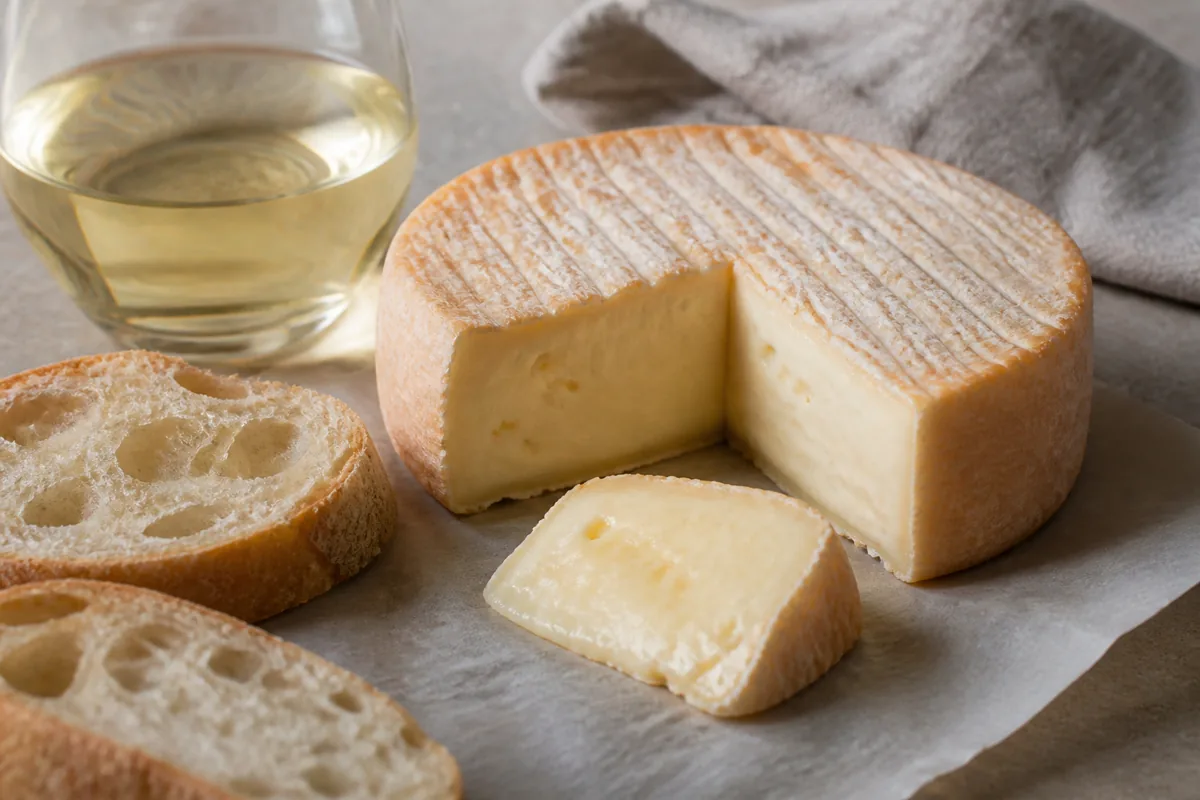
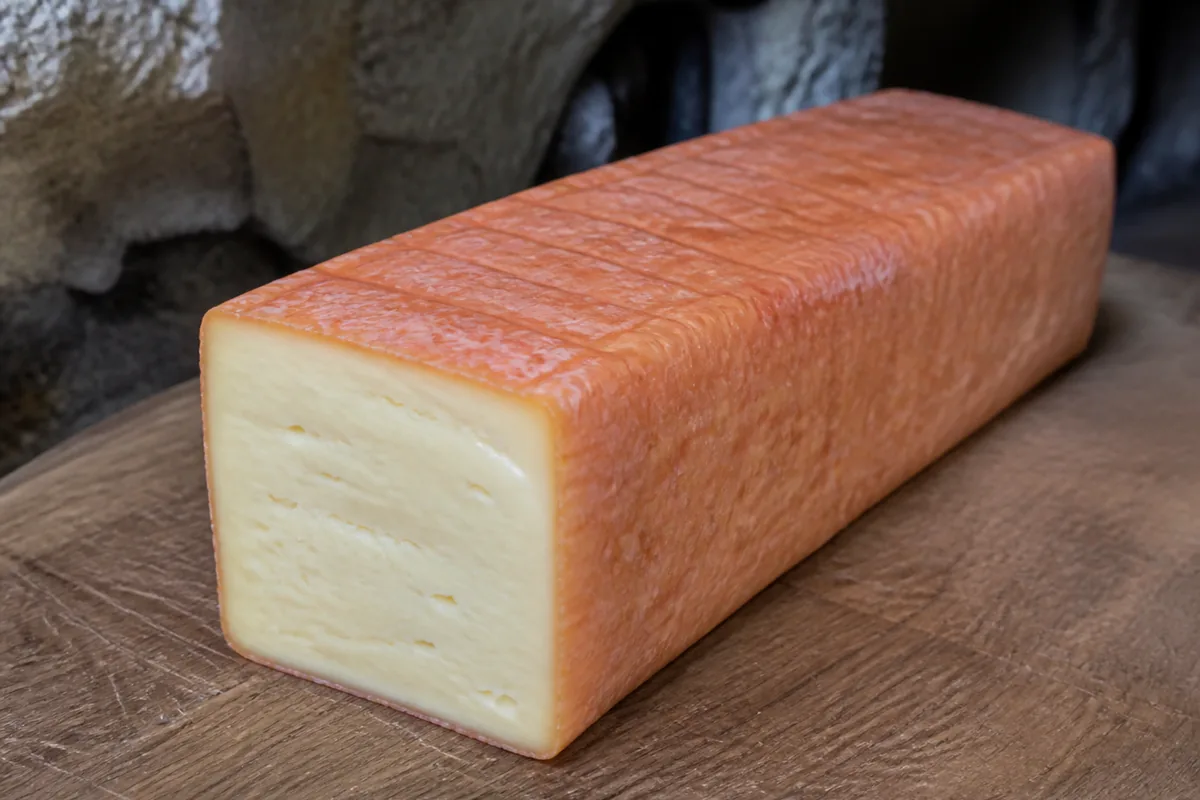
Cheese Etc describes washing with mead during maturation, producing an aromatic, slightly sticky orange-yellow rind. Mead is made by fermenting honey and water.
Cheese Etc describes the flavour of a ripening piece as fruity sweetness combined with rich, savoury notes, with brothy, umami character particularly close to the rind.
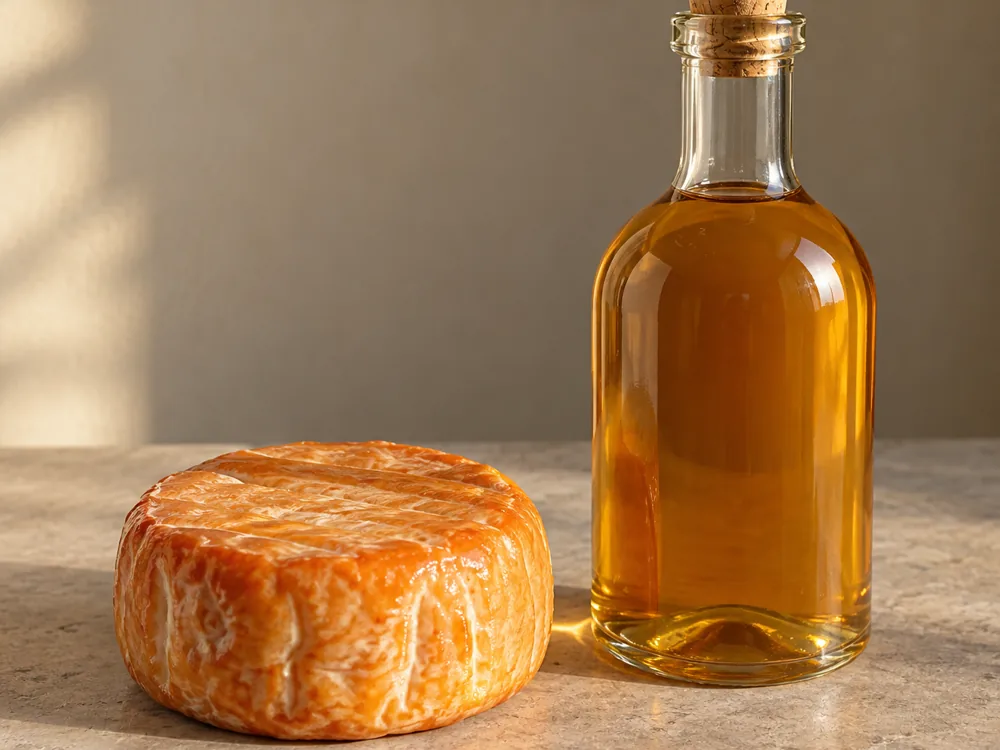
The name refers to the Isis, a name used for the River Thames around Oxford. That local connection explains the label without changing what kind of cheese is inside.
The Oxford Cheese Company was established in 1986. Oxford Sauce notes that Oxford Isis has proved popular with top London restaurants.
Albion Fine Foods describes the cheese as similar in style to French Epoisses. Both are washed-rind cheeses with an aromatic orange rind, but Oxford Isis uses honey mead rather than grape marc.
What Should You Check Before Buying Oxford Isis?
The Baby version sold by Cheese Etc is an approximately 200 g cheese. Choose that small whole cheese for one occasion or ask a counter selling the larger version to cut the amount you need.
Albion Fine Foods gives the nutritional profile as 339 kcal per 100 g, with 27 g of fat (19 g saturated) and 1.8 g of salt. Those figures are for this specific cheese; a generic soft-cheese nutrition table will not match them.
Vegetarian information is less consistent. Albion Fine Foods marks its Oxford Isis listing suitable for vegetarians, while Cheese Etc specifies animal rennet for Oxford Isis Baby and marks it non-vegetarian.
A general ingredients list saying only rennet does not settle which kind was used. If you avoid animal rennet, ask for the current package label or confirmation for the stock being sold.
Do not infer the answer from Oxford Blue's recipe or another cheese from the same company.
How Should You Serve Oxford Isis?
Cheese Etc recommends taking the cheese out of the refrigerator about an hour before serving, so the centre has time to soften and reach room temperature.
Ask the cheesemonger for the texture you want: a piece that can be cut neatly, or a riper, softer cheese to spread. The seller's description and the condition of the actual piece are more useful than expecting every box to have the same spoonable centre.
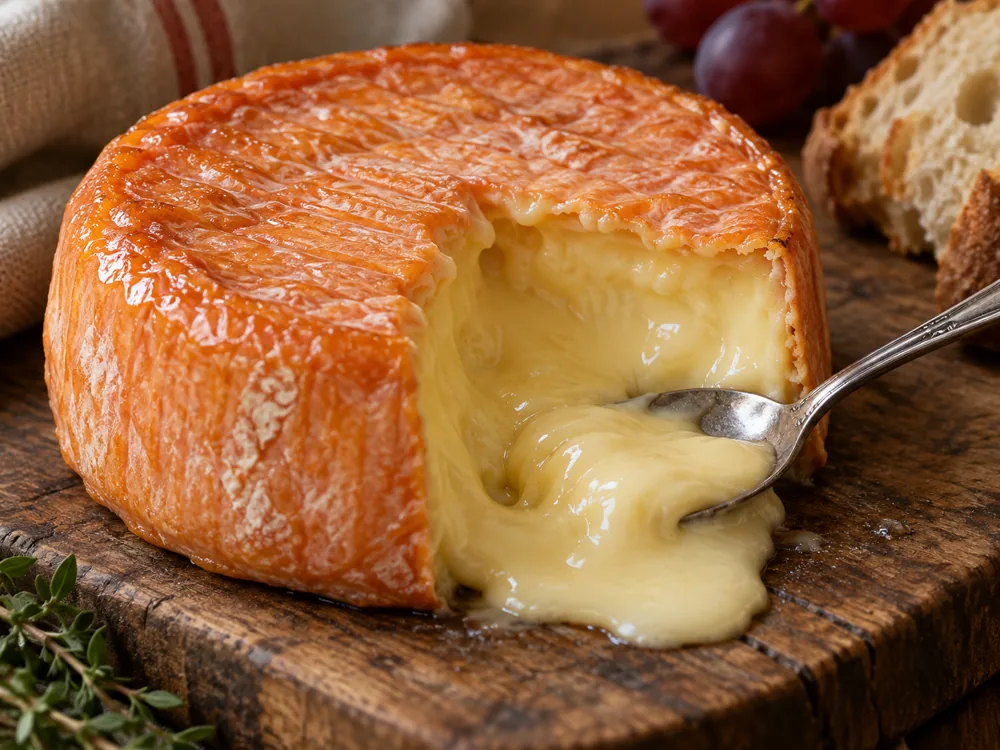
Plain bread gives you a useful first bite before adding chutney or fruit. Put sweet accompaniments alongside the cheese so guests can choose how much they want.
Cheese Etc recommends bitter or amber ale with this cheese. Treat that as a pairing suggestion, not a requirement to buy honey beer or the mead used for the rind.
Cheese Etc also lists dry mead as a pairing option. A dry mead shares the honey character used in the rind wash without the bitterness of ale.
If you cannot find Oxford Isis, Epoisses offers another washed-rind option, but it will not reproduce the honey-mead treatment. Choose a replacement by the flavour and ripeness of the available piece, rather than relying on a fixed ranking of which named cheese always smells strongest.
How Should You Store Oxford Isis and Is It Safe in Pregnancy?
Keep the cheese wrapped or covered in the refrigerator, following its label's use-by and after-opening instructions. FDA household guidance sets refrigeration at 4 C / 40 F or below, with a two-hour limit outside refrigeration, shortened to one hour above 32 C / 90 F.
A pungent smell is expected for this style, but it does not prove that a badly stored piece is safe. Buy for the occasion and keep the rest chilled while serving a smaller portion.
Cheese Etc recommends wrapping leftover Oxford Isis in waxed paper or cling film and consuming it within 10 to 14 days of opening. Waxed paper allows some airflow; either option keeps the rind moist while the cheese is stored cold.
For pregnancy in the UK, NHS guidance permits cheese cooked until steaming hot. If you choose cooked Oxford Isis, heat it thoroughly throughout the dish: a cheese that has merely softened or melted has not necessarily reached that condition.
For cheese during pregnancy, the NHS lists pasteurised or unpasteurised hard cheeses, pasteurised semi-hard cheeses and pasteurised soft cheeses as safe to eat. Cheese Etc lists its Oxford Isis Baby as made from pasteurised cow milk, with a rind washed in mead, and the sources here give no milk for the larger version, so check its label for the milk.
If there is no label, or it does not say pasteurised milk, cook Oxford Isis until it is steaming hot before you eat it: the NHS says any foods made from unpasteurised milk must be thoroughly cooked and lists any cheese that's been cooked until steaming hot as safe to eat.
In the US, an Oxford Isis without a label that says pasteurised milk is a riskier choice with no heated safer route, even cooked: the CDC lists unpasteurized (raw) milk and dairy products made from raw milk, and soft cheese made from unpasteurized (raw) milk, as riskier.
The CDC lists pasteurized soft cheeses heated to an internal temperature of 165°F or until steaming hot as safer. In the US, the CDC table does not list a pasteurised Oxford Isis eaten cold in either column, and its safer column names hard cheese, when made with pasteurized milk, cottage cheese, cream cheese, string cheese, feta and mozzarella, when made with pasteurized milk, and pasteurized soft cheeses heated to an internal temperature of 165°F or until steaming hot.