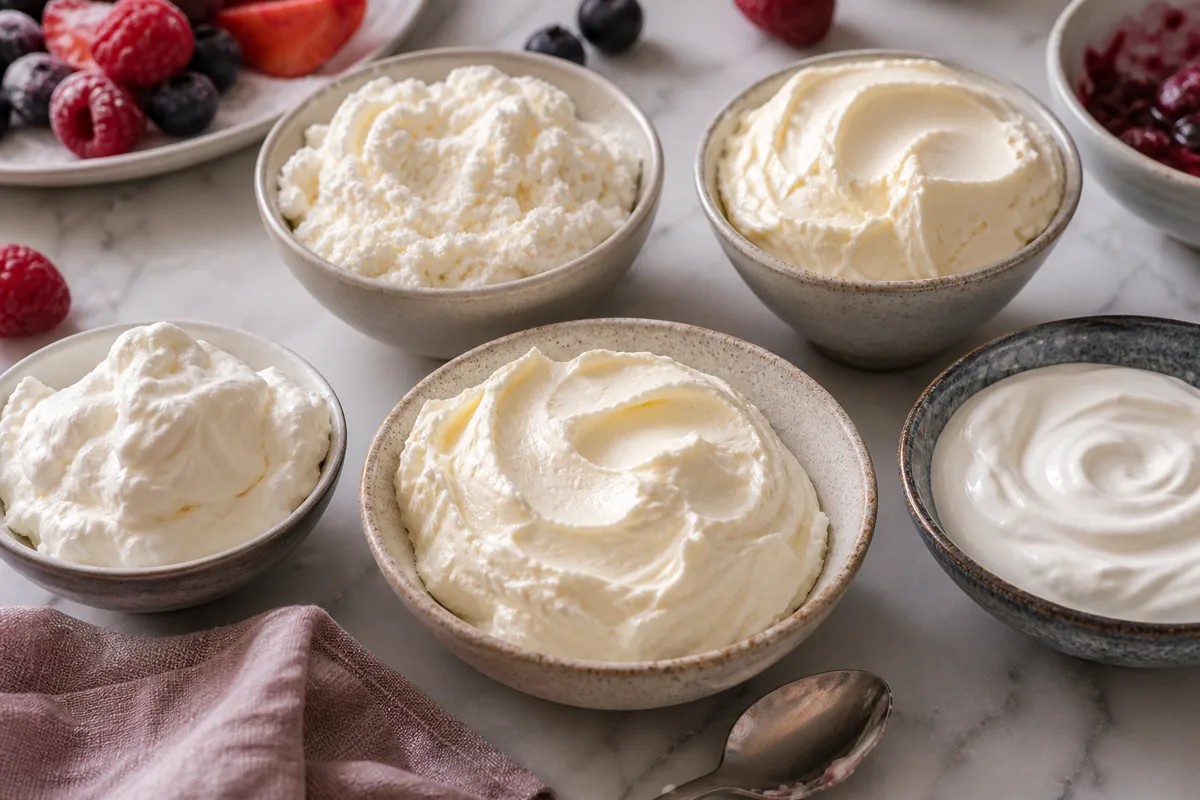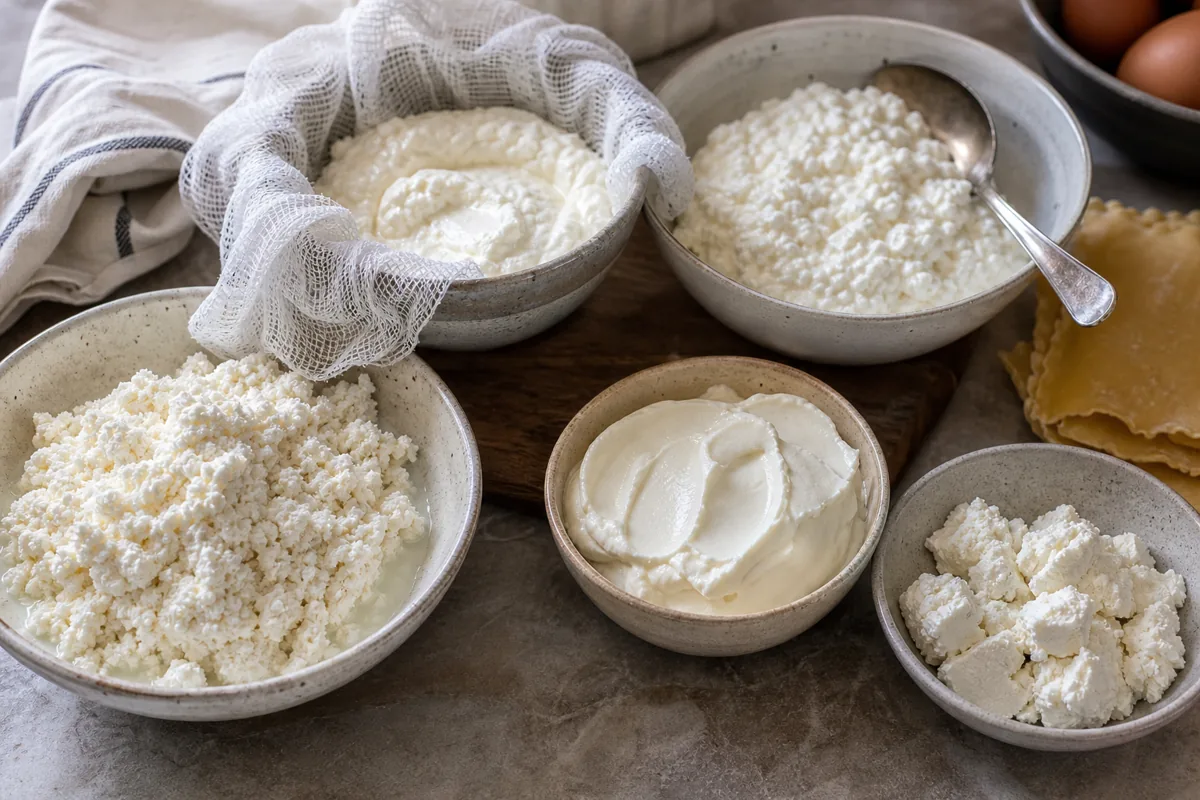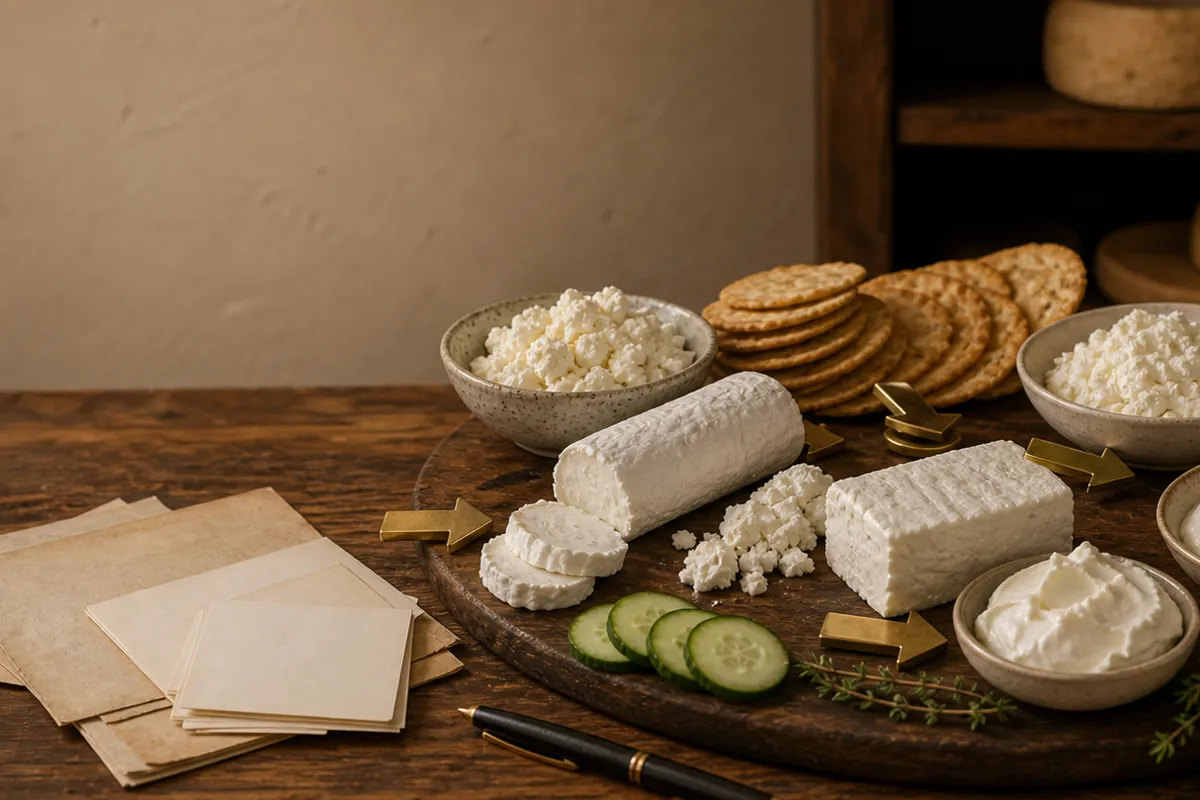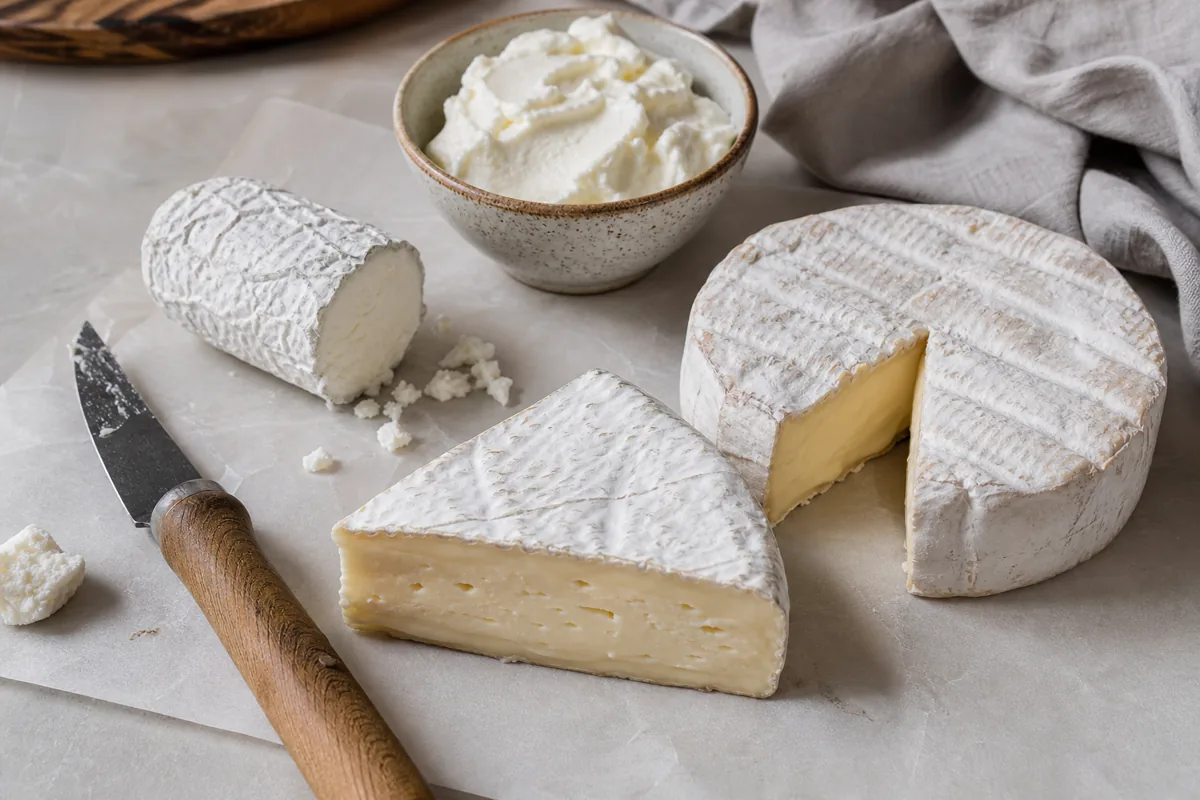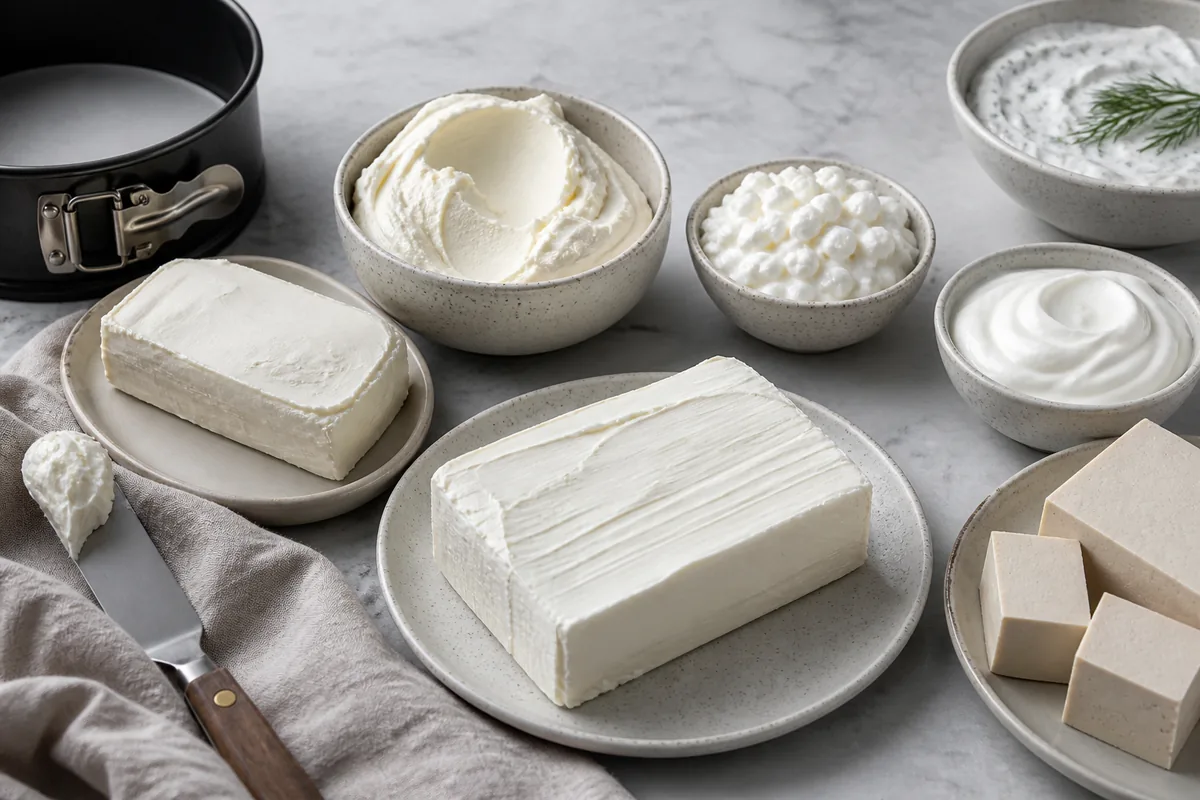
American Neufchatel is the closest starting point for a cream cheese spread, while mascarpone is useful when you want smooth richness without the same tang. For a dip, blended cottage cheese, drained ricotta, or thick Greek yogurt can work, but each changes the texture and flavor.
Cheesecake and frosting need a more careful choice. Their firmness depends on the whole recipe, so a cheese that tastes good on a bagel is not automatically a one-to-one replacement in a filling that has to set.
In This Article
5 Cream Cheese Substitutes and Where They Work
| Substitute | Best starting use | Preparation or limitation |
|---|---|---|
| American Neufchatel | Spreads and cold dips | Lower-fat product with a different moisture standard |
| Mascarpone | Rich spreads and creamy dessert fillings | Milder flavor, with less cream-cheese tang |
| Cottage cheese | Blended savory dips | Drain visible liquid and blend the curds smooth |
| Ricotta | Soft spreads and fillings designed for ricotta | Drain if wet, then beat or process for a finer texture |
| Greek yogurt | Tangy dips and spoonable toppings | Choose plain and thick, with no promise of a firm set |
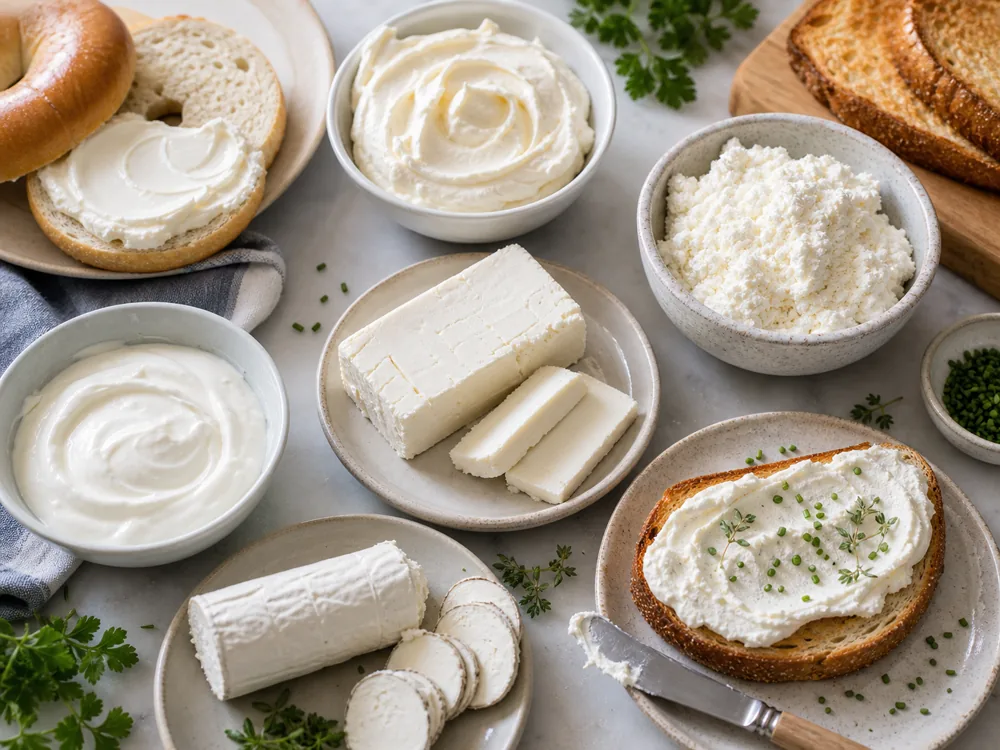
1. American Neufchatel for a familiar spread
Look for the smooth American product sold near cream cheese, rather than a French rind-ripened Neufchatel. The similar name does not make those two styles interchangeable in a sweet filling.
Under U.S. standards, cream cheese contains at least 33% milkfat and no more than 55% moisture. American Neufchatel contains at least 20% but less than 33% milkfat, with moisture capped at 65%, so the standards permit a meaningfully different balance of fat and water.
For toast or a cold dip, begin with the amount you would normally spread or mix, then adjust the seasoning and thickness. Those composition limits do not establish that every Neufchatel will perform like full-fat cream cheese in a baked or chilled dessert.
2. Mascarpone for smooth richness
Mascarpone spreads easily and blends into other ingredients, making it a useful base for a rich topping or filling. Its mild flavor changes a dessert that depends on cream cheese's tang.
For a simple spread, taste it with the intended topping before adding anything else. A little lemon can adjust a cold dip's flavor, but adding liquid is not a reliable way to convert mascarpone into cream cheese for baking or frosting.
If frosting is the goal, use a mascarpone frosting recipe with its own quantities and method. BelGioioso provides one for its Crema di Mascarpone product, which is a more specific starting point than replacing a cream cheese block and assuming the original recipe will hold.
3. Cottage cheese for a blended savory dip
Cottage cheese needs more preparation because its curds are visible and its liquid varies by product. Drain free liquid, then blend until the texture is smooth enough for the dip you want.
The finished dip may still be lighter or looser than one made from cream cheese. Add herbs and seasonings after blending, and hold back any milk or other thinning liquid in the original recipe until you can judge the consistency.
Blending changes the texture, not the amount of fat or water.
A cheesecake designed around cottage cheese is a better use than putting the blended mixture into an unmodified cream cheese formula.
4. Ricotta for a soft spread or its own style of filling
Ricotta gives a mild, soft result that suits toast and fillings where a little curd texture is welcome. If liquid has collected in the container, drain it before deciding whether the cheese needs beating or processing.
For a savory spread, salt, herbs, or lemon zest can provide flavor without adding much liquid. Ricotta cheesecake is its own useful choice, but swapping ricotta directly into a dense cream cheese cheesecake can change both the texture and the way the filling sets.
5. Greek yogurt for a tangy dip
Plain Greek yogurt works when you want a spoonable, tangy dip rather than a firm spread. Thickness differs between brands and fat levels, so choose by the texture in the container as well as the name.
Strain loose yogurt in the refrigerator before seasoning.
Measure the amount after straining, and expect a yogurt-based result rather than the richness of a cream cheese block.
It is not a dependable sole replacement for cream cheese in a piped frosting or a no-bake cheesecake. Those uses need a recipe that accounts for the yogurt's water and the ingredients that provide structure.
What Changes for Cheesecake and Frosting?
Start with the product the recipe specifies: a block, a tub spread, and a whipped product need not contain the same amount of cheese per spoonful or behave the same way. If you only have a different format, a recipe written for that format removes some avoidable guesswork.
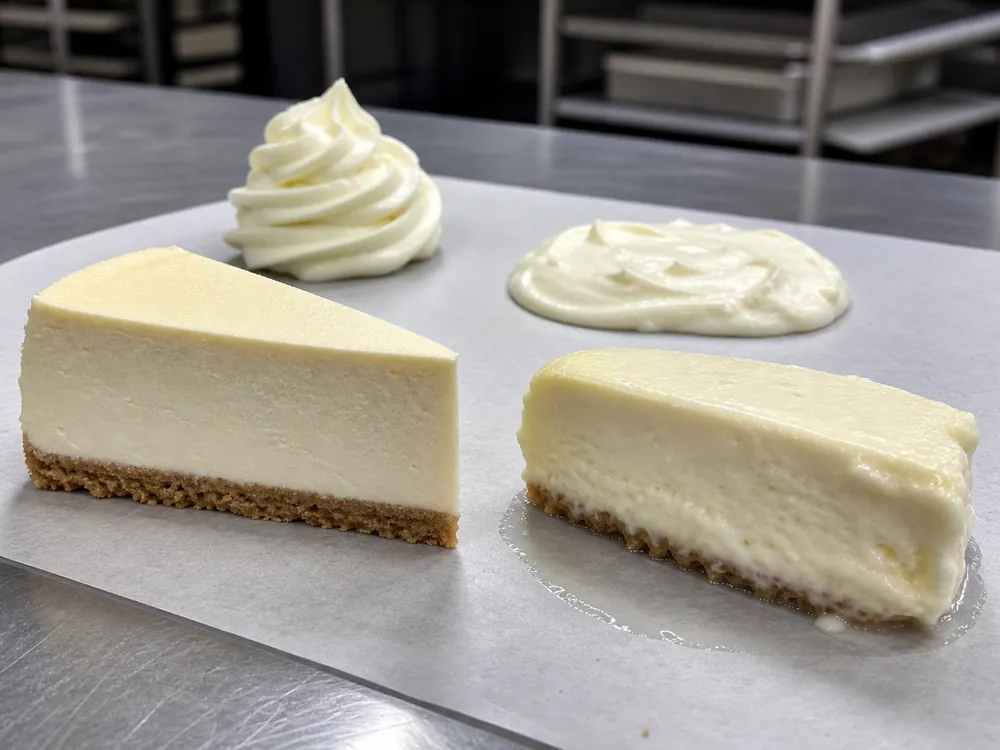
For a baked cheesecake, the balance of cheese, eggs, sugar, and any starch affects the result. King Arthur's New York cheesecake recipe, for example, specifies its cream cheese quantity within a complete formula.
For a no-bake filling, consider what makes it firm: the cheese itself, whipped cream, gelatin, or another ingredient. Replacing the cheese without accounting for that structure can leave a filling that tastes pleasant but cannot be sliced.
Frosting has a similar constraint when it needs to support layers or hold a piped shape. Choose a recipe developed for mascarpone or the exact alternative you have, and do not assume that adding extra sugar will restore the original texture without making it much sweeter.
What If You Need a Dairy-Free Substitute?
A plain dairy-free cream cheese product is the most direct place to start for spreading. Check its ingredient and allergen label, since bases such as nuts, soy, or coconut differ and a dairy-free label does not mean every allergen is absent.
For baking or frosting, use the manufacturer's guidance or a recipe made with that product. Silken tofu can be part of a blended filling, but it needs a recipe built around it rather than a universal instruction to add oil and lemon until it resembles cream cheese.