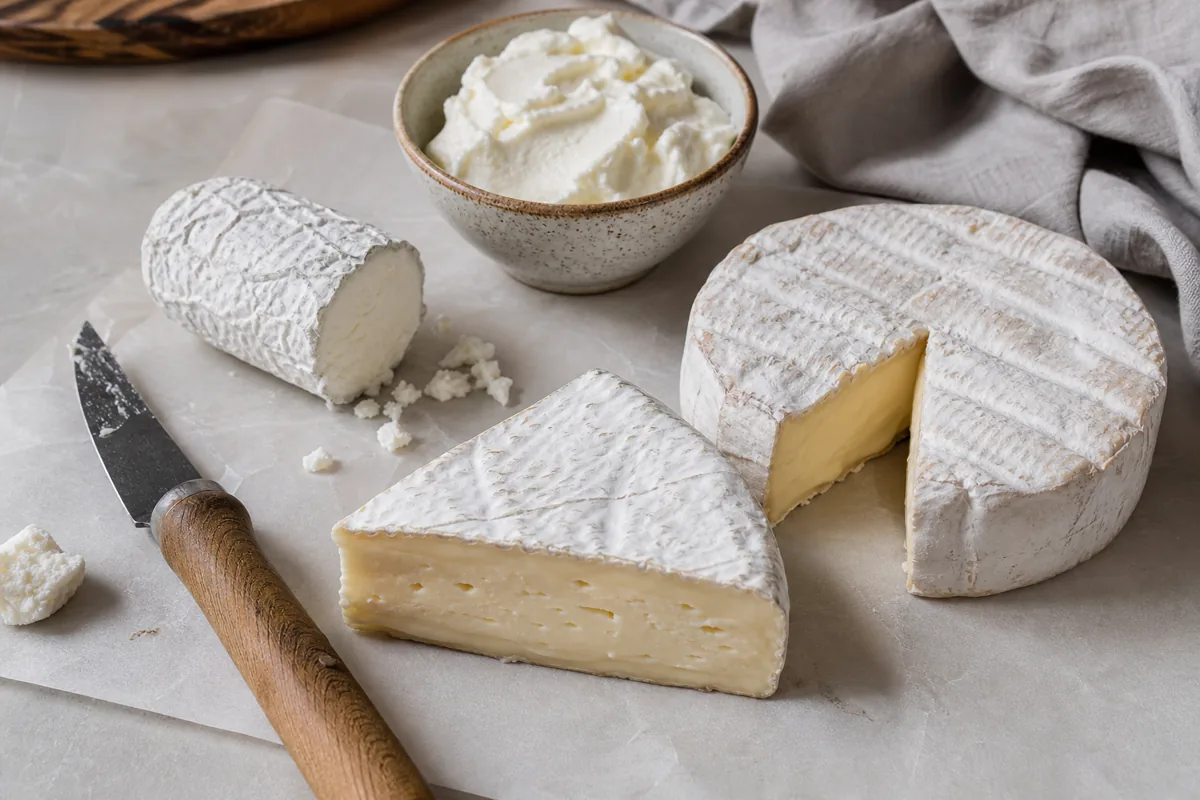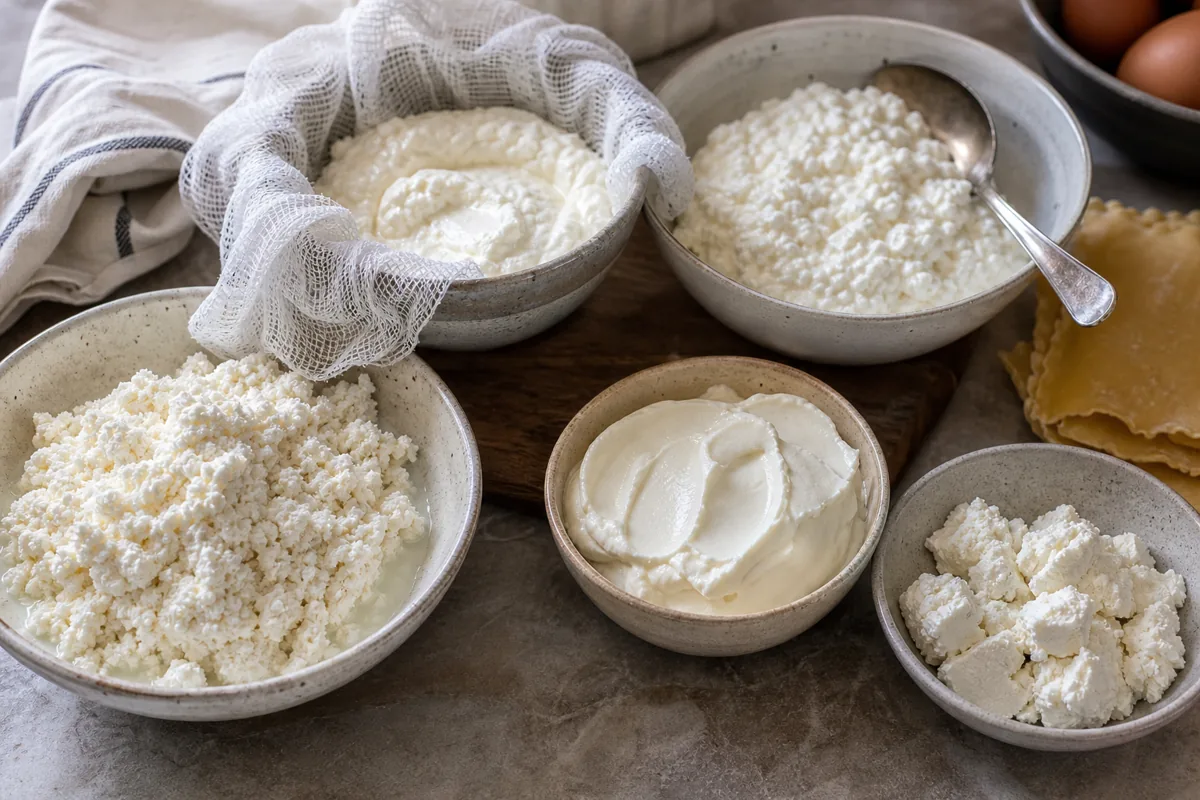
Among cheese swaps, ricotta is a moisture problem before it is a flavor problem. The replacement has to fill pasta, soften under heat, and stay mild without leaking whey into the dish.
That is why a spoonful from the tub is not enough evidence. Fresh ricotta texture is soft, moist, and gently grainy, but it usually feels calmer than cottage cheese and less dense than cream cheese.
The right substitute depends on whether the recipe needs curds, body, sweetness, or a clean dairy layer.
Most stand-ins need work before they behave in the dish. Drain cottage cheese and blend it smooth, or the lasagna weeps water into the pan.
In This Article
6 Ricotta Substitutes: Best Alternatives for Lasagna
These are the six dairy substitutes worth keeping, ranked by how often they are the right answer.
Each entry gives the dish it suits, the adjustment it needs, and the point where it stops working. The sections after the list handle moisture, dairy-free options and the corrections you make in the bowl.
Anything above the ricotta line needs draining before it goes near pasta. Anything well below it needs loosening instead, which is the opposite correction.
| Substitute | Swap ratio | Do this first |
|---|---|---|
| Drained cottage cheese | 1:1 by volume, measured after draining | Sieve 15 to 30 minutes, then pulse two or three times. |
| Mascarpone | 1:1 | Nothing, but cut the recipe's added cream or butter. |
| Cream cheese | Half cream cheese, half drained cottage cheese | Beat at room temperature and thin with milk or pasta water. |
| Farmer cheese | 1:1 | Crumble and season; add cream only if it will not hold. |
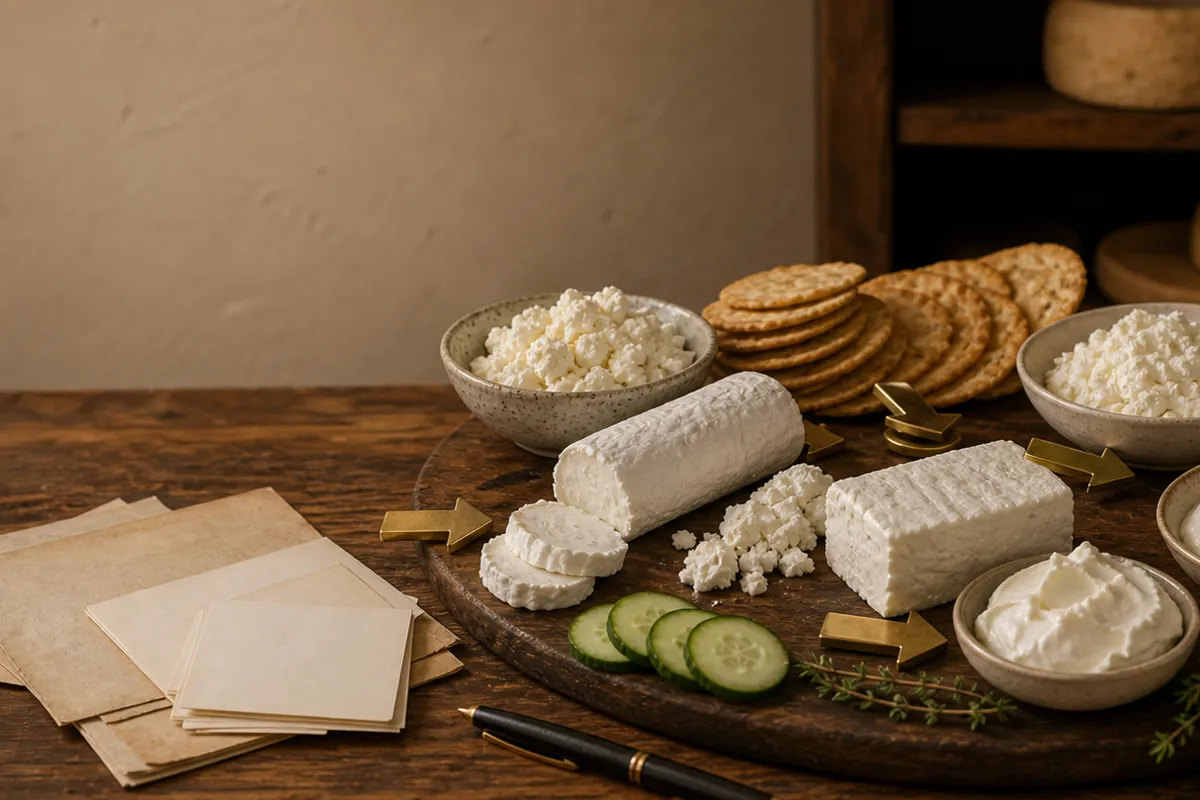
| Fresh goat cheese | 1 part goat to 3 parts cottage cheese | Bring to room temperature so it folds in without splitting. |
| Queso fresco | Topping only, not a 1:1 swap | Crumble by hand and cut the salt elsewhere in the dish. |
1. Drained Whole-Milk Cottage Cheese
The default for lasagna, stuffed shells and most savoury baked fillings, because it is the only substitute you can correct in the bowl before the dish goes in the oven.
Use whole milk rather than low fat. The fat is what stops the filling turning grainy once it heats, and the small curds are already close to ricotta in size.
Tip the tub into a sieve and leave it 15 to 30 minutes, then swap one to one by volume against the ricotta the recipe asks for. Measure after draining, not before, or you will come up short.
Pulse it two or three times if the dish needs a smooth layer, and stop while some texture remains. A completely whipped filling reads further from ricotta than a slightly grainy one.
- Tip the tub into a sieve and leave it 15 to 30 minutes.
- Measure the drained curd against the recipe, not the tub.
- Pulse two or three times only if the dish needs a smooth layer.
- Squeeze spinach or other wet vegetables separately before judging the dairy.
- Add egg, grated cheese or breadcrumbs last, once the texture is already right.
The cue is the spoon. A corrected filling mounds and holds its shape.
If it slides off before it reaches the pan, it is still too wet.
It fails undrained, and the symptom is watery edges. Whey runs out during baking, thins the sauce at the rim of the dish and leaves the middle of the slice loose, and neither egg nor grated cheese pulls that back once the layers are built.
2. Mascarpone
The dessert answer: cannoli-style fillings, ricotta cheesecake and sweet pancakes.
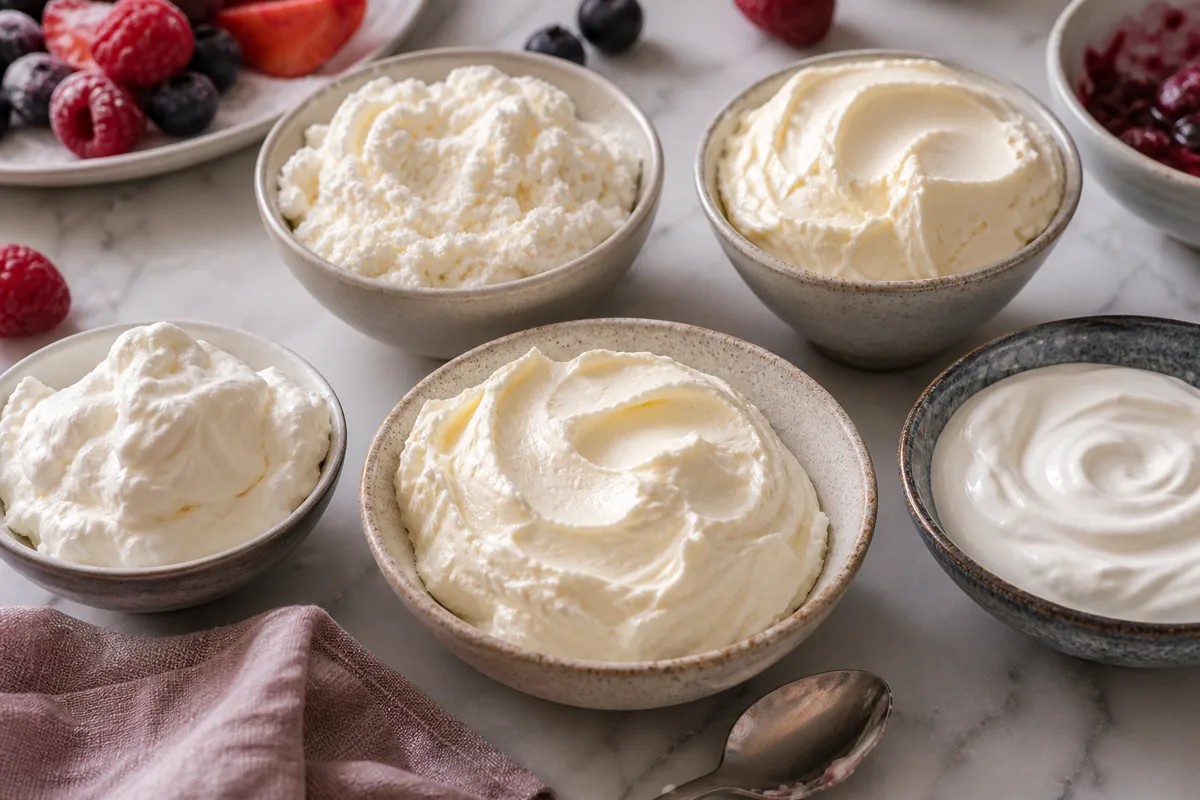
It is a cultured cream cheese rather than a whey cheese, so it arrives smooth and needs no draining, sieving or blending.
Swap it one to one and cut the recipe's added cream or butter slightly, since mascarpone brings far more fat than ricotta does.
Beat it as little as possible. Overworked mascarpone splits into a grainy, buttery mess that will not come back together.
It fails on mildness, and the symptom is a dessert that tastes of cream instead of fresh cheese. In a plain vanilla filling the richness takes the front of the palate, so keep it for recipes where chocolate, coffee, citrus or fruit is leading.
Stop beating mascarpone the moment it is smooth. Overworked mascarpone splits into a grainy, buttery mess, and unlike a loose filling it cannot be brought back.
3. Cream Cheese
For fillings that have to pipe, slice or hold a clean edge, and for any dip or spread where firmness is the point.
It is denser and noticeably tangier than ricotta, so it changes both structure and flavour at once.
Loosen it before it meets anything else: beat the block at room temperature, then work in milk, cream, yogurt or a spoonful of pasta water until it drops from the spoon rather than clinging to it.
In a savoury filling, use no more than half cream cheese and make up the rest with drained cottage cheese. That gives you the body without turning the layer into a block-cheese spread.
It fails used neat in baked pasta, and the symptom is a firm sliceable stripe where a soft dairy layer should be. The tang also arrives before the dairy sweetness, which shows immediately in a plain filling and hides only under lemon or chocolate.
4. Farmer Cheese
The specialist choice for blintzes and other thin-wrapped fillings that leak at the first sign of moisture.
It is pressed fresh curd, so most of the whey has already gone before you open it.
No correction is needed in most recipes. Crumble it and season it directly, and add a spoonful of cream or an egg only if the filling refuses to hold together.
It also takes seasoning cleanly, which matters in a blintz where the filling is the whole flavour rather than one layer among several.
It fails where the filling was supposed to spoon softly, and the symptom is a dry, close-textured pocket. The dryness that keeps a crepe intact reads as stiff in a lasagna layer, so loosen it or choose cottage cheese instead.
5. Fresh Goat Cheese
For savoury tarts and vegetable fillings where acidity is a deliberate part of the dish.
It is lactic and tangy rather than mild, and it spreads instead of crumbling once it warms.
Put it beside ingredients that can take the tang: mushrooms, spinach, caramelised onions, roasted peppers or sausage. Fold it in off the heat in a cooked dish so it stays creamy rather than splitting.
Cut it with drained cottage cheese, roughly one part goat to three, when you want the character without the acidity leading.
It fails in mild company, and the symptom is a filling that tastes of the cheese and nothing else. Lemon pancakes, cheese blintzes and plain pasta fillings all lose their own flavour underneath it.
One part goat cheese to three parts drained cottage cheese keeps the character without letting the acidity lead. Cut it further for anything sweet.
6. Queso Fresco
For crumbled toppings and savoury mixtures that already carry plenty of sauce.
It is a fresh pressed cheese that stays in distinct pieces under heat instead of melting into a layer.
Crumble it by hand rather than cutting, and hold back the salt elsewhere in the dish, since it brings a good deal of its own.
Scatter it over the top late, or fold it into a mixture that has other soft dairy in it, so the plate still has something creamy underneath.
It fails as the filling itself, and the symptom is a filling made of separate dry pieces rather than a soft layer. It crumbles cleanly but never turns creamy, so it cannot stand in where ricotta is meant to stay tender and spoonable.
Why Should You Start with the Filling Instead of the Tub?
Lasagna and stuffed shells need a filling that can spread, hold seasoning, and set softly after baking. Whole-milk fresh curd cheese is the most useful stand-in because it has fresh curds and mild dairy flavor, but it needs handling before it behaves like ricotta.
Drain it first, then pulse it briefly if the dish needs a smooth layer. Small curds left whole can make a lasagna slice feel pebbly, while undrained cottage cheese can push watery edges into the sauce.
A good first move is one-to-one by volume after draining. If the recipe has egg, grated hard cheese, spinach, or herbs, mix those in only after the cottage cheese texture is fixed, because seasoning cannot repair a wet filling.
For spinach filling, squeeze the greens separately before judging the dairy. Otherwise you can blame the substitute for water that actually came from the vegetables.
If the filling still looks loose after draining, reduce the substitute before adding more binder. Too much egg can make the layer rubbery, and too much grated cheese can make it salty.
A drier dairy base gives you more control than trying to rescue a wet bowl with extra ingredients.
The reason cottage cheese wins here is practical. It can be corrected in the bowl before the pasta goes into the oven, while most other substitutes change the dish's identity more sharply.
Why Does Lasagna Need Curds That Stop Weeping?
Look at the liquid first. If a substitute leaves visible whey in the bowl, it will usually leave moisture in the pan too.
That matters more in lasagna than in a dip because noodles and sauce already bring their own water.
The cottage-cheese path works because you can remove extra whey and then decide how smooth the filling should be. For a rustic baked ziti, a little curd texture is fine.
For stuffed shells, manicotti, or a thin lasagna layer, blend until the filling spreads cleanly.
No-boil noodles make this decision sharper because they need enough sauce moisture, not loose cheese water. If the dairy layer leaks, the edges can turn wet while the noodle center still needs sauce, so drain it before seasoning.
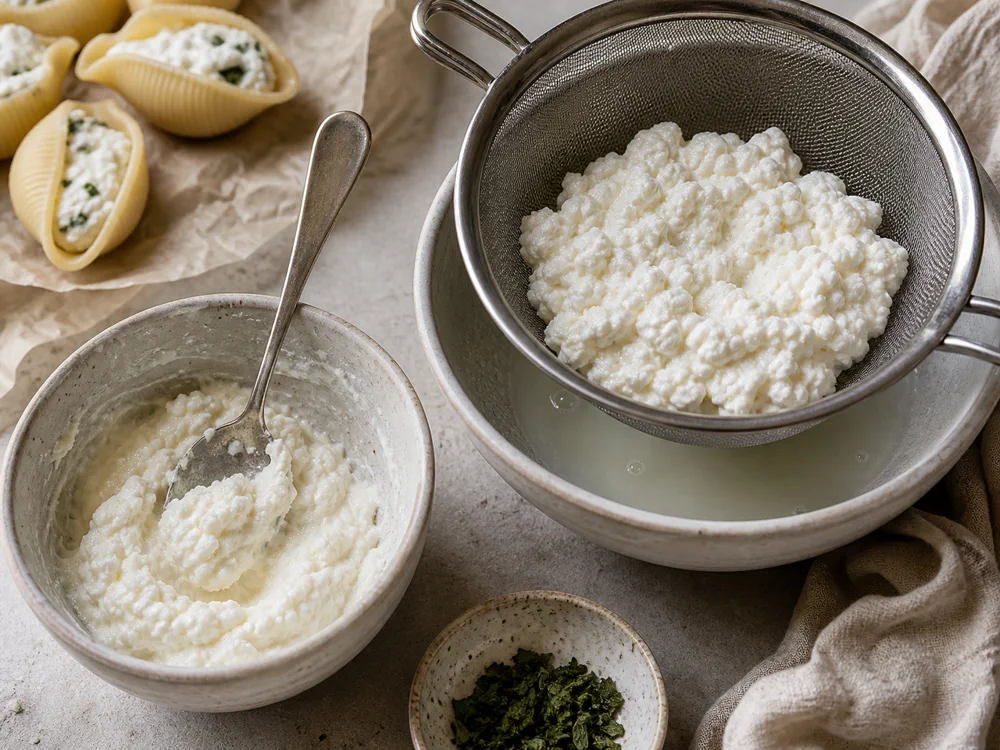
The visual cue is simple. You want thick, spoonable filling, not loose curds floating in liquid.
If the mixture slides off the spoon before baking, add a binder such as egg, grated Parmesan, or breadcrumbs only after the dairy has been drained.
For lasagna, do not chase a perfectly smooth puree unless the recipe needs it. A slightly textured filling can feel closer to ricotta than a completely whipped one.
This section is where the substitute decision is won or lost. Once a wet filling is layered into pasta, the oven will expose the problem rather than fix it.
Why Do Sweet Fillings Need Mildness More Than Curds?
Cannoli-style filling, ricotta cheesecake, and sweet pancakes care less about visible curds and more about flavor. Cottage cheese can work only after blending very smooth, and even then it can taste tangier than the dessert expects.
Mascarpone's cream body often makes it the better dessert substitute because it brings richness without the obvious curd texture. It is not a perfect copy of ricotta, though.
It is heavier and less grainy, so the final dessert can feel more like cream than fresh cheese.
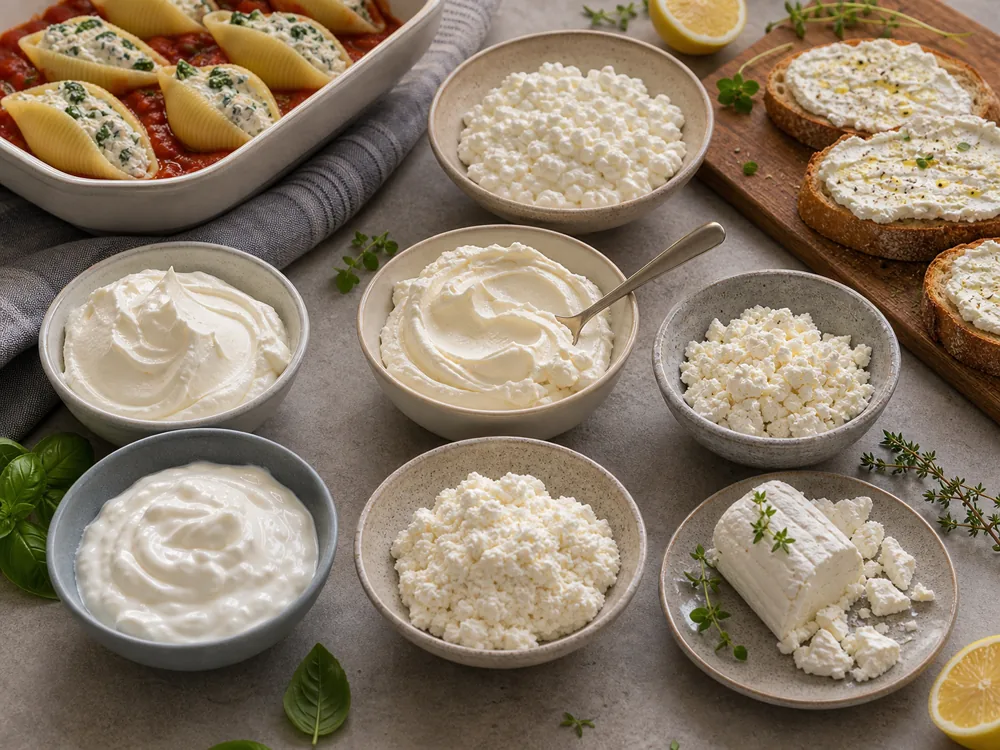
If the dessert must pipe, slice, or hold a clean shape, cream cheese can help, but it needs milk, cream, or yogurt to loosen the block texture. That tradeoff is similar to the cream cheese and mascarpone split: structure helps the dessert stand, but too much tang changes the flavor.
When the dessert is lemony or chocolate-heavy, that tang can hide better. In a plain vanilla filling, it shows quickly, so start with a richer mild option before reaching for a dense spreadable block.
The spoon test helps here too. A dessert filling should mound softly and smooth out with a few strokes.
If it holds stiff ridges like frosting, thin it before piping. If it puddles, chill it or add a thicker dairy before it goes into pastry.
For sweet work, the best substitute is the one that does not announce itself. Richness helps, but mildness matters more when vanilla, citrus, chocolate, or fruit is supposed to lead.
When Do Dryer Fresh Cheeses Work in Savory Fillings?
Some ricotta substitutes solve the opposite problem. Instead of being too wet, they are drier and firmer, which can help in vegetable-heavy fillings, blintzes, savory tarts, or baked pasta that already has plenty of sauce.
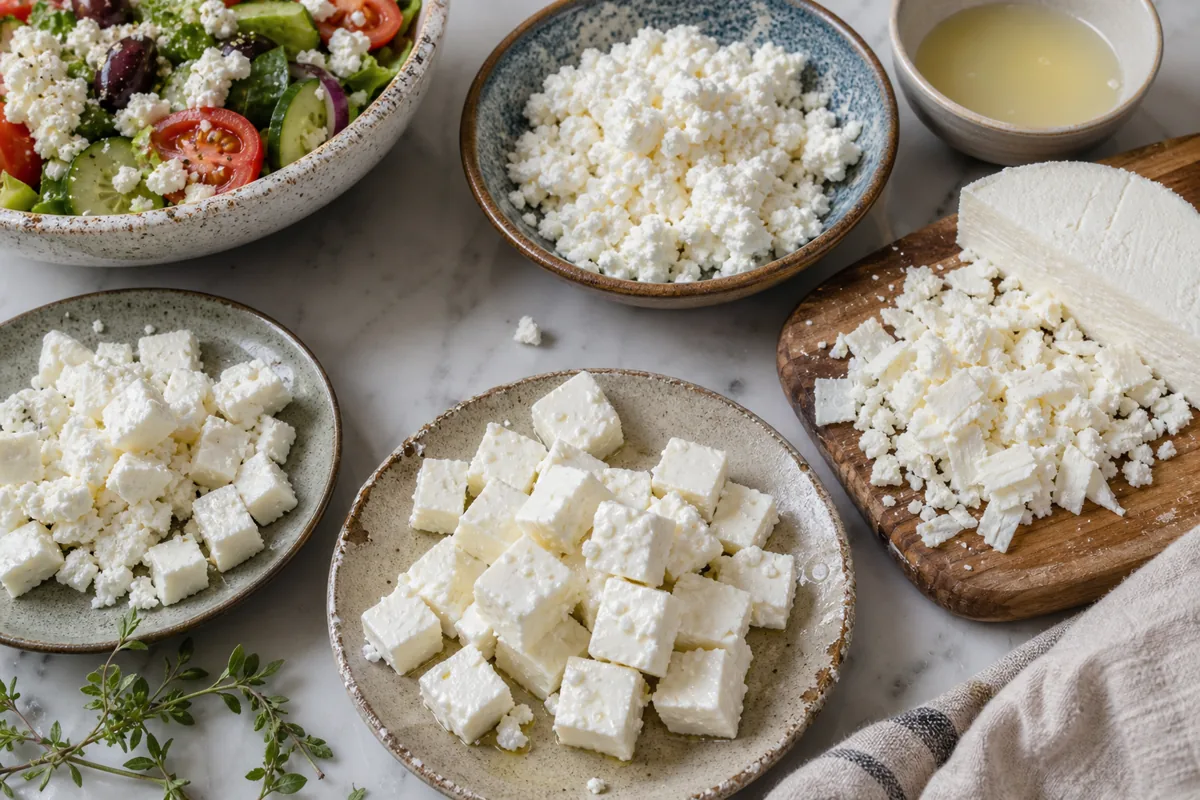
Pressed fresh curd can be useful because it gives body without as much whey. Fresh Mexican crumble can work in savory mixtures, but it is saltier and less creamy.
Fresh goat cheese tang belongs where acidity is part of the dish.
Think about what the filling sits beside. Mushrooms, spinach, onions, and sausage can handle a drier or tangier cheese.
Delicate lemon pancakes or mild cheese blintzes need a calmer dairy flavor, so farmer cheese or blended cottage cheese usually beats goat cheese there.
| Dish job | Better substitute | Why it works |
|---|---|---|
| Spinach stuffed shells | Drained cottage cheese | Curds soften and blend with egg, herbs, and grated cheese. |
| Blintz filling | Farmer cheese | Drier curds keep the filling from leaking. |
| Savory tart | Goat cheese | Tang can balance vegetables, onions, or herbs. |
| Crumbled topping | Queso fresco | It crumbles cleanly but does not mimic ricotta creaminess. |
That distinction keeps the swap honest. A cheese can be useful in a ricotta recipe without tasting or feeling like ricotta.
Where Cream Cheese and Stretchy Cheese Break the Dish
Cream cheese looks tempting because it is smooth and easy to find, but it is denser and tangier than ricotta. In a baked pasta filling, it can turn a soft dairy layer into a firm spread unless you loosen it first.
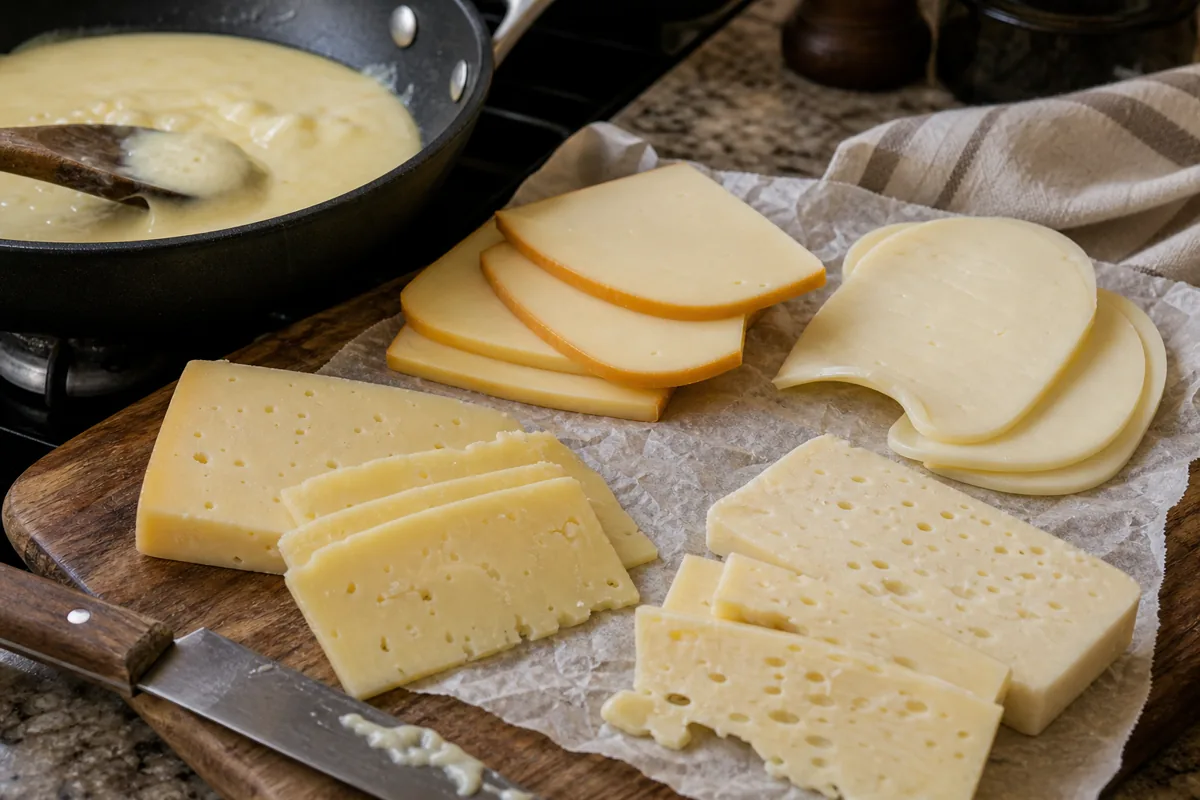
Fresh mozzarella has the opposite problem. It melts and pulls instead of setting into a soft layer.
That makes it useful on top of lasagna, but not inside a filling where ricotta is supposed to stay tender and spoonable.
- Use cream cheese: when the recipe is a dip, spread, or firm filling that can handle tang.
- Thin cream cheese first: with milk, cream, yogurt, or a little pasta water before folding it into a mixture.
- Avoid mozzarella inside filling: because it stretches and pulls instead of staying soft.
- Use goat cheese carefully: because its acidity can dominate mild pasta or dessert fillings.
Do not replace ricotta filling with shredded mozzarella. It changes the structure from soft dairy layer to melted stretch, so the dish no longer eats like a ricotta filling.
If you need both structure and mildness, mix a small amount of cream cheese into drained cottage cheese rather than using cream cheese alone. That gives the filling body without turning the whole dish into a tangy block-cheese layer.
Use mozzarella as a partner, not the replacement. Let a grated layer on top brown and stretch while the ricotta substitute underneath stays soft, so each cheese keeps its own job.
How Should You Make Dairy-Free Ricotta Work?
Dairy-free ricotta substitutes need a different expectation. Silken tofu can become soft and spoonable, but it needs olive oil, salt, lemon, garlic, herbs, or nutritional yeast to taste intentional.
Firm tofu works better when you want visible crumbles. Press it, break it by hand, then season before it goes into pasta.
For a smoother vegan filling, blend silken tofu with a little oil and acid, then let it sit so the seasoning reaches the whole bowl.
Do not judge a dairy-free mixture by color alone. Many tofu or nut mixtures look pale enough to pass, but the flavor needs salt, fat, and acidity to avoid tasting flat inside pasta.
The best version tastes like a seasoned filling, not like plain tofu pretending to be cheese.
- For red-sauce pasta: add more salt, olive oil, garlic, and lemon than the bowl seems to need.
- For herb fillings: let basil, parsley, or chives sit in the mixture for a few minutes before judging flavor.
- For sweet fillings: do not use a garlic-heavy tofu mix; choose a neutral blended base and add sugar, vanilla, or citrus separately.
For dairy-free lasagna, season the substitute more strongly than you would season ricotta. Pasta, sauce, and vegetables will mute the filling once everything bakes together.
Nut-based ricotta alternatives can taste richer, but they depend on the recipe. Cashew cream can work in a baked pasta, while almond-based mixtures can feel grainy if they are not blended very smooth.
The swap should taste good before baking. If it tastes flat in the bowl, the finished lasagna will not become dairy-like in the oven.
How Should You Fix Moisture Before the Recipe Moves On?
The last repair pass happens before the filling touches noodles, shells, pancakes, pastry, or toast. Once the dish is assembled, ricotta-substitute mistakes become harder to hide.
Drain first when the substitute is loose. Thin first when the substitute is dense.
Season last, because salt pulls more liquid from curds and can make a filling look wetter after a few minutes.
If the recipe is pasta-heavy, check the whole pan, not only the dairy. A sauce from the pasta cheese lane may already add salt, fat, or sharpness, so the substitute should stay mild enough to support it.
- Too wet: drain in a sieve, then press gently with a spoon.
- Too curdy: pulse briefly, but stop before the mixture turns gluey.
- Too dense: loosen with milk, cream, yogurt, or pasta water.
- Too tangy: add mild dairy or a small amount of grated hard cheese instead of more acid.
- Too bland: add salt, herbs, citrus zest, or grated cheese after the texture is fixed.
Fresh dairy also has a short clock. Opened tubs and prepared fillings should stay cold and covered, and the usual fresh cheese storage rules matter more here than they do for aged wedges.
Freezing cheese filling works best when the next use is baked, because thawed curds can turn looser.
Texture first, seasoning second, baking last. If the substitute is wet or lumpy before assembly, the oven will not make it behave like ricotta.
That rule keeps the swap practical. You do not need the substitute to be identical.
You need it to hold the role ricotta was playing in that specific recipe.