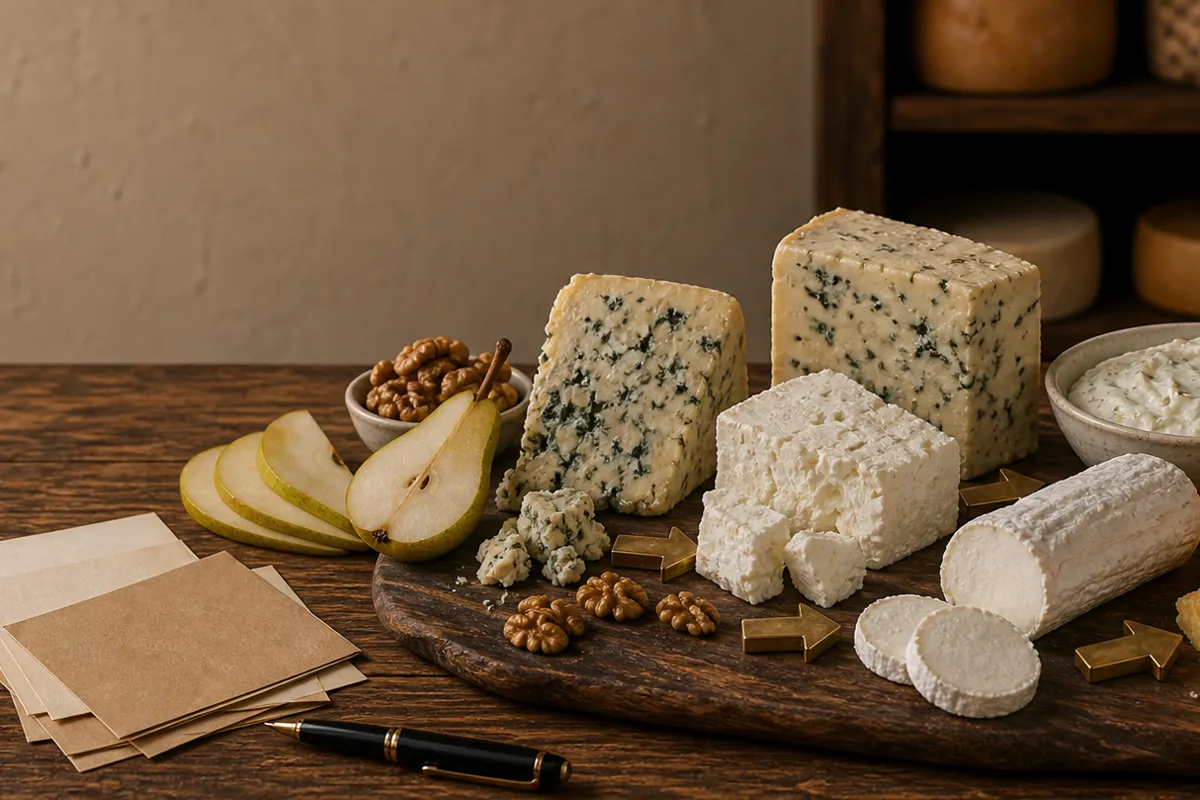
Gorgonzola dolce is a useful mild replacement when a recipe needs blue cheese flavor in a dressing or sauce. For a salad without that flavor, feta gives you salty crumbles and fresh goat cheese gives you tangy, softer pieces.
The right choice depends on what the cheese does in the dish. A creamy wedge that blends into dressing will not behave like dry crumbles scattered over lettuce, and a non-blue cheese will change the flavor even if the texture works.
In This Article
7 Blue Cheese Substitutes for Dressing, Salads, and Boards
| Substitute | Useful for | Main difference to allow for |
|---|---|---|
| Gorgonzola dolce | Creamy dressing and pasta sauce | Soft and mild rather than a firm, sharp crumble |
| Danish blue | Salads and blue cheese sauces | Choose the product's texture and add salt after tasting |
| Stilton | Crumbled toppings and cheese boards | More texture than a soft, spreadable blue |
| Roquefort | A pronounced blue flavor in dressing or salad | A sheep's-milk cheese, not a mild replacement |
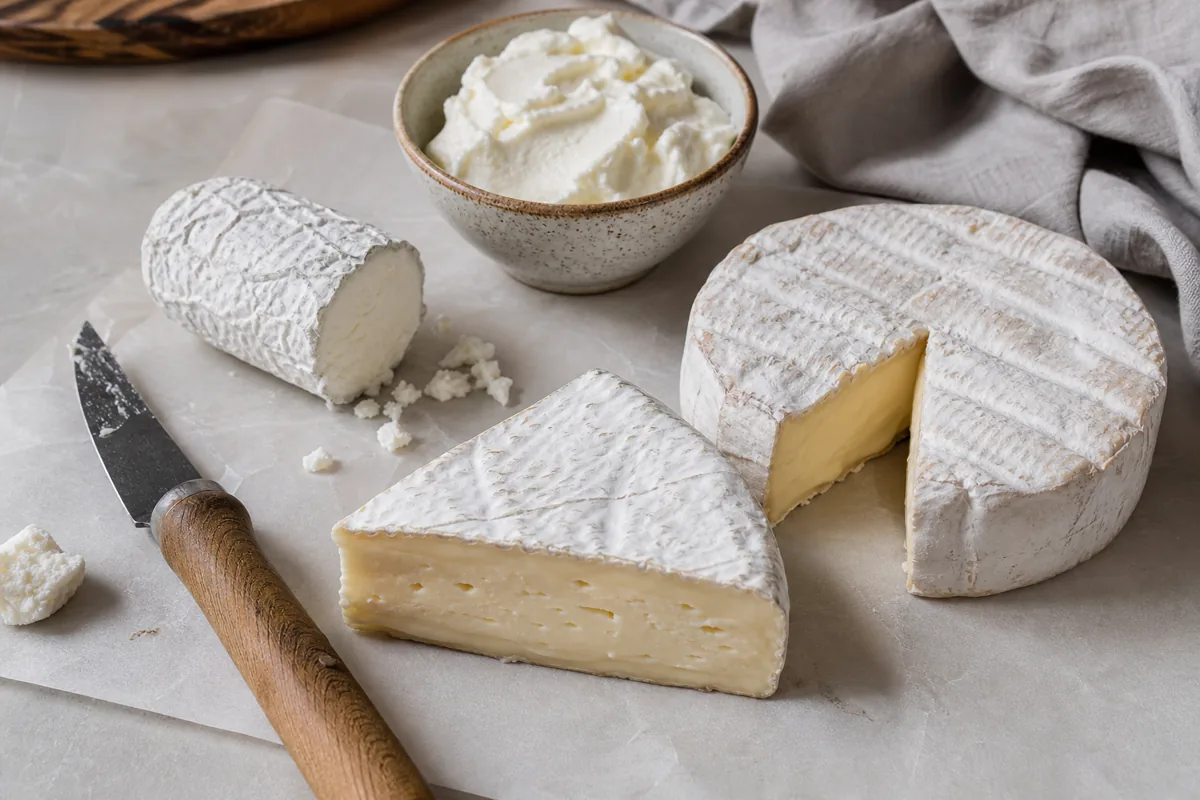
| Cambozola Classic | A creamy wedge for bread or a board | Soft-ripened texture with a rind |
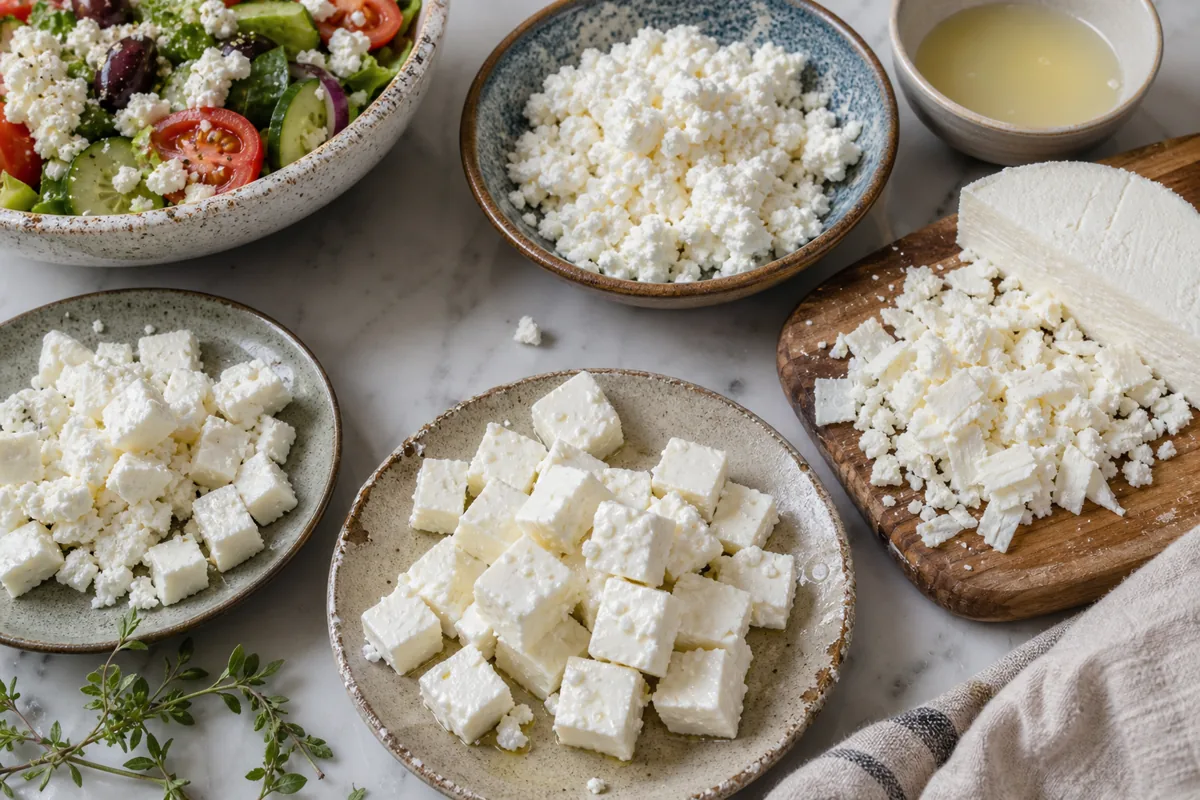
| Feta | Salty salad crumbles without blue flavor | Briny and tangy, with no blue mold character |
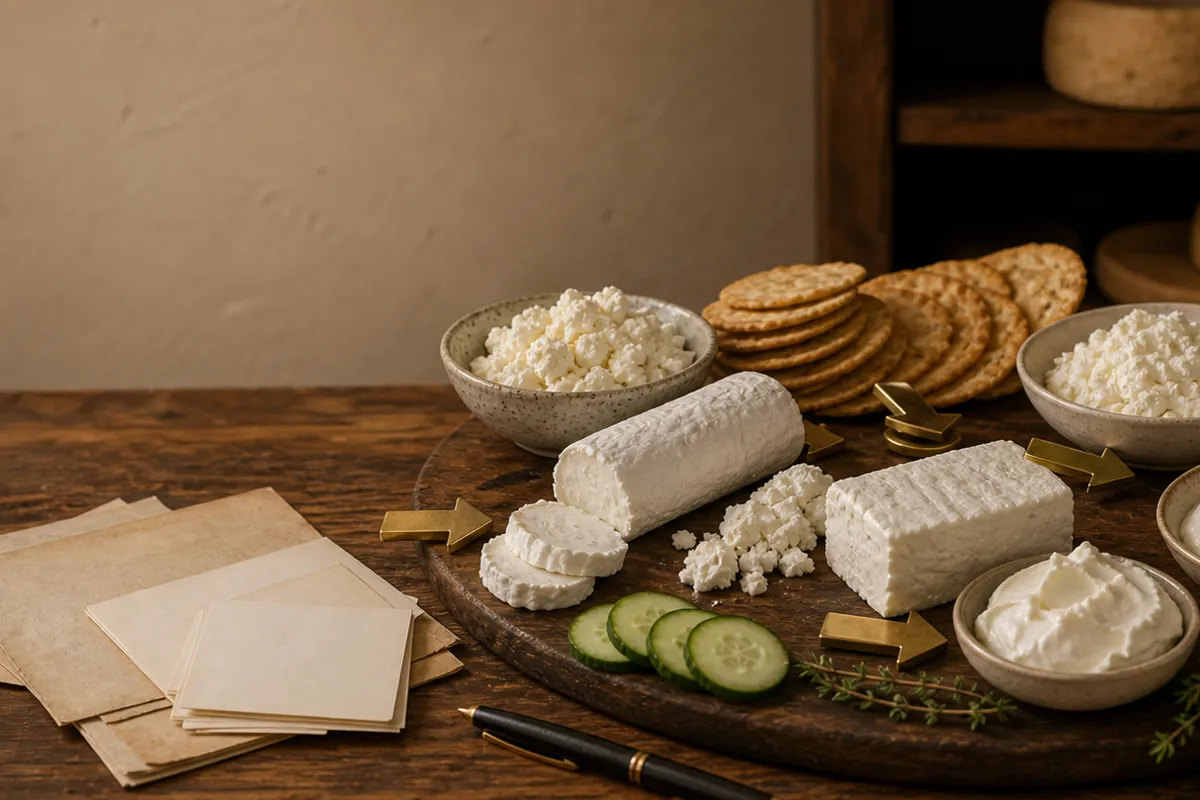
| Fresh goat cheese | Soft salad pieces or a tangy spread | Creamier texture and no blue flavor |
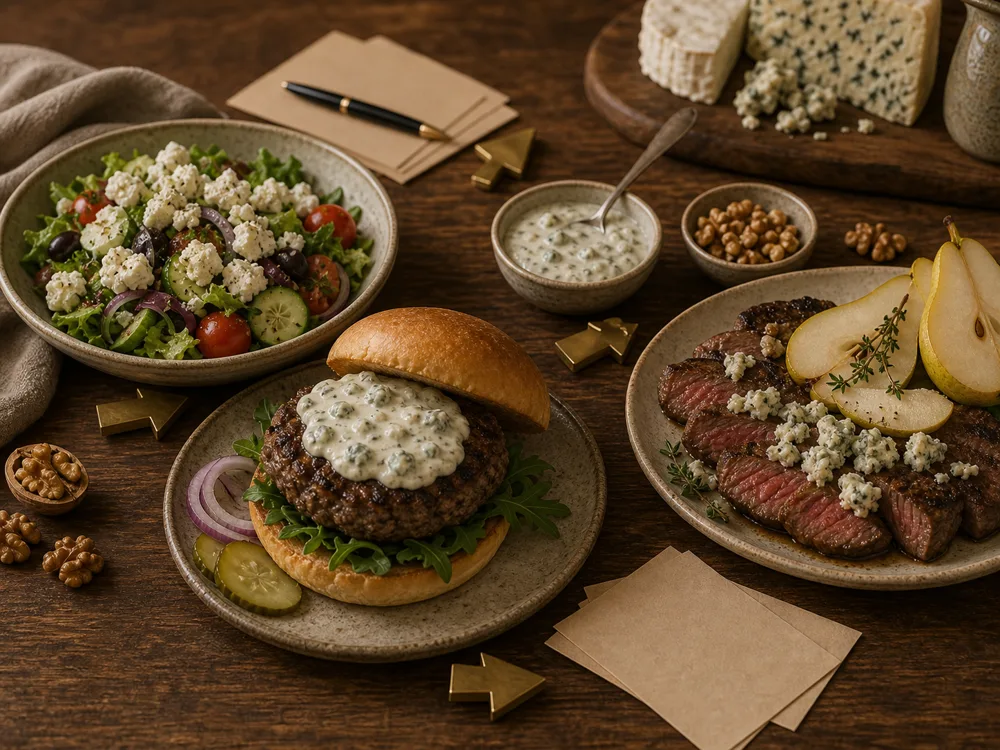
1. Gorgonzola dolce for a gentler blue dressing
The Gorgonzola consortium distinguishes soft, creamy dolce from the firmer, stronger piccante style. Look for dolce on the label when your reason for replacing blue cheese is its intensity.
Mashing the cheese into a little of the dressing base first makes it easier to distribute through the rest. In a salad that needs distinct crumbles, a firmer blue is easier to portion than a very ripe, soft piece of dolce.
2. Danish blue for sauces and everyday salads
Danish blue is another real blue cheese option, so it preserves the basic flavor that feta cannot supply. Arla lists Danablu for sauces, salads, and pizza, which makes it a practical choice when a recipe simply asks for blue cheese.
Wedges and prepared crumbles are useful in different ways: a wedge lets you mash a portion into sauce, while crumbles are convenient for a topping. Add the cheese before the recipe's final salt adjustment, especially if the dish also contains bacon or olives.
3. Stilton for crumbles and a cheese board
Stilton suits a dish where pieces of cheese should remain noticeable, such as a pear salad or a topping added after cooking. On a board, it also gives guests a blue cheese they can cut from a wedge.
For dressing, mash some of the cheese into the base and keep some crumbles back if you want texture. The Stilton association recommends using it sparingly in cooking, so taste the first addition before committing the entire amount called for with an unspecified blue.
4. Roquefort when you want a pronounced blue flavor
Roquefort is made from raw sheep's milk under its protected specification. It is a deliberate flavor change from a mild cow's-milk blue, especially in a simple dressing with few other ingredients.
This is a better choice for someone seeking a strong blue than for someone who dislikes blue cheese. Start with a small amount, then taste the dressing for salt and strength before adding more.
5. Cambozola Classic for a soft wedge
Cambozola Classic combines a creamy, soft-ripened body with blue veining. That makes it useful beside bread and fruit when the missing blue cheese was part of a board.
Its rind and soft texture make it less convenient for small, dry crumbles.
For a smooth dressing, Gorgonzola dolce is easier to work with.
6. Feta when you want salt and crumble without blue flavor
Feta can fill the salty-cheese role in a salad with fruit, nuts, or roasted vegetables. Drain it before crumbling so its packing liquid does not dilute the dressing.
Blended into a creamy base, it makes a feta dressing.
Taste before adding lemon or vinegar. Feta already contributes tang as well as salt.
7. Fresh goat cheese for a softer, tangy result
A plain fresh goat cheese works when you want soft pieces in a salad or a spread beside vegetables and bread. This means the fresh, rindless style, rather than an aged goat cheese with a firm rind.
Place small pieces on the finished salad if you want them to remain distinct. Stirring them through the dressing changes the dish toward a creamy coating, which can be useful but will not imitate a firm blue crumble.
How Much Should You Use in Dressing or a Cooked Dish?
For a salad topping, buy the weight the recipe gives for blue cheese and scatter it to taste. For dressing or sauce, start with part of that weight, taste the mixture, then add the rest a little at a time, because salt, ripeness and texture differ from one substitute to the next.
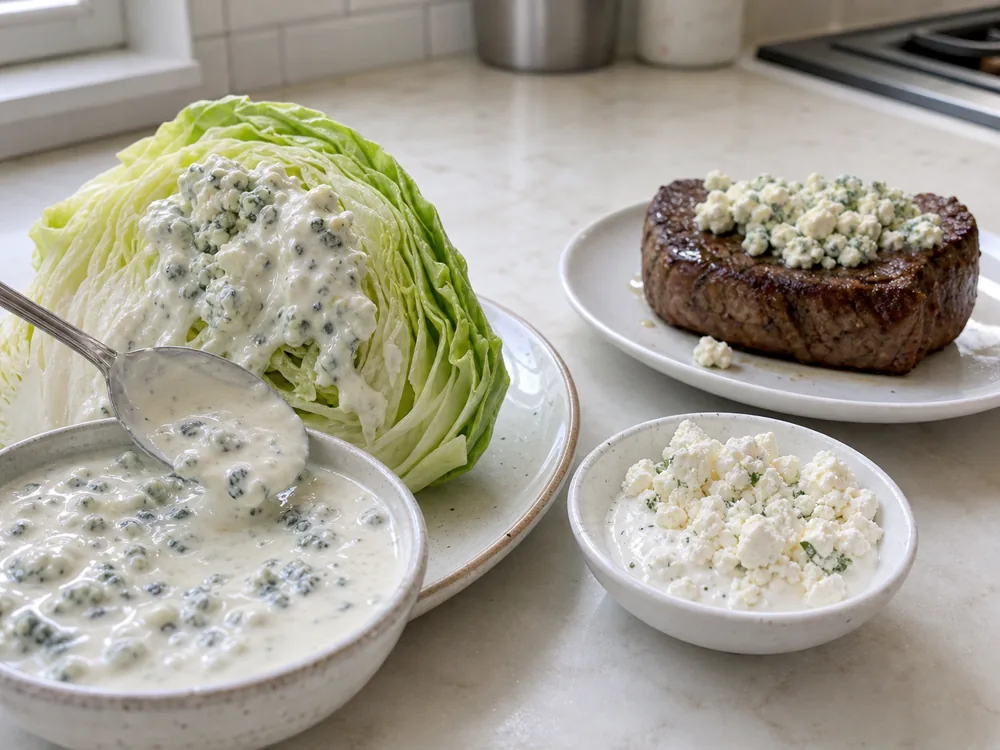
A thicker dressing may need a little more of its existing liquid ingredient after the cheese is incorporated. If it becomes too thin, adding more sharp cheese just to thicken it can overwhelm the flavor, so begin with less liquid when working with a particularly soft cheese.
In a cooked sauce, add small pieces over gentle heat and stir before deciding whether it needs more cheese. If your purpose is to avoid blue cheese entirely, build the dish around feta or fresh goat cheese and accept their different flavor instead of expecting them to reproduce it.