Cheese Profile

Bucheron: Why the Core Stays Chalky and the Edge Turns Creamy

Bucheron is the Loire goat log with a creamy outer ring and chalky center. Learn how ripeness, pairings, storage, and buying cues change its best serving stage.

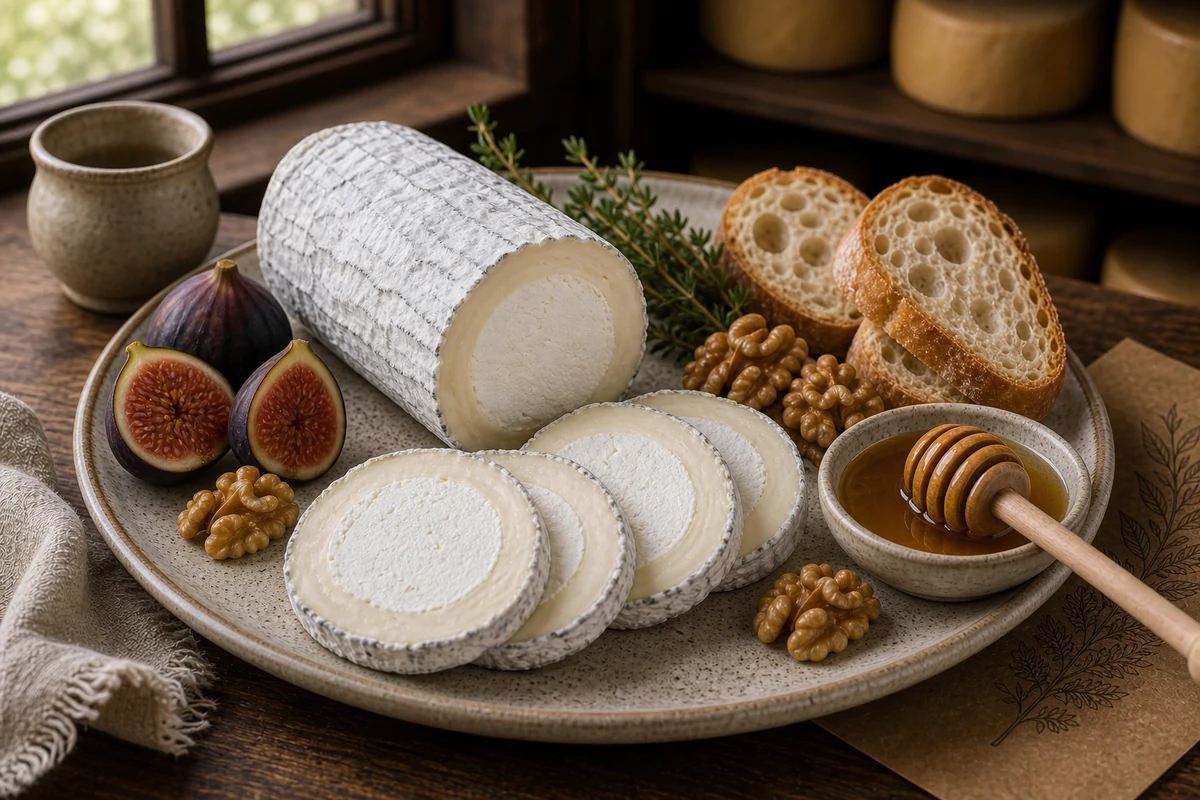
Bucheron-style goat cheese log and slices with bloomy rind, figs, walnuts, and honey - Bucheron cheese | KnowTheCheese
KEY FACTS
TYPEFrench rind-ripened goat cheese log
ORIGINLoire Valley, France
AGINGOften 5 to 10 weeks
MILKGoat's milk
FORMATLog cut into medallions or short wedges
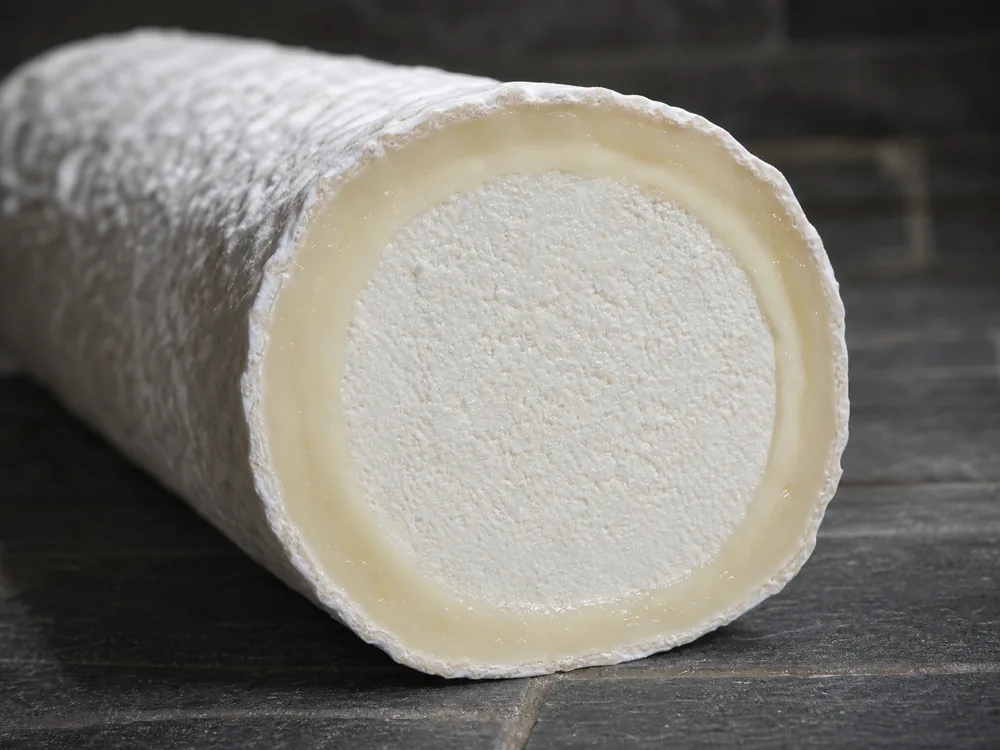
MOATCreamy outer ring with a chalkier center

Bucheron is the Loire goat log to buy when you want one slice to show two textures at once. Its outside-in ripening keeps the center brighter and firmer while the edge turns creamy.

The rind softens the edge while the center stays brighter and drier for much of its best window. That contrast is the whole point, not a defect.

The log shape, chalk-to-cream balance, serving stage, and condition of the cut face determine whether Bucheron works best as a tidy medallion or a richer spread.

What Bucheron Is and Why the Log Shape Matters

Bucheron is a French goat's milk log from the Loire Valley with a wrinkled white rind and a compact ivory interior. It sits between fresh chevre and fully softened goat bloomy-rind cheeses, which gives it a more layered bite than either extreme.

The French word bûche describes the cylindrical log format used for many goat cheeses, so a package shaped like Bucheron does not guarantee the same rind, aging period, or two-zone paste.

Traditional French goat logs commonly use slow lactic coagulation with only a small amount of rennet. Specific Bucheron products may differ by producer, milk treatment, weight, and aging, which makes the label more useful than the shape when you need an exact match.

Slow acid development creates a moist, fine curd rather than the springy paste of a heavily pressed cheese. After draining and shaping, the rind flora use acidity near the surface and begin breaking down the paste, which is why the edge softens before the center.

That production path explains why two cuts sold under the same name can feel different, since a smaller log, longer aging period, or warmer retail case can widen the cream line faster while a younger and colder piece keeps more of its chalky center.

The log shape is not decorative. It gives you broad cross-sections, clean medallions, and a clear read on how the cheese ripens from the outside inward.

A medallion cut across the full diameter gives every serving some rind, softened edge, and center, while a lengthwise wedge can overrepresent one zone and hide the ripeness contrast.

  • Milk: Goat's milk keeps the flavor tangy and bright even when the outer ring grows richer.
  • Format: Short logs or cut sections make it easy to serve even medallions instead of uneven chunks.
  • Rind: The wrinkled white rind is edible and helps drive the softening at the edge.
  • Texture story: Younger pieces show a firmer chalkier center, while riper pieces widen the creamy band.
  • Best lane: It is strongest as a board, toast, and composed-salad cheese rather than a generic cooking log.
TextureCreamy near the rind, firmer and chalkier at the center when younger
RindWrinkled white bloomy rind
AromaFresh goat milk, cream, light cellar earth
FlavorTangy, lemony, lightly earthy, and richer at the edge
Best roleMedallion cheese for boards, salads, and toast

If you only want direct tang, fresh goat-cheese logs usually solve the job more cheaply. Bucheron earns the extra attention when you want rind influence and texture contrast in the same slice.

The Chalky Core and Creamy Edge Tell You When to Serve It

The chalky center tells you the cheese still has young lactic structure. As Bucheron ripens, the rind softens the paste from the outside inward, so the cream line widens before the middle fully relaxes.

The cut face is more useful than the outside of the log because the rind can look evenly white while the cream line underneath has already widened substantially.

Bucheron log slices showing chalky core and creamy edge - Bucheron cheese | KnowTheCheese
Bucheron ripeness is easiest to read where the chalky center meets the creamier rind-softened edge.

That is why one log can solve different jobs on different days. A firmer center gives you tidier salad coins, while a softer ring makes the cheese richer on toast or crackers.

Temperature changes the contrast you perceive without changing the actual maturity. Straight from the fridge, the creamy ring feels firmer and the center can seem muted, while a short rest makes the edge more supple and lets the goat milk aroma open.

Cut only the amount you plan to serve before warming it so the remaining log does not move repeatedly between cold storage and room temperature.

Compared with bloomy-rind Brie, Bucheron keeps a brighter center even when the edge turns lush. Goat milk keeps the middle lemony and clean instead of letting the whole paste drift into mushroomy softness.

  • Younger cut: The center looks matte and chalky, and the rind-softened band stays narrow.
  • Mid-ripe cut: The creamy ring is obvious, but the center still holds enough structure to show the contrast.
  • Further ripened: The middle softens, the tang rounds out, and the whole slice feels richer and less dramatic.
  • Past peak: Strong ammonia on the nose means the rind has moved faster than the center can support.
Young cut
The center is chalkier and the rind-softened band stays thin. This stage is best for salads, tidy medallions, and brighter goat tang.
Board sweet spot
The creamy ring widens while the center still shows real structure. This is the clearest version of the two-texture story.
Further ripened
The center softens and the whole cheese reads richer and more unified. This stage is best for toast, crackers, and warmer service.

The best buying window is usually mid-ripe, when both zones still show clearly. Once the center nearly disappears, you are buying a creamier soft-ripened cheese and less of the classic Bucheron contrast.

A narrow cream line is not lower quality if you need clean salad slices, and a wide line is not automatically better if the piece must travel or hold shape on a board.

Loire Goat-Cheese Traditions Give This Log Its Lane

The Loire Valley is what turns this log from a shape into a style. In broader French regional cheese, this area built its reputation on goat cheeses with clear lactic flavor, readable ripeness, and formats that show well on the table.

Bucheron tells that story through the log itself. The cheese is less about ash, straw, or a tight village shape and more about letting the cross-section explain the ripening.

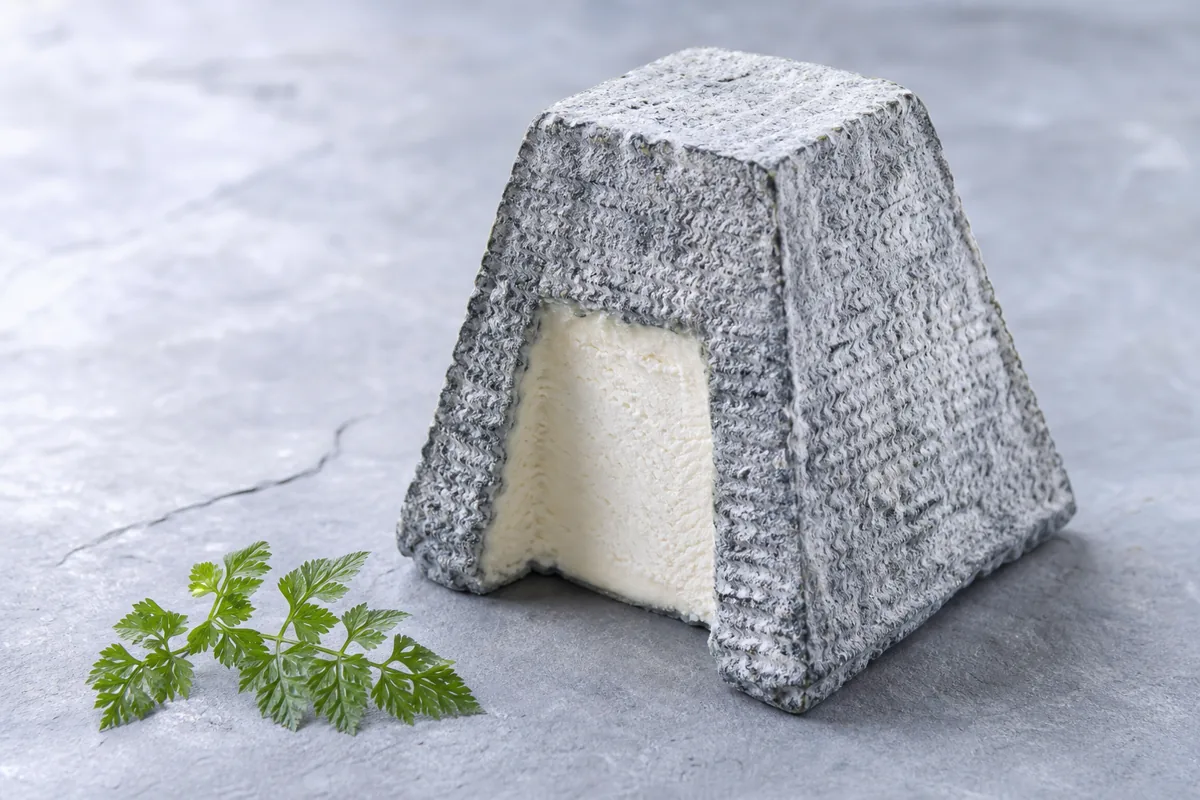
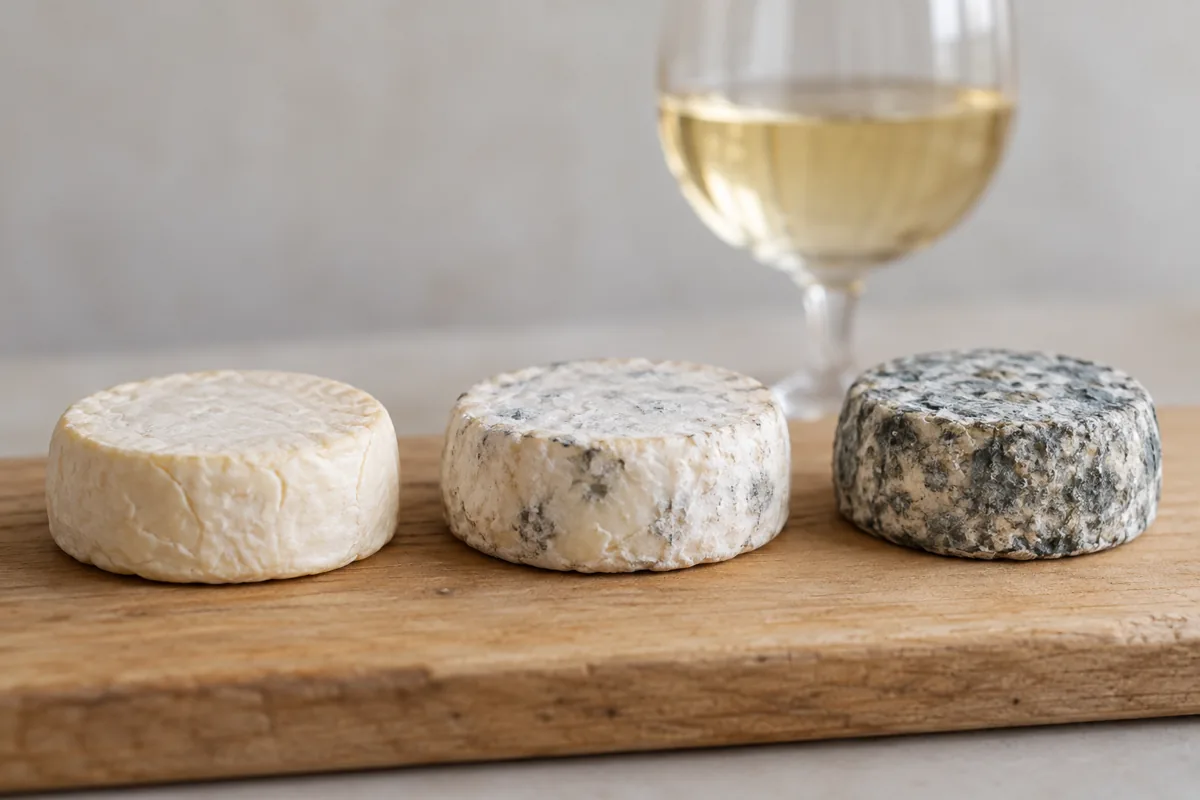
Bucheron-style log beside Loire goat cheese pyramid, puck, and drum shapes - Bucheron cheese | KnowTheCheese
Loire goat cheeses use shape as a practical signal, from Bucheron's repeatable log slices to ash-coated pyramids, low pucks, and compact drums.
  • Regional family: Loire goat cheeses often prize freshness, shape, and a clean tang before heavy cellar depth.
  • Format logic: A log cuts into repeatable medallions, which helps sellers and hosts show the rind-to-center ratio clearly.
  • Flavor goal: The tang should stay visible even when the outer ring grows creamier and more earthy.
  • Buying decision: Choose the amount of ripeness contrast you want in each slice, not only the goat milk category.

If you like an ash-coated Loire shape, ash-rind Valençay pushes the regional identity in a firmer and more mineral direction. Its pyramid form and ash rind create a different kind of board presence.

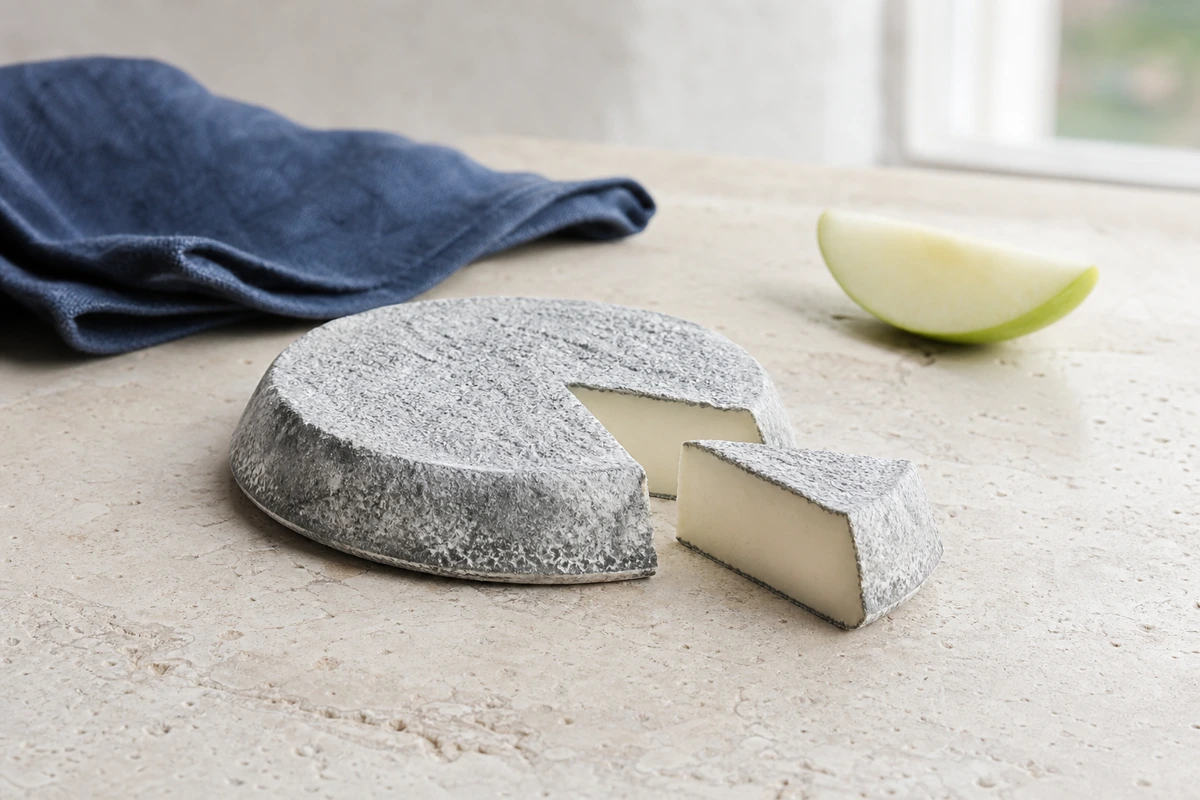
A Selles-sur-Cher puck is smaller, more compact, and builds stronger cellar personality than Bucheron because its tighter form makes the rind shape more visible across the age curve.

For a tighter aging ladder, a drier Crottin de Chavignol moves from soft and milky to drier and nuttier with far less creamy outer spread. Bucheron stays friendlier to medallion service for a longer stretch.

Best Uses Depend on Whether You Want Contrast or Cream

Bucheron works best when the dish respects both textures instead of melting them into one mass. The best uses keep the rind-softened edge intact and give the center room to stay slightly firmer.

That makes it better on composed toasts, salads, and mixed boards than in heavy cheese sauces. If you want a uniformly lush soft-rind bake, a ripe Camembert wheel does that job more directly.

Use younger medallions for brief oven heat and add riper pieces near the end because their softened edge can run before the center warms through.

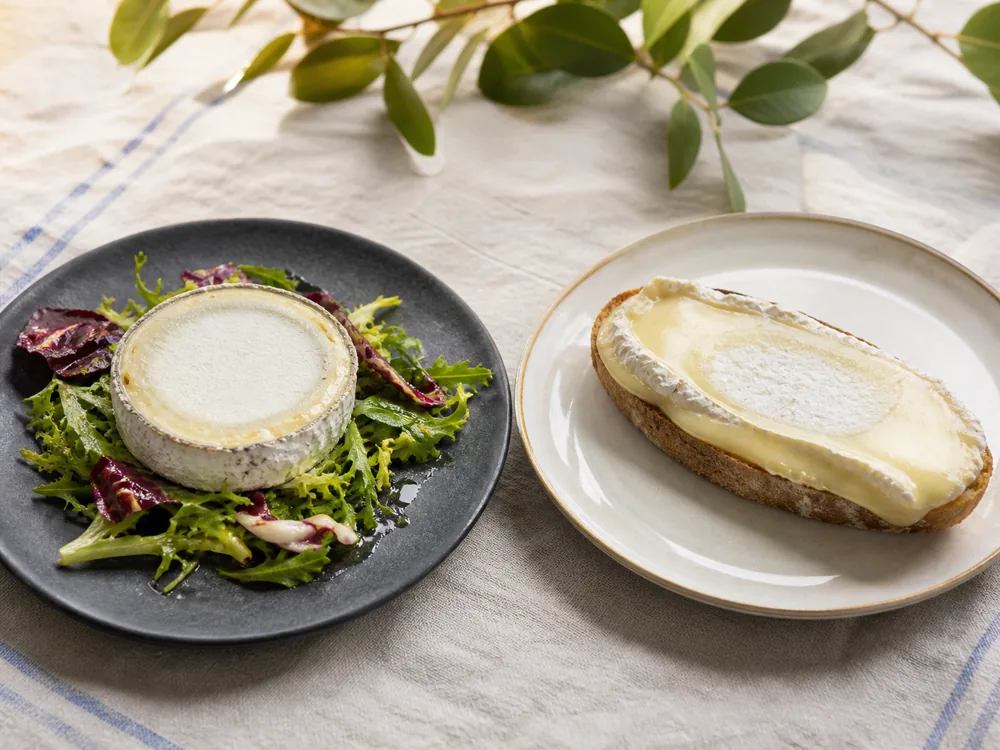
Young Bucheron on bitter leaves beside ripe Bucheron spread on toast - Bucheron cheese | KnowTheCheese
Younger Bucheron keeps enough structure for a salad, while a riper medallion spreads more smoothly across warm toast.
UseHow It Works
Use 1Serve medallions on a cheese board when you want guests to see the creamy ring and chalkier center together.
Use 2Lay thicker slices on toast or crostini when you want the edge to soften without losing the center entirely.
Use 3Cut younger coins over salads where the firmer core helps the cheese hold shape and stay bright.
Use 4Use in simple warm dishes, but keep the heat gentle so the rind softens instead of collapsing the whole slice.
  • Board service: Mid-ripe medallions are the clearest expression because both zones stay visible.
  • Warm toast: A slightly riper cut spreads better and feels richer without turning runny.
  • Salads: Younger slices hold edges better and keep the lactic tang sharper against greens.
  • Light baking: Brief heat works, but long baking blurs the contrast that makes Bucheron worth buying.

The cheese rewards small format service. Random chunks hide the log logic and make Bucheron feel closer to generic soft goat cheese than it really is.

Even slices also control intensity because each person receives a similar rind-to-center ratio instead of one mild chalky chunk and one rind-heavy piece.

Pairings Should Match Tang First and Creaminess Second

Match the tang first and chase richness second. Crisp acidity, dry bubbles, and lightly sweet fruit usually do more work than heavy tannin.

The creamy ring still matters, so the pairing should not feel thin or sharp. You want contrast with enough body to handle the rind-softened edge.

A young cut with a narrow cream line suits a lean Sauvignon Blanc or dry cider because both keep pace with the lactic center without adding weight.

As the cream line widens, dry sparkling wine becomes more useful because bubbles reset the palate after the softer edge. A light low-tannin red can work at cellar temperature, but a powerful red makes the rind taste more bitter and hides the lemony center.

Sweet accompaniments should stay small enough to frame the tang, so use a thin touch of honey or one slice of ripe pear instead of covering each medallion with jam.

PairingTypeWhy It Works
SancerreWineLoire Sauvignon Blanc mirrors the cheese's fresh acidity and keeps the rind-softened edge from feeling heavy.
Cremant de LoireWineDry Loire bubbles lift the cream line and scrub the palate clean between bites of richer mid-ripe medallions.
Honey and walnutsFoodA small touch of sweetness and crunch works well when the center is still bright and the rind has started to soften.
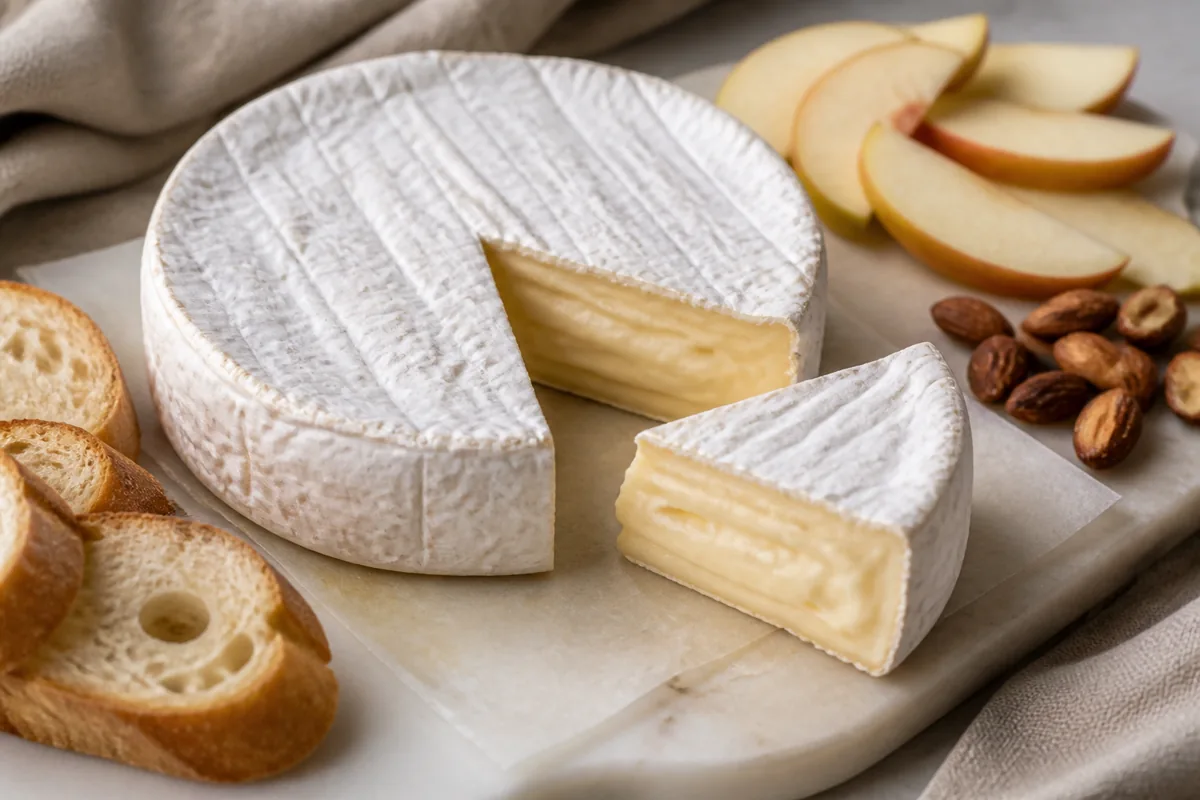
Apple slicesFoodCrisp apples add acid and texture, which keeps Bucheron from reading too dense on a mixed board.
  • Avoid big reds: Tannic reds flatten the tang and make the rind feel more bitter than it should.
  • Use dry bread: Plain baguette or crisp crackers let the chalk-to-cream contrast stay readable.
  • Go light on jam: Too much sweetness can hide the clean goat-milk finish that makes the cheese interesting.

Storage Works Best When the Rind Can Breathe

A living rind-ripened cheese wants balance in storage rather than maximum sealing. You need enough protection to stop drying, but enough airflow to keep the rind from turning swampy.

The center and the edge do not age at the same pace once the log is cut. Good wrapping slows that split instead of trapping moisture against the rind.

Cover the exposed face as well as the rind because the center loses moisture fastest after cutting. Replace paper that becomes wet or greasy rather than folding the damp surface back against the cheese.

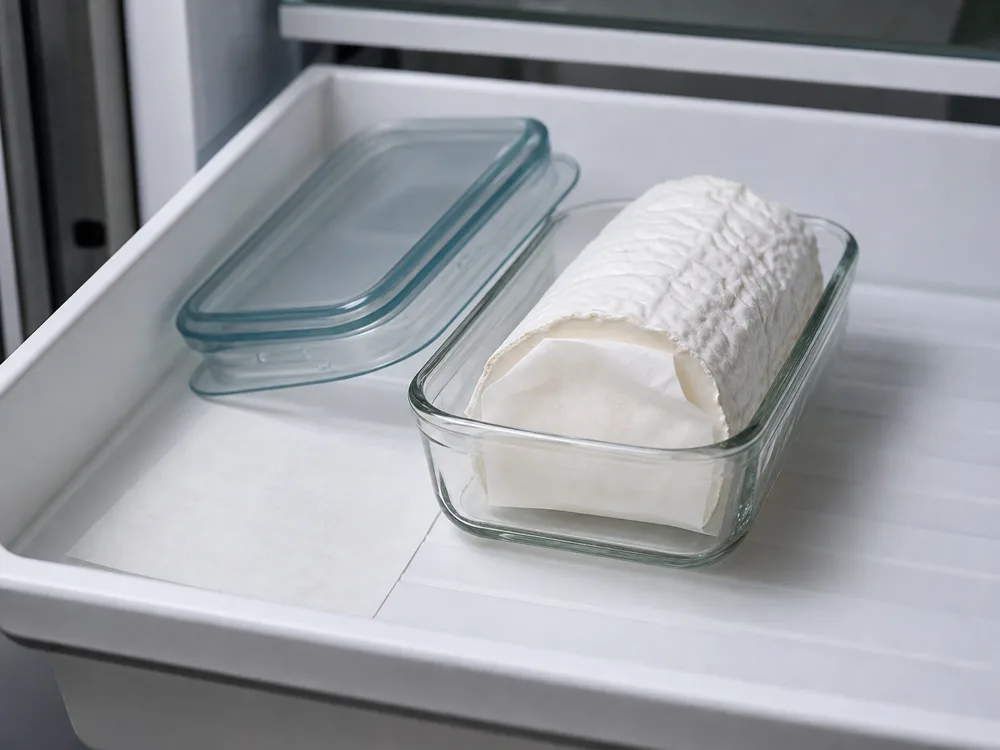
Cut Bucheron log loosely wrapped in cheese paper inside an open glass container - Bucheron cheese | KnowTheCheese
Paper protects the cut log while an outer container with air space keeps the rind from sitting in trapped condensation.
STORAGE GUIDE
Fridge Temperature
35-40 degrees F
Best Location
Cheese drawer or a lidded box with some air space
Wrapping
Cheese paper or wax paper first, then a loose outer layer
Opened
Best within 4 to 6 days after the cut face opens
Unopened
Use by the shop date, but check aroma and cream-line balance before serving
Freezing
Do not freeze unless you accept major texture loss
Room Temp / Serving
Let it warm 30 to 45 minutes before serving

Breathable paper protects the cut without trapping the wet rind conditions that quickly erase Bucheron's texture contrast.

Normal ripening can bring a stronger goat aroma and a softer cream line, but a slimy rind, unexpected pink or dark growth, or a sharply unpleasant odor is a discard signal rather than a serving-stage preference.

Do not trim suspicious growth from a soft log and keep the center because contamination can extend below the visible surface in high-moisture cheese.

  • Best wrap: Paper against the rind protects the cut face without trapping too much moisture.
  • Bad wrap: Tight plastic makes the rind sticky and dulls the clean goat aroma.
  • Serving prep: A short rest at room temperature wakes up the cream line faster than the center.
  • Leftover plan: Rewrap after each use because exposed cut faces dry out well before the rind does.
✓ DO
Rewrap the cut face after each use with cheese paper or wax paper
Keep the log in the coldest steady part of the fridge, not near the door
Bring slices out shortly before serving so the creamy ring can open
Trim only damaged rind spots, not the whole rind
✗ DON'T
Do not seal Bucheron tightly in plastic wrap for days
Do not leave the log open in the fridge where the cut face can dry hard
Do not freeze it if texture contrast matters to you
Do not ignore ammonia smells on an older cut piece

Storage is part of the buying value here. A small well-kept log can give you several strong servings, but a suffocated one turns flat and messy before the week is over.

Buying by Ripeness Window Beats Buying by Name Alone

The smartest Bucheron purchase starts with your serving plan, not the label alone. You need to know whether you want sharper medallions for salad and boards or a softer piece for toast and crackers.

Ask when the log was cut and how the center looks today because that answer matters more than paying extra for a prettier wrapper.

Read the country of origin, producer, pasteurization statement, and use-by date because the name Bucheron can appear on products with different manufacturing details. A clean label and a fresh cut give you more evidence than a rustic wrapper.

Mid-ripe Bucheron cut compared with a softer collapsed overripe cut - Bucheron cheese | KnowTheCheese
A useful mid-ripe cut keeps a clear cream ring and structured center, while a slack rind and collapsing edge signal a much shorter serving window.
BUYING TIPS
Best Value
A mid-ripe cut with a visible cream ring and a center that still looks matte and structured.
Premium Pick
A well-ripened French cut with an even wrinkled rind and a clean bright cross-section.
What to Avoid
Wet rind, collapsed center, sharp ammonia, or a cut face that looks smeared and tired.
Where to Buy
Independent cheese shops, strong supermarket cheese counters, and French-specialty retailers.
What to Look For
A clean wrinkled rind, clear cream-line contrast, and a cut face that still shows two distinct zones.
  • For boards: Buy the stage where the center still reads clearly and the creamy ring frames it.
  • For toast: Buy a slightly riper piece with a wider cream line and less chalk in the middle.
  • For salads: Buy younger if you want neat coins that hold shape after slicing.
  • For leftovers: Skip overripe pieces because the center and rind will drift apart faster after the first cut.

The gap between how good it is and how easy it is to find is the whole market story. Bucheron is excellent when you find the right cut, but it is less common than broad grocery-store goat cheese and far less forgiving once overripe.

Buy only the amount you can finish during the cut piece's short best window, since a larger bargain section loses value when its cream line collapses before the final servings.

If You Cannot Find Bucheron

The best substitute depends on which part of the cheese matters most to you. Almost no replacement gives you the same goat tang, rind influence, and two-zone cross-section together.

If the main goal is texture contrast, stay in the Loire goat family first. If the main goal is simple creaminess, move toward other soft-ripened cheeses and accept the milk change.

  • Valencay: Best when you still want a French goat board cheese with stronger ash-rind character.
  • Selles-sur-Cher: Best when you want a smaller Loire goat cheese with a firmer puck shape and more cellar edge.
  • Fresh goat cheese: Best when the real need is bright tang, even though you lose the creamy rind-softened ring.
  • Cream cheese: Best only when you need soft spreadability, because the rind, tang, and serving job all change.

If you only need whipped mildness, fresh ricotta moves closer in texture but gives up the rind and most of the tang.

If the real job is salty white-cheese structure, brined feta pulls the plate in a brinier direction. It solves a different problem than Bucheron does.

If the table only needs rich white-rind softness, triple-cream Saint-Andre goes in the opposite direction. It gives you butterfat and spreadability instead of goat tang and a two-zone slice.

Choose the replacement by the dish instead of chasing the name because no single cheese covers every Bucheron role.

Goat Milk Does Not Remove the Allergy or Pregnancy Check

Small portions go a long way with a goat cheese this rich. The chalky center can make it feel lighter than triple-cream cheese, but it still delivers real fat and protein per ounce.

Goat milk remains a dairy allergen and contains proteins that can trigger reactions in people with cow milk allergy. It also is not automatically lactose-free, so individual tolerance does not replace the package information or medical advice.

Soft-ripened
Style class

Use those numbers to plan a board or lunch rather than treating Bucheron like a diet cheese, since it remains a concentrated dairy food.

  • Portion reality: Two or three medallions often feel like enough because the flavor and texture shift across the slice.
  • Protein help: The cheese brings enough protein to feel substantial, not only creamy.
  • Pregnancy caution: Soft-ripened goat cheeses need more care than hard aged cheeses because pasteurization and handling both matter.
CHECK THE LABEL
Pasteurization matters, but Bucheron is still a soft-ripened goat cheese. Pregnant readers should follow current medical advice and buy only from a cold, clearly handled source.

That caution belongs to the style, not only to the milk. When in doubt, ask the seller how it was made and stored before you buy it.

Check the exact package because one Bucheron product may use pasteurized milk while another imported goat log follows different production details.

CDC notes that soft cheeses have more moisture than hard cheeses and require greater care around Listeria risk. Pasteurization lowers risk from the milk, but hygienic production, refrigeration, and handling still matter after the cheese is made.

SOURCES & REFERENCES

1.
Montchevre reference
Reference profile, used for origin, milk, texture, and rind description.
2.
Murray's Cheese reference
Reference profile, used for origin, milk, texture, and rind description.
3.
ANICAP Fromages de chevre industry
Trade body reference, used for category and market context.
4.
Centers for Disease Control and Prevention government
Used for the listeria and pregnancy guidance in this profile.

Bucheron FAQ

Bucheron tastes tangy, lemony, and lightly earthy with more richness at the edge than at the center. Mid-ripe cuts also show a creamy ring around a brighter chalkier middle.

Yes. In a younger or mid-ripe cut, the chalky center is part of the intended structure. Bucheron ripens from the rind inward, so the middle softens later than the edge.

Serve it in medallions or short wedges so the cross-section stays visible. It works especially well on boards, toast, salads, and simple snacks with crisp fruit or dry bread.

Fresh goat cheese is usually uniform from edge to center and much younger. Bucheron adds a ripened rind, a creamy outer ring, and a stronger sense of stage-specific buying.

Use it within about 4 to 6 days for the best balance. Rewrap it after each use, keep it cold, and let it warm briefly before serving so the creamy ring can open up again.