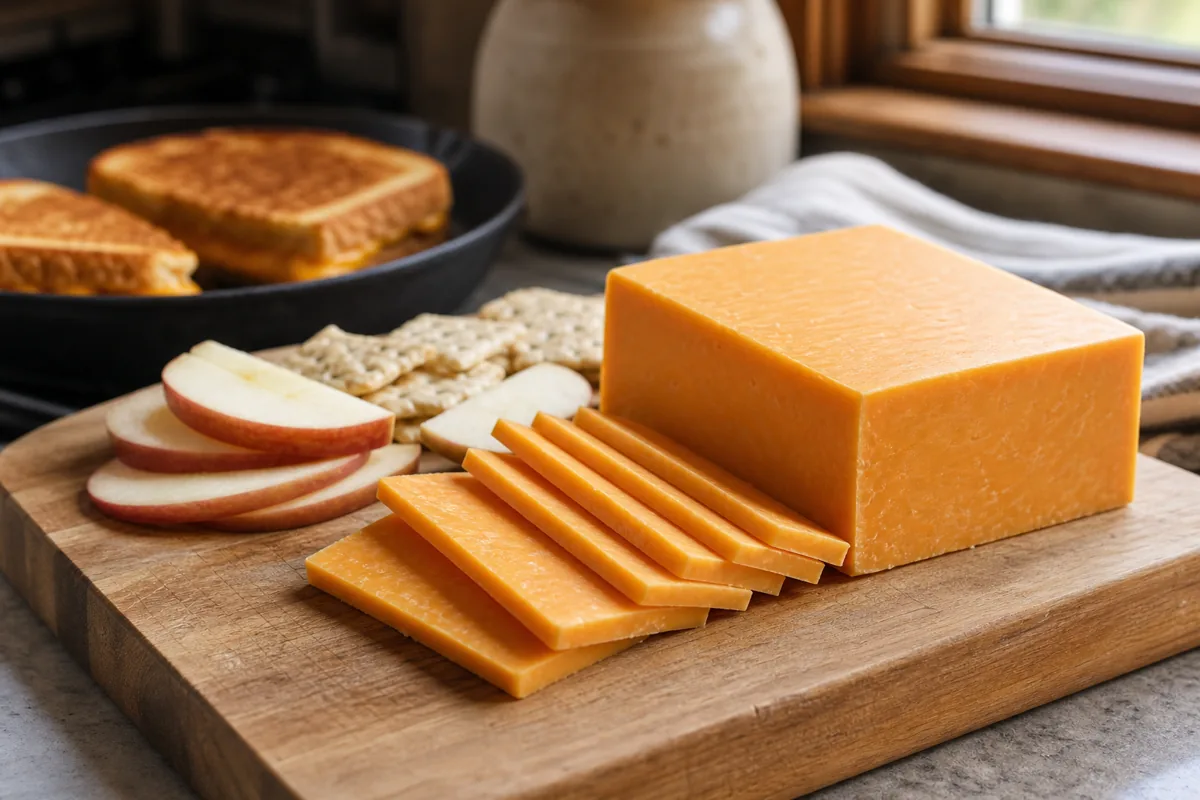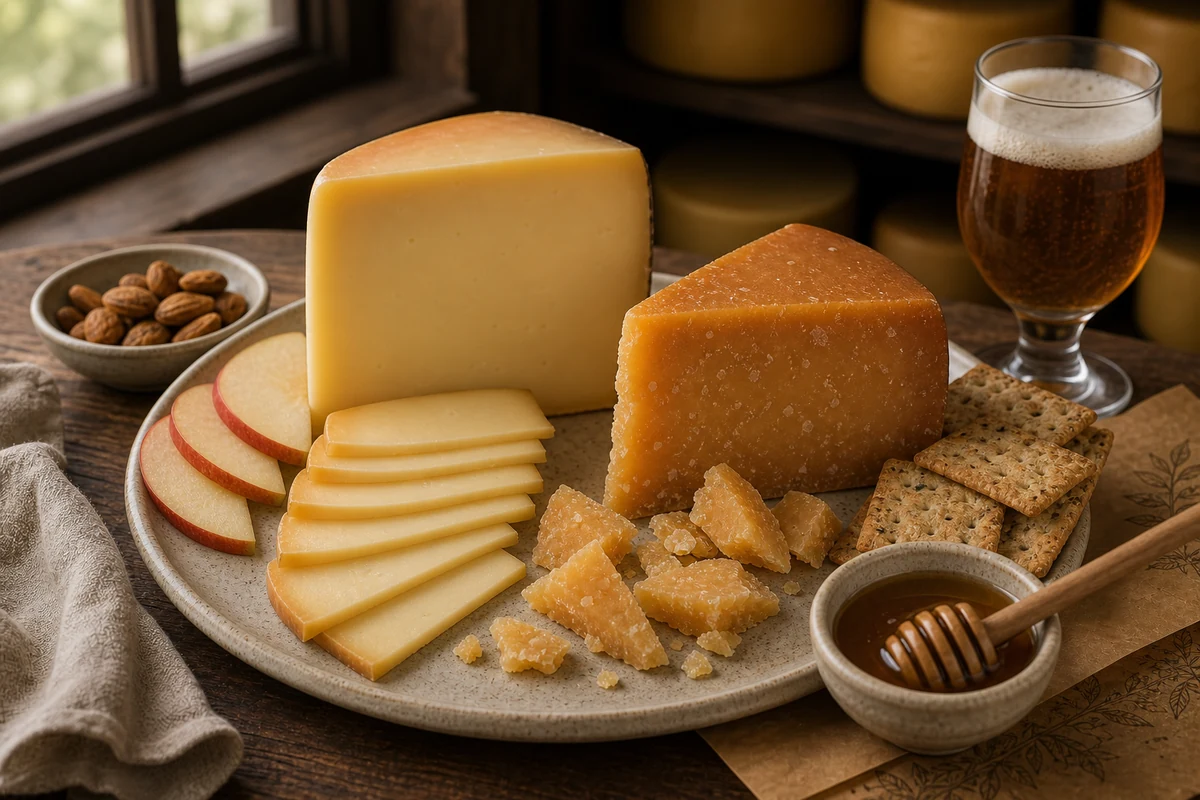
Barrys Bay Cheddar is a pasteurised cow's-milk cheddar from Barrys Bay Cheese in Duvauchelle, on New Zealand's Banks Peninsula.
The company made its first cheddar in 1895 and is the last cheese factory left on the peninsula.
It is not a Canadian cheese. Barry's Bay is also a township in Renfrew County, Ontario, but this cheese comes from the New Zealand factory that shares the name.
In This Article
Who Makes Barrys Bay Cheddar?
Barrys Bay Cheese works from 5807 Christchurch-Akaroa Road in Duvauchelle, and it makes every cheese from fresh local milk that it pasteurises itself. The Cheese Wheel adds that the milk comes from local grass-fed cows and that the cheesemaking season runs from September to May.
The first cheddar came in 1895, when the business was one of nine small, family-owned dairy co-operatives on Banks Peninsula.
Cheese Lovers NZ records that the current factory dates from 1953 and was opened by Keith Holyoake on 20 October that year.
Cheese Lovers NZ records that in 1898 the Governor liked the cheese so much that he asked for all that could be spared, and that in 1950 it took the Bledisloe Cup at the British Dairy Show. In 1986 it won the Dofo Cup for the best imported cheddar into Europe.
What Do the Cloth and Wax Mean?
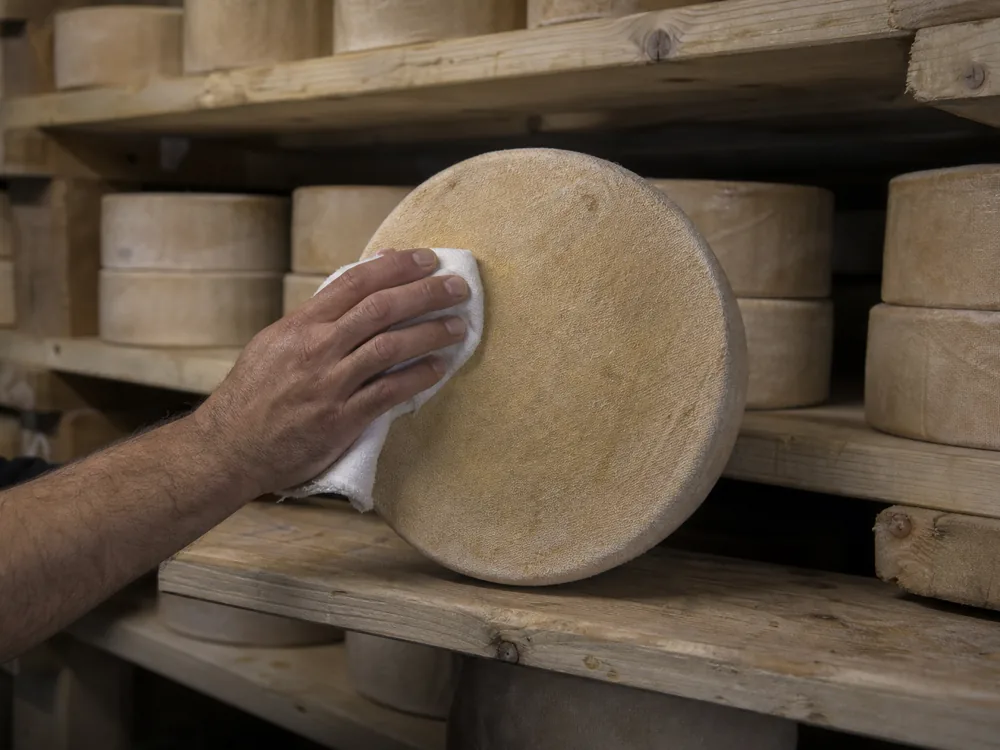
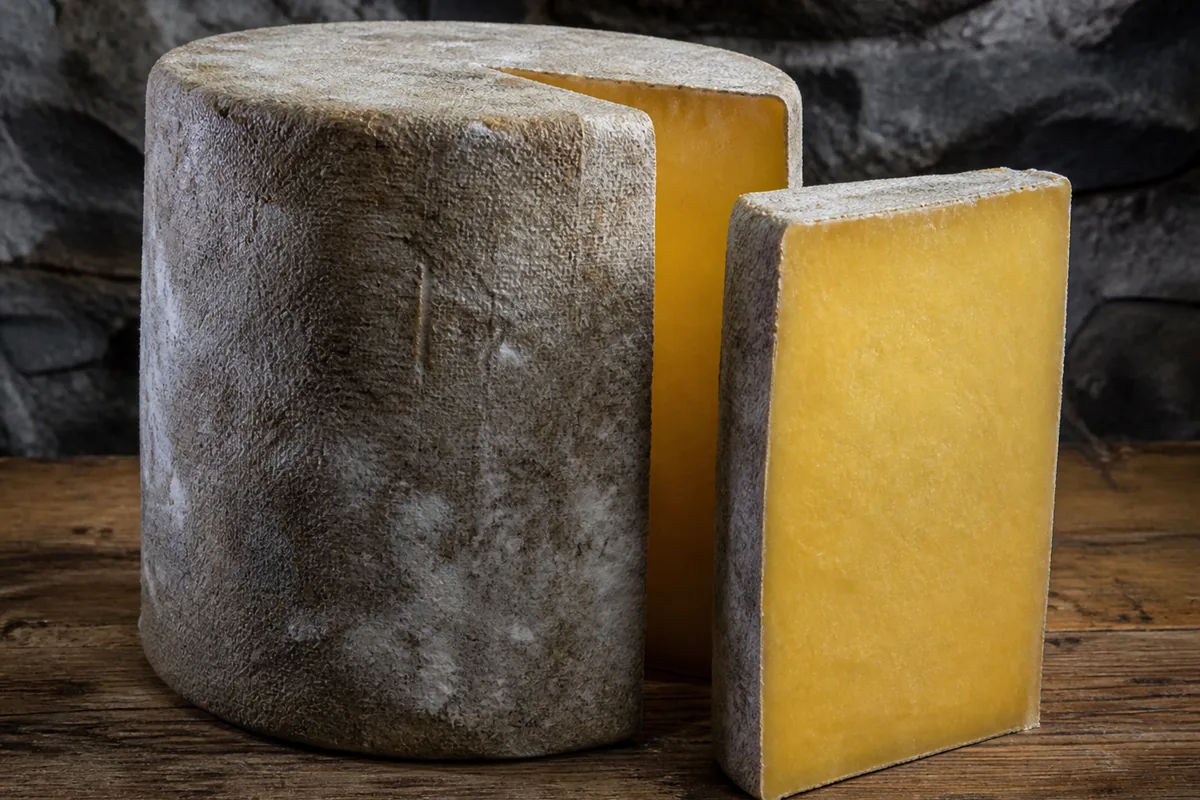
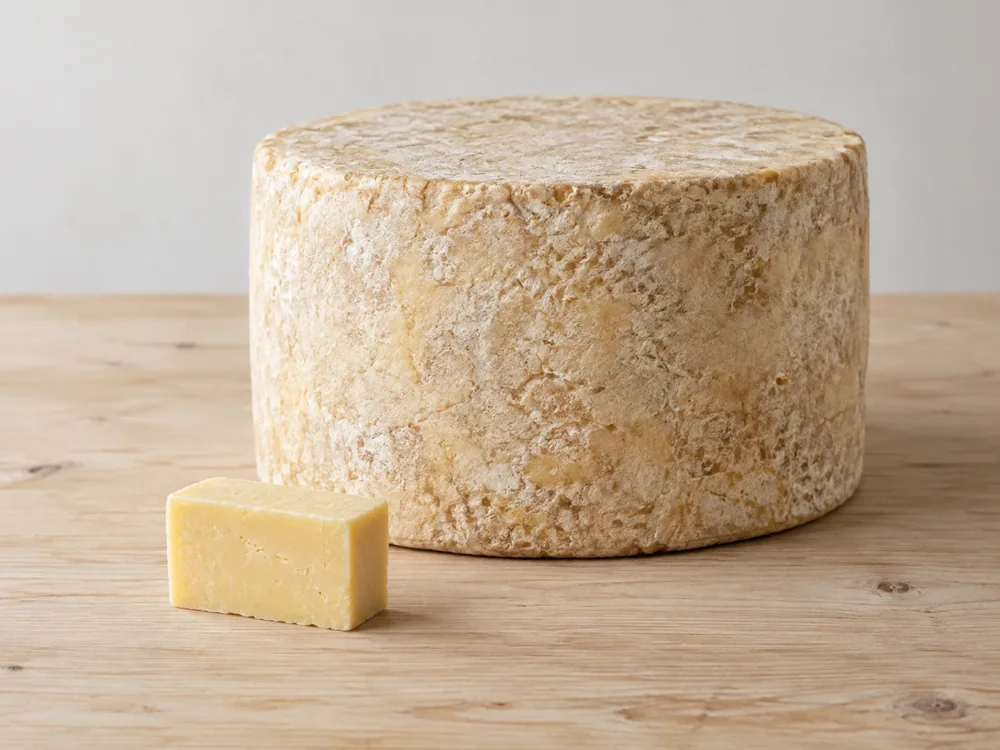
The Cheese Wheel says Barrys Bay is the only cheese company in New Zealand making vintage cheddar aged in cloth and wax, with wheels kept on white pine shelves and turned and wiped regularly until they reach maturity.
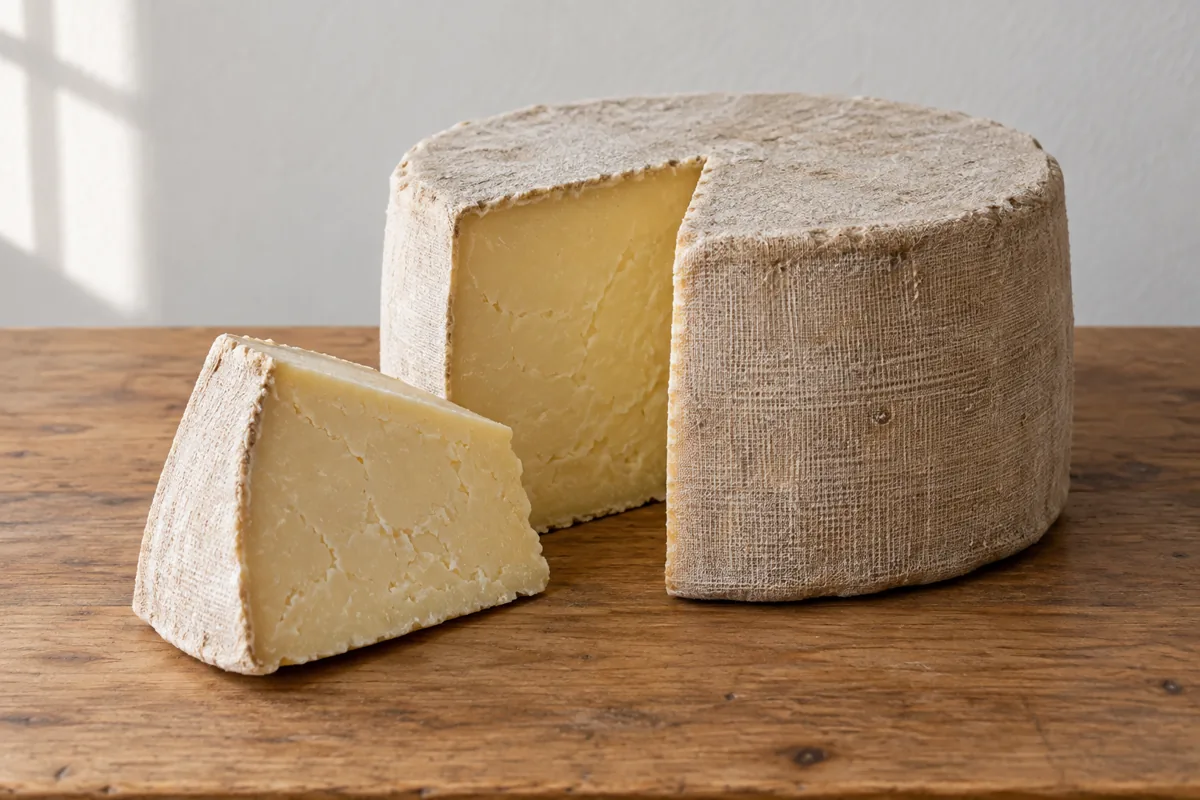
The maker sells that cheese as Wainui Vintage Rinded Cheddar, a clothbound cheddar it describes as savoury with complex, earthy flavours. Cheese Lovers NZ traces the idea back to the factory's original main cheese, a rinded cheddar that is still made today under the Wainui Special Vintage label.
Its account of the old export trade says the cheddars were cured at the factory for 14 days, then waxed, crated and trucked to Little River.
How Old Is It, and What Are the Cheddars Called?
Only one source gives an age number. Cheese.com lists 18 months, while the maker's product pages for Wainui, Sharp and Onawe give flavour, size and price and no ageing figure at all.
| Source | What it says |
|---|---|
| Cheese.com | Ageing: 18 months |
| Barrys Bay Cheese product pages | No ageing figure for Wainui, Sharp or Onawe |
| Delta Wines | Wainui Special Vintage is a cloth-bound cheddar aged longer than traditional |
We found no maker figure to confirm the 18 months, so treat it as unconfirmed rather than as the recipe.
The maker names its cheddars by character instead of by months. These are the ones on its cheddar collection when we checked in September 2026.
| Cheddar | Maker's description | Size and price |
|---|---|---|
| Barrys Bay Sharp Cheddar | Mature & creamy with extra bite | 115 g or 1 kg, from NZ$9.00 |
| Onawe Aged Cheddar | Rich & smooth with a sharp bite | 115 g or 1 kg, from NZ$9.00 |
| Wainui Vintage Rinded Cheddar | Clothbound & savoury with complex, earthy flavours | 140 g, NZ$10.50 |
Cheese Lovers NZ calls Mild, Medium and Tasty Cheddar the household staples, but the maker's current cheddar collection does not list them.
Which Flavoured and Smoked Cheddars Exist?
The maker's cheese list includes a run of flavoured and smoked cheddars alongside the plain ones.
- Wood Smoke Cheddar and Cold Smoked Appletree Cheddar
- Cold Smoked Pohutukawa Red, listed in the cheddar collection
- Cumin Spice, Live Chive and Chilli Cheddar
- Balsamic & Onion and Cracked Pepper Cheddar
- Oyster Stout Cheddar, sold out when we checked
The Grocer lists the Balsamic & Onion cheddar as rich and smooth with sweet, tangy onion and a medium flavour, in 140 g packs. Its ingredients are pasteurised cow's milk, full cream, culture, vegetarian rennet, sea salt, balsamic vinegar and onion flakes.
Is It Vegetarian?
The rennet depends on the product, as the table shows.
| Source | Product | Statement |
|---|---|---|
| The Grocer | Wainui Vintage Cheddar | Vegetarian rennet |
| The Grocer | Balsamic & Onion Cheddar | Vegetarian rennet |
| C'est Cheese | Extra Tasty Cheddar, a limited release | Made with animal rennet |
| Cheese.com | Barry's Bay Cheddar | Vegetarian: no |
The ingredient list on the specific cheddar you are buying settles it, because Wainui lists vegetarian rennet while a retailer records animal rennet for a different cheddar.
Is It Safe in Pregnancy?
Because the maker pasteurises its milk, the cheddars fit the group that the NHS and the CDC treat as safer. The NHS lists pasteurised or unpasteurised hard cheeses such as cheddar as safe, and the CDC lists hard cheese made with pasteurized milk, such as cheddar, as a safer choice.
That covers the plain cheddars only, because the other cheeses in the range carry their own labels and ingredient lists.
Where Can You Buy It?
Barrys Bay sells through its factory shop, its online store and New Zealand retailers. The routes differ in speed, delivery limits and price.
The pages we read describe pickup and overnight courier only, so whether the maker ships abroad is unknown to us.
Why Does a Cheddar Factory Make Gouda and Gruyere?
Cheese Lovers NZ says nearly all of Barrys Bay's cheese was exported until the early 1970s, when England joined the European Economic Community and New Zealand cheesemakers were forced to diversify. By the late 1970s the factory supplied more to New Zealand than overseas.
Cheddar moved from 80-pound truckles to 20 kg blocks that were easier to cut and handle. Mild, Medium and Tasty Cheddar, along with Colby, then began selling in 1 to 2 kg blocks.
Output is far smaller now than it once was.
| Then | Today |
|---|---|
| More than 400 tonnes a year | About 70 tonnes a year |
| Five open vats | One vat |
In 1989 a Dutch cheesemaker was brought in to teach the team to make Gouda, Edam and Maasdam.
The maker's cheese list today includes Gruyere, Havarti, Cheshire, Canterbury Red and Peninsula Blue, along with aged and flavoured Gouda and Maasdam.
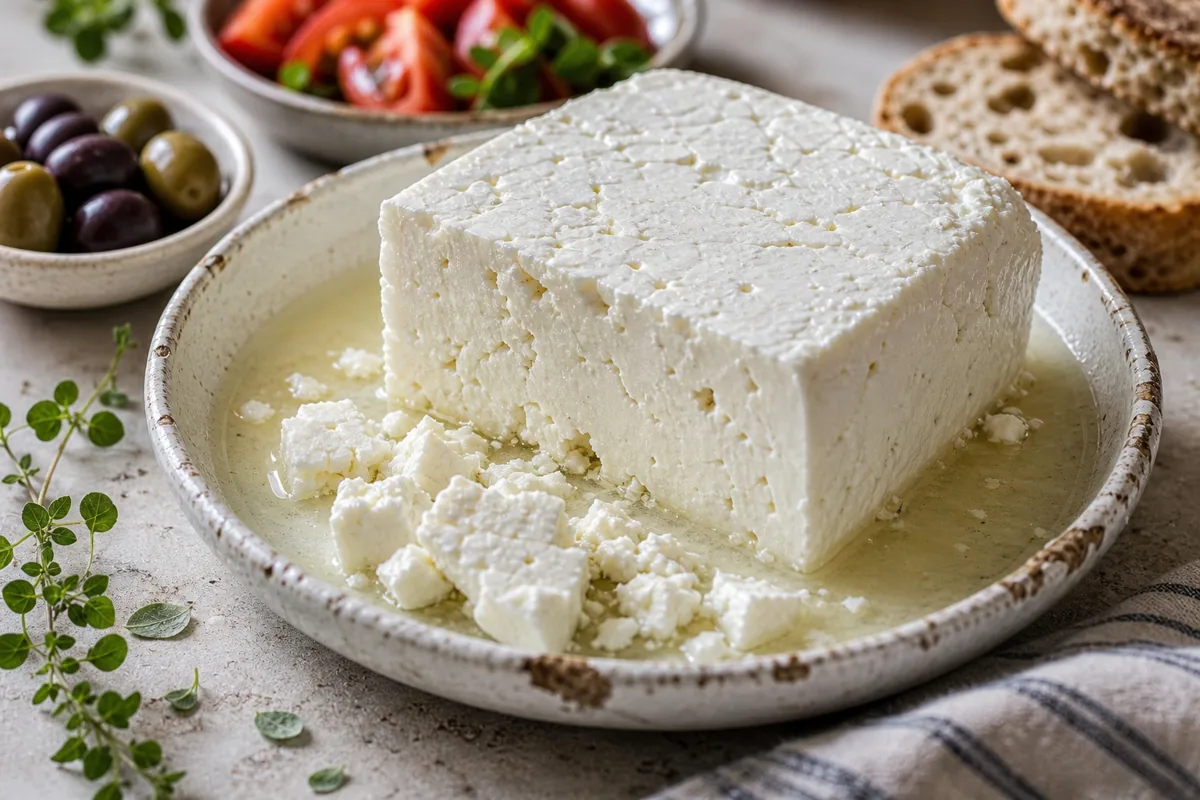
The co-operative also tried sheep milk feta for a few years, but Cheese Lovers NZ says the public was not ready for sheep cheese.
SOURCES & REFERENCES
Barrys Bay Cheddar FAQ
Five questions the name, the wax and the labels leave open.
No. It is made by Barrys Bay Cheese in Duvauchelle on New Zealand's Banks Peninsula. Barry's Bay in Ontario is a separate place.
Yes. The maker says it pasteurises its own local milk, and the Wainui ingredient list on The Grocer starts with pasteurised cow's milk.
The maker gives no ageing figure on its Wainui, Sharp or Onawe product pages, and Cheese.com lists 18 months.
It depends on the product. The Grocer lists vegetarian rennet for Wainui, while C'est Cheese records animal rennet for its Extra Tasty cheddar.
Pasteurised hard cheddar is treated as safer by the NHS and the CDC, and the maker pasteurises its milk. Check the label of any flavoured product.