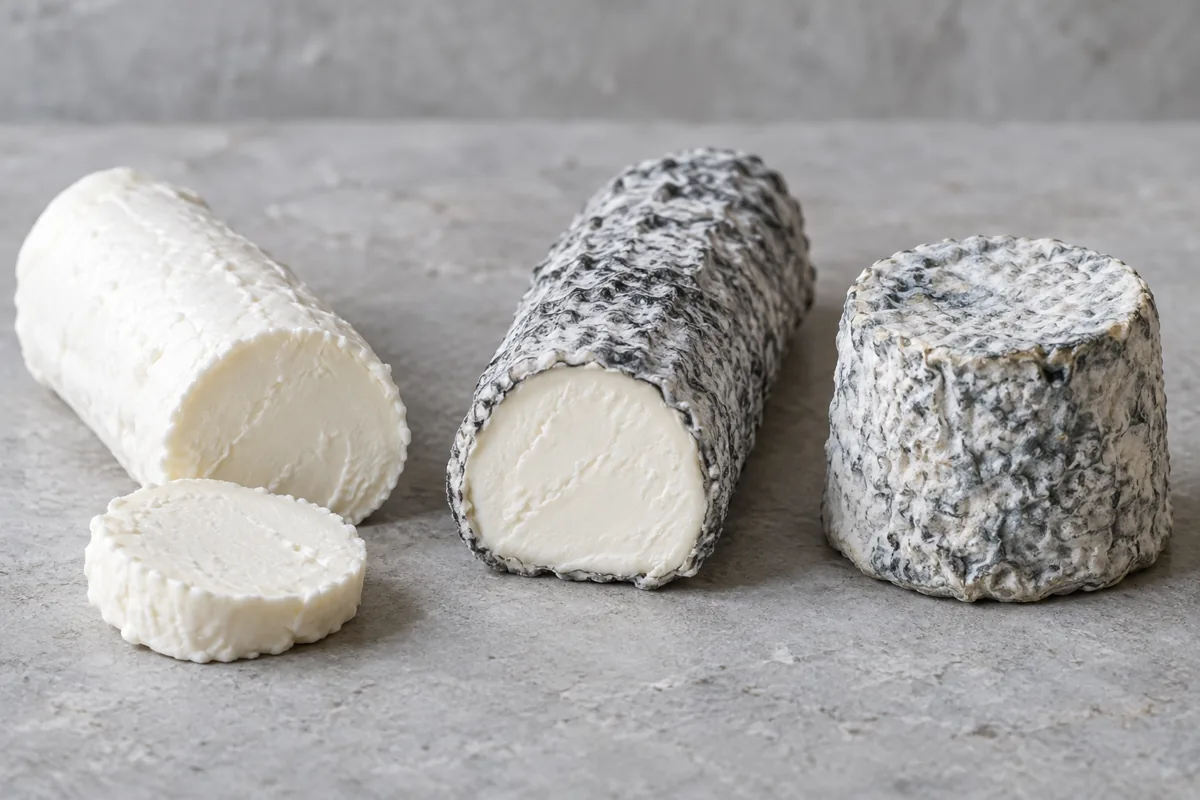
Bûchette à la Sarriette is a small Provençal goat cheese made from thermized milk and topped with sarriette, the French name for savory. The Fromageries Philippe Olivier listing calls it a fresh cheese that is best eaten young and says it does not like to travel.
Thermized milk is heated below the pasteurization temperature, so if you are pregnant, settle the milk question before you buy.
In This Article
What Is Bûchette à la Sarriette?
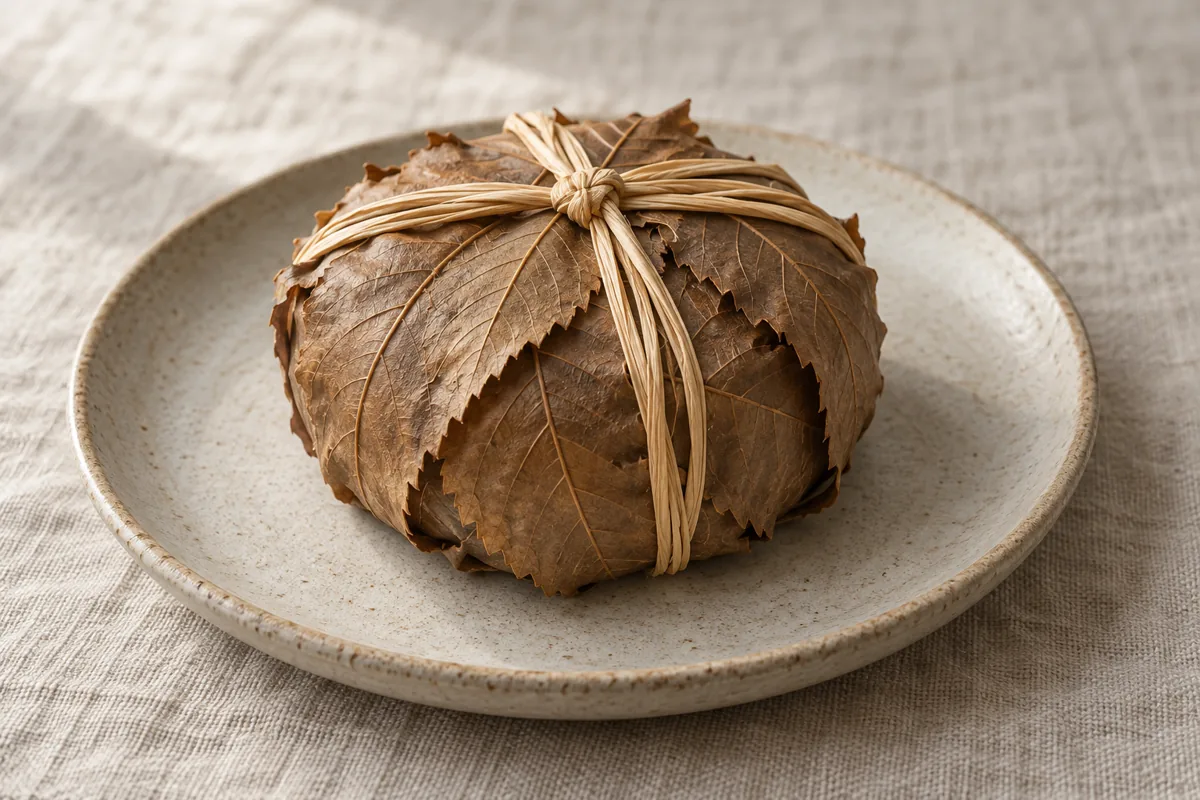
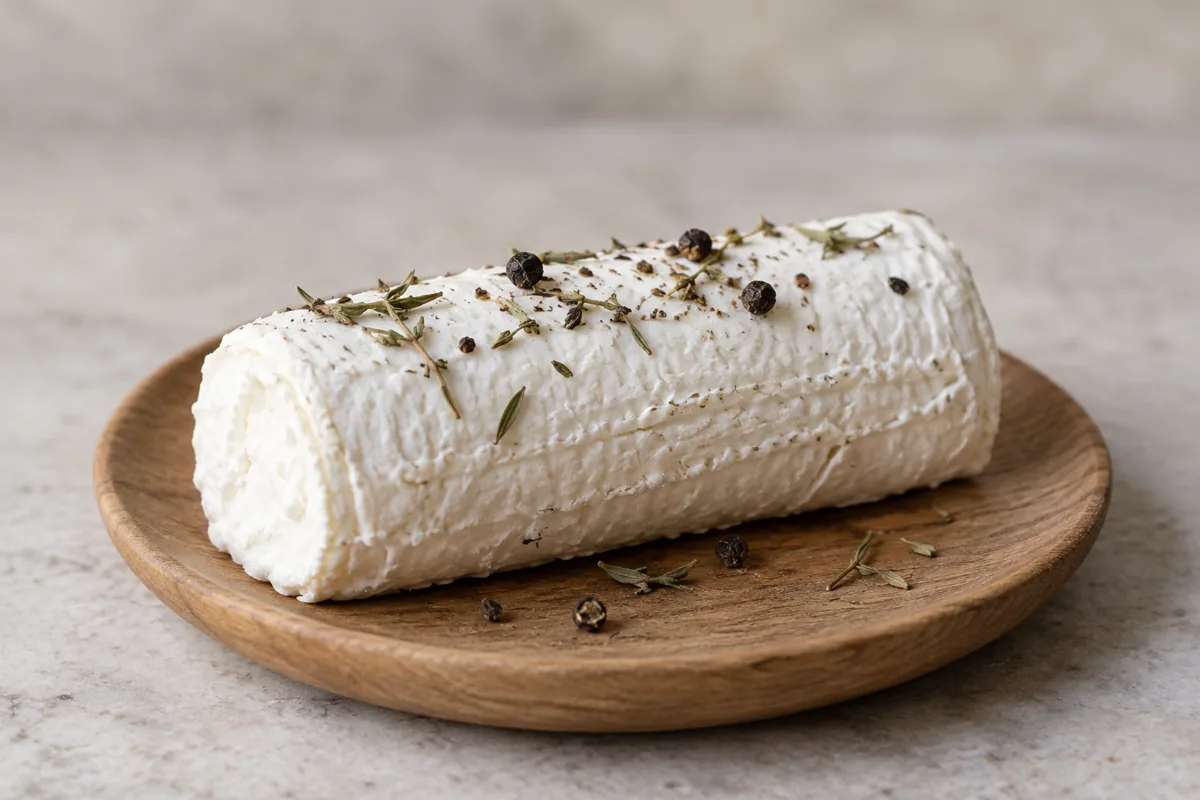
What you buy from Olivier is a goat's-milk cheese with a fresh texture, resting on a small wooden plate. A few sprigs of sarriette cover it, and the listing says a fine natural skin becomes visible as it ripens.
It is made in the Alpes de Haute-Provence, and the listing calls it a classic of the Provençal hinterland.
The makers use the lactic-curd method, in which a very small amount of rennet and extra lactic cultures make the set slow. They also cut the ridges on the surface by hand.
The ingredient list reads goat's milk, salt, rennet, lactic cultures, pepper, and savory. The pepper is listed apart from the sarriette, which the listing itself calls an aromatic Provençal plant with a peppery flavor.
How Big Is a Bûchette, and How Much Fat Does It Have?
It depends on whose log you buy: the four listings below each describe a small goat's-milk log with sarriette, and their size and fat figures do not match.
| Source | Sold as | Milk | Weight or size | Fat |
|---|---|---|---|---|
| Fromageries Philippe Olivier | Bûchette à la Sarriette | Thermized goat's milk | About 100 g, whole piece | 16% on finished product |
| Fromageries de l'Étoile | La Bûchette | Thermized goat's milk | 100 g, 14 cm long, 2.5 cm across | Not given |
| Produits Laitiers | Bûchette de Riez | Thermized goat's milk | 80 to 100 g, 4 cm across, 11.5 cm long | 22% |
| Cheese.com | Buchette a la Sarriette | Goat's milk | Not given | 45% |
Produits Laitiers sells a similar log as Bûchette de Riez, which it says was formerly called Romaine de Riez. Étoile says its log is made at the Fromagerie de Banon in Provence, which is a different product from the AOP Banon cheese that Étoile lists separately.
Cheese.com files it as a French goat's-milk cheese with 45% fat and gives it a season of February to November.
Each page describes its own maker's product. A weight, fat figure, or shelf-life limit from one listing does not carry over to a piece from another maker, so read the label on the piece you buy.
How Does Ripening Change It?
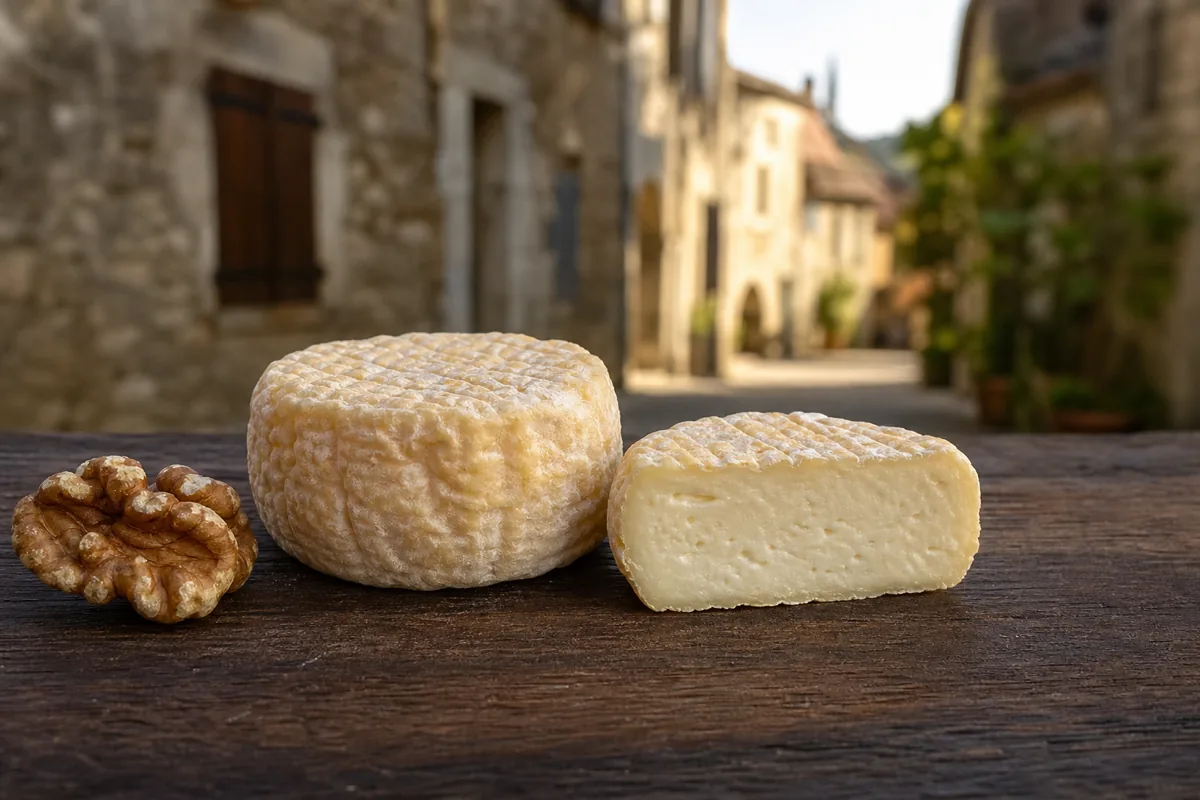
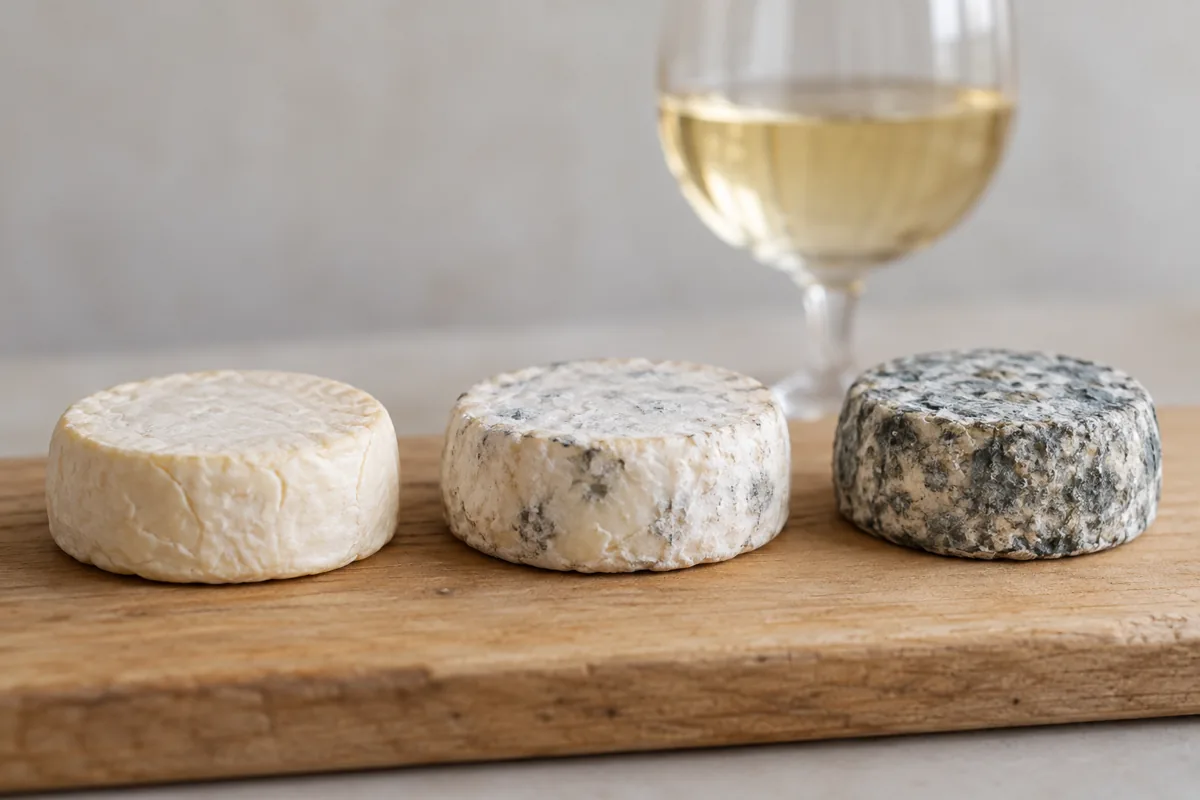
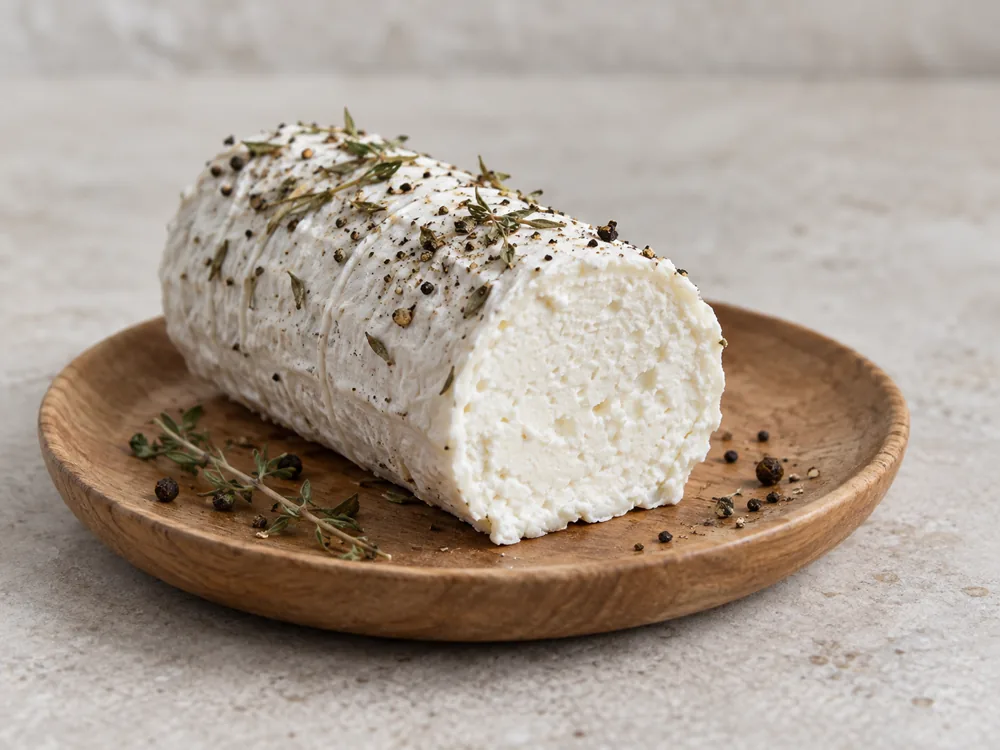
As the cheese ripens, the Olivier listing says the fine natural skin adds a little chew and creaminess. A piece that is a little more ripened, or even dry, has aromas the seller calls astonishing and worth a few weeks of waiting.
Olivier describes the texture as delicate, airy, and not compact, with a softness the listing calls fondante à souhait, or as soft as you could wish, and the seller recommends eating it fairly fresh.
When you order, the form asks you to name the stage you want.
- Assez frais (quite fresh): the stage the seller recommends
- Affiné beurré-crémeux (ripened, buttery-creamy): the second option on the order form
- Dry, after a few weeks: stronger aromas, according to the seller
Is Thermized Milk Pasteurized, and Can You Eat It While Pregnant?
No. Both the Olivier and Étoile listings say the milk is thermized at a temperature below pasteurization.
Wikipedia puts thermization at about 63 to 65 °C for 15 seconds, against 71 °C for 15 seconds for one common pasteurization method.
Wikipedia also says the US FDA regulates cheese from thermized milk like raw-milk cheese, which must age for 60 days or more before sale.
The NHS says pasteurised or unpasteurised mould-ripened soft cheeses with a white coating, such as brie, camembert and chèvre, must be thoroughly cooked. It also says any foods made from unpasteurised milk must be thoroughly cooked, and thermized milk is heated below pasteurization, so that line covers this cheese whether or not its skin has a white coating.
The CDC lists soft cheese made from unpasteurized (raw) milk among its riskier choices and calls pasteurized soft cheeses heated to an internal temperature of 165 °F or until steaming hot safer.
That heated line covers pasteurized cheese only, so ask your clinician before eating this thermized cheese, cold or cooked, and see the rules for soft cheese in pregnancy. The CDC adds that pregnant women are 10 times more likely to get a Listeria infection.
The Olivier allergen line lists milk, including lactose. The ingredients include rennet, so if you are vegetarian, ask the seller whether it is animal or microbial.
How Do You Serve It?
How cold to serve it depends on whose log you have: Olivier says to eat it very cold and take it out of the refrigerator at the last moment, while Étoile says to take its log out 20 to 30 minutes before the meal.
Étoile also says to eat its log within 3 days.
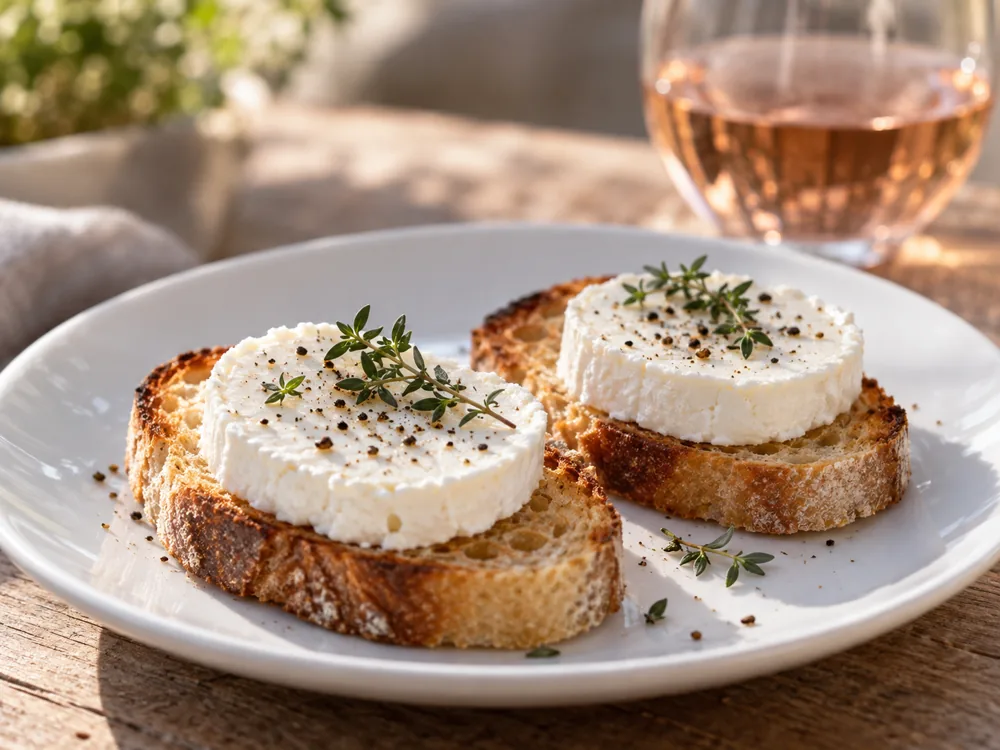
For breakfast or an aperitif, Olivier serves it on toasted bread alongside a Provence rosé.
If you have Étoile's log, Étoile says it can be eaten as it is, cold, and advises cutting it across into small rounds.
| Pairing | Type | Why It Works |
|---|---|---|
| Toasted bread | Food | Olivier's serving at breakfast or with an aperitif. |
| Provence rosé | Wine | The drink Olivier names with it. |
| Warm toast with honey | Food | Étoile's aperitif idea for its own log, which it also suggests in salads. |
| Young dry white | Wine | Étoile suggests a Bouches-du-Rhône AOP. |
How Do You Buy and Carry It?
If you are having it sent, the Olivier page warns you twice: it opens its description with "Attention fragile !" and ends with the warning that the cheese does not appreciate the journey.
The stage you name in the order comment decides what arrives. Étoile's 3-day window belongs to Étoile's own log, so for an Olivier piece, ask the seller how long it keeps and at what temperature.
SOURCES & REFERENCES
Sarriette is savory. The Olivier listing calls it an aromatic Provençal plant with a peppery flavor, and a few sprigs cover the cheese.
No. The Olivier listing says thermized goat's milk, heated below the pasteurization temperature, so ask your clinician if you are pregnant.
The Olivier listing gives about 100 grams for a whole piece. Other makers' listings give their own sizes.
Olivier says to serve it very cold and take it out of the refrigerator at the last moment. Étoile says to take its log out 20 to 30 minutes before eating.
The Olivier listing calls it sweet and mild, with a delicate, airy texture and a peppery herb on top. A few more weeks of ripening give it stronger aromas.