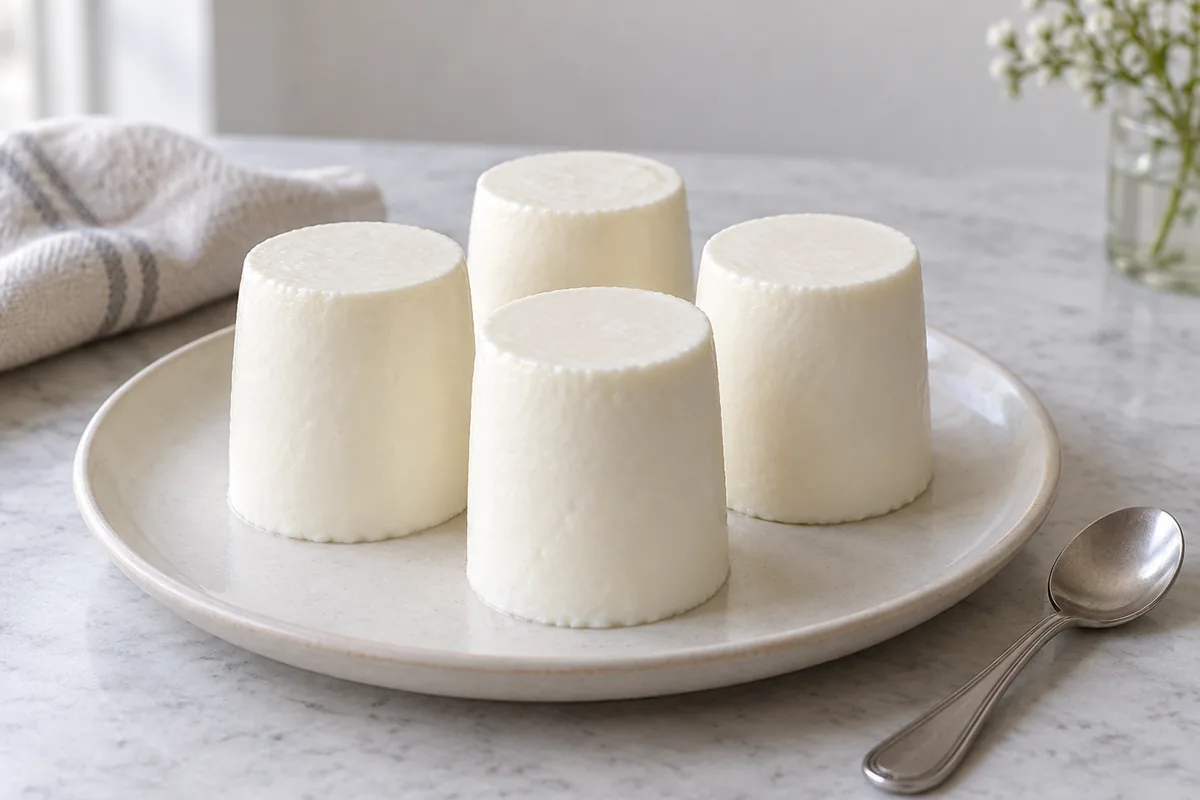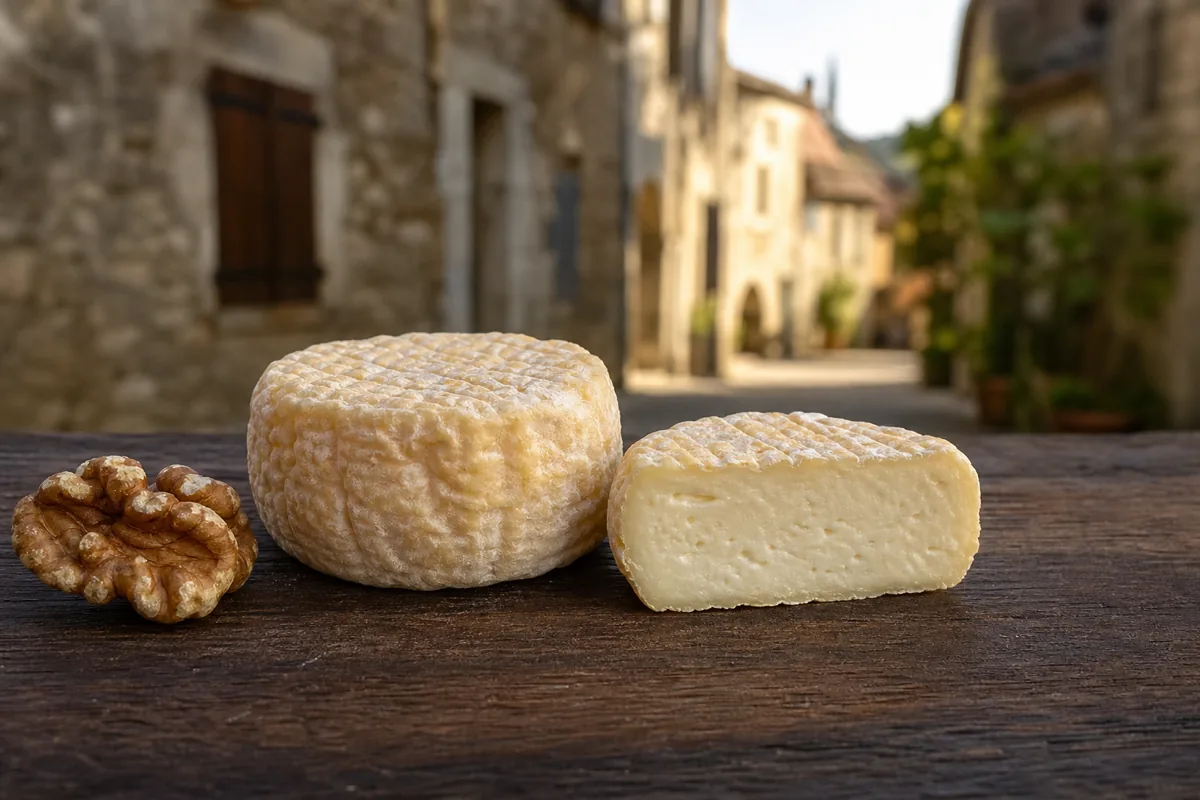
Cabécou is a family name for small round goat cheeses from south-west France, taken from the Occitan word for goat with a diminutive ending. Rocamadour, the best-known member of the family, used to be sold as cabécou de Rocamadour and now carries its own protected name.
Weight, milk treatment and ripening time differ between Cabécou types, so find out which type your disc is before you apply any figure to it.
In This Article
What Is Cabécou?
The name means little goat. The Interprofession Caprine Dordogne Périgord, which owns the Périgord trademark, explains it as cabre, the Occitan word for goat, plus the diminutive ending cou.
French Wikipedia places the origin in the Massif central and names Quercy, Rouergue, Haute-Auvergne, Bas-Limousin and Périgord. Cabécou comes in about a dozen regional variations.
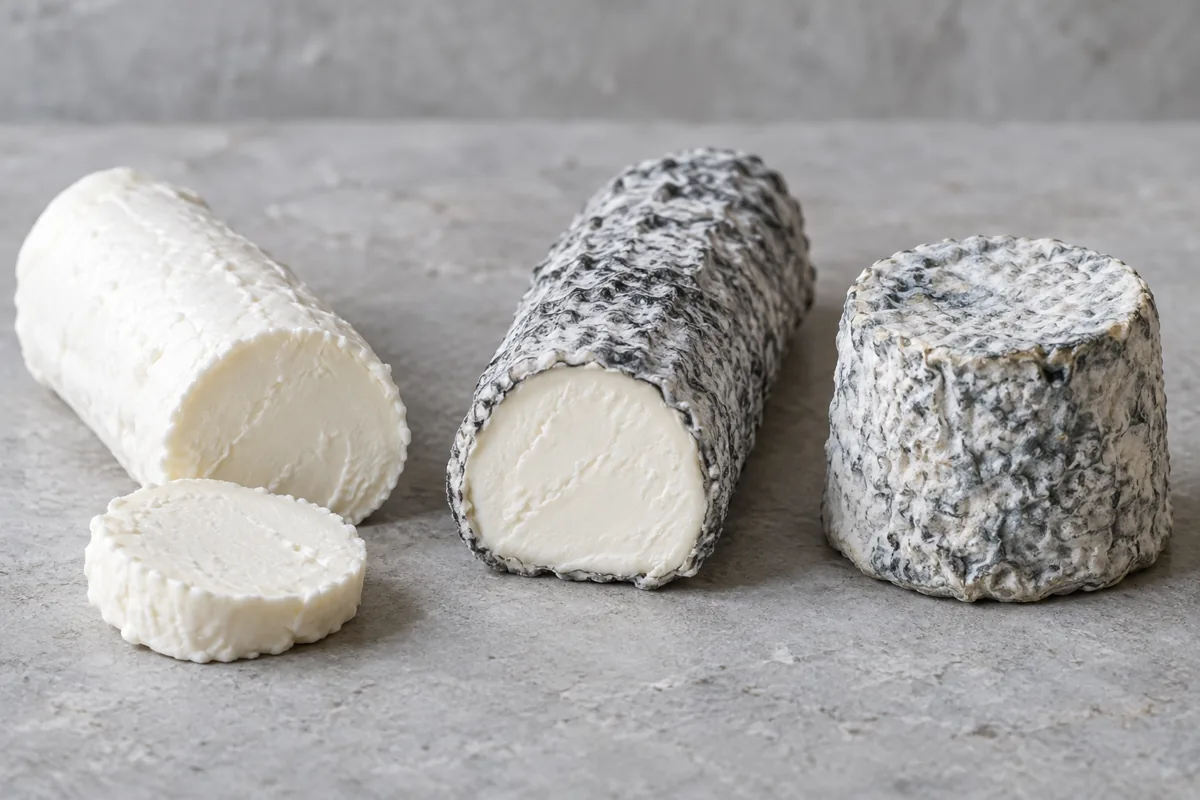
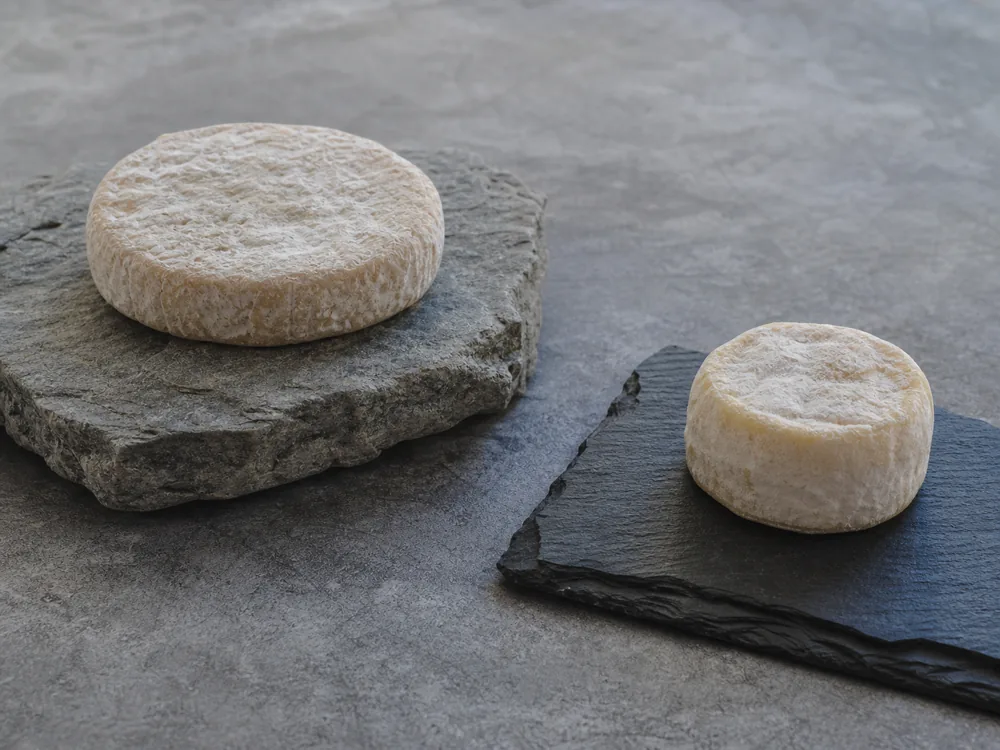
English Wikipedia gives a general profile of a small round cheese 4 to 6.5 cm across and 1.5 to 2.5 cm thick, weighing no more than 40 g, usually made from raw goat's milk. It adds a thin striped rind, a ripening time of ten days to four weeks and a mildly lactic taste.
Producer figures often run heavier than that general profile, as the comparison table below shows.
What Makes a Cheese Cabécou du Périgord?
Cabécou du Périgord is a name with rules behind it: it has been protected by a collective trademark and logo since 1992, according to the interprofession.
It must be made and ripened only in Périgord, from whole goat's milk produced there. The curd is lactic, pre-drained in cloth and salted within the mass.
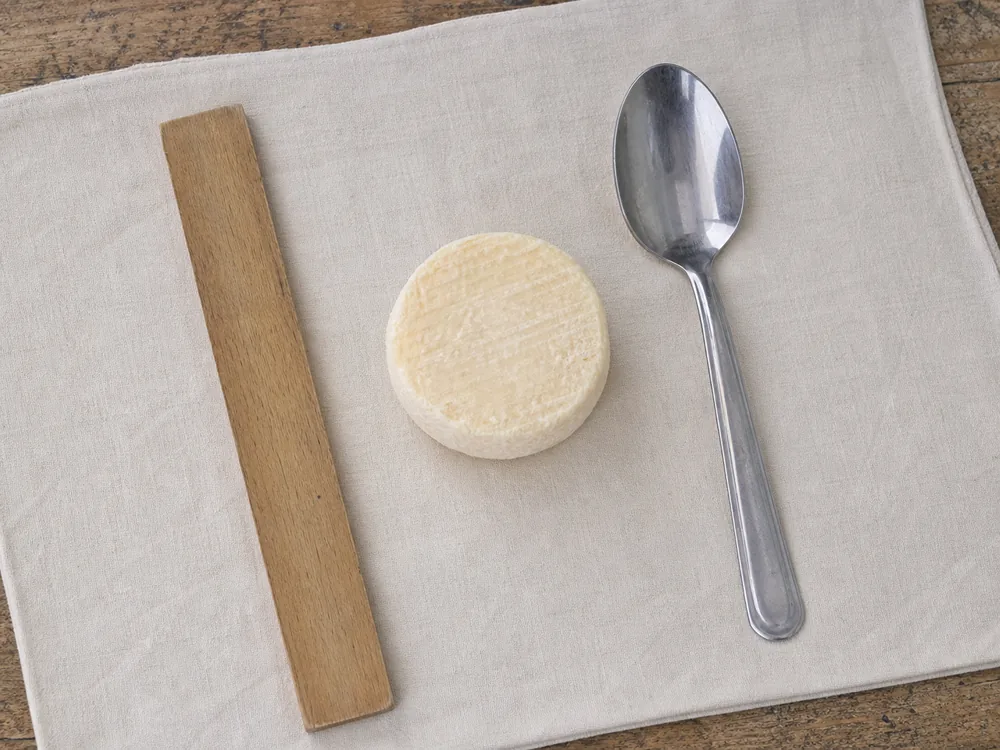
After a minimum of 5 days of ripening, the disc measures 50 to 57 mm across with sharp angles and weighs 35 to 40 g. Its skin is uniform and pale yellow, with no mould other than geotrichum.
The texture is fine and unctuous. A young disc shows subtle hazelnut notes, and longer ripening makes the character more pronounced.
These figures belong to the Périgord name only. Autan, Rocamadour and an unnamed Cabécou follow other descriptions, as the next table shows.
How Do Périgord, Autan and Rocamadour Cabécou Differ?
They differ in milk treatment, size and ripening, because the word Cabécou covers several different cheeses.
| Type and source | Milk | Size and weight | Ripening |
|---|---|---|---|
| Cabécou du Périgord, interprofession | Whole goat's milk from Périgord; treatment not stated | 50 to 57 mm, 35 to 40 g | At least 5 days |
| Cabécou du Périgord, Rians product record | Pasteurised goat's milk from farms within 60 km of the dairy | 35 g | About one week in caves |
| Cabécou du Périgord, Le Guide du Fromage | Raw or pasteurised goat's milk | 5 to 5.7 cm, 35 to 40 g | At least 5 days, typically 5 to 7 |
| Cabécou d'Autan, produits-laitiers.com | Raw whole goat's milk | 70 g, 5.7 cm across, 2.8 cm high | About 10 days |
| Rocamadour AOP, INAO and French Wikipedia | Raw whole goat's milk | About 35 g, 60 mm across, 16 mm high (French Wikipedia) | 6 to 7 days (INAO); at least 6 days (French Wikipedia) |
| General profile, English Wikipedia | Usually raw goat's milk | 4 to 6.5 cm across, up to 40 g | Ten days to four weeks |
Cabécou d'Autan carries a Label Rouge, in place since 2006, and its herds are capped at 250 goats that graze for at least six months and eat regional grass without silage.
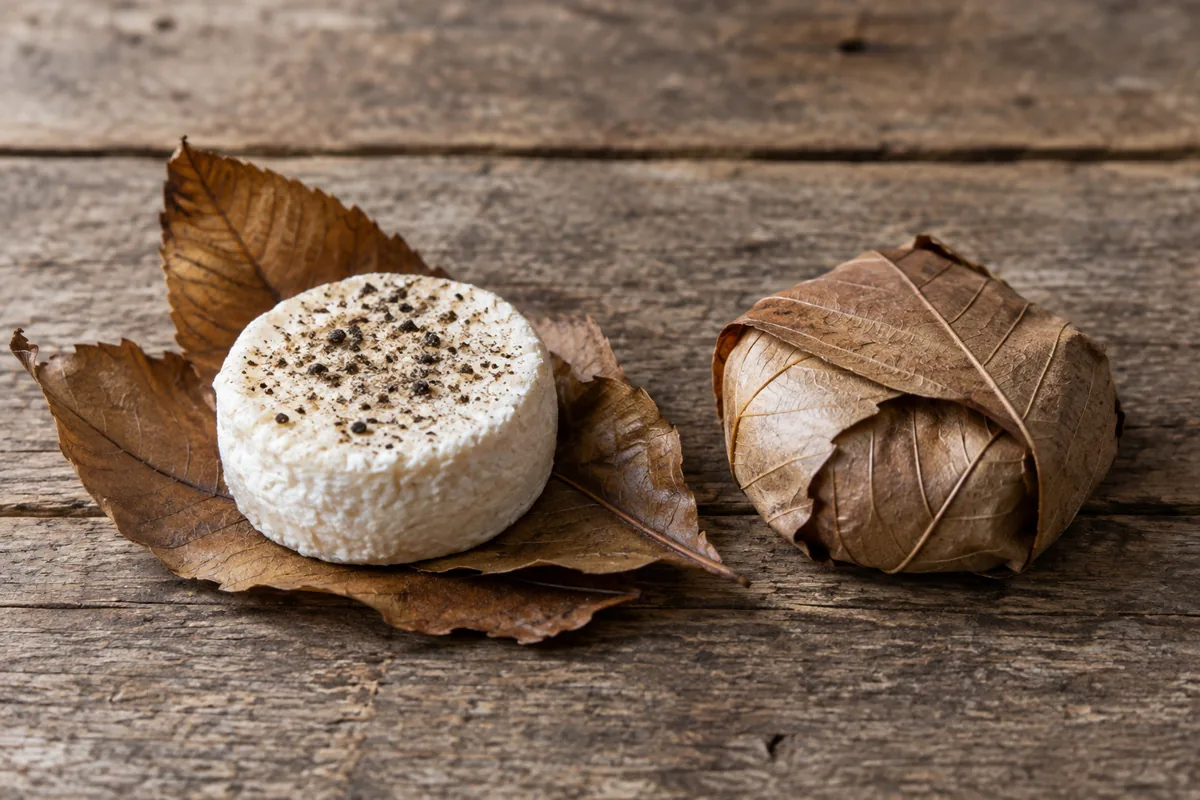
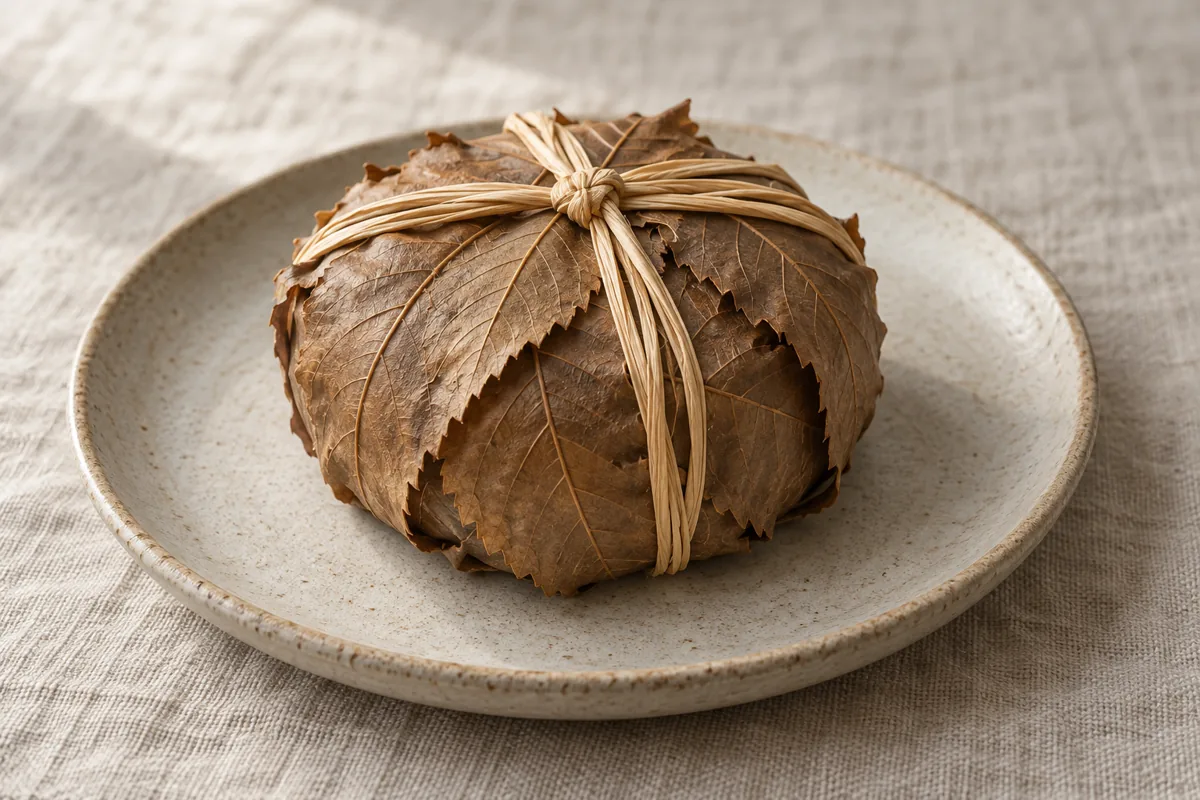
Cheese.com's Cabecou entry describes yet another product: a pasteurised goat cheese dipped in plum brandy, sprinkled with coarse black pepper and wrapped in two chestnut leaves. Its wrapping and pasteurised milk belong to that product and say nothing about a plain disc.
Is Cabécou the Same as Rocamadour?
No, though they share a history. French Wikipedia says Rocamadour was originally called cabécou de Rocamadour, and only the name Rocamadour received AOC protection, in 1995, followed by AOP in 1999.
INAO describes an AOP cheese of raw whole goat's milk from Alpine Chamoisée or Saanen goats, made across 266 communes of the Causses du Quercy area in Lot, Aveyron, Corrèze, Dordogne and Tarn-et-Garonne. During 6 to 7 days of ripening a fine cream layer forms between the skin and the heart of the cheese, which INAO calls the piaule.
If you want the AOP cheese, look for the name Rocamadour: Cabécou du Périgord has no AOP, only its collective trademark, and Le Guide du Fromage calls it similar to Rocamadour.
How Does Cabécou Change as It Ripens?
Esprit de Pays, a Dordogne tourism site, says mould appears on a Périgord disc within two to three days depending on cave humidity, and that ripening can run to four weeks.
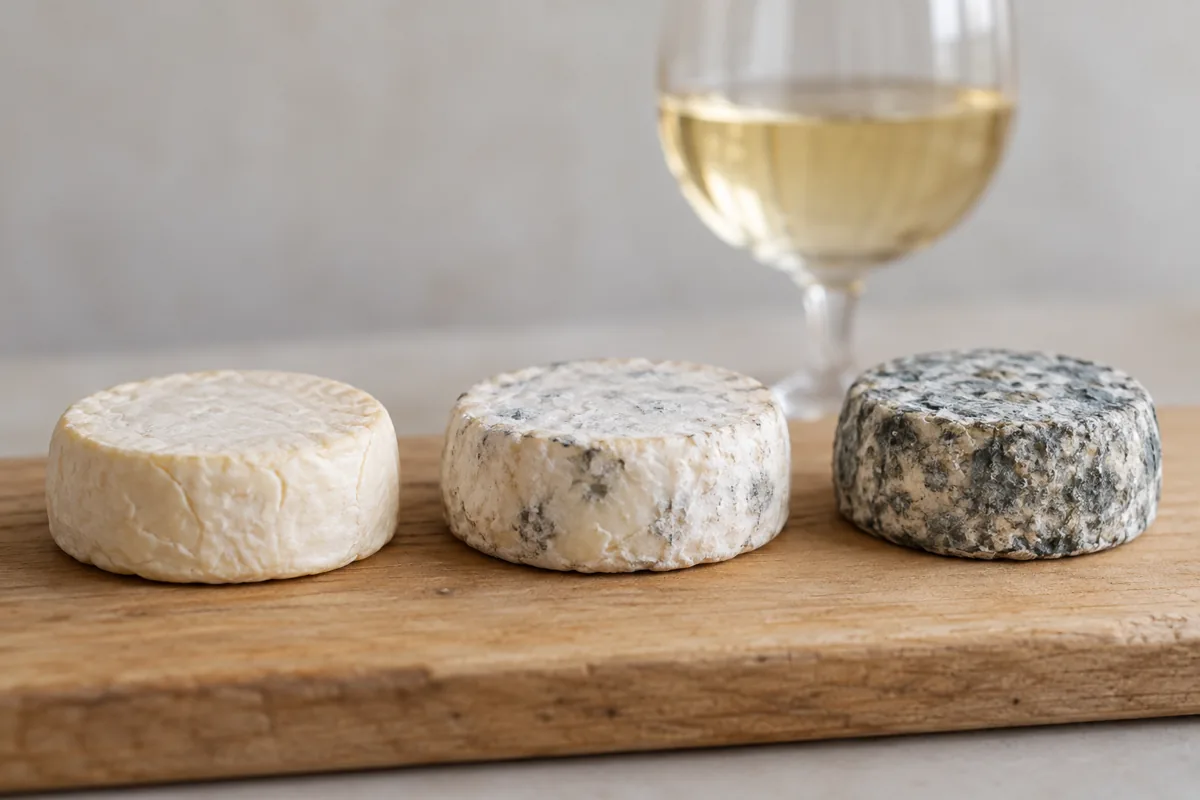
English Wikipedia says the thin striped rind of a general cabécou grows blue mould after two weeks, which changes the flavour. The Périgord specification allows only geotrichum, so the ripening endpoint depends on the type.
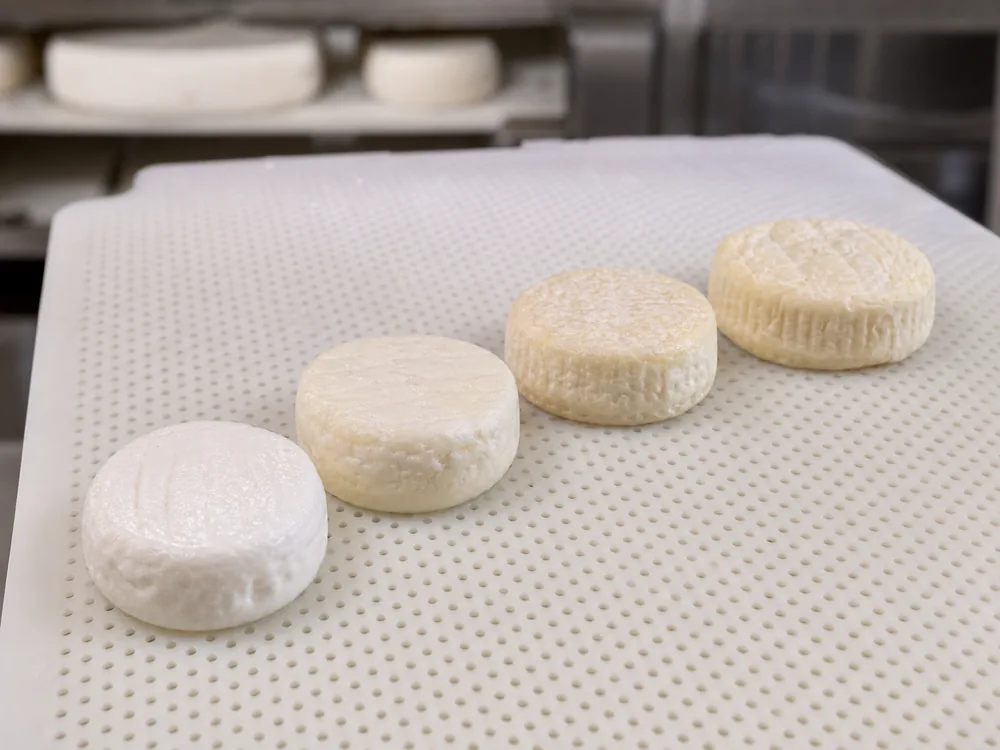
Histoires et Fromages, describing Cabécou d'Autan, says the rind moves from chalk-white to cream-blonde with visible moulding stripes and the taste grows stronger with ripening. Produits-laitiers.com describes the same type at about 10 days as chalky at the heart with a creamy layer under the skin.
Cabécou is at its best from April to August by English Wikipedia's account, while Le Guide du Fromage and the Nouvelle-Aquitaine products site describe the Périgord type as available all year.
Is Cabécou Safe During Pregnancy?
If you are pregnant, the answer depends on the disc's milk and rind, and on whether it is cooked until steaming hot. The NHS advice on cheese in pregnancy says foods made from unpasteurised milk must be thoroughly cooked.
The NHS says the same of pasteurised or unpasteurised mould-ripened soft cheeses with a white coating on the outside, such as brie, camembert and chèvre, and lists pasteurised goats' cheese that does not have a white coating (rind) on the outside as safe to eat.
The CDC lists soft cheese made from unpasteurized (raw) milk as riskier and pasteurized soft cheeses heated to an internal temperature of 165°F or until steaming hot as safer, and eaten cold, a pasteurized Cabécou is a type its list does not cover, so ask a midwife or doctor. It also states that pregnant women are 10 times more likely to get a Listeria infection.
How Do You Serve Cabécou?
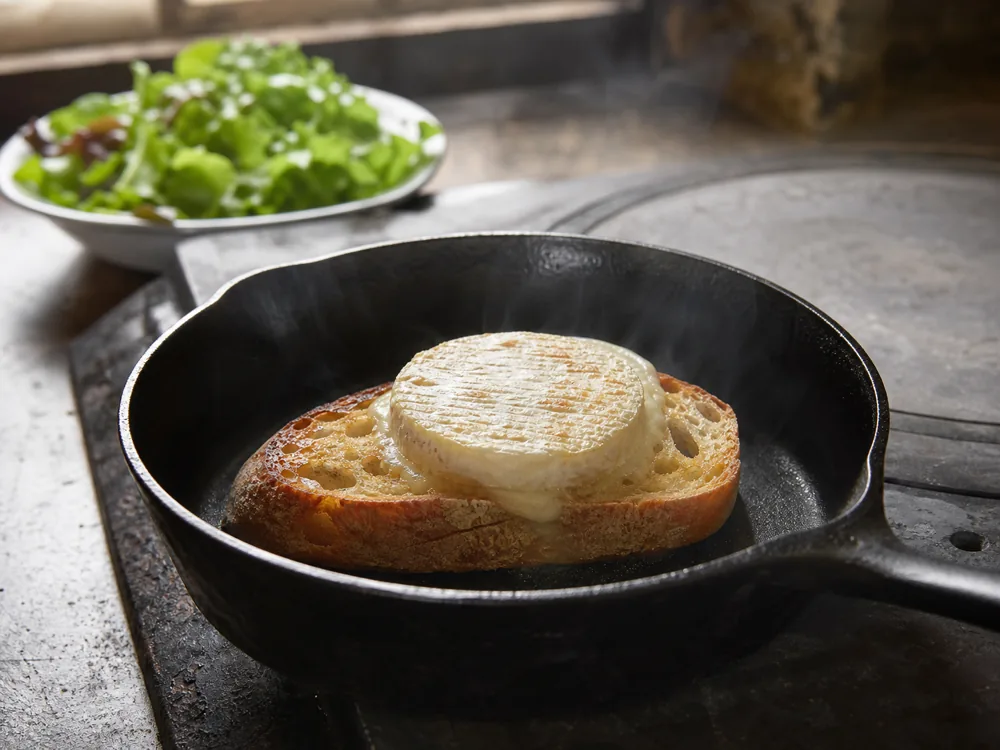
For a Périgord disc, the interprofession suggests serving it fresh at aperitif with Périgord nuts, honey or maple syrup, on cheese boards, or cooked warm in salads and starters.
Esprit de Pays adds figs, truffles, tartines and tarts, and says the cheese can be eaten at room temperature, cold or warm.
| Pairing | Type | Why It Works |
|---|---|---|
| Walnuts | Food | Named by Esprit de Pays and Rians; the interprofession says Périgord nuts. |
| Honey | Food | Named by the interprofession, Rians and Esprit de Pays; the interprofession also names maple syrup. |
| Figs and apples | Food | Rians suggests figs and apples, and Esprit de Pays also names figs. |
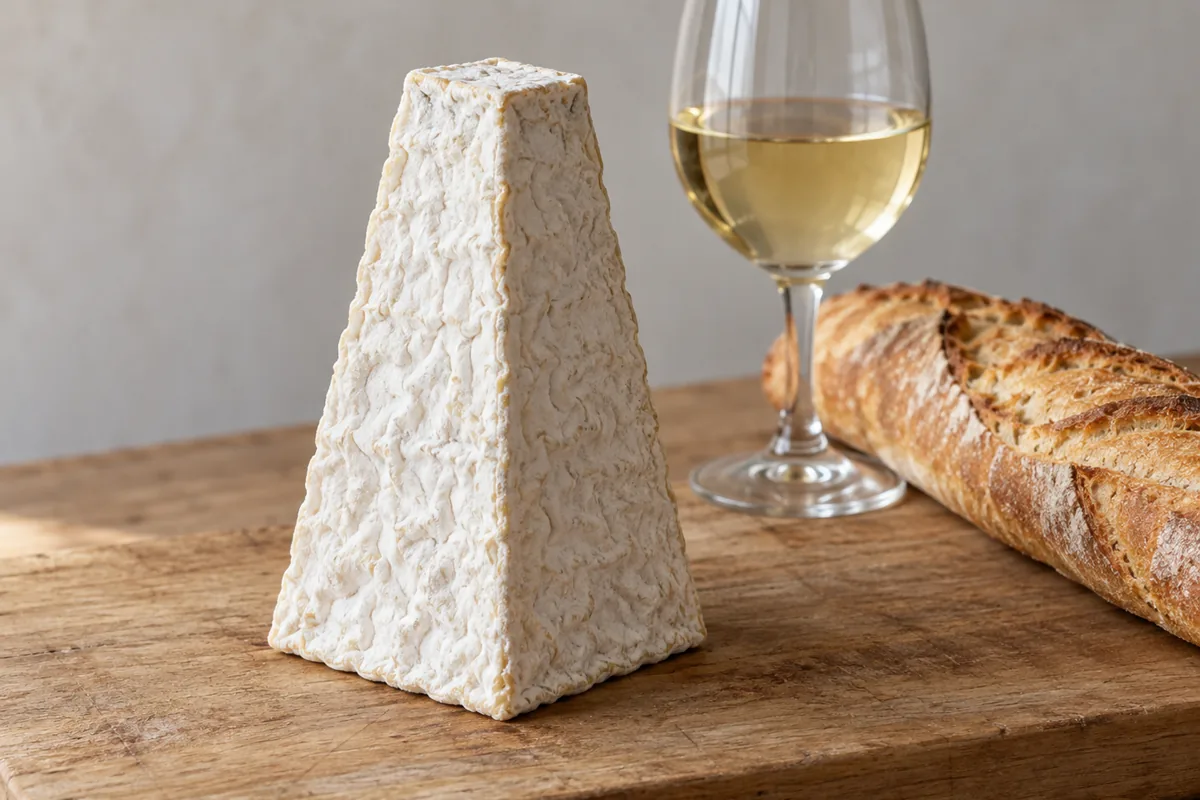
| Bergerac wines | Wine | Esprit de Pays lists red, dry white or sweet white Bergerac wines. |
| Sancerre | Wine | Les Nouveaux Fromagers pairs a Tarn Cabécou with dry white Sancerre. |
A dry white wine appears in both the Bergerac and Sancerre suggestions, while the interprofession leaves the wine choice to the Bergerac range.
How Should You Store Cabécou?
How cold to keep it depends on whose disc you have. Esprit de Pays gives a refrigerated storage range of 0 to 6 °C and says a cellar suits the cheese better than a standard refrigerator.
Rians says to keep its pasteurised disc at 4 to 8 °C in the original packaging and to eat it within 3 to 4 days of opening.
For Cabécou d'Autan, Histoires et Fromages advises 4 to 6 °C and serving it at 16 to 18 °C once it has reached room temperature.
What Should You Check on the Label?
Start with the full name, because Cabécou du Périgord and Cabécou d'Autan each carry rules that a plain Cabécou does not.
If you track nutrition, a Rians label lists 275 kcal, 22 g of fat (17 g saturated), 18 g of protein and 1.6 g of salt per 100 g for its pasteurised 35 g Périgord disc. Other Cabécou types may differ, so use the label on the disc you buy.
SOURCES & REFERENCES
Cabécou is a family of small round goat cheeses from south-west France, with a soft, creamy paste that gets stronger as it ripens.
No. French Wikipedia says Rocamadour was originally called cabécou de Rocamadour, but only the name Rocamadour received AOC and later AOP protection.
Size varies by type. The Périgord interprofession gives 50 to 57 mm and 35 to 40 g, while produits-laitiers.com gives 70 g for Cabécou d'Autan.
Yes. The interprofession describes serving it cooked warm in salads and starters, and Esprit de Pays names tartines and tarts.
Some types are and some are not. Cabécou d'Autan and Rocamadour use raw milk, Rians sells a pasteurised Périgord disc, and Le Guide du Fromage lists Périgord as raw or pasteurised.