Cheese Profile

Colston Bassett Stilton: Creamy and Crumbly at the Same Time

Colston Bassett Stilton is a traditional English blue cheese with creamy crumb, natural rind, and blue veining. Learn how it tastes, serves.

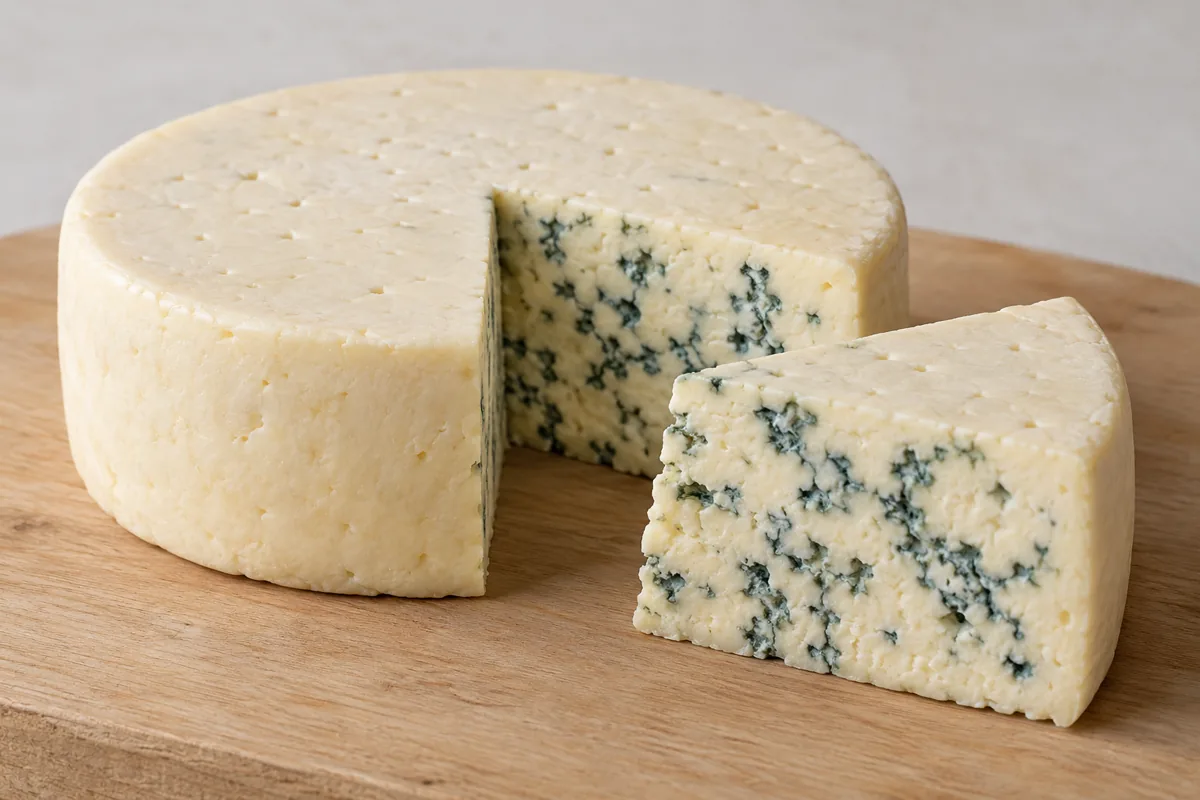
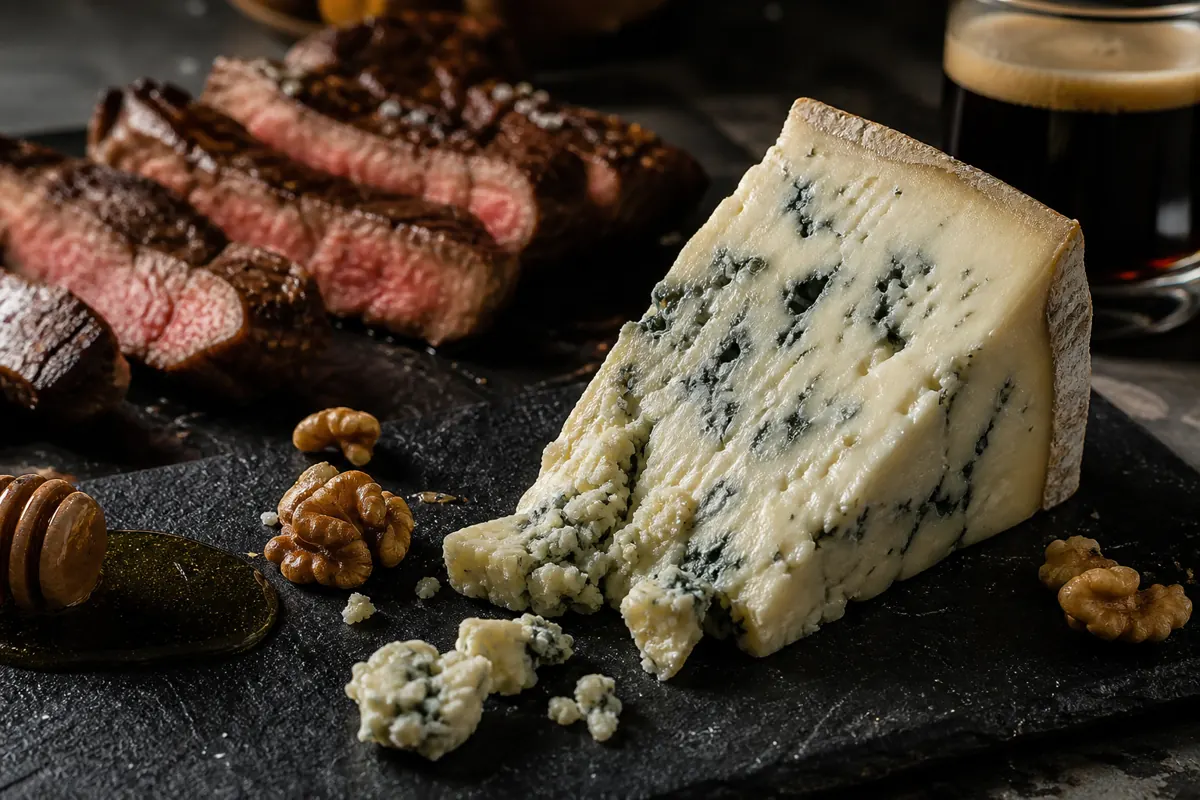
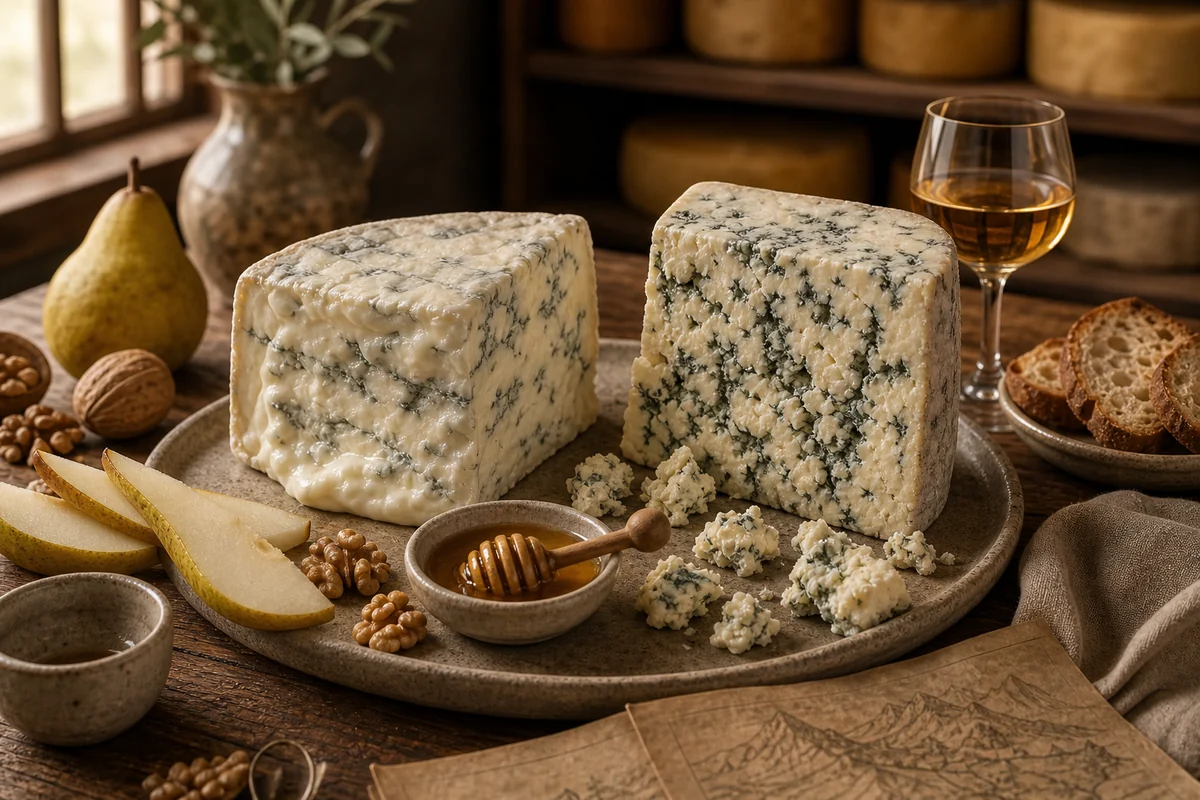
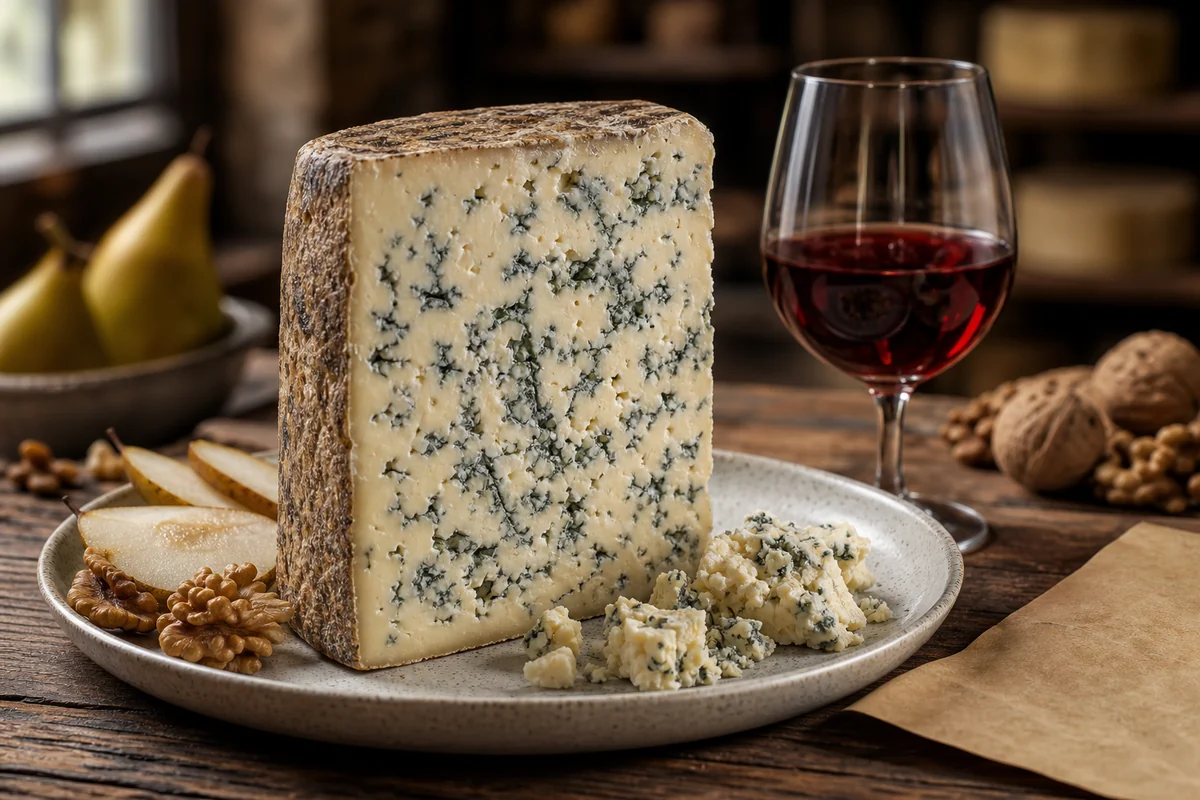
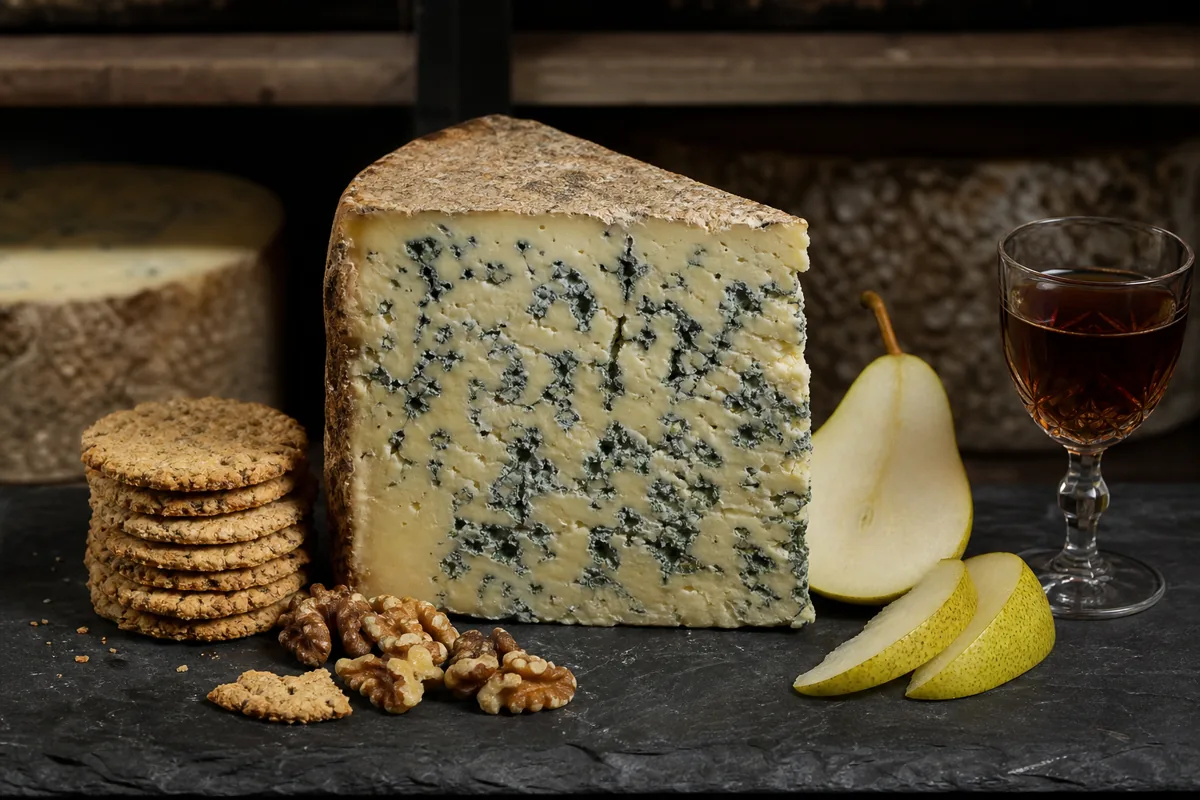
Traditional blue Stilton wedge with pear walnuts oat crackers and port - Colston Bassett Stilton | KnowTheCheese
COLSTON BASSETT STILTON QUICK FACTS
OriginColston Bassett, Nottinghamshire, England
MilkPasteurized cow milk
TextureCreamy, crumbly, blue-veined
RindNatural brown rind
AgingTraditional Stilton aging, producer-dependent
Fat Contentrich blue-cheese range
Availabilityspecialty cheese shops, British cheese counters, holiday cheese boards
PricePremium specialty
PregnancyPasteurized but check handling
Lactosemoderate

Colston Bassett Stilton is a traditional English blue Stilton from Nottinghamshire. Buy it when you want creamy crumb, natural rind, blue veining, and a stronger cheese-board centerpiece than a mild blue.

The point is not only that it is blue cheese. The Colston Bassett name signals a specific Stilton maker with a reputation for a rich, creamy texture.

That makes it a narrower choice than the broad blue-cheese category. If the board needs one serious blue, this is a candidate for that slot.

What is Colston Bassett Stilton?

Colston Bassett Stilton is a named Blue Stilton from Colston Bassett Dairy in Nottinghamshire. Stilton is a protected English blue cheese style made under defined regional and production rules.

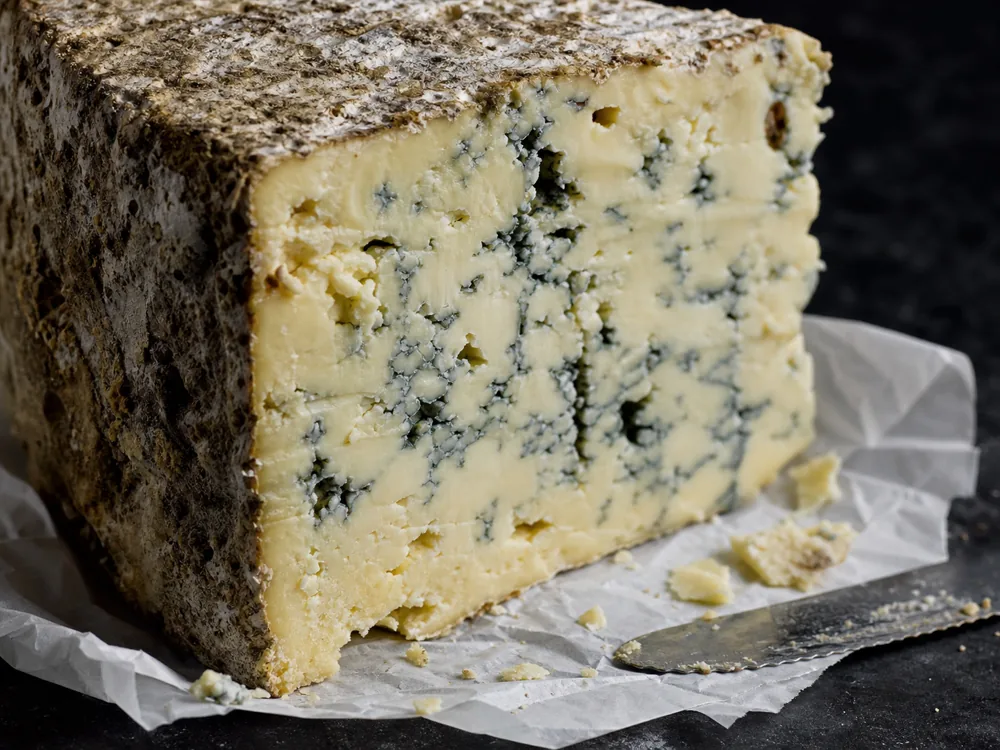
A good wedge should show a natural brown rind, ivory paste, and blue-green veining through the body. The texture should break into creamy crumbles rather than dry chalk.

Cheese familyBlue Stilton
Region cueNottinghamshire, England
MilkPasteurized cow milk
Serving rolePremium blue cheese wedge or crumble

Use the full name when the maker matters. Use Stilton when the recipe only needs the cheese style.

That distinction helps avoid paying a premium when the dish will hide the cheese.

For a holiday board, the maker matters because guests see the wedge and taste it directly. For a blue-cheese sauce, the same money may be better spent on volume because heat and cream blur the named-dairy detail.

The rind also marks it as a real wheel cut, not a tub of blue spread. That visual cue helps the cheese carry a formal board without extra decoration.

That formal role changes how you portion it. A neat wedge can sit on the board, but the eating pieces should still be small crumbles or narrow cuts.

  • Best first description: traditional English Blue Stilton.
  • Main texture cue: creamy crumb, not dry blue dust.
  • Main visual cue: natural rind plus blue-green veins.
  • Main serving job: small wedges, crumbles, pears, celery, oatcakes, and port.

Why does Colston Bassett Stilton feel creamy and crumbly?

Stilton should not behave like a spread, but it should not fall apart like dry chalk either. The best pieces crumble under the knife and then turn creamy in the mouth.

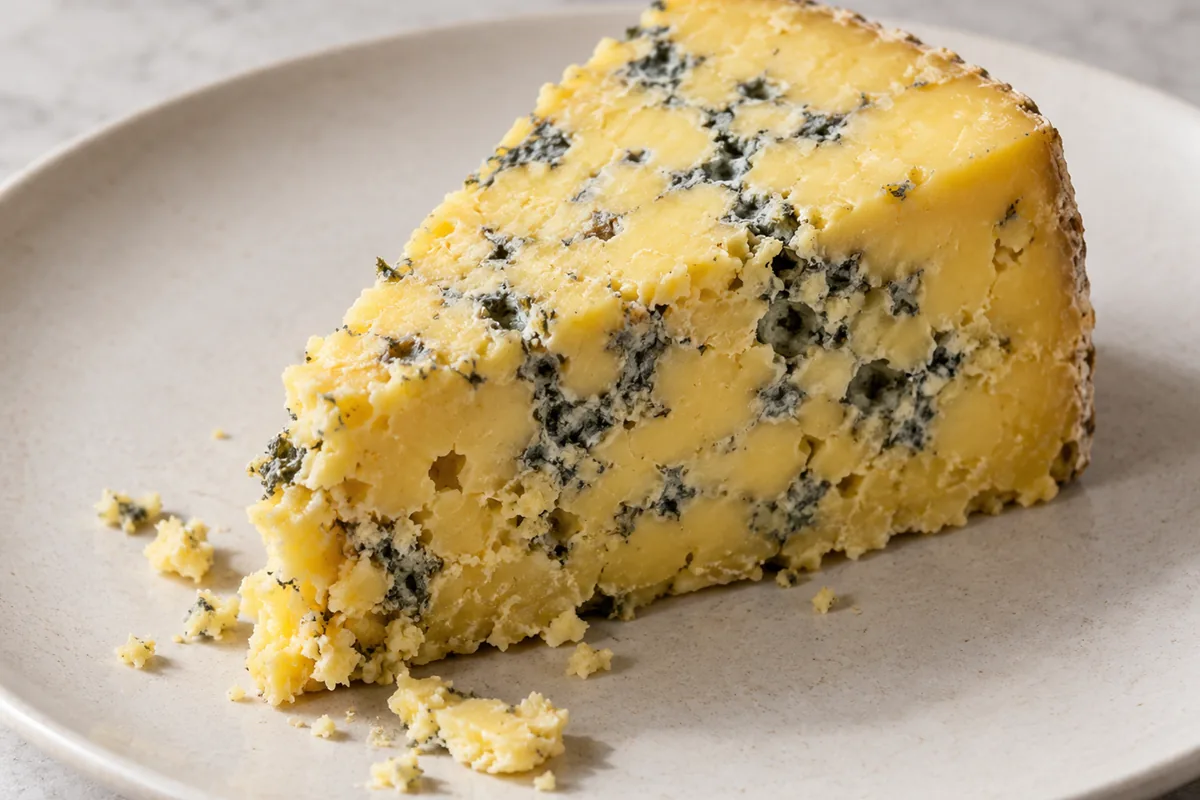
Blue Stilton cut face with rind open crumb and blue green veins - Colston Bassett Stilton | KnowTheCheese
Colston Bassett Stilton should show natural rind, open crumb, and blue veins that run through a creamy ivory paste.

The blue veins form after the cheese is pierced and oxygen reaches the interior. Those channels help the blue mold develop through the paste instead of staying only at the edge.

TEXTURE CUE

Creamy crumb is the goal. If the wedge is wet and collapsing, it may be overripe. If it is dry, dusty, and bitter, it may be old or poorly stored.

The rind is not a decoration. It protects the wheel and gives the wedge a stronger edge note.

Many people eat mostly paste and leave the toughest rind edge behind.

Break one crumble before serving. If it powders apart, the piece may be too dry.

If it smears like butter, it may be too warm. The sweet spot is a crumble that presses creamy on the tongue.

That texture is why thin slices are less useful than rough pieces. Crumbles expose the veins and let guests control intensity one bite at a time.

  • Good crumble: breaks cleanly, then turns creamy in the mouth.
  • Too dry: powders apart and tastes bitter or flat.
  • Too warm: smears before the veins can be seen.

What does Colston Bassett Stilton taste like?

Expect salty cream, savory blue mold, nutty depth, and a peppery finish. The flavor is stronger than many mild supermarket blues, but a good wedge should still taste balanced.

The blue note should feel clean and mineral, not harsh. The creaminess keeps the cheese from tasting only salty or bitter.

Compared with creamier Italian blue cheese, Stilton usually feels more crumbly and structured. Compared with sheep milk blue intensity, it reads more cow-milk creamy and less sharp.

Serve smaller pieces than you would for a mild cheese. Strong blue cheese rewards small bites with fresh or sweet partners.

The finish can linger. That is useful on a board, because a small amount tastes generous.

It is less useful before delicate foods, where the blue note can stay on the palate.

If the wedge tastes too salty on its own, do not discard it. Pair it with pear, celery, or chutney and reduce the portion.

Salt becomes easier to handle when water, acid, or sweetness joins the bite.

The blue should not taste dirty. A clean blue flavor can be strong, mineral, and peppery.

A bad wedge tastes stale, bitter, or sour in a way pairings cannot repair.

Best ways to serve Colston Bassett Stilton

Serve it in wedges or crumbles, not thick slabs. Small pieces let the blue veins season the plate without overwhelming the fruit, bread, or drink.

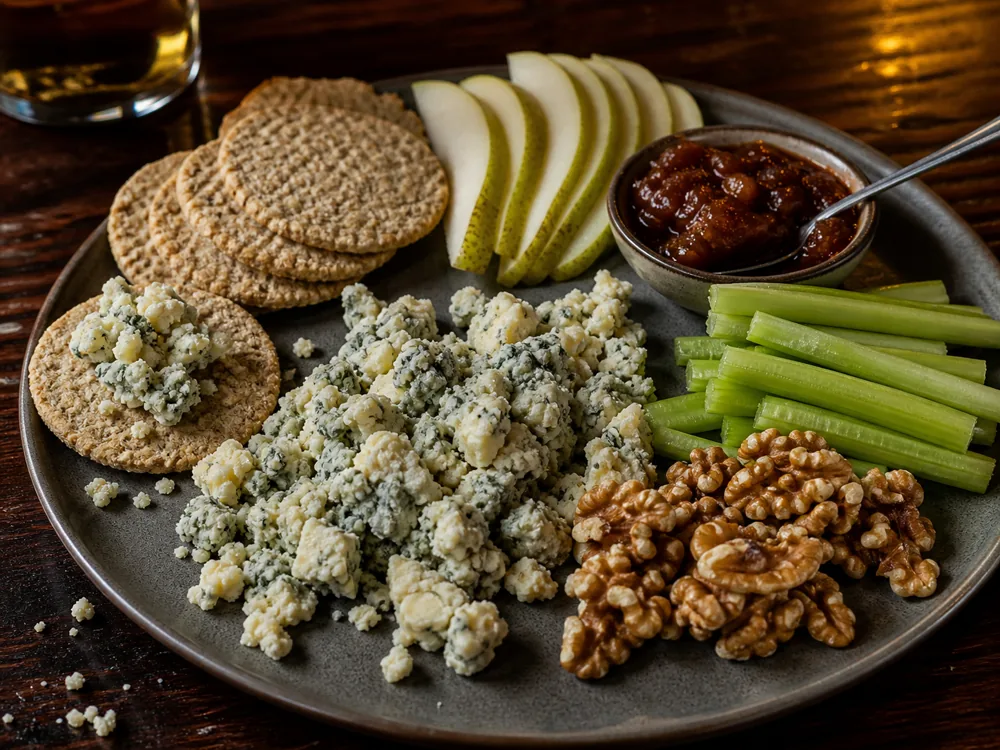
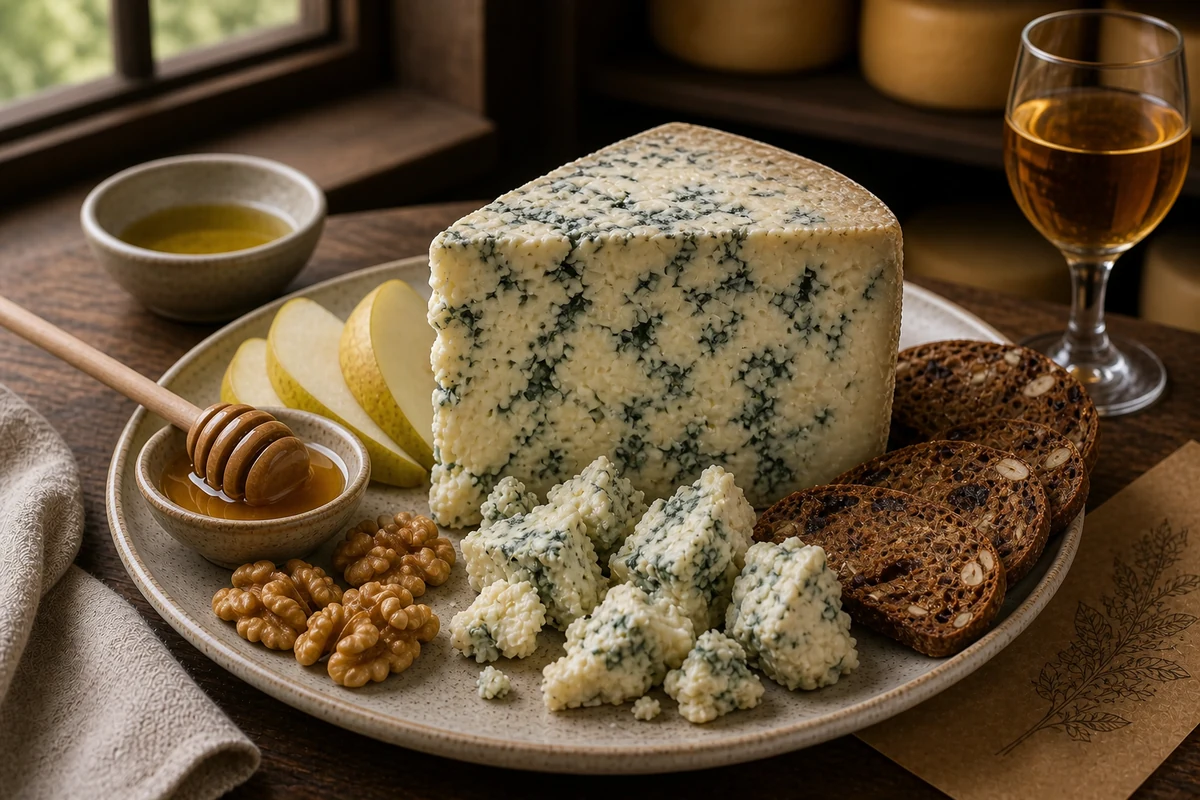
Crumbled blue Stilton on oatcakes with pear celery walnuts and chutney - Colston Bassett Stilton | KnowTheCheese
Small crumbles with oatcakes, pear, celery, walnuts, and chutney keep Stilton intense but manageable.

Oatcakes, pear, celery, walnuts, and chutney are classic because they give crunch, water, sweetness, bitterness, or acid. Plain bread works too, but avoid heavily seasoned crackers.

PairingWhy It Works
PearSoft sweetness counters salt and blue bite.
CeleryWater and crunch refresh the palate.
OatcakesGrainy base fits the crumbly texture.
ChutneySweet acid makes small crumbles feel complete.

For a board, Colston Bassett can be the only blue. Add a mild bloomy cheese and a firm aged cheese rather than another strong blue from the usual blue-cheese pairings.

Place it near the end of the board rather than in the center of every bite. Guests who love blue cheese will find it.

Guests who are cautious can take a small crumble without feeling trapped by it.

For salads, crumble it over bitter leaves, pear, celery, or walnuts. Avoid shredding it finely, because the cheese disappears unevenly and makes some bites too salty.

For a cheese course, serve it after milder cheeses. That order keeps the blue finish from muting Brie, goat cheese, or young Gouda.

What drinks pair with Colston Bassett Stilton?

Port is traditional because sweetness and alcohol stand up to the salt. Barley wine, stout, brown ale, and sweet dessert wines can also work.

Stilton drink pairings
Tawny portClassic sweet contrast for salt and blue bite.
Barley wineMalt weight matches the strong cheese.
StoutRoast notes work with walnuts and chutney.
Crisp white wineOnly works when the serving is small and fruit-led.

A dry red can make the blue taste metallic. If you want wine but not port, use the broader wine pairing for blue cheese logic and look for sweetness, bubbles, or enough body.

Do not pour the strongest drink automatically. A small wedge with pear can handle a gentler drink than a big crumble on oatcakes.

If the drink is doing most of the work, lower the cheese portion. The goal is contrast, not a contest between alcohol, salt, and blue mold.

For nonalcoholic service, use apple cider without alcohol, sparkling water, strong black tea, or a tart grape juice. The same rule applies: sweetness or bubbles must meet the salt.

  • Sweet drink: best when the wedge is salty and intense.
  • Dark beer: best when walnuts, chutney, or oatcakes are on the plate.
  • Crisp white: best only for a small fruit-led serving.

How is it different from generic blue cheese?

Generic blue cheese can mean many things. Colston Bassett Stilton points to a named English Stilton maker and a specific traditional style.

The rind, cylinder wheel format, blue veining, and protected Stilton identity separate it from Danish blue, blue dips, creamy Gorgonzola dolce, and sheep milk Roquefort.

Blue cheese sense check
CheeseWhat changes
Colston Bassett StiltonTraditional English Stilton with creamy crumb and natural rind.
Danish blueOften sharper and more industrial in style.
Gorgonzola dolceSofter, sweeter, and more spreadable.
RoquefortSheep milk, sharper, and more piquant.

If a recipe melts the cheese into sauce, a less expensive blue may be enough. If the cheese is served in visible wedges, the maker and texture matter more.

For a side-by-side board, use traditional Stilton traits as the style anchor and Colston Bassett as the named-maker upgrade.

If guests ask why it tastes different from other blues, compare texture first. A Gorgonzola and Roquefort contrast can explain why milk, moisture, and aging change the bite.

Do not substitute by color alone. A pale blue with a soft body may taste milder than a deeply veined dry wedge.

Texture and salt matter as much as the amount of blue.

That is why Gorgonzola dolce is not a straight replacement on a British board. It may be delicious, but the softer body changes how the cheese breaks, spreads, and pairs with port.

Roquefort changes the plate in another direction because sheep milk and sharper salinity create a different bite. It can replace intensity, but not the same creamy cow-milk crumb.

  • Named-maker value: matters most when the cheese is visible.
  • Recipe value: matters less when the cheese melts into sauce.
  • Board value: comes from rind, crumb, and clean blue veining.

Buying cues

Look for a wedge cut from a healthy wheel. The rind should look natural, the paste should be ivory rather than grey, and the veining should be spread through the body.

BUYING TIPS
Check the cut face
Blue veins should run through creamy ivory paste.
Check moisture
Avoid wedges that are weeping, slimy, or dried hard at the cut face.
Buy by use
Choose a larger wedge for a board and smaller crumbles for cooking.

Ask when it was cut. A newly cut wedge keeps aroma and moisture better than a piece that has sat wrapped for too long.

Look at the edge where the knife passed through. The paste should look moist but not wet.

Blue veins should look part of the cheese, not like fuzzy growth sitting only on the surface.

Also check the wrapper. Strong blue cheese can smell through paper, but liquid in the wrap or a swollen pack is a warning sign.

The cheese should be alive in aroma, not abused in storage.

If the wedge is pre-cut, choose the piece with the cleanest cut face. Dried edges mean you are paying for rind and stale paste instead of fresh blue character.

PORTION RULE

Plan small portions. Stilton is strong, salty, and rich. A few crumbles can season a plate more effectively than a large wedge.

For pregnancy or high-risk guests, confirm pasteurization and handling. Blue Stilton is commonly made from pasteurized milk, but cut-cheese storage still matters.

Storage and cooking

Wrap Colston Bassett Stilton in cheese paper or parchment and keep it in a container. Blue aroma travels, so do not store it uncovered beside mild cheeses.

STORAGE GUIDE
Fridge Temperature
35-40 degrees F
Best Location
Cold shelf, separate from delicate cheeses
Wrapping
Cheese paper or parchment inside a container
Opened
Use cut wedges promptly for best moisture
Freezing
Not recommended for board texture
Room Temp / Serving
Serve briefly, then refrigerate leftovers

For cooking, use small crumbles near the end. Stilton can enrich soup, steak sauce, salad, or mashed potatoes, but too much makes the dish salty fast.

In soup or sauce, add it after the base is hot and smooth. Boiling hard can make the blue flavor rough and can push salt forward.

Gentle heat keeps the creamier side intact.

In mashed potatoes, fold in crumbles off heat. The potatoes soften the blue without turning the whole bowl into a salty sauce.

In steak sauce, start with less than you think. Colston Bassett brings salt and umami quickly, and reducing a sauce after adding it can make the final bite too strong.

In salads, add it last. Tossing too hard smears the cheese into the dressing and removes the crumbly texture that makes Stilton satisfying.

For a steak topping, crumble it over the meat after resting. Direct pan heat can push the blue note bitter, while residual heat softens it enough.

If you need a melt-first cheese, use another cheese from the best melting cheese list. Stilton is a flavor cheese first.

Best substitutes for Colston Bassett Stilton

The closest substitute is another good Blue Stilton. If Stilton is unavailable, choose a blue cheese based on texture and intensity, not only the word blue.

UseHow It Works
Use 1Use another Blue Stilton when the board needs the closest swap.
Use 2Use Gorgonzola when the dish needs softer cream.
Use 3Use Roquefort when sharper sheep milk bite is welcome.
Use 4Use a mild blue when guests need a gentler introduction.

For a board, a substitute should crumble, taste savory, and hold its shape. For a sauce, you can use a cheaper blue because texture disappears into the dish.

When the substitute is for guests who find blue cheese too strong, move toward a milder blue wedge rather than another powerful Stilton-style piece.

If the board needs a firm non-blue companion, use aged Cheddar bite beside the Stilton instead of replacing the Stilton with it.

If the recipe needs only a salty blue note, a cheaper blue can be sensible. If the cheese will be served as a named wedge, stay closer to Stilton so the rind, crumb, and blue pattern still make sense.

When you substitute for a board, keep the rest of the plate stable. Pear, celery, oatcakes, and walnuts can make a nearby blue feel more like Stilton even when the maker changes.

When you substitute for cooking, the plate can be looser. The sauce, potato, or salad dressing will carry the blue note, so the exact rind and wheel structure matter less.

For a gift board, keep the named cheese and build around it. Colston Bassett has enough identity to justify simple partners, so you do not need many extra strong flavors.

For a weeknight salad, use a smaller amount and let bitter leaves, pear, or celery stretch the flavor. That keeps the cheese special without making the bowl too rich.

For a sauce, taste before salting anything else. Stilton can supply more salt than expected once it melts into cream, stock, or pan juices.

That tasting step is especially important with named Stilton because the cheese is usually bought for depth, not just salt. Let the blue flavor register before adjusting the dish.

If the dish already contains bacon, cured meat, or salty stock, add the cheese in two rounds. Taste after the first round, then decide if the second is needed.

This keeps the Stilton from becoming the only flavor in the dish.

That restraint also respects the wedge. You bought character, cream, blue depth, and natural wheel rind, not a quick salt shortcut.

SOURCES & REFERENCES


1.
Colston Bassett Dairy, 2026 Producer Reference
Used for maker identity and dairy context.

2.
Stilton Cheese Makers Association, 2026 Protected Cheese Reference
Used for Stilton identity and protected-style context.

3.
Cheese.com, 2026 Cheese Reference
Used for identity and reference context.

Colston Bassett Stilton is a traditional English Blue Stilton from Colston Bassett Dairy in Nottinghamshire, known for creamy crumb, natural rind, and blue veining.

Yes, it is a full-flavored blue cheese. It should taste salty, creamy, savory, and blue, but not harsh or bitter when well kept.

Pear, celery, walnuts, oatcakes, chutney, port, barley wine, stout, and brown ale are natural partners.

Yes. Add modest crumbles late so the dish gains blue flavor without turning overly salty.

Another Blue Stilton is the closest substitute. Gorgonzola, Roquefort, or a mild blue can work depending on whether you need creaminess, sharpness, or a gentler blue flavor.