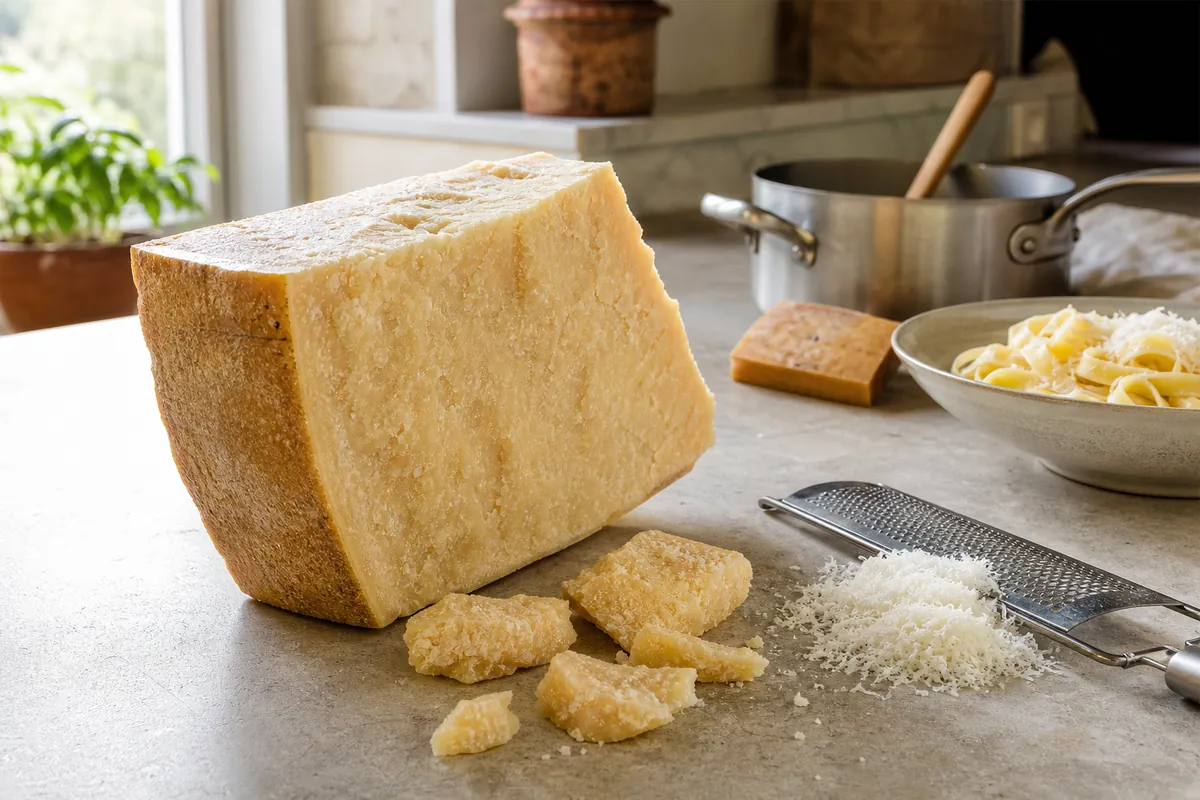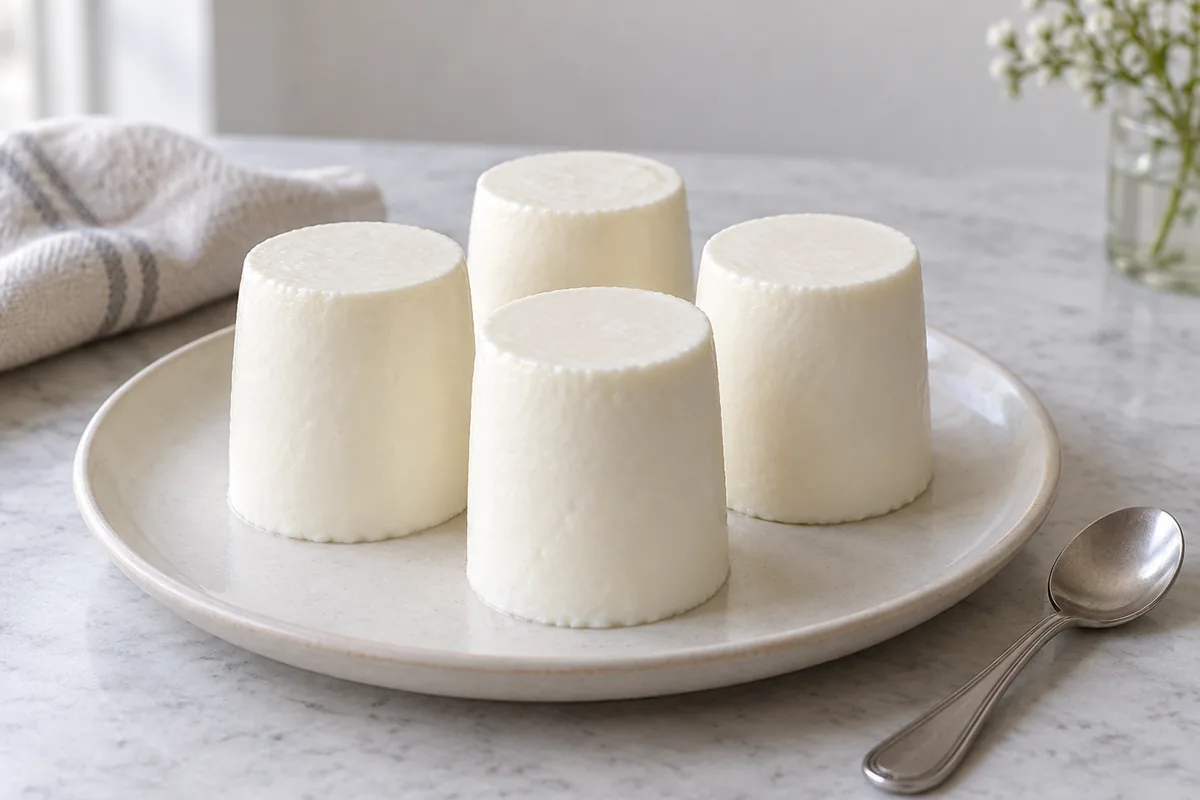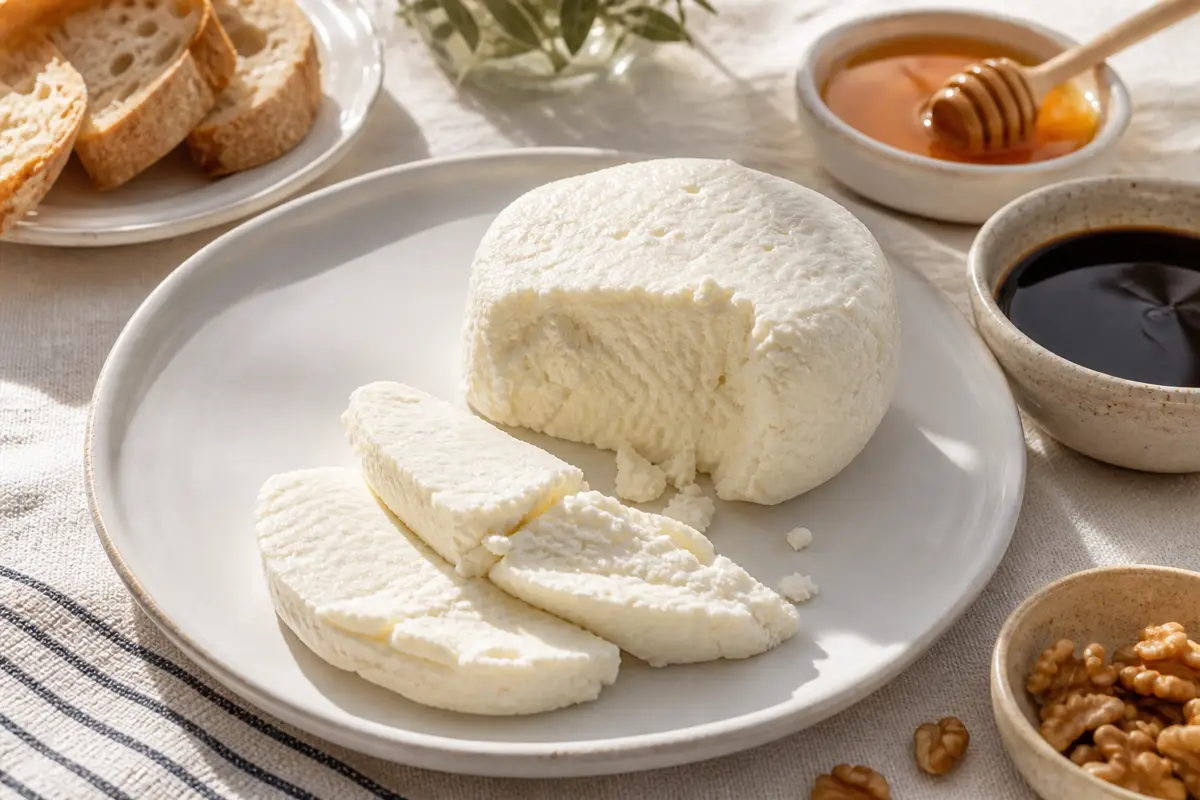
Anari is a Cypriot whey cheese sold fresh or dried. For a sweet filling or breakfast with honey, choose fresh unsalted Anari; for grating over pasta, choose the hard, dried form.
Fresh Anari can also be salted, so the word fresh does not settle which one a recipe needs. The distinction matters more than treating every white Anari cheese as the same ingredient.
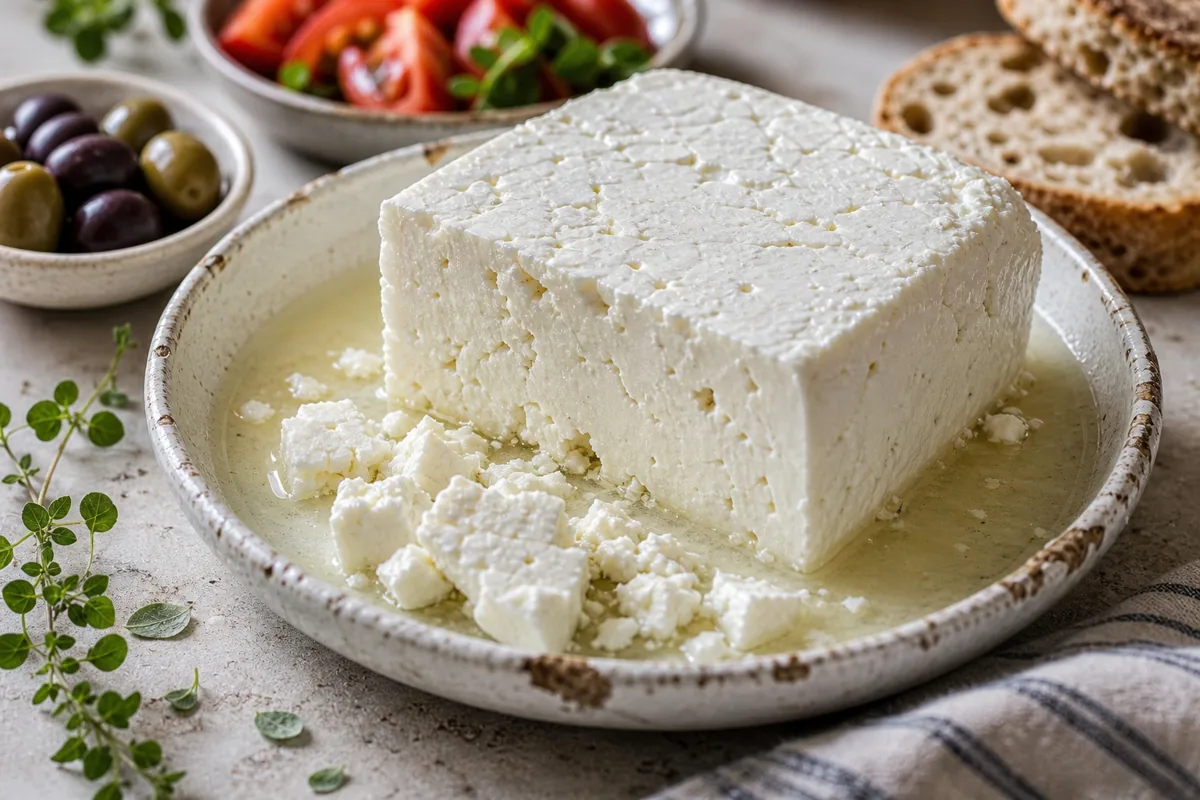
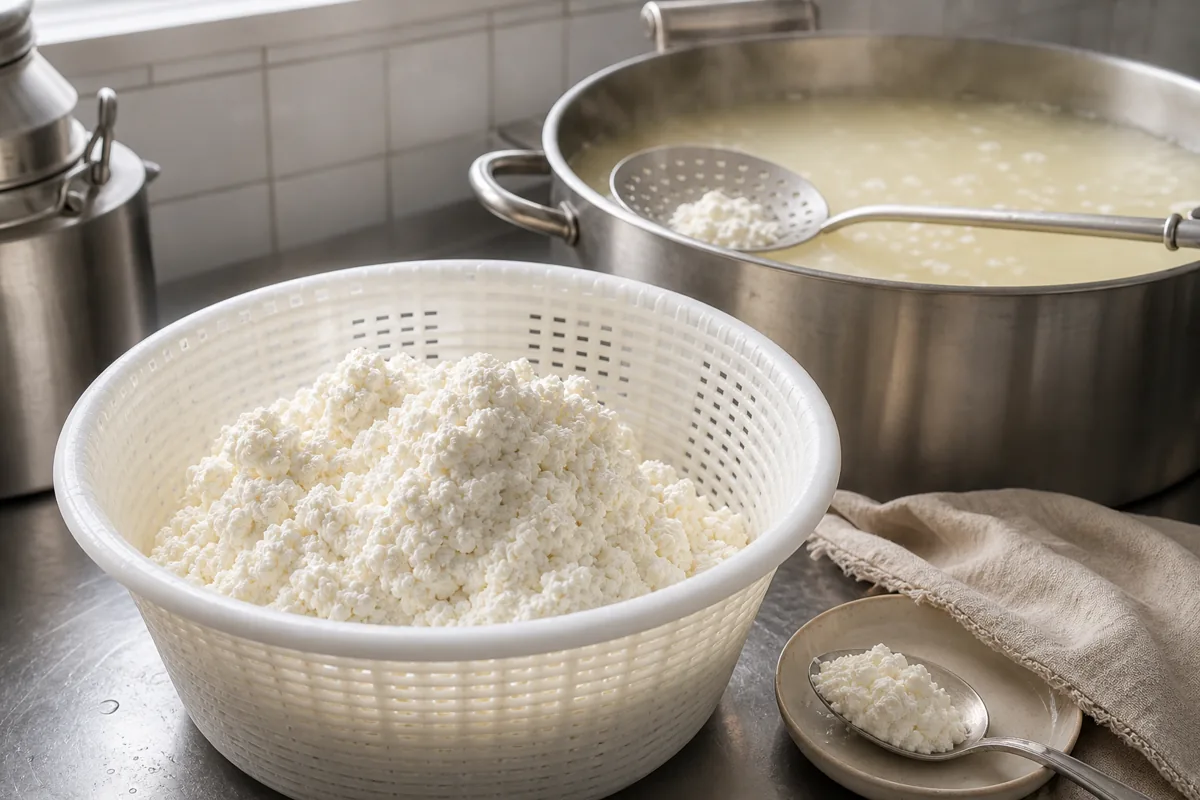
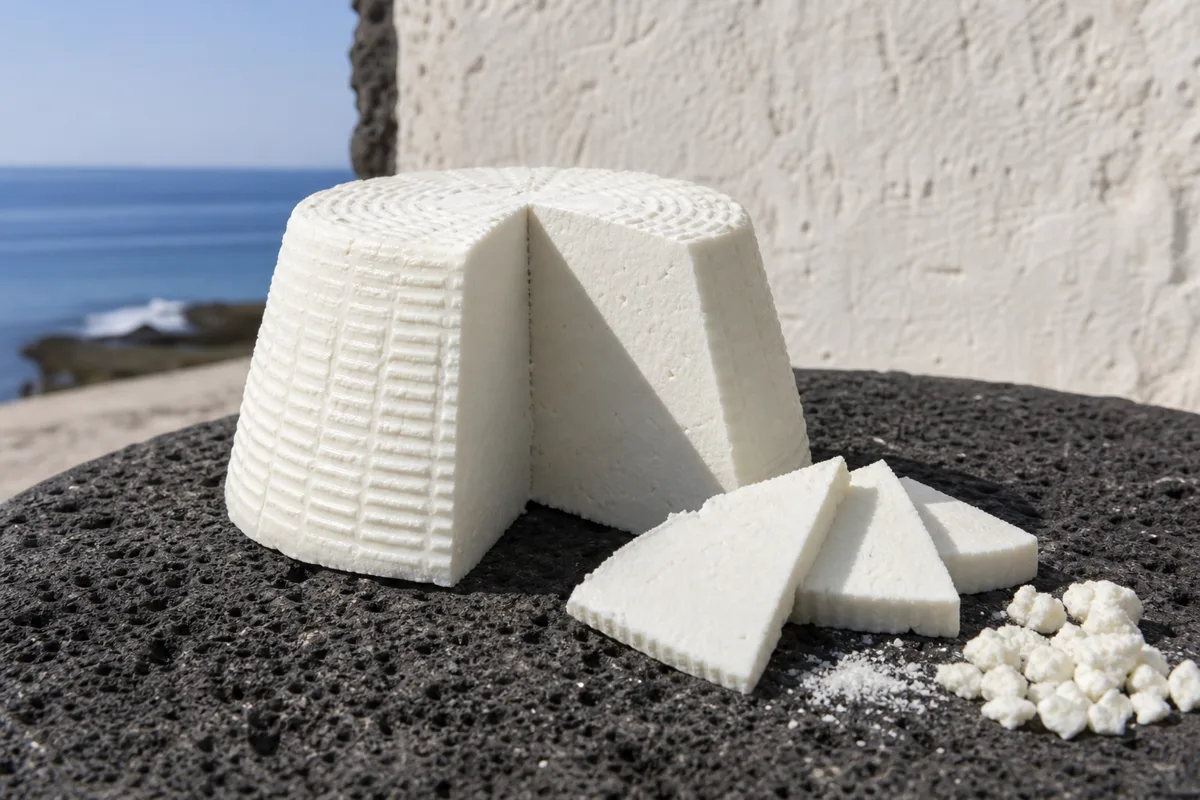
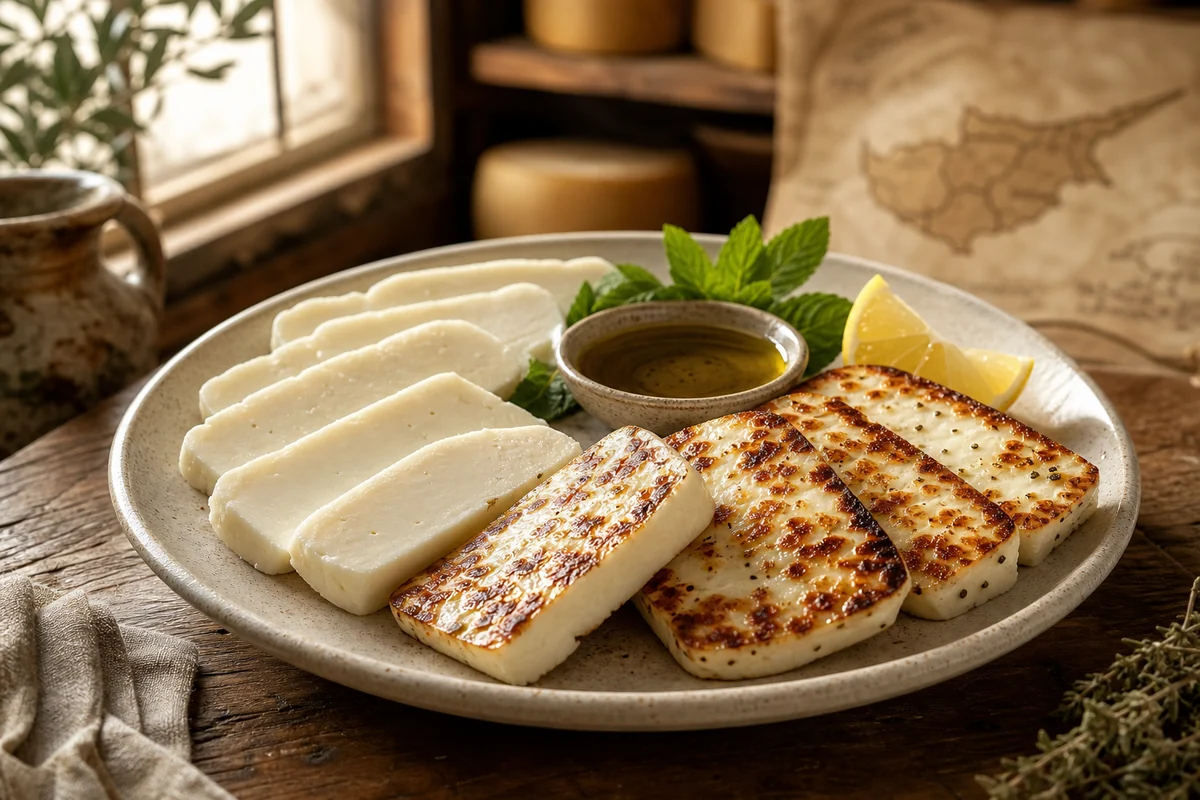
The images are illustrations of cheese forms, preparation and serving ideas, not photographs of a named maker's products or our own cooking tests.
In This Article
How Anari Comes From Halloumi Whey
Anari recovers a second curd from the whey left after the main Halloumi curd has been removed. Cyprus's Department of Agriculture describes continued heating and stirring, with a small addition of fresh milk known as prosgalo or anarogalo.
As the whey approaches boiling, fine curds rise and are collected for draining. That sequence explains the relationship with Halloumi without making the finished cheeses interchangeable: the Halloumi curd and the later whey curd are different products.
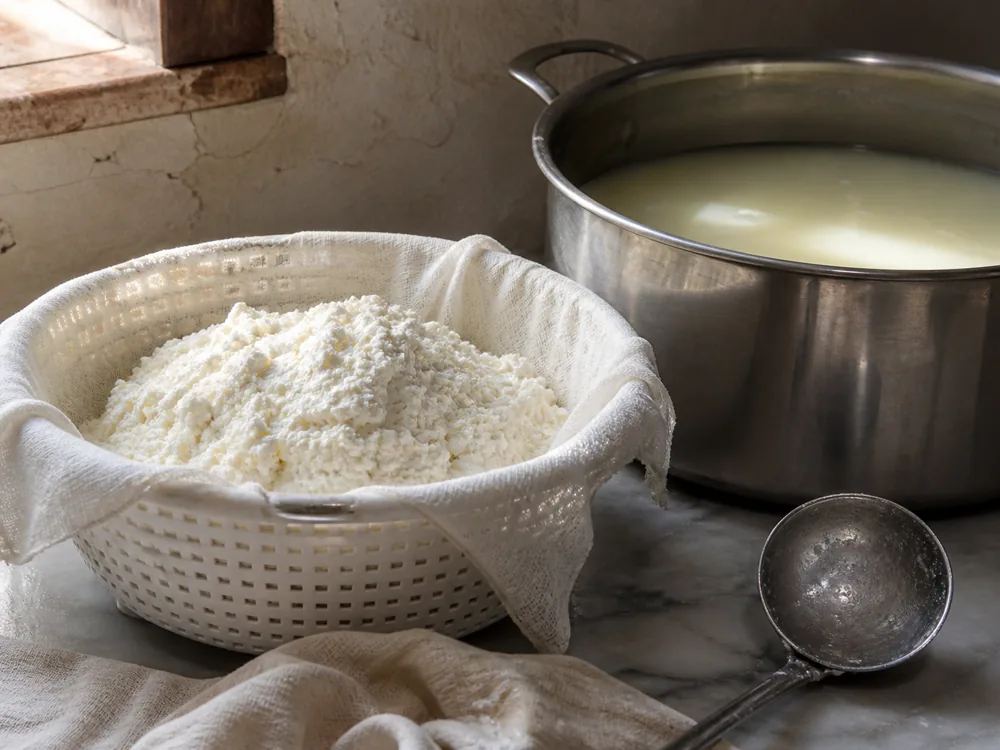
The producer Chrysos describes adding fresh milk equal to 5-10% of the whey in its process. That is one documented method, not a formula every Anari manufacturer must follow.
Milk sources also differ: Petrou Bros lists whey from cow, sheep and goat milk plus cow's milk, while Charalambides Christis's fresh export product lists whey from pasteurized goat and sheep milk. A shopper avoiding cow's milk therefore needs the actual product's ingredients, not a general claim that Anari always uses sheep or goat milk.
Whey is itself a dairy ingredient. Making cheese from it does not make Anari vegan, milk-free or automatically lactose-free.
Is Fresh Anari Always Unsalted?
The useful choices are fresh unsalted, fresh salted and dry salted. Cyprus's official food guide describes all three outcomes after the whey curd is collected, including drying under controlled conditions.
| Form | What changes | Typical use |
|---|---|---|
| Fresh unsalted | Soft, mild curd without added salt dominating the filling | Honey or carob syrup at breakfast; sweet pastries |
| Fresh salted | The soft form with a savoury salt contribution | Eating as a fresh table cheese |
| Dry salted | Firm enough for grating, with concentrated seasoning | Pasta, bulgur or a salad finish |
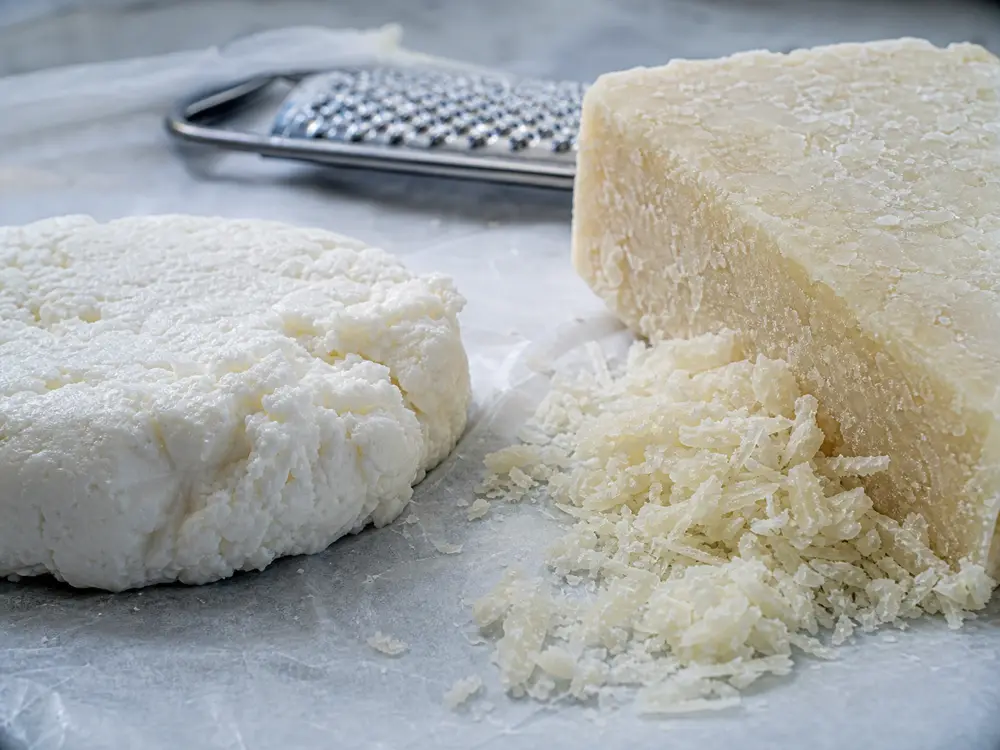
Fresh Anari's mild, milky flavour leaves room for either sweet or savoury additions. Salted fresh Anari may look similar to an unsalted piece, so a soft white appearance cannot replace the label when buying for dessert.
The dry cheese is not a direct filling substitute simply because it shares the name. It adds hard grated particles and seasoning where a pastry mixture expects moist curd.
What Are the Best Uses for Fresh Anari?
Unsalted Anari can be eaten with honey or carob syrup, both documented Cypriot accompaniments. The syrup supplies sweetness while the mild cheese contributes body, so a simple breakfast does not require turning the curd into a complicated dessert.
For pastries, the filling has its own formulation. The official Visit Cyprus filo-pie recipe combines 500 g unsalted Anari with 100 g fresh cream, then adds cinnamon, sugar and rosewater before enclosing the mixture in pastry.
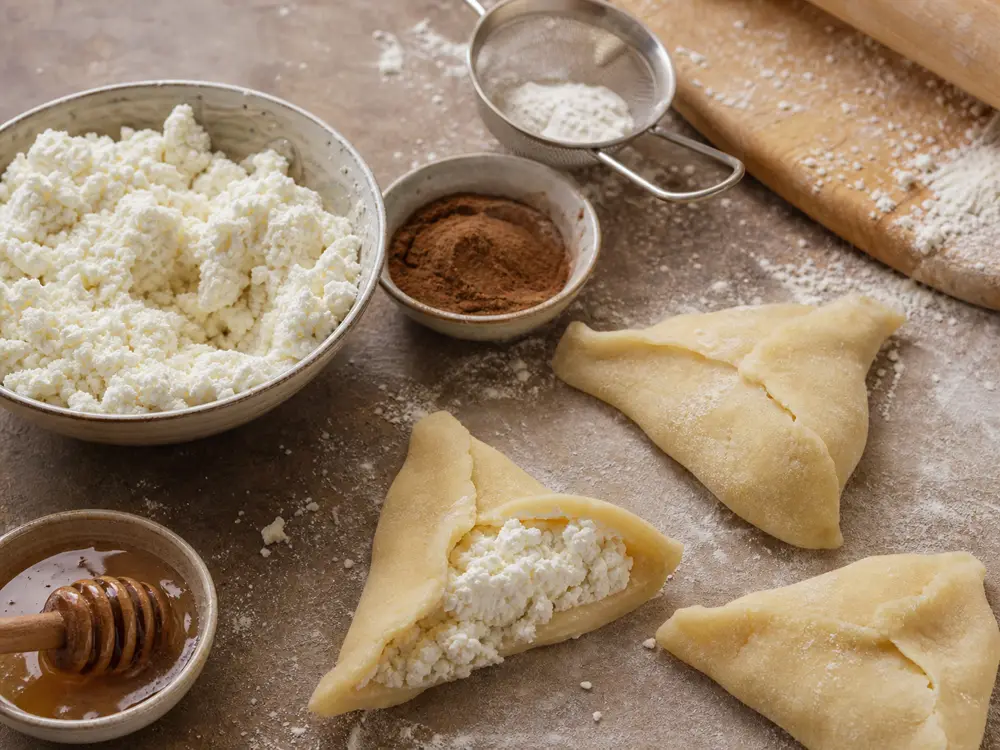
The cream and seasonings explain why plain Anari on its own does not reproduce that finished filling. The published recipe allows baking or frying, while traditional bourekia use dough pastry and are fried, so Anari's fresh character does not limit it to uncooked food.
If fresh unsalted Anari is unavailable, fresh ricotta is a practical starting point for a similar mild curd filling. Its moisture can differ, so a complete recipe and the consistency of the filling matter more than substituting solely by the whiteness of the cheese.
Cream cheese produces a different filling, and Halloumi is not a direct alternative for this job. A recipe for a grilled Halloumi slab relies on a structure that a moist Anari filling does not supply.
Why Use Dry Anari for Pasta?
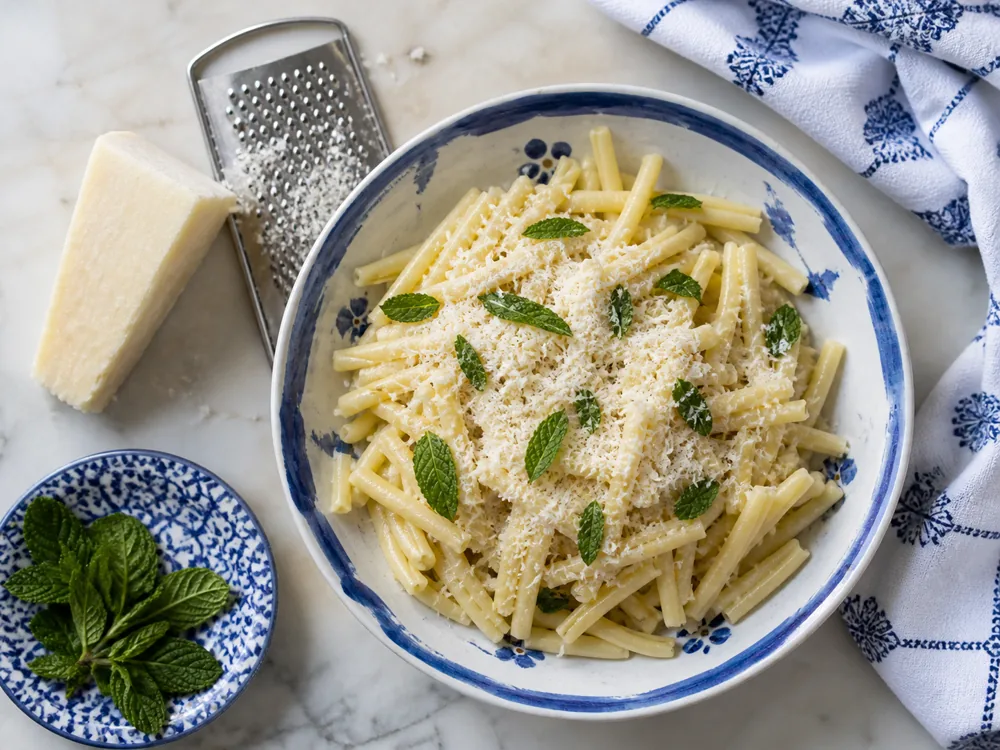
Dry Anari adds grated cheese and seasoning to a dish instead of becoming a soft filling. Petrou Bros recommends its dry version on pasta, in salads or mixed with bulgur.
Its label lists salt, so it makes sense to account for the cheese before adding more seasoning to the finished dish. This is especially useful when the pasta or stock already contributes salt.
Ricotta salata is a closer starting point than fresh ricotta when replacing a firm salted whey cheese for crumbling or grating. The substitution still changes flavour and salt, so it is not a promise of an identical result.
Neither form of Anari should be chosen on the assumption that it will make mozzarella-like strands. The fresh curd and dry grating cheese have useful roles of their own; a recipe that depends on stretch needs its specified melting cheese.
How Does Anari Nutrition Change Between Fresh and Dry?
Fresh and dry Anari can differ substantially even within one producer's range. Petrou Bros publishes the following values for its fresh and dry cheeses on the same 100 g basis.
| Nutrient | Fresh Anari | Dry Anari |
|---|---|---|
| Energy | 168 kcal | 344 kcal |
| Fat | 12 g | 28 g |
| Protein | 12 g | 19 g |
| Salt | 0.8 g | 3 g |
The dry product has more energy, fat and salt at equal weight, so describing all Anari as low-fat obscures a useful difference. A grated finishing portion may be smaller than a bowl of fresh cheese, however, which also affects how much a meal supplies.
For example, 20 g of the listed dry Anari supplies about 68.8 kcal and 0.6 g salt, calculated from its panel. That is an example portion for comparison, not the manufacturer's declared serving or a dietary recommendation.
Fresh products are not identical either: Charalambides Christis's unsalted fresh Anari lists 170 kcal, 12 g fat, 11 g protein and 0.1 g salt per 100 g. Its lower listed salt shows why choosing the actual fresh product matters, even when two cheeses look similar.
These European panels state salt, not sodium, and their fat figures refer to 100 g of cheese rather than fat in dry matter. A sugar or carbohydrate value also cannot establish that a product is lactose-free.
What Should You Know About Anari Labels and Storage?
Charalambides Christis explicitly describes its fresh export Anari as made from pasteurized goat- and sheep-milk whey and suitable for vegetarians. Those are product-specific statements, not permissions to apply the same claims to every fresh or dried Anari.
The same producer advertises a nine-day shelf life for its fresh basket product. It does not state nine days after opening, so that number cannot be used to extend the date on a pack you have already purchased.
Keep fresh Anari refrigerated and follow its use-by date and any shorter after-opening instruction. FDA home-storage guidance calls for 4 C / 40 F or below and no more than two hours out of refrigeration, reduced to one hour above 32 C / 90 F.
Dry Anari needs its own package instructions rather than borrowing either a fresh cheese's date or a generic claim that hard cheese can stay in a cupboard. For loose cheese, the seller should be able to provide the original product's storage directions.
The sources used here do not establish a reliable freezing-and-thawing result for every Anari. If a recipe needs the fresh cheese's texture, a maker's specific advice is preferable to promising that a frozen portion will behave unchanged.