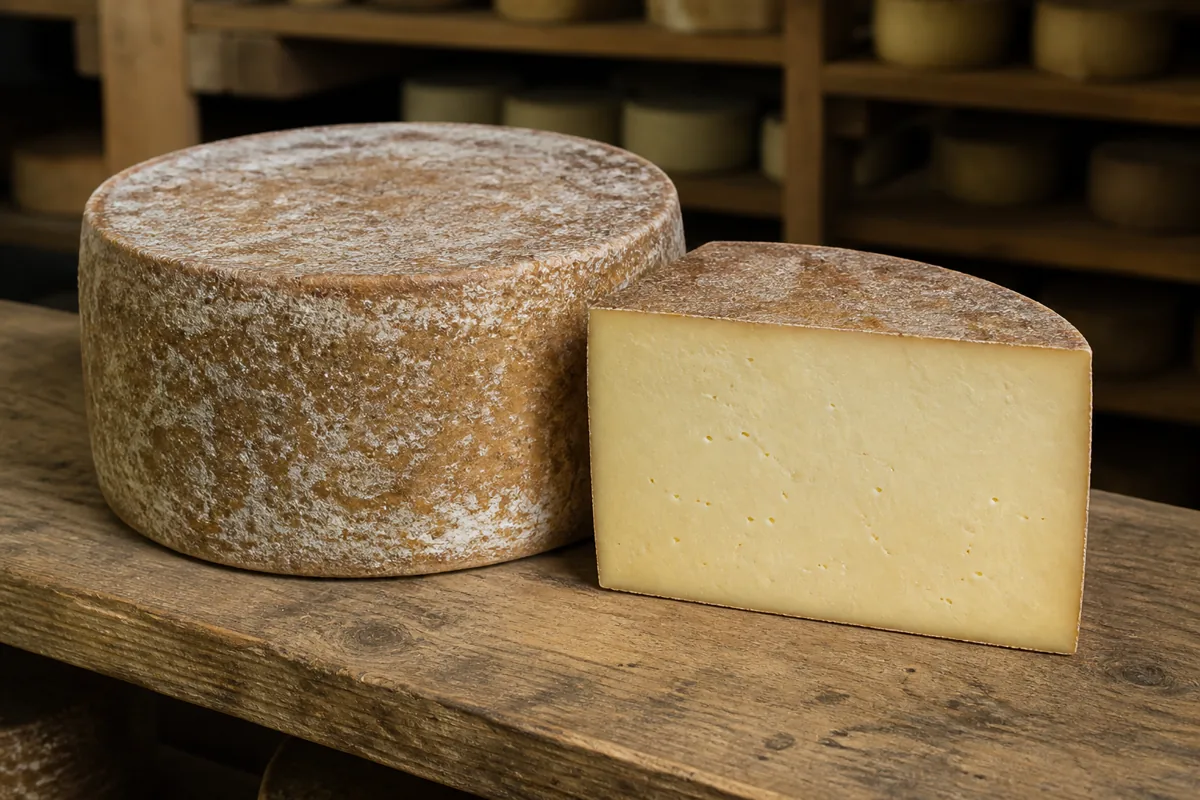
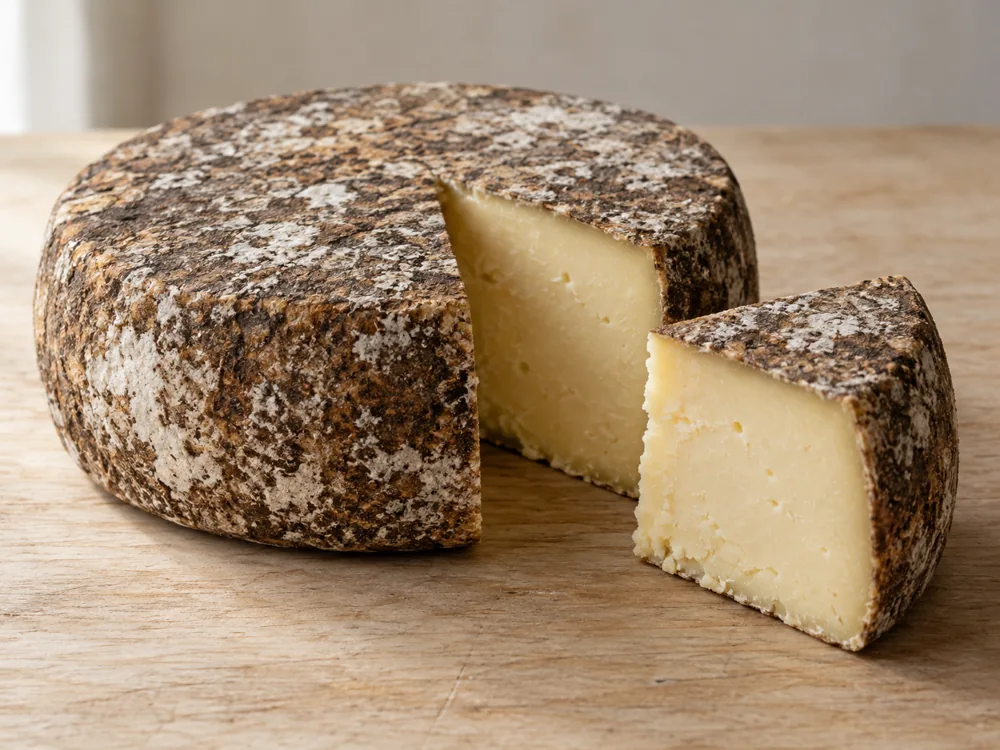
Cave Aged Marisa is a pasteurized sheep's milk cheese that Carr Valley Cheese makes in La Valle, Wisconsin. It is the cave-aged version of Carr Valley's Marisa, with a dark brown rind patched with white mold.
In This Article
What Is Cave Aged Marisa Made From?
The cheese is made from 100% sheep's milk, and the milk comes from pastured Wisconsin sheep.
Wisconsin Cheese Mart and Cured and Cultivated list the same ingredients: pasteurized cultured sheep milk, salt, enzymes, cultures and natural molds.
The rennet is vegetarian in Wisconsin Cheese Mart's listing and vegetable in Culture's and Antonelli's descriptions, while Cured and Cultivated's ingredient list says only "enzymes". If you are vegetarian and buy from Cured and Cultivated, ask which kind it uses.
Cave Aged Marisa spends three months in a cellar before release in Culture's account, or up to three months in an open-air cave in Cheese.com's. Wisconsin Cheese Mart also credits open-air cave aging, and Antonelli's refers to a cave-aging process.
Cheese.com's "up to" leaves room for a piece younger than three months, so if age matters to you, ask the seller how old your piece is.
What Do the Rind and Paste Look Like?
Cave Aged Marisa has a natural rind, dark brown and mottled with patches of white mold, around a paste the color of pale straw. Ask the seller of your piece whether that rind is meant to be eaten.
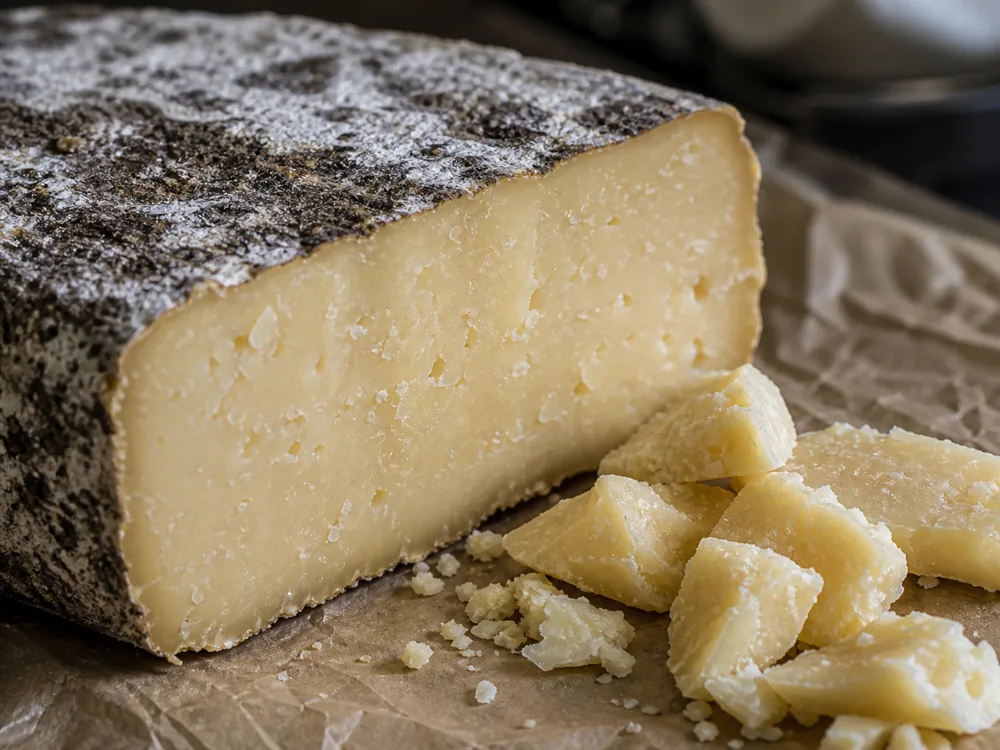
Cheese.com describes the same rind as speckled with white mold over a pale straw interior, and its fact panel lists the color as pale yellow.
Culture calls the paste firm, Antonelli's lists the style as firm, and Cheese.com gives the texture as firm and files the cheese as semi-hard and artisan.
What Does Cave Aged Marisa Taste Like?
Every description of Cave Aged Marisa calls it sweet: Cheese.com, Culture and Wisconsin Cheese Mart use the word outright, and Antonelli's says slightly sweet. Cheese.com adds tangy, and Culture a slight tang.
Antonelli's alone calls the cheese nutty, and it adds a touch of earthiness and a comparison to Parmesan flavors.
Cheese.com puts the sweet, creamy and slightly tangy notes down to the sheep's milk and the complexity to the open-air cave, while Wisconsin Cheese Mart credits the cave with the complex, sweet and slightly rambunctious flavors together.
| Question | As described | Given by |
|---|---|---|
| Is it sweet? | Sweet; slightly sweet | Cheese.com, Culture, Wisconsin Cheese Mart; Antonelli's |
| Is it tangy? | Tangy; a slight tang | Cheese.com; Culture |
| What other flavors are named? | Creamy; cream-like, lactic notes; complex and slightly rambunctious, from open-air cave aging; nutty, with a touch of earthiness and Parmesan-like flavors | Cheese.com; Culture; Wisconsin Cheese Mart; Antonelli's |
| What does it smell like? | A sweet aroma | Cheese.com |
| What is the texture? | Firm; firm style with a smooth and silky finish | Cheese.com, Culture; Antonelli's |
What Goes with Cave Aged Marisa?
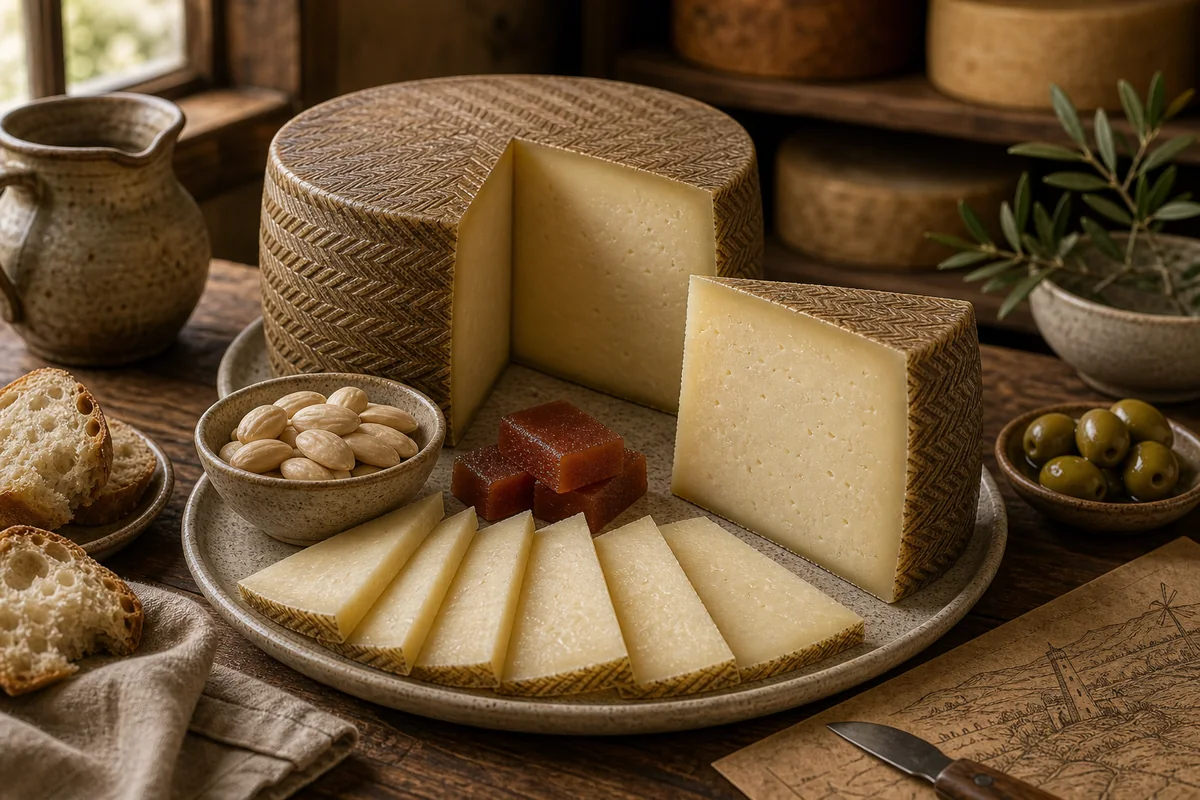
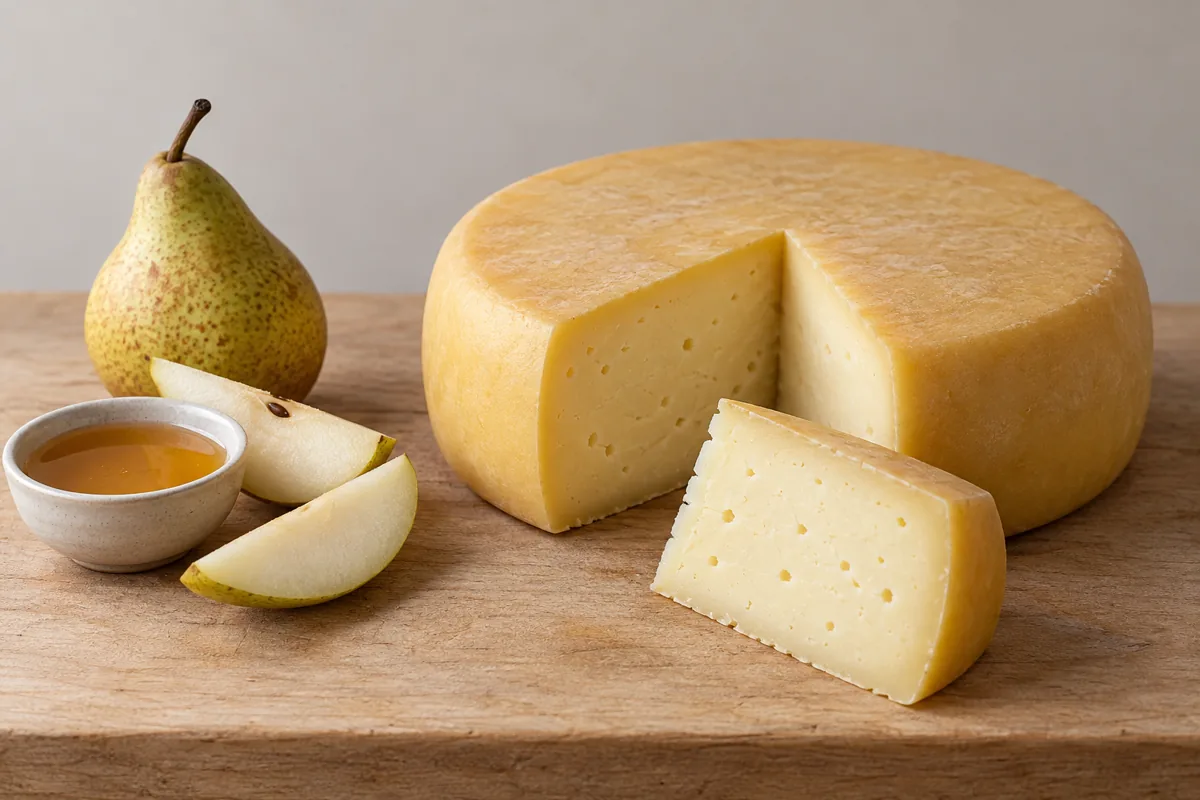
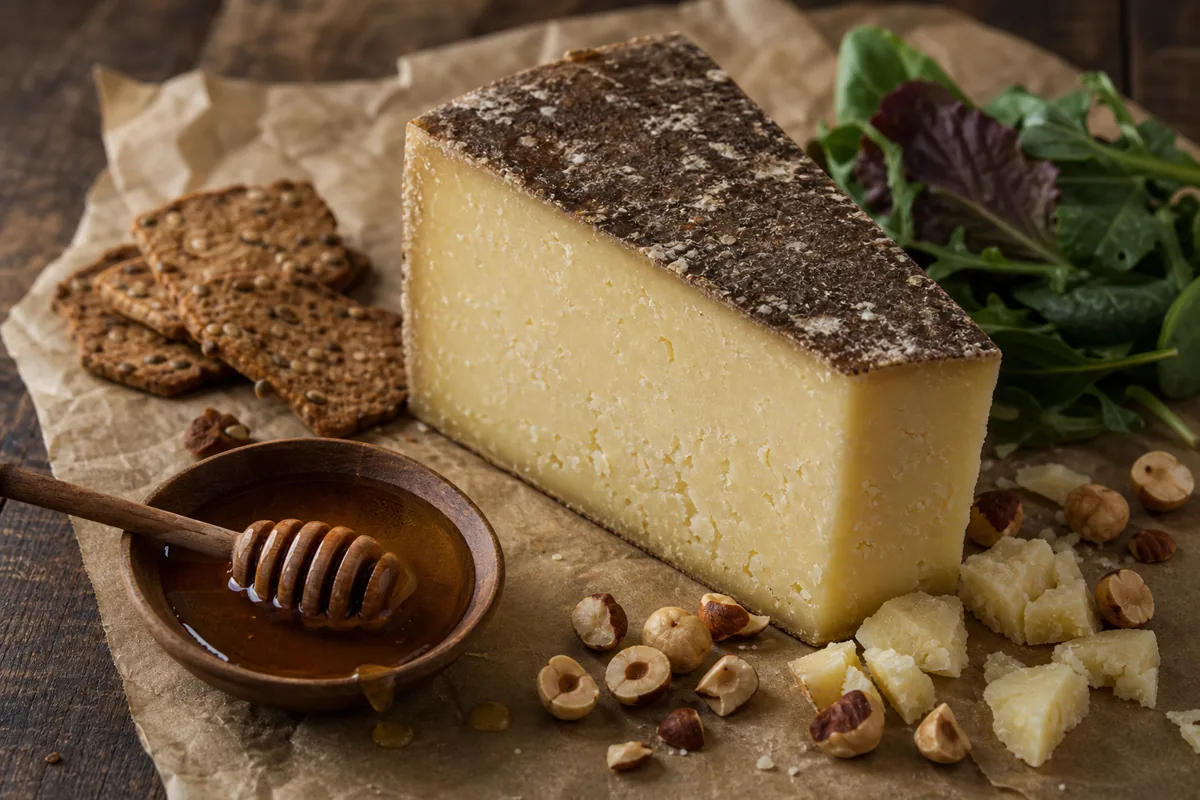
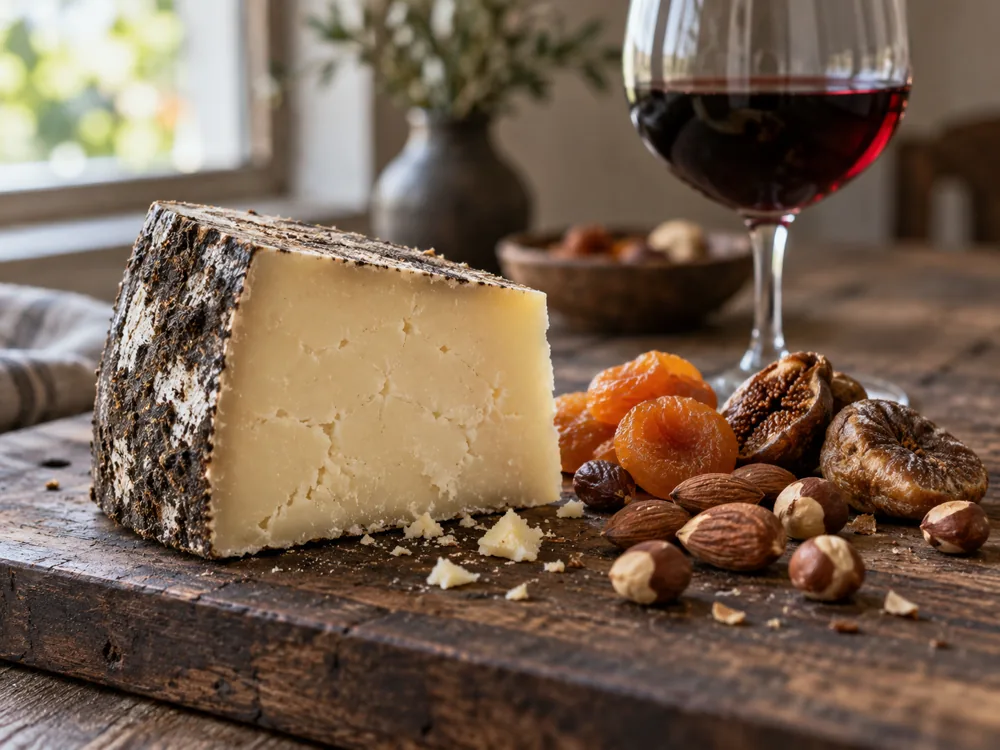
Nuts are the pairing two sources share: Cheese.com suggests honey, nuts or crackers, and Antonelli's suggests dried fruits, roasted nuts and a robust red wine. Antonelli's also calls the cheese a standout on any cheese board.
| Pairing | Type | Why It Works |
|---|---|---|
| Honey | Food | Cheese.com suggests it. |
| Nuts or roasted nuts | Food | Cheese.com says nuts, and Antonelli's says roasted nuts. |
| Crackers | Food | Cheese.com lists them. |
| Dried fruits | Food | Antonelli's lists them. |
| Rioja | Wine | Culture names it as a good pairing. |
| Sherry | Wine | Culture names it beside Rioja. |
| Robust red wine | Wine | Antonelli's wine suggestion. |
Is Cave Aged Marisa Safe During Pregnancy?
If you are pregnant, start with the milk: Cave Aged Marisa is listed as made with pasteurized sheep's milk, so confirm the milk treatment on the label of your piece.
The NHS lists pasteurised or unpasteurised hard cheeses, pasteurised semi-hard cheeses such as edam, and pasteurised soft cheeses as safe to eat. Cheese.com files Cave Aged Marisa as semi-hard, and Cheese.com, Culture and Antonelli's call it firm.
The NHS says pasteurised or unpasteurised mould-ripened soft cheeses with a white coating on the outside, such as brie, camembert and chèvre, must be thoroughly cooked. Cave Aged Marisa's rind is mottled with patches of white mold, so if you are pregnant, ask a midwife or doctor whether that puts it in this group.
The CDC lists hard cheese, when made with pasteurized milk, as a safer choice, along with cottage cheese, cream cheese, string cheese, feta and mozzarella, when made with pasteurized milk, and pasteurized soft cheeses heated to an internal temperature of 165°F or until steaming hot. Served cold, Cave Aged Marisa is described as a pasteurized semi-hard or firm cheese, a type the CDC list does not cover, so ask a midwife or doctor.
How Does Cave Aged Marisa Compare with Other Sheep's Milk Cheeses?
Spanish Manchego is a pressed cheese of Manchega sheep's milk, aged from a minimum of 30 to 60 days up to 24 months under its DO specification, with PDO status. Its Curado stage, at 3 to 6 months, is the firm one.
| Cheese | Milk | Age | Texture | Flavor |
|---|---|---|---|---|
| Cave Aged Marisa | Pasteurized sheep's milk | Up to three months (Cheese.com); three months (Culture) | Firm (Cheese.com, Culture, Antonelli's); semi-hard type (Cheese.com) | Creamy, sweet, tangy (Cheese.com) |
| Manchego | From Manchega sheep (DO spec) | Minimum 30 to 60 days; maximum 24 months (DO spec) | Pressed cheese (DO spec) | Not stated |
| Pecorino Toscano | Raw or pasteurized sheep's milk (Culture Cheese Magazine) | Three to six months (Culture Cheese Magazine) | Firm and intensely flavored with age (Culture Cheese Magazine) | Sturdy and nutty with savory and sweet notes (Culture Cheese Magazine) |
| Pecorino Romano | Sheep's milk from Lazio and Sardinia (consorzio) | Not stated | Not stated | Aromatic, intense and spicy (consorzio) |
Tuscan Pecorino Toscano is aged three to six months, and Culture Cheese Magazine describes it as firm and intensely flavored with age, sturdy and nutty, with savory and sweet notes. Its DOP allows raw or pasteurized sheep's milk.
The Pecorino Romano consorzio describes Italian Pecorino Romano as aromatic, intense and spicy, coming from the Lazio and Sardinia countryside.
For Manchego and both Pecorinos, read the label for the milk treatment and, if you are vegetarian, for the rennet.
How Is Cave Aged Marisa Sold?
A whole wheel measures 8 inches across, 3 inches high and 10 pounds, and in October 2026 the retail listings gave sizes from 5 ounces to 1 pound.
As listed in October 2026, Wisconsin Cheese Mart priced a 5-ounce piece at $10.75, Antonelli's listed a 1-pound size at $35.99 per pound, and Cured and Cultivated listed 5-ounce, 8-ounce and 1-pound sizes.
That 5-ounce price works out to about $34.40 a pound, $1.59 below Antonelli's per-pound price, so on those two listings the small piece cost no more per pound.
In October 2026 the Wisconsin Cheese Mart piece and all three Cured and Cultivated sizes showed as sold out. Antonelli's listing says it sells the cheese in its Austin, Texas shop only, limits online orders to gift boxes and cheese and charcuterie trays, and says to call the shop to find out whether it is in stock.
The listings use different word orders: Wisconsin Cheese Mart titles the cheese "Marisa, Cave Aged", while Cured and Cultivated and Antonelli's lead with "Cave Aged Marisa". A listing titled only "Marisa" may be one of the plain, aged or smoked versions.
Has Cave Aged Marisa Won Awards?
Wisconsin Cheese Mart's listing records 17 awards and placings, from a first runner-up at the 2011 American Cheese Society competition to a silver at the 2025 Los Angeles International Dairy Awards.
| Contest as listed | Placings and years |
|---|---|
| World Championship Cheese Contest | 1st place 2012 |
| U.S. Championship Cheese Contest | Best of Class 2013; 1st place 2015; Best of Class 2019 |
| World Cheese Awards | Super Gold 2013; Super Gold 2018; Gold 2019 |
| International Cheese and Dairy Awards | Gold 2021; 3rd place, Best USA Sheep Open Class 2022; Gold 2024 |
| Los Angeles International Dairy Competition | 1st place 2016; Gold 2022; Silver 2023; Gold 2024; Silver 2025 (listed as Awards) |
| American Cheese Society competition | 1st runner-up 2011 |
| International Cheese Awards | Bronze 2019 |
The list holds five golds and two Super Golds.
SOURCES & REFERENCES
Cave Aged Marisa is a pasteurized sheep's milk cheese made by Carr Valley Cheese in La Valle, Wisconsin. Its dark brown natural rind is mottled with white mold, and Culture describes a firm, pale straw interior.
Culture says it is cellar matured for three months before release, and Cheese.com says up to three months in an open-air cave.
All four descriptions call it sweet or slightly sweet, and Cheese.com adds tangy and Culture a slight tang. Antonelli's alone calls it nutty.
Cheese.com, Wisconsin Cheese Mart, Cured and Cultivated and Antonelli's list it as made with pasteurized sheep's milk.
Wisconsin Cheese Mart says the rennet is vegetarian, and Culture and Antonelli's say vegetable. Cured and Cultivated lists only enzymes.
Cheese.com names honey, nuts and crackers, Culture names Rioja and sherry, and Antonelli's names dried fruits, roasted nuts and a robust red wine.
Manchego, Pecorino Toscano and Pecorino Romano are sheep's milk cheeses like Cave Aged Marisa. Manchego is a pressed cheese aged from a minimum of 30 to 60 days up to 24 months under its DO, and Culture describes Pecorino Toscano as firm, aged three to six months and allowed raw or pasteurized milk under its DOP.