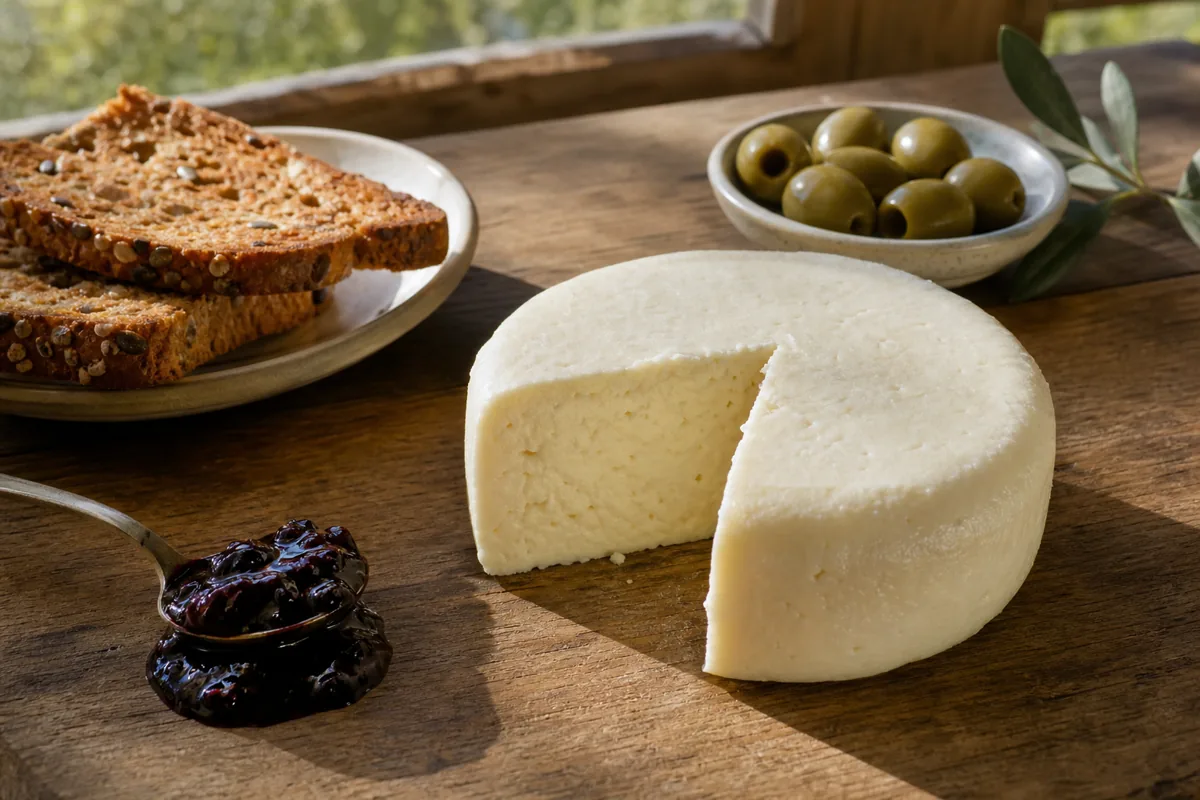
Breakfast Cheese is a fresh cheese from Marin French Cheese Co. in Marin County, California, and the company sells it as a fresh brie that skips the aging room.
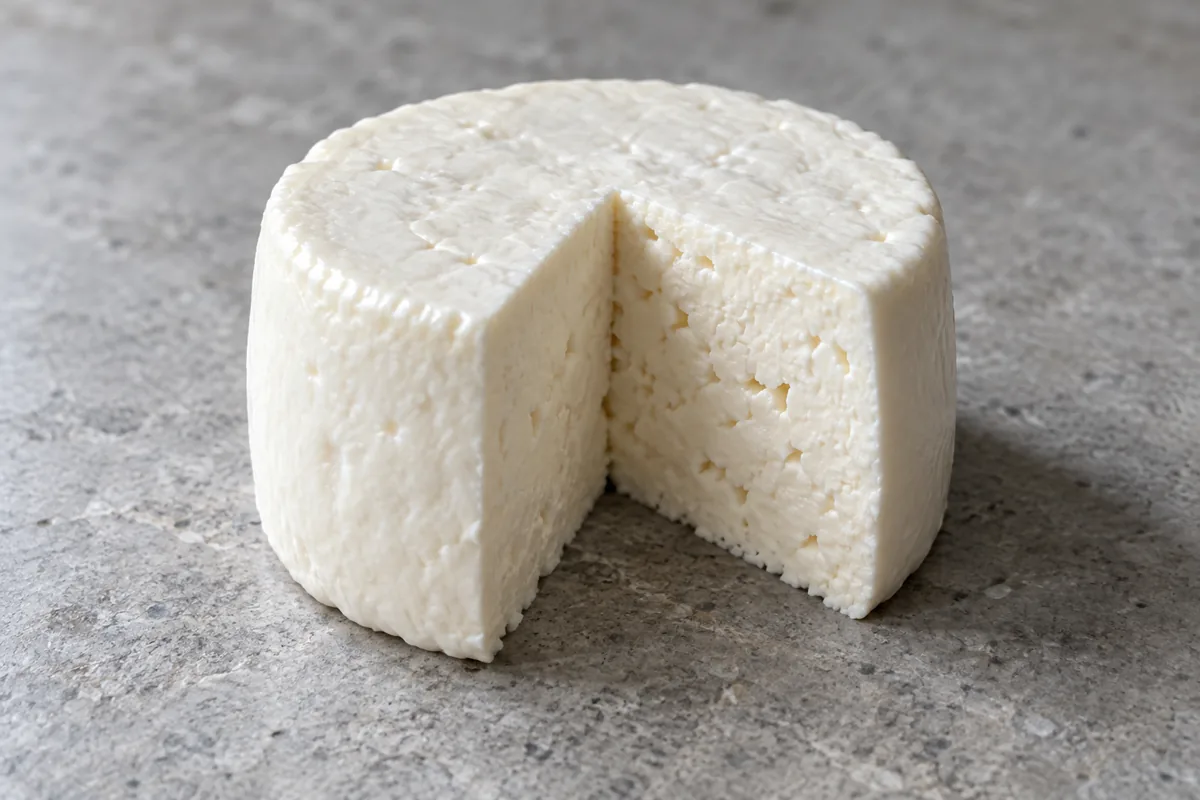
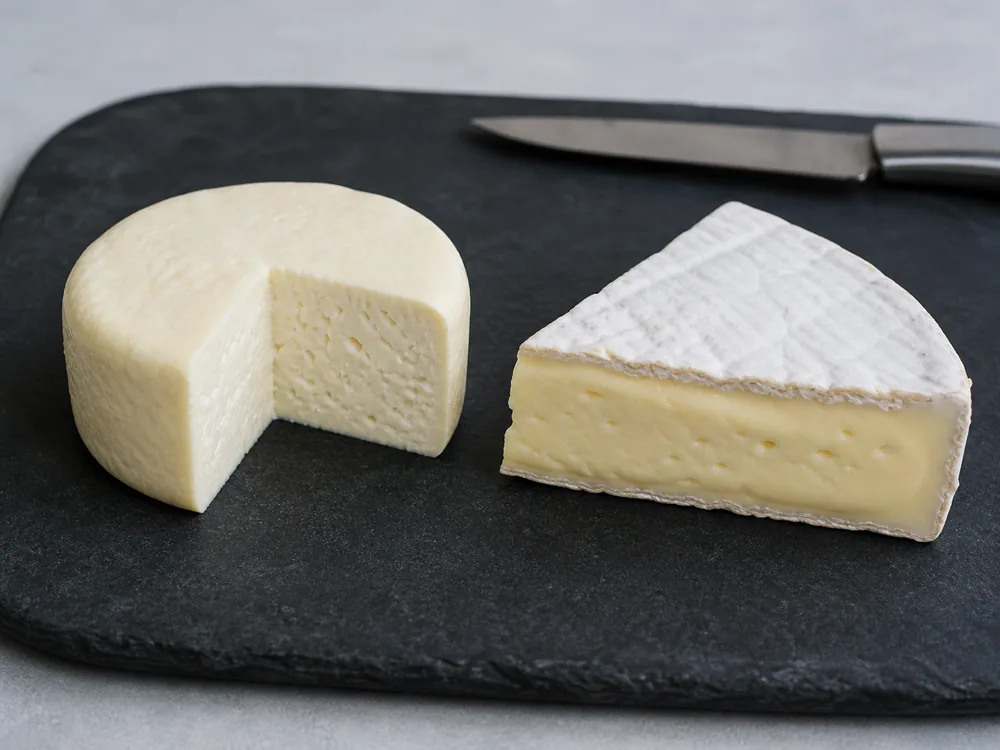
The plain original is now the four-ounce Petite Breakfast, which has a tangy, slightly springy paste and no bloomy white rind.
The name belongs to one Marin French product line, not to every cheese you might eat in the morning.
In This Article
Breakfast Cheese is a fresh California brie
Marin French lists the plain wheel's ingredients as cultured pasteurized cow's milk, salt, pasteurized cream, and microbial enzymes. Culture Cheese Magazine says the milk comes from Marin County dairies.
No animal rennet shows up in any of the listings: Tomales Bay Foods gives the coagulant as vegetarian, Culture lists the rennet as vegetable, and Cheese.com marks the cheese as vegetarian.
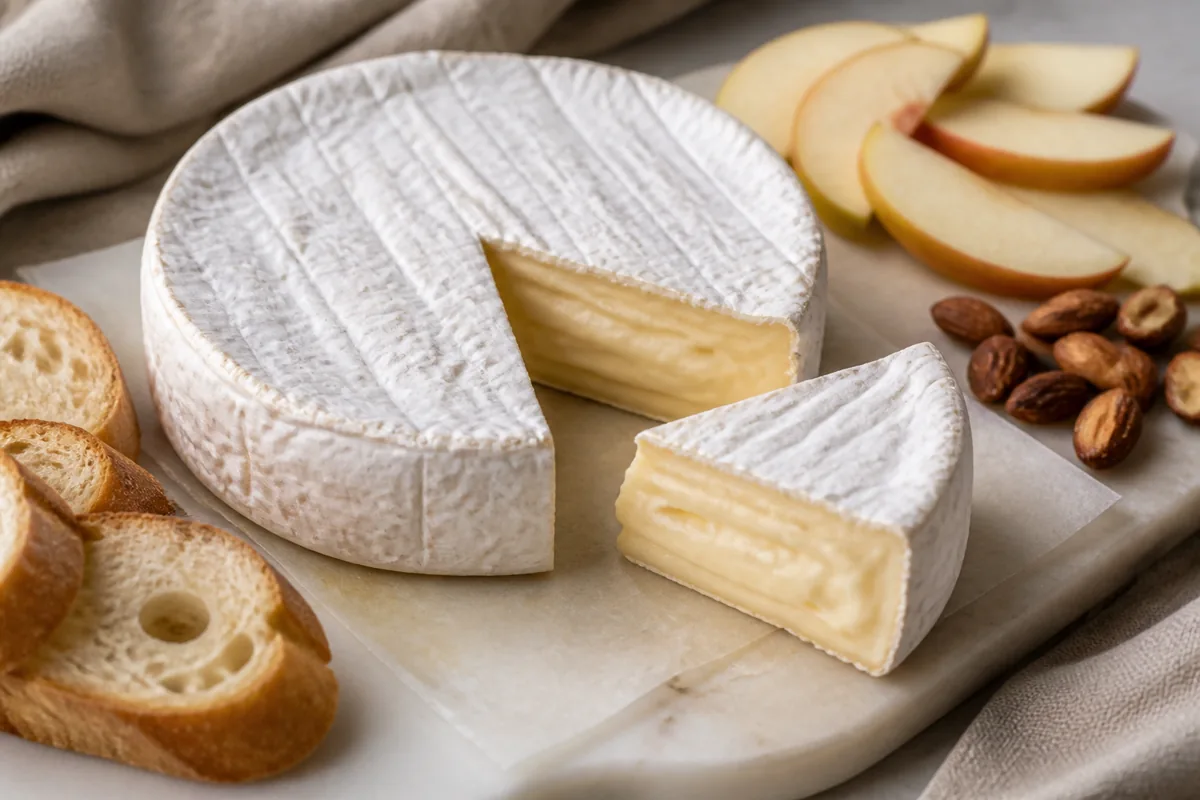
Fresh brie sounds like a contradiction, because most ripened Brie reaches a shop with a white rind and some ripening behind it.
Marin French says Breakfast Cheese uses the same recipe and the same artisanal process as its other brie varieties but skips the aging room.
Janet Fletcher, a cheese writer, notes that the added cream brings Petite Breakfast to triple-cream status. She adds that it lacks the whipped-butter texture of ripened triple creams, and calls it a triple-cream cheese in its infancy.
Why doesn't Petite Breakfast have a bloomy rind?
The cheese goes from milk to finished wheel in about 72 hours. Tomales Bay Foods, a cheese distributor, says the wheels are lightly brined, flipped only twice, and left on racks for about 18 hours.
Marin French describes the result as a cheese that lacks the bloomy white rind of an aged brie.
Culture Cheese Magazine calls the surface rindless and slightly moist, and Tomales Bay Foods lists the rind as none.
What does Breakfast Cheese taste and feel like?
Marin French describes a creamy, tangy cheese with a culture-forward flavor, and Tomales Bay Foods calls the taste lactic and tangy.
Culture lists salty, tangy, mild, and buttery notes with a scent of cream cheese and a hint of yeast.
Marin French compares the tang to cream cheese or fromage blanc, while Fletcher hears a vibrant sour-cream tang and a direct lactic flavor.
Firmness is where the sources disagree. Marin French and Tomales Bay Foods both compare the paste to a cheese curd texture, while Cheese.com calls it dense and firm.
| Source | Texture wording |
|---|---|
| Marin French Cheese Co. | Slightly springy, reminiscent of cheese curds |
| Tomales Bay Foods | Soft, reminiscent of a cheese curd |
| Culture Cheese Magazine | Soft and slightly spongy, with a slightly moist surface |
| Janet Fletcher | Moist, mild, and milky; sliceable |
| Cheese.com | Dense and firm, with a clay-like consistency |
Breakfast Cheese began as a dock worker's egg substitute
Marin French Cheese Co. dates to 1865. Its own history says failed miners turned dock workers created an egg shortage around San Francisco Bay after the Gold Rush, and founder Jefferson Thompson made a fresh cheese as a morning protein alternative.
The company adds that the first cheese used what was left after making butter, and that wagon men carried it to San Francisco and Los Angeles.
Culture says it once appeared on local saloon menus, where workers grabbed salted meat, pickled eggs, and a mug of steam beer before unloading cargo at the docks.
Wikipedia cites the company's operations manager describing the early cheese as a granular bar cheese for San Francisco dock workers. None of the sources say how closely today's springy Petite Breakfast matches those first batches.
Choose Petite, Big Breakfast, or a flavored wheel
Marin French sells four versions of the fresh brie. The plain four-ounce Petite Breakfast is the one that lets you judge the cheese itself, because the flavored wheels add seasonings to the same base.
Big Breakfast has the same ingredients and recipe in an eight-ounce wheel that the company made for its 160th anniversary.
Serve it on toast, on a bagel, or folded into an omelet
Marin French says to take the cheese out 30 to 60 minutes before serving for the best flavor and texture.
Its own staff layer slices on a fresh baguette with blackberry jam and prosciutto.
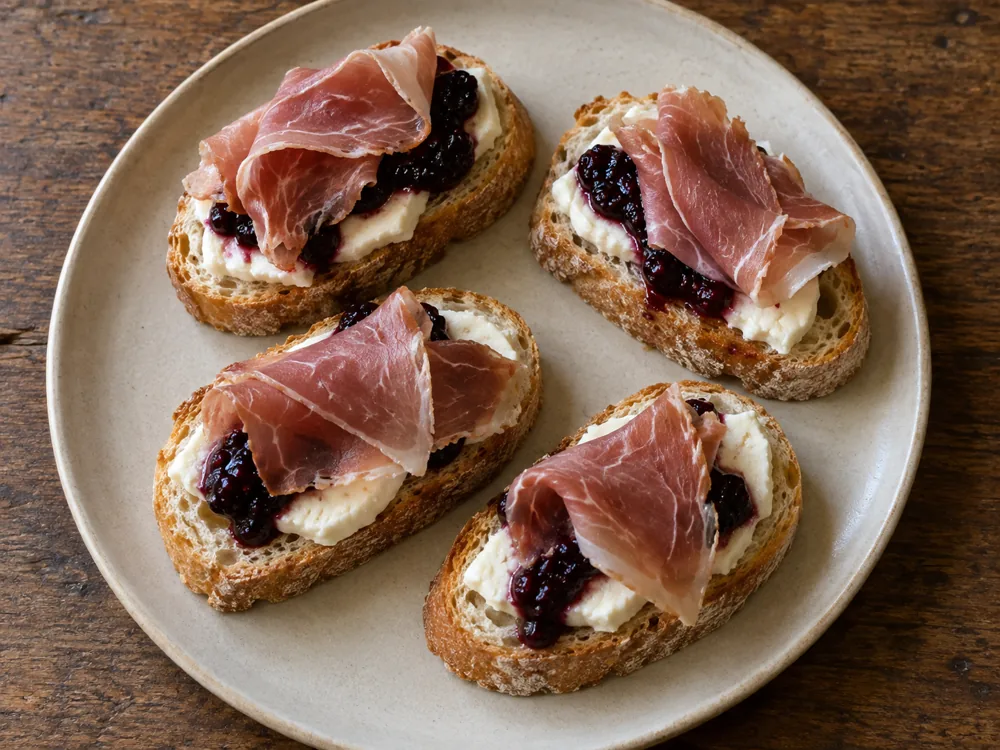
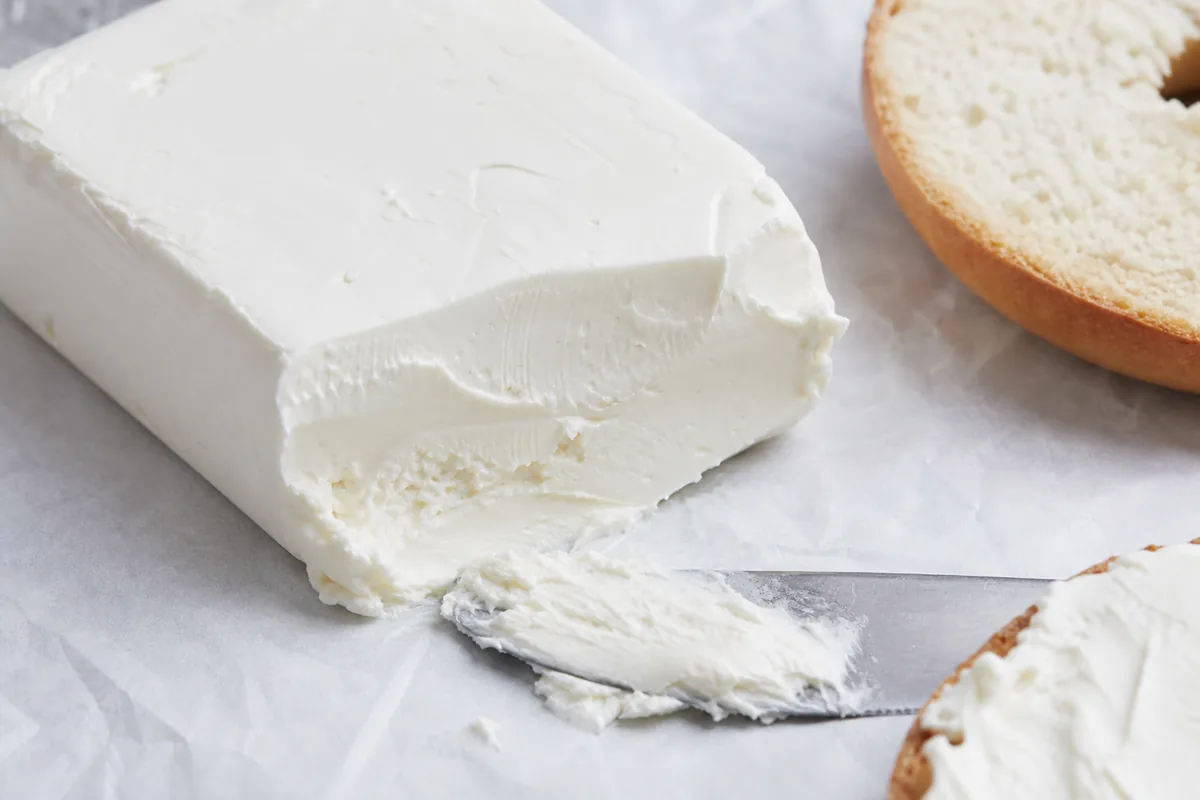
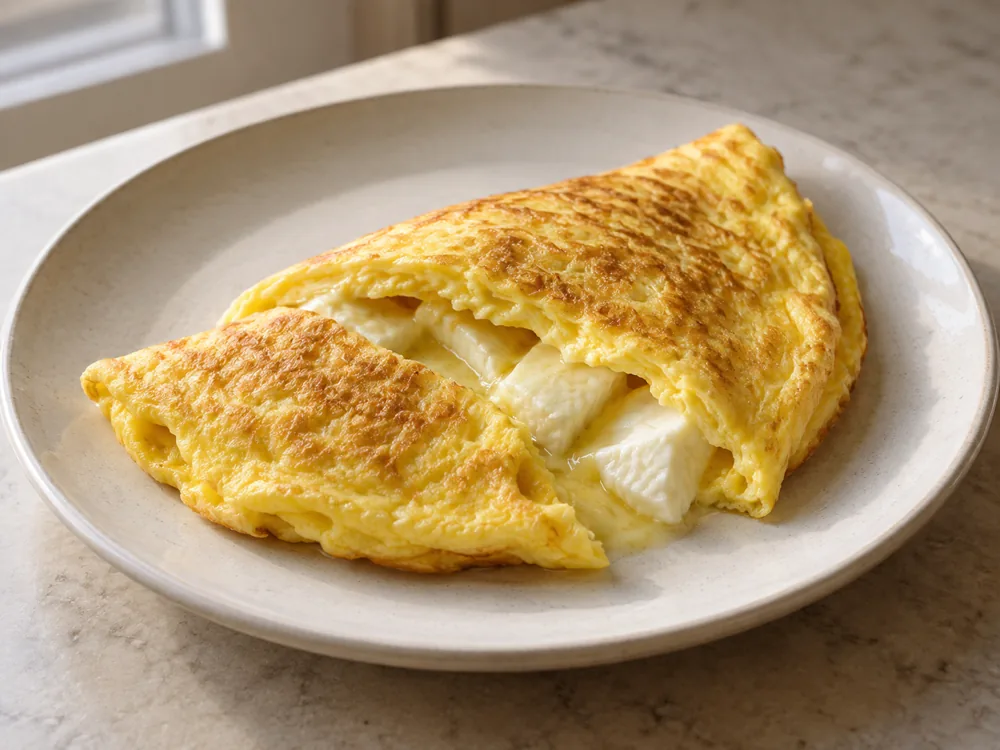
Culture suggests spreading Petite Breakfast on a bagel the way you would spread cream cheese, or folding it into an omelet. Fletcher plans to melt it in an omelet with spring herbs.
| Use | How It Works |
|---|---|
| Bagel | Spread it as you would cream cheese, per Culture. |
| Omelet | Fold it in, per Culture; Fletcher melts it in one. |
| Toast and fruit | Fletcher drizzles it with honey for toast and fruit. |
| Greens | Fletcher dresses it with olive oil and cracked pepper beside greens. |
| Danish | Tomales Bay Foods suggests a cheese danish. |
| Pairing | Type | Why It Works |
|---|---|---|
| Blackberry jam and prosciutto | Food | Marin French's staff pairing on a fresh baguette. |
| Honey, fruit jam, or spicy pepper jelly | Food | Sweet and hot spreads the maker names. |
| Crisp Sauvignon Blanc | Wine | Named by both Marin French and Culture. |
| Sparkling wine, Bellini, or Mimosa | Drink | Marin French's breakfast drinks. |
| Wheat beer, lager, or hard cider | Drink | Wheat beer and lager come from Marin French; Culture adds wheat beer and hard cider. |
Is white mold safe on a rindless Breakfast Cheese?
Marin French says Petite Breakfast is safe to eat even with some white mold on the outside. The wheels briefly share an aging space with older Bries and can pick up their cultures, so you can eat the white growth or trim it off.
That guidance covers the white culture from the maker's own aging space and nothing else.
USDA says the surface molds on Brie and Camembert wheels are safe to eat, but mold that should not be on a soft cheese means the cheese should be discarded.
Keep Breakfast Cheese cold and check the date
The FDA's food-safety advice for pregnancy says to keep milk and milk products refrigerated at 40 degrees F (4 degrees C) and to follow use-by dates. We did not find a shelf life or an after-opening storage rule for Breakfast Cheese from Marin French or from the other sources, so the package date is the only figure we can point to.
Is Breakfast Cheese safe during pregnancy?
Marin French makes it with pasteurized milk and cream. The FDA says Listeria monocytogenes can be found in unpasteurized milk and in cheese made from unpasteurized milk, and the CDC says pregnant women are 10 times more likely to get a Listeria infection.
The CDC lists pasteurized soft cheese heated to 165 degrees F or steaming hot among the safer choices. The NHS says pasteurised or unpasteurised mould-ripened soft cheeses with a white coating, such as brie, camembert and chèvre, must be thoroughly cooked.
Petite Breakfast has no bloomy rind but is sold as a fresh brie and can carry white mold. Neither agency names Breakfast Cheese, so we cannot say which category it falls in, and a doctor or midwife can answer for an individual pregnancy.
SOURCES & REFERENCES
Breakfast Cheese is Marin French Cheese Co.'s fresh brie from Marin County, California. The plain four-ounce version is sold as Petite Breakfast and has a slightly springy paste with no bloomy white rind.
Marin French compares the flavor to cream cheese or fromage blanc and says the cheese skips the aging room. It does not go through the ripening that gives aged Brie its bloomy white rind.
Culture suggests folding it into an omelet, and Janet Fletcher plans to melt it in one. None of the sources we read give a melting temperature or describe how it behaves when heated.
Marin French says the white mold is safe to eat or trim off because the wheels briefly share an aging space with older Bries. USDA says mold that should not be on a soft cheese means the cheese should be discarded.
Yes. Marin French lists cultured pasteurized cow's milk and pasteurized cream among the ingredients of the plain wheel.