Substitute Guide

Gruyère Substitutes: 7 Best Alternatives for Any Recipe

Comté is the closest match for Gruyère in fondue and gratins. Compare seven alternatives by flavor, melt, use case, and ratio notes.

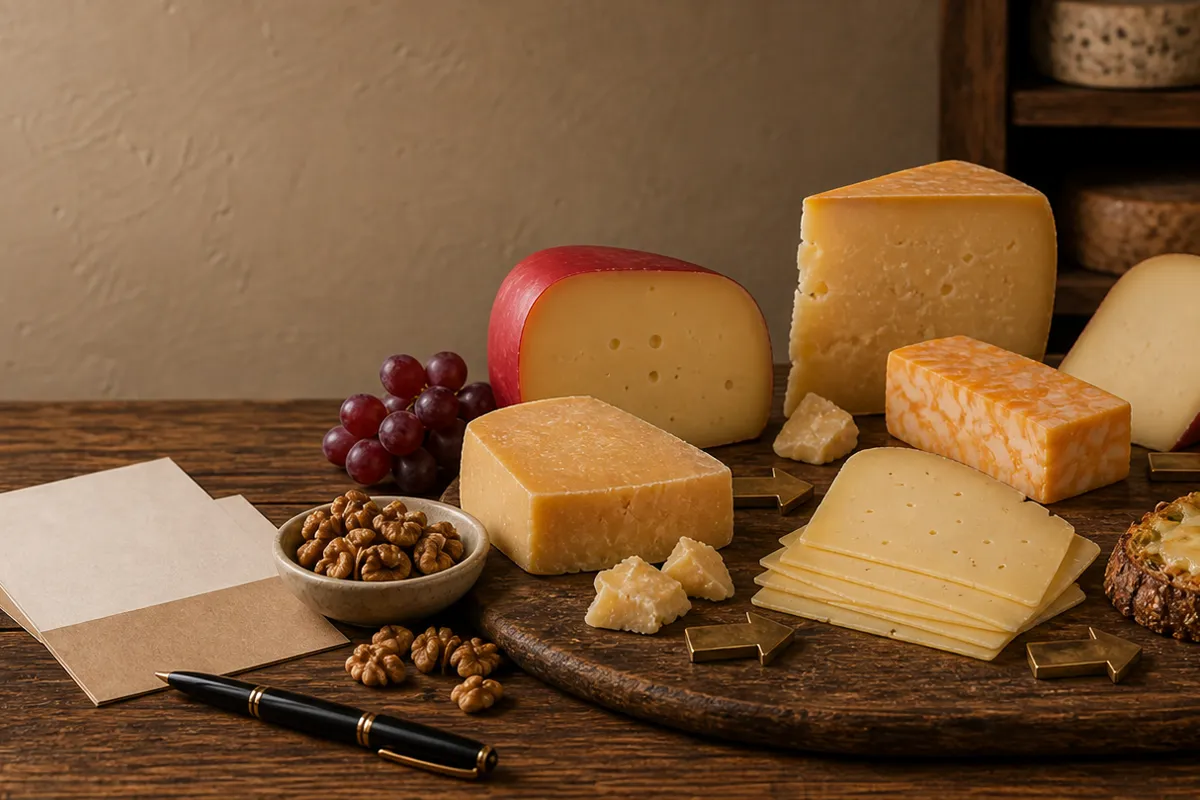
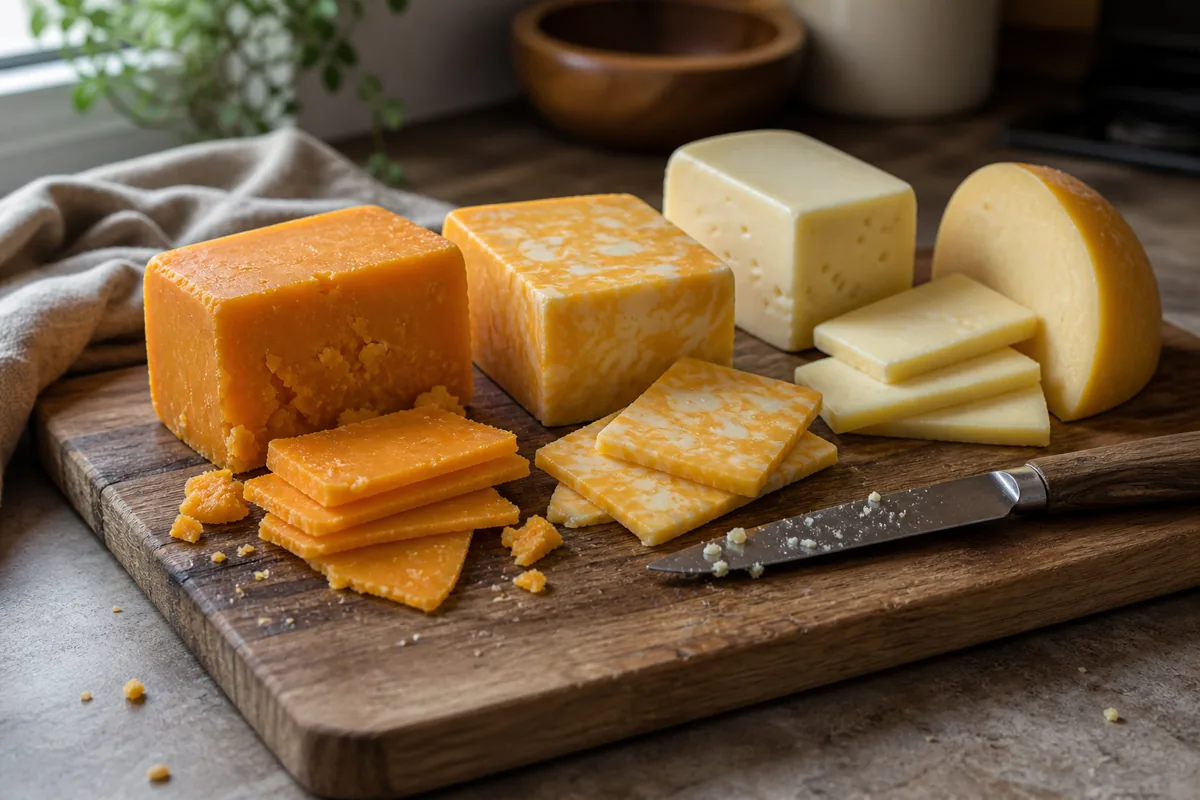
Alpine cheeses arranged as Gruyere substitutes - Gruyere substitutes | KnowTheCheese
QUICK ANSWER

Comté is the best 1:1 substitute for Gruyère in nearly every recipe. It shares the same alpine origin, similar aging range, and nearly identical melt behavior. When Comté is out of reach, Emmental covers fondue and gratins at a lower price point.

Best Dairy Free: Violife Just Like Mature CheddarBest Overall: ComtéBudget: Emmental

Gruyère is a cave-aged Swiss cheese with a nutty, slightly sweet flavor and one of the cleanest melts in the cheese world. It is the backbone of classic fondue, French onion soup, and Croque Monsieur.

When your store is out, match both the flavor and the melt before choosing another cheese. The seven options below cover every use case.

We ranked them by how closely they replicate Gruyère's behavior in real cooking, not by alphabetical order or general popularity.

  • Choose Comté when you want the closest all-around alpine replacement.
  • Choose Emmental when price and melt stability matter more than depth.
  • Choose Fontina or Jarlsberg when the dish needs a softer or milder direction.

7 Gruyère Substitutes: Best Alternatives for Fondue, Gratin and Boards

Ordered by how completely each one replaces Gruyère across the four jobs below.

1. Comté

Comté is the closest match for Gruyère across every cooking application.

Both are alpine cheeses made from cow's milk in mountain regions. Both age in caves for a minimum of four months, and both develop the same complex nuttiness and smooth melt that makes Gruyère irreplaceable in French cooking.

Comté comes from the Jura region of France, just across the Swiss border from Gruyère's canton of Fribourg. The terroir, the milk, and the production method are so similar that trained tasters sometimes struggle to distinguish young versions of each cheese.

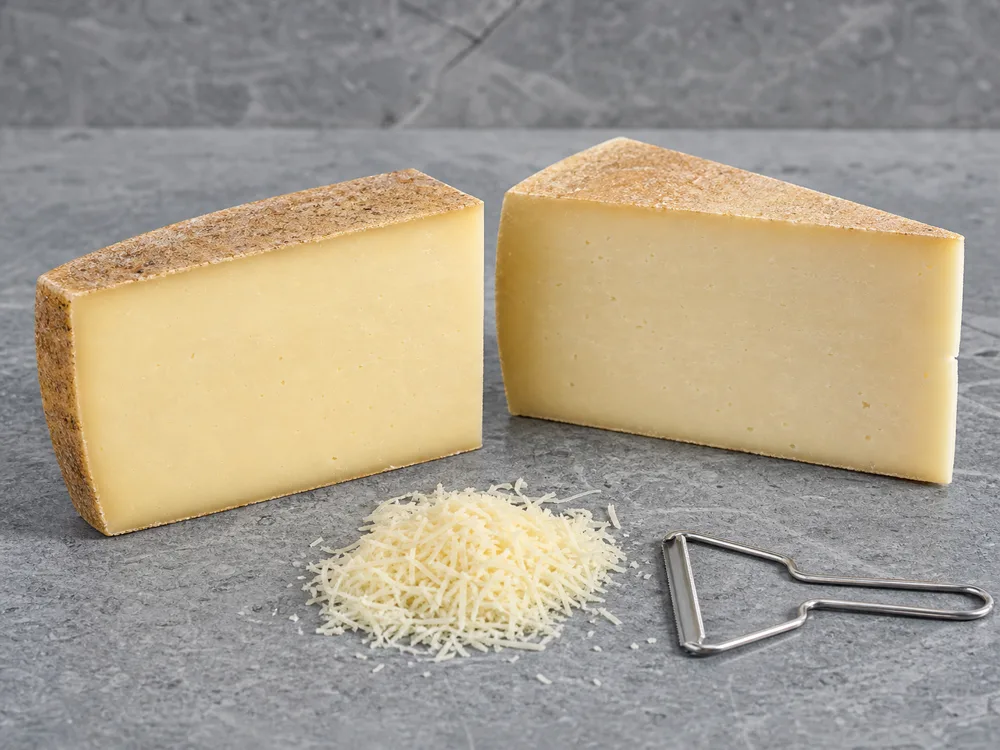
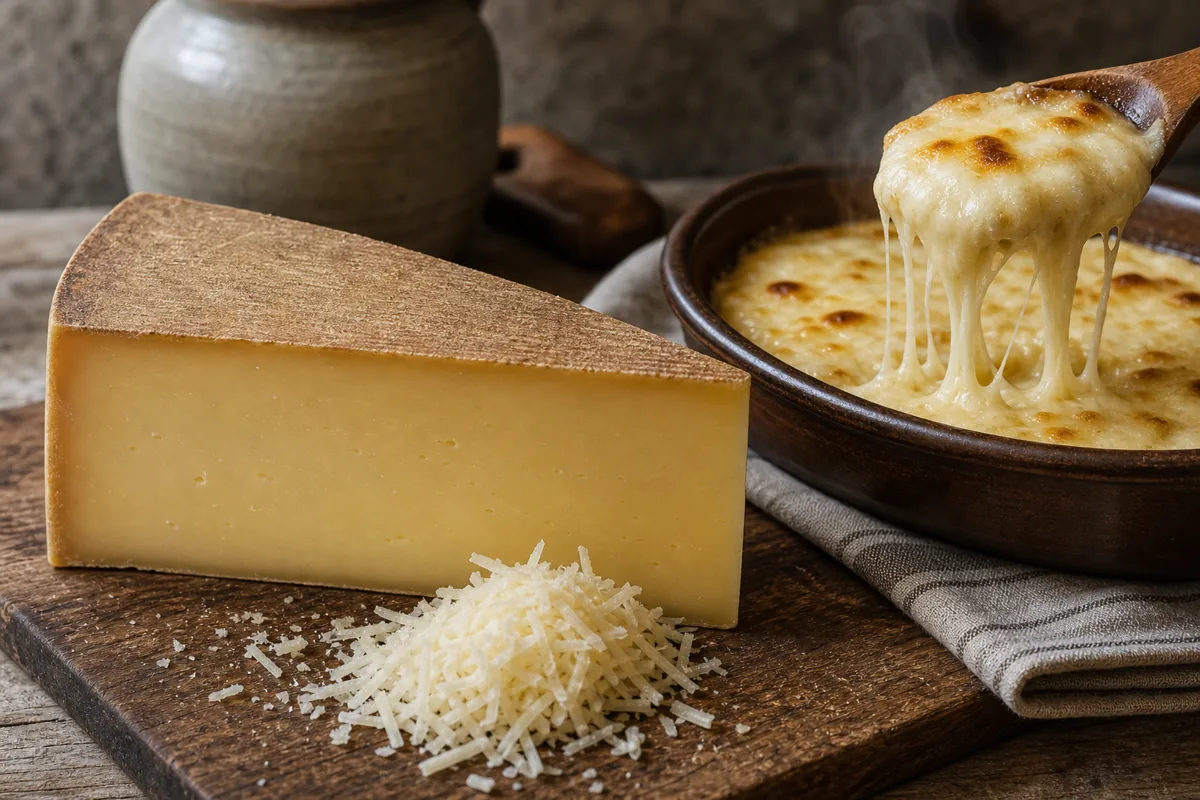
Comte-style and Gruyere-style wedges with dense pale paste and fresh gratings - Gruyere substitutes | KnowTheCheese
Comté comes closest because its dense pale paste, natural rind, and fine openings match Gruyère before either cheese reaches the pan.

Use Comté in a 1:1 ratio for any Gruyère recipe without adjusting the weight.

Match the age as well as the cheese name. Gruyère AOP Classic is sold at 6 to 9 months, while Reserve moves past 10 months into a firmer and more aromatic style.

Comté follows a similar practical split between younger melt and older flavor.

The official Comté fondue recipe combines 8-month and 14-month cheese, which gives the pot easier flow from the younger portion and more depth from the older one. For a quiche or smooth sauce, lean younger, while a gratin or board can carry more mature Comté.

  • Use Comté 1:1 in fondue, gratins, quiche, and French onion soup.
  • Choose a 10- to 18-month Comté when you need nutty depth.
  • Choose young Comté when melt matters more than board flavor.

Comté and Gruyère differ most in sweetness and origin rules, not in basic melt behavior.

TOP PICKS
1
Comté
Cave-aged 4-18 months. Identical melt behavior. Slightly sweeter in young versions, earthier in aged. Use 1:1.
2
Emmental
Milder and less complex than Gruyère, but melts cleanly and holds texture under heat. The classic fondue partner. Use 1:1.
3
Jarlsberg
Norwegian alpine-style. Mild, slightly sweet, good melt. Flavor is less nutty and more neutral. Works well when Gruyère is used for mild richness rather than bold flavor.
4
Fontina Val d'Aosta
Italian alpine cheese. Mild, buttery, exceptional melt. Lower in sharpness than Gruyère but superior melt quality. Especially good in cream-based sauces.
5
Raclette
Swiss origin, same mountain tradition. Strong aroma when heated, mild flavor. Melt is smooth and excellent. Avoid in raw applications where Gruyère is used unmelted.
6
Beaufort
French alpine AOP. Firmer than Gruyère, very complex flavor, slightly more buttery. Excellent raw on boards. Fondue performance is good but stronger than Gruyère.
7
Sharp Cheddar
Flavor profile is sharper and less nutty. Melt is adequate but can become grainy at high heat. Acceptable in gratins and mac and cheese when alpine cheeses are unavailable.

Every pick above is a cow's milk cheese for a reason. Gruyère's fat and protein structure comes from high-fat mountain cow's milk, and substitutes from the same milk category replicate those properties most reliably.

Sheep's milk and goat's milk cheeses melt differently and carry flavors that diverge too far from Gruyère's profile to make clean substitutes.

2. Emmental

Emmental solves the melt first and holds a fondue emulsion as reliably as Comté does.

Its sweeter, lighter paste is the trade: French onion soup or a savoury gratin can taste less complete unless the dish already brings browned onions, stock or mustard.

The larger eyes are the visible signal of that lighter paste. Use it when price matters and the seasoning is already strong.

3. Jarlsberg

Jarlsberg is the supermarket answer, and it is the one to reach for in quiche.

It is milder and sweeter than Gruyère, so it fades in fondue where the cheese has to carry the flavour alone.

Reach for it when access matters more than depth.

4. Fontina

Fontina's creamy melt releases into hot food quickly, which keeps cream sauces and baked pasta supple.

It works better than Emmental in baked pasta where a softer sauce matters, and it holds a fondue emulsion.

It falls away on a board, where the softer paste has nothing to show.

5. Raclette

Raclette gives a strong broiled top and a more noticeable aroma than any other option here.

The softer paste releases fast under a grill, which is exactly what a gratin surface needs.

It is the wrong pick for quiche or a raw board, where that aroma dominates.

6. Beaufort

Beaufort sits at the firmer and more intense end of the alpine range.

It earns its place when raw flavor matters as much as melt, which is why it is the best board choice here after Comté.

It is also the most expensive and the hardest to find.

7. Sharp Cheddar

Sharp cheddar is the pantry fallback rather than a real alpine swap.

It does not hold a fondue emulsion, because it lacks the protein-to-fat ratio the others share, which is why it ranks lowest for fondue specifically.

It can work in a gratin or a quiche where other ingredients carry the structure.

When to Use Each Gruyère Substitute

Matching the right substitute to the right dish saves you from a failed recipe. Here is how each one performs across common Gruyère applications.

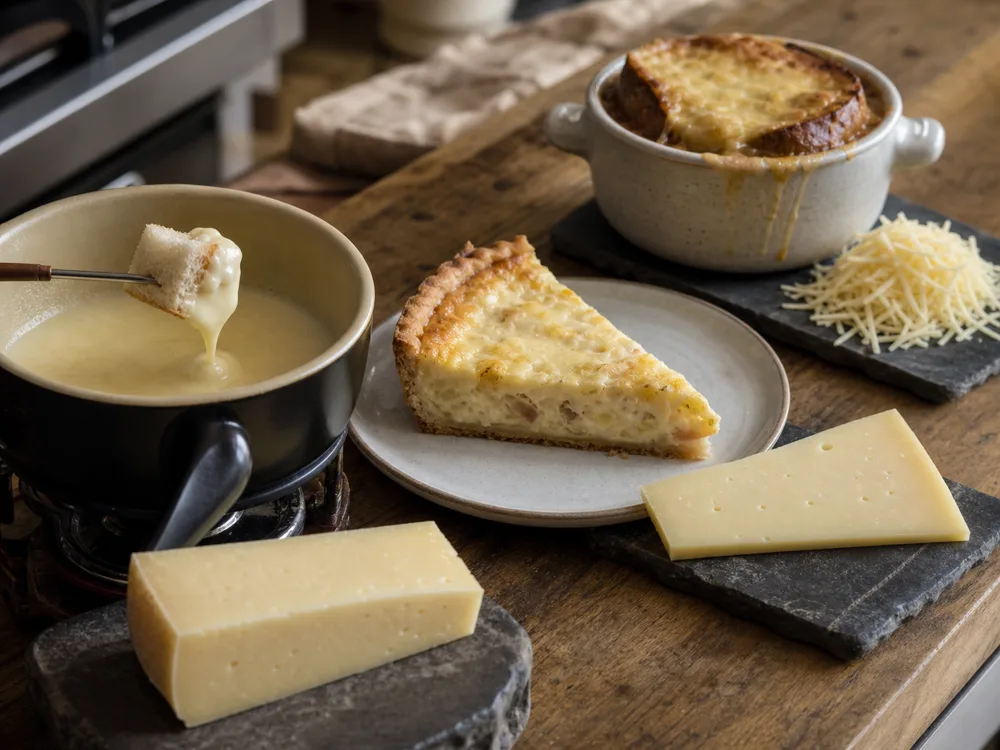
Fondue, quiche, and onion-soup crostini showing different Gruyere substitute uses - Gruyere substitutes | KnowTheCheese
Fondue needs a stable emulsion, quiche needs a gentle melt, and onion soup needs a cheese that browns without turning greasy.

:

Use Comté or Emmental.

Both maintain a clean emulsion at fondue temperatures (160-180°F / 71-82°C). Emmental is often sold alongside Gruyère in fondue mix blends for exactly this reason.

The traditional Swiss fondue formula calls for two-thirds Gruyère and one-third Emmental. If you have no Gruyère, 100% Emmental gives a milder but structurally sound result.

Fondue also tests technique, not only the substitute.

The official Comté method grates or slices the cheese finely, adds white wine gradually, and stirs continuously until the mixture looks smooth and homogeneous. If a substitute begins clumping, lower the heat before adding more cheese because boiling tightens the proteins faster than stirring can disperse them.

:

Use Comté, Fontina, or Raclette.

All three melt without graining or separating at oven temperatures. Fontina gives a buttery richness that works especially well in cream-based gratins.

Raclette performs identically but releases a stronger aroma under heat. That aroma fades into the dish, but be aware of it if you are sensitive to pungent baked-cheese smells.

:

Use Comté or Jarlsberg.

Both melt gently at lower oven temperatures and do not overpower egg flavor. Jarlsberg's mild sweetness pairs well with custard-based quiche fillings.

Avoid Raclette in quiche. Its strong aroma becomes distracting in a delicate egg dish.

:

Use Comté or Beaufort.

Both are worthy raw eating cheeses in their own right. An aged Comté (12+ months) develops the same crystalline crunch and intense nuttiness you expect from aged Gruyère.

Beaufort has a slightly richer, more buttery flavor that many people prefer for raw eating. It is harder to find than Comté, but worth seeking out at a specialty cheese shop.

Fondue cheese balance depends on melt stability, acidity, and nutty flavor, so young alpine cheeses outperform most sandwich blocks.

Melting cheese behavior also explains why provolone can stretch well but cannot replace Gruyère's broth-like depth.

TIP

At a grocery store with limited alpine cheese selection, look for Jarlsberg or Emmental first. Both are stocked at most supermarkets in the US and perform reliably as Gruyère stand-ins for everyday cooking.

Cooking Notes and Ratio Adjustments

Most Gruyère substitutes swap at a 1:1 ratio. There are two situations where you should adjust.

A 1:1 weight does not require identical handling. Weigh the cheese after removing any hard rind so the usable amount still matches the recipe.

Add freshly grated cheese by small handfuls and let each addition disperse before the next one goes in. In sauces and fondue, keep the pan below a hard boil, while gratins can take stronger top heat after the cheese has already melted into the dish.

Stronger-flavored substitutes: Start with 20% less aged Beaufort or 18-month Comté because both can overpower dishes designed around younger Gruyère's milder profile.

Sharper substitutes: If you use sharp cheddar as a last resort, reduce by 25% and add a small amount of Gruyère-adjacent flavoring if available. A teaspoon of dry white wine stirred in during melting helps bridge the flavor gap.

For dairy-free cooking, cashew-based aged cheeses outperform coconut-oil alternatives in melt behavior. Look for products labeled as "aged" or "cheddar-style" rather than fresh-style for the closest textural match.

One rule applies across every substitute: grate the cheese fresh from a block.

Pre-shredded cheeses carry anti-caking starch coatings that disrupt emulsion in fondue and produce grainy texture in gratins. Always grate immediately before using.

Blending is more reliable than forcing one substitute to cover every Gruyère trait.

Emmental can provide flow while Comté or a small amount of Parmigiano Reggiano restores savory depth. Fontina can soften a Comté-heavy sauce, while a little Raclette can strengthen a broiled topping without making the entire dish smell as forceful.

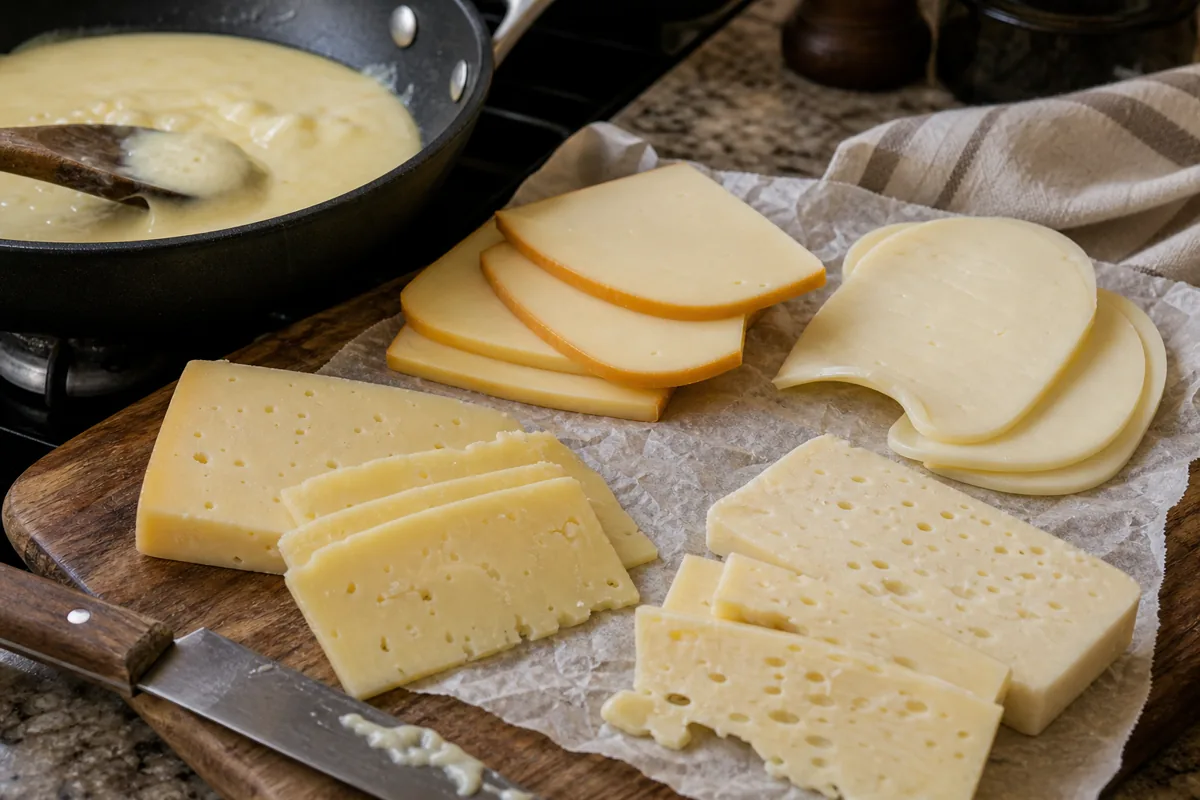
Smooth fresh-grated alpine cheese sauce beside grainy pre-shredded cheese sauce - Gruyere substitutes | KnowTheCheese
Irregular fresh shreds melt into a smoother sauce, while uniform pre-shredded strands are more likely to leave clumps and an oil ring.

Parmigiano Reggiano umami can restore savory depth when a mild substitute handles the melt but lacks Gruyère's broth note.

Jarlsberg's sweet paste fits quiche and sandwiches. In French onion soup, the caramel notes can stack up.

Emmental is the safer grocery-store fallback when you cannot find Comté or real Gruyère, though its alpine flavor is sweeter.

SOURCES & REFERENCES


1.
Comté AOP: Production Specifications and Aging Requirements
Comité Interprofessionnel du Gruyère de Comté, 2022 Dairy Board
Official AOP production rules confirming the alpine milk source, cave aging minimum of four months, and the mountain terroir shared with Swiss Gruyère.

2.
Guinee, T.P. and O'Callaghan, D.J., 2013 Journal
Food science research on protein-to-fat ratio and its effect on melt stability. Used to support the fondue emulsion section and the sharp cheddar melt-failure note.

3.
Interprofession du Gruyère, 2026 AOP
Official age ranges and texture descriptions for Classic and Reserve Gruyère AOP.

4.
Comité Interprofessionnel de Gestion du Comté, 2026 AOP
Official 8-month and 14-month Comté blend plus gradual wine and continuous stirring method.

Gruyère Substitutes FAQ

Fondue is where most substitutes fail, so these answers keep coming back to whether the emulsion will hold.

Comté is the best substitute for Gruyère in French onion soup because its alpine origin, melt behavior, and nutty flavor work under the broiler without separating or burning.

Use the same weight you would use of Gruyère. Emmental is the next best option if Comté is not available.

Generic Swiss cheese sold at most US supermarkets is usually Emmental or an Emmental-style cheese. It works as a Gruyère substitute in cooked applications at a 1:1 ratio.

The flavor is milder and less complex, so the gap is more noticeable on cheese boards and in other raw uses.

They are not the same cheese, but they share a mountain tradition and similar production methods.

Gruyère is Swiss and made in Fribourg, while Comté is French and made in the Jura under its own AOP.

Both are aged alpine cow's milk cheeses with nutty, complex flavors. Young versions taste similar, while aged versions develop more distinct characters.

Comté and Jarlsberg are the best quiche substitutes because both melt at baked-custard temperatures without becoming rubbery or grainy.

Jarlsberg's mild sweetness works especially well with egg-based fillings. Use a 1:1 ratio for either.

The closest dairy-free option is an aged cashew-based cheese because it matches the fat content and melt behavior better than coconut-oil alternatives.

Dairy-free substitutes rarely hold a fondue emulsion at the required temperatures. In a baked gratin, aged cashew cheese melts adequately alongside a plant-based cream sauce, though the flavor still differs from Gruyère.

Save this Gruyère substitute guide for your next fondue or gratin night.
Save to Pinterest
Elise Whitfield
WRITTEN BY
Elise Whitfield started out working a cheese counter in Melbourne, where she wanted a reference that was honest and practical and could not find one. KnowTheCheese is the resource she wished existed. She writes it from published references, producer and official documents where they exist, and her own tasting notes. When little has been published about a cheese, she says less rather than guessing.