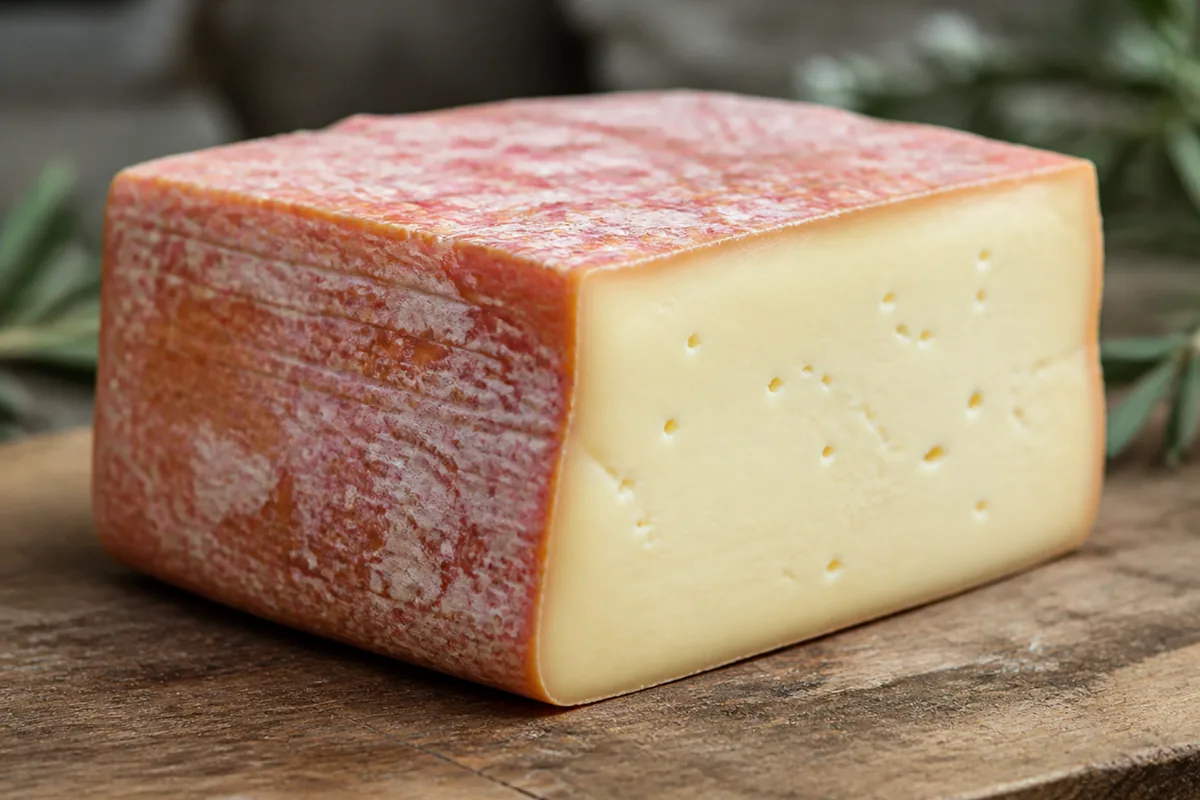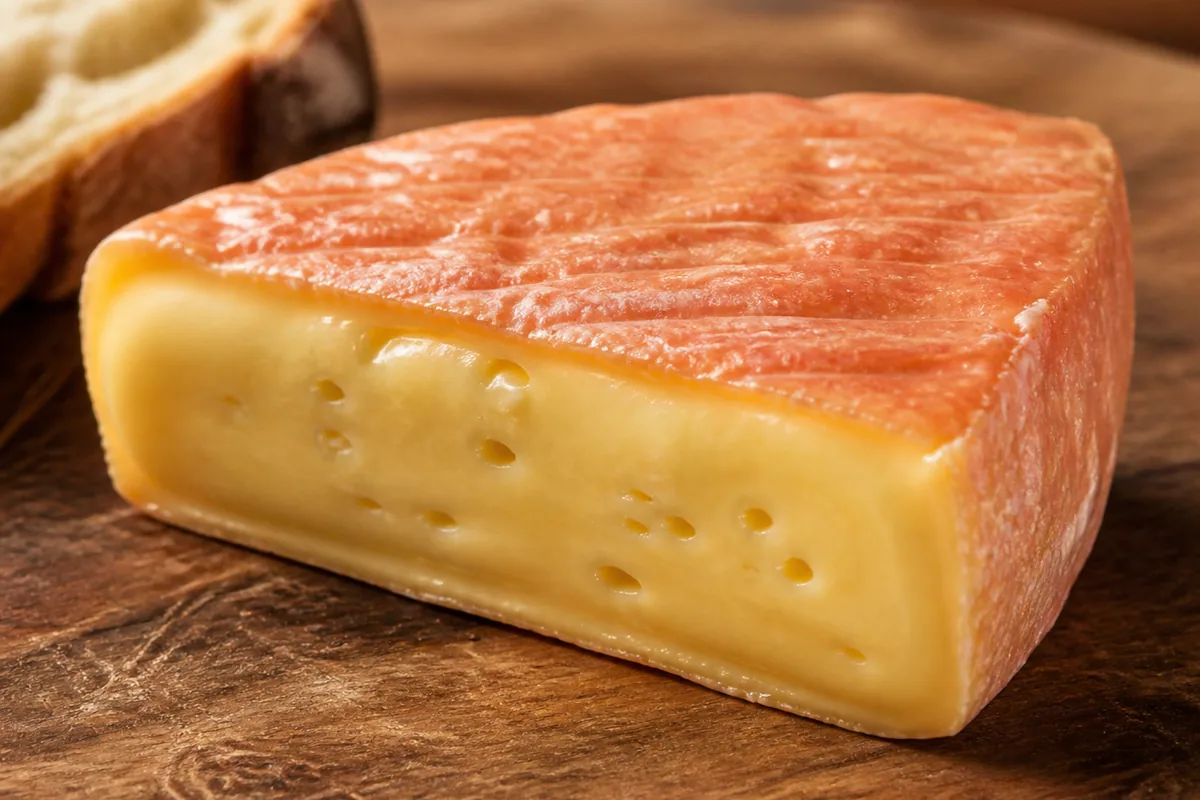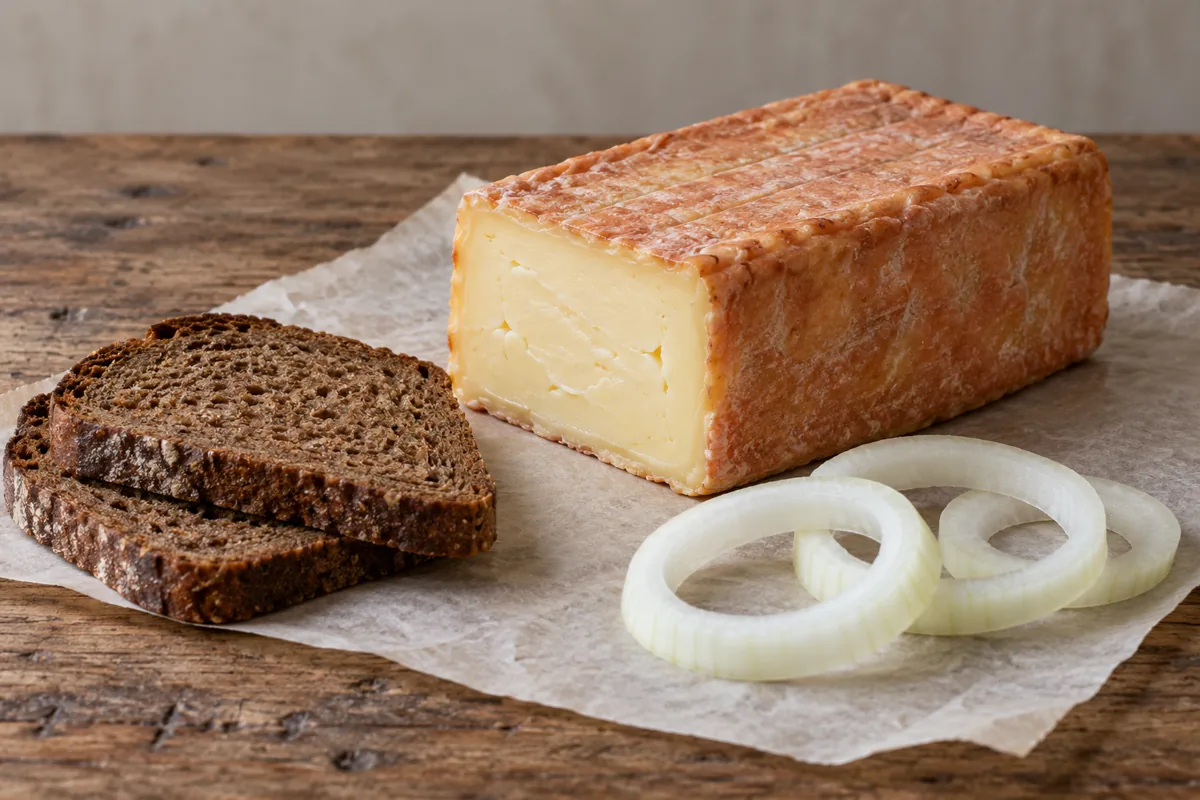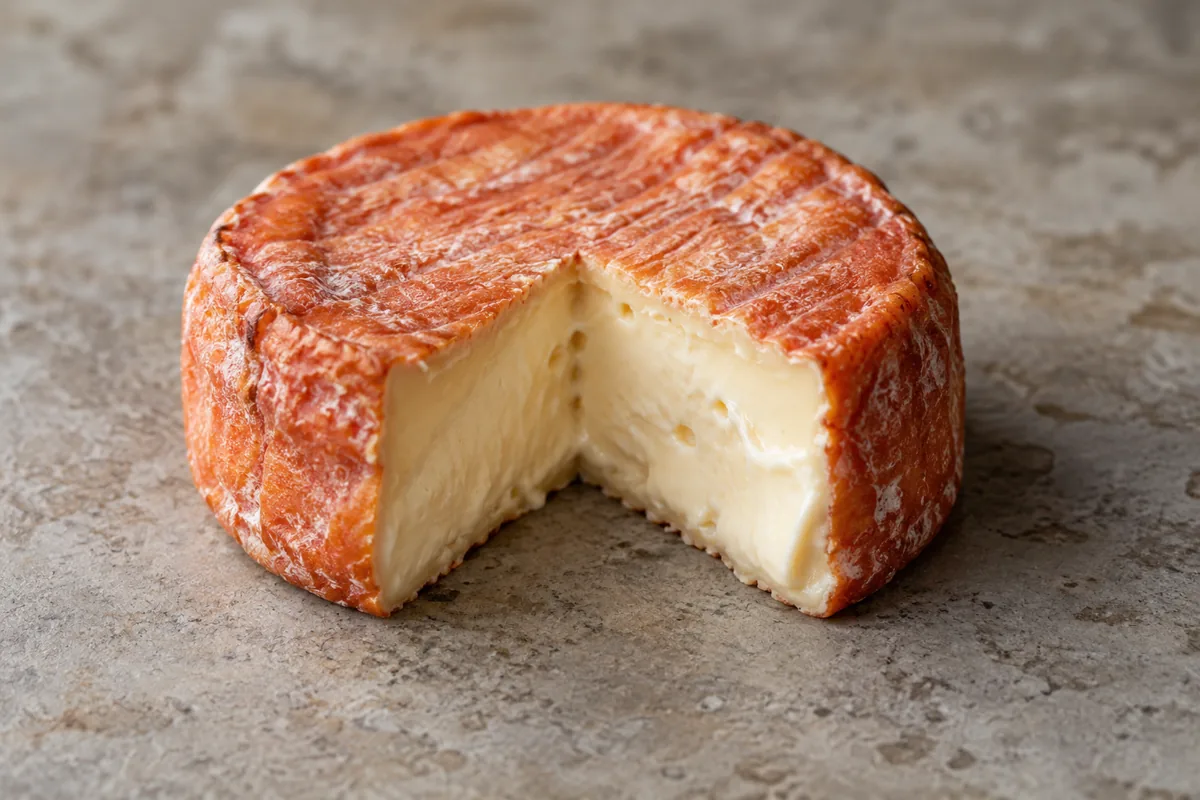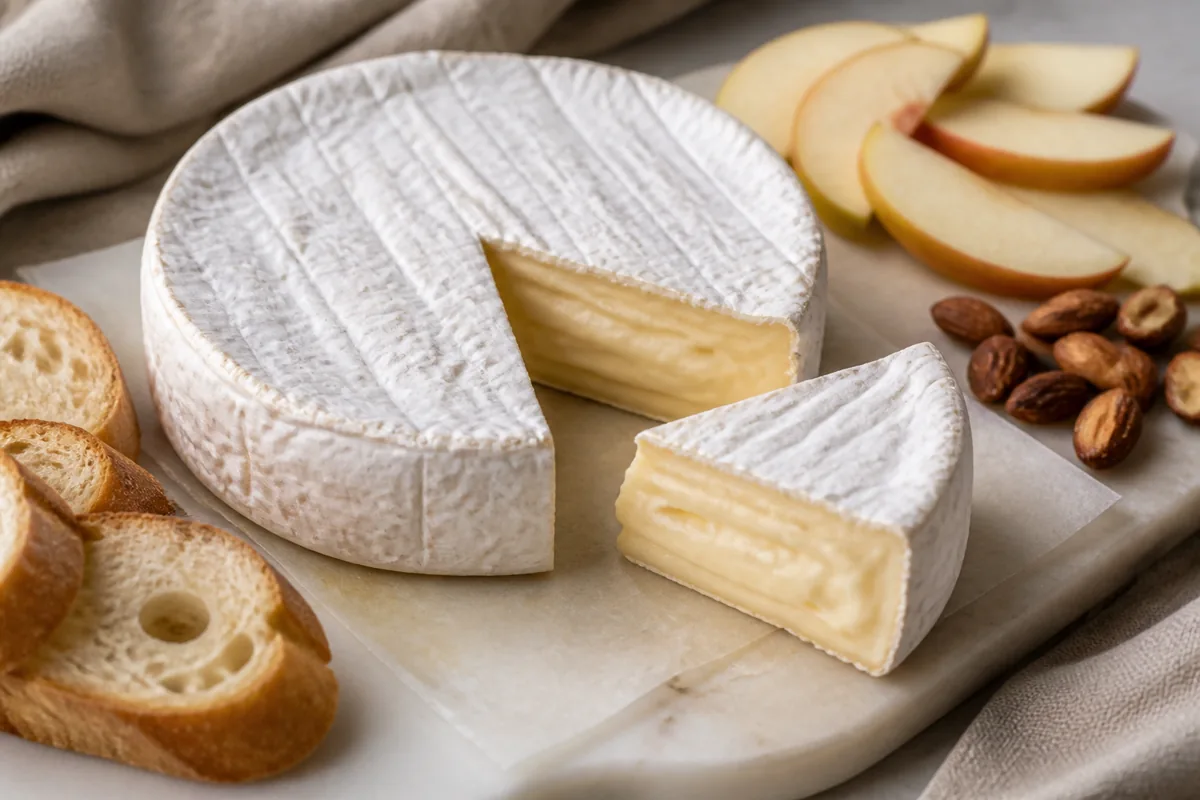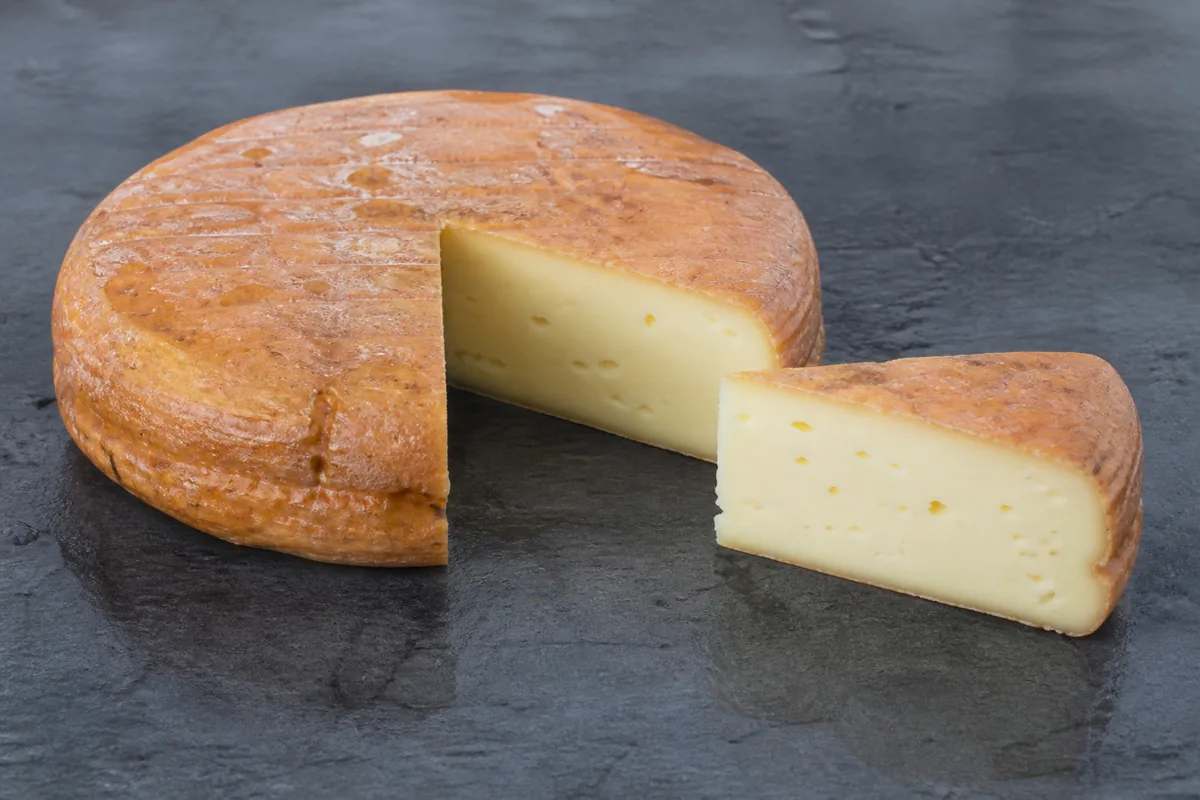
Ardrahan is a semi-soft, brine-washed cow's milk cheese made by the Burns family at Kanturk in County Cork. Its rind is stronger than its paste in the descriptions of Culture, Taste Cork and the Georgina Campbell Guides.
If you are vegetarian or avoid raw milk, today's records give you the two answers you need: pasteurised milk and vegetarian rennet.
In This Article
What Is Ardrahan?
Ardrahan Dairy Products Ltd makes it at Kanturk in the Duhallow area of County Cork, using milk from Friesian cows that graze the family farm. The herd numbers about 130 Friesians, and the cheese has a fat content of 25 percent.
Cheese.com, Wikipedia and Taste Cork record the milk as pasteurised, and Cheese.com, Wikipedia and Di Bruno Bros record vegetarian rennet. Wheel weight and age vary from one record to another, and the wedge you buy is a fraction of one of these wheels.
| Source | Wheel size | Maturation |
|---|---|---|
| Culture | About 3 lb, 7 inches across and 2 to 3 inches high | About four weeks |
| Cheese.com | 1.5 kg and 300 g | Four to eight weeks |
| Wikipedia | 400 g and 1.5 kg | Four to eight weeks |
| CooksInfo | 300 g (10½ oz) and 1.4 kg (50 oz) | Large rounds about two months; can be eaten at five weeks, with a richer flavour at eight |
| Georgina Campbell Guides | About 300 g and about 1 kg | Not stated |
What Makes the Ardrahan Rind Smell So Strong?
On Ardrahan the smell is the stronger of the two: Culture calls the aroma much more pungent than the flavour, and Taste Cork says the aromatic rind is more fearsome than its bite.
The Georgina Campbell Guides describe the same gap from the paste's side: despite the pungent aroma, the yellow, buttery paste has a surprisingly delicate flavour, especially when young.
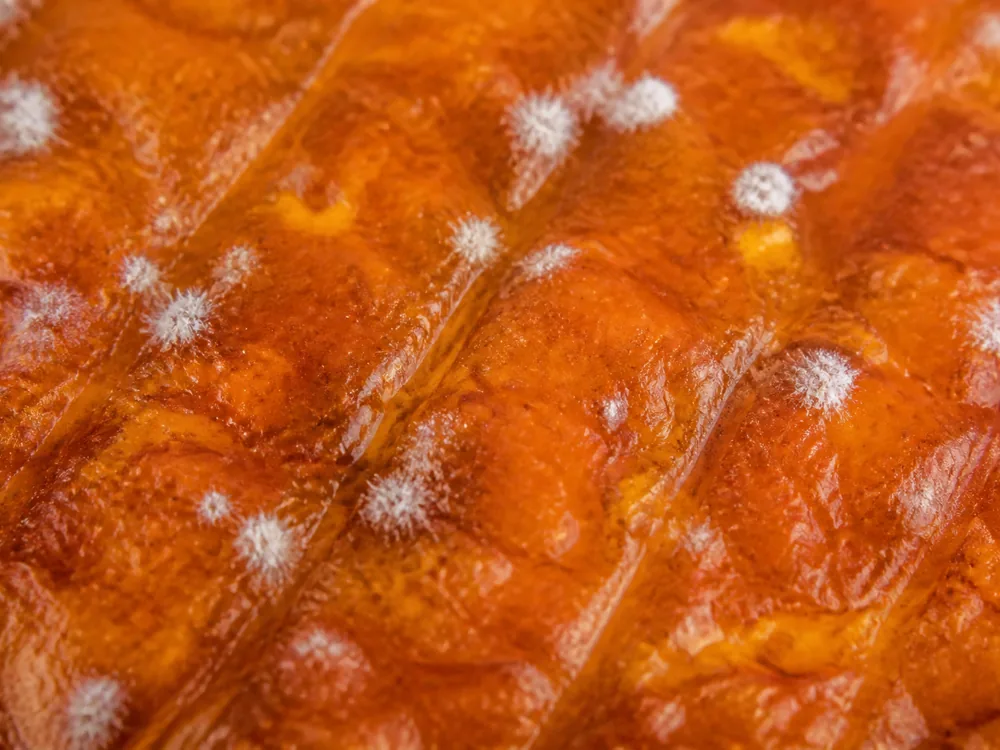
The washing produces the smell. Culture says the young cheeses are washed with salt water to encourage Bacterium linens, and CooksInfo names the organism on the rind as Brevibacterium linens, the same bacterium CooksInfo places on the rind of Limburger.
The same washing works on the inside too: Culture says it breaks the texture of the paste down from chalky to smooth.
You can eat the rind, which Wikipedia calls edible and CooksInfo describes as thin, slightly sticky and salty with a nutty taste. CooksInfo also warns that a cheese kept too long develops a bitter rind that some people prefer to cut off.
A strong rind smell is the documented norm, so ask the seller about a piece that seems off.
What Does Ardrahan Taste Like?
Expect a buttery, earthy flavour, the common ground in the descriptions. Each then adds its own notes: earth, smoke, bacon and butter for Culture; acidic, buttery and savoury notes for Cheese.com; peanuts, wild mushrooms and a whiff of pasture for Di Bruno Bros; and well-balanced saltiness and subtle acidity for Taste Cork.
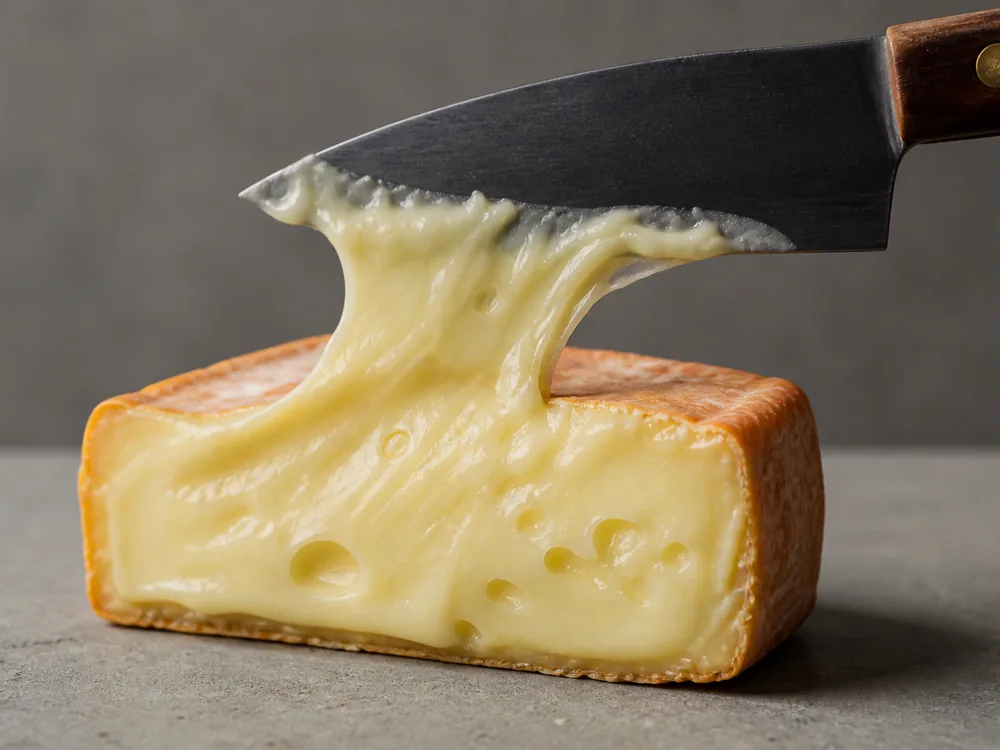
The age of your piece moves the flavour as well. In CooksInfo's account, a wheel can be eaten at five weeks, tastes richer and more complex at eight, and turns smoky and tangy as it ages.
For a reference you may already know, Cheese.com compares the taste of Ardrahan to a young Gruyère. Di Bruno Bros describes the mouthfeel as that of a buttery Brie, with paste that clings to the knife like frosting.
Taste Cork says the creamy, buttery texture melts rather quickly in the mouth. The paste itself is pale, butter-yellow and smooth in Culture's description but deep yellow and slightly chalky in Cheese.com's.
| Source | Colour | Texture |
|---|---|---|
| Culture | Pale, butter yellow, dotted with small holes or slits | Smooth and yielding |
| Cheese.com | Deep yellow | Slightly chalky |
| Wikipedia | Deep yellow interior | Firm and slightly chalky |
| Georgina Campbell Guides | Yellow paste, deep golden colour | Buttery textured |
| CooksInfo | Butter-coloured interior | Firm, camembert-like |
| Di Bruno Bros | Not stated | Mouthfeel of a buttery Brie, clings to the knife |
| Taste Cork | Golden wash rind | Semi-soft, creamy, butter texture |
Who Makes Ardrahan, and Why Did the Dairy Switch from Raw Milk?
The Burns family established a Friesian herd on the Kanturk farm in 1925 and sold liquid milk until 1983, when Eugene and Mary Burns began making cheese. Mary developed the recipe by trial and error after first making natural yogurt, and France was the first market, with Eugene delivering to Rungis market in Paris every month, as a 1999 Irish Times report describes.
CooksInfo adds that Ardrahan was first made with raw milk. After a cow contracted TB and production stopped, the dairy switched to pasteurised milk and, in that account, lost its French market overnight.
If you come across raw-milk wording, it belongs to the cheese's early years. Cheese.com, Wikipedia, Taste Cork and Di Bruno Bros all describe today's milk as pasteurised.
Eugene died in 2000, and Mary runs the business with her son Gerald. The dairy added a second cheese, Duhallow, in 2006.
Wikipedia lists a 1994 Irish Food Writers Guild Good Food award and later medals at the British Cheese Awards and World Cheese Awards. The Irish Times report says it won best Irish cheese and best semi-soft cheese at the British Cheese Awards in the year before it was written.
What Should You Serve with Ardrahan?
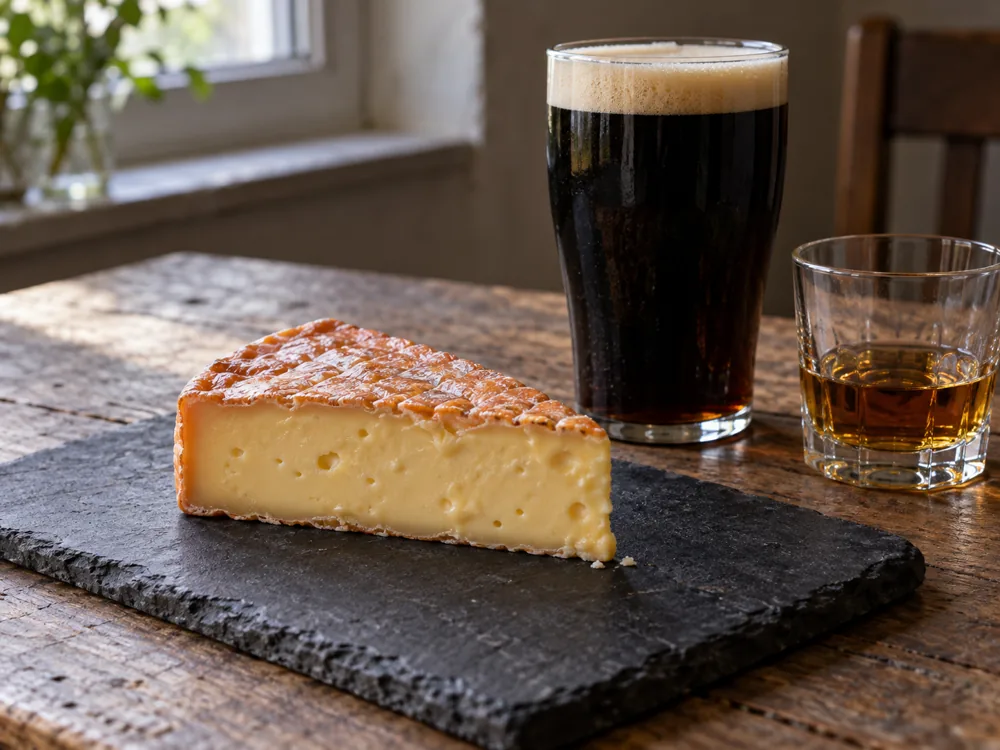
For a drink, choose between the stout or Scotch that Di Bruno Bros, a US retailer, picks and the red wines that Cheese.com lists.
| Pairing | Type | Why It Works |
|---|---|---|
| Ardrahan + Guinness | Drink | Di Bruno Bros suggests a pint of Guinness with the cheese. |
| Ardrahan + Scotch | Drink | Di Bruno Bros suggests a snifter of Scotch. |
| Ardrahan + Pinot Noir, Chianti or Sangiovese | Wine | Cheese.com lists these three wines. |
| Baked mushrooms on buttered toast | Food | Di Bruno Bros reports this as Mary Burns's suggestion. |
For storage time, serving temperature and cooking method, go by the label and what the seller tells you.
Is Ardrahan Safe in Pregnancy?
If you are pregnant, the answer for Ardrahan depends on two things: its label says pasteurised, and it is a semi-soft washed rind.
Guidance on cheese in pregnancy turns on pasteurisation. The NHS says unpasteurised dairy may carry listeria, and the CDC says pregnant people are 10 times more likely to get a Listeria infection.
The NHS lists pasteurised or unpasteurised hard cheeses such as Cheddar, pasteurised semi-hard cheeses and pasteurised soft cheeses as safe to eat. Taste Cork calls Ardrahan semi-soft, while Wikipedia and CooksInfo call it firm.
The NHS lists mould-ripened soft cheeses with a white coating, such as brie and white-rind Camembert, as needing thorough cooking. Culture notes that the Ardrahan rind sometimes carries a patch of white mould.
The CDC lists soft cheese made from unpasteurized (raw) milk as riskier and pasteurized soft cheeses heated to an internal temperature of 165°F or until steaming hot as a safer option. Served cold, Ardrahan is described as a pasteurized semi-soft or firm washed-rind cheese, a type the CDC list does not cover, so ask a midwife or doctor.
What Should You Check When Buying Ardrahan?
Check four things before you buy: the wheel size, the age, the rind and the milk.
Which County Cork Washed Rinds Can You Use Instead of Ardrahan?
If you cannot find Ardrahan, the nearest documented neighbours are other County Cork washed rinds. Wikipedia says the Ferguson family's semi-soft Gubbeen from Schull is made from pasteurised cow's milk, with a rind washed daily.
For a second option, Wikipedia gives Durrus, a semi-soft County Cork cheese, a pinkish, yellow-grey washed rind and an ageing time of 3 to 5 weeks.
SOURCES & REFERENCES
What Else Should You Know About Ardrahan?
Cheese.com, Wikipedia and Di Bruno Bros record vegetarian rennet, and Culture lists vegetable rennet. Taste Cork adds that the dairy uses a natural starter culture.
Current sources describe pasteurised milk. CooksInfo says the earliest Ardrahan was made with raw milk before the dairy switched.
Wikipedia calls the rind edible, and CooksInfo says to eat it but cut it off if an older cheese has turned bitter.
Cheese.com and Wikipedia give four to eight weeks, Culture says about four, and CooksInfo says large rounds age about two months.