Cheese Profile

Is Buttermilk Blue Affinée Worth More Than the Original?

Buttermilk Blue Affinee is Roth's six-month Wisconsin blue. Learn how it differs from the original, what it tastes like, and how to serve it.

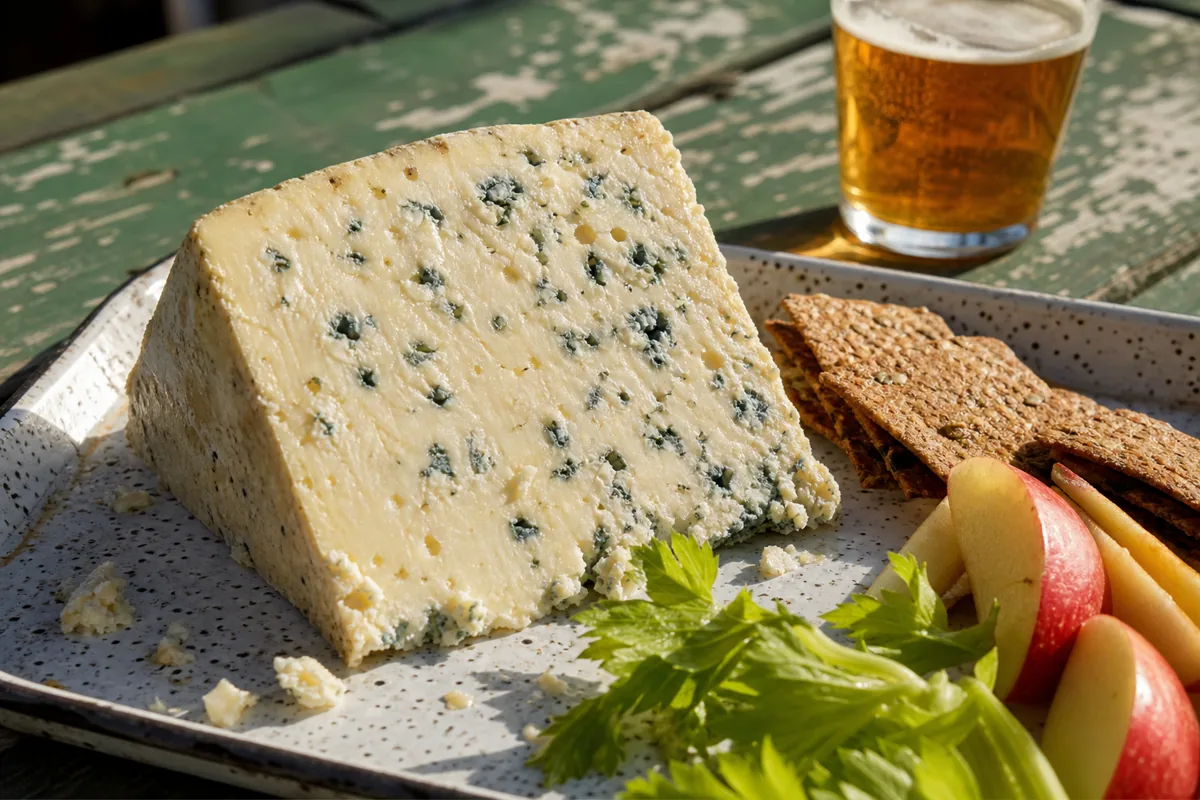
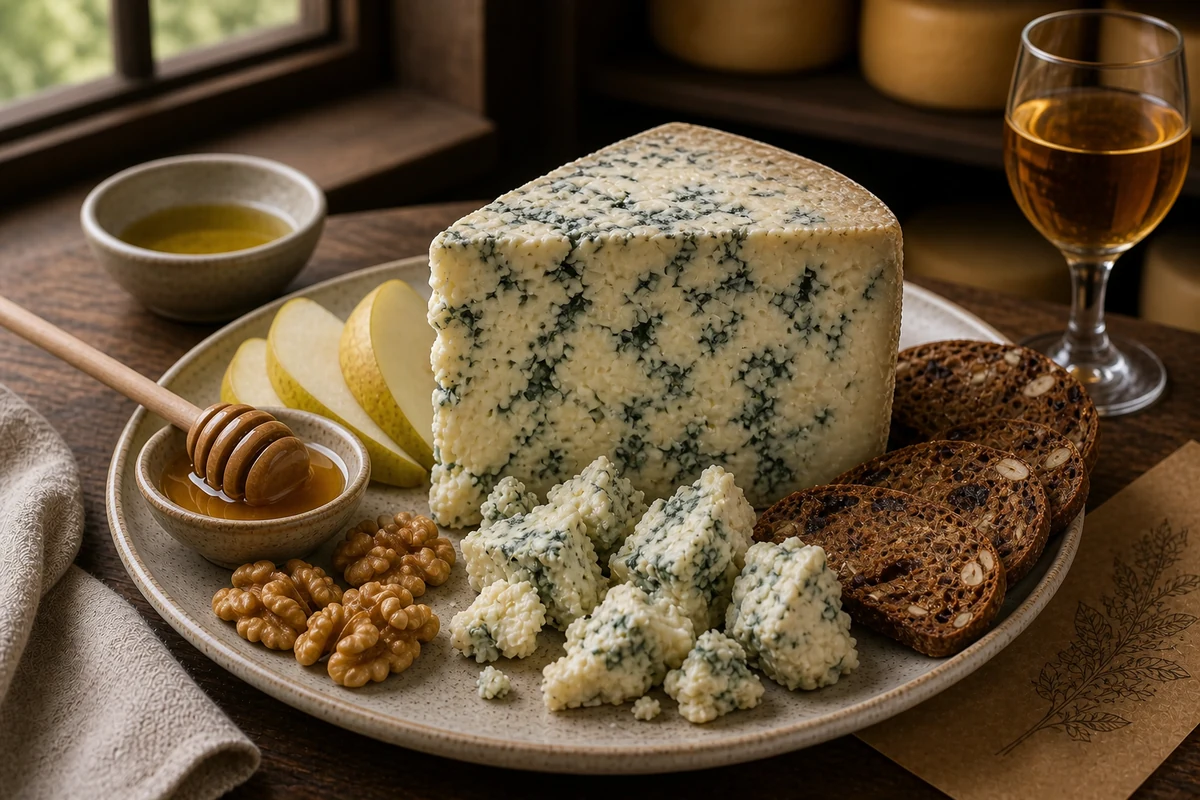
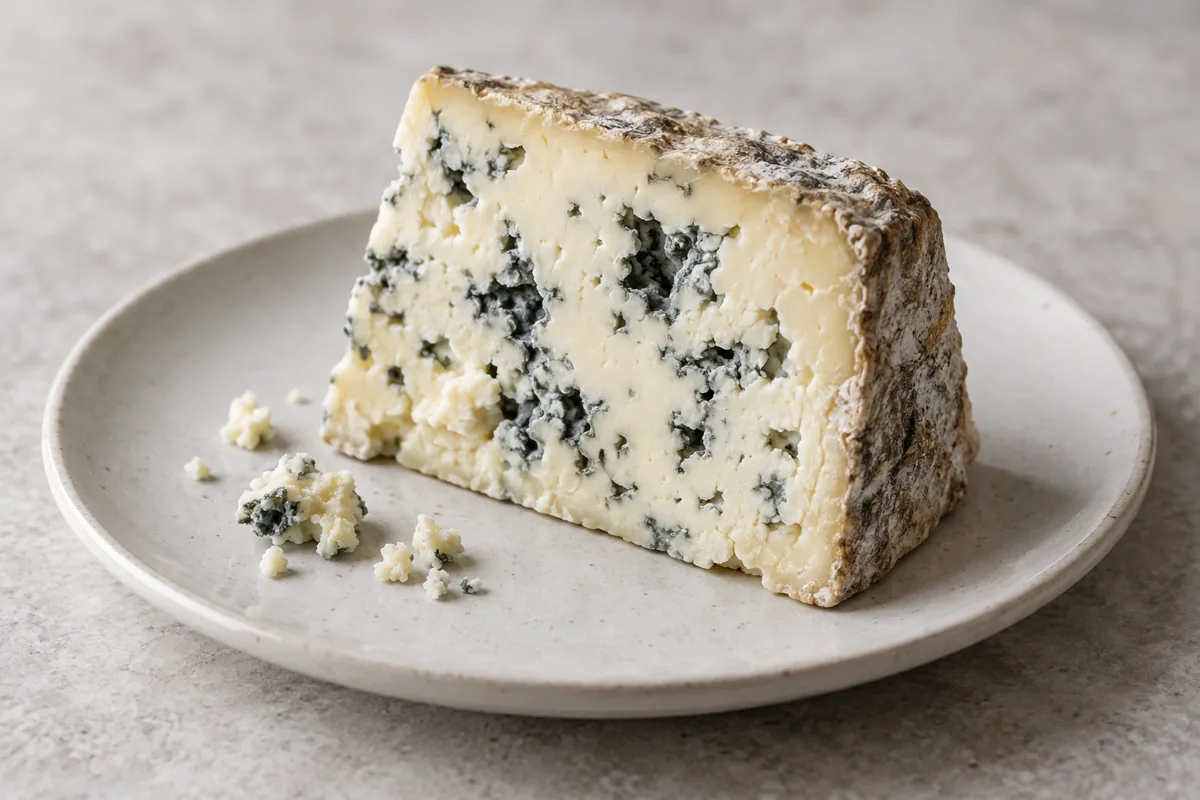
Mature ivory blue cheese with pear dates walnuts and port - Buttermilk Blue Affinee | KnowTheCheese
BUTTERMILK BLUE AFFINéE QUICK FACTS
OriginMonroe, Wisconsin, United States
MilkCow's milk
TextureRich, creamy, and semi-soft with a firmer natural edge
RindNatural
AgingSelected wheels aged for at least 6 months
FlavorPiquant, earthy, peppery, and concentrated
AvailabilitySpecialty cheese counters and cut-to-order online retailers
Pricespecialty
PregnancyThe current producer page says cultured milk but does not state pasteurization, so check the package and follow local guidance
LactoseThe current label lists under 1 g carbohydrate and 0 g sugar per ounce, but the cheese is not certified lactose-free

Buttermilk Blue Affinée is Roth's longer-aged Wisconsin blue cheese, made by holding selected Buttermilk Blue wheels for at least six months. The extra time produces a richer, more piquant cheese with an earthy flavor and a peppery finish.

This is the concentrated member of the family rather than a renamed package of the original, with a creamy blue center that lets a smaller piece carry more flavor at the table or in a dish.

Affinée makes the most sense when you already enjoy blue cheese and want a wedge for deliberate tasting, strong pairings, or small finishing portions. The original remains easier for generous crumbling, mixed crowds, and recipes where blue flavor should stay in the background.

The current Roth page lists cultured milk, salt, enzymes, and Penicillium roqueforti, and it marks the cheese gluten-free, rBST-free, and vegetarian.

What Is Buttermilk Blue Affinée?

Buttermilk Blue Affinée is a named cow's-milk blue made by Roth Cheese in Monroe, Wisconsin. “Affinée” signals that the cheese has received longer maturation, and Roth applies the name to a small selection of its Buttermilk Blue wheels.

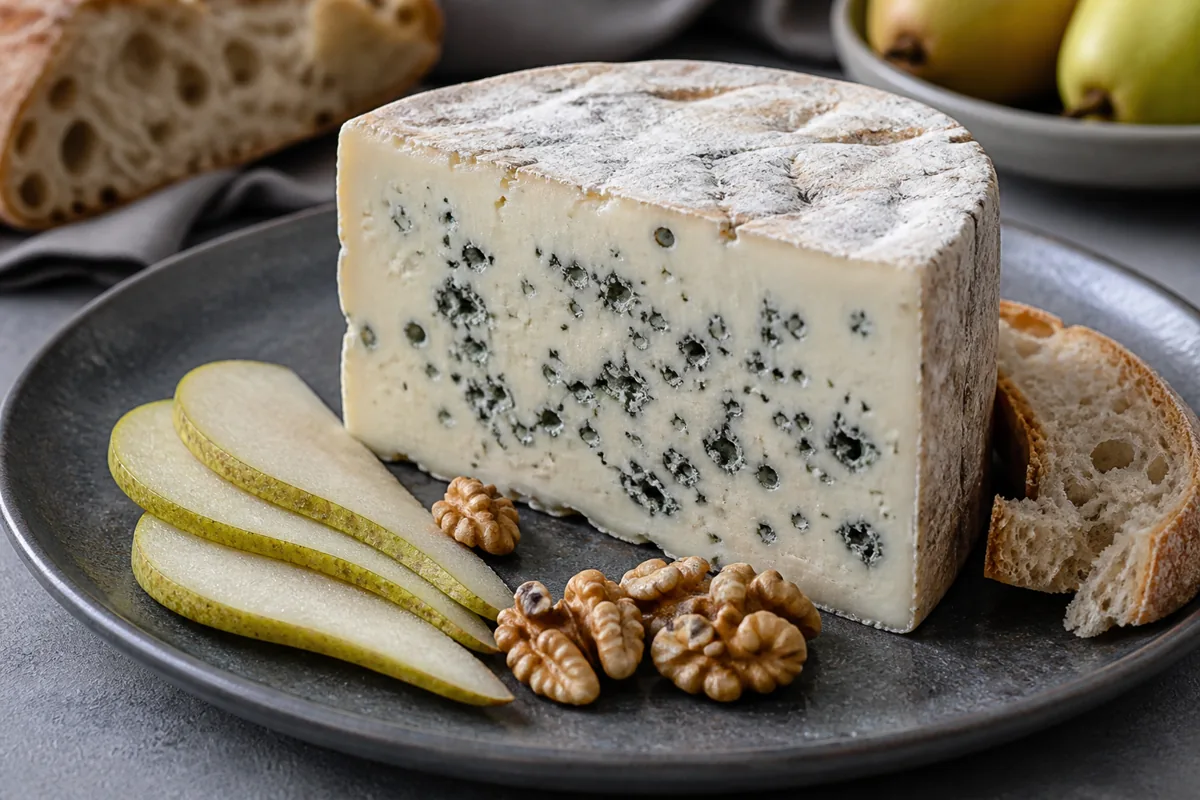
The ivory paste has irregular blue-gray veins and pockets, a semi-soft and creamy texture, a natural rind, and a richer aroma than the standard two-month cheese.

Roth states a minimum age of six months compared with at least two months for the original, but it does not publish a maximum age or fixed wheel size on the current consumer page.

You may also see the name written as Blue Affinée, Blue Affinee, or the older spelling Bleu Affinee. Those labels refer to the same longer-aged Roth product when the producer and six-month minimum match.


6+
Minimum Age months

100
Calories per 1 oz

380 mg
Sodium per 1 oz

Availability is narrower than for ordinary crumbles because specialty shops commonly cut Affinée from a larger wheel, leaving each piece with a different ratio of creamy paste to natural edge.

The producer lists a second-place finish at the 2011 U.S. Cheese Championship. That award belongs to Affinée itself, while several newer awards shown for the original Buttermilk Blue should not be transferred to this version.

Why Are Only a Few Wheels Selected?

Roth says it chooses only a few Buttermilk Blue wheels for extended aging without publishing a selection checklist, so claims about exact moisture, vein count, or wheel shape would go beyond the available evidence.

Selection still matters because four or more additional months magnify what is already present in a wheel. A balanced candidate can become more concentrated while keeping enough creamy paste to prevent the salt and mold from feeling harsh.

The process explains the higher price because more cellar time ties up inventory, reduces the number of wheels available for sale, and asks the producer to judge which wheels can improve rather than merely get older.

Selection does not make every piece identical. Blue pockets follow the channels created during piercing, so two six-month cuts can show different patterns even when both meet the same product standard.

At the counter, look for a cut face that supports that promise. The paste should be ivory and cohesive with natural blue-gray pockets, not collapsed, wet, or covered by unfamiliar fuzzy growth.

What Do Six Months Change?

Six months concentrates flavor by giving moisture more time to leave the cheese and the blue culture more time to transform fats and proteins, producing the piquant and earthy result Roth describes.

The difference goes beyond “more blue” because a longer-aged wedge can feel denser near the natural edge, smell richer, and deliver its salty mold flavor earlier in the bite.

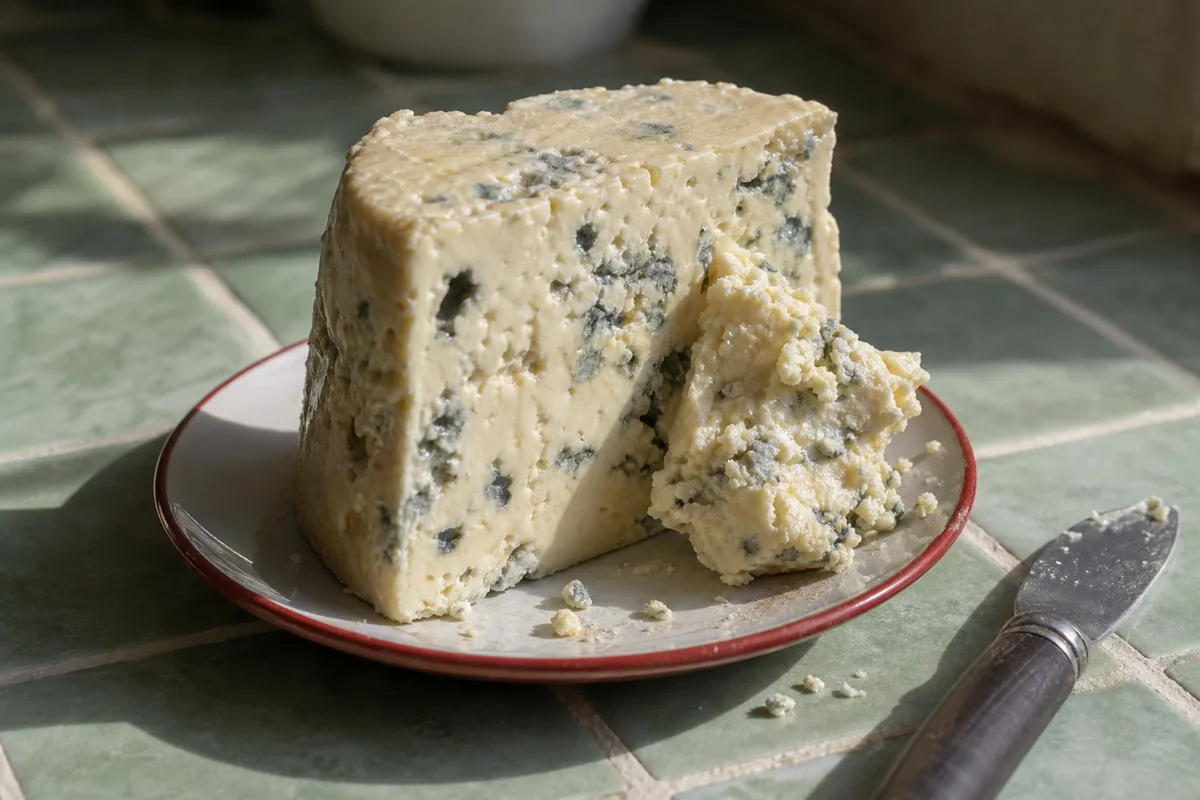
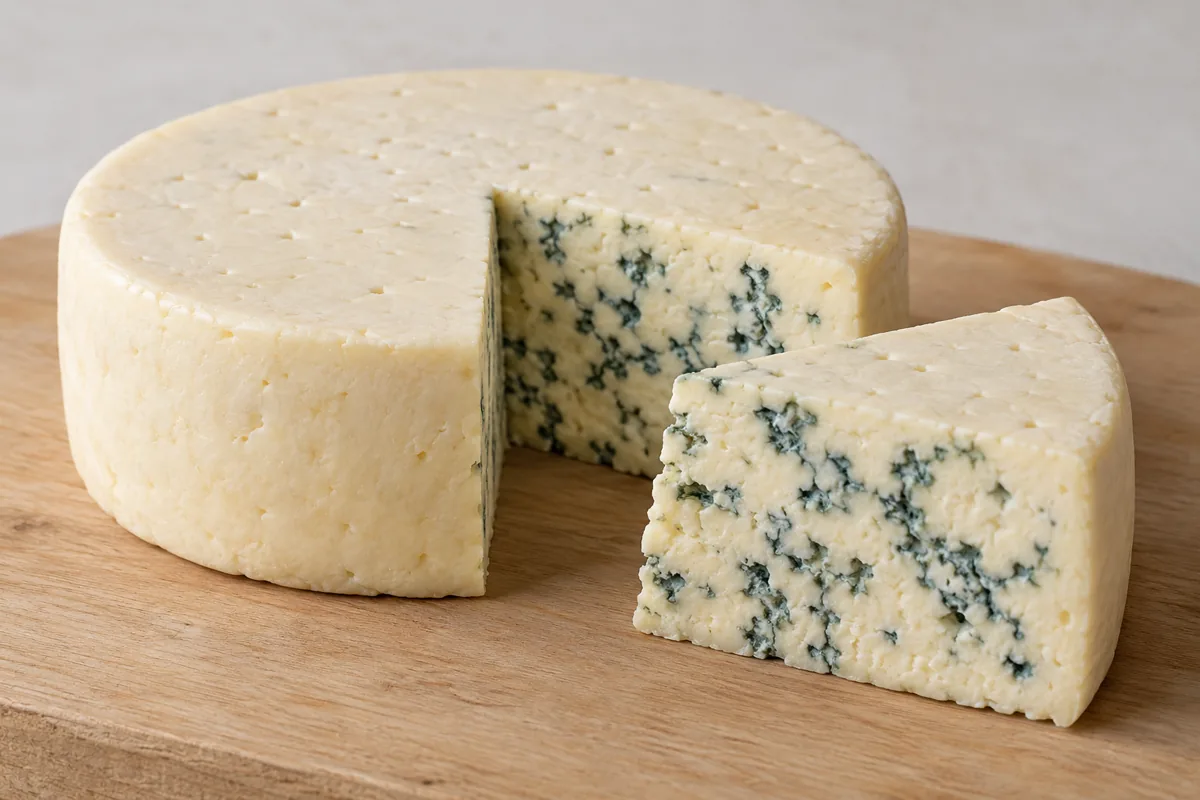
Younger and longer-aged blue cheese wedges showing different moisture and veining - Buttermilk Blue Affinee | KnowTheCheese
Longer aging generally leaves a denser paste and more concentrated flavor, although every cut wheel develops its own vein pattern.

Fat keeps the center creamy even as the flavor becomes stronger. That combination separates Affinée from a dry, crumbly aged blue that breaks apart before it can spread across the tongue.

During maturation, enzymes break larger milk proteins and fats into smaller flavor-active compounds. You experience that work as a softer center, a richer aroma, and a longer finish rather than as one simple increase in saltiness.

Vein count alone cannot prove how long a cut has aged because piercing, wheel position, and the exact slice all change the visible pattern. Use the named package or counter label for age, then use the paste to judge condition.

Temperature changes the flavor clearly, with a refrigerator-cold piece emphasizing salt and firmness while 20 to 30 minutes at a cool room temperature reveals more cream, earth, and pepper.

Do not leave the whole wedge out for a long tasting session. Cut the amount you expect to serve, temper that portion, and keep the remainder wrapped in the refrigerator.

Is Affinée Worth More Than the Original?

Affinée is worth the higher specialty price when concentration is the goal, but it is a poor value when the cheese will disappear into a large dressing or serve people who prefer mild blues.

Buying Question Original Buttermilk Blue Buttermilk Blue Affinée
How strong should it taste? Tangy and mellow Piquant, earthy, and peppery
How will you serve it? Generous crumbles or cooking portions Small board pieces or a finishing accent
Who is eating it? Mixed group or blue-cheese beginner People who already enjoy assertive blues
What are you paying for? Versatility and easier availability Selection, extra aging, and concentration

Plan portions before shopping because two ounces of Affinée can complete a focused tasting for several people, while a recipe that needs a cup of crumbles usually favors the original.

For a four-person board with other cheeses, start with about two ounces of Affinée and cut it into eight small pieces. Each person can taste the center and edge before anyone takes a second portion.

Two-ounce blue cheese tasting portion divided into eight small pieces - Buttermilk Blue Affinee | KnowTheCheese
Eight small pieces from a two-ounce cut give four people a first taste while preserving enough cheese for a second comparison.

Compare cost per tasting portion rather than price per pound alone. A stronger two-ounce cut can be economical when it replaces a larger mild-blue portion, but it becomes expensive waste when a recipe masks the extra aging.

A cut-to-order shop may price by weight and offer pieces with different rind-to-paste ratios. Ask for a center-heavy cut if you want maximum creaminess, or accept more natural edge when firmer texture and concentrated flavor appeal to you.

A large piece creates value only when you can protect it after opening, since a modest cut eaten at peak condition beats a discounted half wheel that dries out in the refrigerator.

Affinée and the original share the same current nutrition panel, so the premium is not buying more protein or calcium per ounce. It pays for selection, time, scarcity, and a stronger sensory result.

Where Does the Peppery Finish Appear?

The first impression is rich cream and salt, followed by earthier blue flavor and a peppery sensation toward the finish rather than the taste of ground pepper added to the curd.

That sequence can vary across one wedge. A creamy center bite may open gently and build, while a piece carrying more natural edge can seem firmer, saltier, and immediate.

NOTE

Taste Affinée before adding honey, fruit, or wine. One plain bite shows whether your cut leans creamy, salty, earthy, or peppery, which makes the next pairing easier to choose.

Use a small knife to cut across the paste so each serving includes the creamy center and firmer edge instead of exaggerating only one side.

Taste three small pieces in sequence when you want to understand a new cut. Begin near the center, move toward the edge, then try a cross-cut piece to see which balance you prefer for the rest of the board.

A clean piece should smell rich, milky, earthy, and distinctly blue. Sharp ammonia, wet slime, or pink and black surface growth are condition problems rather than signs of desirable six-month aging.

Which Foods Need Affinée's Intensity?

Affinée works best where a small amount must remain noticeable beside starch, sweetness, or roasted flavor, since mild food gives the concentrated blue somewhere to spread.

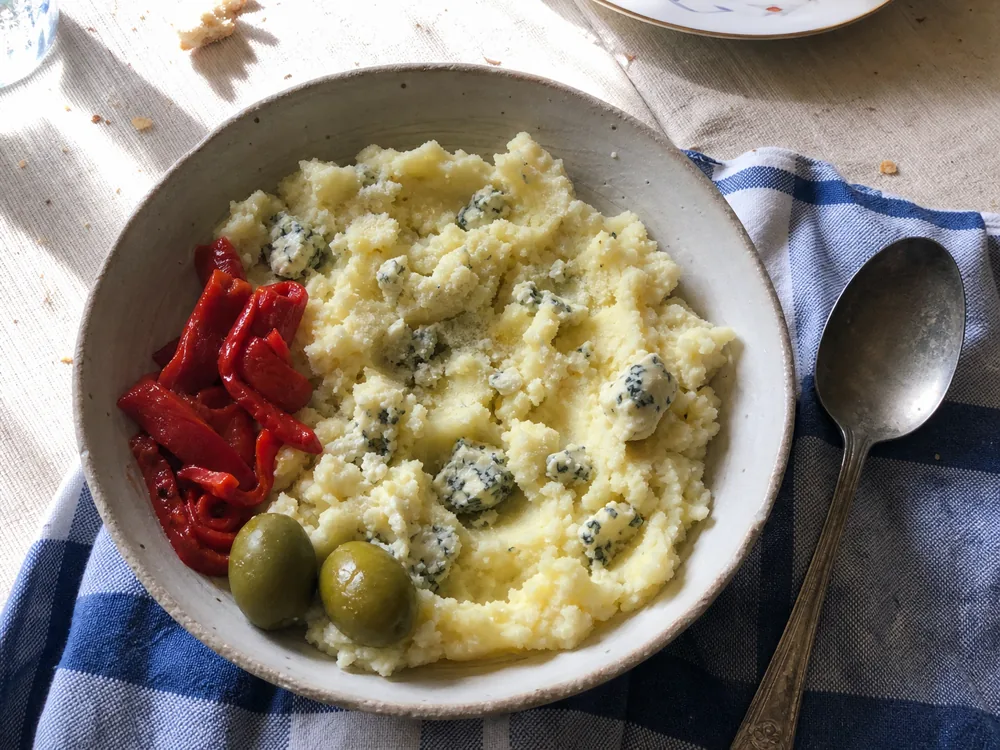
Mashed potatoes are a producer-recommended use because their soft texture carries the cheese evenly. Fold in small pieces after mashing and taste before adding salt.

Mashed potatoes folded with small pieces of Buttermilk Blue Affinee - Buttermilk Blue Affinee | KnowTheCheese
A few small pieces can season a bowl of mashed potatoes, so add Affinée before making the final salt adjustment.

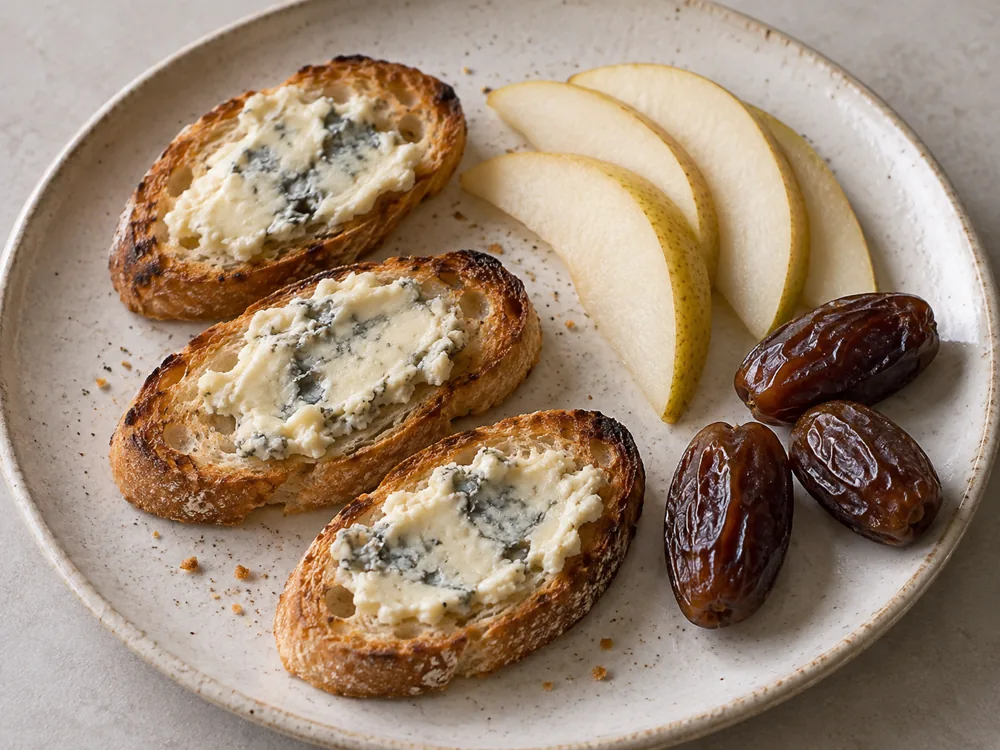
Crostini provides crisp contrast when you spread a thin layer of Affinée and add pear, date, olive, or roasted pepper according to what the wedge needs.

For any hot dish, reserve a few pieces before mixing the rest through. The dissolved cheese seasons the base, while the intact pieces show diners where the stronger blue flavor is coming from.

  • Mashed potatoes: Fold in off heat and reduce added salt.
  • Crostini: Use a thin layer so the bread and topping remain distinct.
  • Roasted vegetables: Add small pieces after cooking rather than baking them dry.
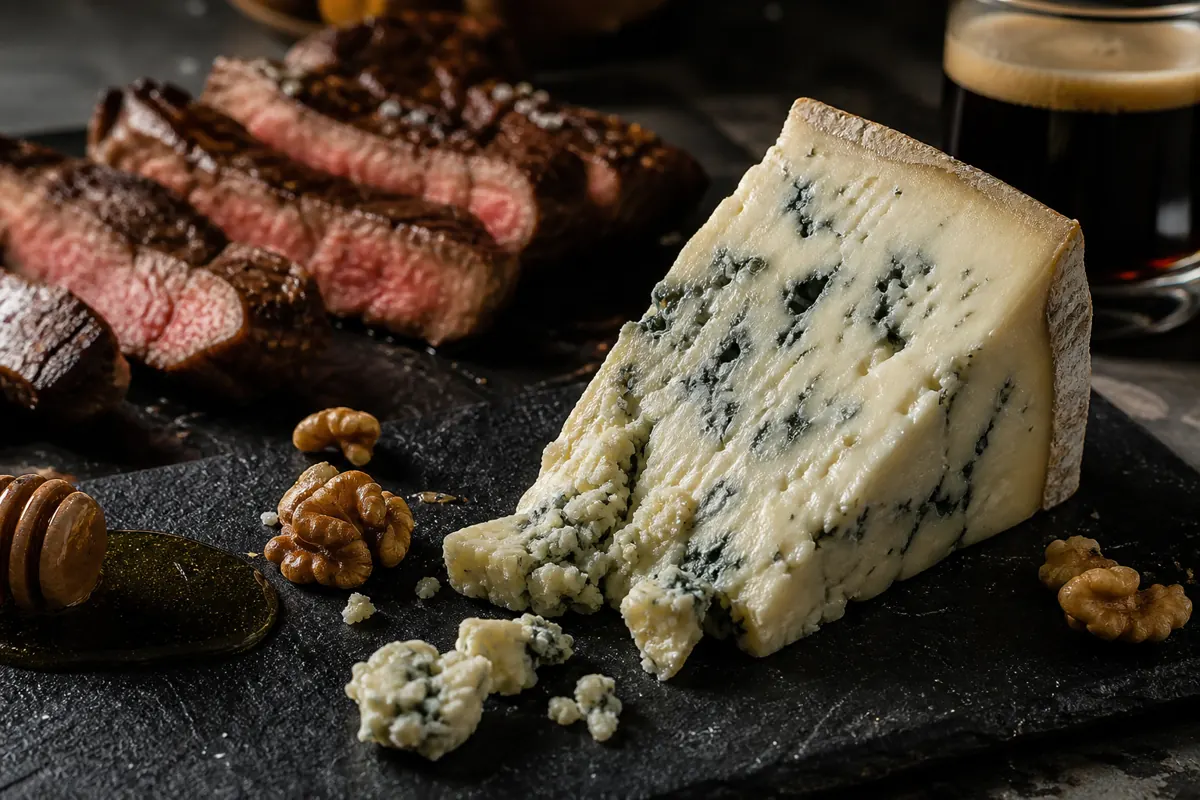
  • Steak: Let one or two pieces soften on the rested meat instead of building a heavy crust.
  • Salad: Pair restrained crumbles with bitter leaves, pear, or toasted nuts.

A cream sauce rarely needs much Affinée, so remove the pan from direct heat and dissolve one small piece before deciding whether to add more.

Strong cured meat can make the combination excessively salty, while hot chile can blur the cheese's peppery finish. Unsalted starch, roasted vegetables, fresh or dried fruit, and plain bread give you more control.

The cheese softens and disperses into warm food, but it cannot replace mozzarella on pizza or another elastic melting cheese.

Which Drinks Balance This Aged Blue?

Roth recommends Port and Cabernet Sauvignon, two very different ways to meet a concentrated blue. Port uses sweetness and alcohol to round the salt, while a ripe Cabernet brings fruit, body, and enough structure to remain present.

Sweetness is the dependable starting point because tawny Port, late-harvest Riesling, or another dessert wine can soften the peppery finish without erasing the earthy center.

A dry red needs ripe fruit and moderate tannin because aggressive tannin can make salty blue cheese taste metallic. Pour a small sample before opening the most expensive bottle for a full board.

TIP

Pair the strongest item first. Choose the Affinée portion, taste its salt and peppery finish, then select a drink with enough sweetness or fruit to balance that exact cut.

On a tasting board, pour the sweet wine after the plain-cheese bite rather than before it. Starting with a sugary sip can hide the milk and earth notes that distinguish Affinée from the younger original.

Beer works best when it brings malt rather than sharp bitterness, which favors a barleywine or dark warming ale over a thin lager or aggressively bitter IPA.

How Should You Buy and Store a Cut Wedge?

Buy from a counter that can show you the cut face and opening date, looking for cohesive ivory paste with irregular internal veining rather than liquid gloss or a surface dry enough to crumble into dust.

Check the package for milk treatment rather than relying on older profiles. Roth's current page says cultured milk without stating pasteurization, while retailer descriptions conflict, so the label in your hand is the useful evidence for pregnancy or immune-safety decisions.

At home, wrap the cut face in cheese paper or parchment and place the wedge in a loose container to slow drying and odor transfer without pressing plastic against a moist surface.

Parchment-wrapped blue cheese wedge in a shallow refrigerator container - Buttermilk Blue Affinee | KnowTheCheese
Loose parchment protects the cut face, while a shallow container limits drying and keeps the blue cheese away from mild dairy foods.
What You See Likely Meaning What to Do
Dry, darkened cut face Moisture loss Trim a thin dry layer if the aroma remains clean
Wet film or strong ammonia Condition has deteriorated Discard the wedge
Unfamiliar pink, black, or fuzzy growth Unwanted surface mold Do not confuse it with internal blue veins

Cut only what you plan to temper because repeated warming creates condensation and shortens the period when the paste tastes clean and concentrated.

A retailer's use-by date controls an unopened package, while an opened cut depends on handling and moisture. Buy a one-week portion unless you already know how quickly your household uses strong blue cheese.

Keep Affinée away from butter, fresh cream, and mild cheeses that readily absorb aromas. A loose lidded box limits transfer while still allowing you to open the wrapping and check for trapped moisture.

Freezing preserves safety better than texture, so reserve the more crumbly thawed cheese for mashed potatoes, sauce, or another cooked use.

Does Extra Aging Change the Nutrition?

The current Roth panels list the same values for Affinée and the original, including 100 calories, 8 grams of fat, 6 grams of protein, and 380 milligrams of sodium per ounce.

That sodium equals 16 percent of the listed Daily Value, while 6 grams of saturated fat equals 30 percent. Stronger flavor helps portion control because one ounce can influence several bites rather than functioning as a neutral topping.

The same serving lists 148 milligrams of calcium, less than one gram of carbohydrate, and zero grams of sugar without certifying the cheese as lactose-free.

Extra aging changes the eating experience more clearly than the printed panel. You buy Affinée for concentration and texture, not for a nutrition advantage over the original Buttermilk Blue.

SOURCES & REFERENCES


1.
Roth Cheese, 2026 Producer
Used for current aging, selection, ingredients, nutrition, certifications, award, pairings, and suggested uses.

2.
Roth Cheese, 2026 Producer
Used to compare the original cheese's two-month aging and mellow positioning.

3.
Roth Cheese, 2026 Producer FAQ
Used for current vegetarian and gluten-testing context across Roth blue cheeses.

4.
Fromagination, 2026 Specialty retailer
Used for current cut-to-order availability, origin, and pairing context; conflicting milk-treatment wording is not treated as decisive.

5.
Cheese.com, 2026 Cheese reference
Used for texture, rind, color, aroma, and alternate-name context.

6.
Deli Business, 2020 Trade interview
Used for the producer-attributed explanation of the richer, piquant, and earthy target for extended aging.

It is a longer-aged Roth blue made from selected Buttermilk Blue wheels and matured for at least six months.

The original is aged for at least two months and tastes tangy yet mellow. Affinée reaches at least six months and develops a more piquant, earthy, and peppery profile.

The current Roth page lists cultured milk but does not state pasteurization. Check the current package because retailer and older reference descriptions conflict.

Temper a small portion for 20 to 30 minutes, then serve it with pear, dates, roasted peppers, olives, plain bread, Port, or a fruit-forward red wine.

Yes, but start with a small amount in mashed potatoes, sauce, roasted vegetables, steak, or salad because its six-month flavor is more concentrated than the original.