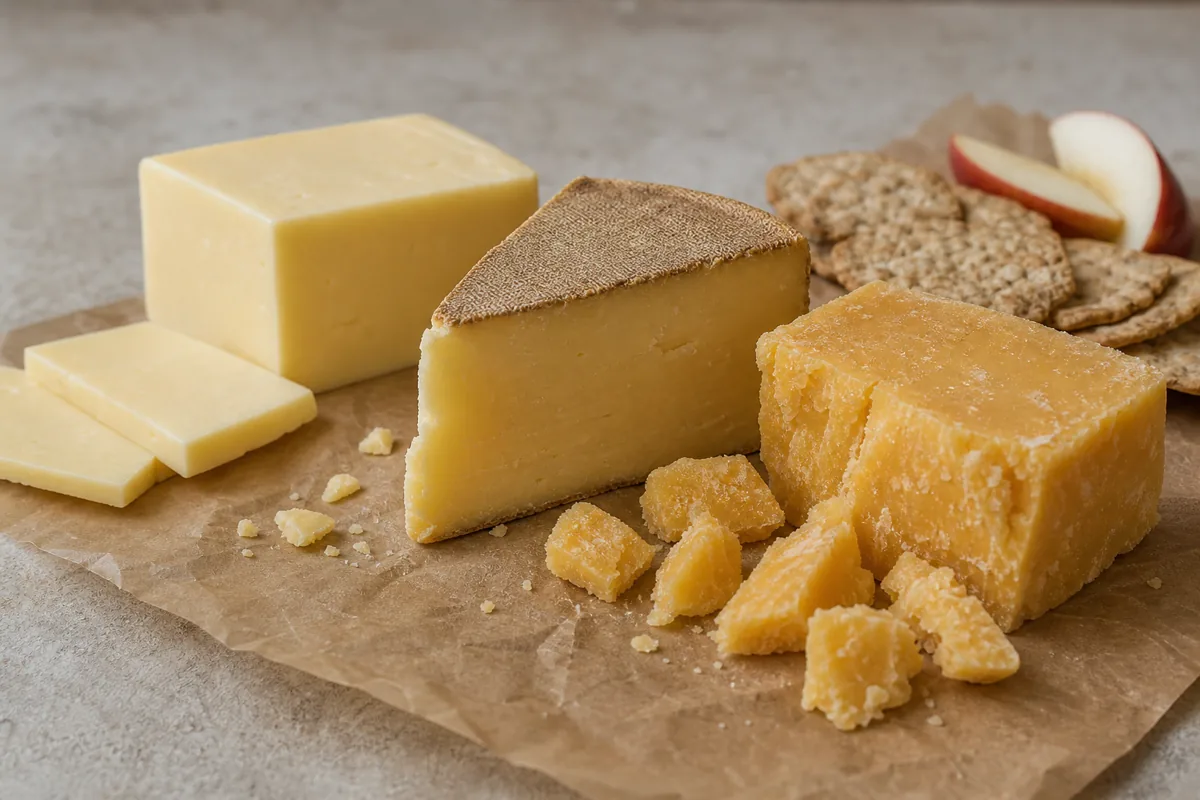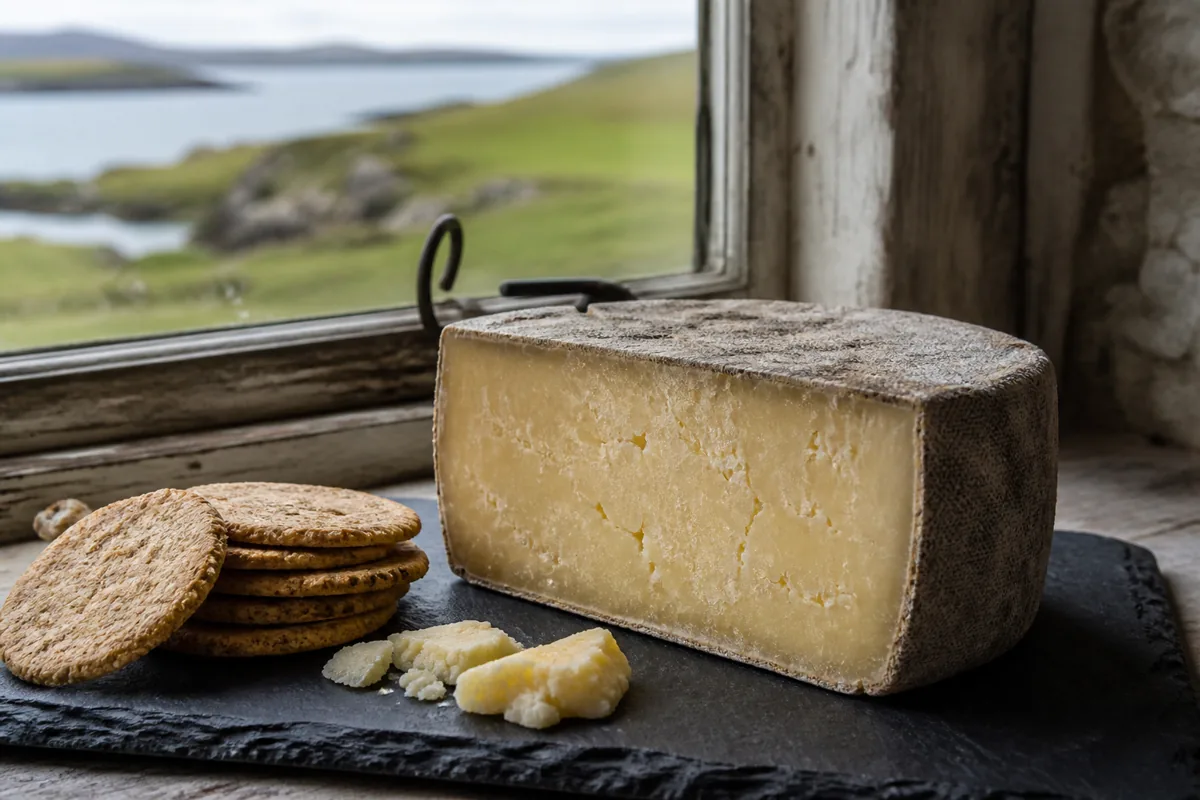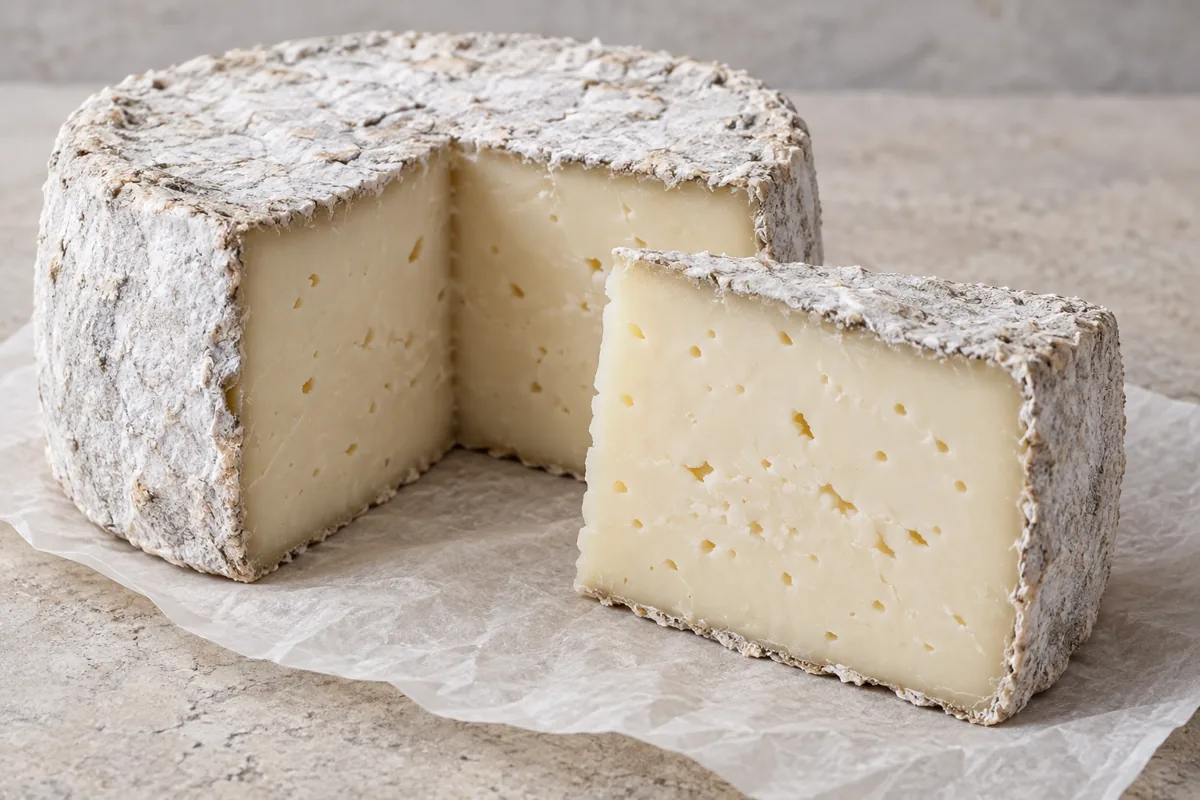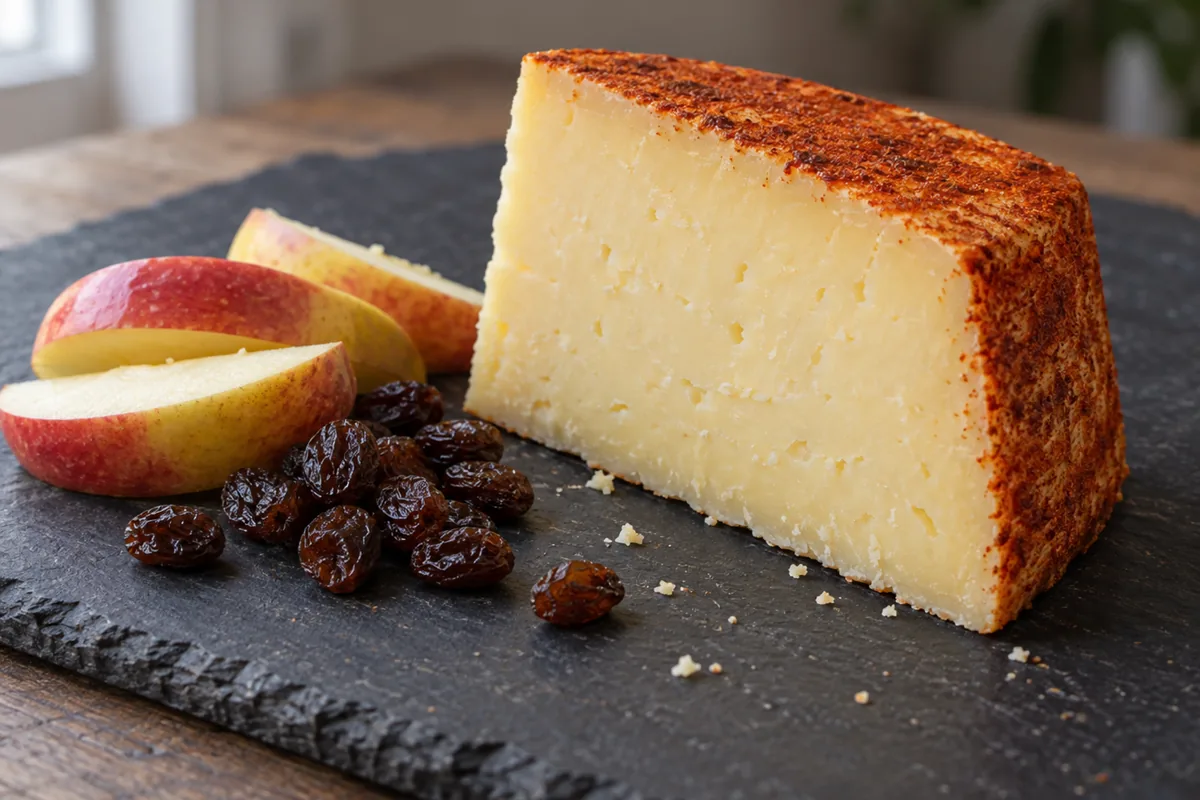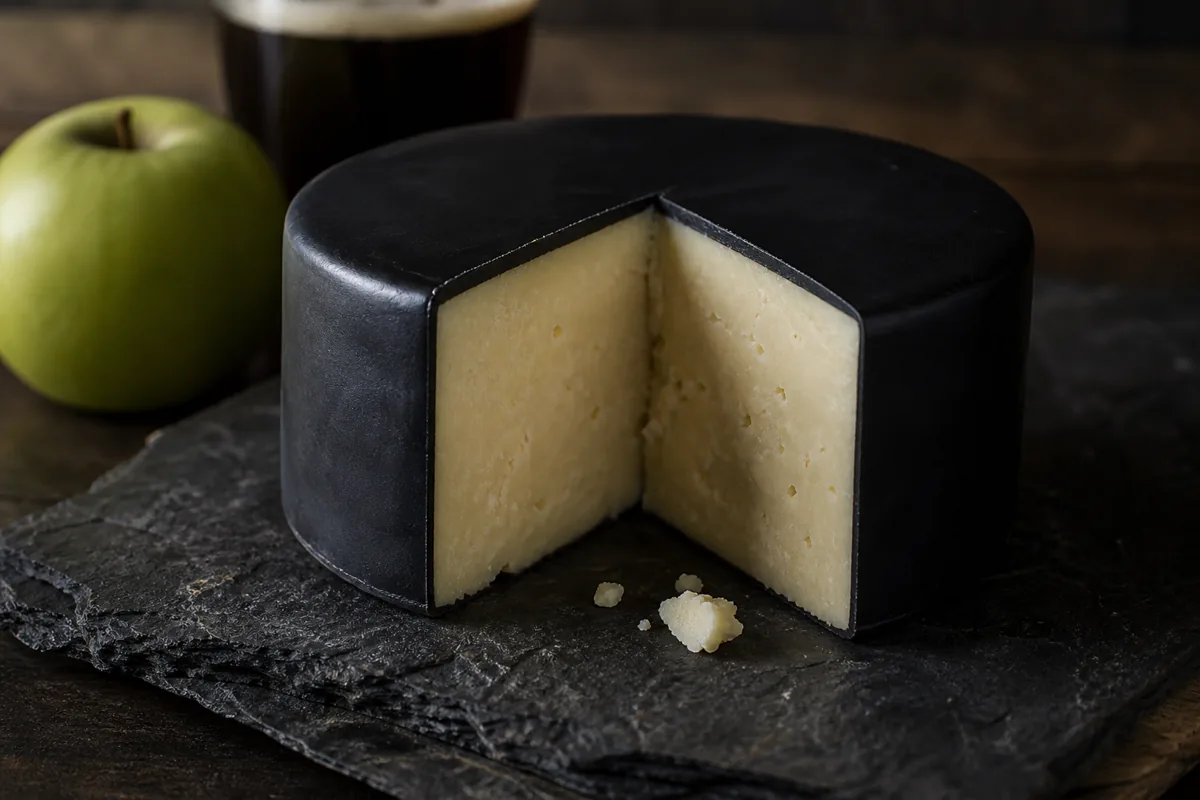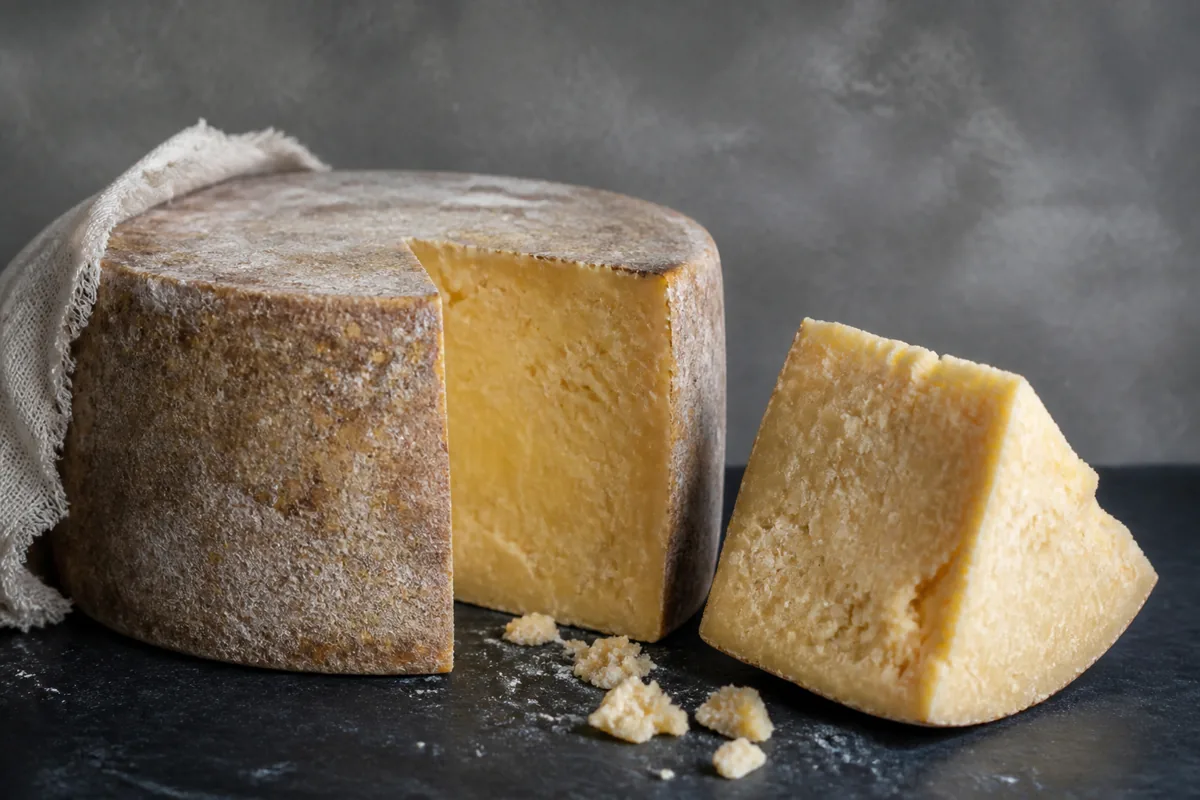
Keen's Cheddar is a raw-milk, cloth-bound Cheddar made on Moorhayes Farm near Wincanton in Somerset, from the milk of the farm's own herd. The Keen family says it has made unpasteurised Cheddar there since 1899.
The extra mature version won the first People's Cheese public vote in 2024, run by The Real Cheese Project.
In This Article
Where Does Keen's Cheddar Come From?
Culture magazine dates Cheddar at Moorhayes Farm to 1898, a year before the 1899 the family gives. Keen's own history post puts the move into the farmhouse in 1899 and names the Bridle family, who rented the farm until 1920, when George Bridle bought it from the London landlords for £6,685.
Mary-Jane Bridle, known as Aunt Ginny, made Cheddar in a copper vat, mostly in summer when milk was plentiful, and her method passed to her niece Dorothy, one of the first cheesemaking students at Cannington College. Dorothy married Donald Keen in 1941, which is where the Keen surname enters that account, so the 1899 date marks a line of cheesemaking at one farm rather than one surname.
Culture describes the milk as coming from a closed herd of about 250 Friesian-Holstein cows that graze pasture for much of the year. Dairy Industries reports that the farm is in its fifth generation of Keen family ownership, led by George Keen.
Culture says George makes the cheese with his son James, while his brother Stephen and Stephen's son Nick manage the cows and the herd.
Counts differ by page and date: Keen's 2021 history post gives over 400 acres and 200 milking cows, up from 160 acres and 60 cows in the 1960s, while its About Us page describes a 500 acre farm.
In the farmhouse dairy that Keen's left in 1990, two or three cheeses of about 60 lb were made a day and collected monthly by cheese factors for maturing, against the 12 to 14 large wheels a day Culture now reports. The stone barn converted that year became the purpose-built dairy, and a later temperature-controlled store lets Keen's mature its own cheese on the farm.
How Is Keen's Cheddar Made?
Keen's says cheesemaking starts within 12 hours of milking, that the milk is not stored, and that it travels only 50 yards to the dairy. The cheese uses raw, unpasteurised milk only.
Culture says Keen's uses only traditional pint starters, a yoghurt-like culture grown in a churn of milk before it goes into the vat, originally taken from naturally occurring bacteria in Somerset milk and still preserved as strains.
The West Country Farmhouse Cheddar specification describes what follows: the starter builds the acidity the milk needs early on, rennet then sets the milk into a junket, and the junket is cut by hand or with paddle knives. The curd is scalded at around 103 to 106°F with constant stirring until the right acidity is reached and the whey is drawn off.
The specification leaves the balance of time, temperature and acidity to the cheesemaker's skill, so farms that follow the same basic recipe still make slightly different cheeses, depending on their techniques and milk.
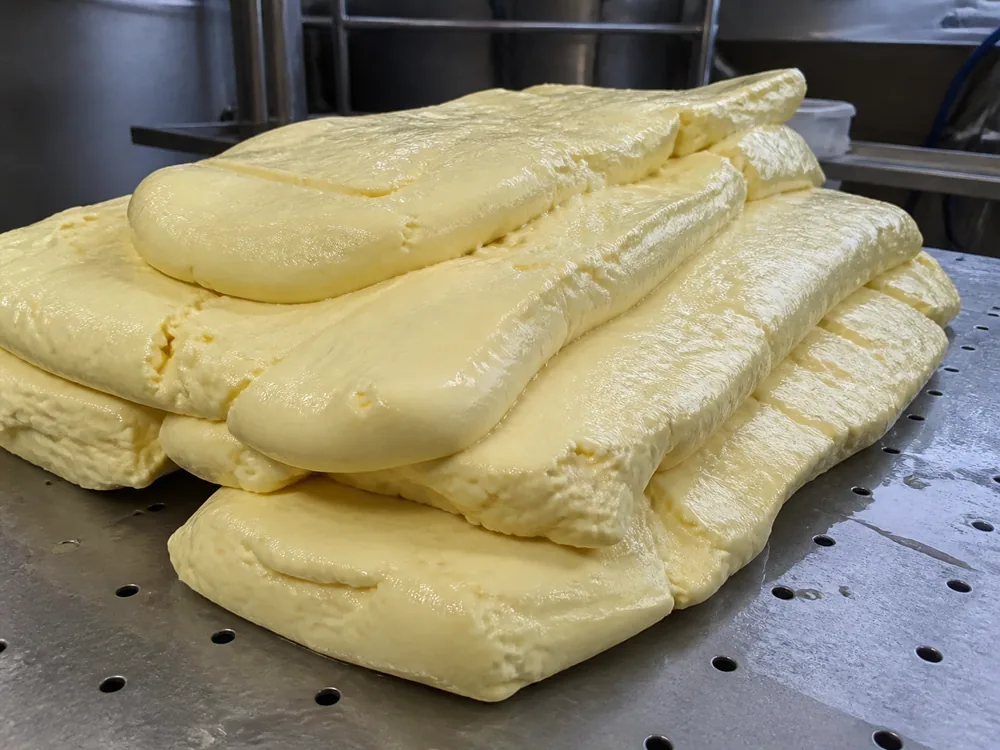
The specification for West Country Farmhouse Cheddar describes cheddaring as turning and stacking cut slabs of curd by hand beside the vat or cooling table so whey drains until the curd reaches the right acidity. Milling then cuts the curd into small cubes, which are salted and mixed thoroughly before they go into moulds.
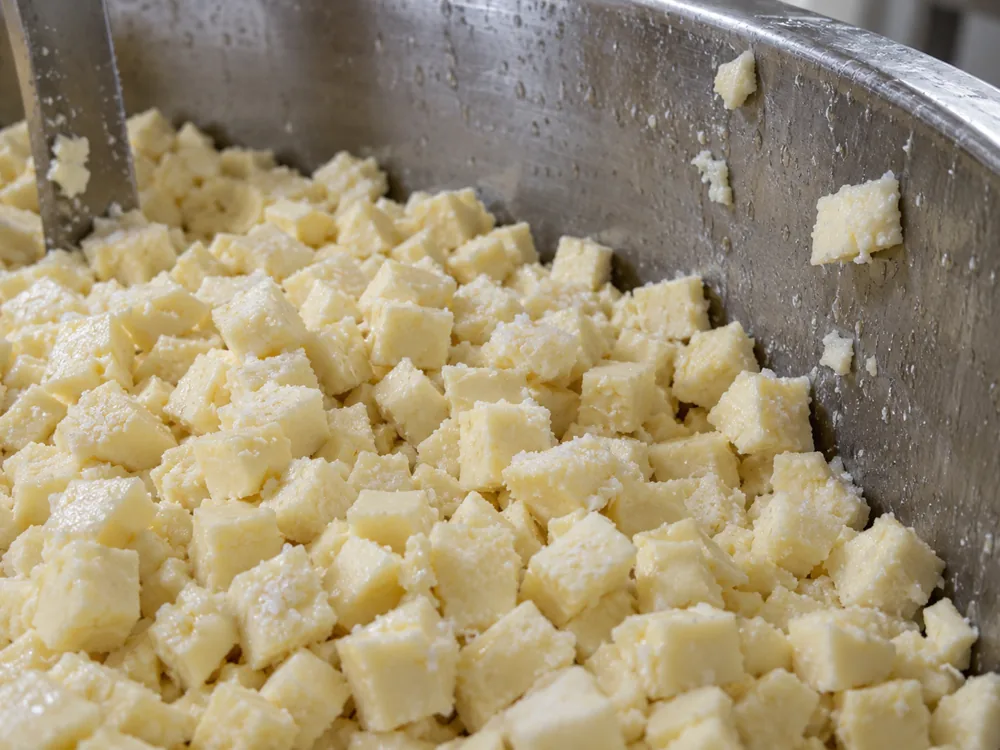
Keen's makes its cheese in a round mould, then presses it and bathes it in hot water for three days. The specification notes that some makers scald pressed cheeses in hot water to seal them before a final pressing, and that each maker sets the pressing time and pressure.
What Makes Farmhouse Cheddar Different From Block Cheddar?
The West Country specification records the rules behind a Farmhouse Cheddar certification mark registered in 1955. The cheese must be made on the farm, with all or part of the milk from the maker's own cows, and in the vat by hand rather than on a moving belt or in a cheddarmaster.
The mark also requires independent grading at 2 to 4 months, and cheese from a vat not expected to develop the right flavour is sold as standard Cheddar instead. Keen's own account of its cows, hand making and grading fits these requirements.
Most makers use rectangular moulds, because blocks suit supermarkets, which sell most of their cheese pre-packed, and a block is wrapped after pressing in a semi-permeable membrane. Wrapped that way, the block loses no moisture while it matures, so the maker aims for a drier curd than for a cylinder.
The specification also notes that Cheddar is made throughout the world and that the name now describes a method, the stacking and turning of curd to speed whey draining, so the word alone does not say where or how a cheese was made.
Why Is Keen's Cheddar Wrapped in Cloth?
Albion Fine Foods lists the coating as cotton muslin and animal fat, which matches the specification's description of muslin dipped in melted lard or another natural fat, or of fat smeared on the cheese before it is bandaged. The specification says this bandaging helps form a hard rind while the cheese breathes and keeps mould from penetrating.
Culture adds that the cloth lets the cheese breathe and lose moisture, and as a result the flavours concentrate, which is the reverse of the sealed membrane on a block.
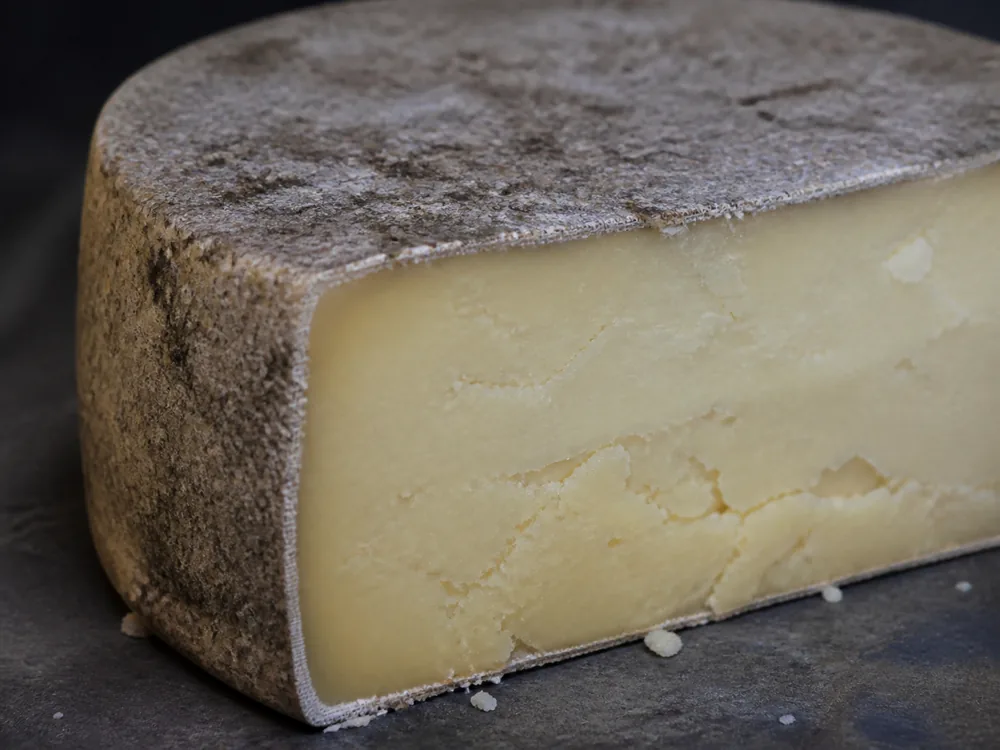
The same specification says the bandage is removed before sale, so a wedge you buy from the counter may show only the rind. Albion's page says the cloth can be removed to cut and pack the cheese for retail, and Keen's still sells truckles in their cloth bindings, though it says the cloth has to come off before the cheese is cut.
Albion's product page says Viplast is added to its 25 kg cloth-bound cheeses to control cheese mite.
Culture adds that the cheese occasionally develops accidental blue veins from the rind, which it calls technically a fault.
How Long Is Keen's Cheddar Aged?
Keen's extra mature is aged 18 months, according to the People's Cheese announcement reported by Dairy Industries. Keen's About Us page gives two ceilings, cheese "maturing for up to 18 months" in its opening text and cheese that "matures gracefully for up to 12 months" further down, and it does not reconcile them.
Two other Keen's statements place the figures: its Extra Mature page says that cheese is matured "at least an extra six months" in the cheese store, and its storage notes say a truckle is usually 9 to 12 months old when it arrives.
Read together, about 12 months fits Mature and truckles and 18 months fits Extra Mature, though the Mature line carries no stated age.
Keen's says it grades the cheese at three, six and nine months and turns each one by hand on the shelf, and the West Country specification gives the reason for regular turning as an even spread of moisture loss through the cheese.
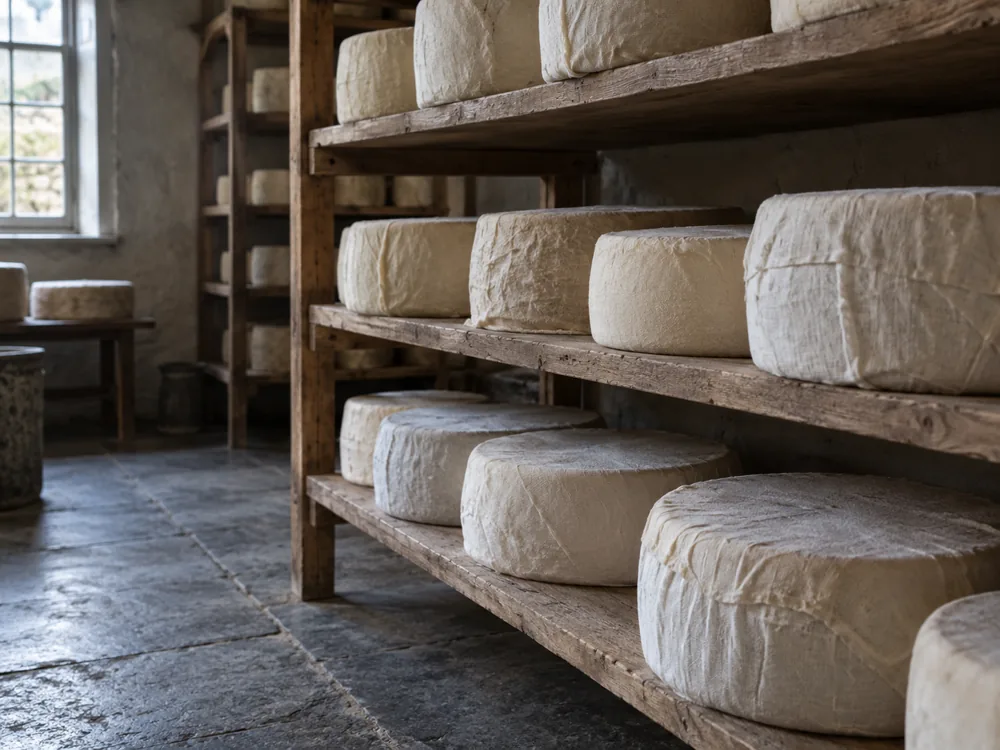
Keen's maturing rooms run at 10 to 12°C with humidity of 85 percent or more, close to the 10 to 13°C and 80 percent relative humidity Albion gives for whole cheeses in a cellar.
Albion adds that a whole cheese keeps maturing for up to 1000 days in a cellar if the coating is maintained, so a wheel can keep developing well past the 12 and 18 month figures above.
What Does Keen's Cheddar Taste Like?
Four descriptions approach the cheese from different angles, and only the two Extra Mature entries tie their words to an age.
| Source | Cheese described | Texture | Flavour |
|---|---|---|---|
| Culture magazine | Keen's Cheddar | Smooth, dense and firm | Complex and rich, with hints of butterscotch, nuts and fruit, a distinctive tang and a long finish |
| Albion Fine Foods | Keen's Farmhouse Cheddar | Densely rich and creamy | From savoury and mustardy to juicy and bright, with a tang of acidity |
| Keen's Extra Mature page | Extra Mature | Not described | Tangy and rich |
| Dairy Industries | Extra mature, 18 months | Moist | Full-bodied, with onion notes and plenty of tang |
All four mention tang, and Albion's savoury and mustardy sits beside Dairy Industries' onion notes on the savoury side, while Culture alone names butterscotch, nuts and fruit.
Texture is where the descriptions split, and Keen's About Us page adds one more word: it says the three days of pressing and hot-water bathing give the cheese a super crumbly texture.
Is Keen's Cheddar a PDO Cheese?
Albion Fine Foods files Keen's under its PDO/PGI Cheddar category, which for Cheddar means West Country Farmhouse Cheddar.
That name's specification requires storage for at least 9 months, a minimum of 48 percent fat in dry matter, and a maximum of 39 percent moisture. It also allows milk that "may or may not have been pasteurised", so the PDO wording on a pack does not tell you the milk is raw.
The name covers cows' milk produced mainly in the historic counties of Dorset, Somerset, Devon and Cornwall, with milk from Gloucestershire and Wiltshire allowed when supply runs short, and the specification lets makers standardise the fat and casein balance of the milk by season.
Cylinders and rindless blocks both qualify, so the wording says nothing about cloth either, and the specification's description of a nutty, round flavour with a hint of sharpness, a firm and slightly open body and a uniform creamy yellow colour applies to both.
Is Keen's Cheddar Vegetarian?
No. Culture and Albion Fine Foods each list animal rennet.
The coating also contains animal fat, and Albion lists milk as an allergen. The PDO specification allows vegetable rennet as well as natural animal rennet, so a PDO label alone cannot tell you the rennet type.
Can You Eat Keen's Cheddar While Pregnant?
Keen's is a hard cheese made from raw milk. The NHS lists pasteurised or unpasteurised hard cheeses, such as cheddar, as safe, while the CDC names hard cheese such as Cheddar as a safer choice only when made with pasteurized milk.
The CDC states that pregnant women are 10 times more likely to get a Listeria infection.
Which Keen's Cheddar Should You Buy?
Keen's sells its wedges as Mature and Extra Mature, and calls the Extra Mature its Mature Cheddar "only amplified", tangy and rich and meant to liven up a cheese board.
Dairy Industries reports that the extra mature won the 2024 People's Cheese after three rounds of public voting, which began at Chiswick Cheese Market with more than 40 entrants across nine categories of British territorial cheeses.
The other three finalists were Blue Stilton from Cropwell Bishop, Mrs Bourne's Cheshire and Thelma's Original Caerffili from Caws Cenarth, and the live online final took place on 11 October 2024.
Extra Mature is the Keen's line with a stated age, a taste description and the People's Cheese title.
How Is Keen's Cheddar Sold and Stored?
Keen's says its Cheddar reaches shoppers through quality wholesalers, delicatessens and specialist cheese stores, and through Waitrose, Marks & Spencer and Booths, and that it can be bought online or directly from the farm.
| Format | Size | What the sources say |
|---|---|---|
| Whole wheel | 56 lb, about 25 kg | Culture calls it the traditional size, about 14 in across and 10 in high; Keen's and Albion list 25 kg cheeses |
| Half wheel | 30 lb | Culture's name for the smaller of the two wheel sizes Keen's makes |
| Large truckle | About 3 kg | Sold with the cloth still on |
| Small truckle | About 1.5 kg | Sold with the cloth still on |
| Wedge | 250 g to 5 kg | Extra Mature wedges come in 250 g steps, sold without the cloth |
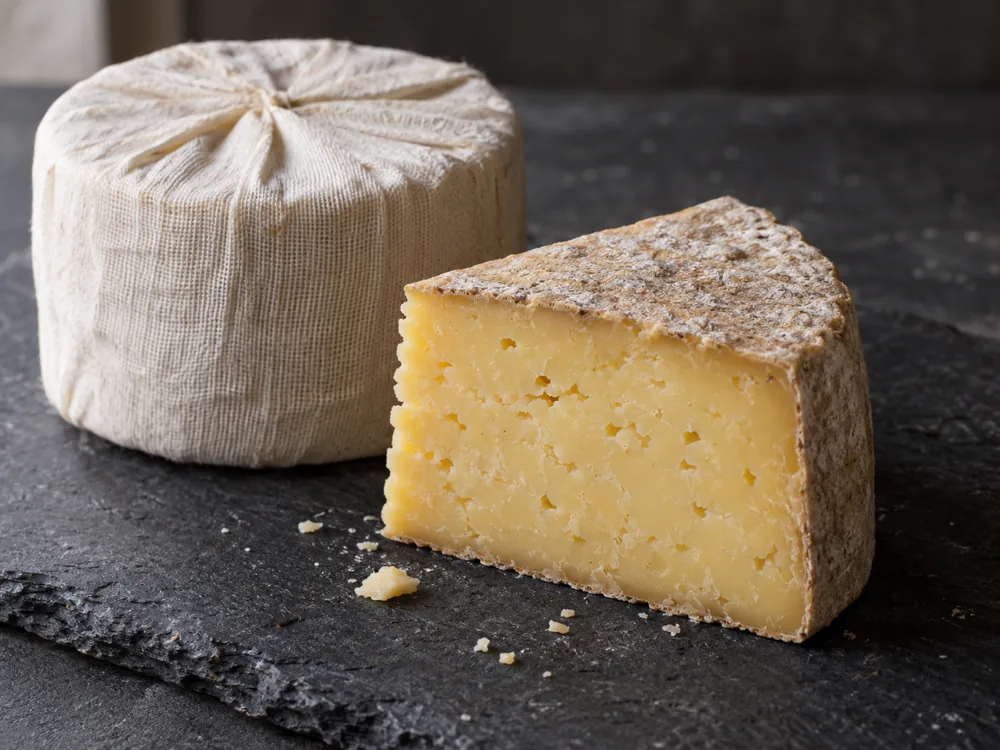
Keen's packs its wedges in gas-flushed plastic, which it chose after researching alternatives, and says the cheese keeps maturing inside the sealed bag. Once you open a wedge, Keen's recommends waxed paper or foil over cling film, which it says does not preserve cheese well.
Take the cheese out of the fridge about 30 minutes before you serve it, since Keen's says it is best at room temperature, and lay a clean damp tea towel over it to stop it drying out on the board.
The CDC advises keeping a refrigerator at 40°F (about 4°C) or below. Keen's puts the ideal keeping temperature at around 10°C only for a cool cellar or larder, and otherwise suggests the salad compartment of your fridge, where the air is slightly warmer and more humid.