Cheese Profile

Quesillo Cheese: Oaxaca's Wound-Curd Melt, Uses, and Buying Guide

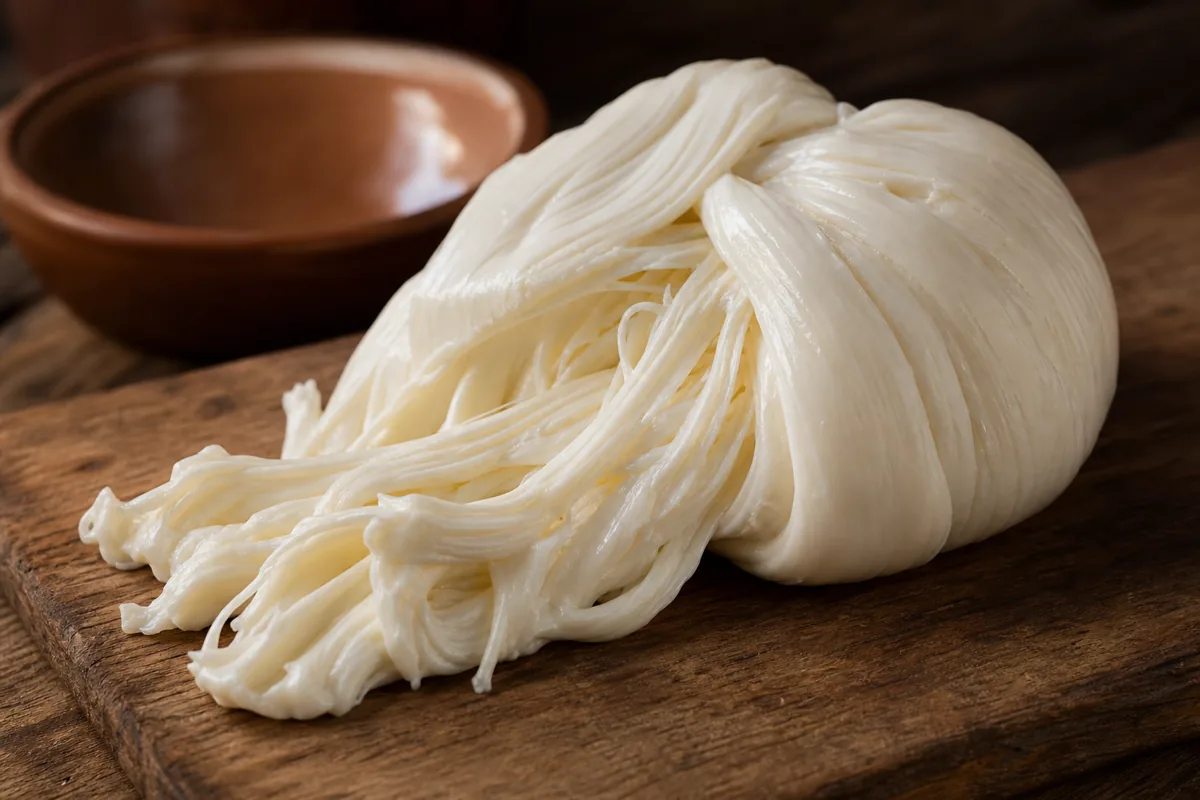
Quesillo is the Mexican stretched-curd cheese that teaches why format changes function, not just appearance. Among Mexican melting cheeses, it stands out because the long ribbon is wound into a ball, and that layered skein changes how the cheese tears, portions, and melts compared with both block mozzarella and northern Mexican asadero.

That wound shape is not decoration. It is the practical reason quesillo can be pulled into strips for tlayudas, laid into quesadillas in layers, or torn by hand for stuffing and griddled snacks.

This profile covers what quesillo is, how the skein structure changes the texture, where it fits in Oaxacan cooking, and how to choose it against mozzarella, string cheese, and asadero.

What Quesillo Is and Why It Is Wound into a Ball

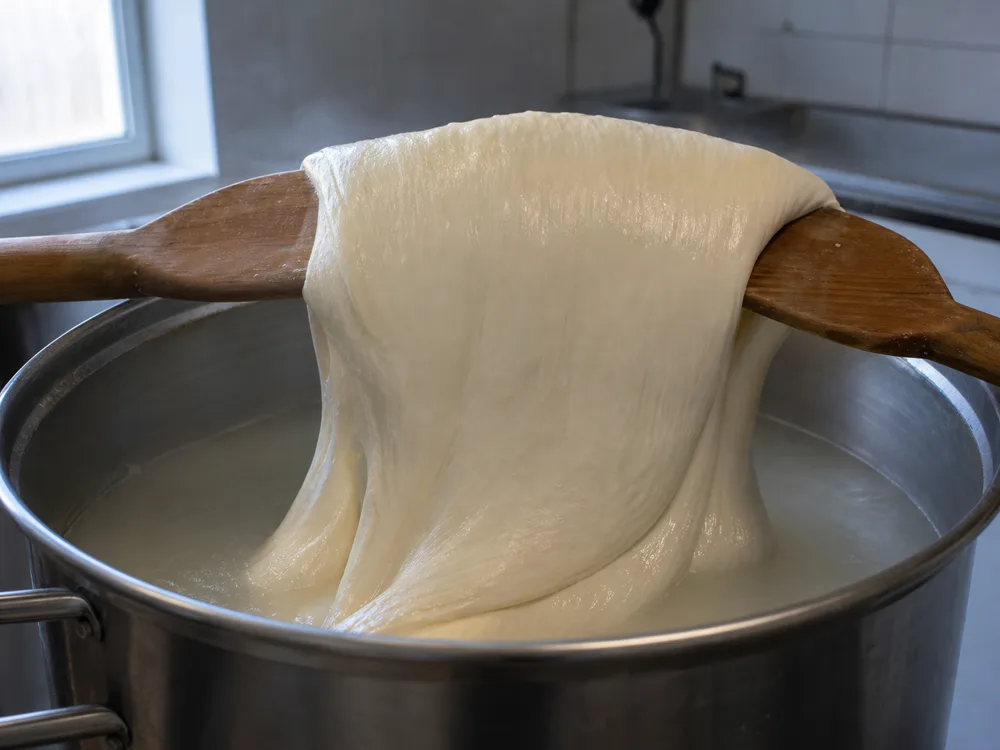
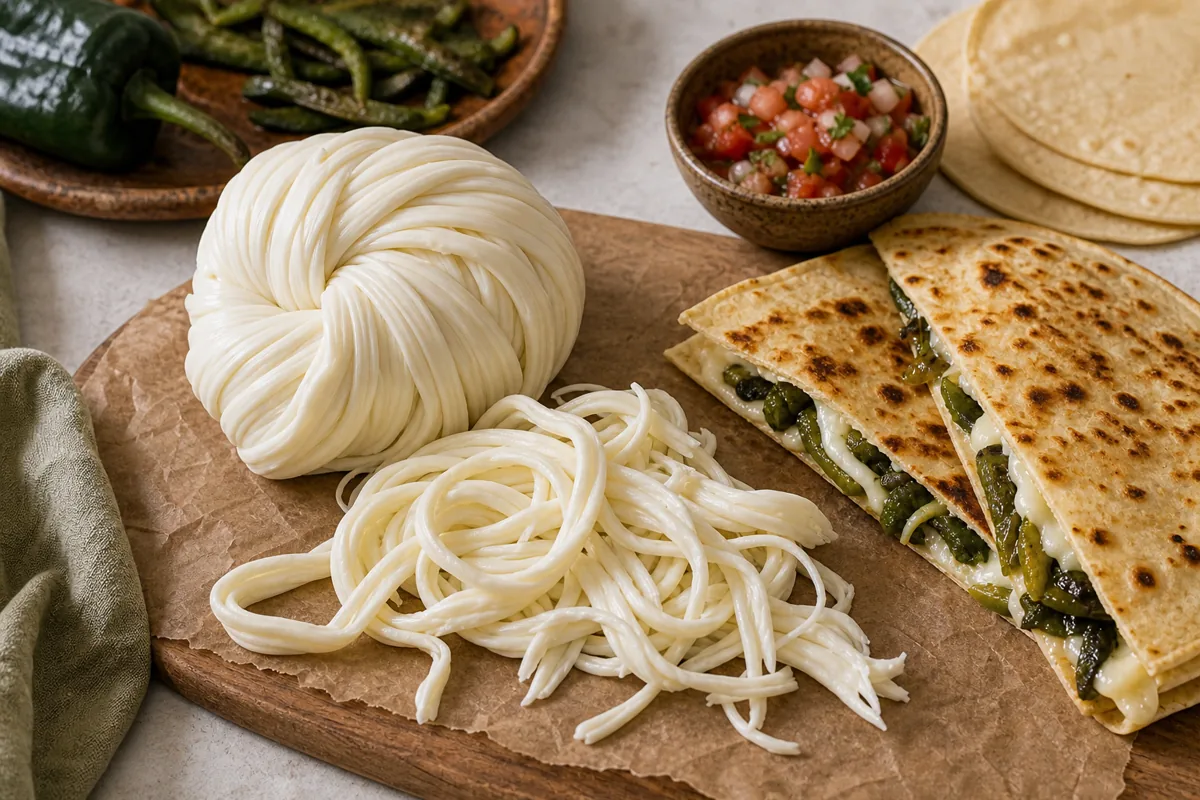
Quesillo is a Mexican pasta filata cheese from Oaxaca made by stretching curd into a long ribbon, then winding that ribbon into a loose ball or knot. The technique puts the cheese in the same broad stretched-curd family as mozzarella, but the traditional Oaxacan form creates more visible layers and easier hand-pulled strands.

Remember it later

Planning to try this recipe soon? Save it for a quick find later!

The key practical difference is that the cheese is sold as a continuous skein rather than as a block. That means you can peel, unwind, or tear off the amount you need instead of slicing a fixed shape.

  • Origin: Strongly associated with Oaxaca and southern Mexican cooking.
  • Family: A stretched-curd cheese, so heat gives it good pull and smooth melt rather than a crumbly break.
  • Traditional form: A long band wound into a ball, nest, or knot instead of a sealed block.
  • Cold texture: Layered, stringy, and easy to pull apart even before heating.
  • Kitchen role: A practical melt cheese for quesadillas, tlayudas, memelas, fillings, and hand-torn table use.

That wound-skein identity is what separates quesillo from asadero's flatter northern format. Both melt well, but quesillo is built for pulling apart in layers before it ever reaches the pan.

Why Quesillo Tears Better Than Block Mozzarella

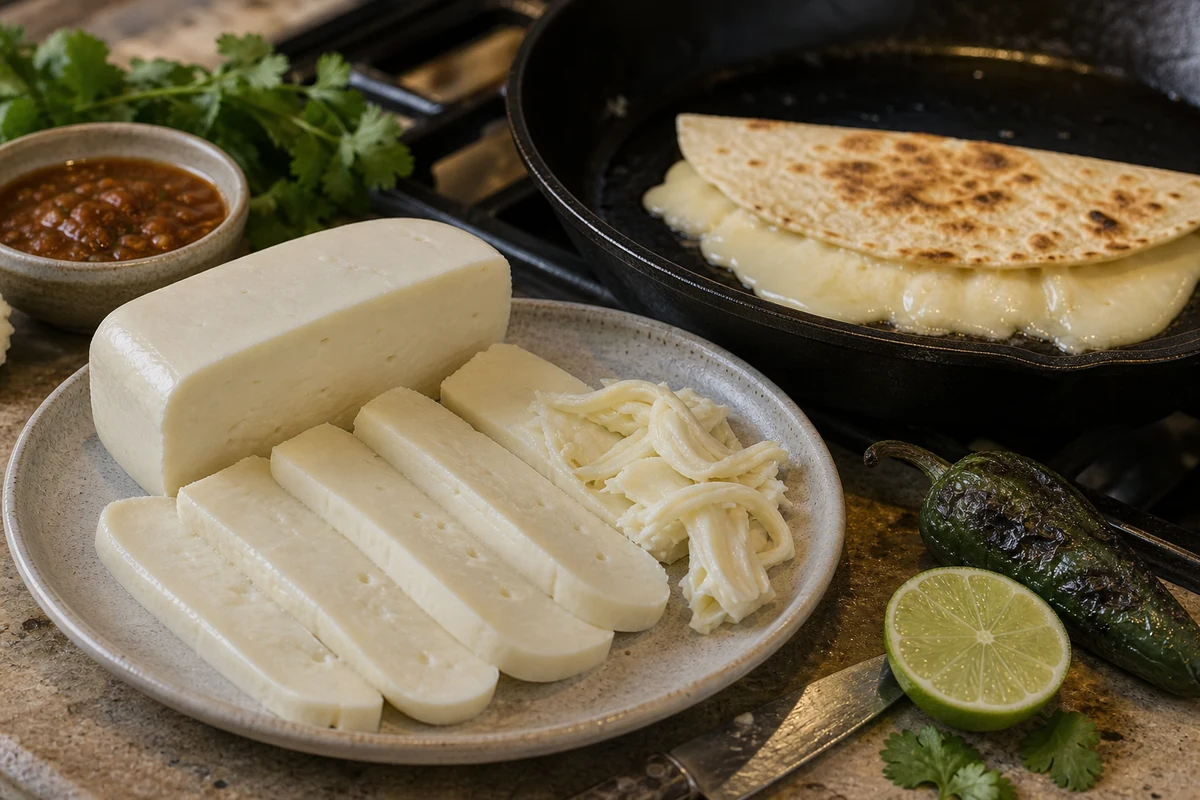
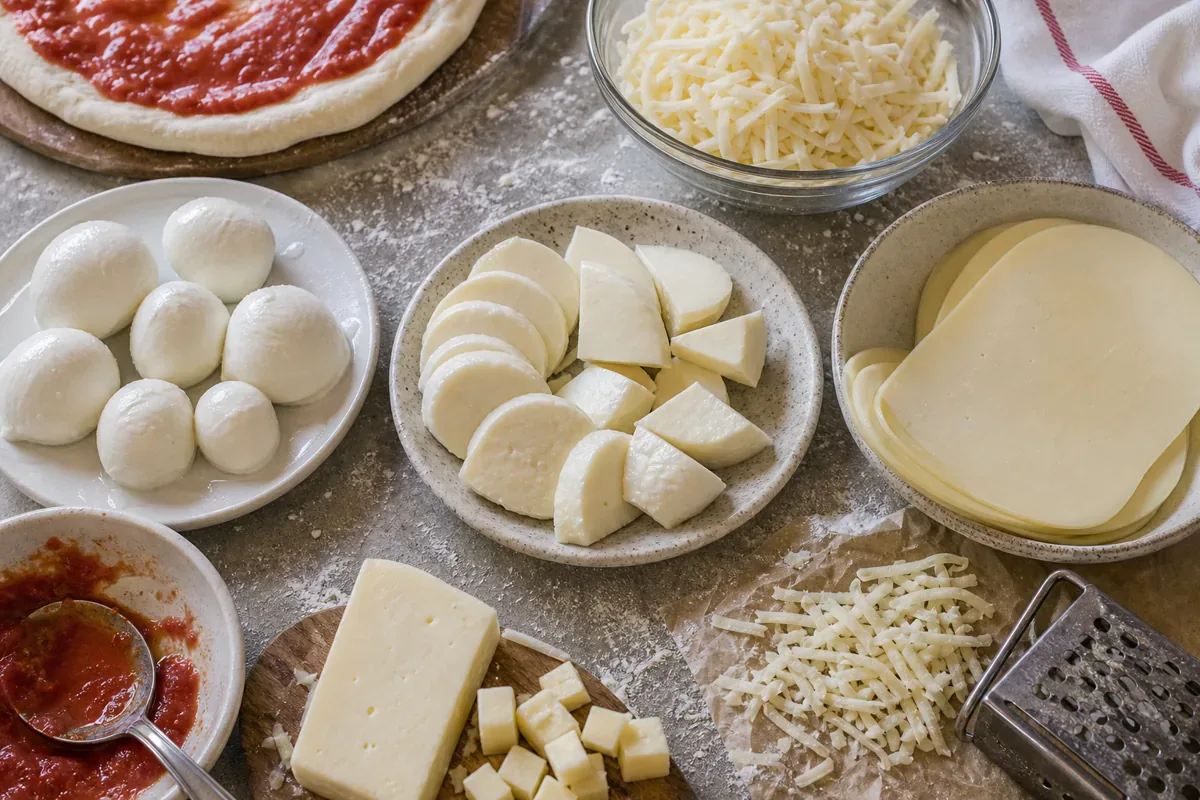
Quesillo and mozzarella share the stretched-curd method, but they do not arrive at the table in the same way. A block of sliceable mozzarella is built to be sliced.

Even good mozzarella substitute logic still misses quesillo's wound-skein handling.

That difference changes cold handling as much as hot melt. Quesillo can be torn into long strips for a tlayuda or nested into a quesadilla without first reaching for a knife or grater.

FLAVOR PROFILE
SALTYSWEETBITTERSOURUMAMICREAMY
Salty
22
Sweet
12
Bitter
4
Sour
18
Umami
24
Creamy
72

The radar shows why the cheese works so well in layered dishes. Creaminess and mild umami lead, but the tang and salt stay restrained enough that the format can carry fillings instead of fighting them.

  • Milk note: Fresh and clean rather than deeply buttery or aged.
  • Tang level: Slightly brighter than many bland supermarket low-moisture cheeses.
  • String behavior: Easy hand-tearing is part of the normal use case, not a novelty effect.
  • Melt job: Smooth and stretchy under moderate heat, especially when layered rather than packed into a thick lump.

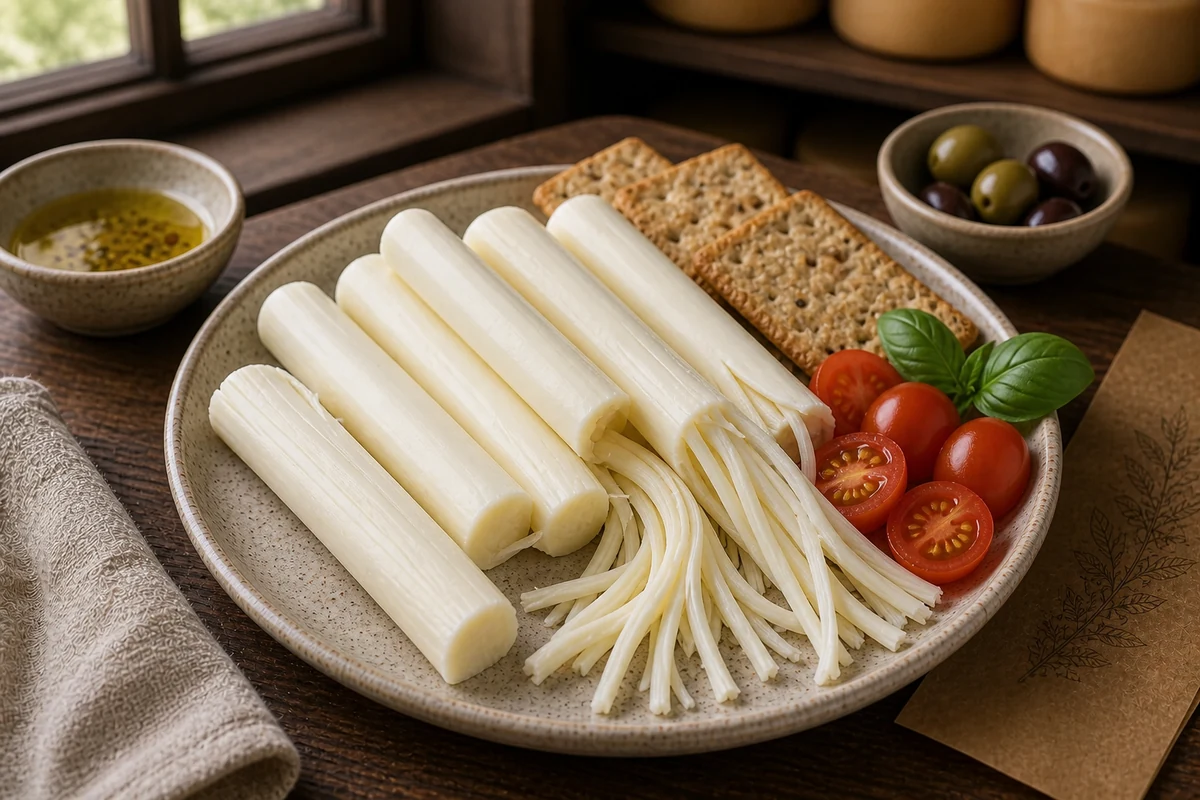
It also solves a different job from American string cheese sticks. String cheese is a standardized snack format based on low-moisture mozzarella, while quesillo is a cooking and table cheese whose shape is tied directly to regional use.

TIP

Do not chop the whole ball into cubes unless the recipe truly needs cubes. Quesillo usually melts better and more evenly when you unwind or tear it into loose ribbons first.

Where Quesillo Belongs in Oaxacan Cooking

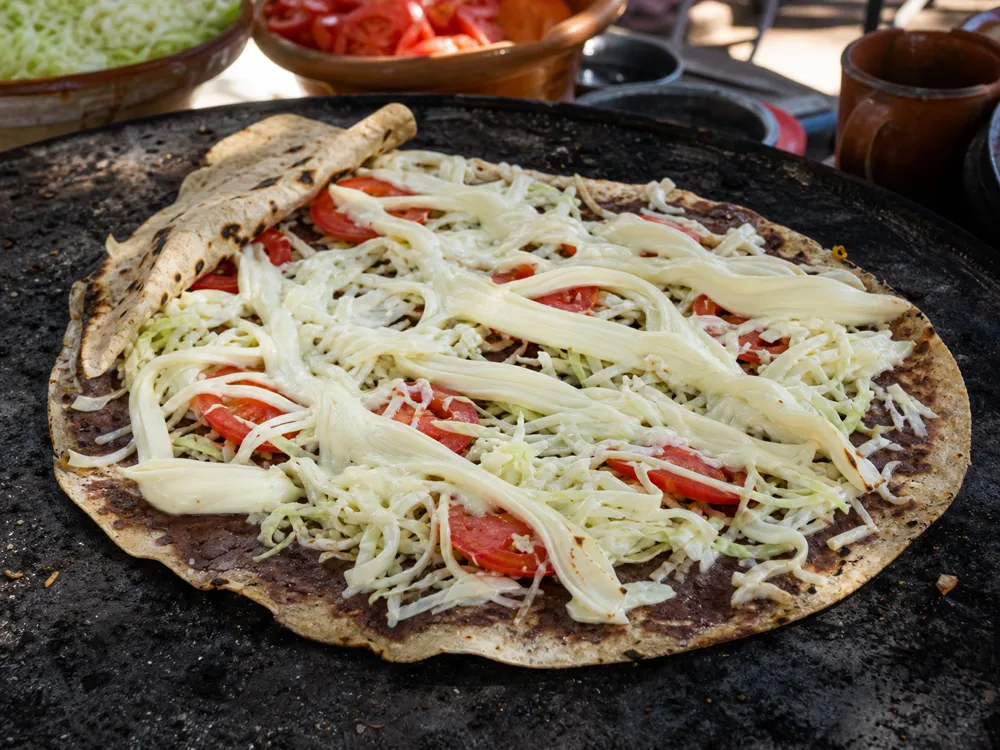
Quesillo belongs in dishes where layered stretch matters more than hard browning or sharp aged flavor. It is especially good in preparations that want the cheese to pull, drape, and mingle with masa or beans instead of sitting as a thick blocky chunk.

  • Tlayudas: Torn strands spread easily across the toasted tortilla and melt into the beans and toppings without forming one heavy slab.
  • Quesadillas: Loose ribbons melt more evenly than thick slices, while Monterey Jack softness gives a smoother but less Oaxacan fallback.
  • Memelas and antojitos: A smaller amount of pulled cheese gives good coverage and stretch without drowning the masa base.
  • Stuffing: The strands can be tucked into peppers, squash blossoms, or folded masa dishes more easily than a firmer block cheese.

That layered logic is why quesillo does a more natural melt job than crumbly queso fresco in hot dishes.

Queso fresco is for finishing and salting. Quesillo is for pull, coverage, and soft creamy binding.

Quesillo vs Asadero vs Mozzarella

These cheeses overlap in the kitchen, but the reader job is different with each one. One is layered and wound, one is flatter and more northern-Mexican in use, and one is the broad global stretched-curd reference point.

AB
Traditional formLong ribbon wound into a ball or knotAsadero: disc or block / Mozzarella: ball or block depending on style
Cold handlingUnwind, tear, and layer by handAsadero: slice or shred / Mozzarella: slice, dice, or shred
Best useTlayudas, quesadillas, layered fillingsAsadero: fundido and northern melts / Mozzarella: pizza and broad pasta-filata use
Flavor cueFresh, mild, lightly tangyAsadero: slightly more buttery / Mozzarella: depends strongly on moisture level and style

If you need the most traditional Oaxacan handling and tear-apart layering, quesillo wins. If you need a flatter cheese for griddled northern-style melts, asadero may fit better.

If you need the broadest supermarket substitute, mozzarella usually gets closest, while provolone's firmer stretch moves the dish away from fresh Oaxacan softness.

How the Skein Shape Changes Tearing, Stuffing, and Melting

Quesillo does not behave like a simple ball of mozzarella because it is wound from a long stretched ribbon. When you pull it apart, the strands separate along that structure, which makes the cheese naturally good for tearing into fillings, laying into quesadillas, or winding through hot bread and tortillas.

That shape also changes the melt. Quesillo softens into long elastic strands, but it does not always spread into the same even blanket that shredded low-moisture mozzarella gives you on pizza.

It keeps more identity in the pull.

  • Tearing job: The wound ribbon lets you pull off ropes or sheets without fully shredding the cheese.
  • Stuffing job: Long strands work well in chiles rellenos, folded tortillas, and filled breads where you want stretch inside a contained space.
  • Browning limit: The high moisture and ribbon structure mean quesillo usually needs more care than pizza-cheese choices built for a dry browned top.
  • Market cue: A true skein or wound-ball shape tells you more than a label that only says Oaxaca style.

That is why quesillo earns its own page. The format is not decorative.

It is the reason the cheese tears, portions, and melts the way it does.

How to Buy and Store Quesillo

Buy quesillo from a Latin market or a high-turn cheese case when possible, because freshness and moisture matter. A good ball should feel pliable and layered, not dry, rubbery, or packed into a tight compressed lump.

The storage card matters because stretched-curd cheeses lose their pleasant pull when they dry out. Once opened, keep the cheese wrapped well and use it while the strands still feel supple.

✓ DO
Unwind or tear quesillo into ribbons before melting it.
Use it in dishes where stretch and layered coverage matter.
Buy from a source that moves fresh Latin cheeses quickly.
✗ DON'T
Do not treat the skein shape like decoration and then cut it into dry cubes.
Do not expect it to behave like crumbly queso fresco in finishing applications.

If You Need a Substitute for Quesillo

The best replacement depends on whether you need layered tearing or just a clean melt. Some substitutes copy the stretch, while others only copy the mild flavor.

  • Asadero: Best when you want another Mexican stretched-curd melt cheese and do not need the wound-skein handling.
  • Mozzarella: Best when you need the broadest supermarket replacement for melt and pull.
  • String cheese: Best as a last-ditch practical substitute when the recipe only needs neutral pull in small strips.
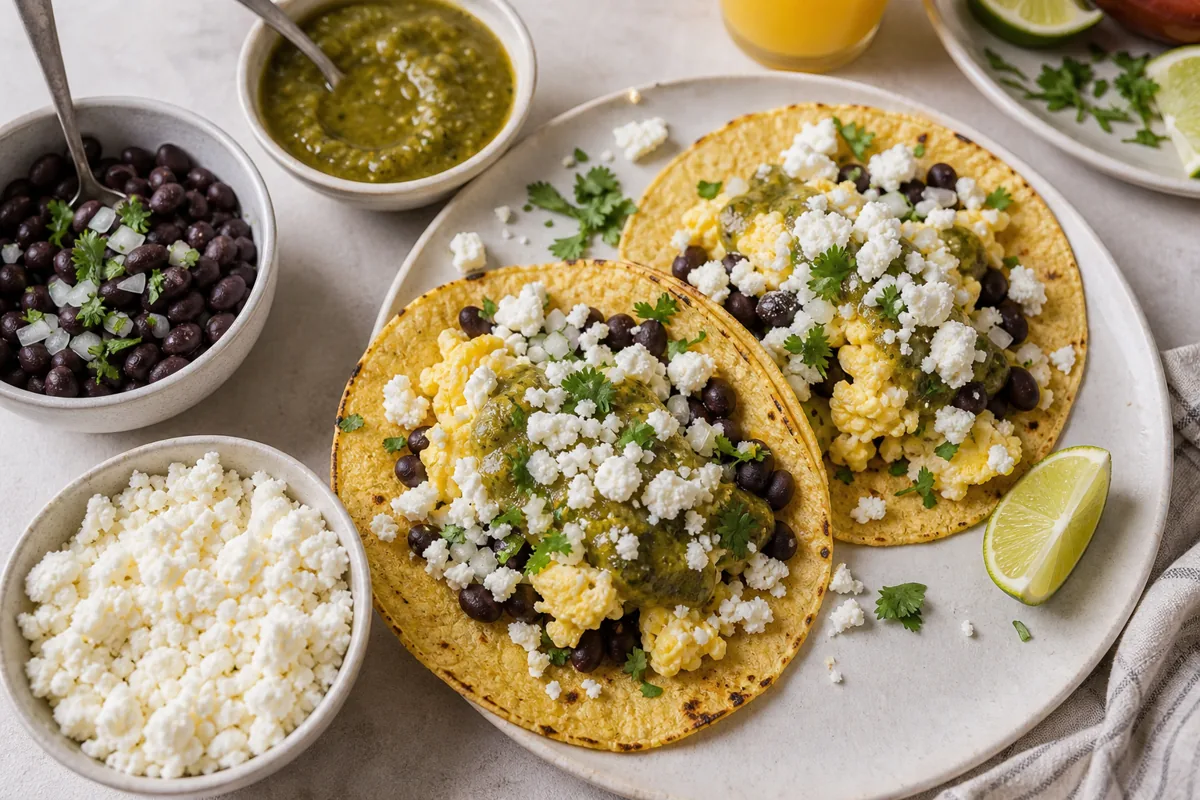
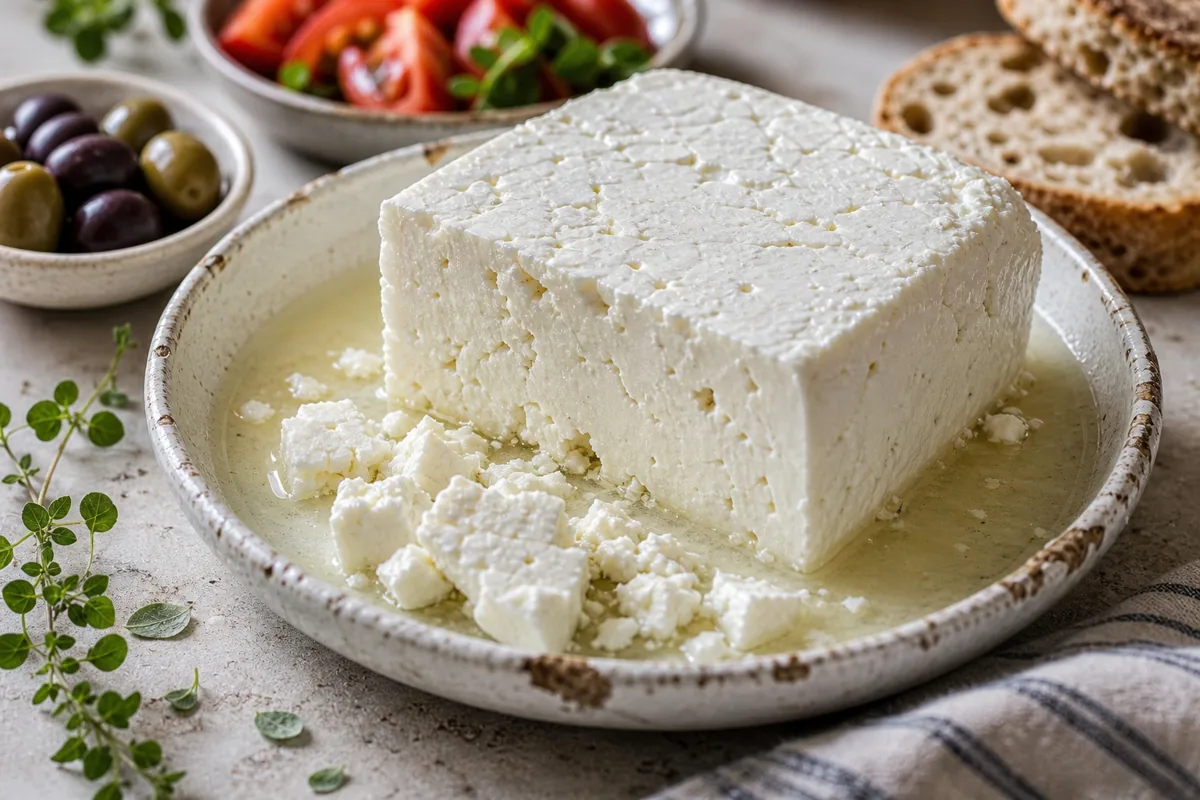
  • Queso fresco: Not a true substitute for melt, but useful if the real need was fresh salty topping rather than stretch.

The tradeoff is clear. Quesillo's real advantage is the layered ribbon format, so any substitute that comes as a block gives up part of what makes the cheese feel Oaxacan in the first place.

If the real need is only melt behavior, pulled-strand melt behavior explains why this cheese differs from smoother blanket melters.

Quesillo Nutrition and Pregnancy Notes

Quesillo is a moderately rich fresh stretched-curd cheese, so it lands between very light fresh cheeses and heavier aged or cream-enriched options. That makes it versatile enough for cooking, but still substantial enough that portion size matters in very cheese-forward dishes.

~90
Calories per oz
~6 g
Protein per oz
~7 g
Fat per oz
Fresh pasta filata
Style class
  • Good melt-to-protein balance: Enough protein to give structure, enough fat to melt smoothly, and not so much richness that the cheese overwhelms every dish.
  • Mild salt: Usually salty enough to season a filling, but rarely as aggressive as brined table cheeses.
  • Fresh-cheese caution: Pasteurization and cold handling matter more than the regional romance of the cheese name.
  • Kitchen-first cheese: This is often more useful as a cooking cheese than as a pure snacking cheese.
CHECK THE LABEL
Pasteurized quesillo is the safer option for pregnancy, but it is still a high-moisture fresh cheese that should be kept cold and eaten promptly after opening.
SOURCES & REFERENCES
1.
Oaxacan cheese overview
reference
2.
Mexican cheese and culinary context
reference
3.
Pasta filata cheesemaking background
reference

Quesillo FAQ

These are the quick shopper questions that usually come up before someone buys a ball.

Quesillo is a Mexican stretched-curd cheese from Oaxaca made as a long ribbon wound into a ball or knot. The layered skein makes it easy to tear apart and helps it melt smoothly in quesadillas, tlayudas, and other Oaxacan dishes.
In common US usage, yes. Many stores label the same cheese as Oaxaca cheese so shoppers recognize the region more quickly, while quesillo is the traditional Spanish name used in much of Mexico.
Both are Mexican stretched-curd cheeses, but quesillo is traditionally wound into layered ribbons and is more strongly tied to Oaxaca. Asadero is usually sold in flatter rounds or blocks and is more associated with northern Mexican melting dishes.
Yes, especially if the goal is a clean stretchy melt. You lose some of the layered tear-apart handling that makes quesillo special, but mozzarella is the broadest supermarket substitute when the exact regional form is not available.
Use it within about 4 to 6 days for the best texture. Rewrap it well, keep it cold, and avoid letting the outer strands dry out, because dryness is what ruins the pleasant pull first.