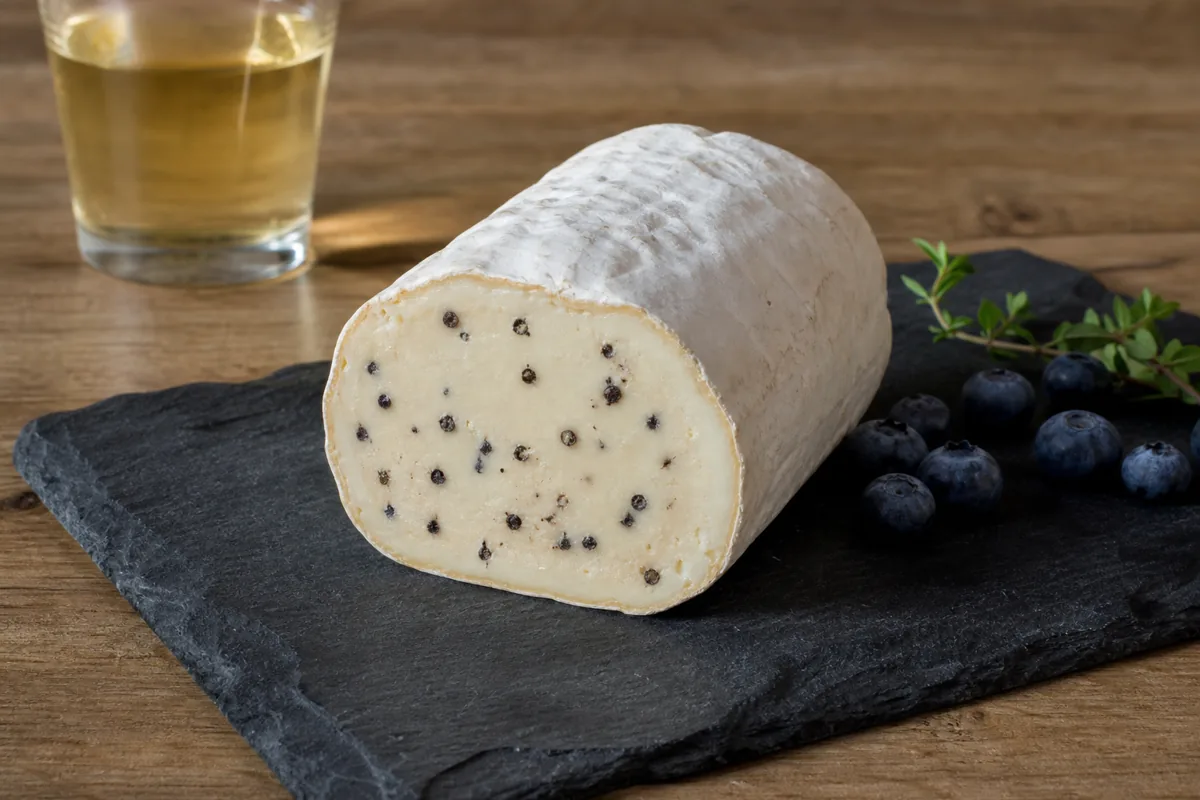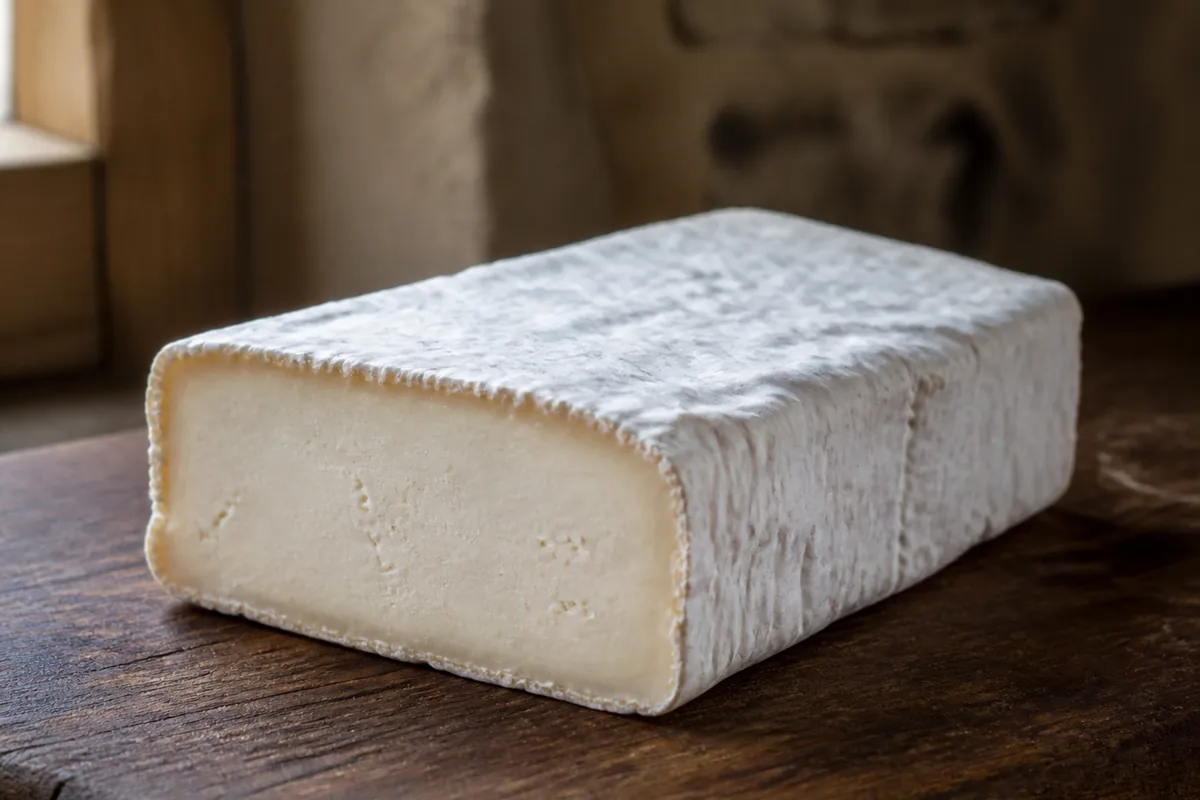
Leonora is a soft-ripened, brick-shaped, lemony Spanish goat's milk cheese made by Oscar Fernando Marcos Gonzalez in Castilla y León, Spain. It starts from pasteurized milk and is aged for an initial 40 days.
Its model is Babia y Laciana, a traditional goat's milk wheel from León that Oscar reworked into a brick. A sister version, Leonora a Fuego, is coated in smoked paprika before aging.
In This Article
Who Makes Leonora Cheese and Where Is It From?
Oscar Fernando Marcos Gonzalez makes Leonora in northern Castilla y León, the region where he grew up. His company, Quesos Facendera, is named after an old village practice in which all the inhabitants worked together for a common good, from shoveling snow to building dams and maintaining roofs.
Oscar first worked as a mechanic at a mine, fixing machinery, in a region where mining was the chief industry. Castilla y León, sometimes called the granary of Spain for its wheat and other row crops, is Spain's largest autonomous region, and more than half of its land is agricultural, which partly drew him toward cheesemaking.
The turn came through a government-subsidized cheesemaking course, offered to stop the accelerating exodus of local residents to cities by teaching them a trade they could use in the region. He learned mostly from local women who had learned from their mothers and grandmothers, and he traveled to other European countries for techniques he could bring back to Spain.
With his wife, Patricia Viñuela López, Oscar set out to make a goat cheese similar to the traditional cheese of the Babia and Laciana valleys. Using their own Murciana goats' milk, the couple built it into a full-time business, making and selling cheese locally.
Their first plant was housed in a very old building, where Oscar carried cheese up a spiral staircase to a small second-floor aging room while Patricia worked in quality control. Michele Buster, a co-owner of the importer Forever Cheese, first met Oscar and visited the plant during those years.
Buster had come across Oscar's cheese at the end of the Alimentaria trade show more than 20 years before 2021, after stopping to greet Forever Cheese's Valdeón producers at their booth. She cut into an oblong cheese in the refrigerated case, loved it, got Oscar's number from a producer still at the booth and phoned him.
Oscar was driving his truck, pulled over to take the call and agreed to sell his cheese in the U.S. That call made him and Patricia cheese exporters overnight.
Leonora takes its name from its home region, and the name was chosen for the U.S. market.
By 2021, with 20 years of cheesemaking behind him, Oscar was making a variety of goat cheeses from the milk of local Murciana and Alpina goats, with an assistant, Ana, in the plant. He was also teaching workshops to aspiring cheesemakers, young and old, so that the knowledge would stay open to everyone.
Why Is Leonora Shaped Like a Brick?
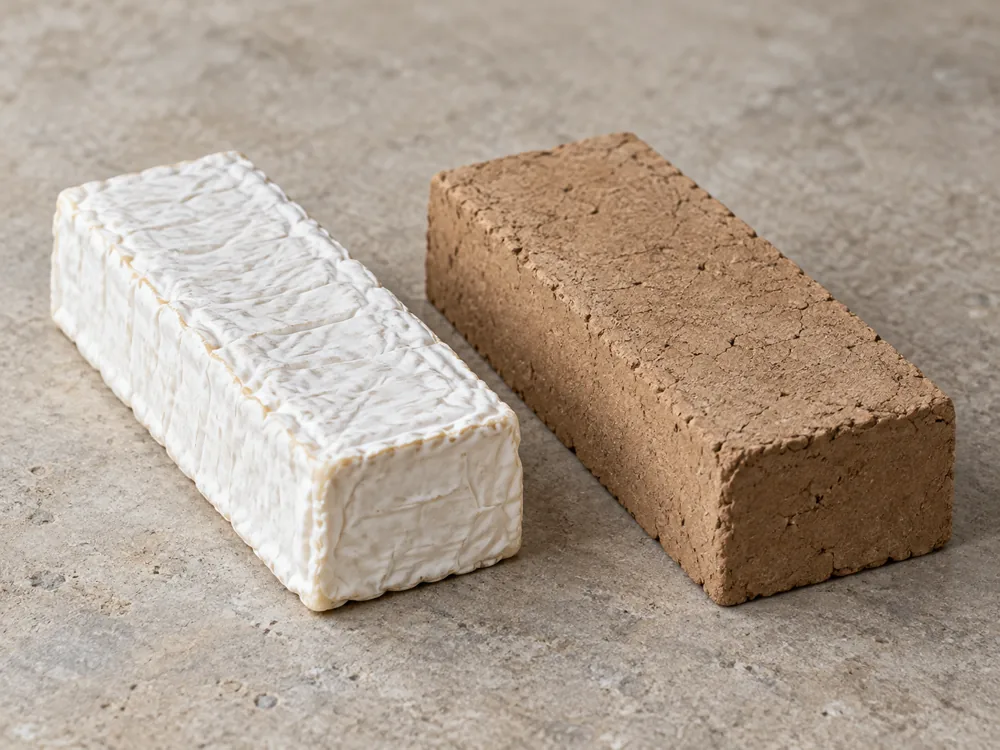
Oscar gave Leonora the shape of a lingote, the adobe brick used locally to build houses, so that it would stand apart from Babia y Laciana, the traditional goat's milk wheel he based it on.
Babia y Laciana belongs to the Babia and Laciana districts of León, where goat's milk was traditionally made into cheese for the family or for barter while local industry turned cow's milk into butter. The cheese is listed in the Catálogo de Quesos de España, the national catalogue of Spanish cheeses.
A 2003 study of three batches of Babia-Laciana, a raw goat's milk cheese, measured pH values of 4.44 ± 0.72, which its authors called extraordinarily low, along with low salt at the end of ripening (1.1 ± 0.7 g per 100 g of solids) and very slight protein breakdown during ripening.
Babia y Laciana is a goat's milk wheel made using lactic fermentation, and it was the cheese that helped Oscar and Patricia establish their first plant.
After a lot of work on the recipe, Oscar turned that very acidic wheel, with its harsh, spicy flavor, into a less acidic cheese more appealing to a wide range of palates, as Forever Cheese tells it.
What Does Leonora Taste Like?
Leonora is a lemony Spanish goat cheese. It is billed as bright and lush, a cheese that balances its acidity with richness, with a sour cream tang and mushroomy notes that develop as it ages further.
Leonora is made using lactic fermentation, the same method as the Babia y Laciana wheel it is based on.
How Does Leonora's Creamline Develop?
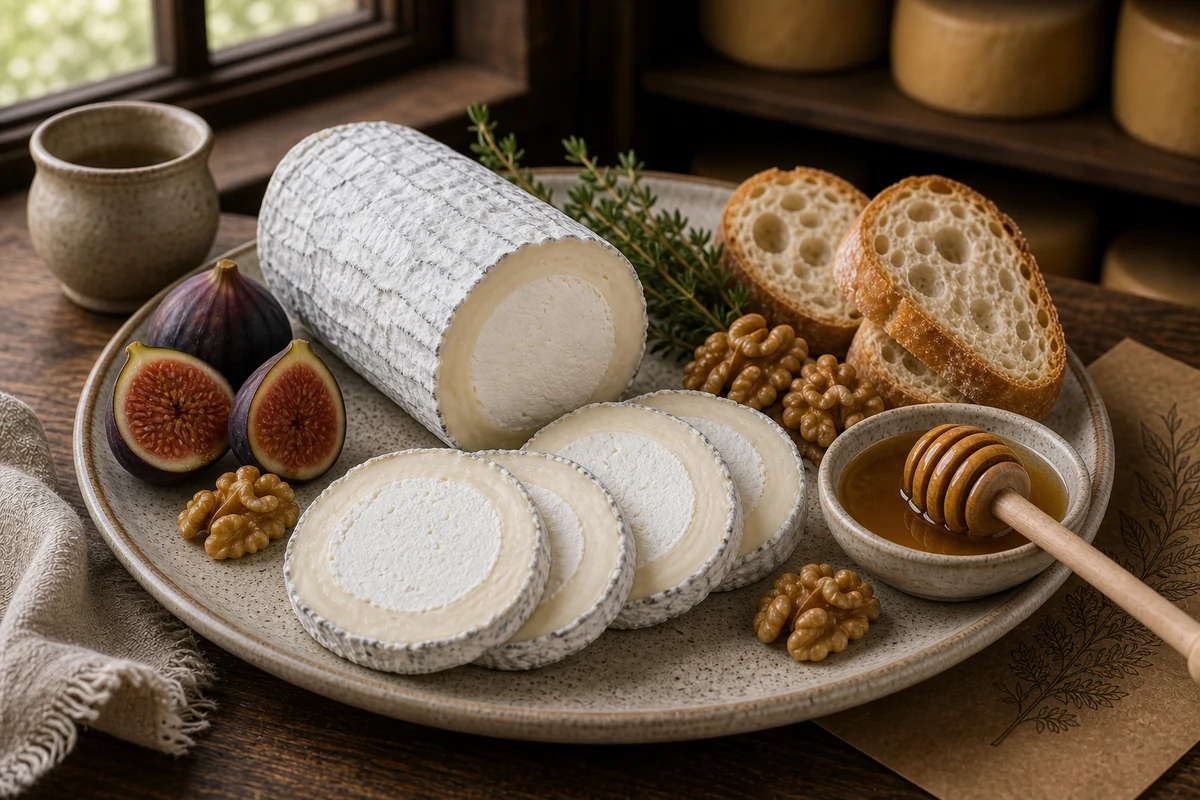
Inside, the paste is fudgy and slightly crumbly, surrounded by a creamline that grows in intensity as the cheese ages past its initial 40 days, turning mushroomy as it ripens, in Forever Cheese's description. Ask the counter how long a piece has aged past those 40 days.
As a style, surface-ripened cheeses ripen from the rind inward to the interior paste, through the bacteria, yeasts or molds the cheesemaker encourages on the surface. A bloomy-rind cheese starts semi-firm and softens from the outside in as it ages.
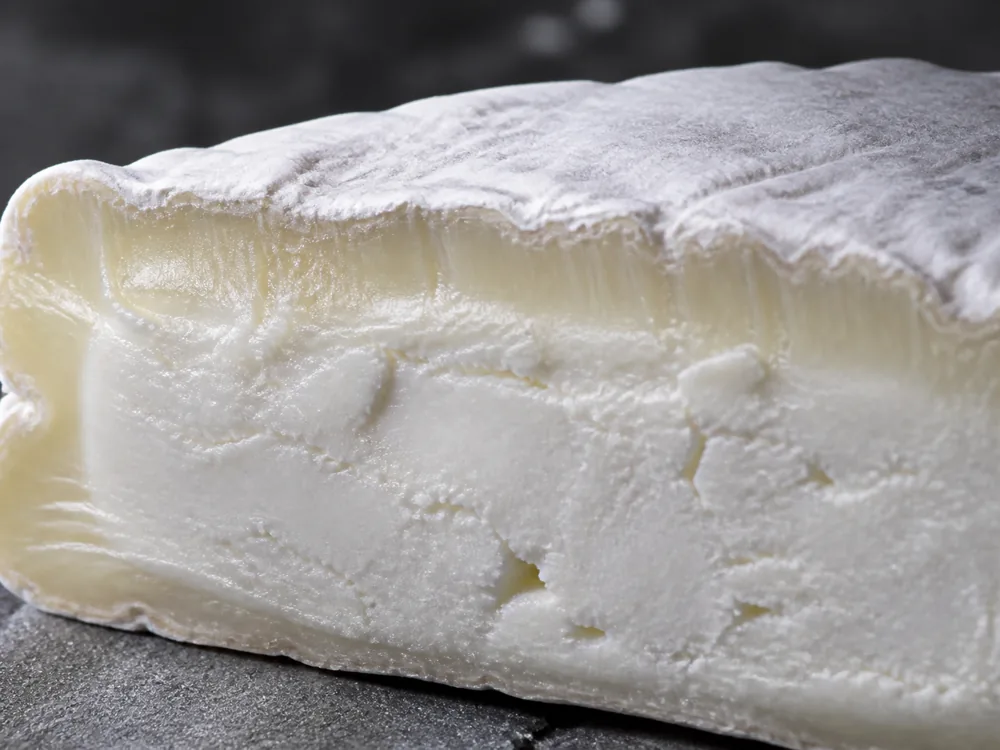
“I shipped the rest of the cheese in one of our containers and it arrived at our warehouse a mottled gray instead of bone-white,” Michele Buster of Forever Cheese said of the cheese she had cut into at Alimentaria.
That look could not be reproduced consistently. After much trial and error, the team settled on a version of Leonora with Penicillium candidum on the rind, the mold added to the milk to make bloomy-rind cheeses such as Brie.
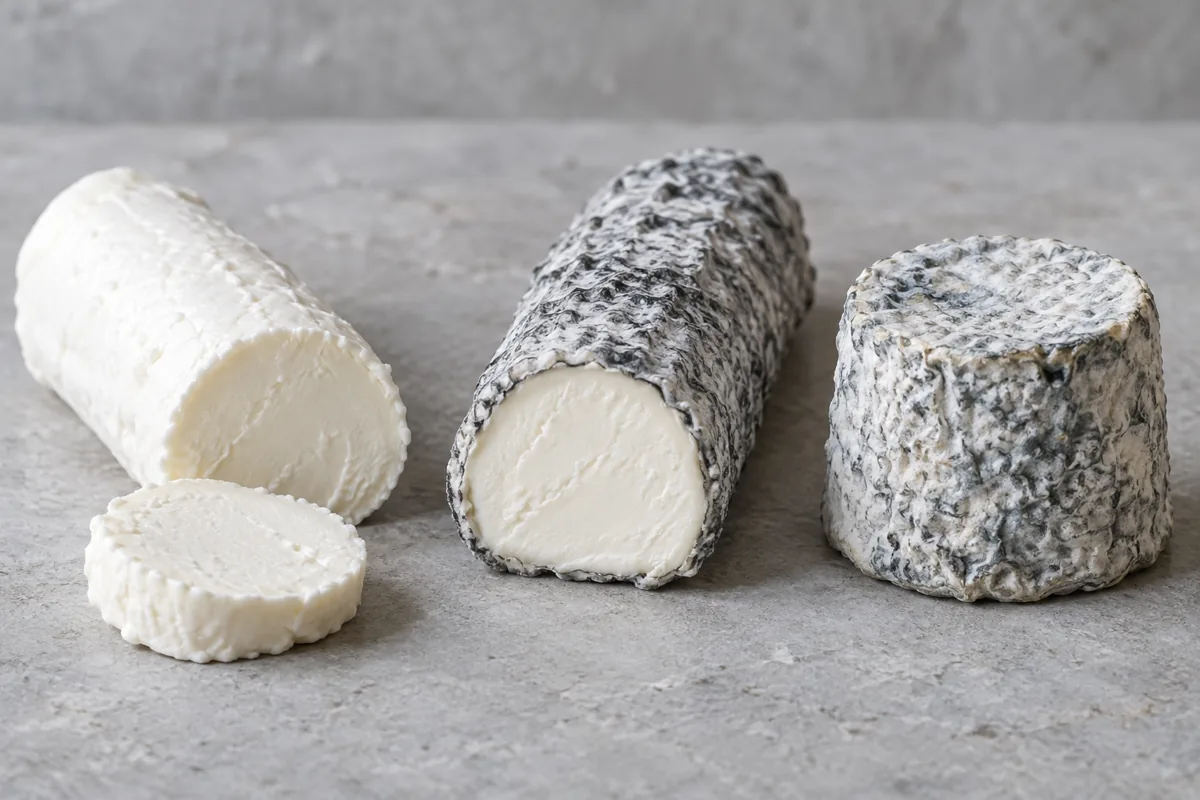
The finished rind is described as slightly wrinkled, rustic yet uniform in thickness and intention.
Goat cheeses such as crottin and Bijou are ripened with a different mold, Geotrichum candidum, and most cheeses of that type are sold in portions of no more than 5 or 6 ounces. Leonora, by comparison, is packed as 3.5 lb pieces.
How Is Leonora a Fuego Different From Leonora?
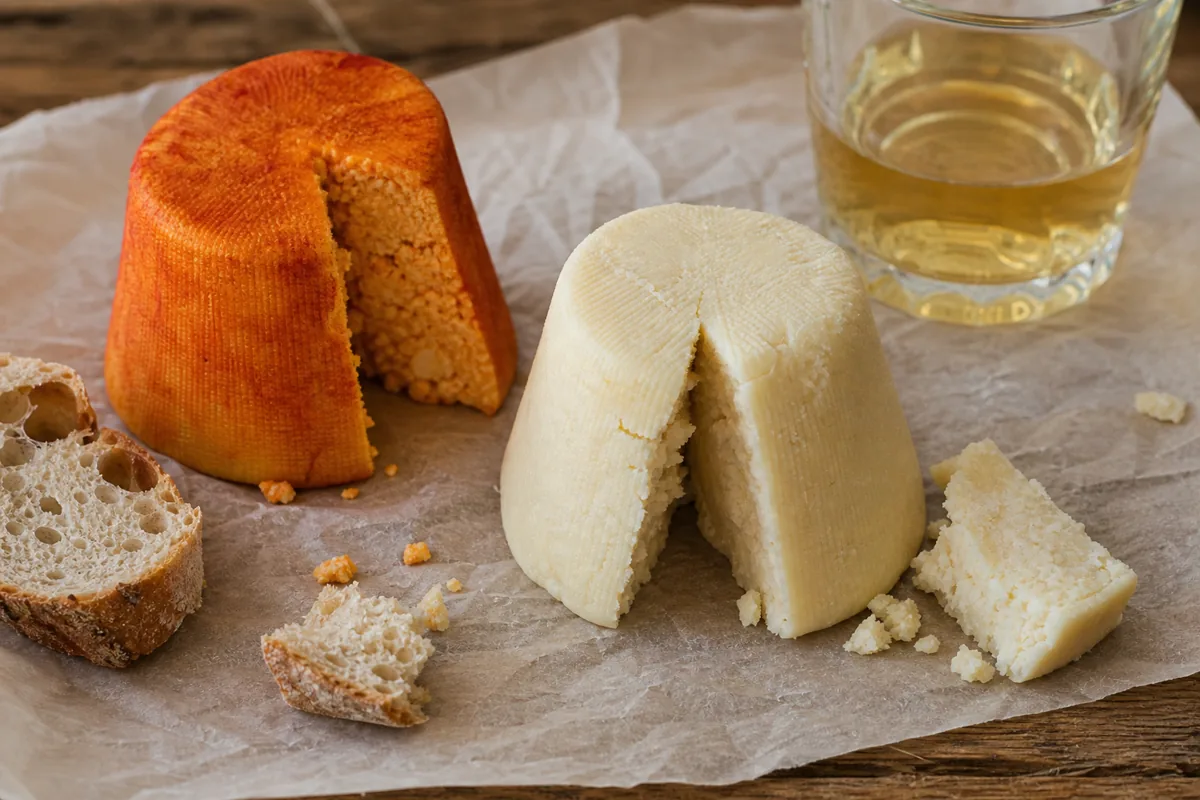
Leonora a Fuego uses the same recipe as the original, with a coating of Pimentón de la Vera, a smoked Spanish paprika, applied before aging. The rind then grows over the paprika.
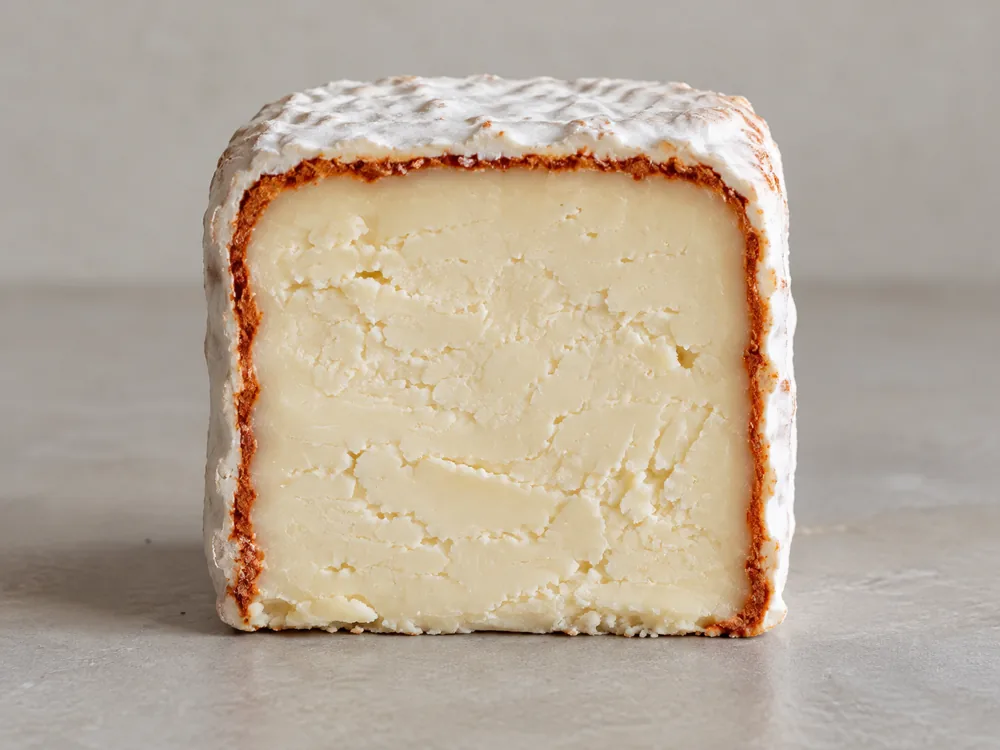
| Feature | Leonora | Leonora a Fuego |
|---|---|---|
| Coating before aging | No paprika coating | Pimentón de la Vera, a smoked Spanish paprika |
| Rind | Bloomy rind carrying Penicillium candidum | Rind grown over the paprika layer |
| Cut face, in Forever Cheese's description | Fudgy, slightly crumbly paste with a creamline | Thin rust-colored paprika layer under the rind |
| Flavor, in Forever Cheese's description | Lush, with a sour cream tang | Smokiness, then a subtle spiciness in the finish |
How Does Leonora Compare With Other Spanish Goat Cheeses?
Garrotxa is described as sweet and creamy under a thin yet protective rind, and Monte Enebro as lemony under shades of gray and deep blue with a white mold dusting, with earthy blue-cheese hints on the finish.
Goats, sometimes called the “poor man's cow,” took up less space and were generally easier to care for than cows, and they have roamed the Spanish countryside since at least the 1500s. Garrotxa and Monte Enebro, two other Spanish goat cheeses, both date from the 1980s.
That decade also brought the neorurals, university-educated city people who moved to rural Spanish villages to make a living in the country.
Two couples near Garrotxa, helped by cheese expert Enric Canut, set out to make a goat cheese, but it grew mold quickly and had a short shelf life. Rather than fight the mold, they introduced a specific mold strain into the make.
By 2021, 13 creameries were making Garrotxa, in two-pound (0.9 kg) wheels. Canut also co-created Monte Enebro with cheesemaker Rafael Báez in Ávila, and its rectangular shape is sometimes called “Pata de Mulo,” or mule leg.
Drunken Goat, known in Spain as Queso de Murcia al Vino, takes its name from its wine bath, and in 2021 Americans were eating over a million pounds of it a year, while Spaniards ate only a fraction of that. Its Denomination of Origin requires production in Murcia province with the pasteurized milk of Murciana-Granadina goats.
Oscar was using Murciana goats' milk in 2021, but Leonora is made in Castilla y León, outside Murcia province.
| Cheese | Region | Form and rind | Flavor words |
|---|---|---|---|
| Garrotxa | Girona, Catalonia | Two-pound (0.9 kg) wheel with a thin, protective rind | Sweet, creamy |
| Monte Enebro | Ávila | Rectangular, gray and deep blue shades with a white mold dusting | Lemony paste, earthy blue-cheese hints on the finish |
Choose by flavor first: Leonora is a lemony Spanish goat cheese. Garrotxa is described as sweet and creamy, and Monte Enebro as lemony with earthy blue-cheese hints on the finish. To tell Leonora from Monte Enebro, the other rectangle, check the rind: Monte Enebro's is described with shades of gray and deep blue.
Can You Eat Leonora's Rind?
The rind is a fluffy white mold that makes for a singular, texturally perfect bite, in Forever Cheese's words. That describes how the cheese eats, and the pregnancy advice in the next section covers the whole cheese, rind included.
Can You Eat Leonora Cheese While Pregnant?
If you follow NHS advice, cook Leonora until it is steaming hot before you eat it: the NHS says pasteurised or unpasteurised mould-ripened soft cheeses with a white coating on the outside, such as brie, camembert and chèvre, must be thoroughly cooked, and lists any cheese that's been cooked until steaming hot, including soft or blue cheese, as safe to eat.
If you follow US advice, heat a pasteurised Leonora to an internal temperature of 165°F or until steaming hot, or ask a midwife or doctor before you eat it cold.
The CDC lists pasteurized soft cheeses heated to an internal temperature of 165°F or until steaming hot as safer, and served cold, a pasteurised Leonora is described as a pasteurized soft-ripened, soft, fudgy, slightly crumbly, creamy or lush goat's milk cheese, a type the CDC list does not cover.
The CDC says pregnant women are 10 times more likely to get a Listeria infection.
Forever Cheese lists Leonora as made with pasteurized goat's milk, and its blog describes the white mold on the rind and a soft-ripened rind.
That milk listing is for plain Leonora, and Forever Cheese says Leonora a Fuego uses the same recipe. If you follow US advice, check a Leonora a Fuego label for the milk, and ask a midwife or doctor before you eat it without a label that says pasteurized milk, even cooked: the CDC lists unpasteurized (raw) milk and dairy products made from raw milk, and soft cheese made from unpasteurized (raw) milk, as riskier.
Where Can You Buy Leonora, and How Should You Keep It?
As of October 2026, Leonora is exclusive to Forever Cheese, which sells it under its Mitica brand. The name is pronounced lay-oh-NOR-ah.
Oscar's production process and special packaging, which includes a wooden box and a straw-like mat, are said to let the cheese keep growing its soft-ripened rind during the Atlantic crossing. In 2021, local people with disabilities were building the box and mat.
Keep Leonora in the refrigerator: the CDC says to keep your refrigerator at 40°F or below. Ask the seller how long a cut piece will keep and how to wrap it.