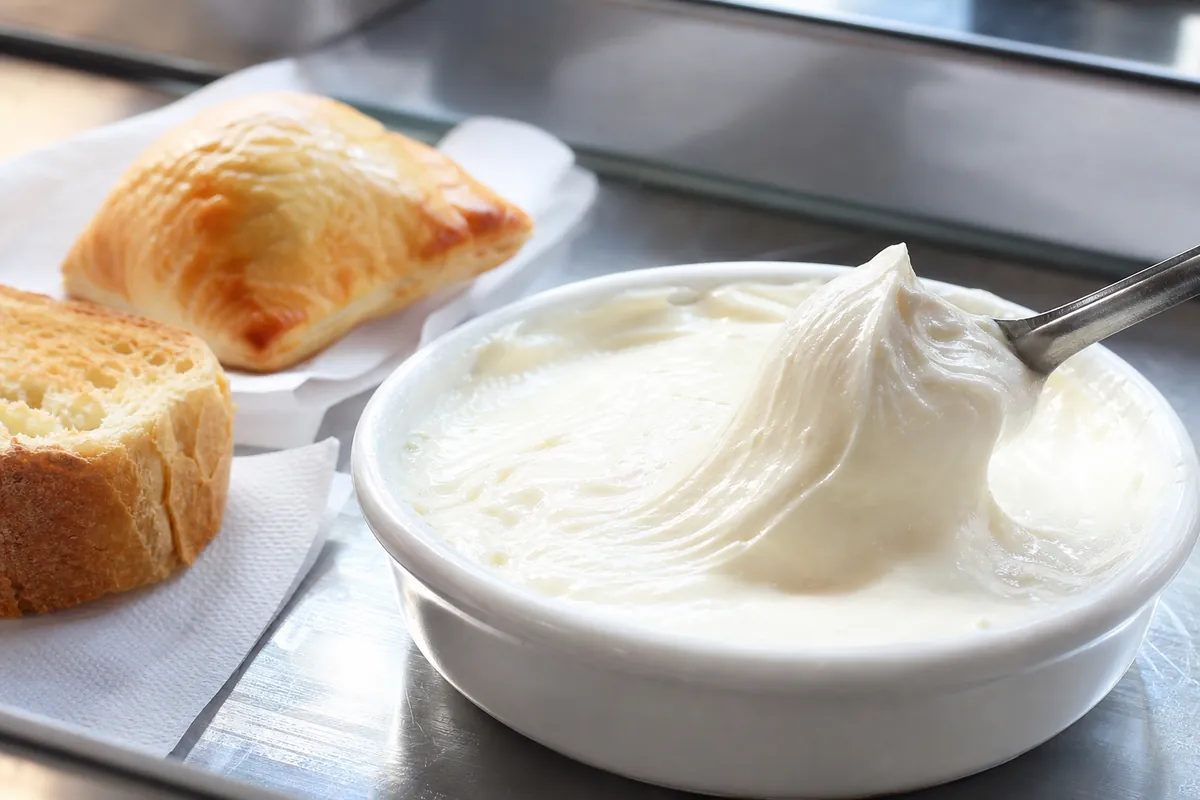
Catupiry is a Brazilian brand of requeijão cremoso, a white, spreadable dairy product that Cheese.com files as a cow's-milk processed cheese developed in Minas Gerais.
The company started in Lambari in November 1911, and the name now doubles as shorthand for the creamy white filling in Brazilian pizza, coxinha, and pastries. When you see the Catupiry trademark on a package, that is the brand itself, while a menu that says catupiry may mean a similar creamy requeijão.
In This Article
What Is Catupiry Cheese?
What you get in a tub of Catupiry Original is built from cream and curd. The producer's Brazilian page lists cream, curd made from skimmed milk and salt, added salt, tetrasodium pyrophosphate as a stabilizer, and sodium bicarbonate as an acidity regulator.
The producer's international page for its 250 g and 410 g containers gives the same list plus potassium sorbate as a preservative.
Portuguese Wikipedia's requeijão article describes requeijão cremoso as a white paste made from skimmed milk and fresh cream, which matches the label's split between skimmed-milk curd and cream. Cheese.com lists cow's milk and files Catupiry as a processed soft cheese in the requeijão category.
Cheese.com also lists cheese cultures, while the 180 g cup spreads on the international page list lactic acid as the acidulant in their curd.
Is Requeijão the Same as Ricotta?
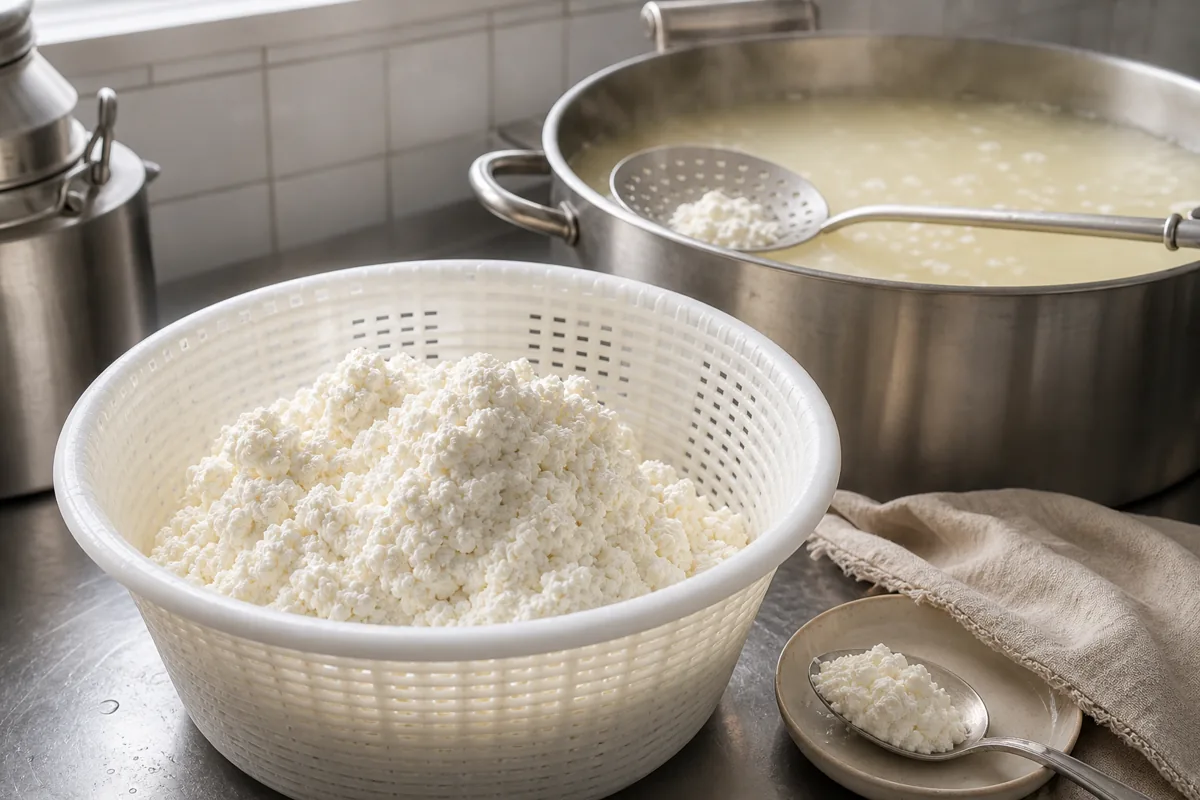
The ricotta comparison fits the Portuguese kind, not the requeijão in a Catupiry tub. Cheese.com describes requeijão as a loose, ricotta-like creamy cheese, but the word covers four different products in two countries.
Portuguese Wikipedia says Portuguese requeijão is a whey cheese: the whey left after cheesemaking is heated again, traditionally as a by-product of sheep's cheese. It describes the result as similar to Italian ricotta but saltier.
In Brazil, the same article says, requeijão began as a use for the skimmed-milk by-product that butter-making regions discarded after taking the cream, which fits the cremoso recipe of skimmed milk plus fresh cream.
| Kind | Country | What it is |
|---|---|---|
| Requeijão | Portugal | Solid whey cheese, white to yellowish-white, saltier than ricotta |
| Requeijão de corte | Brazil | The oldest kind, mostly hand-made; solid, yellow, made with cow's milk, often mistaken for cheese |
| Requeijão cremoso | Brazil | White paste of skimmed milk and fresh cream, sold in glass or plastic cups; the most widespread kind |
| Requeijão culinário | Brazil | A firmer version of the cremoso, made to withstand high temperatures without changing |
Portuguese Wikipedia lists Catupiry as a brand of the corte, cremoso, and culinário styles. The Original's label of cream plus skimmed-milk curd matches the cremoso description rather than the Portuguese whey cheese.
Where Does the Name Catupiry Come From, and Why Is It Used Loosely?
Mário and Isaíra Silvestrini, Italian immigrants, started the business in Lambari, Minas Gerais, in November 1911, according to Portuguese Wikipedia's account of the company's history. Cheese.com credits Mario Silvestrini alone and gives the same year.
The producer's food service catalog calls Catupiry the first requeijão in Brazil. Portuguese Wikipedia's requeijão article credits Moacyr de Carvalho Dias, in Poços de Caldas, with creating requeijão cremoso, so the first-in-Brazil line is the company's own claim.
The name itself comes from Old Tupi, where Portuguese Wikipedia traces it to katupyryb, meaning excellent or very good.
| Year | Event |
|---|---|
| 1911 | Mário and Isaíra Silvestrini start in Lambari, Minas Gerais |
| 1922 | Gold medal at the International Food Exhibition in Rio de Janeiro |
| 1934 | First factory opens in the Barra Funda district of São Paulo |
| 1949 | Headquarters moves to São Paulo |
| 2002 | First Delícias Catupiry shop opens in São Paulo, serving snacks, pasta, sweets, and lunches made with Catupiry products |
Portuguese Wikipedia says each cheese was wrapped in cellophane and set in a round wooden box with a lid, the package from the 1920s to the 1980s. Plastic arrived in the 1990s, together with the tubes and the buckets sold to pizzerias.
Everyday speech then stretched the name. Portuguese Wikipedia says catupiry became informal shorthand for a denser kind of creamy requeijão, usually sold in tubes, and the producer's food service catalog calls the brand a synonym for its category.
The Catupiry trademark on the package identifies the brand. A menu or recipe that lists catupiry does not say which product sits inside the dish.
What Does Catupiry Taste Like, and How Thick Is It?
Cheese.com describes the flavor as creamy, mild, and milky, with a fresh, milky aroma, and credits the soft, mild taste and low acidity for the cheese's fame in Brazil.
For Original, Cheese.com's mild, milky description is the most specific one available. The catalog calls Original's flavor unique without describing it, and only the Cremoso line gets a flavor claim, a pronounced dairy taste.
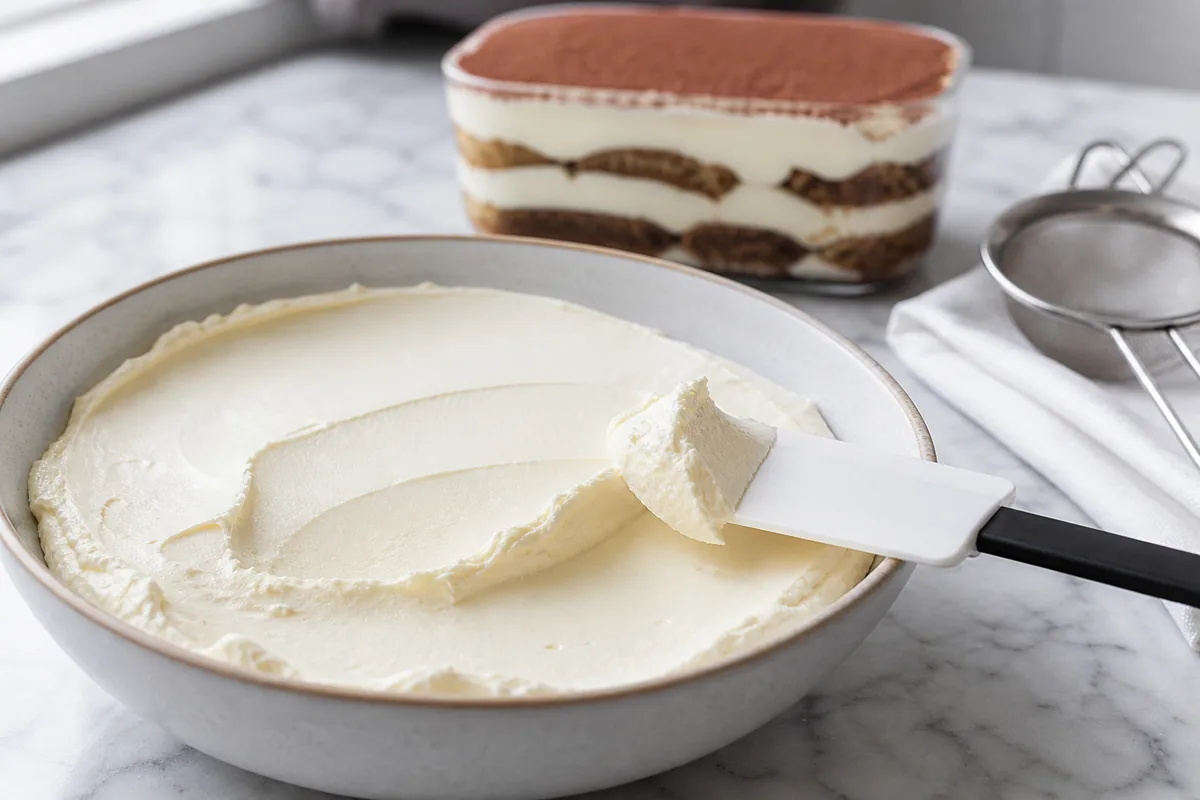
Thickness is where the descriptions part. Cheese.com describes a whitish product with a liquid consistency, while the producer's catalog describes Original as creamy and easy to work with.
Portuguese Wikipedia describes the early product as creamy and firm, and says the brand still makes a less creamy requeijão, set firm enough to cut and close to margarine in consistency, in small round boxes.
| Source | Product described | What it says |
|---|---|---|
| Cheese.com | Catupiry (Original and Light) | Whitish, liquid consistency |
| Portuguese Wikipedia | Early boxed product | Creamy and firm |
| Portuguese Wikipedia | Less creamy requeijão in small round boxes | Close to margarine, set firm enough to cut |
| Producer catalog | Original Professional | Creamy texture, easy to work with |
| Producer catalog | Cremoso Professional, 1.01 kg bucket | Creamy and spreadable |
| Producer catalog | Cream cheese, Professional | Firm texture, creamy consistency |
| International page | Spreadable cheese, 180 g cups | Consistency made for spreading on bread, biscuits, and toast |
The sources allow one explanation: the descriptions follow the pack, since Portuguese Wikipedia ties the denser kind to tubes while the producer sells its spreadable versions in cups. When you shop, the pack tells you more about thickness than the brand name does.
Which Catupiry Product Lines and Pack Sizes Can You Buy?
The producer's Brazilian site lists Original, Requeijão Cremoso, a flavored Cremoso, Original Culinário, Lactozero (zero lactose), and Plantury (plant-based). Cheese.com lists Original and Light varieties, Light being the one with less fat and calories.
Original is the recipe name: the Brazilian 250 g tub page lists the original recipe first among its selling points, and the food service catalog says Original has kept the same recipe for more than 112 years.
The catalog builds its flavored tubes and its chicken and dried-beef blends on Original, describing the flavored ones as Original combined with seasonings.
Food service buyers get larger packs of Original and flavored versions with leek, four cheeses, jalapeño, or biquinho pepper, plus a cheddar version.
The international page lists the Original and its flavored soft cheeses in 250 g sachets (leek, sun-dried tomato, four cheeses, cheddar) with sodium bicarbonate and tetrasodium pyrophosphate. Its 180 g spreadable cups (fine herbs, cheddar, turkey breast) instead list lactic acid and three different phosphate stabilizers.
If you pick up a cup spread instead of a tub, you get a separate formula rather than the same recipe in a smaller size. The page positions the cups for bread and toast and the tub for fillings, toppings, and the oven.
The same page describes little pieces of leek and of sun-dried tomato in those sachets and thin dehydrated herbs, visible in the cup, in the fine herbs spread.
| Product | Formats listed | Producer's stated use |
|---|---|---|
| Original, retail | 250 g tub in Brazil; 250 g and 410 g containers on the international site | Fillings and toppings; savory and sweet |
| Original Professional | 1.5 kg tube, 3.6 kg bucket, 10 kg sack | Fillings, toppings, cooking ingredient |
| Flavored Original Professional | 1.1 kg tubes: leek, four cheeses, cheddar, jalapeño, biquinho pepper | Pizza topping, savory snack fillings, tarts, quiches |
| Original with chicken or dried beef | 1.1 kg tubes | Fillings for dishes, pies, pastéis, and savory snacks |
| Cremoso Professional | 1.01 kg bucket | Griddled breads, waffles, and pão de queijo; spreadable |
| Spreadable cheese, international | 180 g cups | Spreading on bread, biscuits, toast, and sandwiches |
How Do You Use Catupiry in Fillings, on Pizza and in the Oven?
For Original, the producer lists fillings, toppings, and use as an ingredient with meat, poultry, or fish. It also lists a place in burgers, in salads, and in sweets such as pudding, cakes, ice cream, and brigadeiros.
Cheese.com lists it as a spread for toast, crackers, and bread buns, and as a sandwich spread.
The producer's frozen range shows where Original goes inside dough: mini coxinha and mini kibe, cheese bread, potato bread, and croissants all carry it as the filling. The catalog describes the coxinha filling as creamy and moist, and the breaded Catupiry portion as crisp outside and creamy inside.
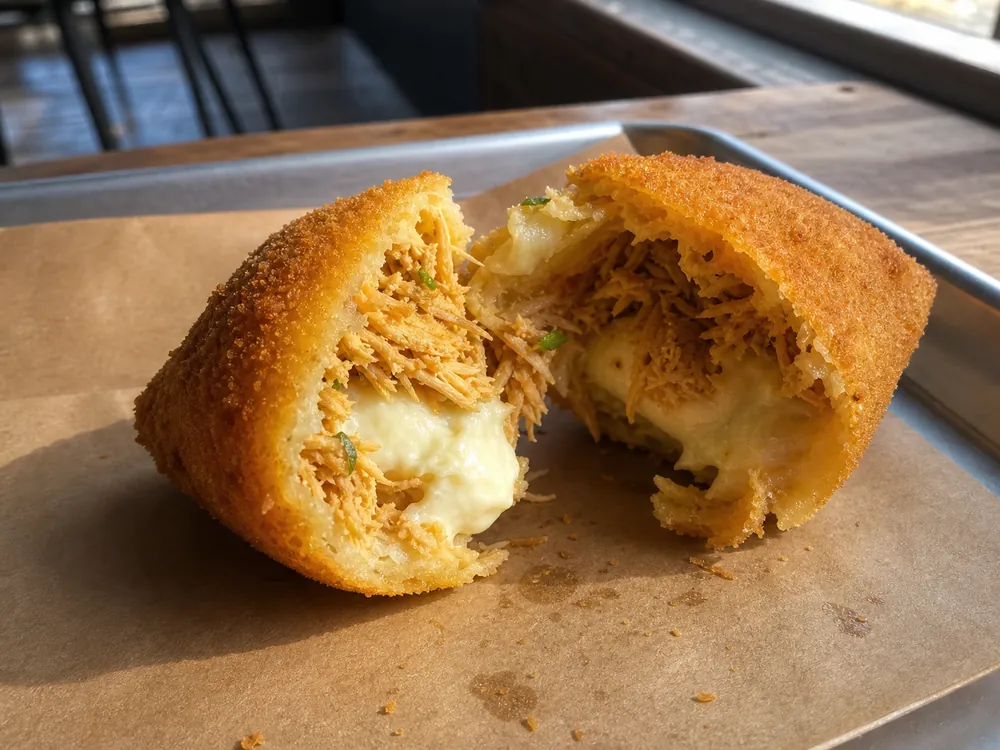
Catupiry's filling blends pair Original with chicken or with dried beef, and the catalog says they keep the same characteristics after baking.
On pizza, the producer lists Original as a topping, and it lists the flavored versions the same way.
For baked dishes, the producer says Original is ovenable and does not burn, and that its leek, four-cheese, and cheddar versions gratinate. The international page adds that Original can go straight into the oven and gratinates lightly without losing its creaminess.
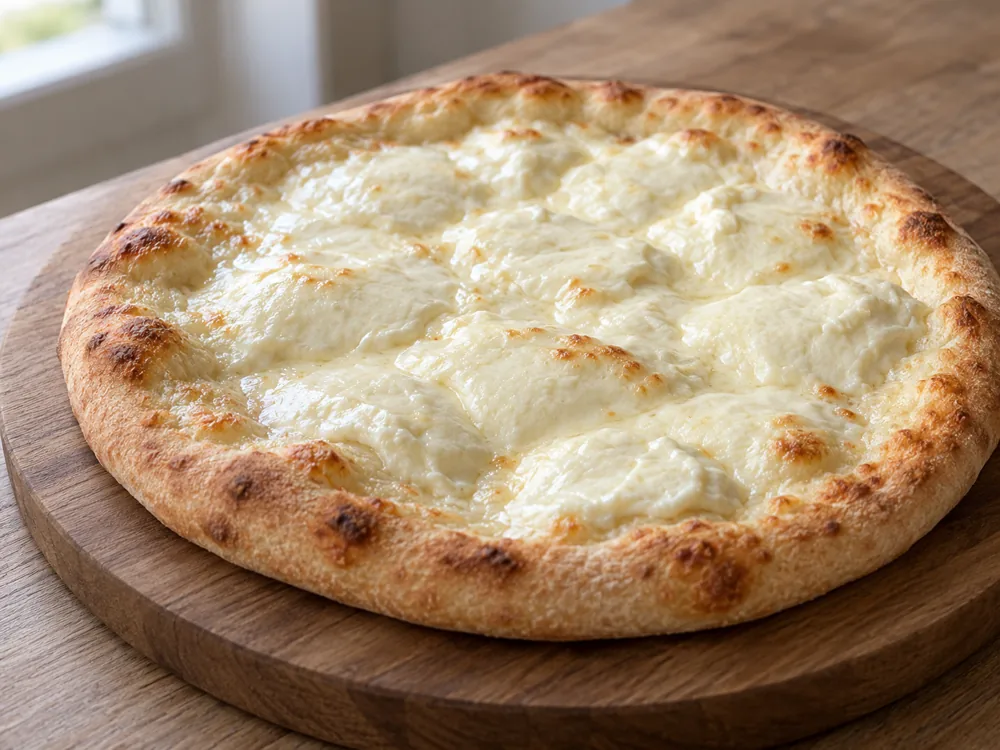
Those flavored versions are also listed for risotto, sauces, and pasta fillings.
The international page pitches the cheddar-flavored sachet for burgers, potatoes, dips, quiches, and pies.
The two pepper versions differ: the catalog describes biquinho as slightly sweet with very mild heat and jalapeño as marked heat, with burritos, tacos, chili, sauces, and salads suggested for jalapeño.
The international page's recipe list for Original runs from Bolognese lasagna and shrimp in a creamy apricot sauce to meatballs with a soft-cheese puree and a crêpe with jelly. The same page says you can use Original to replace creamy cheeses in any recipe.
How Is Catupiry Different from Cream Cheese and Mozzarella?
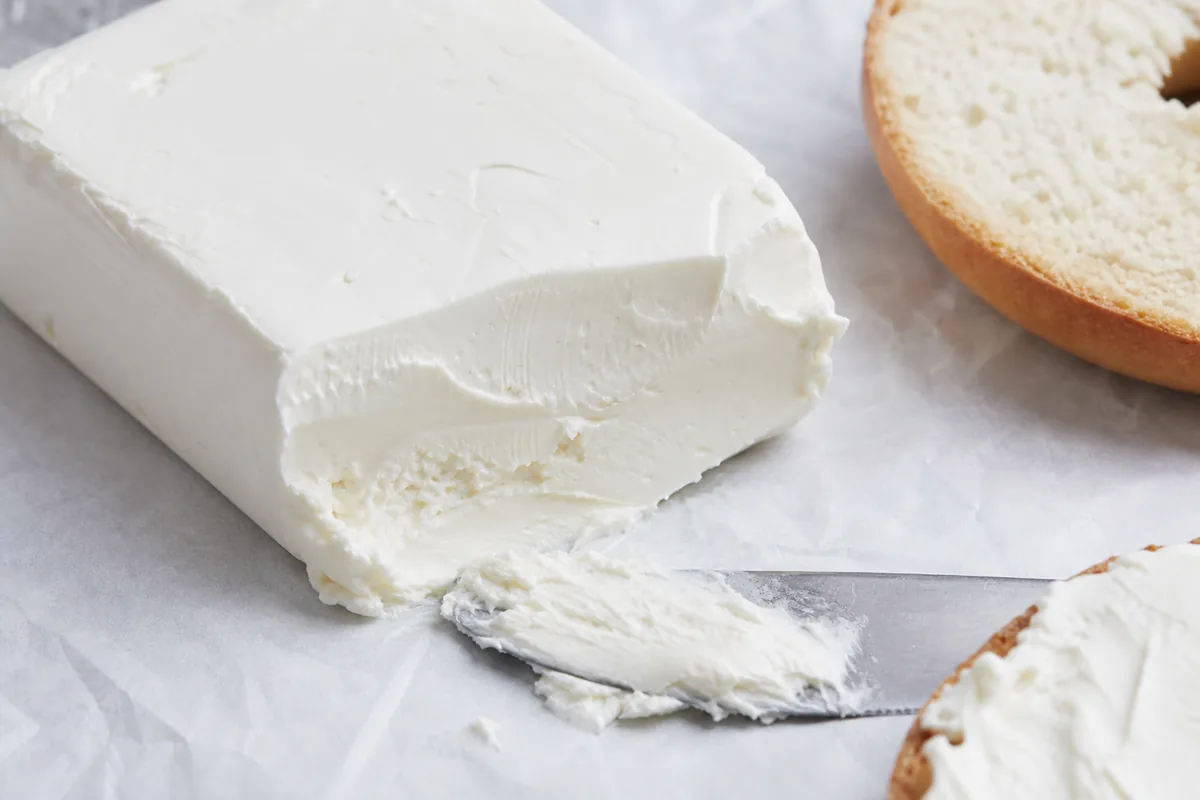
Catupiry sells a cream cheese in the American style, which the catalog describes as soft in texture and slightly acidic in flavor.
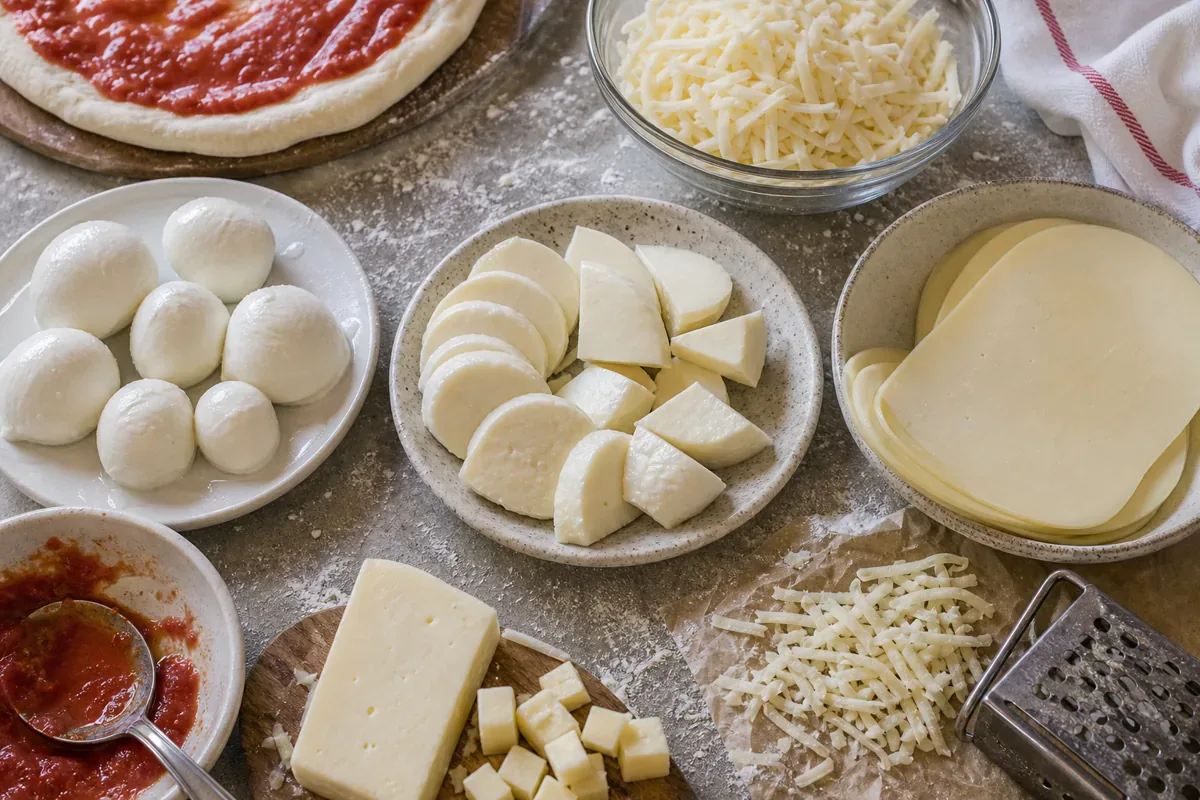
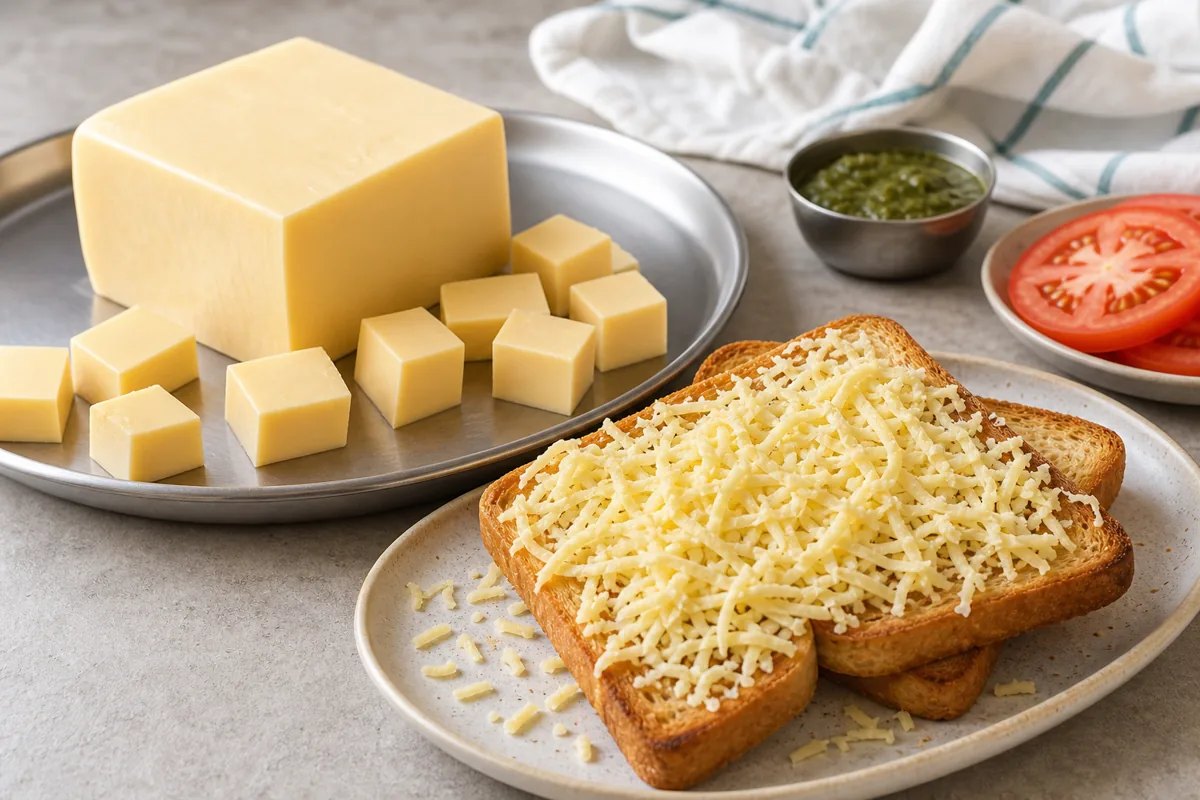
Its mozzarella for pizza is a separate product, pressed with a recipe the catalog says is built for pizza performance.
The catalog lists a second, plain mozzarella bar as well, mild and slightly acidic with excellent melting, for pastéis, sandwiches, and savory snacks, so the pizza version is the one meant for pizzas and open esfihas.
| Product | Texture and flavor | Heat behavior |
|---|---|---|
| Original requeijão | Creamy, easy to work with | Ovenable, does not burn |
| Cream cheese, Professional | Firm, creamy, soft; slightly acidic; does not stick to hands | Ovenable |
| Mozzarella for pizza | Pronounced milky note, balanced salt | Oil does not separate from the dough; stretches into strands |
Cheese.com describes Catupiry as low in acidity, so the slightly acidic note belongs to the cream cheese in this range.
Heat alone does not separate Original from the cream cheese, since the catalog lists both as ovenable. The pizza mozzarella is the cheese listed for stretch, and Original is listed as a creamy topping and filling.
Cups suit spreading on bread and toast, while Original tubs and tubes suit fillings and toppings that go in the oven. The pizza mozzarella is the product listed for stretch.
Where Can You Buy Catupiry, and How Should You Store It?
The Brazilian site lists Original in a 250 g tub, and the international site lists 250 g and 410 g containers, which it prints as 8.81 oz and 14.46 oz. Portuguese Wikipedia says the company is present in five countries, including the United States, Canada, and Japan.
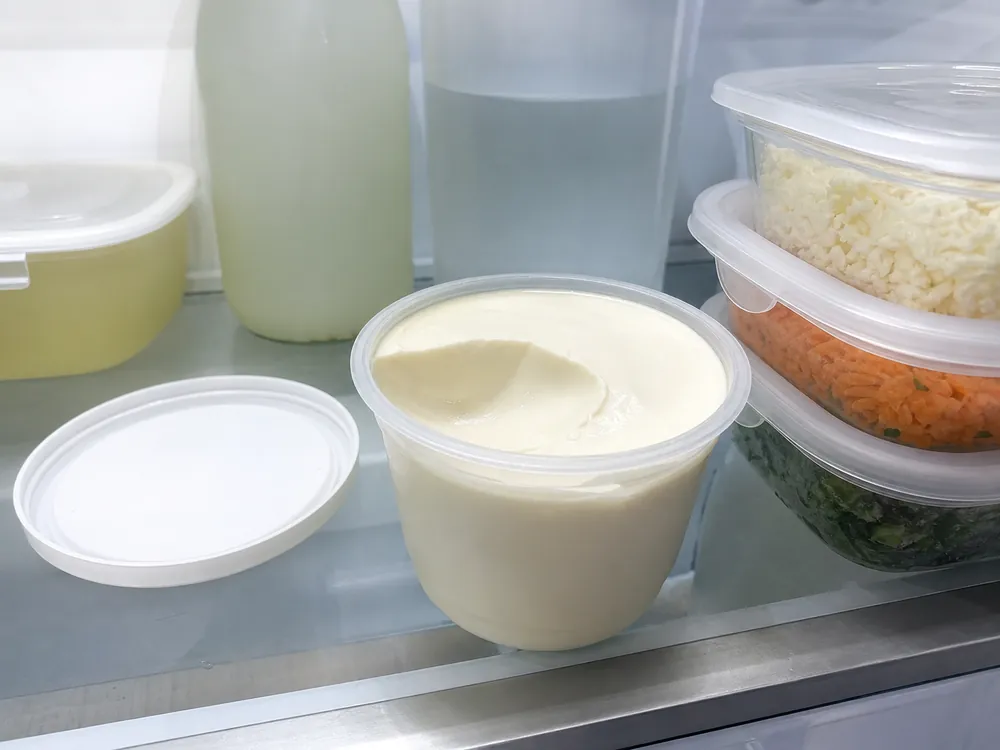
Once you open a tub, both producer pages give the same limit: 8 days. The international page gives it for the 410 g and 250 g containers alike, so buying the larger container adds no days.
The CDC says to keep a refrigerator at 40°F (4°C) or below. The 100-day sealed life and the 8-day opened life are the producer's own label limits, so follow the date on your pack.
The food service catalog gives a sealed life of 100 days for the Original tube, bucket, and sack, 90 or 100 days for the 1.1 kg flavored tubes, 70 days for the chicken and dried-beef blends, and 120 days for the Cremoso bucket.
If a tub sits out, the CDC lists dairy among the perishable foods to refrigerate within 2 hours, or within 1 hour when it sits above 90°F, as at a picnic.
Does Catupiry Contain Allergens, and Is It Safe in Pregnancy?
The Brazilian page lists milk derivatives and lactose and says the product contains no gluten, and the international page lists milk as the allergen and calls it gluten free. If you avoid lactose, the separate Lactozero line is the one the producer sells as zero lactose.
Open Food Facts, a crowd-sourced database, records these label values per 100 g for the 250 g tub:
- Energy: 266 kcal
- Fat: 24.3 g, of which 15 g saturated
- Protein: 11.3 g
- Lactose: 1.3 g
- Salt: 1.07 g
The same record lists a 30 g serving, which it puts at 80 kcal, 7.3 g of fat, and 0.32 g of salt.
Cheese.com marks Catupiry as neither vegetarian nor vegan, while the plant-based line is sold separately as Plantury.
If you are pregnant, check the package for whether the milk is pasteurized. The NHS lists pasteurised soft cheeses such as cream cheese and processed cheese spreads among the cheeses that are fine in pregnancy and says to avoid unpasteurised milk and cream.
The CDC puts cream cheese made with pasteurized milk among the safer choices and says pregnant women are 10 times more likely to get a Listeria infection. It also marks any queso fresco-type cheese, including requesón or similar fresh, soft cheeses, as riskier whether the milk is pasteurized or not, and neither the NHS nor the CDC lists requeijão cremoso.
SOURCES & REFERENCES
Catupiry is a Brazilian brand of requeijão cremoso, a white, spreadable dairy product made from cream and curd. Cheese.com files it as a cow's-milk processed cheese developed in Minas Gerais.
No. Portuguese Wikipedia says the word became informal shorthand for a denser kind of creamy requeijão, so a menu can use it for another product. The trademark on the package identifies the brand.
No. Catupiry sells a separate cream cheese that its catalog describes as inspired by the traditional American recipe and slightly acidic.
Not in Brazil. Portuguese Wikipedia compares Portuguese requeijão, a whey cheese, with ricotta, while the Brazilian requeijão cremoso is a white paste of skimmed milk and fresh cream, which is the kind Catupiry sells.
The producer says Original is ovenable and does not burn, and its catalog lists the separate mozzarella, not Original, as the cheese that stretches into strands on pizza.
Both the Brazilian and international producer pages say to use the tub within 8 days of opening and to keep it refrigerated. The CDC says to keep a refrigerator at 40°F (4°C) or below.
The NHS lists pasteurised cream cheese and processed cheese spreads as safe to eat, and the CDC lists pasteurized cream cheese as safer but marks queso fresco-type cheeses as riskier. Neither agency lists requeijão cremoso, so look for a pasteurization statement on the package.