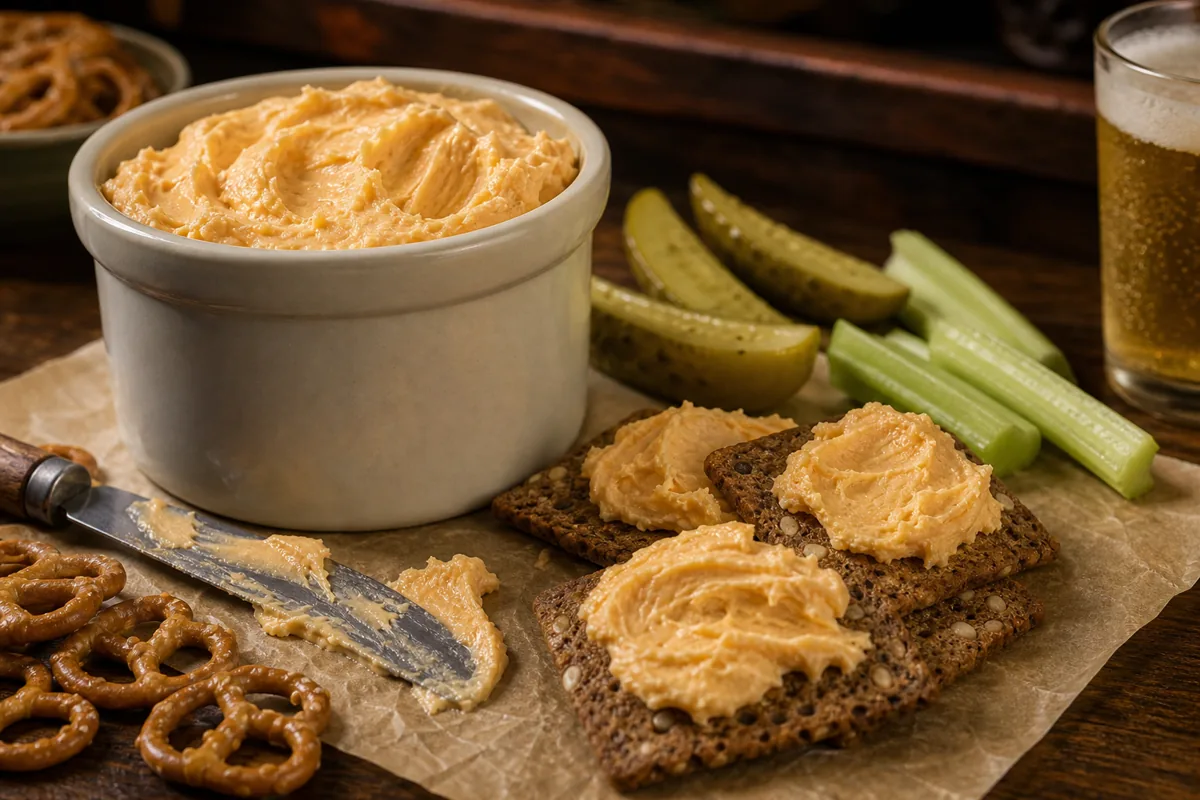
Cup cheese is a soft Pennsylvania Dutch spread sold in a cup, a variation of the German cheese Kochkäse.
Cheese.com describes a cheese the Amish and Mennonites have made for centuries, with a sharp, sour, strong flavor. Shenk's Cup Cheese, made by Dilly Artisan Foods from Lancaster County skim milk, comes in mild, medium, and sharp.
Two things change from cup to cup, the strength and the milk, so the label tells you more than the name does.
In This Article
What Is Cup Cheese?
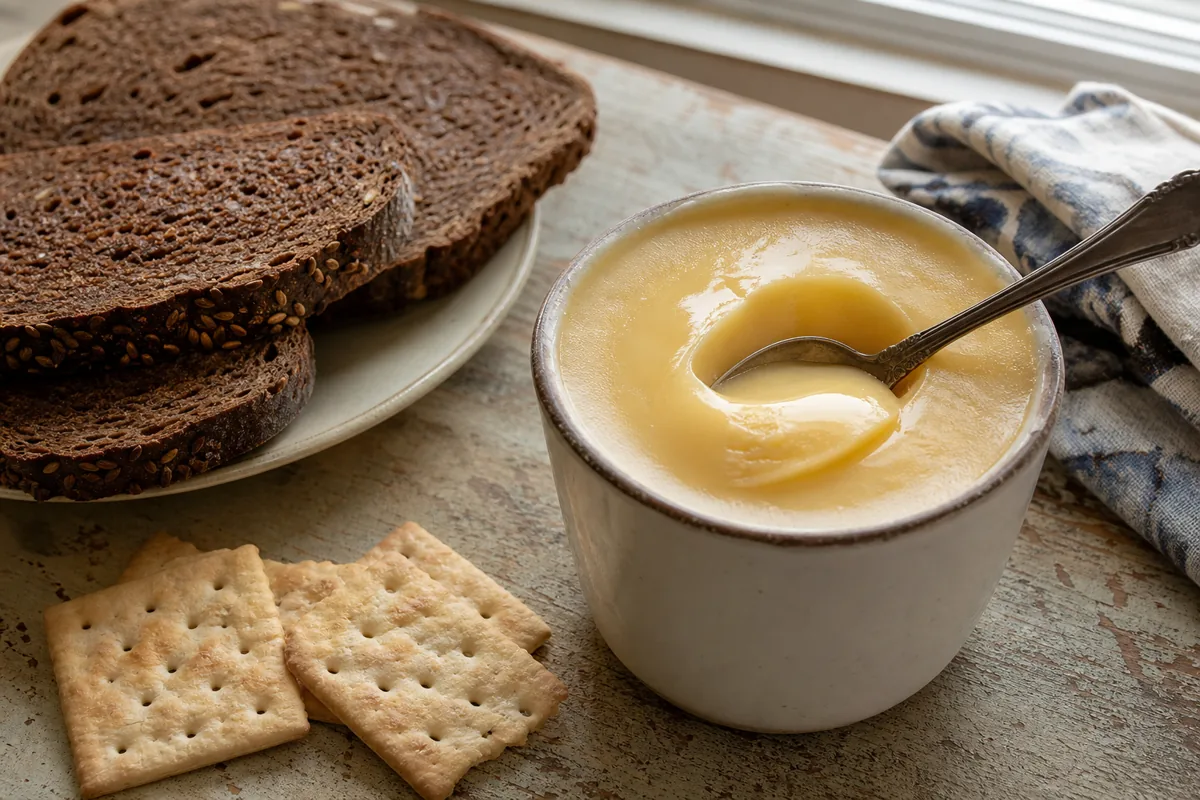
Cup cheese is a thick spread compared to molasses: Cheese.com gives it "a consistency resembling molasses," and James Michener's 1974 novel Centennial, as Wikipedia quotes it, calls it "a very thick, very cold molasses."
Its smell varies with the version. The same Michener passage says the cheese "smelled stronger than limburger," while Amish Heritage's author, who grew up Amish in Lancaster County, does not describe her cup cheese as sour or strong smelling and says a sour, stinky type, if it exists, is not the kind she grew up with.
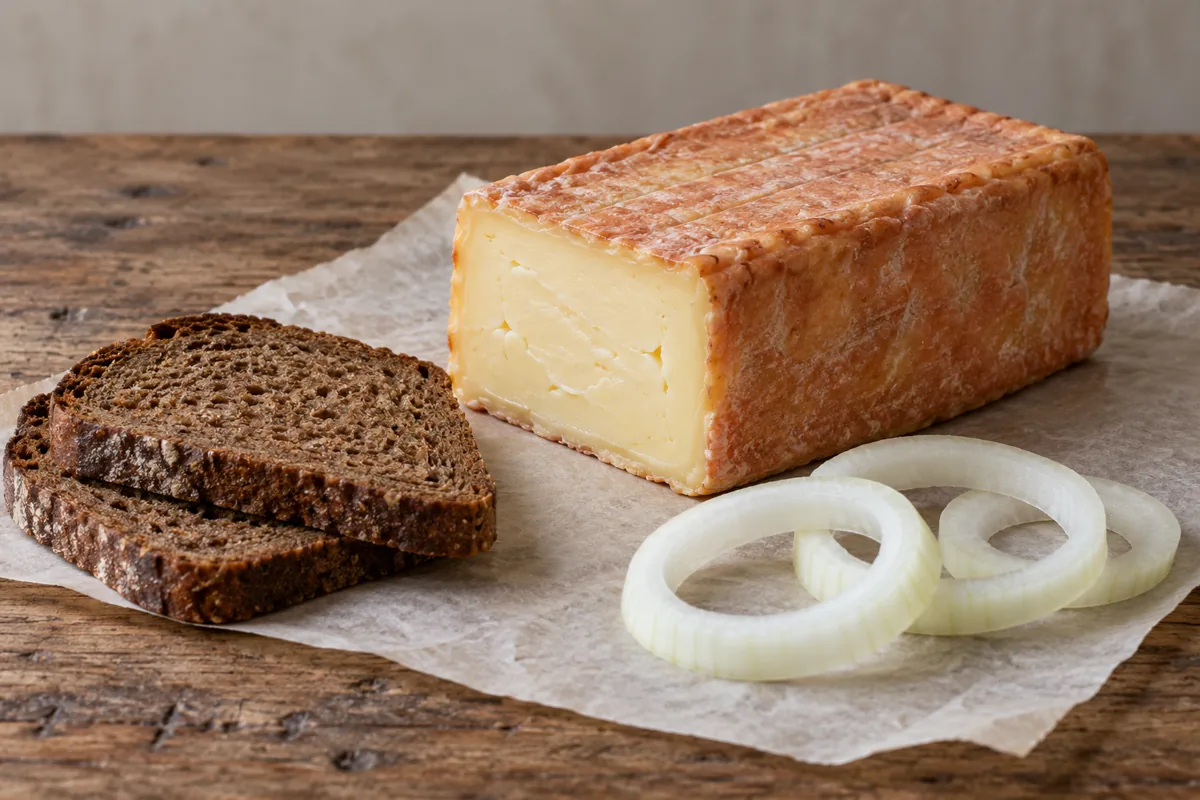
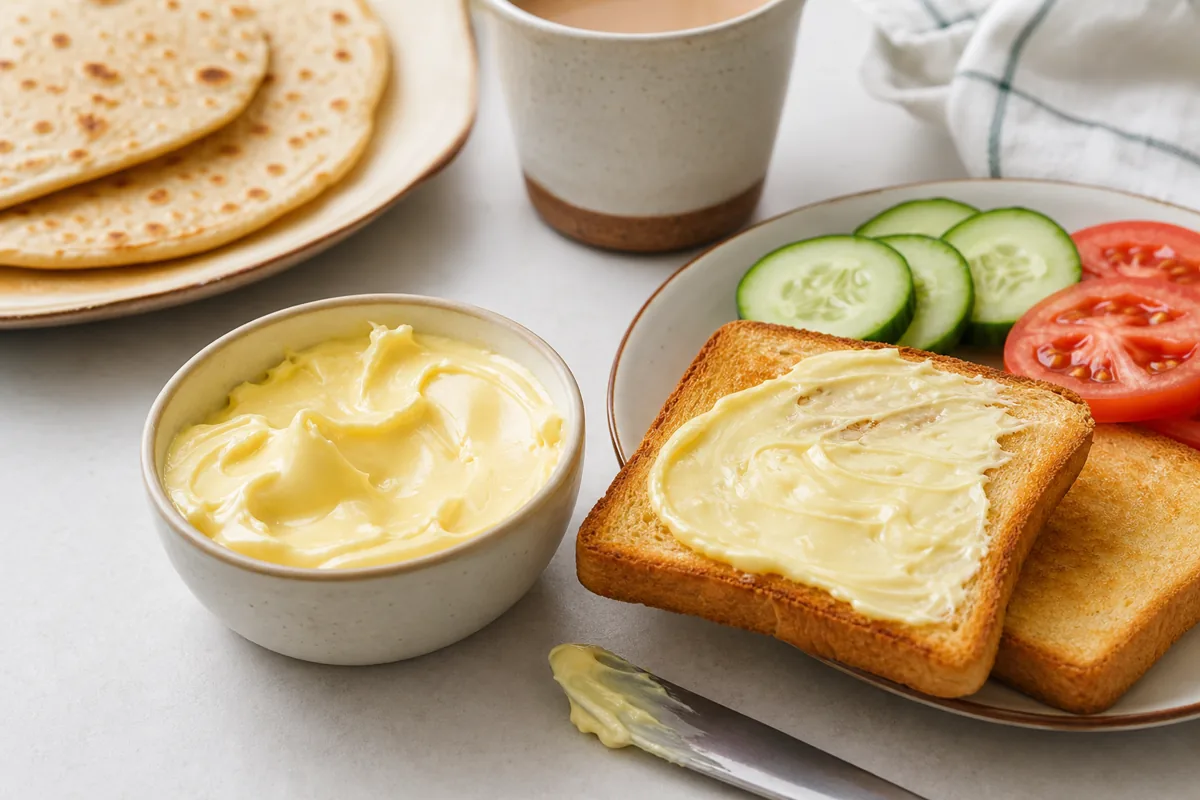
Its color varies with the version as well. In the Michener passage the spread is a "yellowish viscous substance," while the Amish Heritage recipe card describes a soft, smooth white spread made from white American cheese and says yellow American cheese also works.
Cup cheese is made from unpasteurized cow's milk according to Cheese.com, while the Shenk's ingredient list reads cultured skim milk, water, bicarbonate of soda, salt, and enzymes.
Wikipedia groups cup cheese with the processed cheeses, alongside American cheese and cold pack cheese, which fits the melted-cheese versions that Stoltzfus Meats and Amish Heritage describe.
Why Is It Called Cup Cheese?
The name comes from the container: it is called cup cheese because it is sold in a cup, and Amish Heritage says it was served or sold in one.
Dilly Artisan Foods describes how markets sold it: the cheese was "taken to markets in large bowls, warmed and hand dipped into customers' cups."
The dish is older than the Shenk's recipe: Dilly traces Shenk's to German Koch Kase, which it translates as "cook cheese," brought by immigrants in the 1600s, while Wikipedia dates the dish's heritage to the late 17th century arrival of the Mennonites and Amish in Pennsylvania.
The Shenk's recipe itself dates from 1929, when dairy farmer Clayton Shenk first made the cheese in Southern Lancaster County. Dilly says that with cream in high demand, the recipe used up the remaining skim milk, which it describes as rich in protein and calcium.
Shenk's joined Dilly Artisan Foods in 2020, and Dilly says it remains committed to the original recipe.
Farmers made it to use up excess milk and cheese in Stoltzfus Meats' telling, a motive that fits its own description of a melted-cheese spread better than Dilly's skim-milk curd.
The Pennsylvania Dutch name is "shmear käs." Amish Heritage translates it as spreading cheese, while Stoltzfus Meats ties the name to its softness.
Amish Heritage's author says her family called it simply shmear käs, not cup cheese or cheese spread, and compares the name to the German Schmelzkäse.
A recipe that asks for a cup of grated cheddar means a measuring cup, not this spread.
How Is Cup Cheese Made?
Shenk's starts with local Lancaster County skim milk that arrives for processing less than 10 hours after milking and is cultured, heated, and agitated overnight. Legacy cultures set the milk, and further heat forms soft curds that a cheesemaker hand cuts with a paddle.
Dilly calls time and temperature management critical to the result, since the heating separates the curd from the whey, which the cheesemaker then drains by hand before moving the curds to a press.
The pressed curds go into large pans in an aging room. About a day later the curds are stirred, blended, and salted for more aging, and Dilly says "the longer the cheese ages in the room, the sharper it will be."
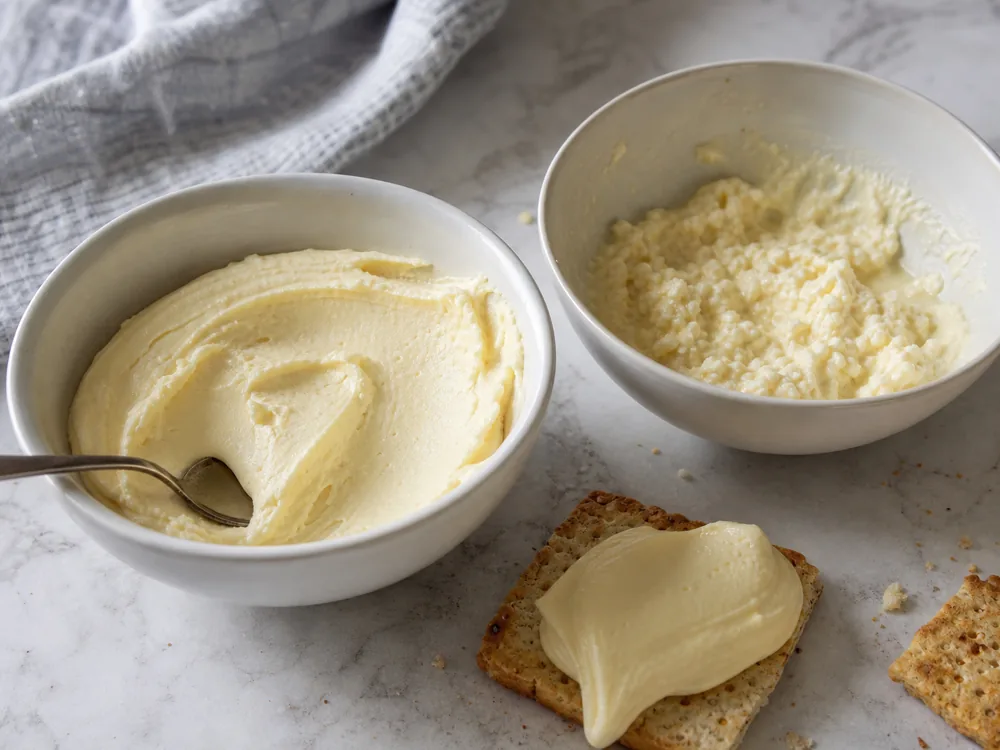
Once the cheese reaches the sharpness the maker wants, it is warmed and packed into cups.
Stoltzfus Meats describes a different starting point: cup cheese made by melting grated cheese with a liquid such as milk or whey and letting it set in a covered container for several days.
Cheese.com lists the homemade version as processed American cheese or cottage cheese, butter, cream, salt, baking soda, water, and raw milk. The name therefore covers an aged cultured curd at Shenk's and a melted-cheese spread in these other descriptions.
Why Does Cup Cheese Contain Baking Soda?
Baking soda is there to soften the spread, in Amish Heritage's explanation: it is alkaline and shifts the pH, which the site says helps break down the proteins in the cheese and leaves a softer, more spreadable texture.
Bicarbonate of soda is on the Shenk's ingredient list too, and the homemade lists from Cheese.com, New England Cheesemaking Supply, and Amish Heritage all include baking soda.
The two home recipes add it at different points. New England Cheesemaking Supply stirs ½ tsp into the crumbled curds from a gallon of milk along with the butter and lets them sit 5 hours before melting, while Amish Heritage stirs its pinch into the finished melt after taking it off the heat.
If you make it at home, measure the soda with care: Amish Heritage warns that too much gives a soapy taste, which is why its recipe adds only a pinch to 20 slices of cheese.
How Do Mild, Medium, and Sharp Cup Cheese Differ?
At Shenk's, Dilly says, strength follows age: the flavor intensifies with the time the curd matures, and its product page gives one ingredient list and nutrition panel for the whole line.
A customer quoted on Dilly's history page, Bob F., remembers a choice of mild, medium, or sharp, dipped out of large tubs at Southern Market on South Queen Street.
Stoltzfus Meats describes sharp cup cheese as the one with "a more piquant flavor." It says the sweet or mild kind uses sweeter liquids such as cream or condensed milk, so "mild" can mean a sweeter recipe as well as a younger cheese.
Home versions lean the other way: New England Cheesemaking Supply calls its cheese bland, and Amish Heritage says its recipe is not sharp or overpowering.
How Much Fat Is in Cup Cheese?
The fat in cup cheese depends on which kind is in the cup. The Shenk's label shows no fat at all, while Amish Heritage's recipe card, for a spread built from butter, milk, and American cheese, lists 19 g of fat, 11 g of it saturated, in a quarter-cup serving and calls its figures approximate.
The Shenk's ingredient list names cultured skim milk and no butter or cream, which fits its label. Cheese.com calls cup cheese very fatty, with almost 70 percent of its calories from fat, and adds that fat-free varieties exist in mild, medium, and sharp.
| Point | Shenk's (Dilly label) | Amish Heritage recipe card |
|---|---|---|
| Serving | 1 oz (28 g) | ¼ cup |
| Calories | 25 | 214 |
| Total fat | 0 g | 19 g |
| Saturated fat | 0 g | 11 g |
| Protein | 6 g | 9 g |
| Sodium | 140 mg | 802 mg |
The servings differ, 1 oz of Shenk's against a quarter cup of the homemade spread, so each column shows its label as printed rather than equal weights. For the cup you buy, its own label tells you whether you have a skim-milk curd or a butter-and-cheese spread.
How Do You Eat Cup Cheese?
You can spread it or dip into it. A character in the Michener passage that Wikipedia quotes spreads cup cheese on black bread, and Stoltzfus Meats lists pretzel dipping, crackers and bread, a vegetable or chip dip, a baked potato topping, and a spoonful stirred into scrambled eggs.
| Use | How It Works |
|---|---|
| Dark Bread | A character in the Michener passage Wikipedia quotes spreads it on black bread. |
| Pretzels | Stoltzfus Meats and Dilly both name pretzels; Dilly calls them salty. |
| Baked Potatoes | Stoltzfus Meats lists it as a baked potato topping. |
| Scrambled Eggs | Stoltzfus Meats lists mixing it into scrambled eggs. |
| Warm Vegetables or Pasta | Dilly suggests spooning it over them. |
| Buns with Peanut Butter | Amish Heritage says it is served this way at Lancaster Amish church dinners and calls the pairing sweet and salty. |
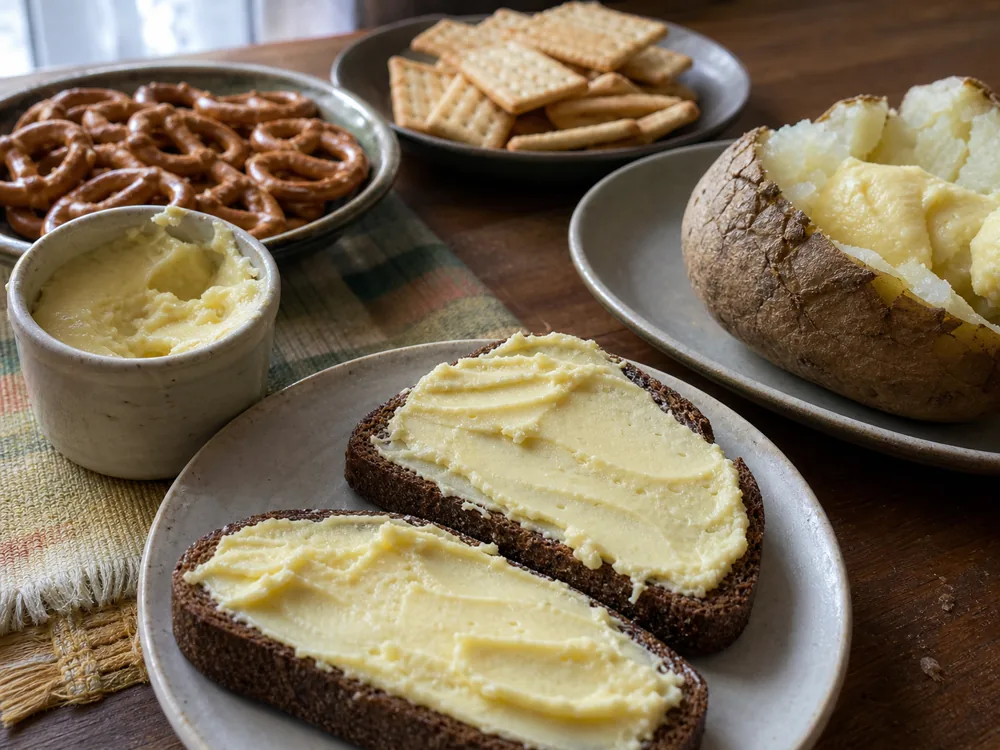
Dilly says to enjoy the cup cheese at room temperature, and Amish Heritage notes that a homemade batch sets fairly thick in the refrigerator and quickly thins when you leave it out, which lets the spread double as a dip for pretzels, chips, and crackers.
If you set a cup out to serve, the CDC says perishable food should not be left out for more than 2 hours, or 1 hour above 90°F.
Of its own melted-cheese version, Amish Heritage says the flavor is not far from cheddar cheese spread or nacho cheese sauce, and that it works wherever cheese sauce does, on nachos, potatoes, pasta, quiche, and eggs.
What Should You Check When Buying Cup Cheese?
Cheese.com says cup cheese is hard to find in conventional stores and turns up at farmers' markets in Lancaster County, where Amish and Mennonite producers sell it directly. Dilly packs Shenk's for regional grocers, and Stoltzfus Meats sells the Shenk's brand online.
If you live outside Lancaster County, start with the store locator on Dilly's process page, which lists those grocers.
On the Shenk's label the last ingredient is enzymes, without saying where they come from, so if you avoid animal rennet, ask Dilly what they are. A cup holds eight 1 oz servings, and Dilly says it has no additives or preservatives.
Pick a strength, mild, medium, or sharp, then read the ingredients and check whether the milk is pasteurized.
Can You Make Cup Cheese at Home?
Yes, by two quite different routes: New England Cheesemaking Supply cultures a gallon of milk, while Amish Heritage melts deli white American cheese slices into hot milk.
| Point | New England Cheesemaking Supply | Amish Heritage |
|---|---|---|
| Starting point | 1 gallon of milk with buttermilk culture and 1 drop of liquid rennet | 1⅓ cups of milk and 20 slices of deli white American cheese |
| Added | ½ teaspoon baking soda, 3 tablespoon butter, 1 cup heavy cream, 1 beaten egg | 4 tablespoon butter, a pinch of baking soda, optional ¼ teaspoon salt |
| Temperatures | Milk stands at about 72°F for 12 hours; curds heat to 115°F | Milk heated to almost boiling, but not boiled |
| Waiting time | 12 hours of draining, then another 5 hours of setting | Cools under plastic wrap or parchment |
| Result | Poured into cups, refrigerated, served cool | About 2½ cups; keeps one to two weeks refrigerated |
New England Cheesemaking Supply's recipe works from cut and drained curds, much as Dilly describes for Shenk's, but it melts the crumbled curds with butter, cream, and an egg that the Shenk's ingredient list does not include.
Amish Heritage's recipe skips the curd and lists 20 minutes of prep and total time, since melting slices needs no souring, draining, or resting.
It specifies thicker deli or deluxe slices, about 24 to the pound, and advises against individually wrapped slices, which it calls thinner and not actually real cheese. It says Amish cooks usually use white American cheese and that yellow American can stand in.
As the spread cools, Amish Heritage says to lay plastic wrap or parchment directly on it to keep a skin from forming, and to beat it once cooled for a smoother texture.
If you cannot find a cup at the store, choose by the kind you want: the New England Cheesemaking Supply recipe starts from cultured milk and drained curds, much as Shenk's does, while the Amish Heritage one melts sliced cheese in a listed 20 minutes.
How Should You Store Cup Cheese?
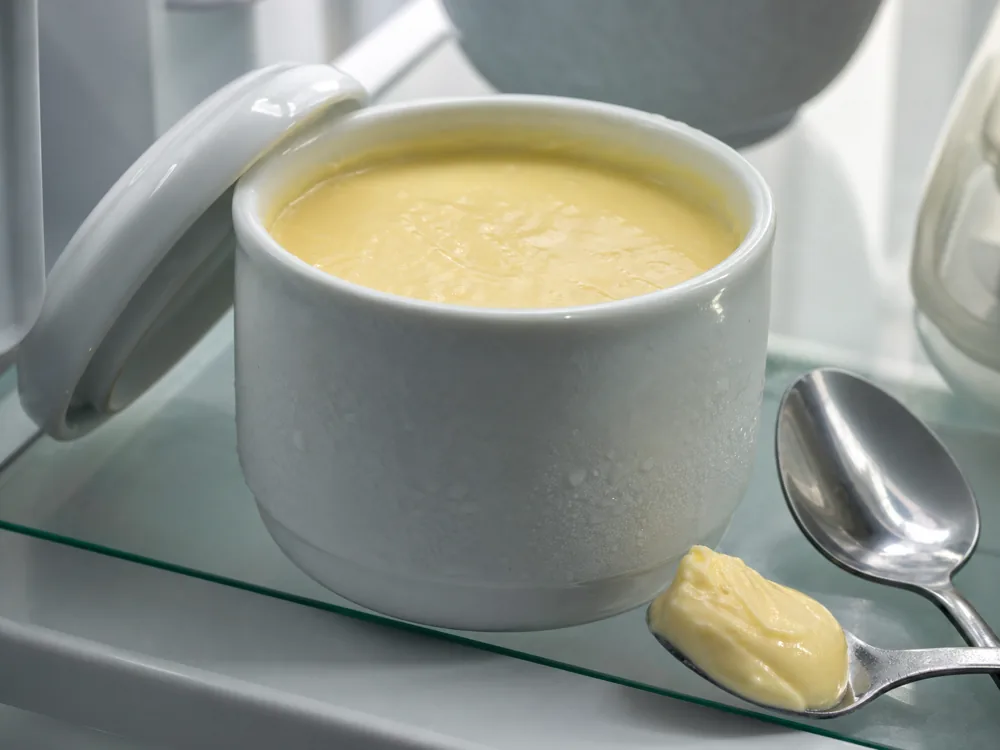
Keep the cup cheese in its cup in the refrigerator, as Cheese.com recommends. Follow the date on your purchased cup.
Is Cup Cheese Safe During Pregnancy?
Neither the NHS nor the CDC names cup cheese, so the answer depends on the milk and on whether the cheese is heated.
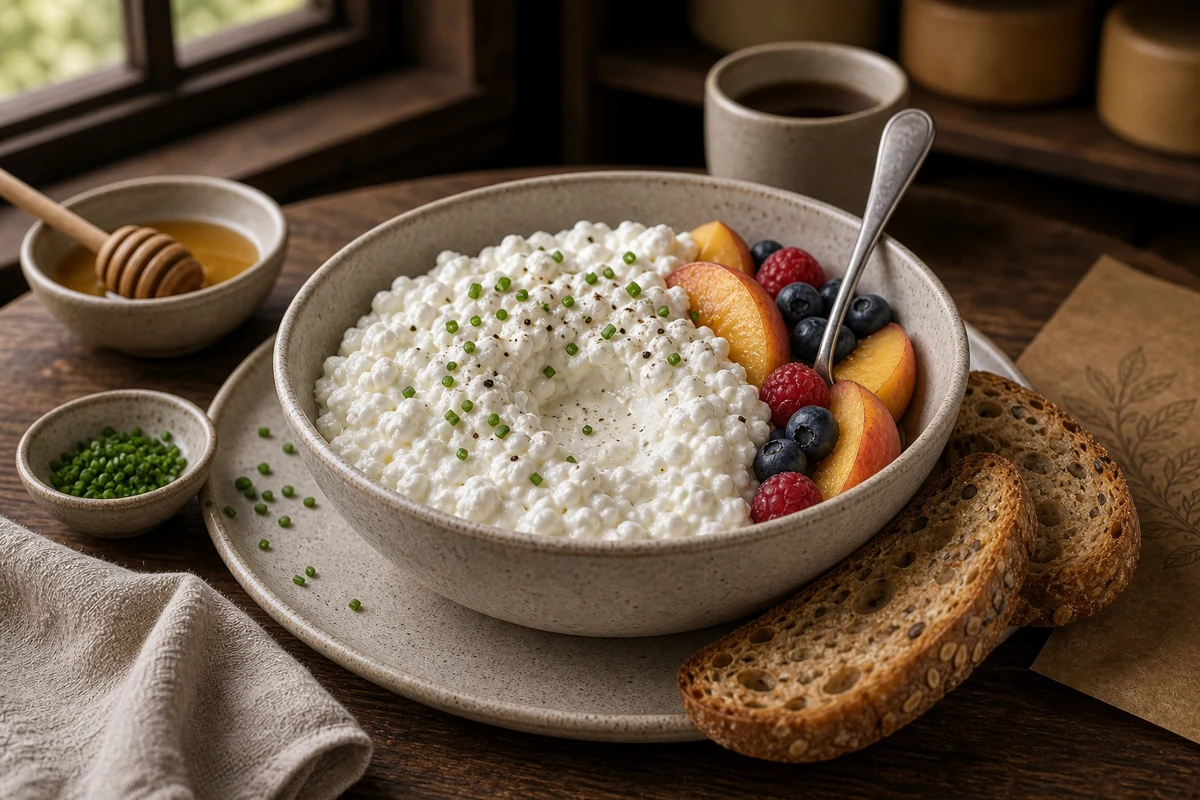
The NHS lists pasteurised soft cheeses such as pasteurised cream cheese and cottage cheese as safe in pregnancy. The same list names pasteurised processed cheese spreads as safe.
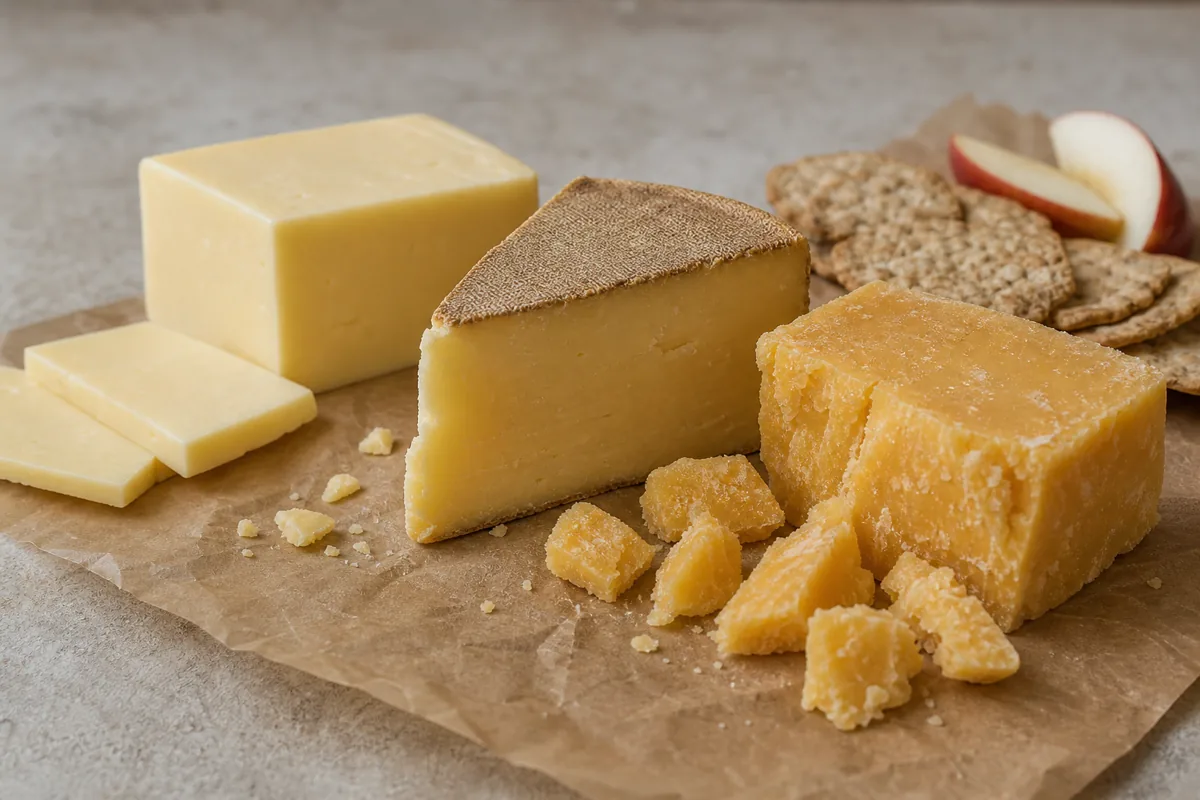
It says hard cheeses such as cheddar are safe whether pasteurised or not, that foods made from unpasteurised milk must be thoroughly cooked, and that any cheese cooked until steaming hot, including soft or blue cheese, is safe to eat.
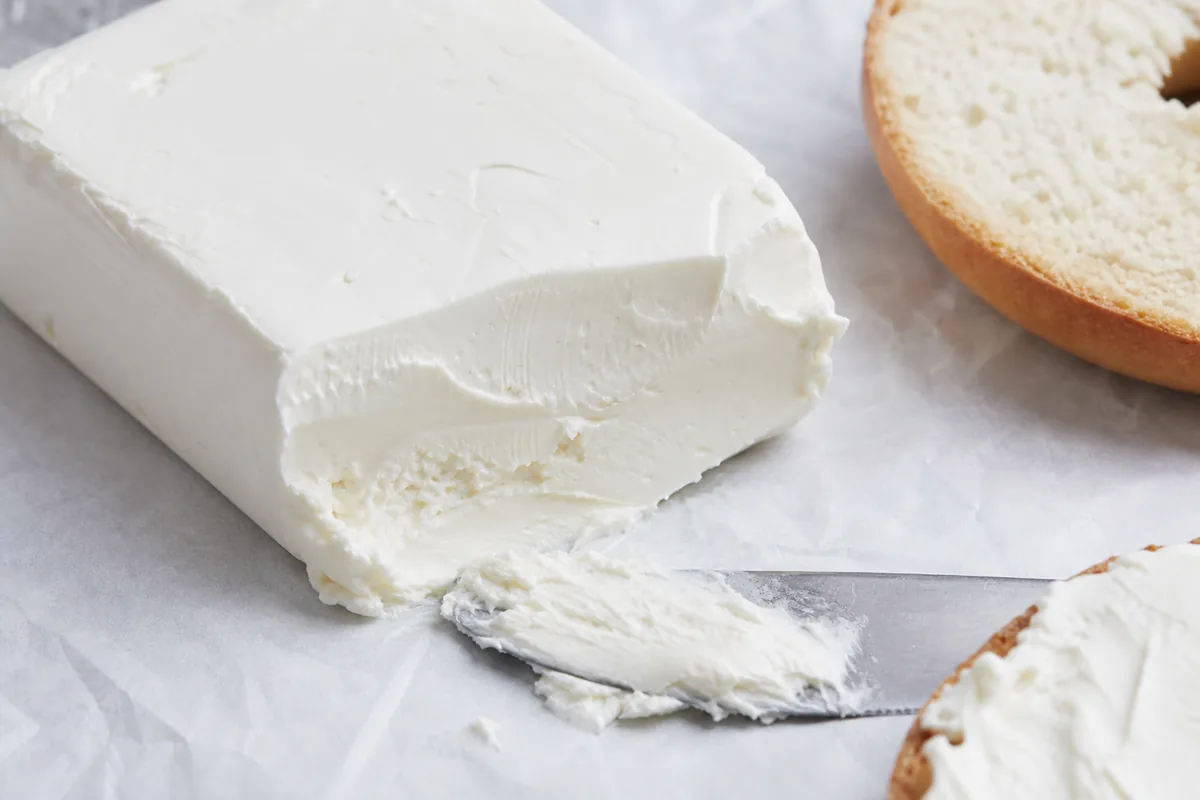
The CDC calls soft cheese made from unpasteurized milk riskier and gives queso fresco, brie, camembert, and blue-veined cheese as examples. It lists as safer hard cheese, when made with pasteurized milk, cottage cheese made with pasteurized milk, cream cheese, string cheese, feta and mozzarella, when made with pasteurized milk, and pasteurized soft cheeses heated to an internal temperature of 165°F or until steaming hot.
The CDC says pregnant women are more likely than other people to get sick from certain germs, and 10 times more likely to get a Listeria infection.
With unpasteurized milk in Cheese.com's entry and cultured skim milk on the Shenk's list, check the label of your cup for pasteurization, and ask a midwife or doctor before eating a cup with no label. Served cold, a pasteurized cup cheese is described as a soft, thick and spreadable cheese, a type the CDC list does not cover, so ask a midwife or doctor before eating it.
SOURCES & REFERENCES
What Do People Ask About Cup Cheese?
Cheese.com says it is made from unpasteurized cow's milk, and the Shenk's label lists cultured skim milk. If you are pregnant, ask Dilly Artisan Foods whether that milk is pasteurized.
Cheese.com describes a sharp, sour, strong flavor, and Stoltzfus Meats calls sharp cup cheese more piquant. New England Cheesemaking Supply calls its home version bland, and Amish Heritage says its recipe is not sharp or overpowering.
The Shenk's label lists 0 g of fat per 1 oz serving. Cheese.com says almost 70 percent of the calories come from fat but adds that fat-free varieties are sold, so check the label of the cup you buy.
Amish Heritage translates it as spreading cheese, and Stoltzfus Meats ties it to the cheese's softness.
It comes from Pennsylvania Dutch culture, and Shenk's was first made in Southern Lancaster County in 1929.