Cheese curds are the cheese to buy when freshness itself is the feature. Among fresh snack cheeses, they stand apart because the whole point is squeak, bounce, and same-day texture, not aging, rind, or melt complexity.
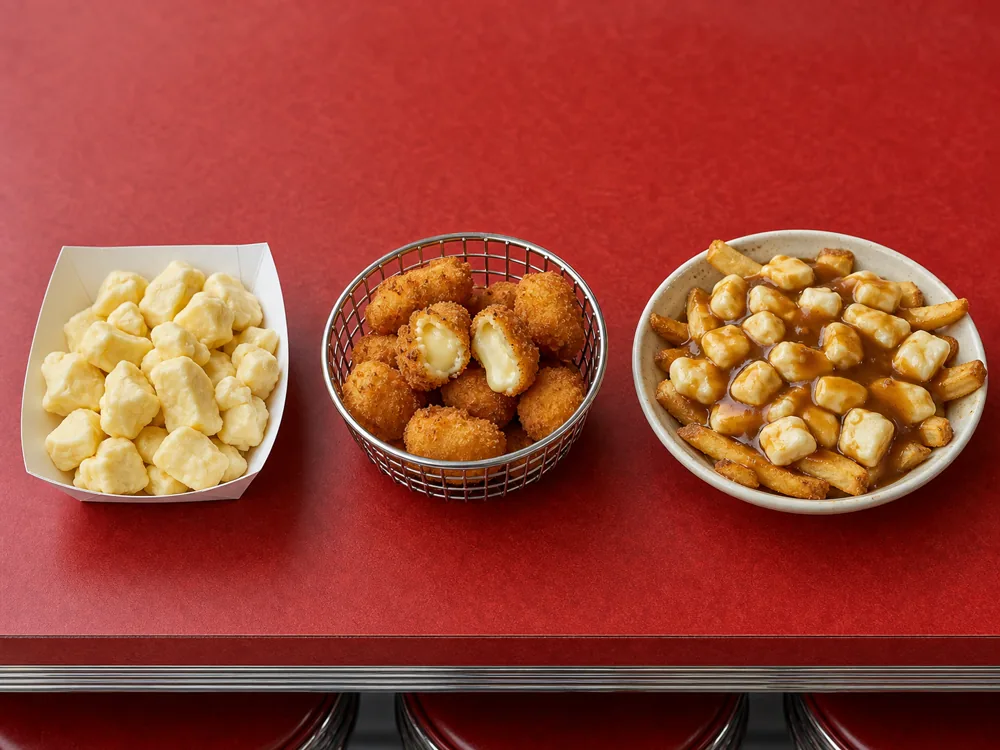
That is why curds confuse people who only know the fried version. Fried curds are a dish.
Fresh curds are a stage of cheesemaking that happens before the curd is pressed into a finished block, and the best ones feel alive in a way drier fresh curds cannot.
The squeak is not a gimmick. It is the evidence that the curd structure is still fresh, elastic, and close to the make.
This profile covers what cheese curds are, why they squeak, when they work best for snacking, frying, or poutine, and how to buy them before the freshness window closes.
The short answer is that fresh curds reward proximity to the make. A local same-day bag can offer a stronger squeak than a well-traveled package, even when both are safe and made from good milk.
Refrigeration does not make curds useless because poutine, frying, eggs, and pizza depend more on mild dairy flavor and softening than on the original bounce.
In This Article
What Are Cheese Curds?
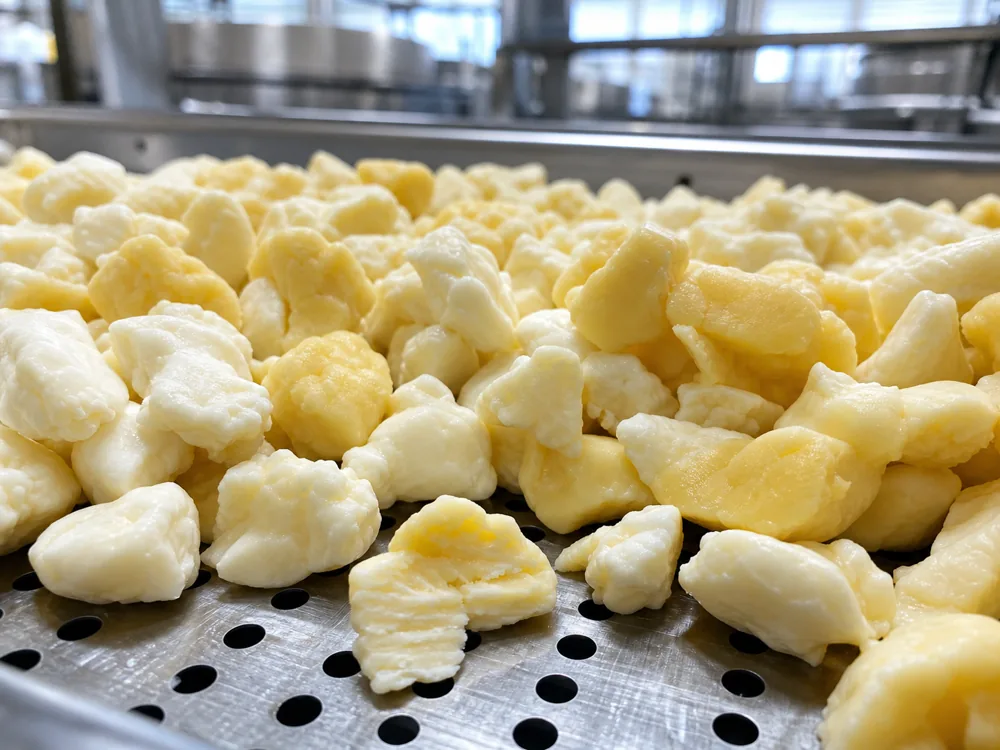
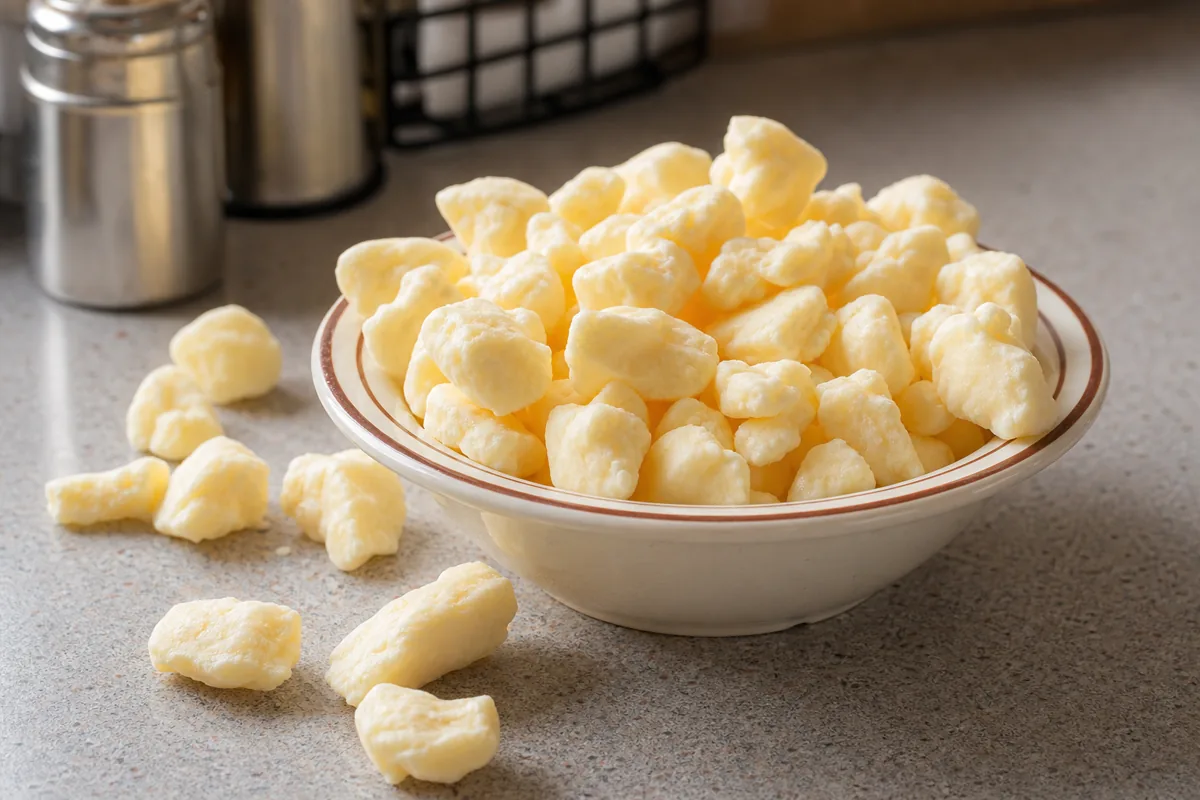
Cheese curds are fresh curd pieces separated during cheddar-style cheesemaking before the curd is milled, salted, and pressed into blocks. They come from the curd stage itself, which is why they feel springy and irregular instead of firm, aged, or sliceable.
A block of cheddar is a finished pressed and aged cheese, while loose curds preserve the earlier high-moisture form.
Curds are the young stage before pressing, so their texture and uses differ from finished cheddar.
They can be white or orange, small or chunky, plain or seasoned. Those details matter less than the make date, moisture, and how the curd feels once it warms slightly.
Most retail cheese curds are cheddar-style curds, though the word curd can describe the solid part formed during many kinds of cheesemaking. Starter culture acidifies the milk, rennet helps it coagulate, and the cheesemaker cuts the gel so whey can drain away.
For cheddar-style production, the curd is cooked and gathered into slabs that are turned and stacked during cheddaring. The slabs are then milled into irregular pieces and salted.
Curds sold for eating leave the process before molding, pressing, and aging, which preserves the knobby shape, higher moisture, and elastic bite that distinguish them from diced cheddar.
The whey is the liquid separated from the curd during this process. Removing more whey and applying pressure would create a denser finished cheese, while retail curds retain enough moisture to feel supple rather than crumbly.
Annatto can turn a batch orange without making it sharper or older, so white and orange curds from the same producer may taste nearly identical.
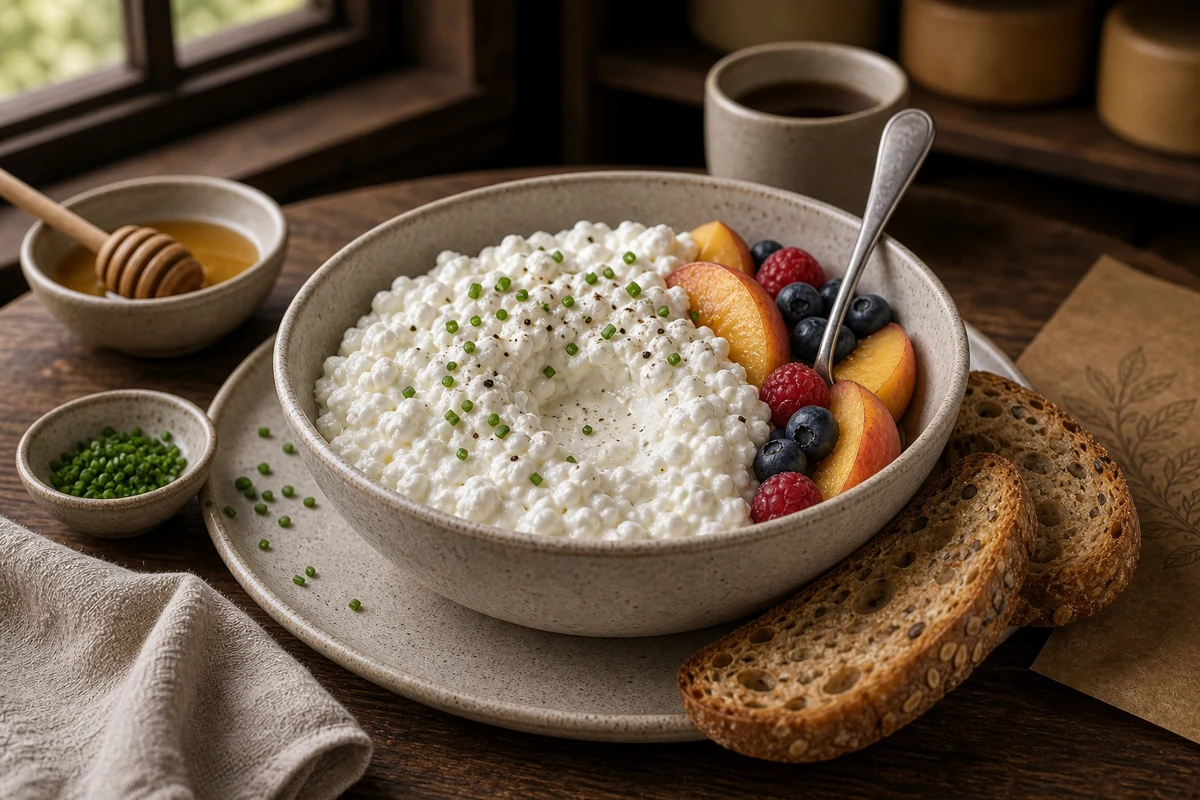
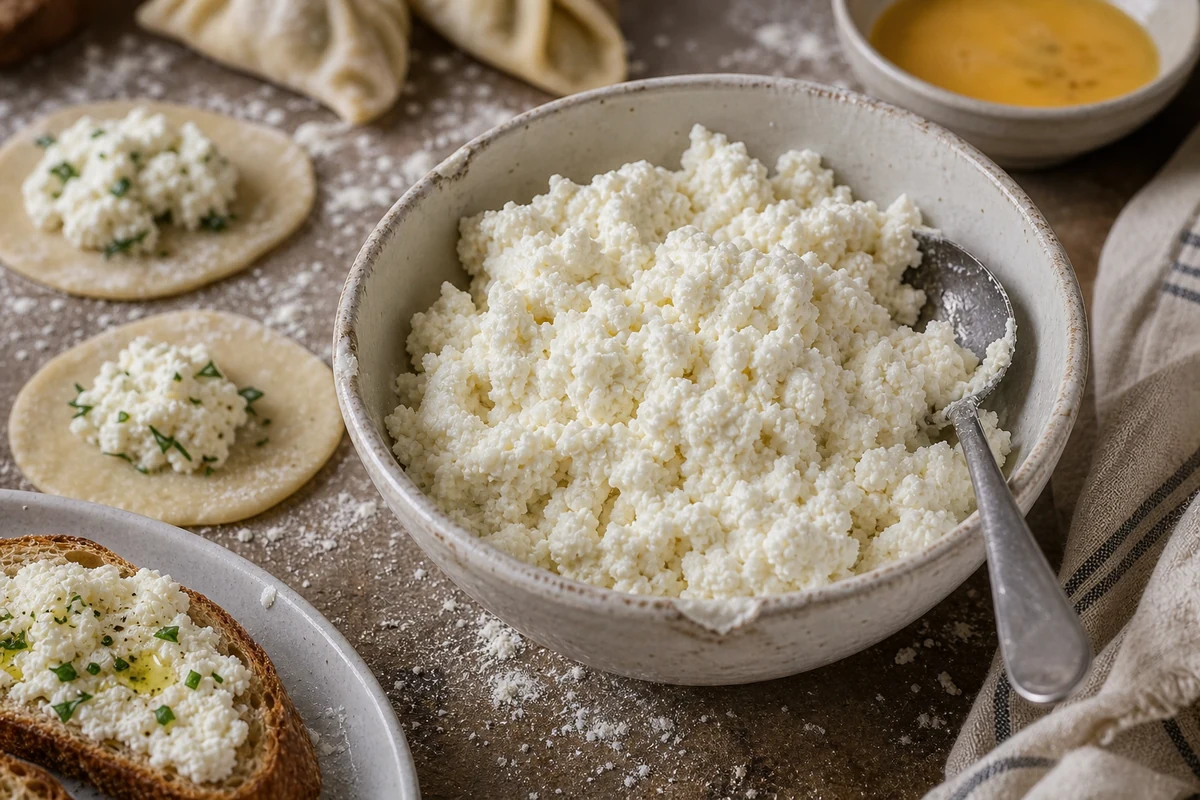
Cheese curds are not the same product as cottage cheese curds, which are smaller, wetter, and usually sold with cream or dressing. They also differ from ricotta because ricotta is commonly made by recovering proteins from heated whey rather than by selling milled cheddar curd pieces.
The irregular nugget shape is useful evidence. Perfect cubes suggest a finished block that was diced later, while genuine retail curds usually show rounded bends, torn edges, and pieces of different sizes from milling and handling.
- Make stage: Fresh curds are removed after cheddaring and cutting, before the curd is packed into blocks.
- Best age: Same day if possible, because the famous squeak fades quickly as the curd cools and relaxes.
- Color: White and orange versions both exist, with color usually reflecting annatto rather than a major flavor difference.
- Texture: Bouncy, moist, slightly rubbery in the best way, and distinctly different from a crumbly or aged cheese bite.
- Food culture: Strongly associated with Wisconsin snacking and Quebec poutine.
That fresh-stage identity is why curds cannot be reduced to another snack cheese format.
String cheese is a finished stretched-curd product, while cheese curds are an unpressed stage of a cheddar-style make.
Why Do Cheese Curds Squeak?

The famous squeak happens when the elastic protein structure rubs against your teeth. That sound and feel are strongest when the curds are still very fresh and have not spent too much time chilled or drying out.
Once the curds age, the flavor can still be good, but the squeak softens. That is why experienced buyers care about the make day more than almost any other fact on the bag.
Wisconsin Cheese describes the sound as elastic protein strands rubbing against tooth enamel. Fresh curds have a tight springy protein network, so each bite produces both audible squeak and resistance before the piece breaks down.
Time, moisture loss, acid development, and refrigeration change that network even when the curd remains pleasant and mild.
Temperature matters too. A cold curd can seem quiet because the cheese is tight from the refrigerator, while a room-temperature fresh curd can feel louder and springier.
Let only the portion you plan to eat warm for 20 to 30 minutes. Dairy Farmers of Canada gives a 20 to 25 minute warm-up for poutine curds, which is enough to remove the refrigerator chill without leaving the full bag on the counter.
Mild creaminess and light salt lead, while the real excitement lives in texture rather than deep flavor intensity.
- Best same-day feel: Room-temperature fresh curds usually squeak more clearly than fridge-cold curds.
- Next-day tradeoff: Refrigerated curds stay edible, but the bounce softens and the squeak weakens.
- Flavor: Fresh dairy and light cheddar notes matter, but texture is still the main reason to buy them.
- Heat effect: Frying or gravy softens the squeak on purpose, so those dishes need different curds from plain snacking.
That texture-first identity makes curds different from firm fresh paneer.
A crumbly fresh curd behaves differently too, because neither cheese is built around the same elastic squeaky stage.
If you want to judge fresh curds fairly, let a few pieces lose the refrigerator chill before tasting. Very cold curds can mute the squeak and make a good batch seem less lively than it really is.
The short rule is simple. Judge curds by feel before you judge them by deep flavor, because the best batch is usually more playful than complex.
A microwave can briefly revive some squeak, as Wisconsin Cheese notes, but gentle heat adjusts serving texture rather than making older curds fresh again.
Warm two or three pieces first and stop before they sweat or slump. If the trial pieces become oily, the remaining curds will be better used cold or added to a cooked dish.
Test squeak with a medium-sized piece rather than a tiny fragment because enough surface must press against the teeth to reveal the elastic resistance. A fresh curd may squeak loudly, softly, or mainly feel springy depending on its size, temperature, moisture, and the person eating it.
Fresh, Fried, or Poutine?

Cheese curds confuse shoppers because one name covers three different uses. Snack curds need maximum day-one squeak.
Wisconsin creamery counters made fresh curds a regional road-trip snack, while Quebec placed them at the center of poutine without limiting production to either place.
Poutine developed in Quebec during the twentieth century around fries, brown gravy, and fresh curds. The cheese must remain visible as separate pieces because that contrast distinguishes poutine from fries covered with ordinary shredded cheese.
Fried curds became closely associated with Wisconsin fairs, bars, and casual restaurants, where batter and hot oil turn a freshness product into a cooked snack.
Fried curds need enough firmness to survive batter and fryer heat, while poutine curds must soften under hot gravy without vanishing into the fries.
That is why the best bag depends on the use, not only on the calendar. A curd that feels perfect at room temperature on the ride home from the creamery may differ from the curd you want for restaurant-style frying.
Poutine needs yet another read, because the curd has to handle hot gravy and fries later that night.
For snacking, buy closest to the make. For frying, choose pieces that are still fresh but not so soft that they collapse in the batter.
For poutine, choose curds that can soften without turning into one melted sheet.
If you buy from a creamery counter, ask when the curds were made and whether they have already been chilled. That one answer tells you more than the flavor name on the bag.
For plain snacking, look for irregular pieces with taut surfaces and enough moisture to look fresh without sitting in liquid. A clean milk aroma and gentle salt should arrive before any sour, fermented, or stale refrigerator smell.
- Snack curds: Best when the squeak is still obvious, the salt is moderate, and the curds have not spent a full day dulling in the refrigerator.
- Fried curds: Slightly firmer curds often handle breading and fryer handling better because the outside can crisp before the center slumps.
- Poutine curds: You want curds that will soften under gravy but still hold distinct pieces against the fries.
- Color cue: White versus orange usually says more about annatto coloring than about age or quality.
Poutine receives heat from gravy rather than a fryer, so the ideal curd should squeak when tasted plain and then relax against the hot fries.
Dairy Farmers of Canada recommends bringing poutine curds toward room temperature before assembly. Hot gravy then warms the pieces quickly, while the fries provide structure underneath.
Curds that are too cold can stay rubbery while the fries soften. Curds that are very old or tiny may disappear into the gravy before you get the contrast of crisp potato, sauce, and distinct cheese pieces.
Fried curds need coating time to crisp before the inside runs, so slightly firmer pieces can be more useful than the softest same-hour curds.
Dry the surface before battering because excess whey interferes with coating adhesion and can make hot oil spit. Similar-sized pieces also finish more evenly, so reserve very small fragments for eggs, pizza, or a cook's snack.
Freshness still matters for fried curds, but a perfect squeak is less important because heat deliberately softens the protein network.
That is the real buying lesson. Do not ask only whether the curds are fresh.
Ask how you plan to serve them.
Should You Buy Plain or Flavored Curds?
Seasoned curds and convenience-store cooler curds can still be enjoyable, but they differ from fresh plain curds bought close to the make date. Flavor powders, garlic, dill, ranch seasoning, and smoke can all make sense after the squeak window starts to fade.
They are not worse when the main attraction has deliberately shifted from raw curd texture to snack flavor.
The same thing happens with cooler bags sold on long road trips. They can still be fun, but they are not the same cheese event as room-temperature creamery curds eaten within hours.
Use plain curds when you want to learn the cheese. Use seasoned curds when you want the snack.
- Plain fresh curds: Best for judging squeak, dairy sweetness, and true curd-stage texture.
- Seasoned curds: Best when the goal is road-trip snacking and the seasonings are part of the appeal, not a distraction.
- Cooler curds: Still useful for snacking or cooking, but they rarely show the same springy room-temperature bite as just-made curds.
- Shopping consequence: If someone says they do not understand curd hype, there is a good chance they have only tried the colder later-window version.
That is the gap many first-time buyers miss. Curds are not one stable supermarket product.
They are a freshness-driven cheese that changes personality faster than well-stored firm wedges ever will.
Buy plain curds first when you are judging a producer because garlic, dill, ranch powder, smoke, and chile can hide differences in milk flavor and make date. Seasoned curds are a better choice when the flavoring itself is the reason for the purchase.
Read the packed or made-on date rather than relying only on a use-by date that may describe safety and packaging long after peak squeak has faded.
A creamery can sell warm same-day curds with no long distribution journey, while a supermarket needs refrigeration and packaging that support transport. Judge each product against what it promises instead of assuming every sealed bag should perform like curds eaten beside the vat.
Choose larger pieces for poutine because they remain distinct under gravy, and medium pieces for frying because similar sizes cook evenly. Mixed bags are fine for snacking, where variation makes the texture more interesting.
Inspect the bag for excess liquid, swollen packaging, or a broken seal because pooled whey combined with sour odor or slippery curds is not a freshness advantage.
Seasoning should smell recognizable and fresh rather than masking sour dairy. Garlic and chile can be assertive, so check an unseasoned piece when the bag includes one before deciding whether the underlying curd is still in good condition.
Online orders can deliver useful curds for cooking, but transit makes same-hour squeak unlikely. Choose insulated cold shipping, refrigerate the package promptly, and plan poutine or frying if the texture arrives quieter than expected.
For a road trip, keep the main bag cold and portion a small amount for immediate eating to avoid repeated warming and chilling.
How to Store and Rewarm Cheese Curds

Cheese curds force a small compromise. Food safety asks you to keep them cold, while texture asks you to enjoy them before the refrigerator dulls the bounce.
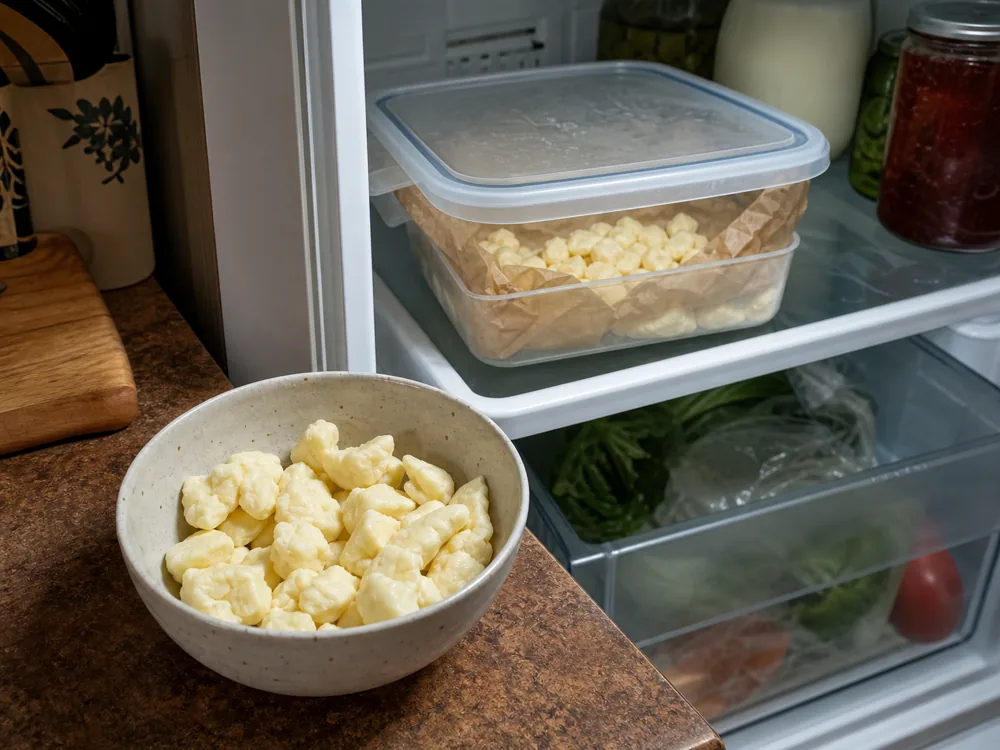
Plan to buy curds near the day you want them, keep them chilled, and let only a small serving warm briefly before tasting.
Store curds in their sealed package or a clean airtight container at the temperature printed on the label. Keep them away from strong-smelling food because their mild dairy flavor makes absorbed refrigerator odors easy to notice.
Peak squeak and safe shelf life are separate questions because a refrigerated use-by period may extend well beyond the first day or two of springy texture.
Follow the printed date and storage instructions for safety, then choose the serving method according to texture. Quiet but clean curds can move into hot food without pretending they still offer the same-day experience.
- Same-day curds: Eat them plain first so you can feel the full squeak before cooking changes the texture.
- Next-day curds: Use them for poutine, frying, or warm snacks where the lost squeak matters less.
- Older curds: Treat them as mild cooking cheese once the bounce and surface moisture fade.
- Reheating: Warm gently if you must, because aggressive heat turns the pieces rubbery or oily fast.
Freezing is a last resort for curds. It can preserve usable cheese, but it does not preserve the fresh squeak that made the bag special.
Freeze only when cooking value matters more than texture because ice crystals damage the protein network and make thawed curds better for casseroles, eggs, pizza, or poutine.
To rewarm refrigerated curds, start with a small room-temperature portion. If you use a microwave, heat for only a few seconds, check the texture, and avoid pushing the cheese into an oily melt.
Do not leave the entire bag out merely to improve squeak when one serving can warm while the remaining curds stay covered and cold.
If you already missed the peak window, shift the plan instead of fighting the cheese. Older curds can still make good fried curds, poutine, eggs, or quick snacks, but they should not be judged against a same-hour bag.
Discard curds with a broken cold chain, mold, swollen packaging, persistent sour odor, or a slimy surface. Cooking does not turn spoiled fresh cheese into a safe ingredient.
What Can Replace Cheese Curds?
The best substitute depends on whether you needed squeak, fresh dairy bite, or a mild fryable cheese. No replacement copies all three.
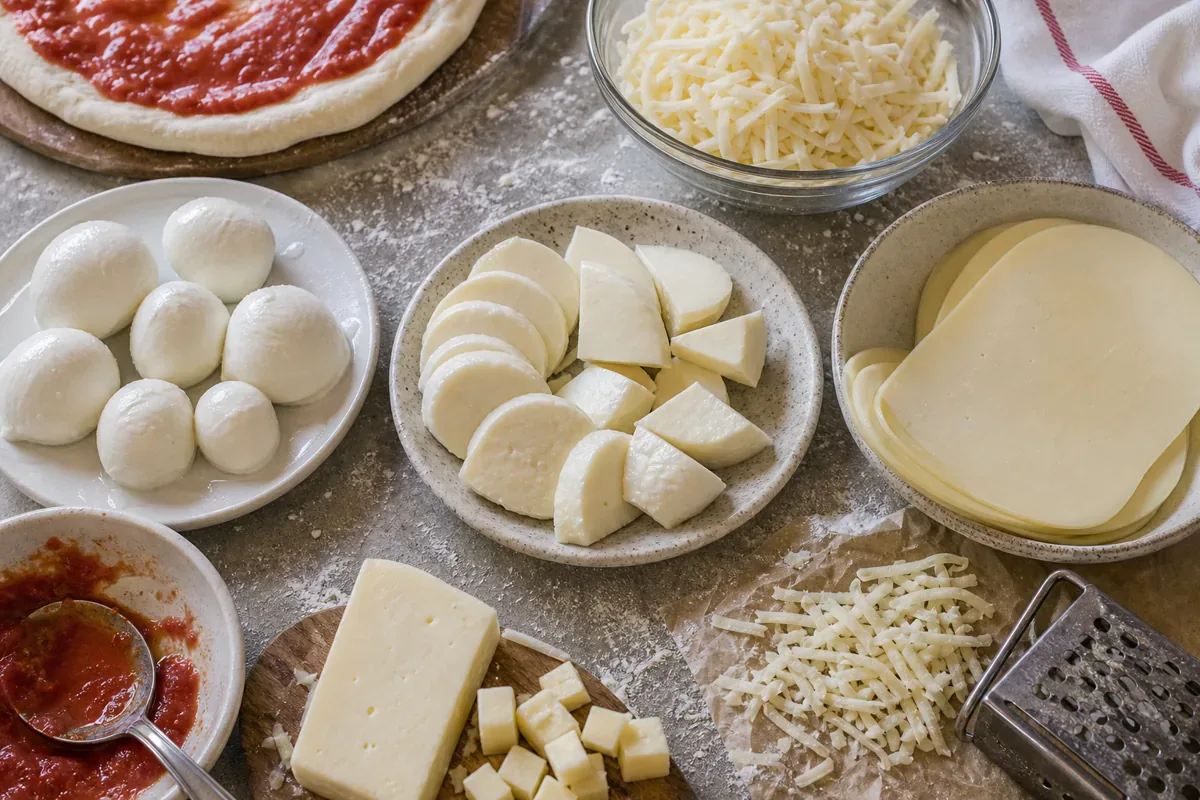
For poutine, low-moisture mozzarella cut into larger chunks is usually the most practical replacement because it softens under hot gravy without bringing a strong aged flavor.
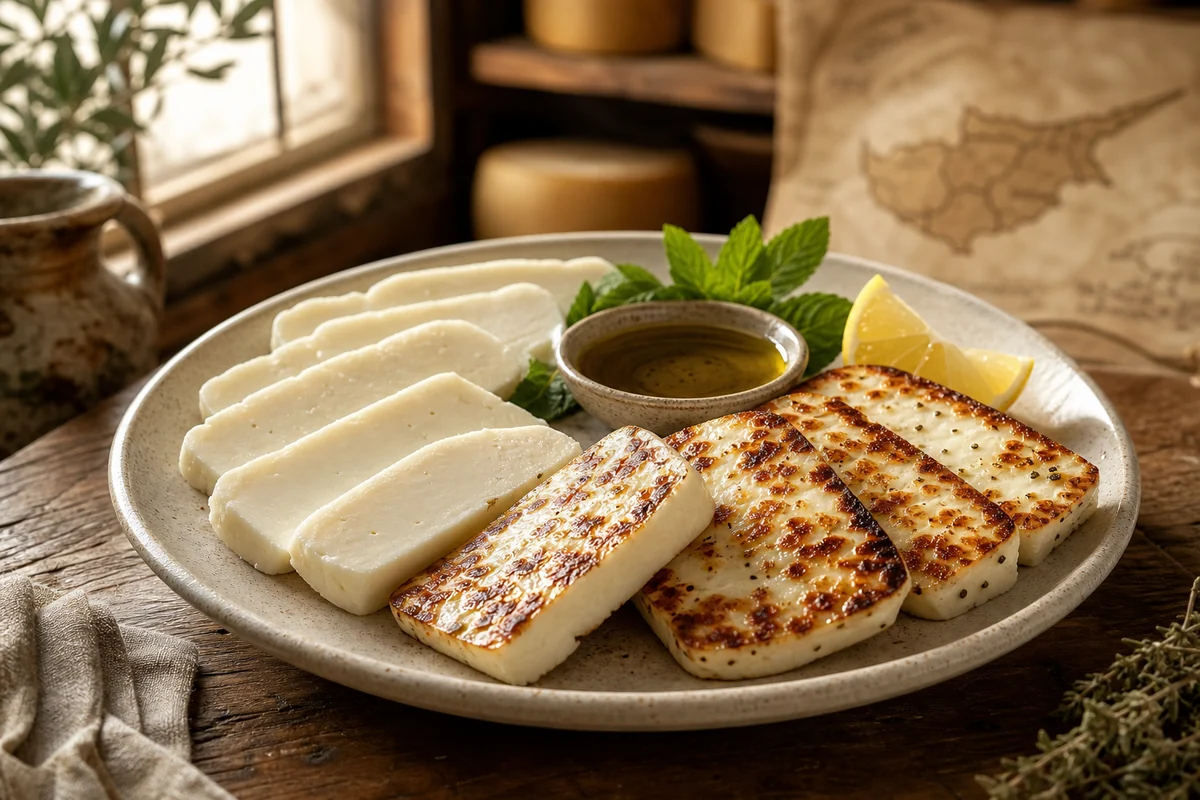
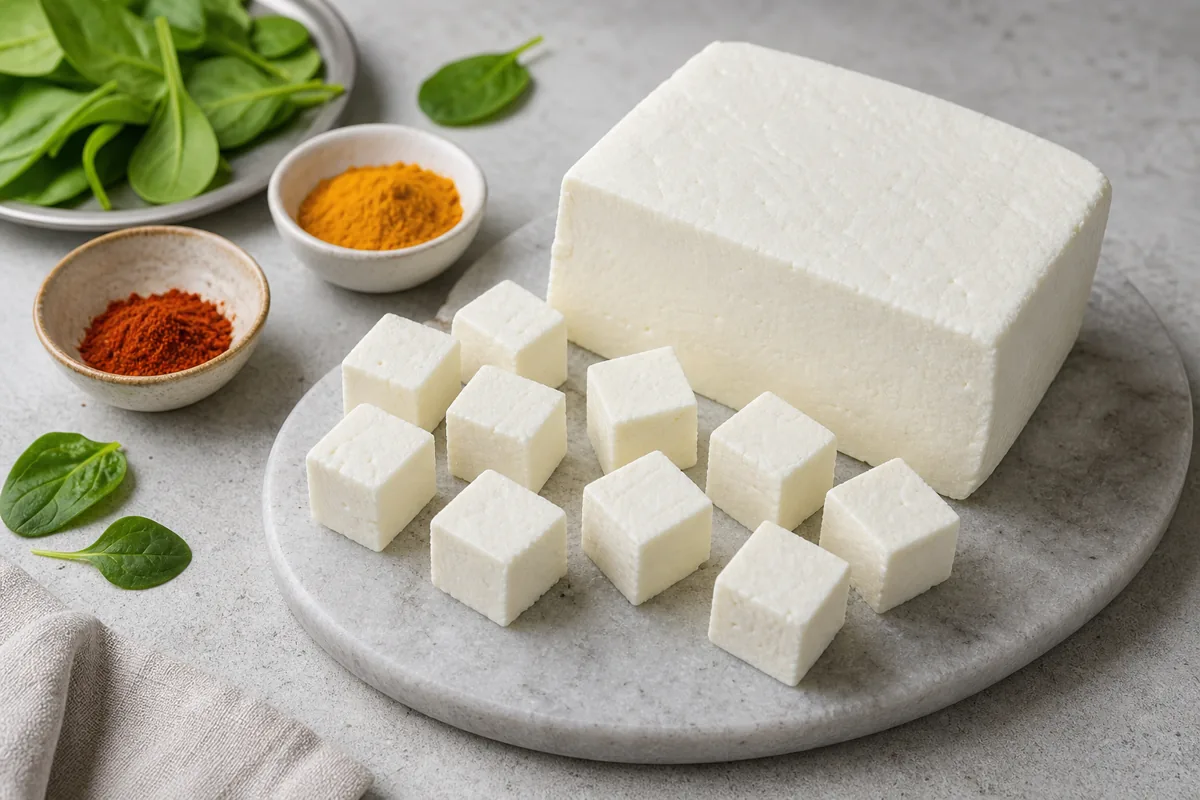
For frying, halloumi holds its shape better but tastes saltier and denser. Paneer is milder and stable in heat, though its crumbly firmness lacks the springy cheddar-curd bite.
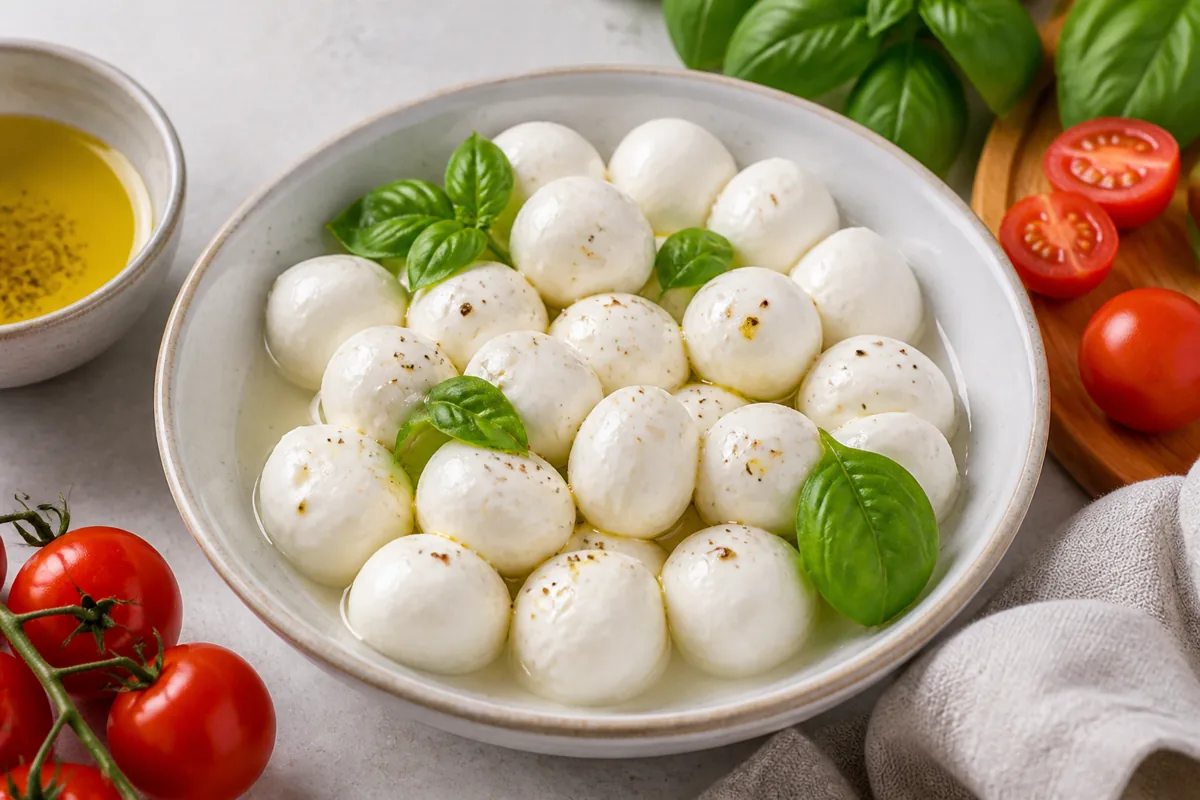
For plain snacking, very young cheddar covers mild dairy flavor while bocconcini supplies moisture, but neither reproduces the elastic squeak of fresh cheddared curd.
- Paneer: Best when you need a firm fresh-cheese bite that can hold together in cooking, though it will not squeak the same way.
- Queso fresco: Best when the real need is mild fresh-cheese presence rather than elastic texture.
- Small mozzarella pieces: Best when you want mild fresh-cheese bites, though the texture is softer and less squeaky.
- low-moisture mozzarella blocks: Best when the dish wants mild dairy flavor and some pull, but not the curd-stage bounce.
- Halloumi: Best when the recipe needs a firmer fryable cheese, though the flavor and salt are much stronger.
The tradeoff is simple. Curds are about freshness-window texture first, so most substitutes can cover cooking behavior or mild flavor, but not the exact squeaky bite.
Choose the replacement by the feature the dish actually needs. Poutine needs pieces that remain distinct under gravy, fried snacks need heat resistance, and a cold snack needs clean fresh milk flavor.
Shredded cheese is a poor poutine substitute when the contrast of separate curds matters because it forms a continuous melted layer over the fries.
If you want the same milk in aged form, sharp Cheddar blocks show the finished direction.
If heat resistance matters more than squeak, halloumi provides a firmer frying cheese.
Are Cheese Curds Pasteurized?
Cheese curds are a moderately rich fresh cheese, so they land in the same general nutrition neighborhood as young cheddar-style cheese but with a higher-moisture feel. They are easy to overeat because the flavor is mild and the bite is so snackable.
Many commercial curds use pasteurized cow's milk, but pasteurization remains a product-level fact that you must check on the package or with the creamery.
The same rule applies to rennet, cultures, color, and seasonings because recipes vary by producer. Orange curds may contain annatto, while flavored bags can add meaningful sodium beyond the plain curd.
- Good protein: Curds still bring meaningful protein, which is one reason they work as a snack beyond novelty value.
- Moderate salt: Fresh curds are usually milder than very salty brined cheeses, but enough salt is present to matter if you eat a lot at once.
- Fresh-cheese caution: Pasteurization and cold handling still matter because this is a high-moisture young cheese.
- Fried versions change the picture: Once battered and fried, the nutrition profile shifts fast because the dish is no longer just the curd itself.
If you are buying curds for kids, road trips, or game-day frying, portion them like a snack cheese rather than a side dish. The mild flavor makes a full bag disappear quickly.
The approximate per-ounce numbers above describe plain curds rather than a universal label because milk fat, moisture, salt, seasoning, and manufacturer all change the values.
A one-ounce serving is only a small handful, so weigh or portion from a large bag when nutrition matters. Curds are easy to eat continuously because their mild salt and irregular bite do not create an obvious stopping point.
Battered fried curds add flour or starch and frying oil, while poutine adds fries and gravy. Compare the finished dish with the plain-curd label rather than treating them as nutritionally interchangeable.
Curds still contain milk proteins even when lactose is low enough for some people to tolerate. Anyone with a milk-protein allergy needs to avoid them, and people managing lactose intolerance should follow the current product label and their own medical guidance.
For pregnancy, choose a pasteurized product, maintain refrigeration, observe the use-by date, and follow current local medical advice for fresh high-moisture cheese.
SOURCES & REFERENCES
Cheese Curds FAQ
These are the quick shopper questions that usually come up when someone wants curds for the first time.