Bossa peaks at 8 to 9 weeks by its producer's account and at 10 to 12 weeks by Culture magazine's.
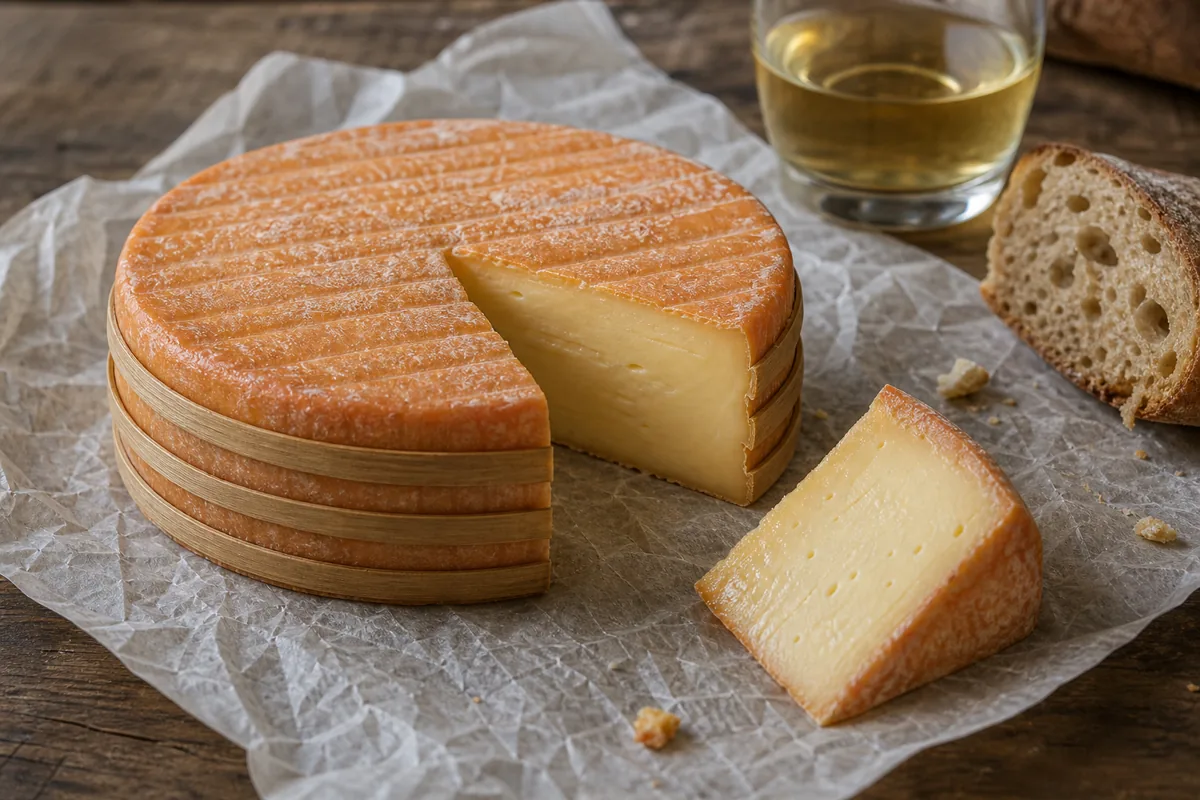
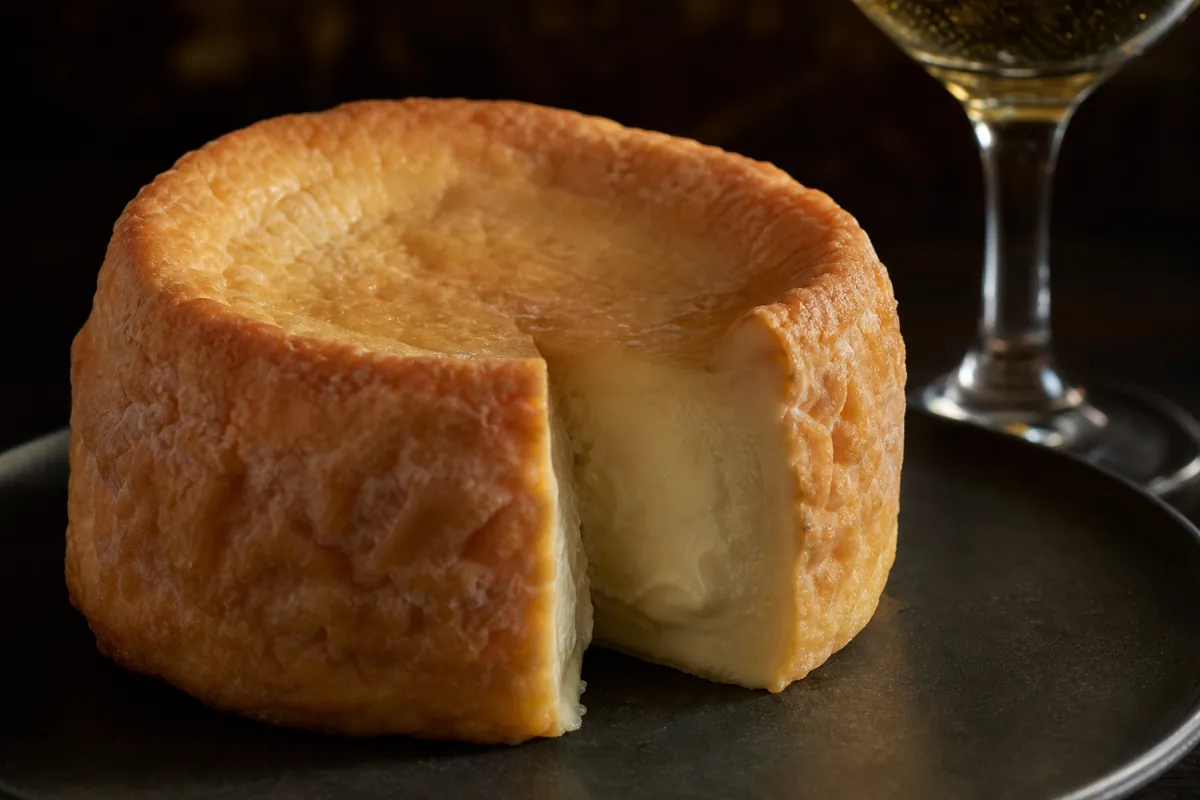
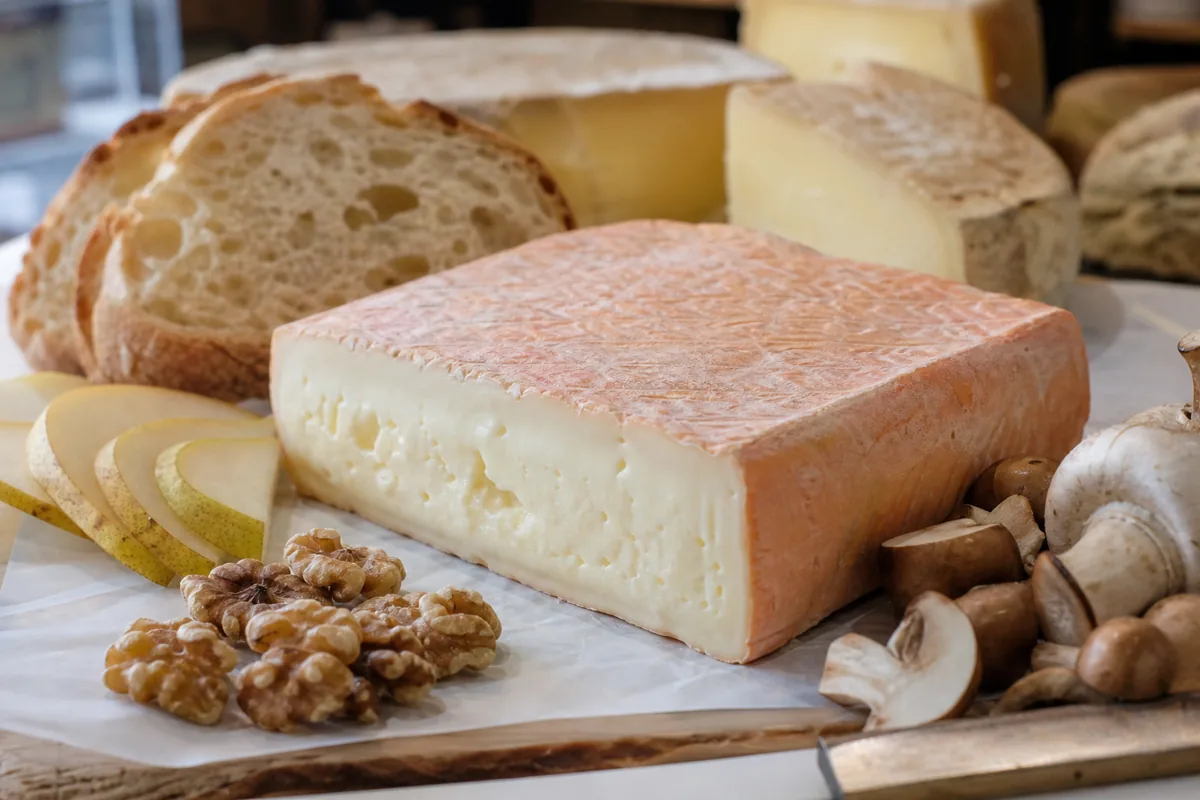
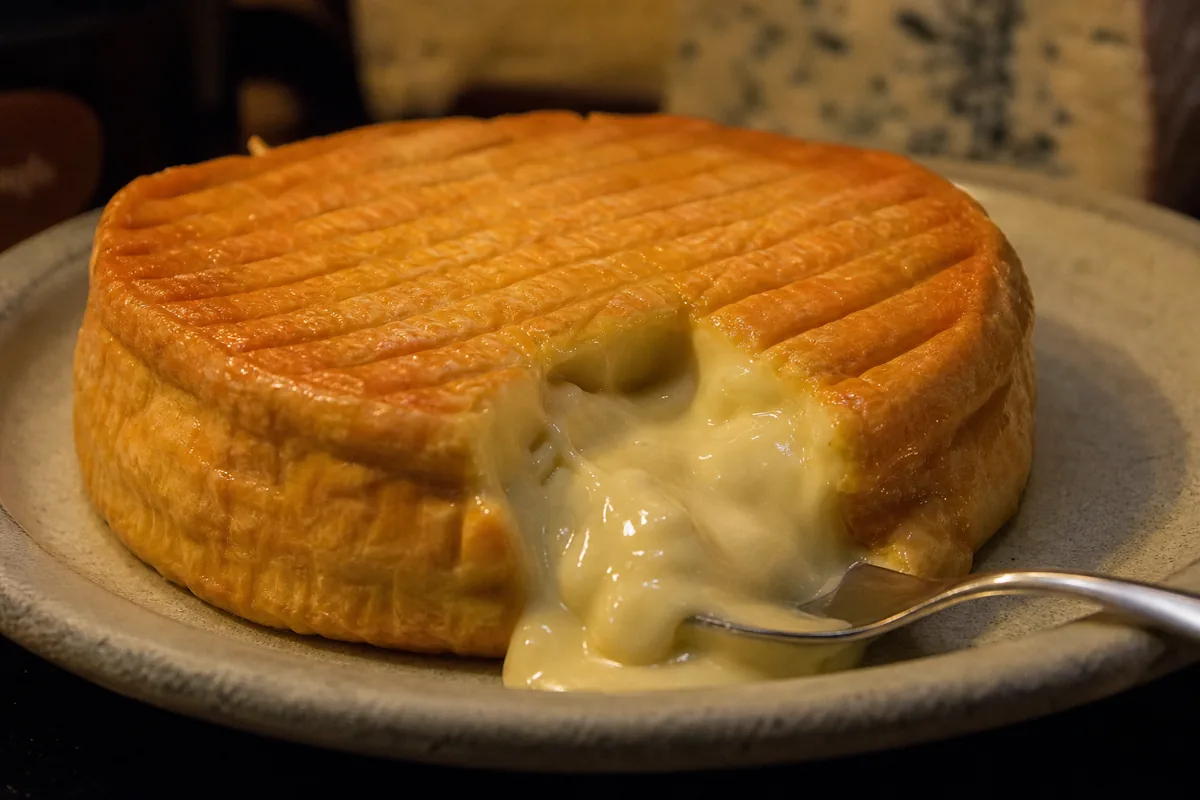
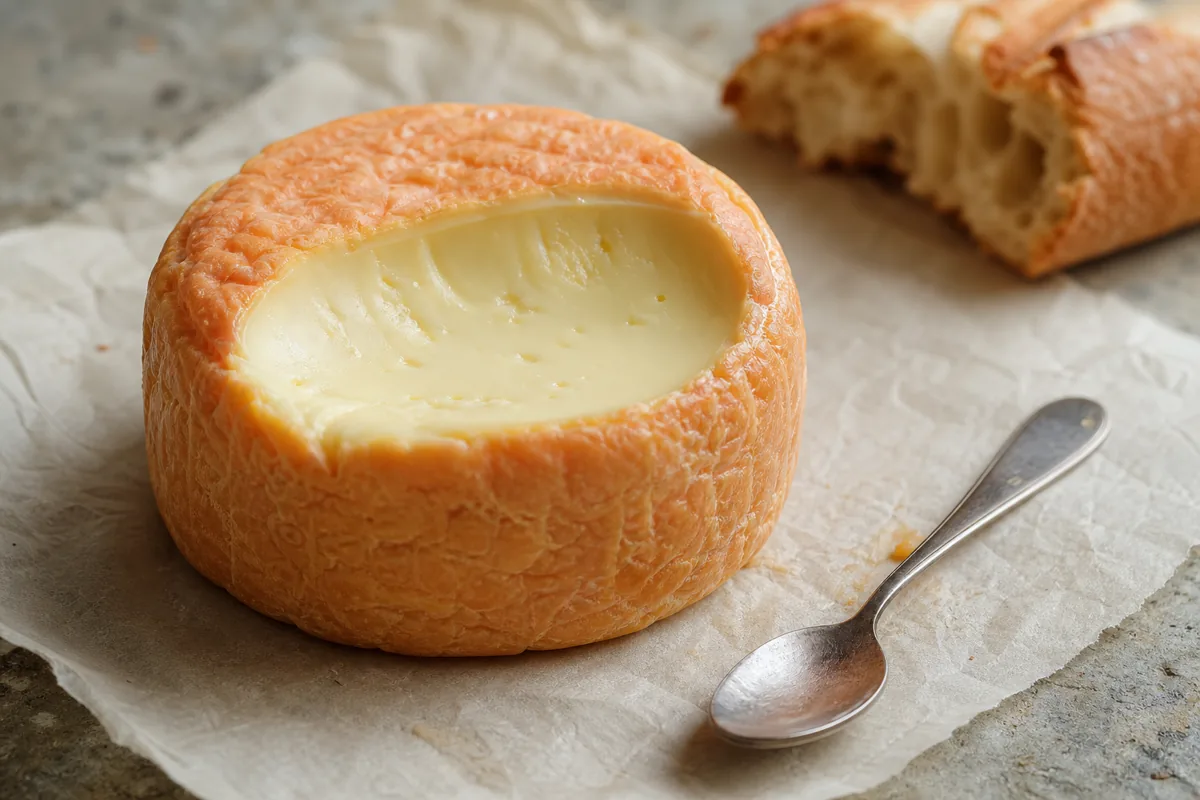
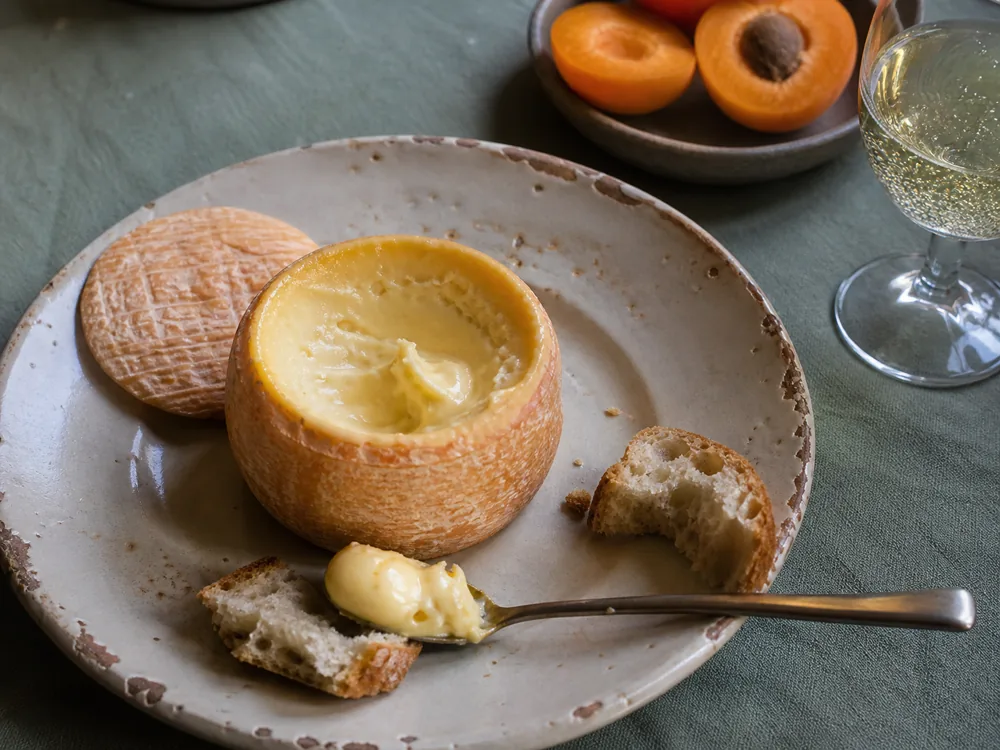
It is Green Dirt Farm's signature washed-rind sheep cheese, made in Weston, Missouri from pasteurized sheep milk. A ripe piece has a cream-to-orange rind and a center the farm says to spoon out.
Green Dirt Farm compares the flavor to beef broth or bacon with buttery or nutty undertones, while Culture magazine calls the aroma "gloriously funky."
In This Article
What Is Bossa Cheese?
Green Dirt Farm calls Bossa its signature sheep milk cheese and its very first cheese style. Culture counts it among America's very few washed-rind sheep's milk cheeses.
The farm sits in Weston, about 40 minutes north of Kansas City.
The producer says the recipe takes inspiration from the torta cheeses of Spain and Portugal and from the French cheese Epoisses.
- Maker: Green Dirt Farm
- Place: Weston, Missouri
- Milk: Pasteurized sheep milk (Cheese.com, Culture)
- Style: Washed-rind
- Piece size: At least 6 ounces from the farm
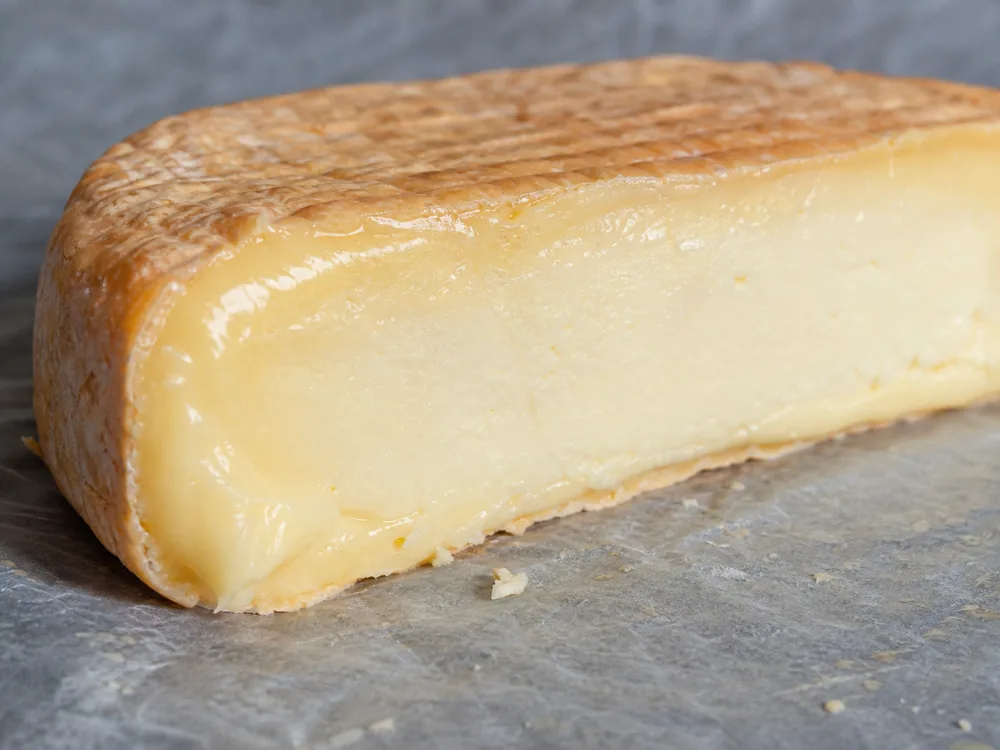
Sources label the texture differently. Green Dirt Farm calls it soft and silky with a custard-like center, Culture lists it as semi-soft with a gooey, almost spoonable paste, and Cheese.com lists it as semi-soft, creamy, firm and spreadable.
How Does Brine Washing Build the Orange Rind?
Cheese Connoisseur's profile of the farm describes a washed rind as one where brine, sometimes with added cultures, or spirits are applied to the surface as the cheese ripens.
Bossa's small wheels are turned and washed with a brine solution daily during at least six weeks of aging in Culture's description, while Green Dirt Farm's sell sheet gives a lighter schedule of two or three washes per week.
Culture says the result on Bossa is a cream-to-orange rind. A 2009 review on the Many Fold Farm blog describes one reviewer's wheel: an orange rind the reviewer found gritty, with streaks of blue and white mold, and a smell compared to a milking parlor.
When Is Bossa at Its Peak?
By Green Dirt Farm's count, Bossa is aged for five weeks before it is wrapped and reaches its peak flavor and texture at 8 to 9 weeks, while Culture lists at least six weeks of aging and a peak at 10 to 12 weeks.
At that peak Culture describes a gooey, almost spoonable paste, especially in fall when the sheep's milk is very rich.
| Point | Green Dirt Farm | Culture magazine |
|---|---|---|
| Before wrapping or minimum aging | Aged five weeks before wrapping | At least six weeks of aging |
| Peak | 8 to 9 weeks | 10 to 12 weeks |
| Piece size | At least 6 ounces | 7 ounces, 3.25 inches across and 1 inch high |
Both windows describe the spoonable stage, so a piece younger than 8 weeks may not scoop the way the farm describes. Ask the seller how old the piece is, and judge the paste by texture before you decide to spoon or slice it.
Which Awards Has Bossa Won?
The Pitch reported that Bossa won the gold medal in the washed-rind sheep's milk category at the 2009 ACS competition in Austin, Texas. That was the first year the farm's cheesemaker entered the competition.
The ACS's 2019 results list Bossa in third place among original recipes made from sheep's milk. Green Dirt Farm says it has earned awards in that category for four consecutive years.
The two dated results come from different categories, so they judge the recipe rather than the ripeness of any piece you buy.
How Do You Serve Bossa?
To serve Bossa the way Green Dirt Farm suggests, cut off the top and spoon the creamy center onto a crusty baguette.
You can eat the rind as well, since the farm says it is safe to eat. If you skip it, the farm says to still eat the paste just under it, where most of the flavor sits.
Green Dirt Farm says to let a newly cut piece sit out of its wrapper for about 30 minutes so it reaches room temperature and releases some of its smell.
Can You Cook with Bossa?
If you want to cook with Bossa, Green Dirt Farm suggests five dishes, from a frittata to a mushroom risotto.
| Use | How It Works |
|---|---|
| Frittata | With potatoes, mustard greens and bacon. |
| Polenta | Melted over polenta. |
| Mashed potatoes | Melted over mashed potatoes. |
| Grilled cheese | With peach preserves. |
| Mushroom risotto | Bossa in a risotto with mushrooms. |
The farm's grilled cheese idea uses peach preserves, which echo the stone fruit it suggests on the plate.
What Should You Drink and Eat with Bossa?
For a drink both sources back, pick sparkling wine, dessert wine or hoppy beer, the three that overlap in the pairing lists Green Dirt Farm and Culture each publish.
| Pairing | Why It Works |
|---|---|
| Sparkling wine or Champagne | Both sources: Green Dirt Farm says sparkling wine, Culture says Champagne. |
| Dessert wine | Both sources. |
| Hoppy beer | Both sources. |
| Stone fruit | Green Dirt Farm only. |
| Tomato chutney | Green Dirt Farm only. |
| Fruit compotes | Culture only. |
| Good bread | Culture; Green Dirt Farm names crusty baguette. |
| Charcuterie | Culture only. |
Where Can You Buy Bossa?
Expect to search for Bossa: the farm can only make it at certain times of year and cannot mass produce it. Zuercher & Co., a cheese distributor, lists it as no longer available, so what you find depends on the seller and the season.
How Long Does Opened Bossa Last?
Green Dirt Farm tells customers to keep its cheeses in the refrigerator and to enjoy them within the first two weeks after opening. That advice covers its soft-ripened sheep cheeses in general, not Bossa alone.
Does Bossa Contain Allergens or Lactose?
If you have a milk allergy, avoid Bossa. Cheese.com and Culture both list it as made from pasteurized sheep's milk, and it is still a milk product.
If you need to limit lactose, ask the producer about Bossa.
Can You Eat Bossa When Pregnant?
The CDC says pregnant women are 10 times more likely to get a Listeria infection. It lists soft cheese made from unpasteurized (raw) milk as riskier and pasteurized soft cheeses heated to an internal temperature of 165 degrees F or until steaming hot as safer.
The NHS puts pasteurised soft cheeses, such as cottage cheese, mozzarella, feta and halloumi, on its safe-to-eat list. It separately says pasteurised or unpasteurised mould-ripened soft cheeses with a white coating on the outside, such as brie, camembert and chèvre, must be thoroughly cooked.
Served cold, Bossa is described as a pasteurized soft, semi-soft or firm cheese, a type the CDC list does not cover, so ask a midwife or doctor.
What Can You Substitute for Bossa?
If you cannot find Bossa, decide which part of it you most want to keep, because no single cheese copies the washed rind, the spoonable center and the sheep milk together.
Epoisses is the closest match for a strong orange rind on a soft cheese, but Cheese.com lists it as unpasteurized cow's milk, which changes the milk and the pregnancy question.
| Cheese | What it shares with Bossa | What differs |
|---|---|---|
| Epoisses | Soft, smear-ripened, washed rind with a red-orange hue | Unpasteurized cow's milk, rind washed in Marc de Bourgogne (Cheese.com) |
| Taleggio | Semi-soft washed rind, turned and washed with brine, and it melts easily | Cow's milk from Lombardy with a thin pinkish-beige rind (Cheese.com) |
| Langres | Orange-brown rind washed in brine | Unpasteurized cow's milk, cylindrical, and a slightly soft, crumbly texture (Cheese.com) |
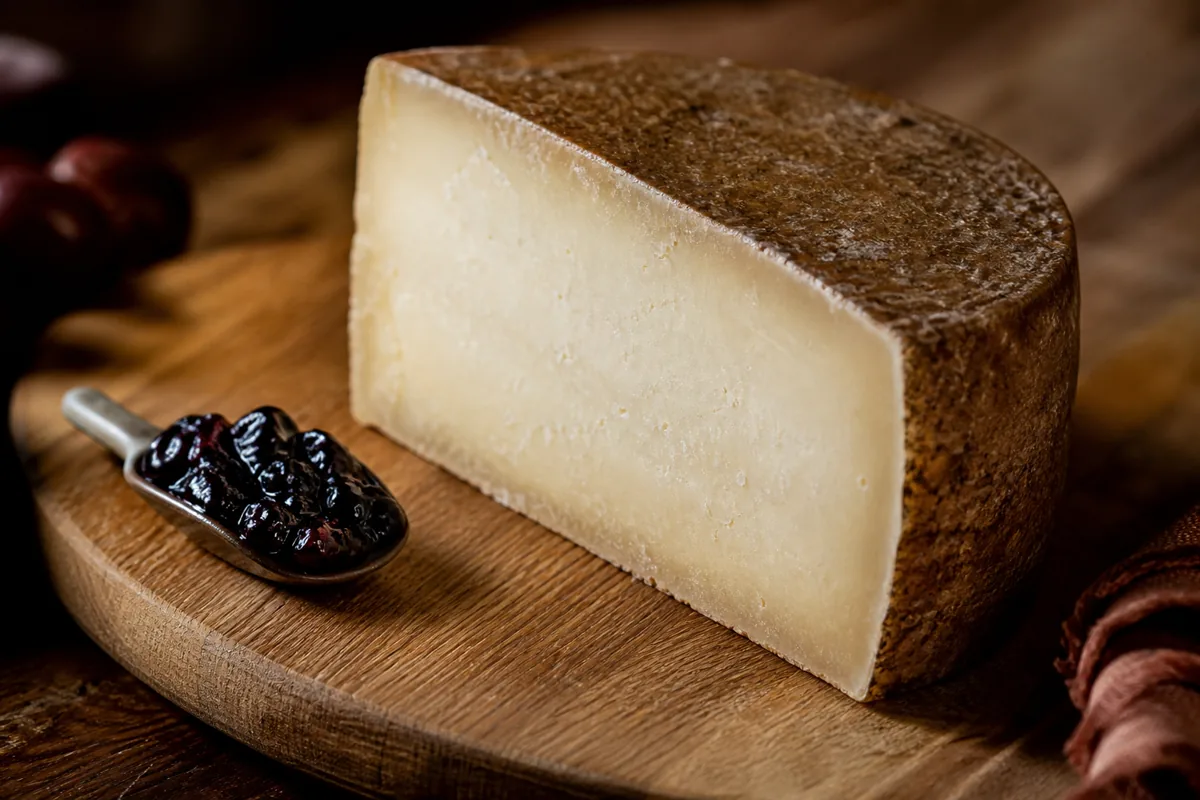
| Ossau-Iraty | Sheep's milk | Natural rind and a smooth, dense but supple texture (Culture) |
Taleggio is the pick when you want a washed rind that melts, since Cheese.com lists risotto, grilled cheese and pizza among its uses.
Ossau-Iraty keeps the sheep milk but not the soft, spoonable center, so choose it only when the milk matters more than the texture.
SOURCES & REFERENCES
What Else Do People Ask About Bossa Cheese?
Green Dirt Farm describes a meaty flavor like beef broth or bacon, with buttery or nutty undertones and a delicate honey-nectar sweetness. Culture describes a meaty flavor overlaid with floral honey nectar.
Yes. Green Dirt Farm says the rind is safe to eat, and that anyone who skips it should still eat the paste just under it because that is where most of the flavor is.
Green Dirt Farm places peak flavor and texture at 8 to 9 weeks, while Culture places it at 10 to 12 weeks. Both describe a soft, spoonable paste at that stage.
Cut off the top and spoon the center onto crusty baguette, as the producer suggests. Let a newly cut piece sit out of its wrapper for about 30 minutes first.
Cheese.com and Culture both list it as made from pasteurized sheep's milk.
Green Dirt Farm advises enjoying its cheeses within the first two weeks after opening and keeping them refrigerated. That advice covers its soft-ripened sheep cheeses in general.