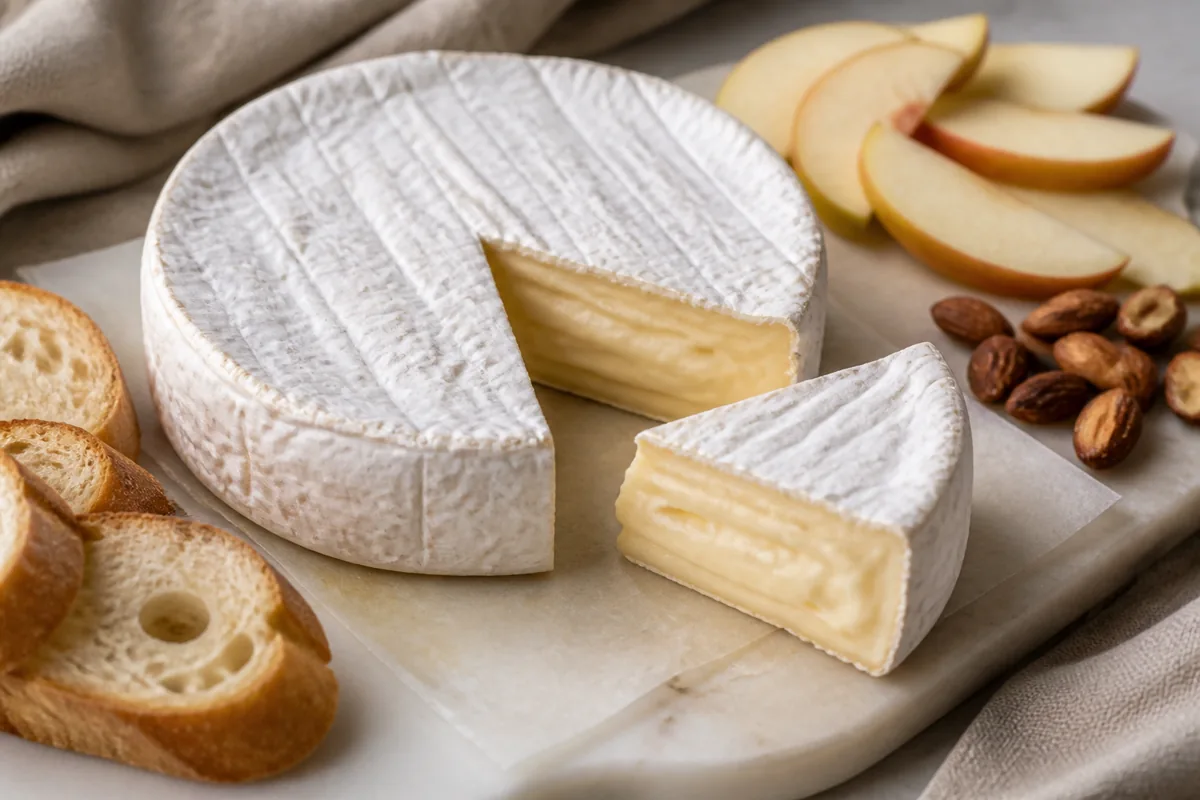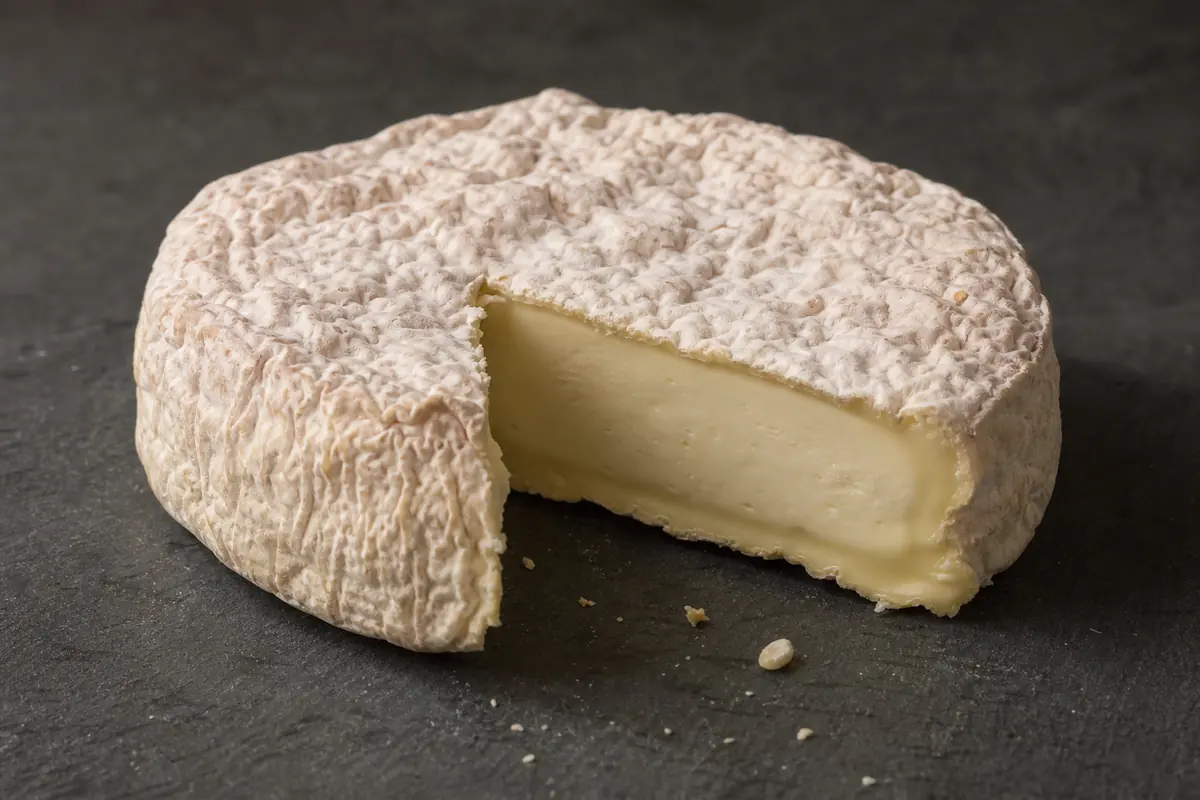
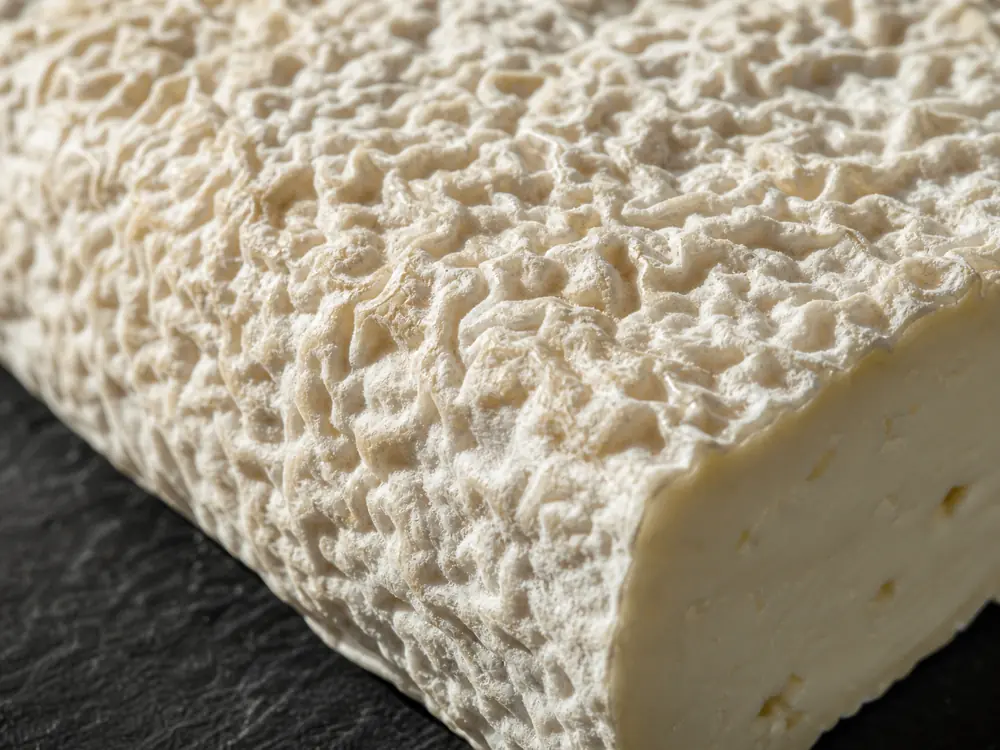
Cremont is a double-cream cheese that Vermont Creamery makes from pasteurized cultured cow milk, goat milk and cream. It is a small cylinder under a cream-colored rind folded into the “brain-like” wrinkles that the producer credits to Geotrichum candidum.
The producer, Culture and the reviewers agree on the milk, the rind and the smooth interior, and describe the milk's origin in two different ways, and only Cheese.com gives a ripening time.
In This Article
What Is Cremont Cheese?
Vermont Creamery sells Cremont in one size, 5 ounces, and describes it as “double-cream aged cow and goats' milk cheese with a unique cream color rind and luxurious, smooth interior.” The name is short for “Cream of Vermont.”
Culture magazine's cheese library says the creamery blends and pasteurizes the milk and cream, adds starter cultures, lets the milk set overnight and shapes the curd by hand into small cylinders about 2 inches across and 1 inch high.
Culture says the goat milk comes from Vermont dairies with long-term ties to the creamery and the cow milk from a cooperative of 500 family dairy farms in northern Vermont. Vermont Creamery's FAQ describes it differently: it buys its cows' milk and cream from Dairy Farmers of America, a national milk cooperative, and its fresh goats' milk from farms in Vermont and Canada.
Both accounts put the cow-milk farms in Vermont, and Culture names Vermont goat dairies for Cremont itself, while the FAQ's mention of Canada sits in an answer about the creamery's fresh goats' milk in general.
Cheese.com says the cheese is produced in Websterville, Vermont, and Culture puts the creamery near that town, so the place of making is firm even where the milk supply is described differently.
The producer's ingredient line reads pasteurized cultured cows' and goats' milk, pasteurized cream, salt and enzymes. Gourmet Dash's blurb describes goat milk and cow cream, but its own ingredient line matches the producer's, with both cows' and goats' milk, so the label is the better guide to what is in the wheel.
The producer's page lists these World Cheese Awards results for Cremont.
- 2025: Gold
- 2024: Bronze
- 2023: Bronze
- 2022: Silver
The same page lists a 2014 second place from the American Cheese Society, a Gold in 2022 and a Silver in 2024 from The Big E, a 2022 Good Food Awards win and a 2023 Gold from the International Cheese & Dairy Awards.
The World Cheese Awards entries alone run from Bronze in 2023 and 2024 to Gold in 2025, so a medal records one year's judging at one competition and does not fix a standing for the cheese.
What the Milk Blend Tastes Like
Gourmet Dash credits the tang to goat's milk and the richness to cow butterfat, while Culture, Cheese Notes and Say Cheese! each name a tang of their own.
Say Cheese! says that adding cow's milk and cream “tempers the wild goat flavor,” leaving a taste that is “tangy and tart but not overwhelmingly sharp.”
Vermont Creamery's FAQ says goat cheese is not necessarily funkier than cows' milk cheese, because flavor begins at the farm and goats absorb their environment. That is a general statement about goat milk, not a Cremont measurement.
Cheese Notes, a blog by a cheesemaker, says Murray's describes Cremont as closer to a robiola than to a traditional French goat's milk cheese. The writer was also reminded of Robiola Bosina and Roccaverano.
Gourmet Dash puts it “somewhere between a brie and a goat cheese.”
| Source | Paste | Flavor |
|---|---|---|
| Vermont Creamery product page | “Luxurious, smooth interior” | Not described |
| Culture cheese library | “Delicate, soft and yielding” | “Slightly tangy and nutty,” with hints of crème fraîche, hazelnuts and butter |
| Gourmet Dash | “Silky double-cream delight” | “Bright tangy flavors of goat's milk” with the richness of cow butterfat |
| Cheese Notes tasting | “Buttery, rich paste” | Hay, hazelnut and mushroom, with a goaty bite balanced by milky sweetness |
| Say Cheese! review (April 2026) | “So soft it's almost squishy” | Nuts, cream, butter and mushrooms, with “a tiny hint” of funk |
What the Wrinkled Rind Tells You
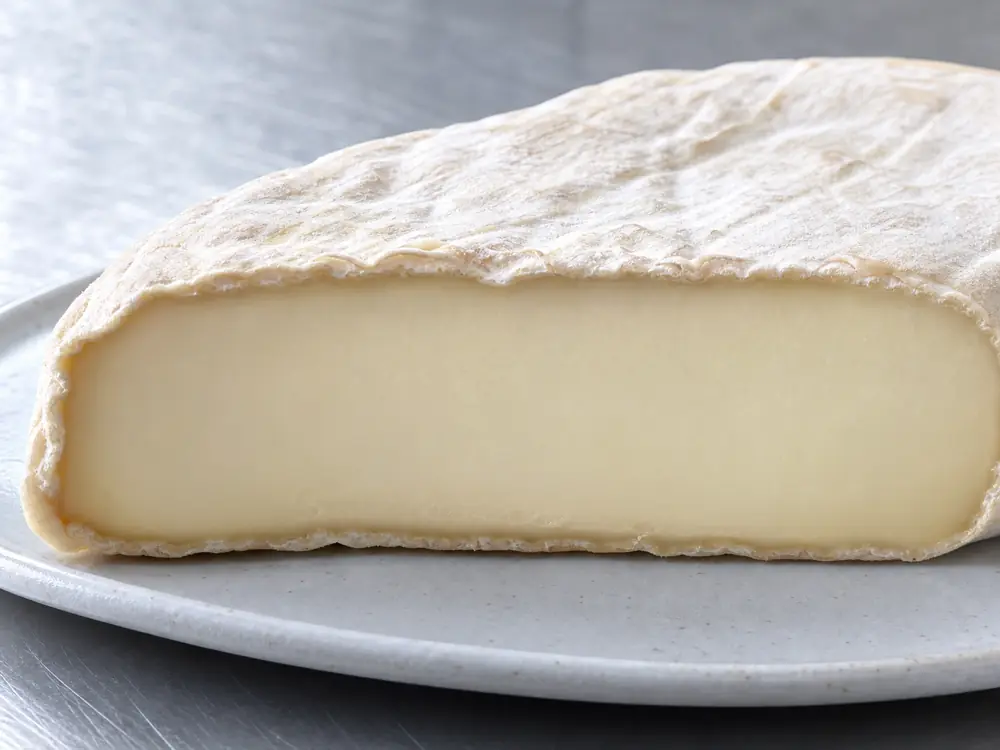
Vermont Creamery says its aged cheeses are soft mold-ripened with a geotrichum rind, and that Geotrichum candidum is the culture it uses to grow the distinctive “brain-like” wrinkles. The folds are the intended result of that culture.
Culture's order of steps puts drying first: the shaped cylinders spend 24 hours in a drying room that removes surface moisture and encourages mold growth, then move to an aging room that Culture calls the ideal environment for Geotrichum.
Cheese.com says a special mixture of yeast and mold is added during maturation and gives Cremont a unique flavor, so the rind culture is credited with taste as well as looks.
Say Cheese! saw a “criss-cross-patterned, tender rind” in an off-white shade around a “fluffy snow-colored interior,” and Gourmet Dash says the rind is “thinner than a traditional brie, allowing it to simply melt away.”
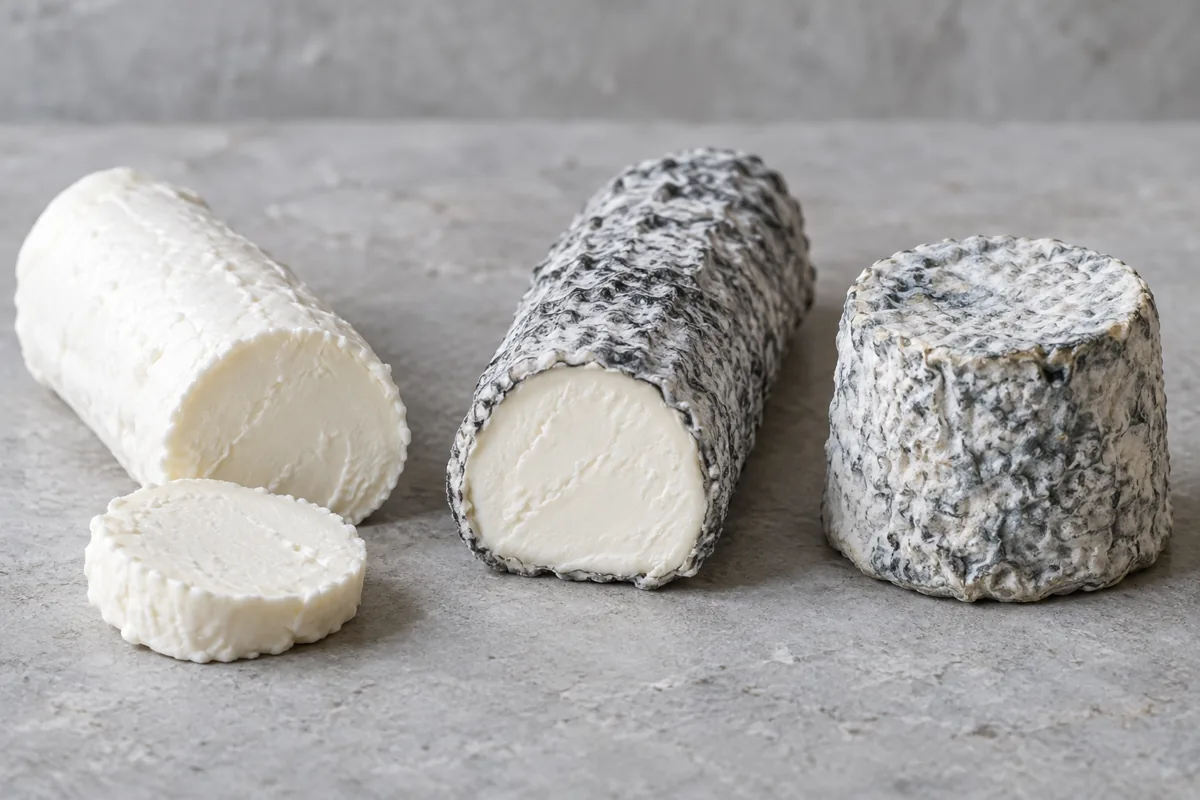
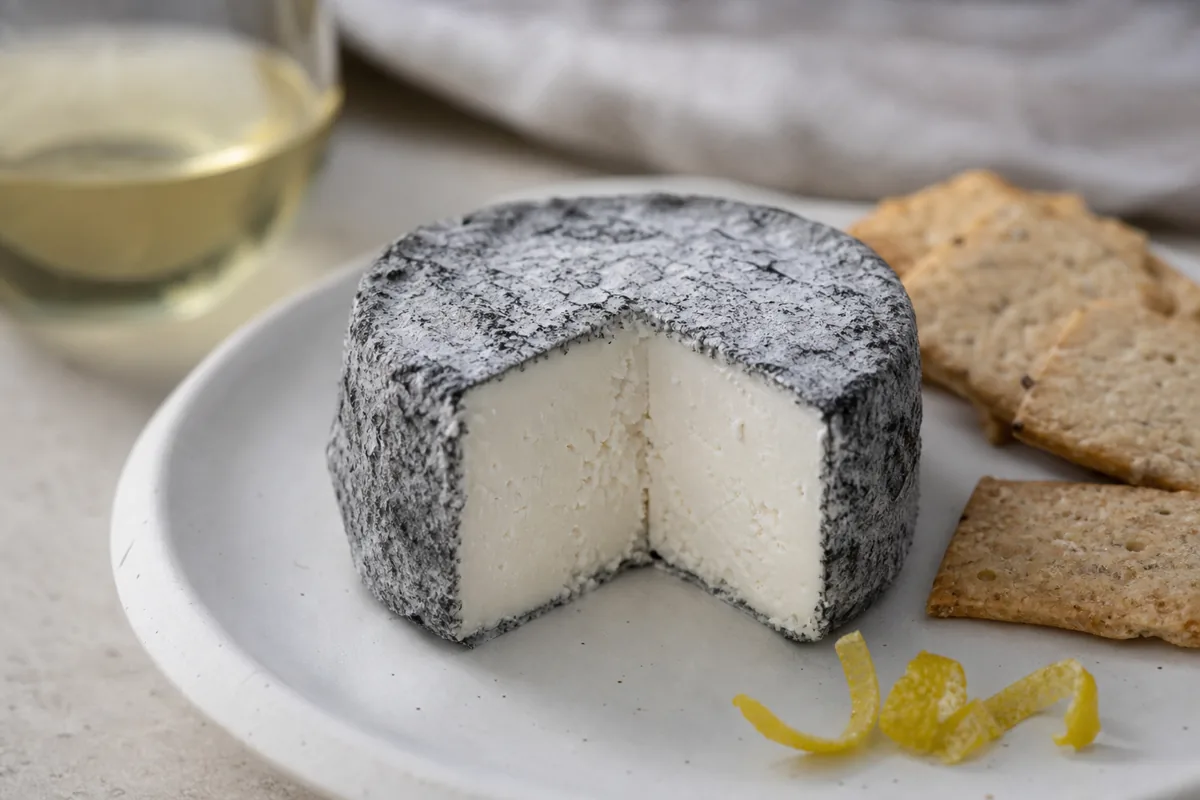
The creamery's FAQ shows how a geotrichum rind can look different from what a buyer expects: Bonne Bouche, a sister cheese, “may look a bit blue,” and the FAQ says that color comes from poplar ash sprinkled on before it ages. Cremont's ingredient line lists no ash.
Ask the creamery or the seller whether to eat or trim the rind.
How Ripe Should Cremont Be?
Cheese.com says Cremont is aged for two weeks.
The producer's FAQ says each aged cheese ships in its own “Micro-Cave,” either a wooden crate wrapped in micro-perforated film or a ventilated plastic clamshell, built to let the cheese breathe and “continue to ripen as the products move through the marketplace.”
Your wheel's ripeness depends on when you buy it.
The Cheese Notes reviewer bought a wheel at the Murray's counter at Grand Central and found it “just cresting peak.”
How to Serve Cremont
Vermont Creamery's FAQ says to leave its fresh and aged goat cheeses at room temperature for 30 minutes to 1 hour before serving, and it does not name Cremont.
The same answer sends the creamery's cup-packed products, such as crème fraîche, Quark and mascarpone, straight from the refrigerator, so the warm-up is a rule for its fresh and aged cheeses and not for everything it sells.
Cheese.com pairs Cremont with crusty bread and jam.
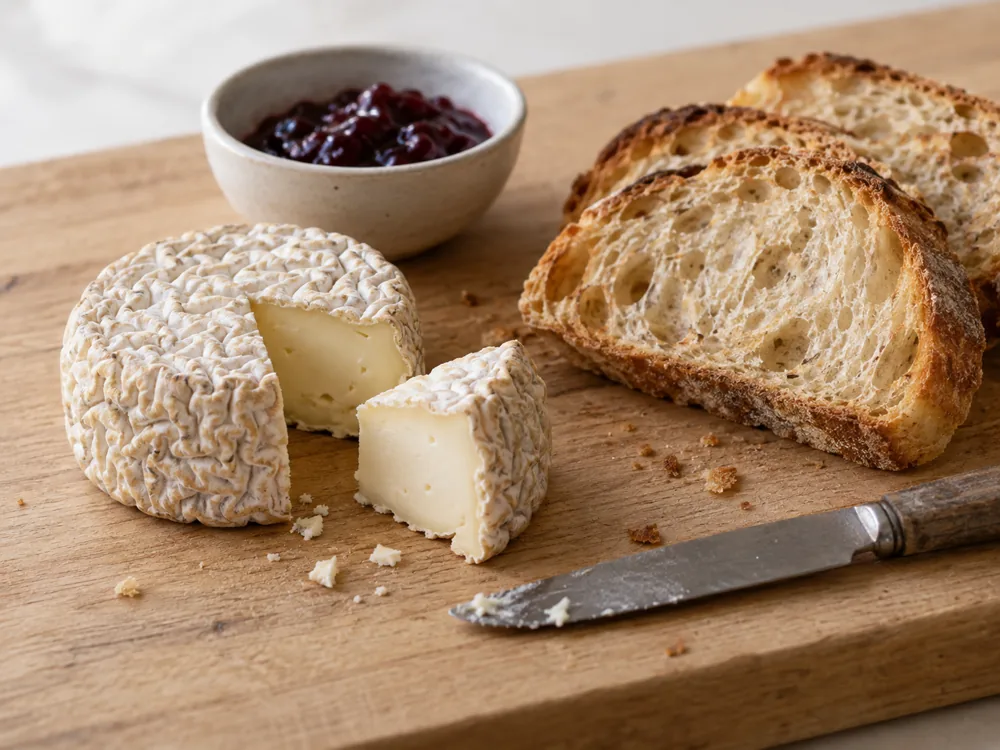
Say Cheese! ties a board list that runs from dried figs and honey to country ham to the cheese's mild flavor, and adds that Cremont pairs nicely with sweeter offerings as well. Its dish suggestions are savory and its after-dinner suggestion is sweet.
The same review lists eight wines, a fruity cocktail and four beers or ciders.
| Pairing | Type | Why It Works |
|---|---|---|
| Champagne or Crémant d'Alsace | Wine | Say Cheese! lists both sparkling wines. |
| Chardonnay, Chenin Blanc, Viognier or Vinho Verde | Wine | The white wines in the Say Cheese! list. |
| Syrah or Cabernet Sauvignon | Wine | The two red wines in the same list. |
| Belgian Golden Ale, Blue Moon Belgian White, IPA or dry sparkling cider | Drink | The beer and cider choices the reviewer names. |
| Dried figs, red grapes, honey, pears, oatcakes, sourdough crackers, country ham and caramelized pecans | Food | The cheese board partners in the Say Cheese! review. |
| Herb salad with crusty French bread, tomato soup with toasted bread, or roasted root vegetables | Food | The same review suggests serving it alongside them. |
| Chocolate and hazelnut crackers | Food | The reviewer calls this an after-dinner treat. |
| Crusty bread and jam | Food | Cheese.com's pairing. |
Where Can You Buy Cremont, and How Long Does It Keep?
Vermont Creamery's FAQ says it does not sell or ship to consumers directly, points shoppers to the Find in Stores section of its site and says some of its products are sold online through Murray's Cheese.
Gourmet Dash listed Cremont at $15.98 on October 1, 2026, and because the producer lists only a 5-ounce size, that comes to about $3.20 per ounce.
The seven-day opened-package limit in the creamery's FAQ is for its fresh goat and cows' milk products, not aged cheeses like Cremont. For Cremont, go by the date on the package.
What Can Replace Cremont?
Hooper is the closest by milk blend, and the other two match one side of the cheese.
- Hooper: Vermont Creamery calls it a blend of cow and goats' milk with a touch of cream, a donut-shaped Geotrichum cheese that is “soft and sliceable.” Its page names it “Our First Washed-Rind” and its ingredient line adds annatto for color, neither of which Cremont's page lists
- Brie: Gourmet Dash says Cremont's rind is thinner than a traditional Brie's, so a Brie carries more rind
- Goat cheese: Gourmet Dash credits Cremont's tang to goat's milk and its richness to cow butterfat, so, by that account, a goat cheese made from goats' milk alone keeps the tang without the cow-milk richness
Choose Hooper for the same milk blend with a washed rind, Brie for a thicker rind, or a goat cheese for the tang without cow-milk richness.
What an Ounce of Cremont Costs You
The label on Vermont Creamery's product page, published as an image, lists 5 servings per package at 1 ounce (28 g) each.
| Nutrient | Amount | Daily Value |
|---|---|---|
| Calories | 100 | Not listed |
| Total fat | 9 g | 12% |
| Saturated fat | 6 g | 30% |
| Trans fat | 0 g | Not listed |
| Cholesterol | 25 mg | 8% |
| Sodium | 150 mg | 7% |
| Total carbohydrate | 1 g | 0% |
| Total sugars | 1 g | Not listed |
| Added sugars | 0 g | 0% |
| Protein | 4 g | Not listed |
| Calcium | 29 mg | 2% |
Five servings of 100 calories each put a whole package near 500 calories at the label's rounding, which sets how far one Cremont goes on a cheese board.
The same multiplication gives 30 g of saturated fat, which is 150% of the Daily Value, and 750 mg of sodium, which is 35%, for the whole package, so the percentages on the label describe one ounce and not the 5-ounce package.
The label shows 0 g trans fat, and the creamery's FAQ says all milk products contain a small amount of naturally occurring trans fat, most times under 0.5 g per serving, which FDA rules round to 0 g on the label.
Is Cremont Vegetarian, Gluten-Free, and Safe in Pregnancy?
The “enzymes” on the ingredient line are microbial rennet, because the FAQ says “We use Microbial (vegetarian) rennet.” Culture's cheese library and Gourmet Dash's specification list also give the rennet type as microbial.
The same FAQ says all Vermont Creamery retail products are Certified Gluten Free by the Gluten-Free Certification Organization.
The creamery states that all the milk it uses is pasteurized. The CDC lists soft cheese made from unpasteurized milk among the riskier cheeses for pregnant women, and for pasteurized soft cheese it names heating to an internal temperature of 165°F or until steaming hot.
The NHS says pasteurised or unpasteurised mould-ripened soft cheeses with a white coating, such as brie, camembert and chèvre, must be thoroughly cooked, and it lists hard cheeses, pasteurised or unpasteurised, as safe. Because that rule covers pasteurised and unpasteurised versions alike, pasteurization alone does not clear a cheese in the group.
Served cold, Cremont, which the producer calls a soft mold-ripened cheese, is a pasteurized double-cream cheese of a type the CDC list does not cover, so check with a midwife or doctor if you are pregnant.
Heating Cremont until steaming hot is the step both agencies name for soft cheese, and the CDC says pregnant women are 10 times more likely to get a Listeria infection.
SOURCES & REFERENCES
What Else Do People Ask About Cremont?
Yes, Vermont Creamery says all its retail products are Certified Gluten Free by the Gluten-Free Certification Organization. Check the current package if another ingredient or a shared serving setup affects your needs.
No source classifies it as Brie. Vermont Creamery calls it a soft mold-ripened aged cheese with a geotrichum rind, Culture classifies it as soft, and Gourmet Dash puts it between a brie and a goat cheese.
The “enzymes” on the label are microbial rennet, and Vermont Creamery's FAQ describes its rennet as vegetarian.