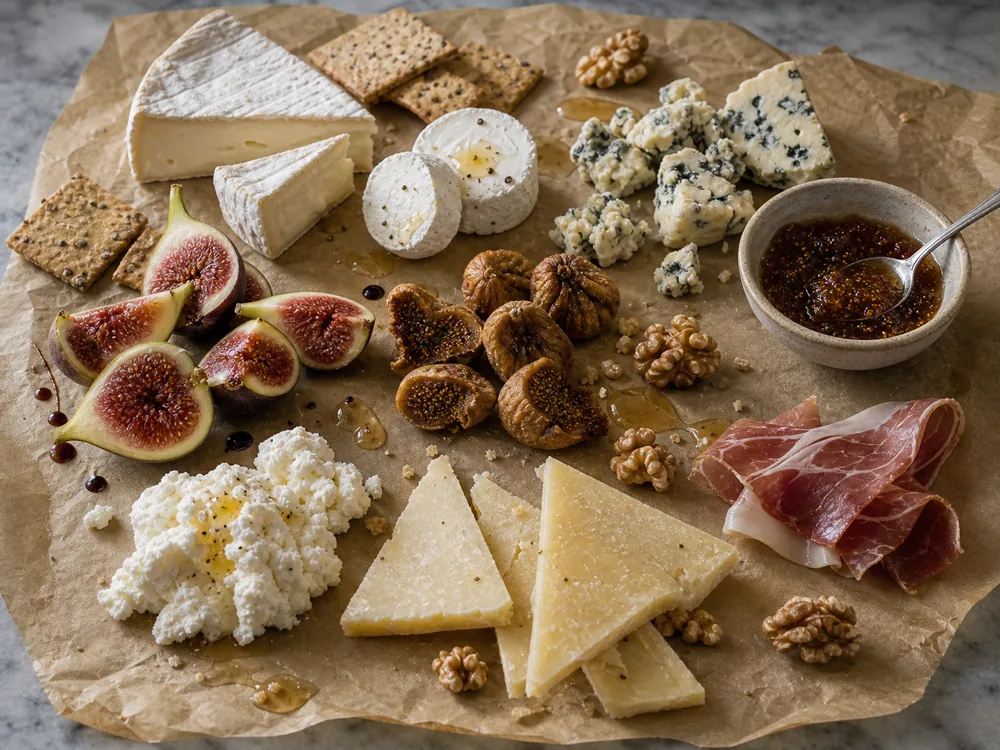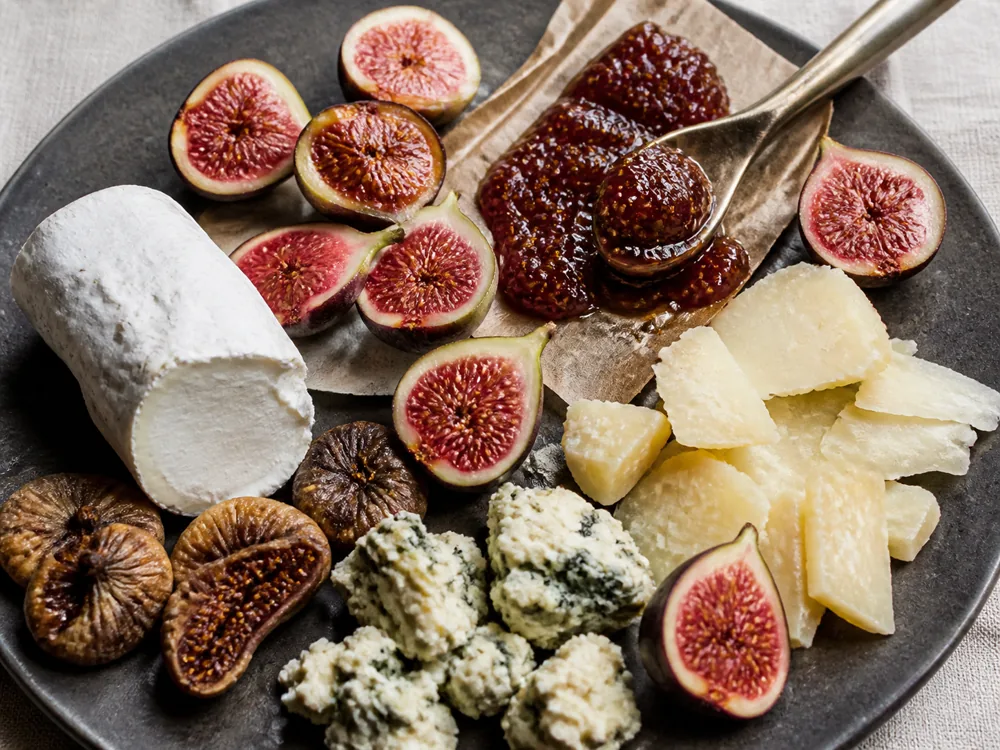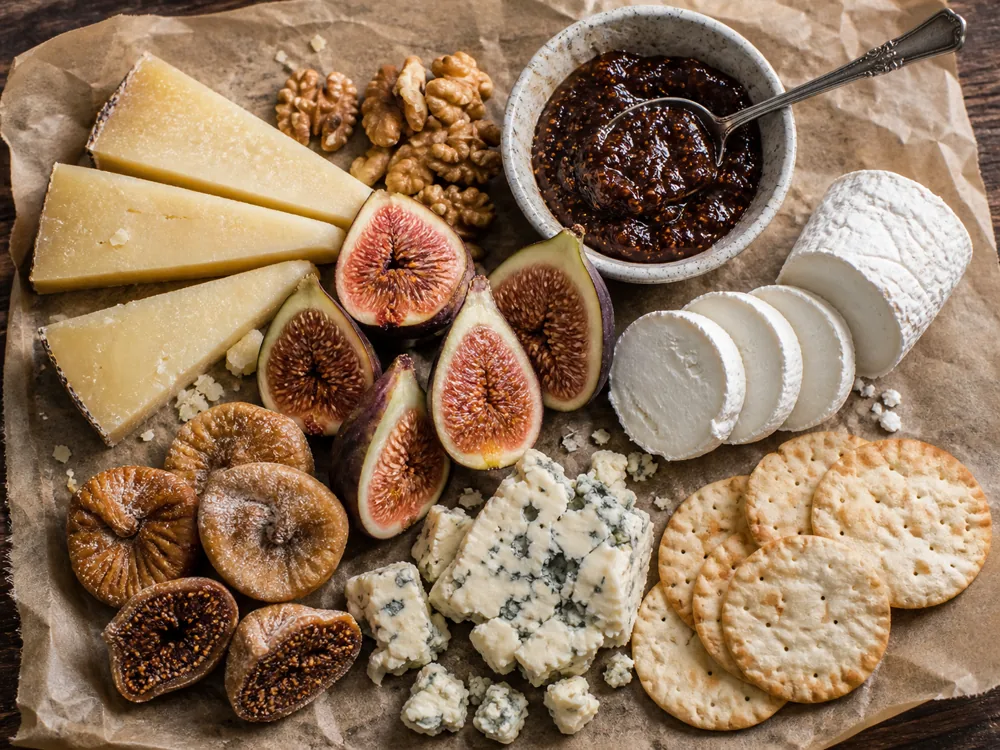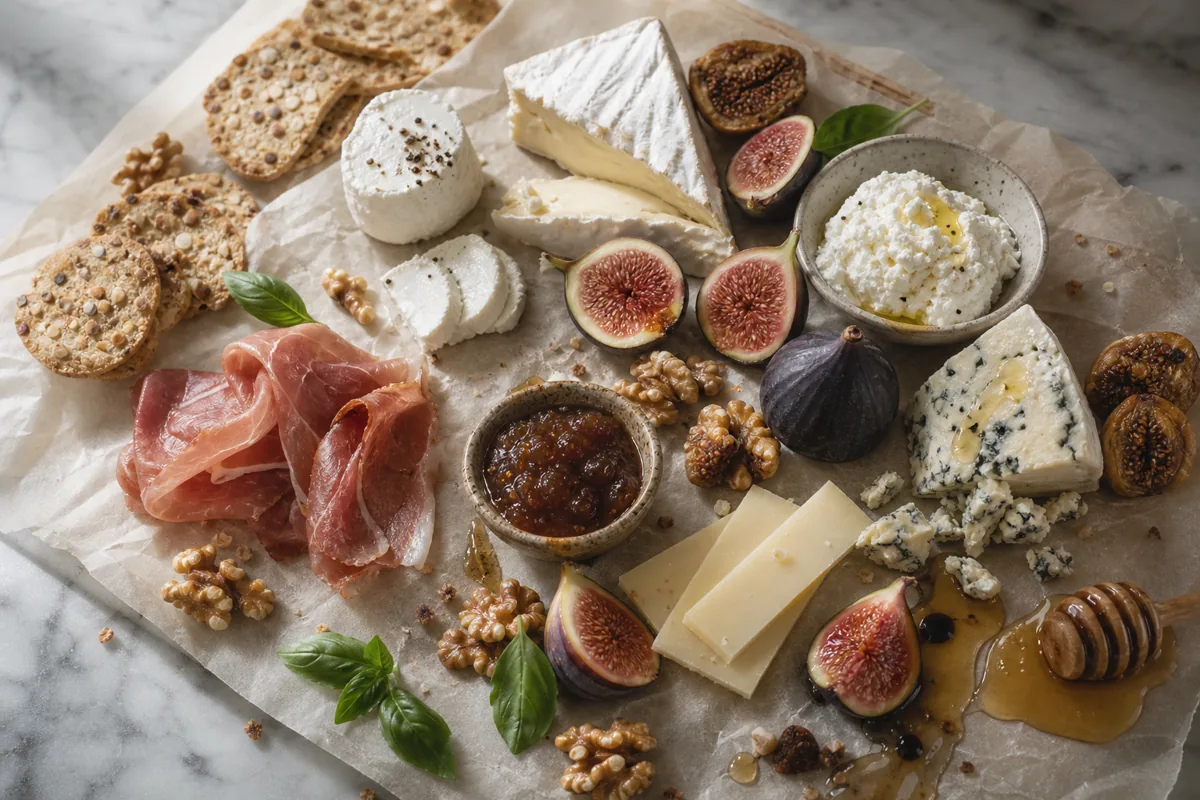
Fig and cheese pairing belongs in our cheese pairing guides because figs do more than add generic fruit sweetness. Fresh figs are juicy and floral, dried figs are chewy and concentrated, and fig preserves are dense enough to behave like a condiment.
That format split changes the cheese. A fresh fig can brighten creamy ricotta, while dried fig can stand beside a salty blue wedge.
Use this guide when the board needs fig-specific decisions, not a broad fruit bowl.
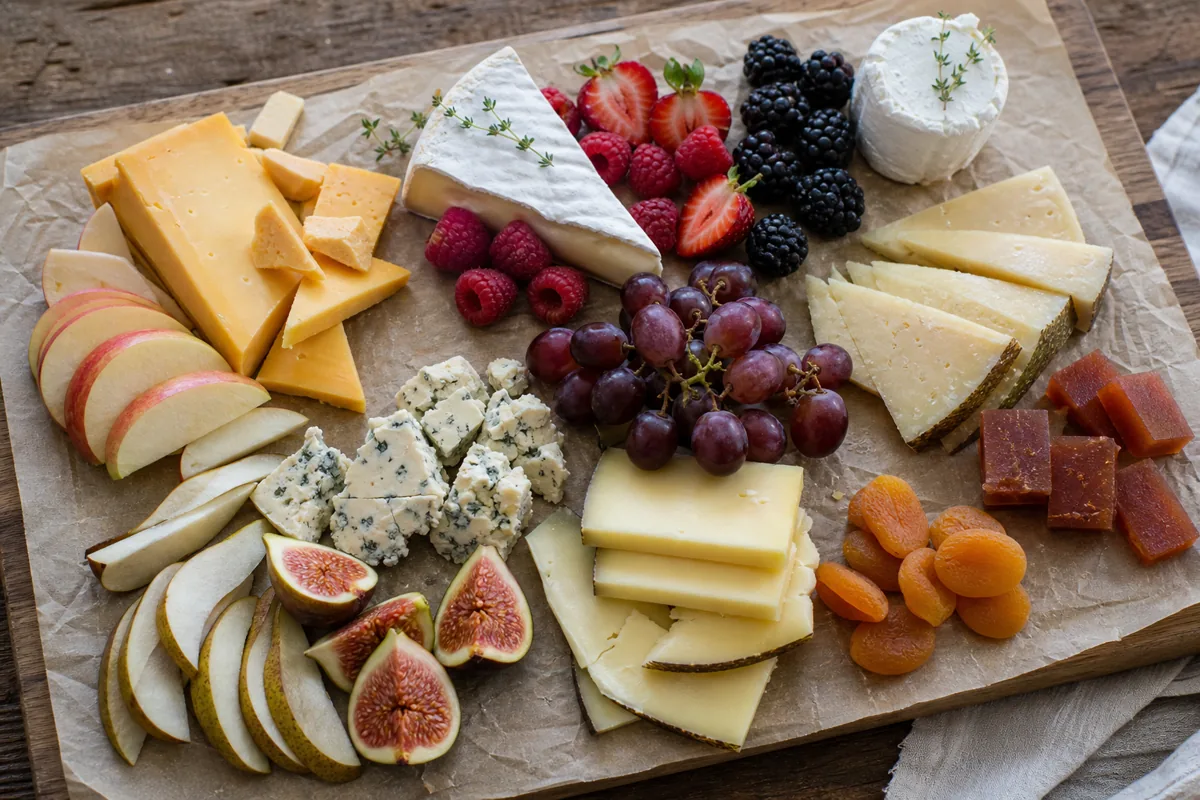
This is the fig-specific pairing guide. For apples, pears, berries, grapes, and general fruit-board logic, use the broader cheese and fruit pairing article as parent context.
In This Article
Choose the Cheese After You Choose the Fig Format
Start with the form of the fig. Fresh figs are delicate, so they need cheese with cream, tang, or mild salt.
Dried figs and fig preserves are stronger. They can handle blue cheese, aged cheese, and cured meat because their sweetness and chew stay visible.
The best fig board uses at least two fig forms: fresh figs for soft cheese and dried figs or jam for the stronger end.
Fresh figs are a short-season ingredient, so they should not be buried under the strongest cheese first. Give them creamy or tangy partners that let the floral flavor show. Dried figs and preserves can wait for the saltier side of the board.
If the figs are only average, choose a stronger format instead of pretending. A mediocre fresh fig often works better roasted, dried, or turned into a thin preserve beside a saltier cheese.
| Pairing | Type | Why It Works |
|---|---|---|
| Fresh figs + goat cheese | Fresh cheese | Best bright match. Goat cheese tang keeps fresh fig sweetness from feeling flat, while the soft texture makes a clean two-bite pairing. |
| Fresh figs + Brie | Bloomy rind | Best creamy match. Brie gives butter and rind aroma, while the fig adds juice and floral sweetness without needing heavy jam. |
| Fresh figs + ricotta | Fresh cheese | Best mild match. Ricotta needs honey, black pepper, or basil with the figs so the bite has enough lift. |
| Dried figs + blue cheese | Salty cheese | Best sweet-salt match. Dried fig chew and concentrated sugar soften blue cheese salt without watering down the mold flavor. |
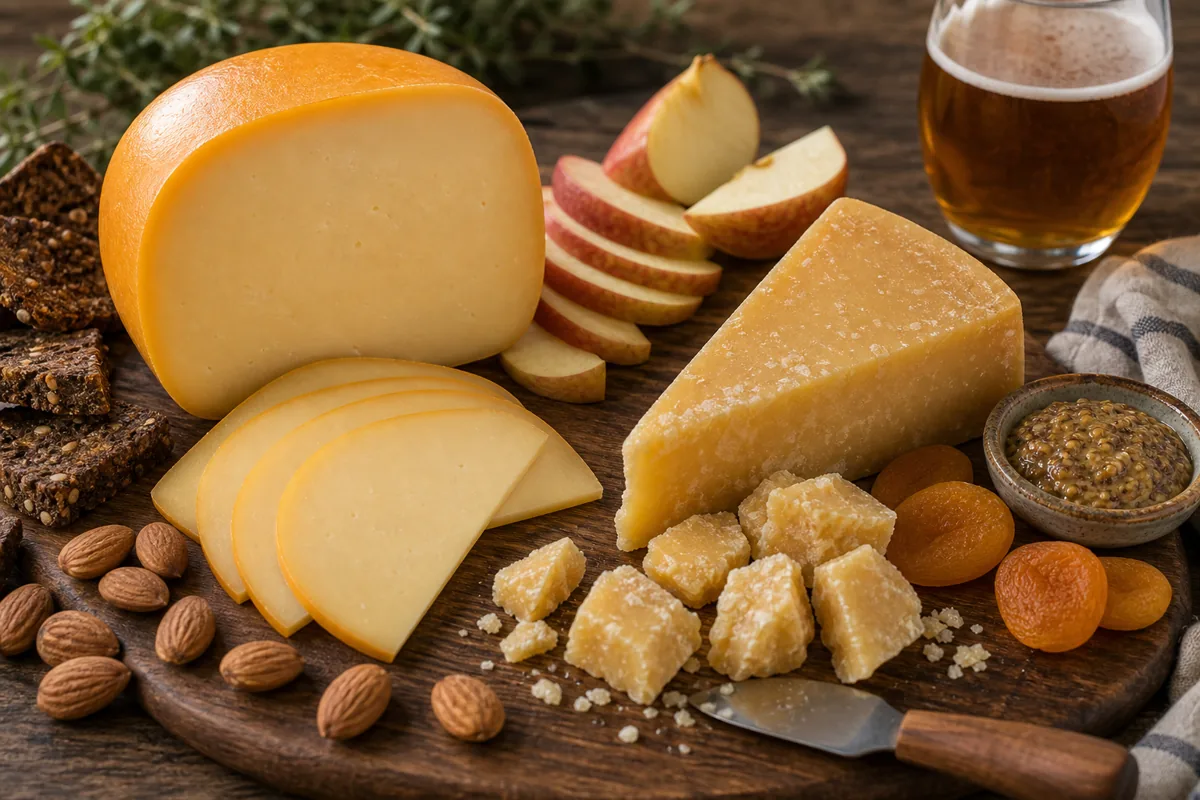
| Dried figs + aged Gouda | Aged cheese | Best caramel bridge. Aged Gouda crystals and butterscotch notes meet dried fig chew, seeds, and dark sweetness. |
| Fig jam + Brie | Preserve | Best soft-rind condiment. Use a thin spoonful so fig body lifts the cream instead of hiding the rind. |
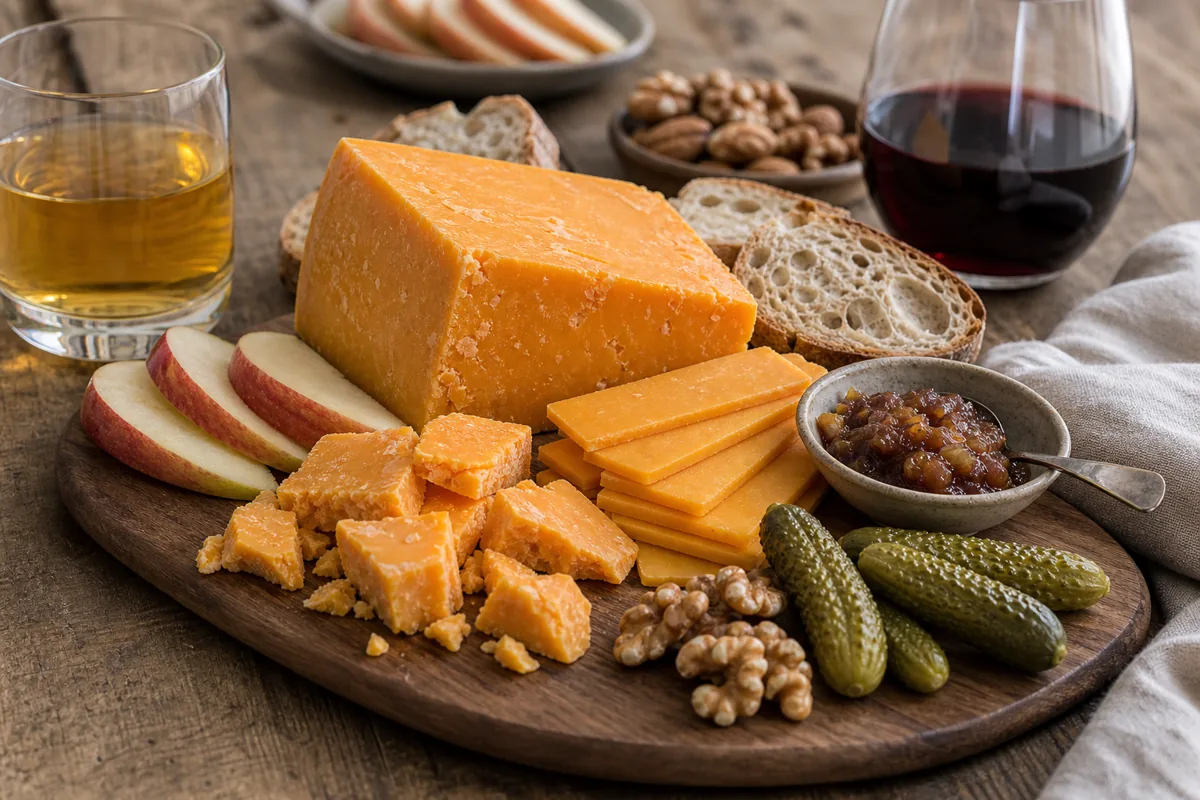
| Fig preserves + aged cheddar | Preserve | Best sharp-cheese match. Cheddar tang and salt need fig preserves with enough acid or spice to avoid a candy-like bite. |
| Figs + prosciutto + sheep cheese | Board context | Best savory board match. Prosciutto salt, firm sheep cheese, and figs create a clean sweet-salty bite with enough texture. |
- Fresh figs: Brie, goat cheese, ricotta, young sheep cheese, basil, honey, and black pepper.
- Dried figs: blue cheese, aged Gouda, Parmesan-style cheese, firm sheep cheese, and walnuts.
- Fig preserves: Brie, cheddar, blue cheese, washed rind, prosciutto, and balsamic.
- Fig board support: honey, balsamic, walnuts, prosciutto, plain crackers, and crusty bread.
The broader cheese and fruit structure still applies, but figs need more precision. The fresh-dried-preserved split matters more than the word fruit.
If you only buy one cheese, choose goat cheese for fresh figs or blue cheese for dried figs. Those two pairings show the main fig logic fastest.
Separate Fresh Figs, Dried Figs, and Fig Preserves
Fig format decides the pairing before the cheese name does. Fresh figs bring moisture and a short season.
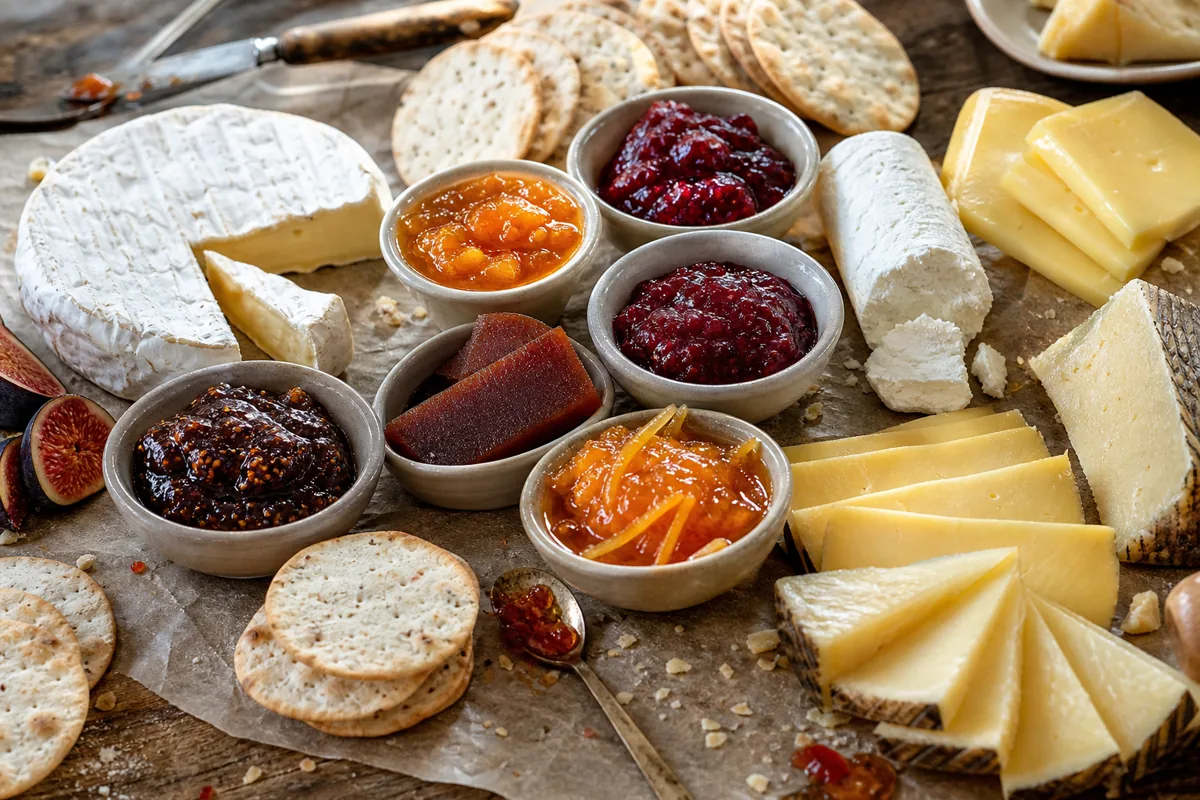
Dried figs bring chew, seeds, and deeper sweetness. Fig jam brings spoonable concentration and needs portion control.
Fresh figs need cheese that does not steal their aroma. Goat cheese, ricotta, Brie, and young sheep cheese work because they give the fruit cream, tang, or mild salt without turning the bite heavy.
Dried figs need more pushback. Blue cheese, aged Gouda, Parmesan-style shards, firm sheep cheese, and prosciutto can handle chew and concentrated sweetness. Use smaller dried pieces so the cheese does not disappear.

| Fig format | Best cheese lane | Why it works |
|---|---|---|
| Fresh figs | Goat cheese, Brie, ricotta, soft sheep cheese | Juice and floral sweetness need cream, tang, and gentle salt. |
| Dried figs | Blue cheese, aged Gouda, Parmesan-style cheese | Chew and concentrated sugar meet salt, crystals, and blue intensity. |
| Fig preserves | Brie, cheddar, blue cheese, washed rind | Cooked fruit body works as a condiment for richer cheese. |
| Fig jam | Brie, goat cheese, cheddar, firm sheep cheese | A thin spoonful adds sweetness without requiring whole fresh fruit. |
| Fig with prosciutto | Firm sheep cheese, blue cheese, aged cheddar | Cured meat adds salt and savory depth to balance fig sweetness. |
Fresh goat cheese tang is the easiest fresh-fig partner. It gives the fig enough acidity and keeps the pairing from tasting soft.
Ricotta's mild cream needs more help. Add honey, black pepper, basil, or balsamic so the fresh fig does not carry the whole bite alone.
Blue-cheese salt belongs mostly with dried figs or fig preserves. Fresh figs can work too, but ripe blue cheese usually needs more concentrated sweetness.
That is the reader distinction. This article should help you choose the fig format, not simply repeat a general fruit pairing list.
Use Seeds, Honeyed Flesh, and Chew as Pairing Tools
Figs bring three useful pairing tools: honeyed sweetness, soft seeds, and a jammy texture even before cooking. Those traits make them stronger than many fresh fruits.

Cheese gives figs salt, fat, tang, and rind aroma. The pairing works when neither side turns the bite into dessert.
The seeds are part of the texture. They give a soft cheese a little crunch and make creamy bites feel less flat. That is why fresh figs can improve ricotta or Brie without needing much else.
The honeyed flesh is the danger and the appeal. It can soften blue cheese, aged sheep cheese, and salty prosciutto, but it can also make mild cheese taste bland. The sweeter the fig, the more salt or tang the cheese needs.
- Sweetness softens salt: dried figs and fig jam calm blue cheese and aged cheese.
- Seeds add texture: fig crunch keeps soft cheese from feeling one-note.
- Juice lifts cream: fresh figs brighten Brie, ricotta, and goat cheese.
- Preserves add body: fig jam stays visible beside cheddar, blue, and sheep cheese.
Creamy Brie texture works when figs stay measured. Fresh figs or a thin layer of jam should lift the rind, not cover it.
Aged Gouda sweetness works with dried figs because both have caramel-like depth. Add walnuts if the bite needs more bitterness and crunch.
If a fig pairing tastes too sweet, add salt or tang before adding another cheese. Prosciutto, blue cheese, goat cheese, walnuts, or a few drops of balsamic can pull the bite back into balance.
Figs are useful because they can move from fresh and delicate to dried and intense. The mistake is using every fig form as if it does the same job.
Avoid Fig Sugar Overload and Soggy Boards
Most fig failures come from excess sweetness. Fig jam, honey, dried figs, and balsamic can overload a mild cheese fast.
The second problem is water. Fresh figs are soft, and an overripe fig can make crackers soggy or turn Brie messy.
Do not stack fig jam, honey, balsamic glaze, and dried figs on the same bite. That turns the cheese into a background fat. Pick one sweet fig element, then add salt, acid, or crunch if the bite needs balance.
Keep cut fresh figs away from crisp crackers until serving. They leak quickly, and wet crackers make even good cheese feel tired. Put the figs near the cheese, not on every carrier.
Do not use fig jam, honey, and balsamic all at once on a mild cheese. Choose one sweet or acidic bridge, then let the cheese stay visible.
- Too sweet: fig jam plus honey can flatten Brie, ricotta, and young goat cheese.
- Too wet: overripe fresh figs can soak crackers and blur soft-rind cheese.
- Too sharp: too much balsamic can make goat cheese taste harsh.
- Too funky: strong washed-rind cheese can overpower fresh figs.
- Too much blue: a large blue wedge can make fig sweetness feel sticky.
For spooned fig products, the jam and jelly pairing rule applies: use the spread as a condiment, not a topping blanket.
For blue cheese, sweet-wine blue logic shows the same salt-sweet idea. Figs help, but portion size still decides whether the bite feels balanced.
These rules keep figs specific. The goal is not more fruit on a cheese board; it is the right fig form with the right cheese texture.
Build Three Fig Lanes Instead of One Sweet Pile
A good fig board should show fresh, dried, and preserved figs without becoming crowded. Start with a creamy cheese, add a salty cheese, then use one firm cheese for texture.
Three cheeses and three fig elements are enough. More than that usually creates a sweet board with no clear sequence.
Lane one should be fresh and creamy: fresh figs, goat cheese or ricotta, basil or mint, and plain crackers. Lane two should be salty and concentrated: dried figs, blue cheese or firm sheep cheese, walnuts, and prosciutto if used.
Lane three should be condiment-led: fig preserve with Brie, cheddar, or aged Gouda. Keep the spoon small. A preserve lane works only when the fig stays a supporting accent.
- Fresh lane: fresh figs, goat cheese, Brie, ricotta, basil, and black pepper.
- Salty lane: dried figs, blue cheese, firm sheep cheese, prosciutto, and walnuts.
- Condiment lane: fig preserves, aged cheddar, Brie, plain crackers, and balsamic.
- Reset lane: walnuts, crusty bread, and dry crackers so sweetness does not build.
Choose Use: goat cheese, Brie, ricotta, fresh figs, basil, honey, black pepper, and plain crackers for: Best fresh-fig board
This board keeps fresh figs juicy and delicate. Cream, tang, herbs, and pepper give the figs enough contrast without hiding them.
Choose Use: blue cheese, aged Gouda, firm sheep cheese, dried figs, fig preserves, prosciutto, walnuts, and balsamic for: Best bold fig board
This board is better for stronger cheese. Salt, age, chew, and cured meat keep the fig sweetness savory.
Charcuterie board balance helps when prosciutto joins the figs. Use meat as a salt bridge, not as the main event.
If you want a cheese-only guide, goat cheese pairing logic makes fresh figs easy, while cheddar pairing logic makes fig preserves more savory.
Season matters because fresh figs are fragile. If the fresh figs look dull, use dried figs or preserves instead of forcing the fresh-fruit lane.
Serve Fresh Figs Last and Preserves With Their Own Spoon
Fresh figs should be soft but not collapsing. Cut them close to serving so the juice stays in the fruit.

Dried figs should be sliced or torn so guests do not fight the chew. Fig jam should sit in a small bowl with its own spoon.
Fresh figs should be cut close to serving because the exposed flesh dries and leaks fast. If they are very ripe, halve them instead of quartering them so they keep more structure.
Warm fig jam only when the cheese can handle it. Brie and blue cheese can take a slightly warm spoonful, but ricotta or fresh goat cheese may turn loose and sweet. Temperature changes texture as much as flavor.
- Fresh figs: halve or quarter them and keep them beside soft cheese.
- Dried figs: split them open for blue cheese, Gouda, and sheep cheese.
- Fig jam: use a small spoon and keep it off the rind until serving.
- Honey and balsamic: choose one accent first, then add the other only if needed.
If the board also has apples, pears, or berries, keep those decisions in a separate zone. This fig zone should stay focused so every bite has a clear reason.
The final check is simple: the fig should make the cheese taste more complete. If the cheese disappears, use less fig or choose a saltier wedge.
Goat cheese, Brie, ricotta, blue cheese, aged Gouda, firm sheep cheese, cheddar, and Parmesan-style cheese all pair well with figs. Choose the cheese by fig form: fresh figs need cream and tang, while dried figs need salt and age.
Fresh figs go best with goat cheese, Brie, ricotta, and soft sheep cheese. Add basil, honey, black pepper, or a small balsamic touch if the pairing needs more lift.
Dried figs pair best with blue cheese, aged Gouda, Parmesan-style cheese, aged cheddar, and firm sheep cheese. Their chew and concentrated sweetness can handle salt, crystals, and stronger flavor.
Yes. Fig jam goes well with Brie, blue cheese, cheddar, goat cheese, and firm sheep cheese. Use a thin spoonful so the jam supports the cheese instead of covering it.
A fig and cheese board can include fresh figs, dried figs, fig preserves, goat cheese, Brie, blue cheese, ricotta, firm sheep cheese, prosciutto, walnuts, honey, balsamic, basil, crackers, and crusty bread.