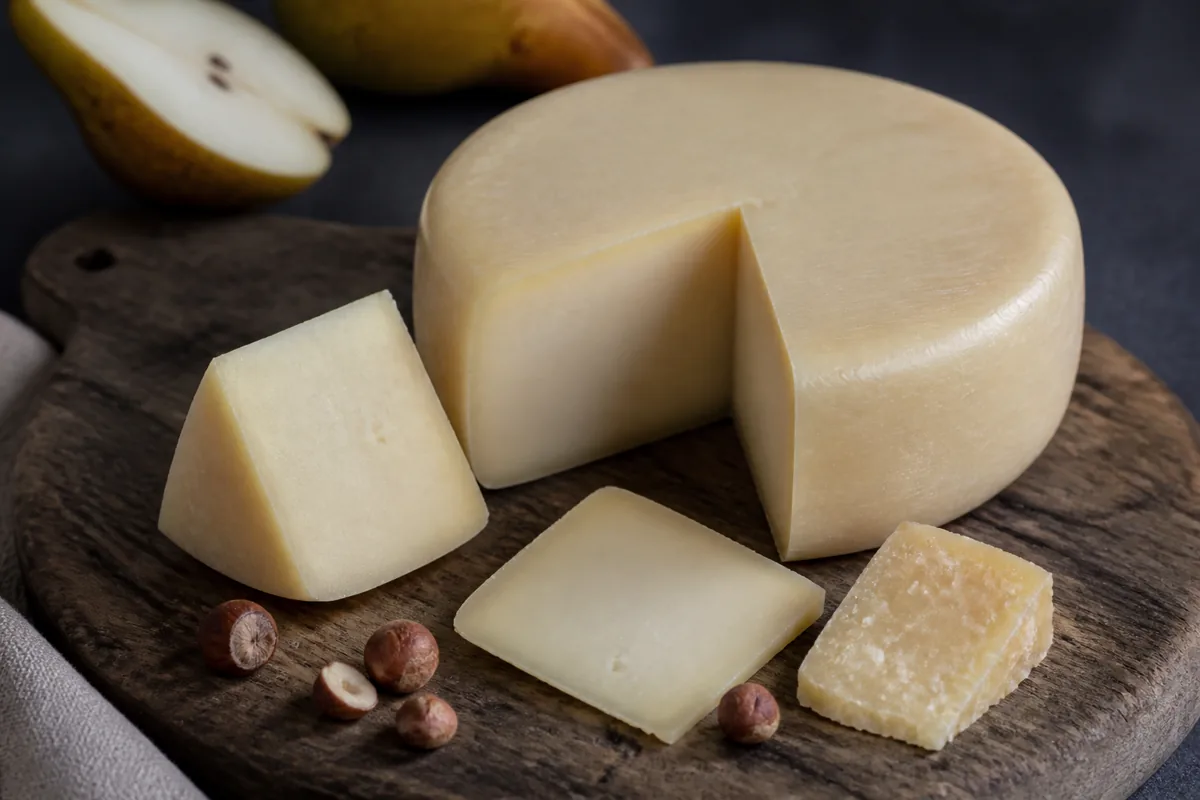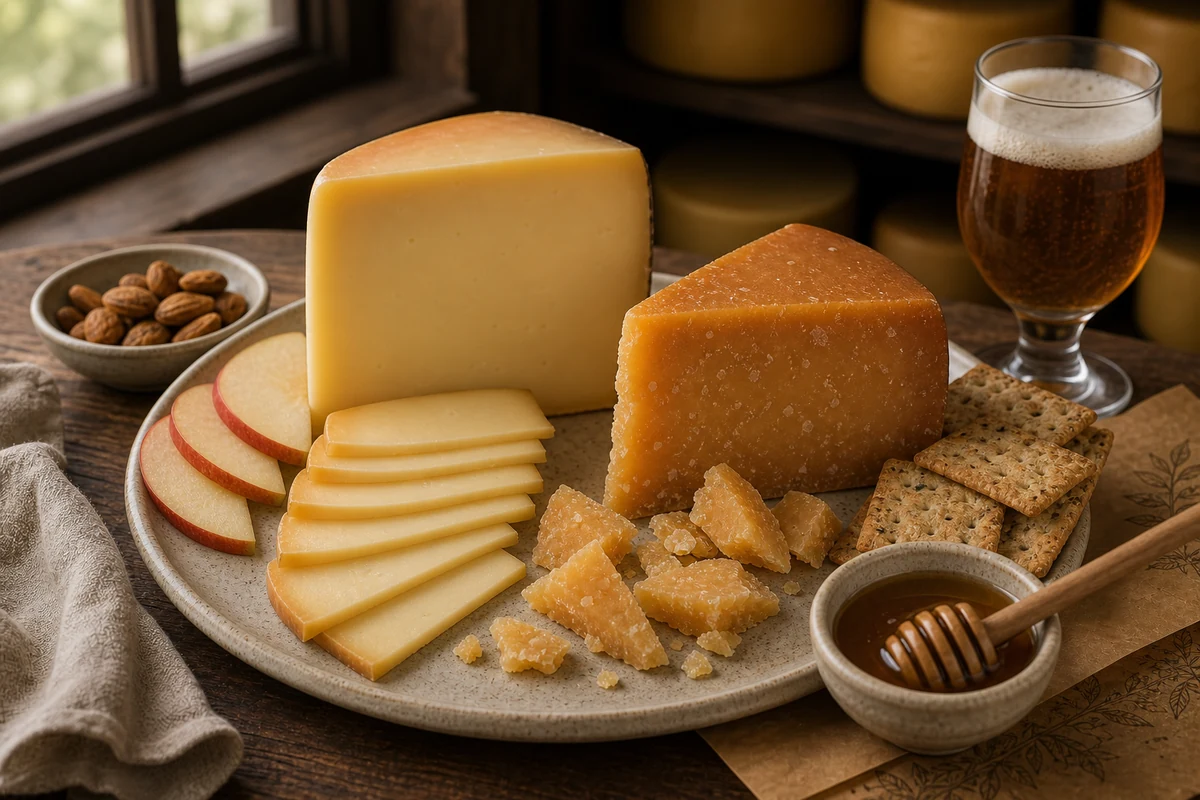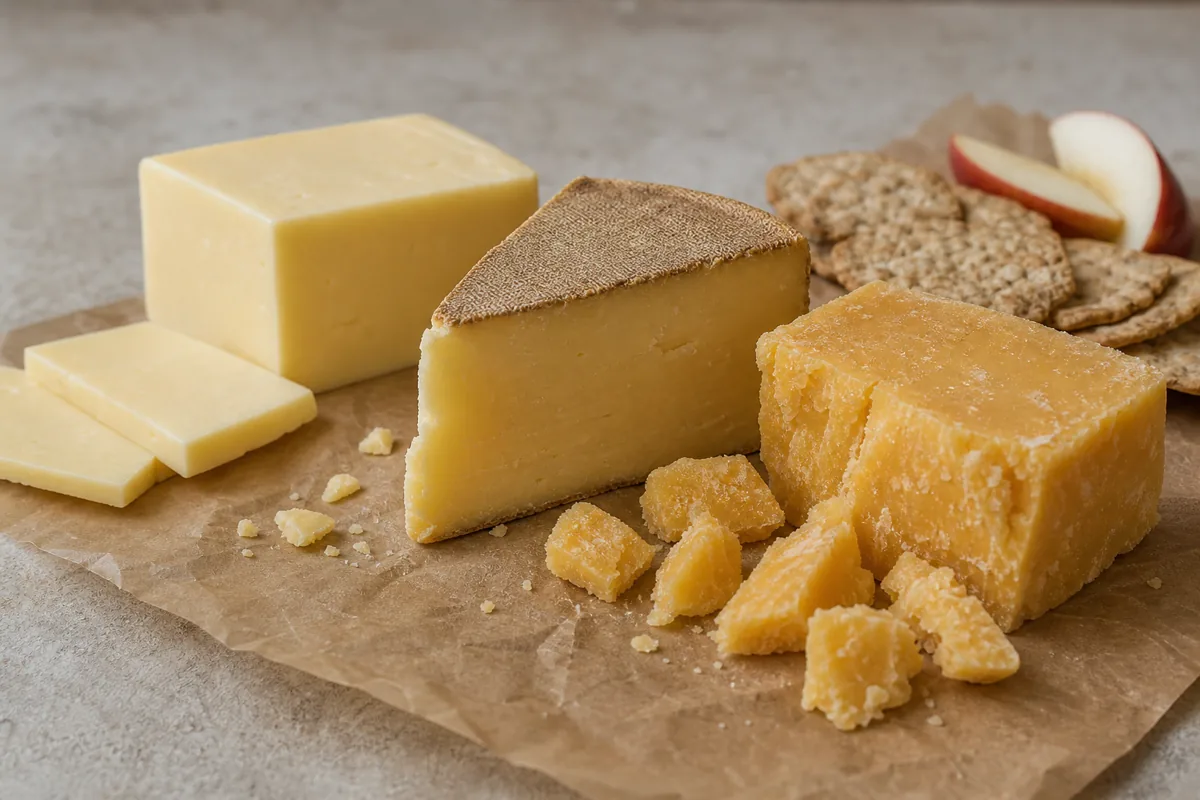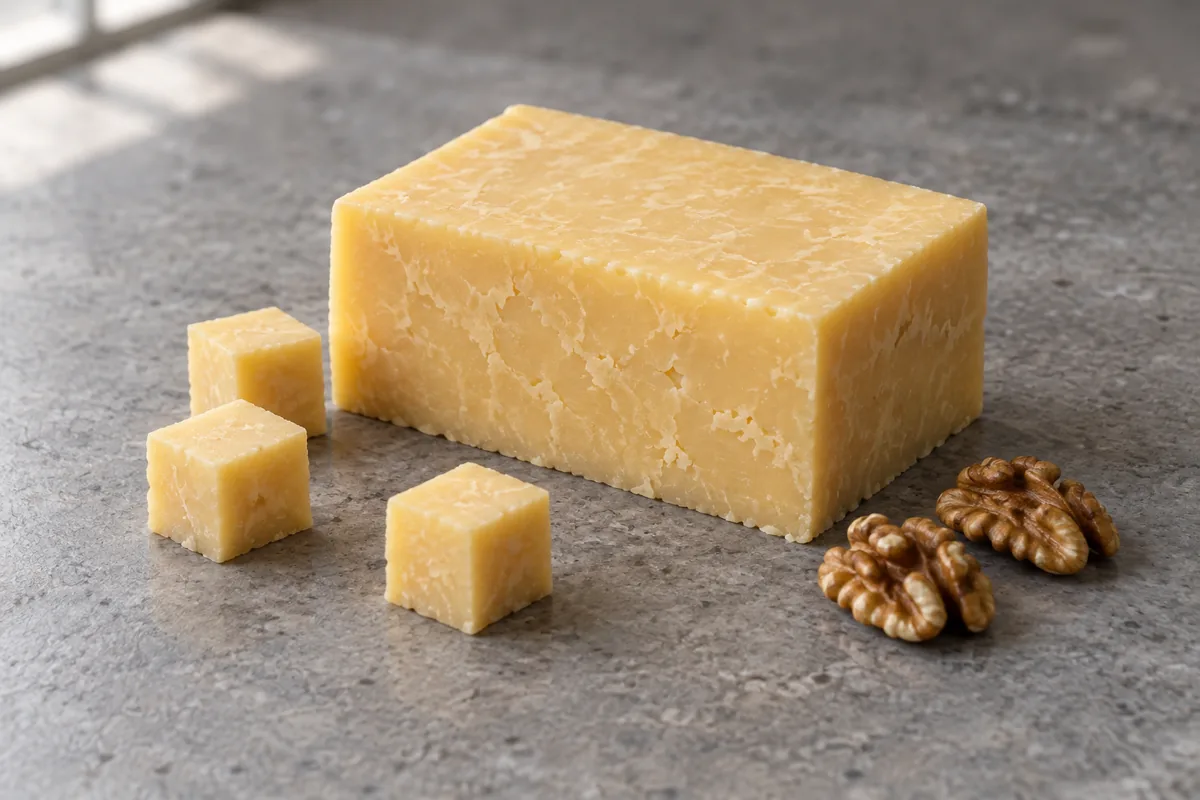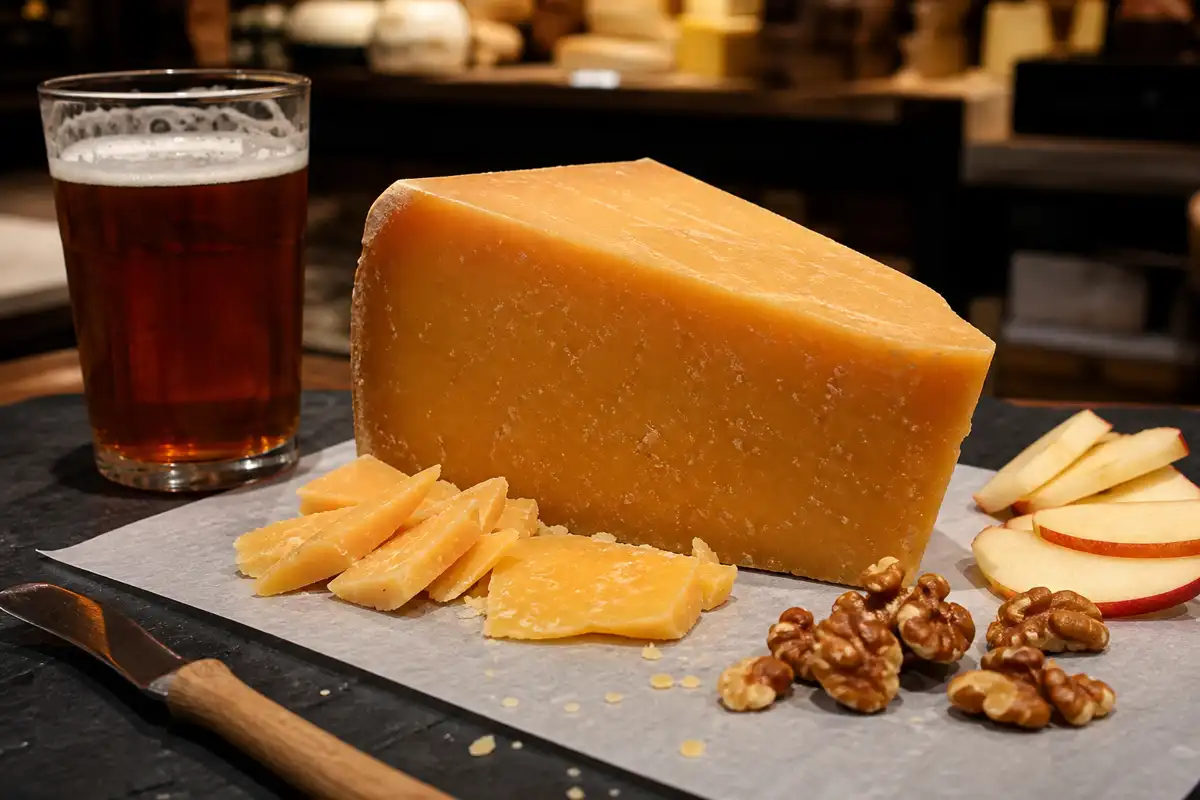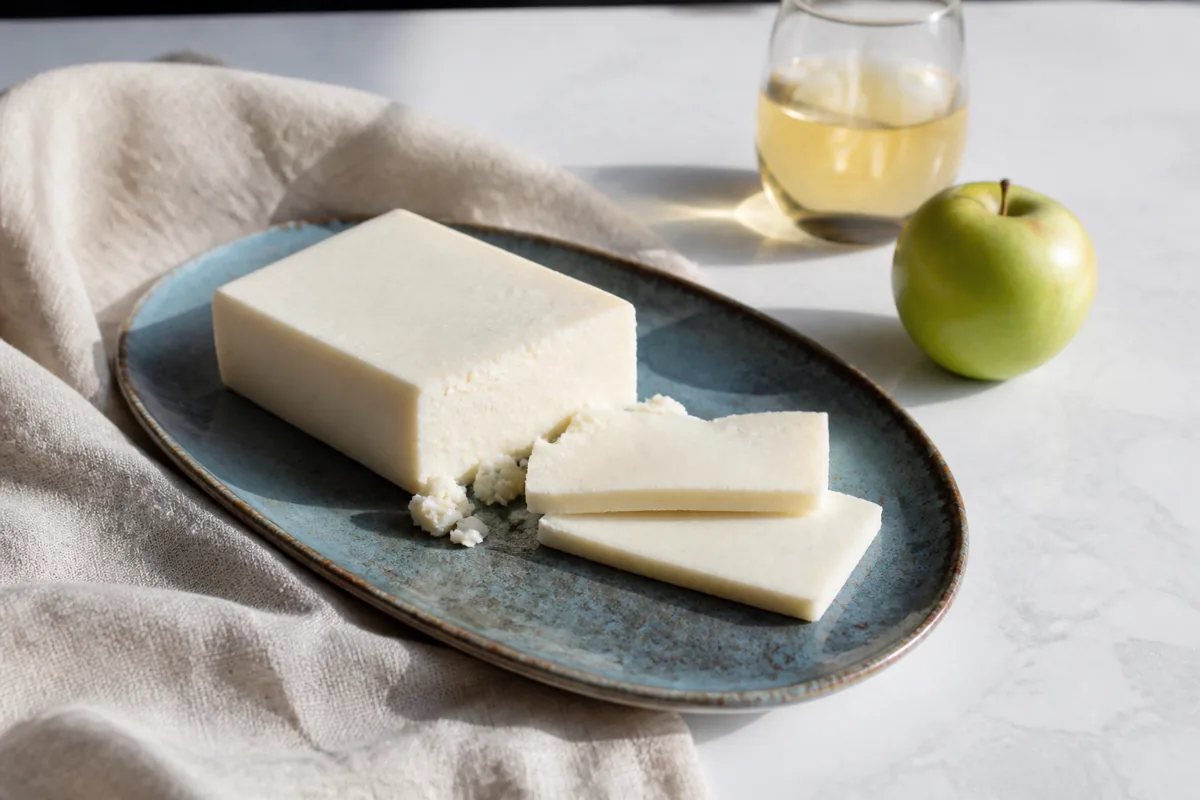
Goat Cheddar is Cheddar-style cheese made with goat milk instead of the usual cow milk. Cheese.com says it is mainly produced in the USA, Canada and the UK.
Age, rind, color and milk treatment differ from one maker to the next, which is why the sections below name the cheeses they draw on.
In This Article
How Is Goat Cheddar Made?
The Canadian Dairy Commission, describing cow's-milk Cheddar, says milk sets into curd through acid from a starter culture working together with the enzyme rennet, after which the curd is cut, stirred, warmed and drained of whey. That page says nothing about goat milk, so it explains the Cheddar method without describing any goat cheese's own recipe.
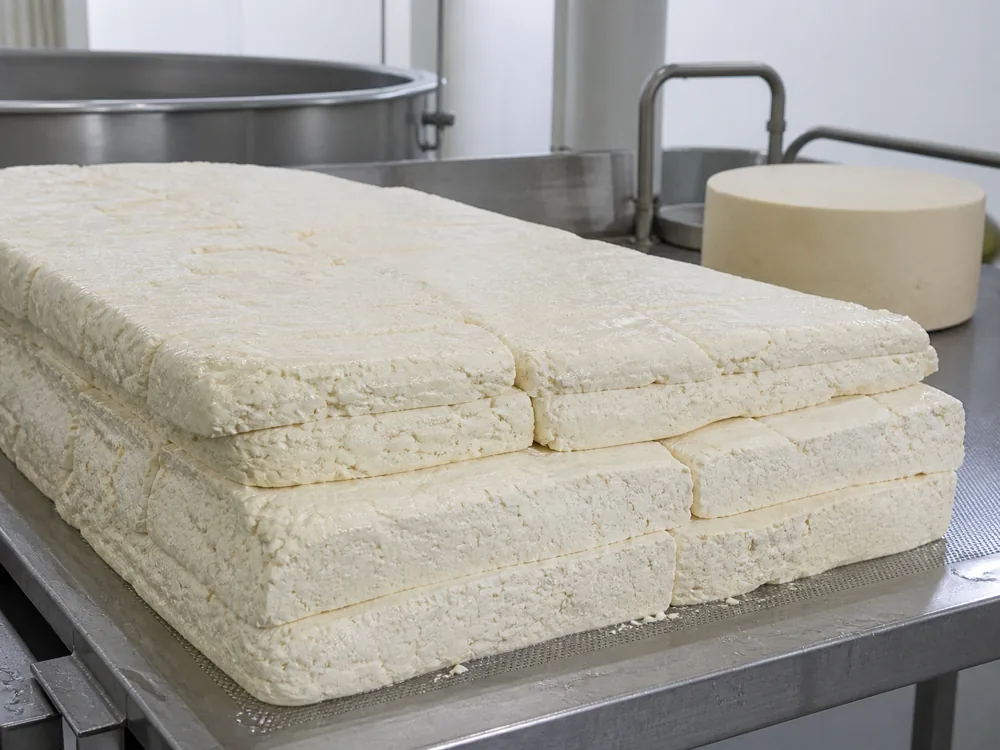
The step that gives Cheddar its name is cheddaring, in which drained curds mat into large blocks that are worked and turned to push out more whey and build the fibrous texture the Commission calls characteristic of Cheddar. The starter culture keeps acidifying the lactose left in the curd meanwhile, and afterward the curd is milled, salted, pressed into blocks and left to age.
Makers disclose the enzyme that sets the milk in different ways: Cheese.com marks Redwood Hill's cheese "Vegetarian: yes," and Sierra Nevada's ingredient list for its raw-milk goat Cheddar says "Vegetarian Enzyme." Cypress Grove's ingredient list says only "enzymes," without specifying the rennet type, so a shopper who avoids animal rennet has to read each cheese's own label.
Is Goat Cheddar Really Cheddar?
The Commission cites a federal standard of identity that defines Cheddar as the product made by coagulating milk and putting the curd through the cheddaring process or any other process that produces a cheese with the same physical, chemical and organoleptic qualities. That wording allows more than one procedure, and the same standard caps moisture at 39% and sets a minimum of 31% milk fat.
The Commission also describes a stirred-curd process, in which drained curds are stirred until the right acidity is reached instead of being matted, so the particles never join into one mass and the cheese may look more granular. Composition ends up quite similar to regular Cheddar, and the Commission calls the method faster and easier, which is why much of the Cheddar used for processed cheese is made this way.
Cheese.com files goat Cheddars in the Cheddar family, but the listings for Cypress Grove, Redwood Hill and Sierra Nevada do not say whether the cheese is cheddared or stirred-curd, and none gives a moisture figure.
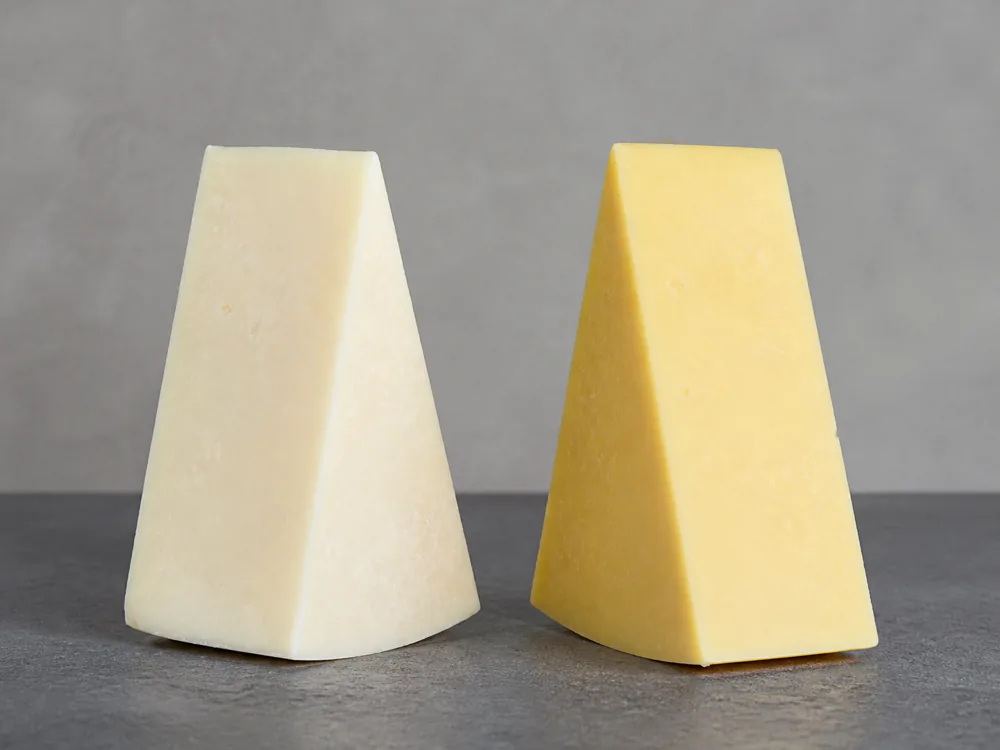
Why Is Goat Cheddar White?
Goats and sheep convert the beta-carotene in their feed into colorless vitamin A, while cows deposit it in their milkfat, which is why the Cheese Science Toolkit says a snow-white cheese is probably made from goat milk.
Cheese.com describes goat Cheddar as white, yet its entry for Redwood Hill's goat Cheddar lists pale yellow, so shade alone does not identify the milk. The Toolkit itself calls the white rule a general clue and says goat and sheep cheeses that are not snow white definitely exist.
On cow's-milk Cheddar the same pigment shows up as yellow: the Toolkit says the more grass and clover a cow eats, the more beta-carotene reaches the milk and the more yellow the cheese, and that a deep yellow can also hint at a grassy flavor.
Cow's-milk Cheddar is white to pale yellow naturally, according to the Canadian Dairy Commission, which adds that a colouring agent in the cheesemilk produces orange Cheddar. The Toolkit names that colouring as annatto, a liquid seed extract, and says it is commonly accepted that annatto does not affect flavor in any perceptible way.
The ingredient lists for Cypress Grove's goat Cheddar and Sierra Nevada's raw-milk one name no colouring, so annatto does not explain whatever shade those two cheeses have.
What Does Goat Cheddar Taste Like?
Cheese.com calls goat Cheddars tangy and goaty and says the flavor deepens with age, with aged cheeses tasting sharp. Descriptions of three named cheeses, listed here with each cheese's stated age, use gentler words than the general entry.
- Cypress Grove, two months or more: smooth, nutty and savory, slightly sharp and complex.
- Sierra Nevada raw milk, at least 120 days: the flavors of fresh sweet milk with a nutty and slightly tangy finish.
- Redwood Hill, over one year: mild, savory and sweet, per Cheese.com.
"Goaty" appears only in Cheese.com's general entry, and "tangy" appears there and in Sierra Nevada's description of its raw-milk cheese, while the two pasteurized cheeses are described as slightly sharp and as mild.
How Does Age Change Goat Cheddar?
Stated ages in the named examples run from two months to over a year, and the Canadian Dairy Commission's Cheddar bands give a rough scale: mild at three months, medium at four to nine months, and strong or sharp from nine months to several years. Those bands describe cow's-milk Cheddar, and Cypress Grove's two-month minimum falls below the three months at which the mild band starts.
| Cheese (source) | Stated age | Texture as described |
|---|---|---|
| Cypress Grove (maker spec sheet) | Two months or more | Smooth; meltable and stretchable |
| Sierra Nevada raw milk (maker) | Aged a minimum of 120 days | Not stated |
| Redwood Hill (Cheese.com) | Over one year | Firm and smooth |
Each age in the table is a floor: Cypress Grove says "two months or more," Sierra Nevada "a minimum of 120 days" and Redwood Hill "over one year," so the statement sets the youngest the cheese can be and says nothing about how much older a given piece is.
Cheese.com says young goat Cheddars are smooth and creamy and aged ones are crumbly and firm. For Cheddar in general the Commission says flavor develops largely as lipid and protein components break down, and that the longer the cheese ages, the harder and more brittle it becomes.
Redwood Hill's cheese, at over a year, is listed as firm and smooth with no mention of crumble, and Cheese.com files it as semi-hard where the general goat Cheddar entry says hard, so age points toward texture without fixing it.
For cooking, the Commission adds that aged Cheddars are particularly good in low-fat foods because their strong flavors mean not much cheese is needed.
Listed ages are minimums, and texture follows age only loosely: Cheese.com says aged goat Cheddars are crumbly and firm, while Redwood Hill's cheese at over a year is listed as firm and smooth.
What Else Varies Between Goat Cheddars Besides Age?
Beyond age, the named examples differ in four label details.
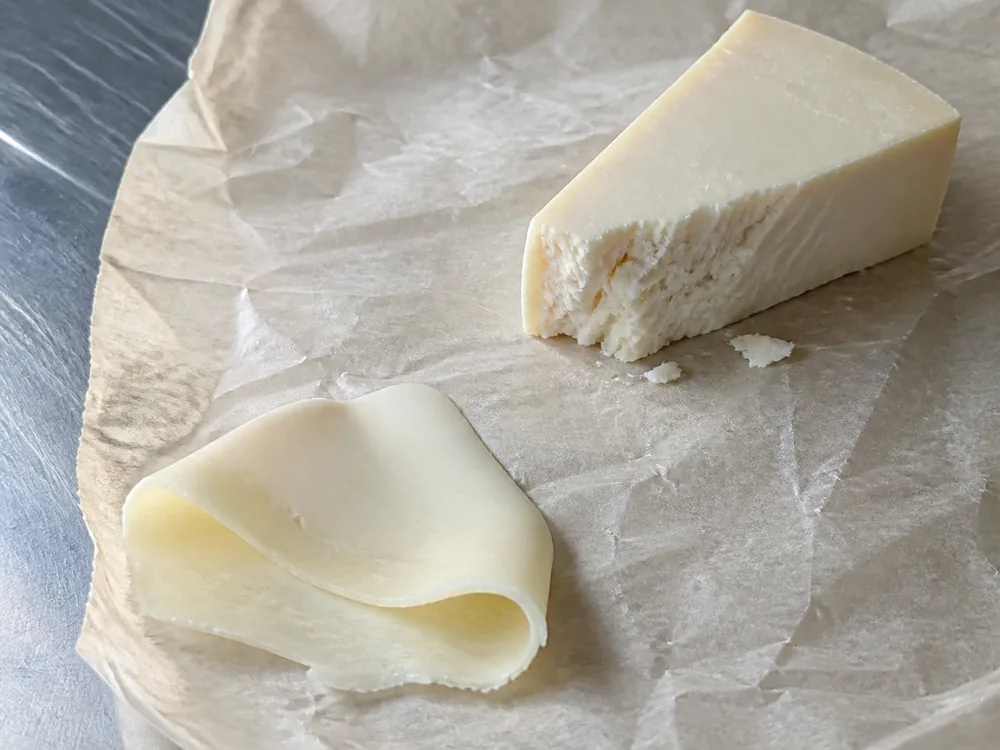
- Rind: Cheese.com's general entry lists a natural rind, while its entry for Redwood Hill's cheese lists it as rindless.
- Size: Cypress Grove's spec sheet lists a 5 lb loaf packed two to a case, and Sierra Nevada lists 6 oz squares plus 5 lb and 40 lb blocks.
- Milk treatment: Cypress Grove and Redwood Hill say pasteurized, and Sierra Nevada's raw-milk line says raw.
- Smoke: Cheese.com says Redwood Hill also makes a smoked goat Cheddar using real cold hickory, and Sierra Nevada lists a raw-milk smoked version with natural smoke among its ingredients.
Names also vary: Cheese.com lists "Aged Goat Milk Cheddar" as a synonym for the group and "Redwood Aged Goat Milk Cheddar" for Redwood Hill's cheese, while Sierra Nevada sells its version as "Bella Capra Raw Milk Goat Cheddar" and Cypress Grove's spec sheet calls its trade item "Goat Cheddar Loaf."
Raw-milk goat Cheddar also exists: Sierra Nevada Cheese Company lists a Bella Capra Raw Milk Goat Cheddar aged at least 120 days, marked sold out on October 1, 2026. The Commission says the vast majority of Cheddar is made from pasteurized milk, and that Cheddar can also be made from raw milk or from milk given only a mild heat treatment.
Some people believe the lower heat load gives better flavor, the Commission reports, because more of the enzymes and microbes that contribute to flavor survive. Sierra Nevada makes a similar case for its raw-milk line, crediting naturally occurring micro-organisms in its fresh milk and seasonal variation for a diverse range of flavors.
Neither the Commission nor Sierra Nevada compares a raw-milk goat Cheddar with a pasteurized one, so the flavor difference stays a claim rather than a measured result. The ingredient lists show which milk a cheese uses: Cypress Grove prints "Pasteurized cultured goat milk" and Sierra Nevada "Raw Cultured Whole Goat Milk."
Does Goat Cheddar Melt?
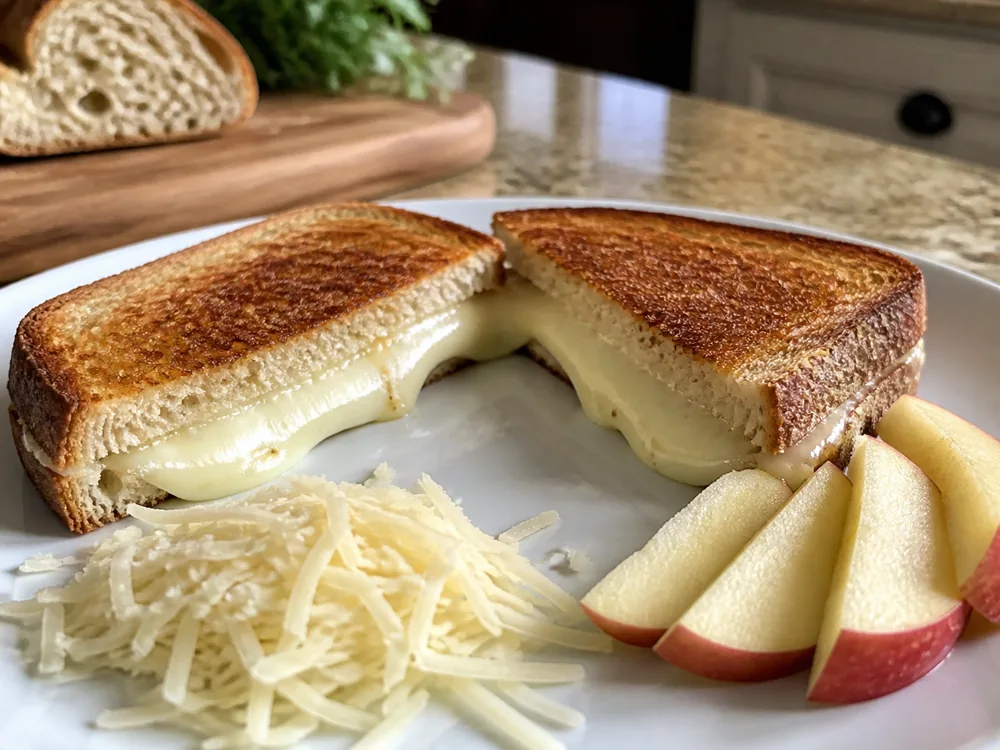
Aged two months or more, Cypress Grove's goat Cheddar is called meltable and stretchable on the maker's spec sheet, which suggests it for burgers and grilled cheese sandwiches. Cheese.com's entry for Redwood Hill's goat Cheddar, aged over a year, lists it grilled over enchiladas and sandwiches, so the melt uses span both ends of the age range in these examples.
The Commission, writing about Cheddar in general, says melted Cheddar turns smooth and creamy and that baked Cheddar browns, which improves the look of some foods. It also warns that overcooking can separate fat and denature protein, which alters texture and appearance.
Both goat suggestions are use ideas rather than test results, and neither gives a melt temperature or says how an older wheel behaves compared with a younger one.
What Goes With Goat Cheddar?
Cheese.com pairs both versions of Redwood Hill's goat Cheddar with beer, red wine and hard cider, and gives each its own foods: pears and apples for the aged cheese, salty chips and salsas for the smoked version.
| Pairing | Type | Why It Works |
|---|---|---|
| Hard cider | Drink | Cheese.com lists it for both the aged and the smoked Redwood Hill goat Cheddar. |
| Beer and red wine | Drink | Cheese.com lists both for the aged and the smoked Redwood Hill goat Cheddar. |
| Apples and pears | Food | Cheese.com lists pears and apples for the aged Redwood Hill cheese, and Cypress Grove's spec sheet suggests tart apple. |
| Candied pineapple and cherry tomatoes | Food | Both appear on Cypress Grove's spec sheet. |
| Salty chips and salsas | Food | Cheese.com suggests them for Redwood Hill's smoked goat Cheddar. |
Cypress Grove's spec sheet suggests tart apple, candied pineapple and cherry tomatoes with the cheese and mac and cheese as a dish, so apples are the one food both sources name.
How Should You Store Goat Cheddar?
Cypress Grove's spec sheet suggests keeping cheese at 32 to 40°F, wrapping it tightly in plastic wrap after cutting to prevent drying, and taking it out of the refrigerator at least one hour before serving. The same sheet's trade data list a narrower storage temperature of 35 to 37.5°F and a shelf life of 237 days, without saying whether that figure applies to a cut piece.
Both sit under the CDC's instruction to keep a refrigerator at 40°F or below.
The Commission, writing about Cheddar in general, adds that freezing preserves flavor but may diminish texture once the cheese thaws.
What Does a Serving of Goat Cheddar Contain?
Label values for one serving come from two places: Cypress Grove's spec sheet for its pasteurized cheese, which prints 28 g, and Sierra Nevada's listing for its raw-milk cheese, which prints 1 oz (28 g).
| Nutrient | Cypress Grove (pasteurized) | Sierra Nevada (raw milk) |
|---|---|---|
| Calories | 100 | 110 |
| Total fat | 8 g | 9 g |
| Saturated fat | 5 g (25% of daily value) | 5 g (25% of daily value) |
| Sodium | 180 mg | 120 mg |
| Protein | 7 g | 7 g |
| Calcium | 170 mg | 247 mg |
Saturated fat and protein match on the two labels, while sodium differs by 60 mg and calcium by 77 mg, and neither label says why.
One serving is a small piece: Sierra Nevada's 6 oz square holds six, and a single serving already carries 25 percent of the saturated fat daily value printed on both labels.
For scale, the Commission's typical Cheddar composition lists 21.09 g saturated fat, 621 mg sodium and 721 mg calcium per 100 g, which scales to about 5.9 g, 174 mg and 202 mg in 28 g, so the two calcium figures sit on either side of it and Sierra Nevada's sodium falls well below it.
Is Goat Cheddar Lactose-Free?
NIDDK does not call Cheddar lactose-free. For people with lactose intolerance it suggests trying yogurt and hard cheeses like cheddar or Swiss, which it says are lower in lactose than other milk products.
It adds that research suggests many people could have 12 grams of lactose, the amount in about 1 cup of milk, without symptoms or with only mild symptoms.
The two labels do not break out lactose. If lactose matters to you, check the pack or ask the maker.
Is Goat Cheddar Safe During Pregnancy?
Neither the NHS nor the CDC names goat Cheddar, so the closest fit is their hard-cheese lines, and both agencies give Cheddar as an example.
The two agencies draw the line differently on raw milk: the NHS keeps the pasteurised or unpasteurised wording for hard cheese, while the CDC's safer choice is hard cheese made with pasteurized milk.
That difference matters here because goat Cheddar can be made from raw milk, so the milk line on the label decides which wording applies.
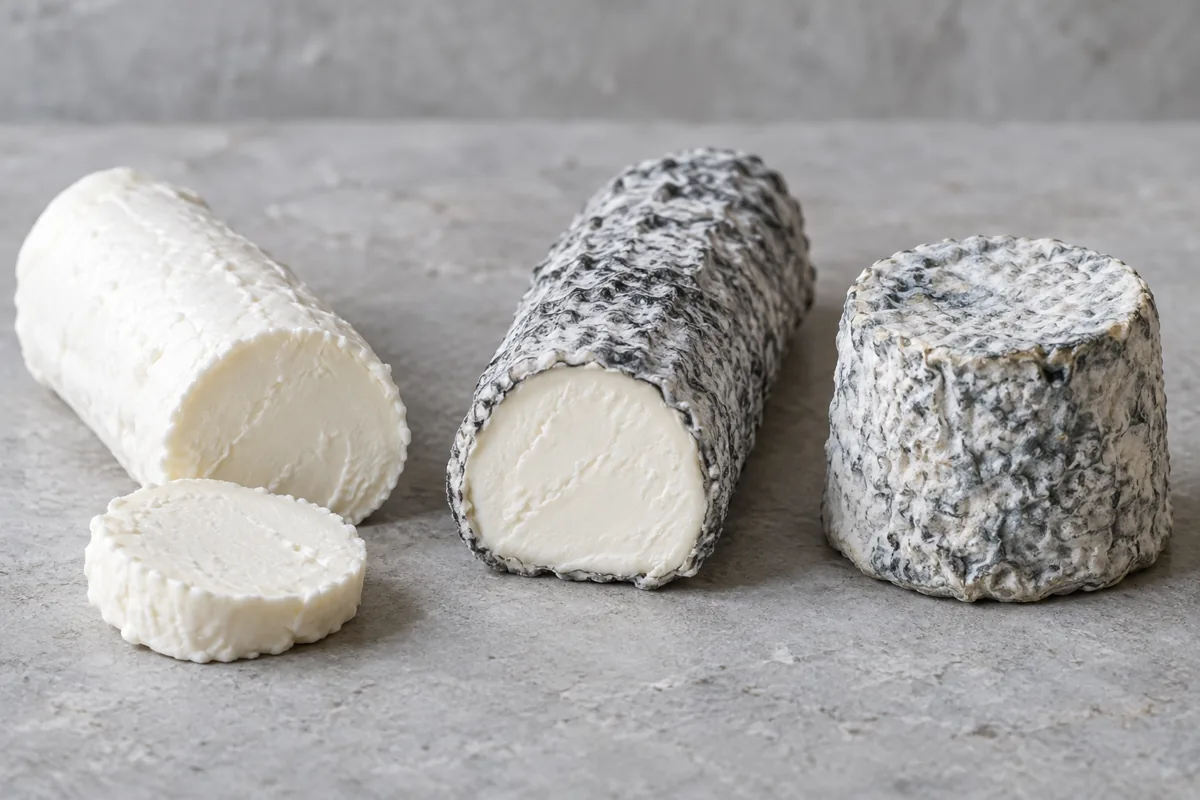
The NHS cooking requirement for chèvre covers mould-ripened soft cheeses with a white coating, a different group from the hard cheeses where it names cheddar.