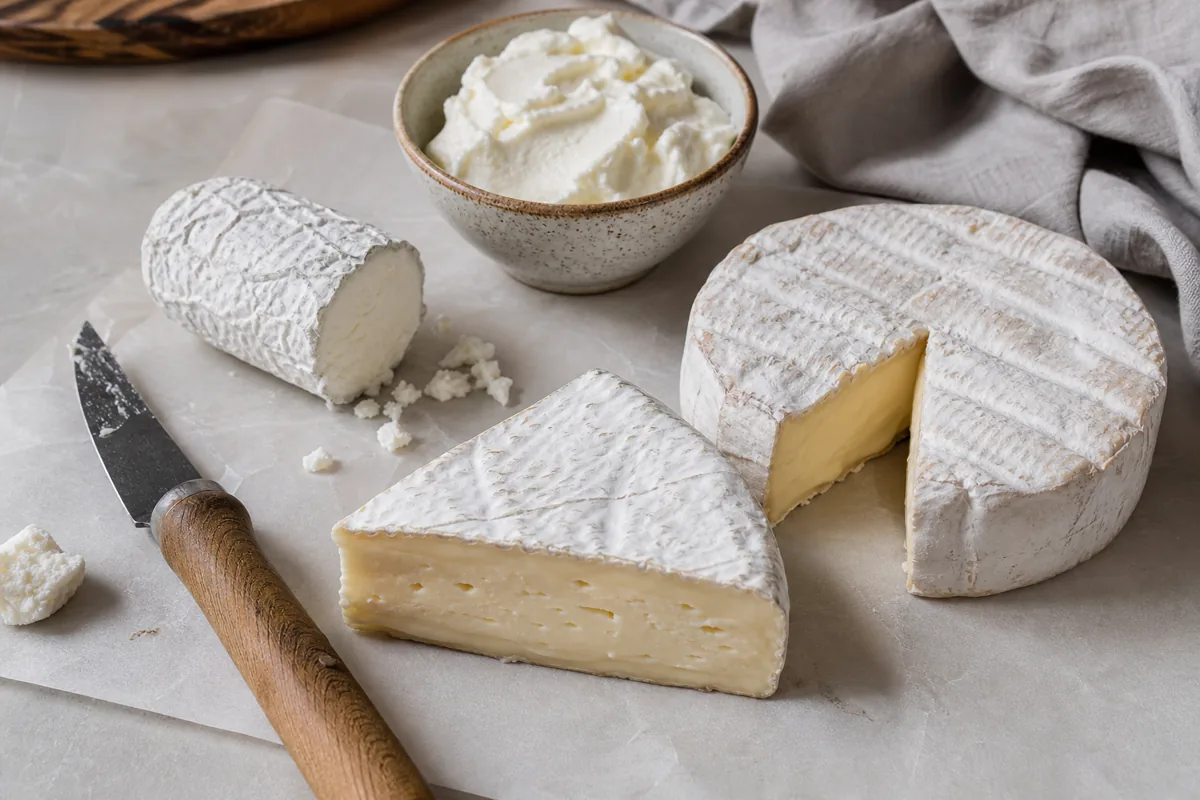
A good Brie substitute has to solve a very specific problem. It must bring a white edible rind, a creamy paste, and enough structure to soften without turning into a puddle.
Most bloomy-rind wheels sitting near the Brie can do that. A vacuum-packed wedge with a damp, flattened rind cannot, whatever the label promises.
The substitute job is more practical: your board, puff pastry, or appetizer needs a soft cheese that behaves close enough tonight.
Brie is one of the easier cheeses to replace if you stay in the bloomy-rind family. It gets messy when you chase creaminess alone and forget the rind, wheel size, or heat behavior.
In This Article
Why Should You Replace the Bloomy Rind Job First?
Start with the rind, not just the creamy center. Brie works because the white bloomy rind protects the paste, adds mild mushroom flavor, and lets the cheese soften gradually at room temperature.
Camembert is the closest replacement because it has the same soft-ripened logic: a white rind, a cow's milk paste, and an outside-in ripening pattern. It tastes earthier than many Brie wheels, but it fills the same table and baking job better than a rindless creamy cheese.
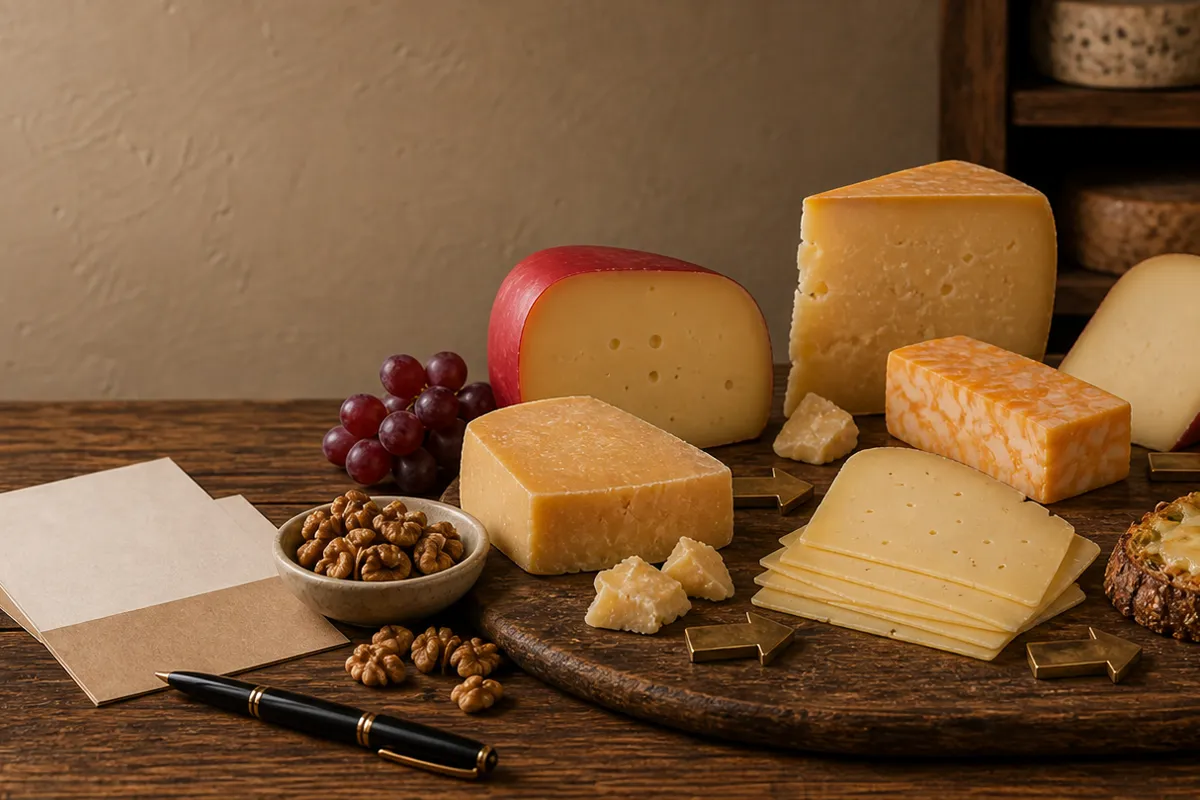
Hard cheeses fail here even when they taste good. A young Gouda, mild cheddar, or provolone can melt, but none of them gives the edible rind and spoonable board texture that people expect when a recipe or board calls for Brie.
The quickest rule is simple: if the dish shows the cheese whole, choose Camembert first. If the cheese is only meant to add creaminess, you have more freedom.
6 Brie Substitutes: Best Alternatives for Boards and Baking
1. Camembert Covers the Whole-Wheel Role
A whole wheel is where Camembert earns the top spot. It looks right on a board, cuts like Brie, warms from the outside toward the center, and can be served with fruit, nuts, honey, or bread without needing a new script.
The main difference is intensity. Camembert usually comes in smaller rounds, so each bite can carry more rind compared with paste.
That makes it taste a little more mushroomy and savory than a mild supermarket Brie.
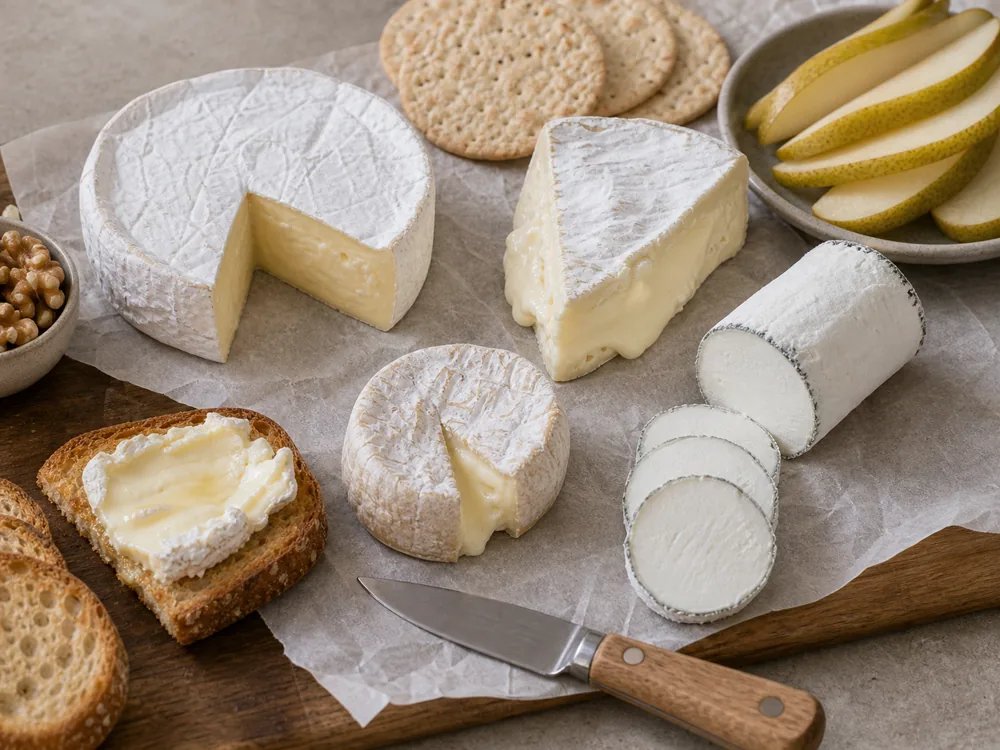
For a mixed board, use Camembert in the same slot Brie would fill: the soft, creamy, mild-to-earthy piece. The board still needs contrast from a firmer cheese, crisp fruit, and plain bread or crackers, which is why board texture balance matters more than buying six soft cheeses.
If your guests already find Brie strong, buy a younger Camembert or choose Fromager d'Affinois instead. A fully ripe Camembert can taste more forceful than the cheese you are replacing.
The best comparison is still direct: Brie and Camembert differ in size, origin, and intensity, but they remain close enough for most substitute decisions.
2. Fromager d'Affinois Works When Mildness Matters
Some readers are not trying to copy the most traditional Brie. They need a soft white cheese that spreads cleanly, tastes gentle, and does not scare guests away with a strong rind.
That is where ultra-smooth d'Affinois earns a separate role. It is milder and smoother than many Brie-style wheels, so it works well with crackers, pears, grapes, honey, and simple baguette.
- Use it for: mild cheese boards, crostini, picnic spreads, and guest-friendly appetizers.
- Avoid it for: recipes where the rind flavor is supposed to carry the dish.
- Support it with: toasted nuts, fig jam, crisp apple, or a brighter wine.
- Serve it: cool enough to hold shape but warm enough to spread without tearing bread.
The tradeoff is complexity. d'Affinois gives cream and smoothness, but it does not teach the same bloomy-rind flavor that Brie or Camembert brings to a board.
3. Brillat-Savarin and Saint-Andre Are Board Swaps, Not Oven Swaps
Triple-cream cheeses look like an easy answer because they are soft, white-rinded, and luxurious. On a board, that can be perfect.
In a hot oven, the added cream can make them less forgiving.
Brillat-Savarin's richer paste is useful when you want a more decadent cheese course. Saint-Andre's buttery center is also a strong board choice for guests who like mild, creamy cheese more than rind intensity.
Neither one should be treated as the automatic baked-Brie answer.
When a triple-cream gets too hot it softens past scoopable and moves toward sauce, which is pleasant on bread but risky inside pastry.
Do not choose a triple-cream substitute just because it is richer. For puff pastry, the cheese needs containment and structure before extra butterfat.
Use triple-creams slightly colder than Brie on a board if the room is warm. They soften fast, and a small wedge can go from elegant to slumped before the rest of the board is finished.
4. Reblochon Belongs in Hot Savory Dishes
Reblochon is not a neutral Brie clone. It is a stronger, softer washed-rind cheese, and that makes it useful only when the dish wants more savory aroma.
Use Reblochon-style softness in potato gratins, tartiflette-style bakes, onion-heavy dishes, or warm casseroles where the cheese is part of the sauce. It can make a hot dish taste deeper than Brie would.
On a delicate board, that same strength can be too much. Reblochon asks for potatoes, cured meat, onions, pickles, or rustic bread.
It does not belong beside mild fruit and crackers if the goal was a gentle Brie substitute.
If a warm recipe calls for Brie only because it melts, check the surrounding ingredients. Potatoes, bacon, onions, and mushrooms can handle Reblochon; berries, honey, and pastry usually cannot.
This is the exception section. Reblochon is the better substitute only when the final dish benefits from washed-rind savor instead of classic Brie mildness.
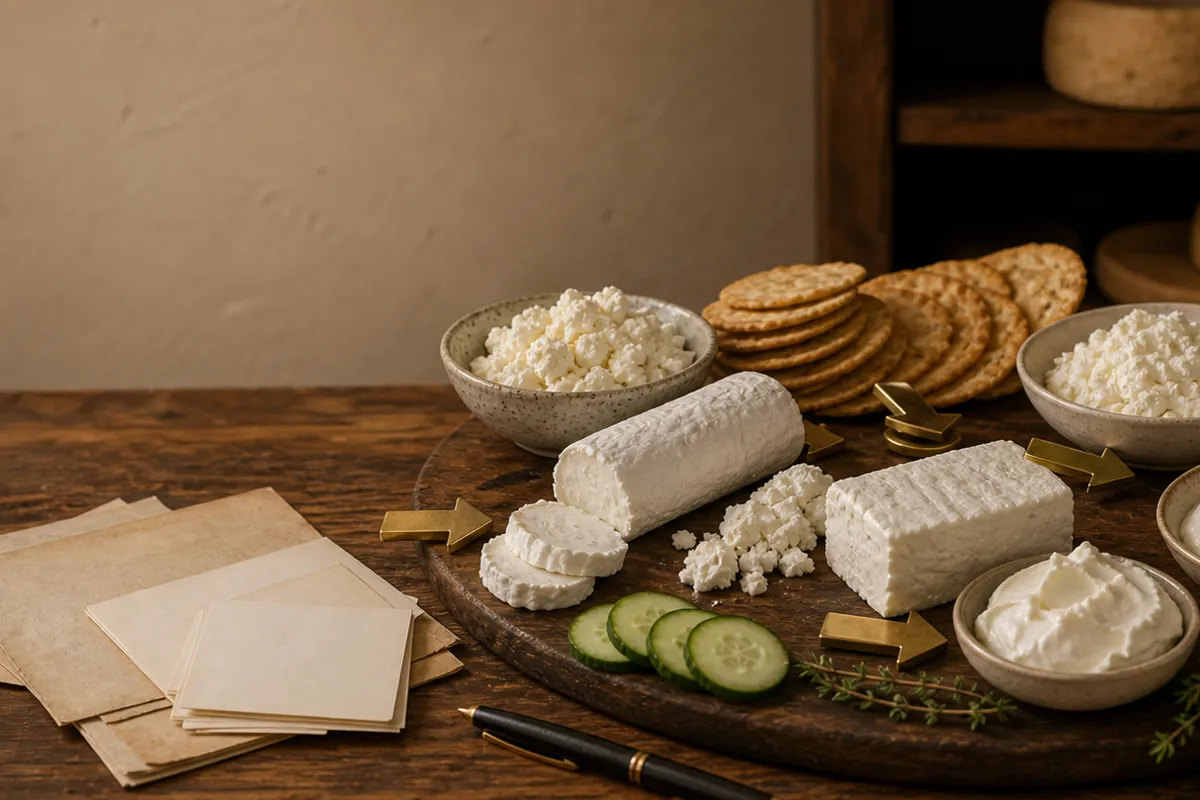
5. Cream Cheese Only Solves Spreadability
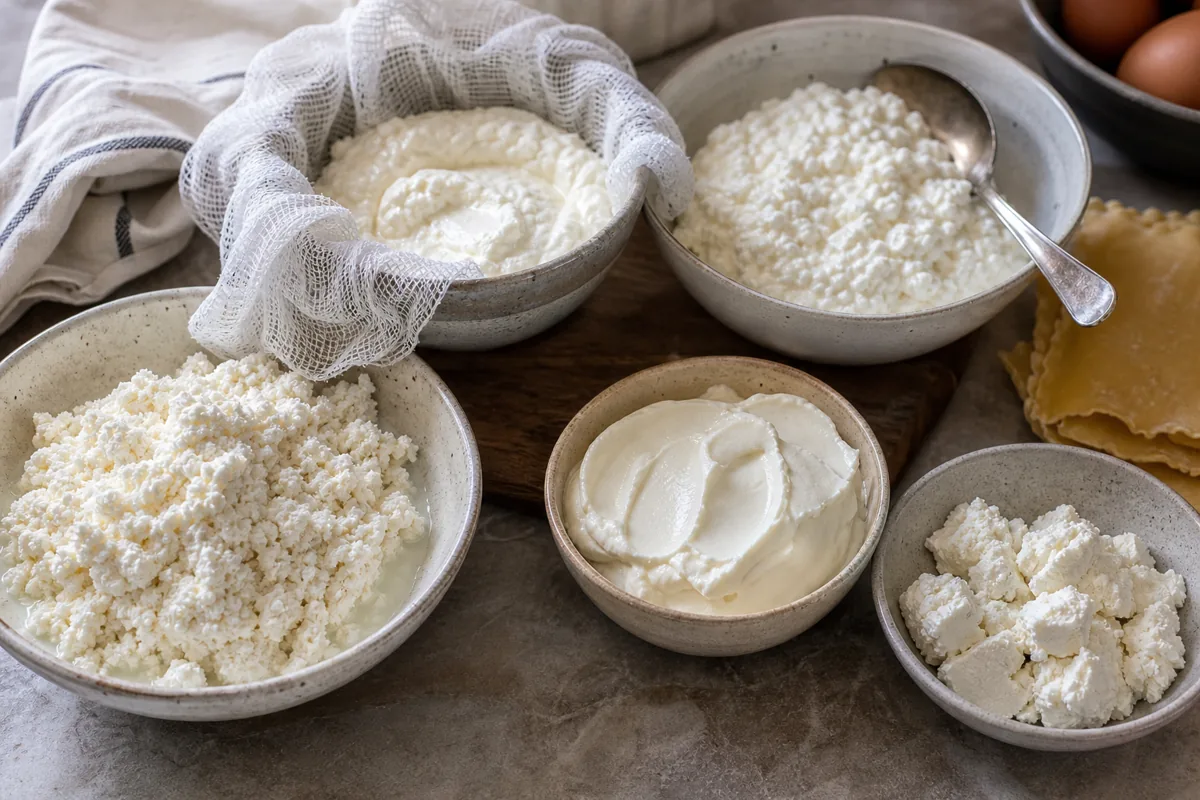
Cream cheese and goat cheese show up in Brie-substitute conversations because they are easy to find. They can help with spreadability or tang, but neither one replaces the whole Brie experience.
Cream cheese's dense spread can work in pinwheels, dips, stuffed pastry bites, or frostings that only need rich dairy body. It does not bring a rind, it tastes tangier, and it will make a cheese board feel more like a spread course than a soft-rind cheese course.
Use cream cheese when the recipe hides the cheese inside a filling, spread, or small bite. Thin it with cream or milk if you need a softer texture for spreading.
6. Goat Cheese Only Solves Tang
Fresh goat cheese tang can work on crostini or with roasted vegetables when you want brightness. It is usually chalkier and sharper than Brie, so it should not be the first pick for mild guests, baked whole-wheel pastry, or fruit-forward boards.
Use goat cheese when tang helps the dish, especially with herbs, roasted vegetables, or toast. Avoid it and cream cheese when the finished dish needs an edible bloomy rind or a whole wheel presentation.
These are backup moves, not direct replacements. They solve one texture or flavor problem while giving up the visual and ripening cues that make Brie feel like Brie.
Why Does Baked Brie Pastry Need Containment?
Baked Brie-style pastry has a different job from a board. The cheese has to soften inside puff pastry without flooding the wrapper, splitting the seams, or leaving an empty shell after the first cut.
Camembert works well because its common small round fits pastry neatly. A 250 g style wheel can sit in the center of a pastry sheet, take jam or nuts on top, and bake into a scoopable center without needing a large wedge to be patched together.
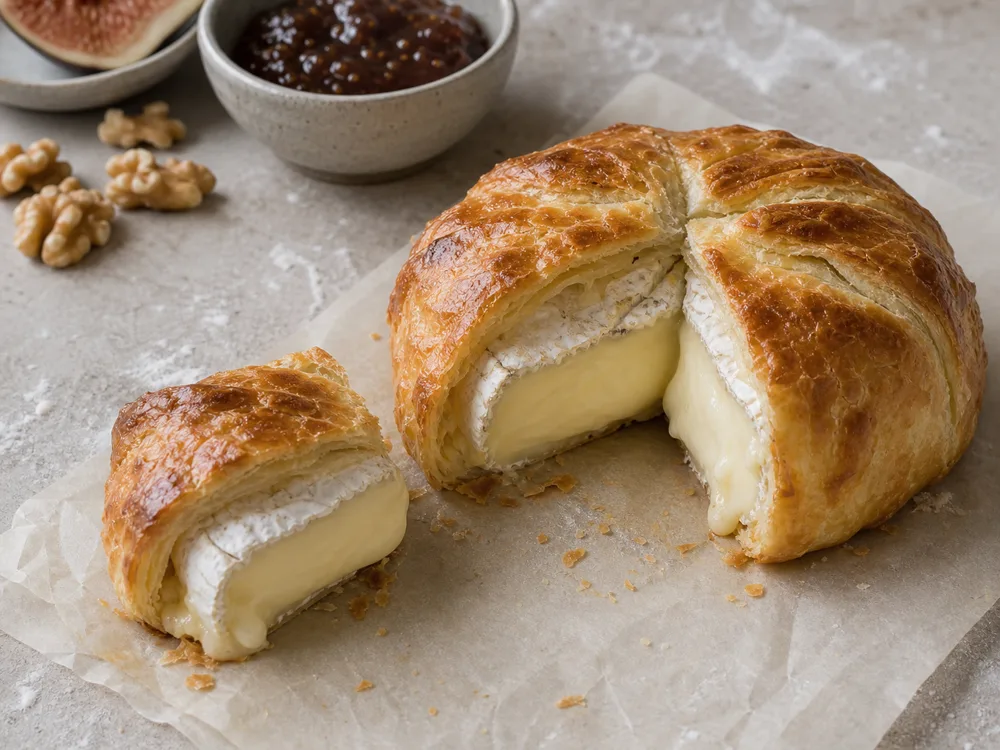
Do not judge the bake only by browning. Pastry can look finished while the cheese is still cold in the middle, or the cheese can overrun the pastry if the oven time runs too long.
The better cue is a browned wrapper with a center that yields when tapped.
| Pastry job | Best substitute | Risk to watch |
|---|---|---|
| Whole baked round | Camembert | Earthier rind than mild Brie |
| Large party pastry | Domestic Brie-style wheel | Milder flavor and firmer stabilized paste |
| Small crostini topping | Fromager d'Affinois | Too mild unless fruit or honey helps |
| Rich dessert board pastry | Brillat-Savarin | Can break or run if baked too hard |
For pastry, containment beats richness. The cheese that stays in the wrapper is usually the better Brie substitute than the cheese that tastes richer on a cold board.
How Should You Serve and Store Soft-Rind Brie Substitutes?
Even the right substitute can disappoint if it is served cold. Soft-ripened cheeses taste muted from the refrigerator, and the paste can feel rubbery until it warms slightly.
For boards, give Camembert, Brie-style wheels, and triple-creams about 30 to 60 minutes at room temperature, depending on size and room warmth. Cut pieces warm faster than whole rounds, so do not leave small wedges out as long as a whole wheel.
Place the substitute where Brie would have sat: near bread, fruit, and nuts, not beside the strongest blue or washed-rind cheese. Basic board layout steps keep a soft wheel from being crowded by wet fruit or sharp knives.
Use the center press as a practical cue. A firm center means mild, tidy slicing.
A soft center means fuller flavor and more ooze. A sharply ammoniated smell, wet rind collapse, or dark damaged patches means the cheese has moved past pleasant ripeness.
- Board timing: bring the cheese out before serving, but return leftovers to cold storage promptly.
- Wrapping: use breathable cheese paper or loose parchment rather than sealing a cut soft-rind wedge tightly in plastic.
- Freezing: avoid it for boards because thawed soft-rind cheese loses its creamy paste.
- Pairing: choose bubbles, crisp white wine, cider, pears, apples, or toasted nuts to reset the fat.
The same storage habits that protect Brie also protect its substitutes. Soft-cheese storage matters because bloomy rinds keep changing after you bring the cheese home.
For drinks, the same low-tannin logic behind bright wines for Brie usually works with Camembert and rich triple-creams too.
Match the service job first: whole wheel, pastry, spread, or hot savory bake. Then choose the substitute that behaves correctly in that job.
Brie is replaceable, but only when the substitute keeps the same table or cooking role. Creaminess on its own does not carry a baked wheel or a pastry case.
SOURCES & REFERENCES
What Else Do People Ask About Brie Substitutes?
These are the practical questions that come up when a board or baked Brie recipe needs a substitute.
Camembert is the best overall substitute. It has the same soft bloomy-rind structure, a creamy paste, and similar board and baking behavior.
Yes. Camembert works well in baked Brie-style pastry because the small wheel fits neatly and softens into a scoopable center.
Use Camembert for the closest match, Brillat-Savarin or Saint-Andre for a richer board, or Fromager d'Affinois for a milder spreadable option.
Cream cheese can add spreadable dairy texture, but it is not a close Brie substitute. It has no bloomy rind and tastes tangier and denser.
A soft cultured cashew spread is the most practical dairy-free option for boards or warm toast. It will not melt or ripen like Brie, so avoid using it as a direct baked pastry replacement.