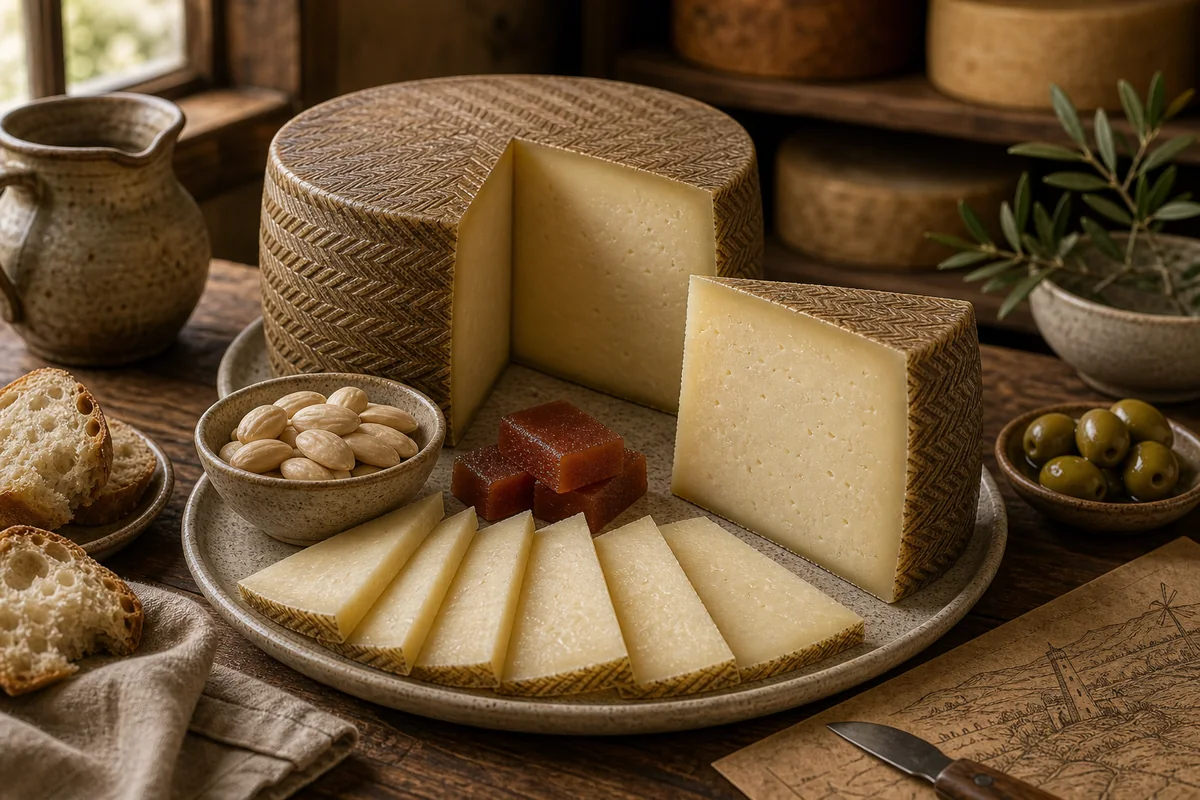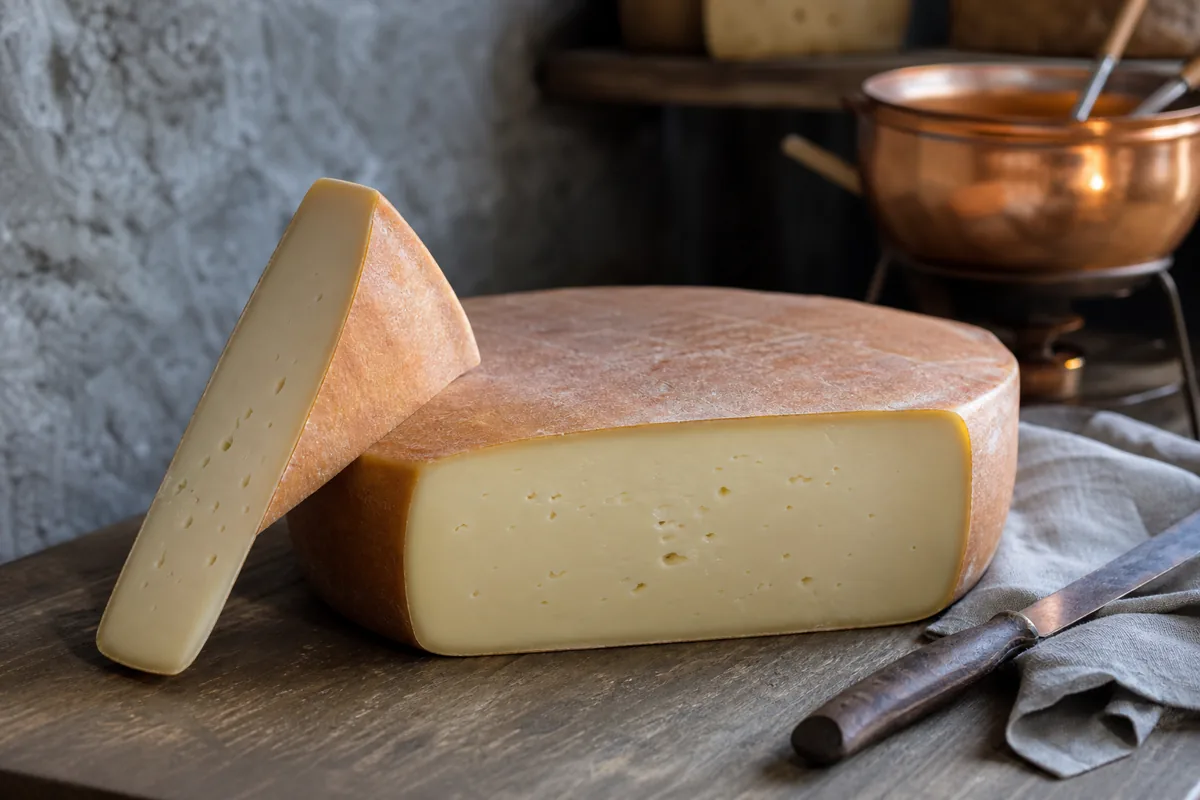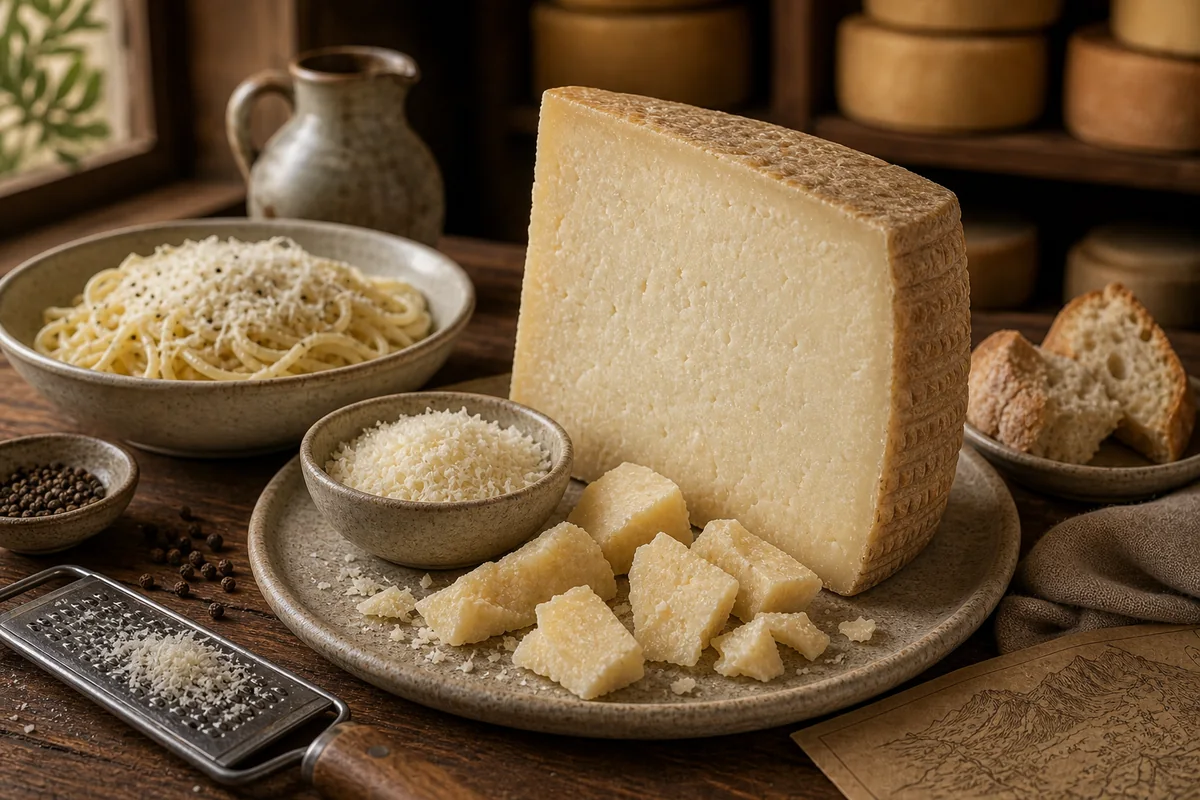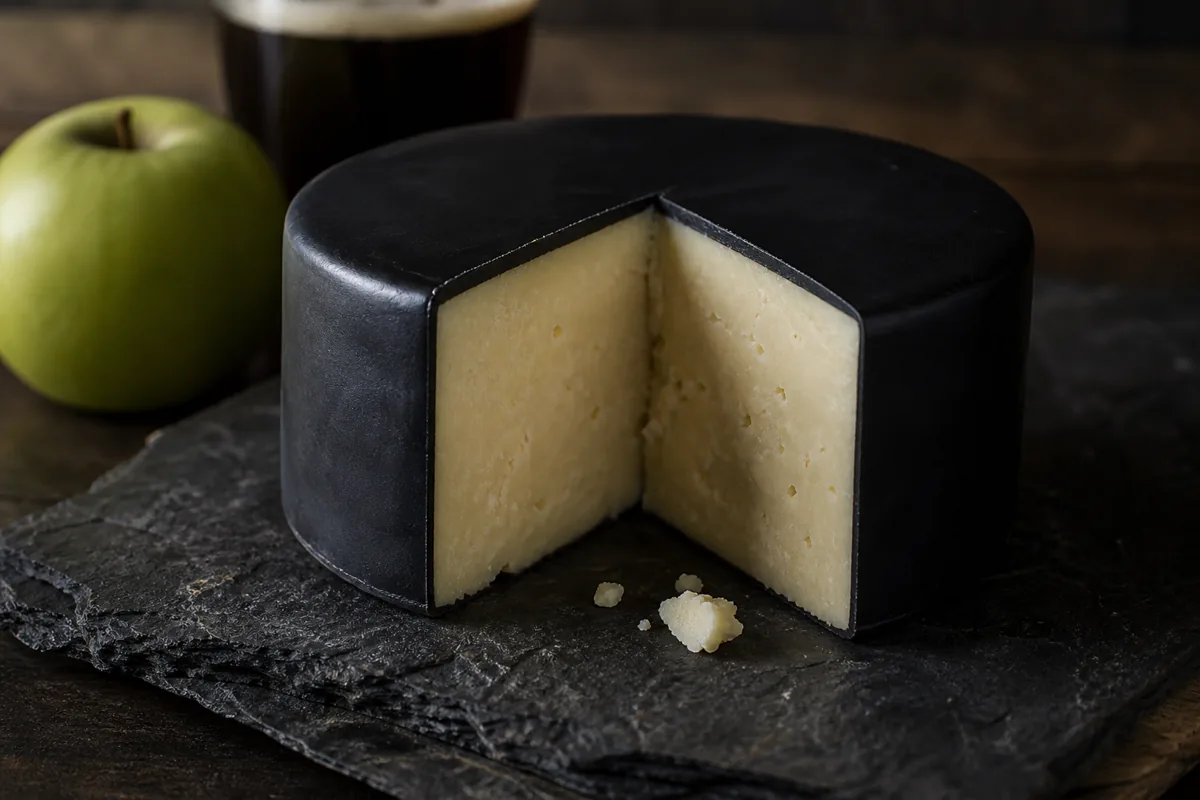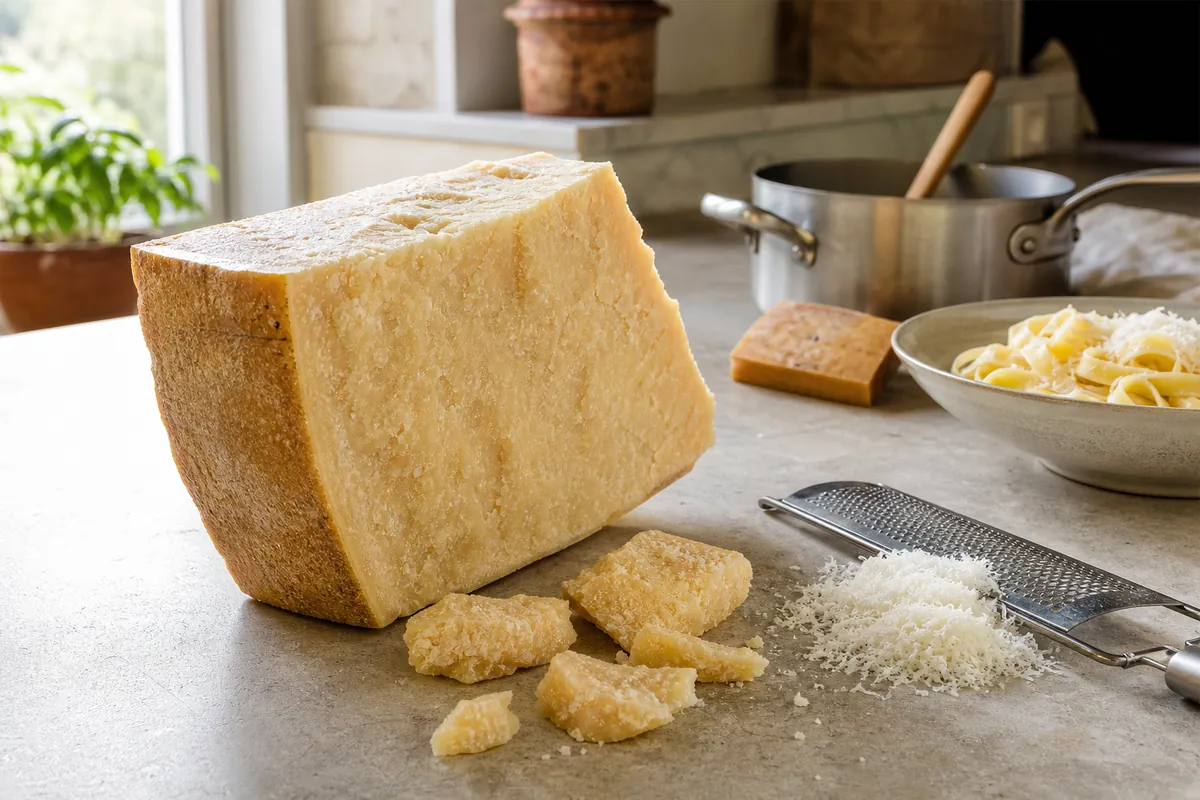
Acorn is a hard Welsh sheep milk cheese, not a cheese made from acorns.
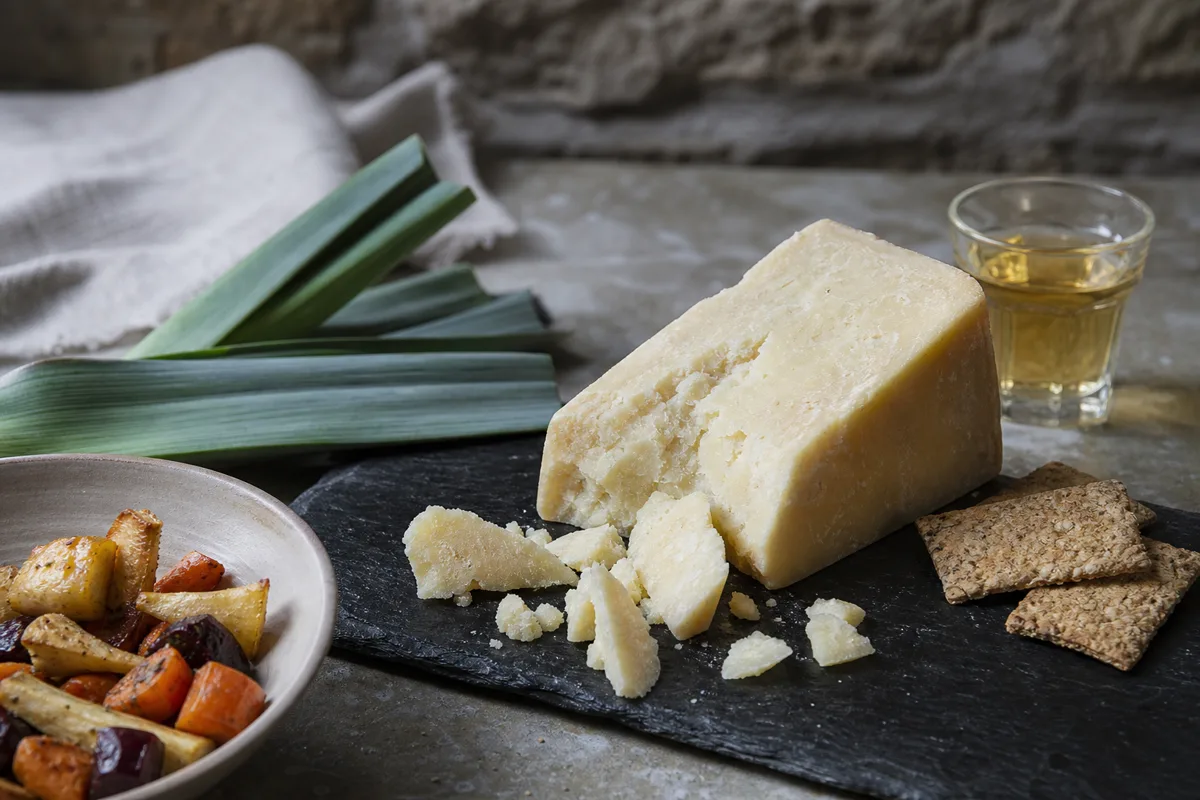
The useful first answer is practical. It behaves like a firm, crumbly table cheese with enough sweetness and acidity to work with leeks, roasted roots, cider, apples, and plain bread.
The search can be confusing because the name sounds like a nut or an autumn flavor.
The cheese itself is made from sheep milk in Wales. Its job on a plate is closer to an aged sheep cheese or old-fashioned crumbly British cheese than to a soft spread, blue cheese, or plant-based nut cheese.
If you find it, treat it as a rare board cheese first. Use small shards at room temperature, then decide whether the piece is dry enough to grate.
If you need a supermarket swap, a nutty aged sheep cheese or a firm grating cheese will usually get closer than cheddar.
In This Article
What is Acorn cheese?
Acorn is described by cheese references as a hard, full-fat cheese made from Friesland sheep milk at Little Acorn farmhouse in Bethania, Ceredigion. The important words are sheep milk, hard texture, Welsh origin, and small farmhouse identity.
The cheese is also listed as unpasteurized and made with vegetarian rennet. That changes two reader decisions.
First, people avoiding animal rennet may still consider it. Second, pregnant readers or anyone avoiding raw milk cheese should treat Acorn more cautiously than pasteurized table cheeses.
The name is narrow.
A page about cow milk British cheese would answer a different search. A page about fresh and aged goat styles would miss the sheep milk body.
Acorn needs its own identity because the buyer is trying to identify one Welsh cheese and avoid a wrong purchase.
- Buy it for: firm sheep milk flavor with a crumbly cut.
- Do not buy it for: melting stretch or creamy spreadability.
- Main caution: raw milk status matters for pregnancy and immune risk.
- Best first bite: plain bread or oat cracker before fruit or chutney.
The texture tells you how to use it
Acorn should feel firm before it feels creamy. A good piece breaks into rugged shards, fine crumbs, or dense slices.
That makes it useful on a cheese board and good for finishing warm vegetables, but it is not the cheese to pick when you want a smooth sauce.

That texture also sets the knife choice. Use a narrow knife or a small chisel on a dry piece.
Use a thin cheese plane only if the cut face holds together.
If it falls apart, lean into the crumble and serve it over warm leeks, potatoes, or roasted carrots.
| Texture cue | Best reader action |
|---|---|
| Firm wedge | Slice thinly for a board. |
| Rugged crumble | Scatter over warm vegetables. |
| Dry edge | Grate lightly over soup or roots. |
| Sweaty surface | Air briefly, then taste before serving. |
Cut down through the wedge from the point towards the rind rather than sawing across it. That direction follows the grain of the crumb and leaves shards that hold together on a plate instead of collapsing into rubble.
Grating asks for the opposite handling. Chill the piece hard first and use the coarse holes, because fine holes press a sheep milk cheese into a paste that clumps the moment it lands on warm food.
A sweaty sheen after a while on the counter is fat coming out of the paste, not a sign the cheese has gone. Blot it, leave the piece uncovered for ten minutes, and the cut face turns matte again.
Do not force Acorn into a mozzarella-style melt. It can soften with heat, but the sheep milk solids and hard texture are better when used as a finishing cheese.
What does Acorn cheese taste like?
Acorn's flavor is often described around caramel, crushed nuts, herbs, fruit, and citrus. That sounds sweet, but the eating experience should still read as savory.
The caramel note gives roundness. The citrus note keeps the sheep milk richness from feeling heavy.
Sheep milk cheeses often carry a fuller body than many cow milk cheeses. Acorn uses that body in a firm, crumbly format.
It is less buttery than young Dutch-style table cheese, less salty and sharp than a Roman grating cheese, and usually less familiar than supermarket aged cheddar.
The best tasting order is simple. Try one shard cold, then another after ten minutes on the board.
A warmer piece should smell fruitier and taste rounder. If the citrus finish disappears, use a sharper pairing such as apple, cider, or pickled onion.
Serve Acorn with leeks cider and simple starches
Acorn does not need a crowded board. Its Welsh sheep milk identity is clearest with foods that feel plain but sturdy.
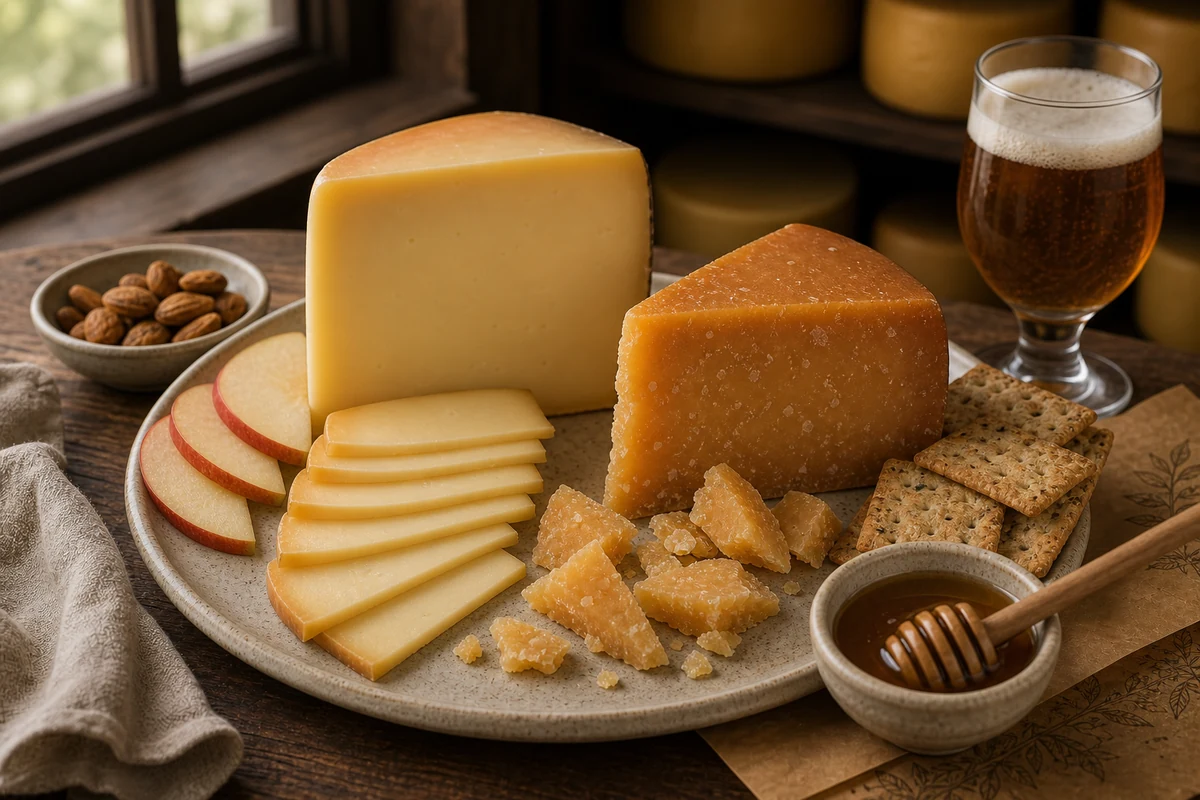
Leeks, roasted roots, oat crackers, dark bread, apples, pears, and dry cider all give it room to show caramel and herb notes.

Use small portions. A hard sheep cheese can seem muted when served in thick blocks.
Thin shards carry more aroma and let the crumbly texture do work. If the board already has a blue cheese or a washed-rind cheese, place Acorn near the bread and fruit rather than next to the loudest cheese.
Bring Acorn out 20 to 30 minutes before serving, cut it into uneven shards, and pair it with one sweet item and one earthy item. Apple plus roasted leek is enough.
Can you cook with Acorn cheese?
Yes, but use it as a finishing cheese. Grate a little over leek soup, cauliflower, roasted potatoes, or a simple salad of warm grains and bitter leaves.
Heat helps the fat bloom, but long cooking can flatten the citrus finish and make the texture grainy.
Think of Acorn as a top note, not a sauce base.
If a recipe asks for a smooth melt, use a smoother smoked melting cheese, an easy sauce-melting cheese, or another melt-friendly option. If a recipe asks for salty flakes, a smaller amount of Acorn can finish the dish without taking it over.
- Good: shaved over roasted leeks or potatoes.
- Good: crumbled over apple and bitter greens.
- Careful: folded into hot sauce, where it may turn grainy.
- Avoid: using it as the only cheese in a stretchy toastie.
What can replace Acorn cheese?
The right substitute depends on why you wanted Acorn.
If the sheep milk flavor matters, start with Manchego or another aged sheep cheese. If the crumbly British feel matters more, try a firm Wensleydale-style cheese.
If the finishing job matters most, Parmesan or Pecorino can work in smaller amounts.
Do not replace Acorn with fresh goat cheese just because both are specialty cheeses. Fresh goat cheese gives tang and spreadability, but it misses the firm sheep milk body.
A soft goat-cheese swap only makes sense when the recipe asks for tang rather than hard texture.
| Need | Best swap | Why it works |
|---|---|---|
| Sheep milk body | Manchego | Firm, nutty, sheep milk profile. |
| Grating finish | Parmesan | Dry shards and savory depth. |
| Crumbly British feel | Wensleydale-style cheese | Crumbly, clean, and less oily. |
| Sharper salt | Pecorino | More salt, less caramel. |
- Use Manchego when: the sheep milk body is the main reason for the swap.
- Use Parmesan when: the dish needs a dry savory finish.
- Use Wensleydale-style cheese when: the plate needs a crumbly British feel.
Store Acorn in Paper and Check the Cut Face
Wrap Acorn in cheese paper or parchment, then place it in a loose container in the refrigerator. Plastic wrap traps moisture against the cut face and can make a hard sheep cheese smell stale faster.
If the piece dries slightly, trim the edge and grate the dry part.
Because Acorn is listed as an unpasteurized cheese, keep food-safety decisions conservative. Pregnant people, older adults, very young children, and immunocompromised readers should avoid it unless a healthcare professional says otherwise or the cheese is cooked until steaming throughout.
Change the paper every time the piece goes back in the fridge. Damp paper has stopped doing the job, and the cut face under it starts to smell flat instead of fruity.
Keep the wrapped piece in the drawer with the fruit and vegetables rather than beside anything loud. Paper lets a hard sheep cheese take on onion or smoked fish far quicker than a waxed or vacuum-sealed cheese would.
Cut only what you plan to serve and leave the rest whole. Each new cut face is one more surface losing moisture, so a wedge broken into shards in advance goes hard at the edges within a day or two.
Acorn also deserves a final smell check. Fruity and nutty aromas are normal.
Sour, dirty, or harsh ammonia notes mean the piece is no longer giving the flavor this cheese is known for.