In This Article
What Makes Asadero a Stretchy Melting Cheese?
For a quesadilla, neither Asadero nor Oaxaca melts better in every case: both stretch when heated. Choose Asadero when you want to shred or slice a block, and Oaxaca when you want to pull strands from a ball.
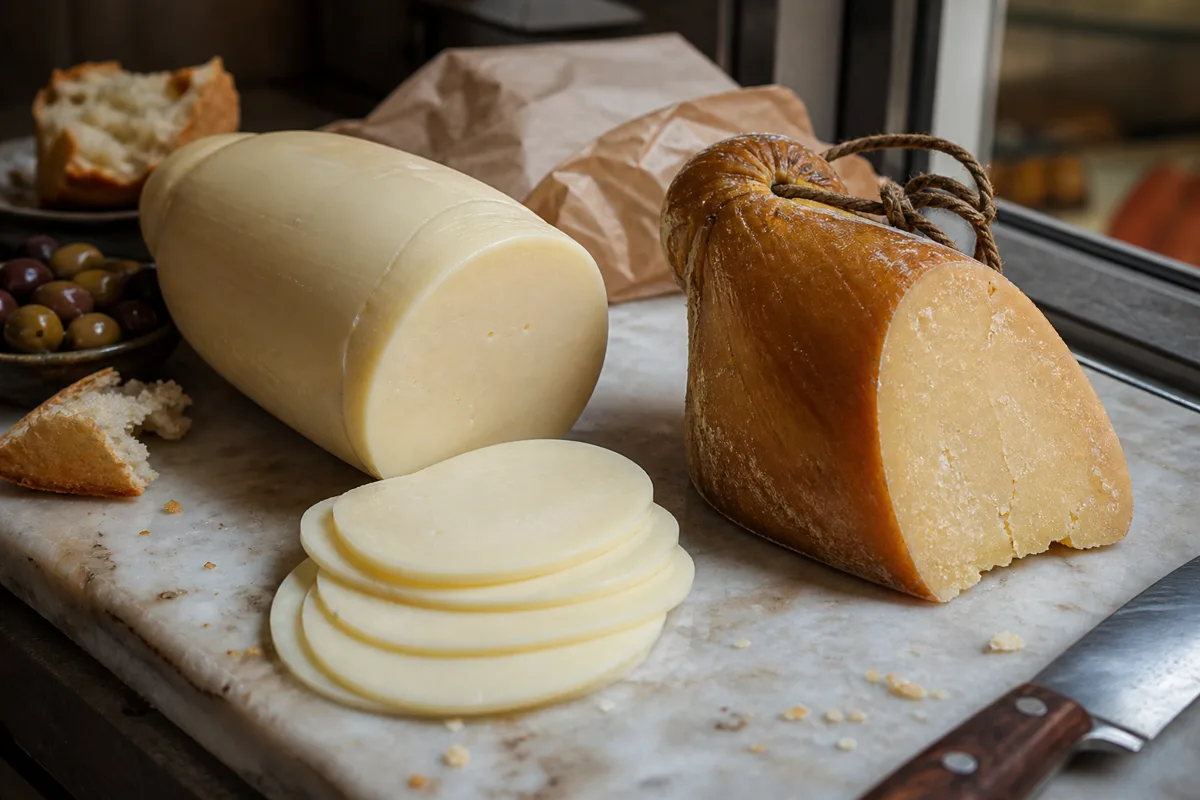
Asadero is a semi-soft Mexican cheese associated with Chihuahua and northern Mexico. Traditionally made by stretching warm curd, it gives a quesadilla a mild flavor and a cohesive melt.
It is the same technique used to make fresh mozzarella, which is why the two cheeses behave similarly in cooking even though they come from different traditions and taste distinct.
The name points to its cooking role: melting into quesadillas, chiles rellenos, queso fundido, and burritos. A labeled commercial blend can include Asadero without behaving like a block made only of that cheese.
That northern identity also separates it from queso Chihuahua style, which is usually firmer and more sliceable. Asadero's job is immediate stretch, not deeper aging.
- Stretched-curd process: In traditional versions, warm curd is kneaded and stretched until it becomes smooth and elastic. Product labels still matter because commercial formulations vary.
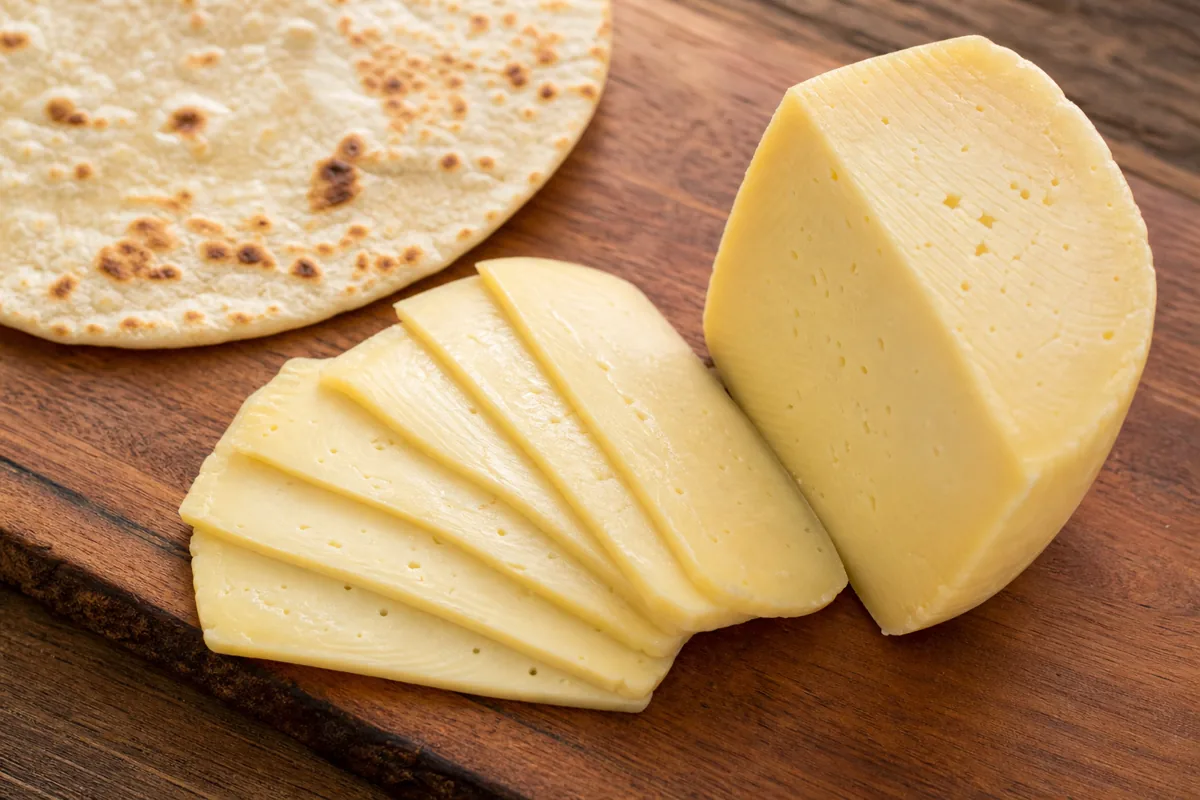
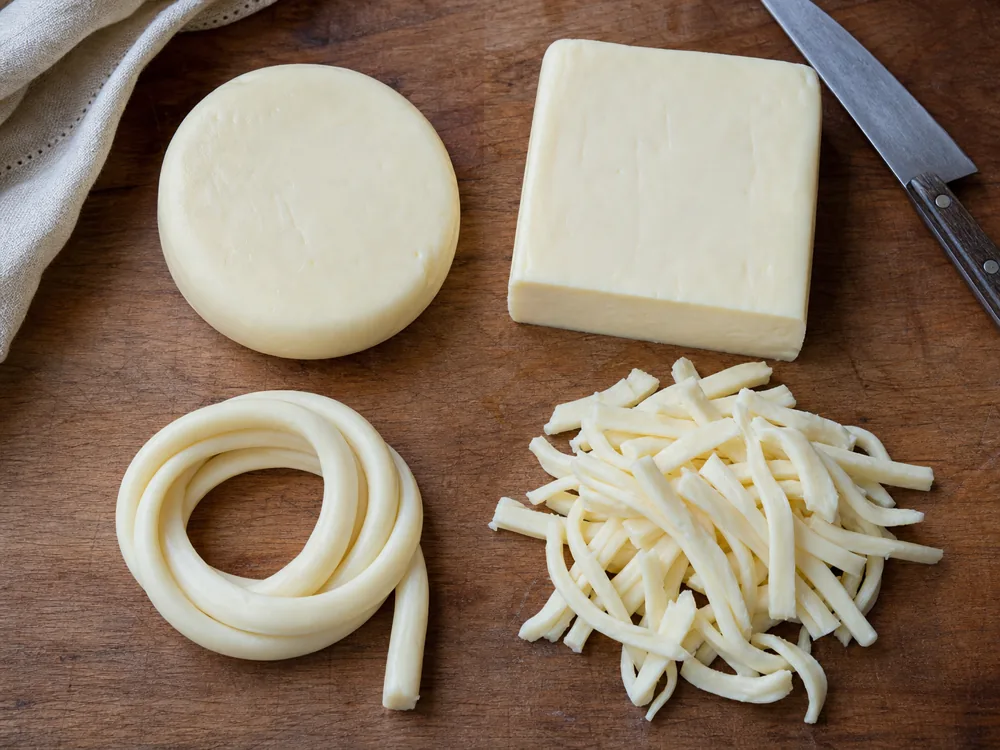
- Format: Sold as flat discs, rounds, or braided ropes in Latin markets. Commercially packaged for US retail in blocks or rounds, typically 10–16 ounces
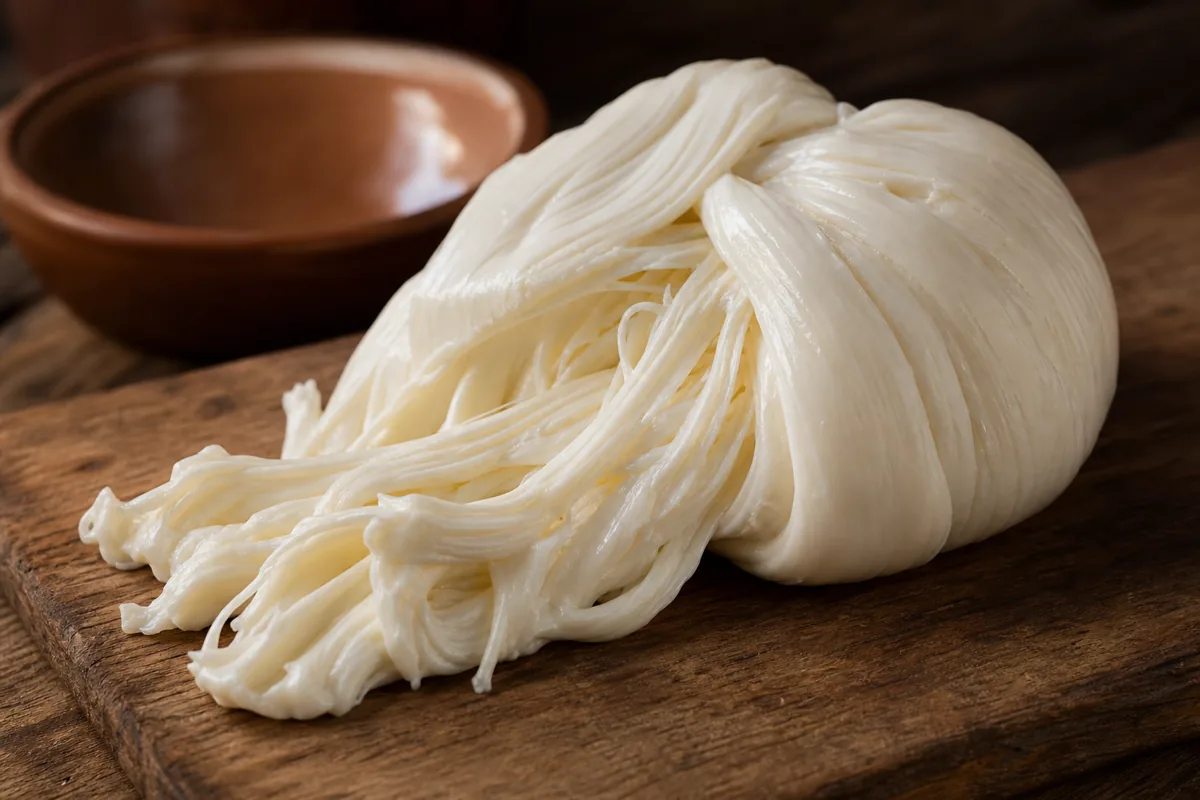
- Not the same as Oaxacan cheese: Both are Mexican stretched-curd cheeses, but Oaxacan cheese (quesillo) comes from a different state and is formed into string balls.
- Not the same as queso Chihuahua: Queso Chihuahua (also called queso menonita) is firmer, more aged, and sharper in flavor than asadero. Both come from Chihuahua but are distinct products
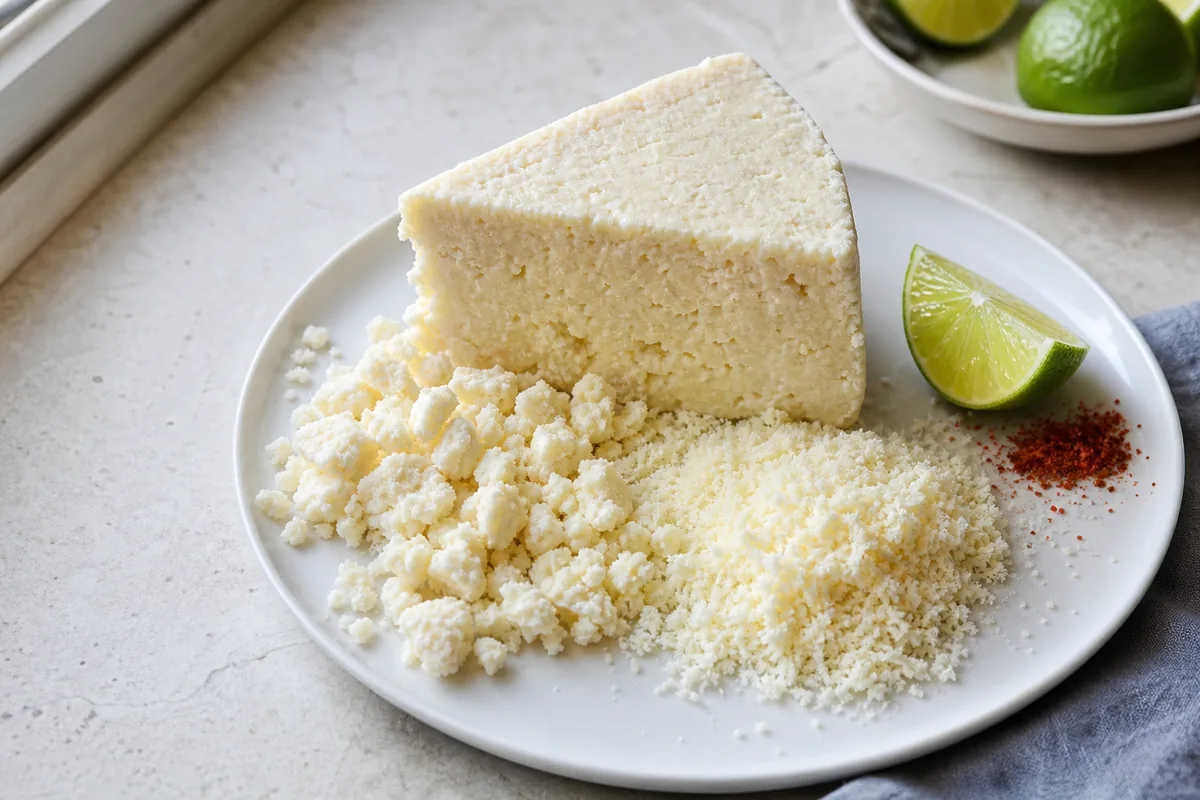
Asadero differs from crumbly queso fresco in how it is usually cooked. Queso fresco is commonly crumbled over a finished dish, while asadero is chosen for its stretchy melt.
Asadero is a stretched-curd cheese used primarily in cooked dishes where melt and pull matter. Queso fresco is usually a crumble, so the two solve different cooking jobs.
Flavor is mild and buttery with a faint lactic tang that becomes more noticeable as the cheese warms. Asadero is not an assertive cheese in the way that aged cotija is.
Salt is present but restrained. The primary flavor contribution asadero makes to a dish is its melt behavior and creaminess rather than its taste.
When it melts in queso fundido with chorizo and roasted peppers, the cheese provides a smooth, creamy backdrop that carries the other flavors rather than competing with them.
Why Asadero Pulls Long in Quesadillas and Fundido
In a traditional stretched-curd make, warm curd is worked into an elastic mass. A pressed curd that is never stretched develops a different structure and does not pull apart in the same way.
The maker heats the curd in water or whey, then folds and stretches it. This working aligns the proteins and helps produce the smooth, stringy melt.
When stretched-curd cheese is reheated, its aligned structure helps it pull into strands. Asadero, mozzarella, and stretched-curd provolone all behave differently from a pressed cheese such as Cheddar.
Cheddar can separate if heated too hard, and Asadero can also release fat when overheated. Moderate heat gives either cheese more time to melt before it scorches.
That performance puts asadero in the same practical family as other best melting cheeses, but it brings a northern Mexican flavor context. It melts for tortillas, peppers, and skillet service first.
- Stretch: A warm traditional stretched-curd version can pull into strands; the length depends on the product and how it is heated.
- Browning: The surface can brown under a broiler while the center stays soft, so watch both the cheese and the tortilla or pepper around it.
- Oil separation: If fat pools at the edge, lower the heat. Different commercial formulations can also melt differently.
Which Dishes Use Asadero Cheese?
Northern Mexican cooking uses this cheese the way Italian-American pizza uses mozzarella. It appears in quesadillas, queso fundido, burritos, and chiles rellenos where the cook wants long pull without a strong aged flavor.
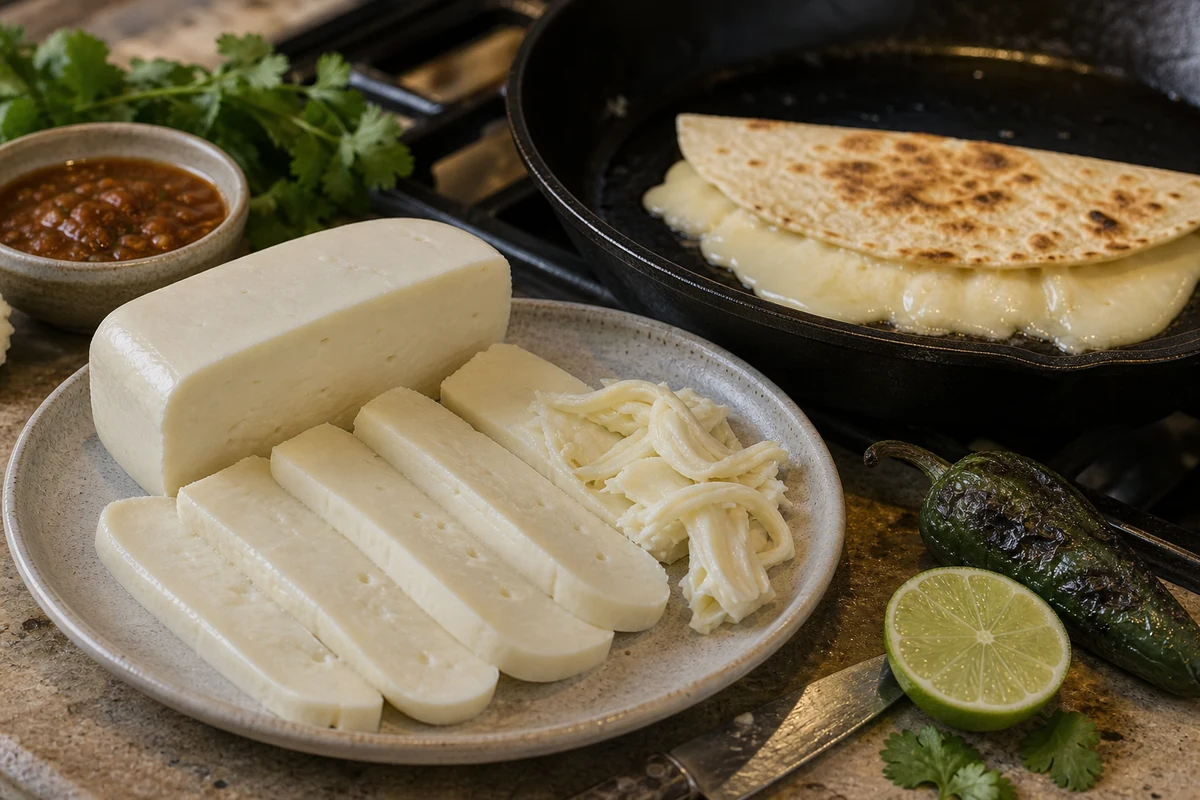
Quesadillas: The most direct application. Asadero melts evenly and produces good stretch when the tortilla is folded and pressed.
A quesadilla made with asadero has a cleaner, less greasy melt than one made with shredded Cheddar or pre-packaged Mexican blend. Use flour tortillas for a soft result or corn tortillas on a comal for more char and flavor contrast.
Queso fundido: Melted cheese served in a cast-iron skillet or clay vessel, often with chorizo, mushrooms, or roasted peppers. Asadero is the traditional cheese for queso fundido because it melts to a smooth, dippable consistency without breaking or becoming grainy.
Serve immediately with warm tortillas for dipping.
- Chile rellenos: The stuffed pepper is filled with asadero before being battered and fried. The cheese must hold its shape while the pepper is assembled, then melt fully when the dish is cooked. Asadero's semi-firm texture makes it easier to stuff than mozzarella
- Burritos and enchiladas: Asadero melts into the filling and over the top of baked burritos and enchiladas without curdling or releasing fat. Works anywhere a mild, clean melt is needed
- On flatbread pizza: Asadero substituted for mozzarella produces a slightly different flavor (more buttery, less milky-fresh) but identical melt behavior. Works particularly well on Mexican-inspired flatbreads with salsa, black beans, and jalapeños
- In tortas and pressed torta sandwiches: Sliced asadero melts into a smooth, creamy cheese layer that holds the sandwich together without becoming greasy
Shred asadero coarsely on the large holes of a box grater for queso fundido. Shredded cheese melts more evenly than slices, and a small amount of beer or white wine keeps the melt fluid.
For quesadillas, slice or shred the cheese according to the tortilla. Thin slices suit flour tortillas, while coarse shreds melt faster inside corn tortillas on a hot comal.
Asadero vs. Oaxacan Cheese (Quesillo)
These two Mexican stretched-curd cheeses can stand in for each other in many cooked dishes, but their traditional forms differ.
When a recipe calls for Oaxacan cheese, quesillo gives the most similar pull-apart form. Asadero gives a smoother slab or shred melt.
| Asadero | Oaxacan Cheese (Quesillo) |
|---|---|
| Origin: Chihuahua and northern Mexico | Oaxaca state, southern Mexico |
| Form: flat disc, round, or block | Long string ball wound into a skein |
| Flavor: mild, buttery, very slightly tangy | Slightly tangier and more milky-fresh |
| Texture cold: smooth, semi-firm | Stringy, pull-apart layers even cold |
| Best known for: queso fundido, quesadillas, chile rellenos | Pulled and layered in memelas, tlayudas, Oaxacan quesadillas |
Both melt with similar stretch behavior and can substitute for each other in most dishes. The flavor difference is subtle: asadero is slightly more buttery, Oaxacan cheese slightly more tangy and milky.
If you have one and need the other, the substitution works in any melted application.
How Does Heat Control Improve Asadero's Melt?
Medium heat gives the cleanest melt. The cheese needs enough warmth to relax the stretched curd, but it does not need the aggressive heat you might use for browning meat or charring vegetables.
For quesadillas, start with a warm tortilla and let the cheese melt before the outside gets too crisp. If the tortilla browns before the cheese stretches, the heat is too high or the pieces are too thick.
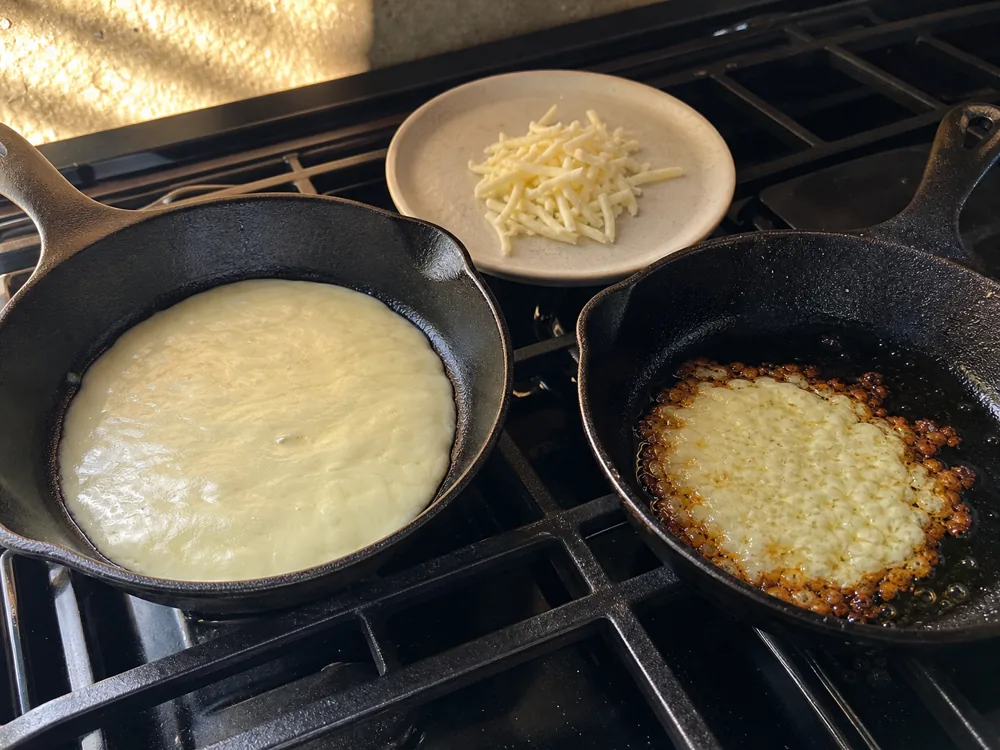
For queso fundido, shred the cheese and melt it in a warm skillet rather than dropping a thick block into a very hot pan. The goal is a smooth pool with long pull, not a browned crust before the center has moved.
- Too rubbery: The cheese overheated after melting, so pull the pan sooner next time.
- Too oily: The heat was too high or the cheese sat too long after melting.
- Too slow to melt: The pieces were too thick, or the cheese was too cold from the refrigerator.
- Too bland: Add roasted chile, chorizo, beans, or salsa rather than expecting asadero to season the dish alone.
This is the useful difference between asadero and sharper table cheeses. Asadero gives structure and pull, while the rest of the dish carries chile, smoke, acid, and salt.
Asadero vs. Monterey Jack and Other US Substitutes
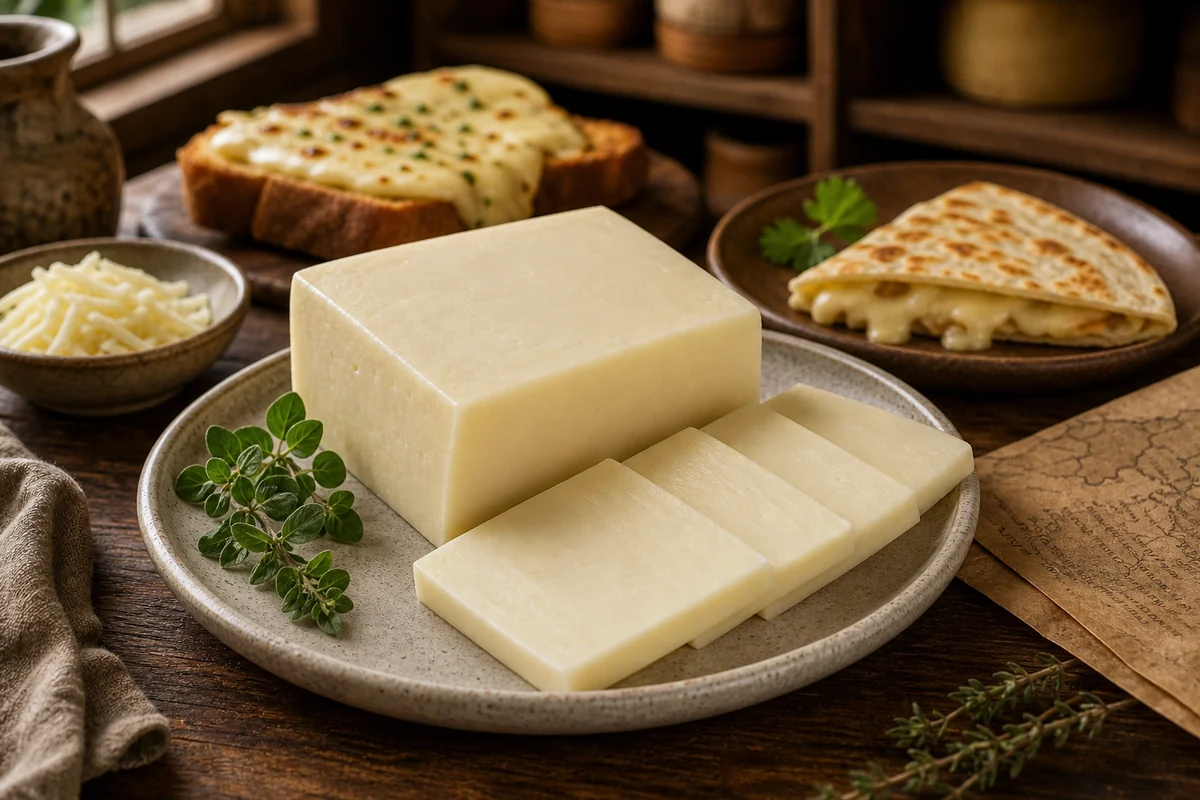
When asadero is unavailable, a practical Monterey Jack fallback is the most reliable choice. Both are mild, semi-soft cow's milk cheeses that melt cleanly without significant flavor interference.
Monterey Jack is not a stretched-curd cheese, so it does not give the same long pull. Its mild flavor and easy melt still make it useful in quesadillas, burritos, and queso fundido.
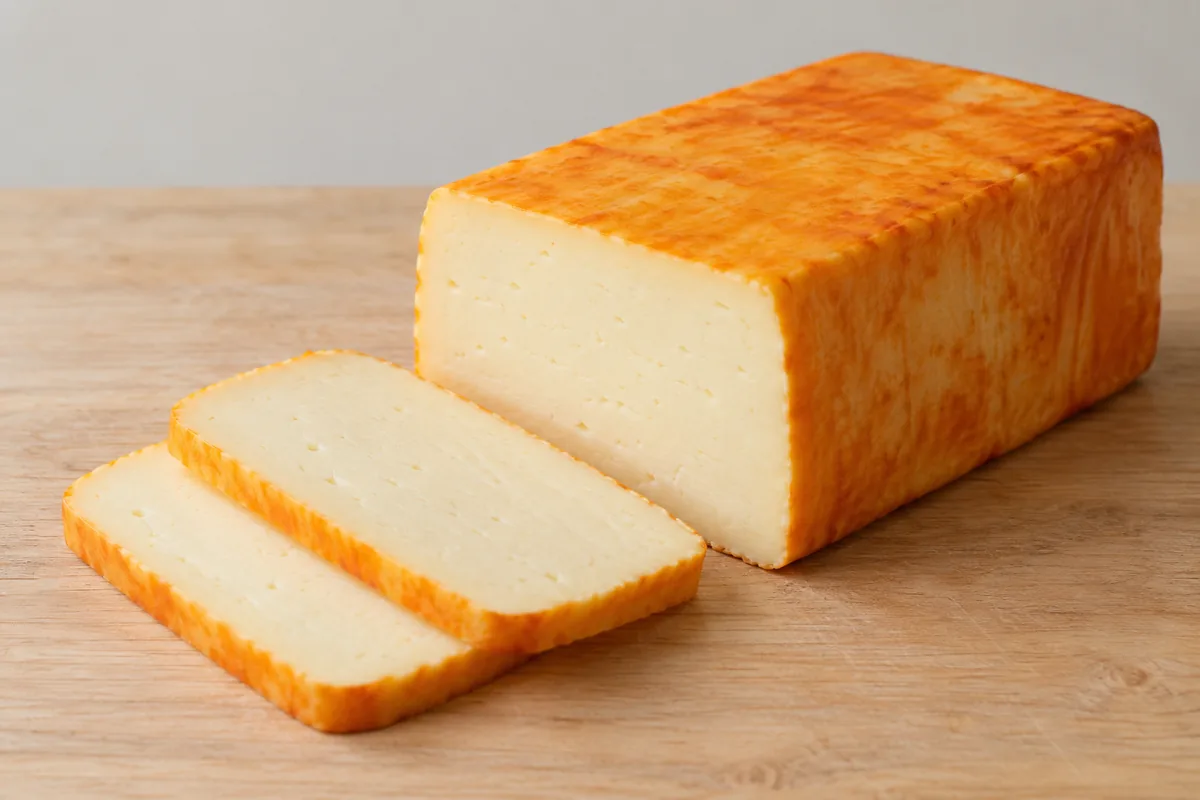
Mild Muenster is a second viable option. It melts even more smoothly than Monterey Jack and has a similar mild, buttery flavor.
The orange-edged rind should be removed before using Muenster as an asadero substitute in dishes where appearance matters. Low-moisture mozzarella also works for pizza and baked applications where smooth melt is the priority, though the flavor is noticeably different.
- Best US substitute for queso fundido: Monterey Jack, used alone or blended half-and-half with Muenster
- Best US substitute for chile rellenos: Low-moisture mozzarella (holds its shape when stuffed and melts cleanly when fried)
- Best US substitute for quesadillas: Monterey Jack or Oaxacan cheese (widely available in US Latin markets)
Which Asadero Format Should You Buy?
Look in Latin groceries or the Latin cheese section of a supermarket, then read the exact product name. Cheesemakers currently lists Jaimito Queso Asadero as a standalone cheese in bars and smaller packs.
Cacique currently lists Asadero as one ingredient in its Mexican Style Four Cheese shredded blend. A bag called “Mexican blend” is therefore not necessarily a bag of Asadero, even when the ingredient list names it.
Jaimito's product page lists pasteurized cow's milk, salt, rennet, and cultures for its Asadero. Cacique's four-cheese blend lists Asadero among several cheeses plus anti-caking ingredients, so the two products do not have the same composition or cooking behavior.
The cheese is typically sold in blocks, rounds, or shredded in resealable bags. Check the ingredient list on "Mexican blend" or "quesadilla blend" bags to confirm asadero is the primary cheese.
If a shop cuts fresh Asadero from a larger piece, ask for its maker, ingredient list, and use-by information. For a dish that depends on the cheese's own stretch, a standalone product makes the result easier to judge than a pre-shredded blend.
Choose the format by dish. Discs and rounds slice neatly for chile rellenos, blocks shred well for fundido, and ropes or braids signal a fresher stretched-curd make.
Choose a sealed, clearly labeled package that feels cold. Asadero is among the soft queso fresco-type cheeses listed by FDA, so do not rely on a generic opened-cheese storage window when serving a higher-risk guest.
For blocks, press the package gently. A good asadero block should feel pliable rather than brittle, with no dry corners or weeping liquid trapped under the wrapper.
For shredded bags, check whether asadero is the named cheese or only one part of a blend. Blends can work for weeknight tacos, but they do not teach you how asadero itself melts.
How Do Asadero Brands Differ in Moisture, Sodium, and Milk?
A moderate-fat cow's milk profile makes the cheese feel lighter than aged Cheddar in flavor. Serving size still matters because melted cheese is easy to overuse in fundido, nachos, and stuffed tortillas.
Use about one ounce per quesadilla when asadero is sharing space with beans, peppers, or meat. Use more only when the cheese is the point, as in queso fundido.
FDA lists Asadero among soft queso fresco-type cheeses and advises people vulnerable to Listeria to avoid unheated cheeses in this group, even when made with pasteurized milk. If serving Asadero to someone who is pregnant, age 65 or older, or immunocompromised, heat the cheese as part of the dish to 165°F (74°C).
- Best portion cue: Shred enough to cover the tortilla in a thin layer, not a mound.
- Salt level: Usually mild, so the dish may need salsa, pickled vegetables, or seasoned fillings.
- Freezer use: Shredded asadero freezes better than blocks and works best in cooked dishes.
- Pregnancy cue: Do not treat a pasteurized label as clearance to serve this cheese cold; heat it to 165°F (74°C) as part of the dish for higher-risk guests.