Minas cheese is a family of Brazilian cow's-milk cheeses from Minas Gerais, sold at different ages: fresh frescal, half-cured meia-cura, aged curado, and the more recent queijo padrao found in nearly all Brazilian supermarkets.
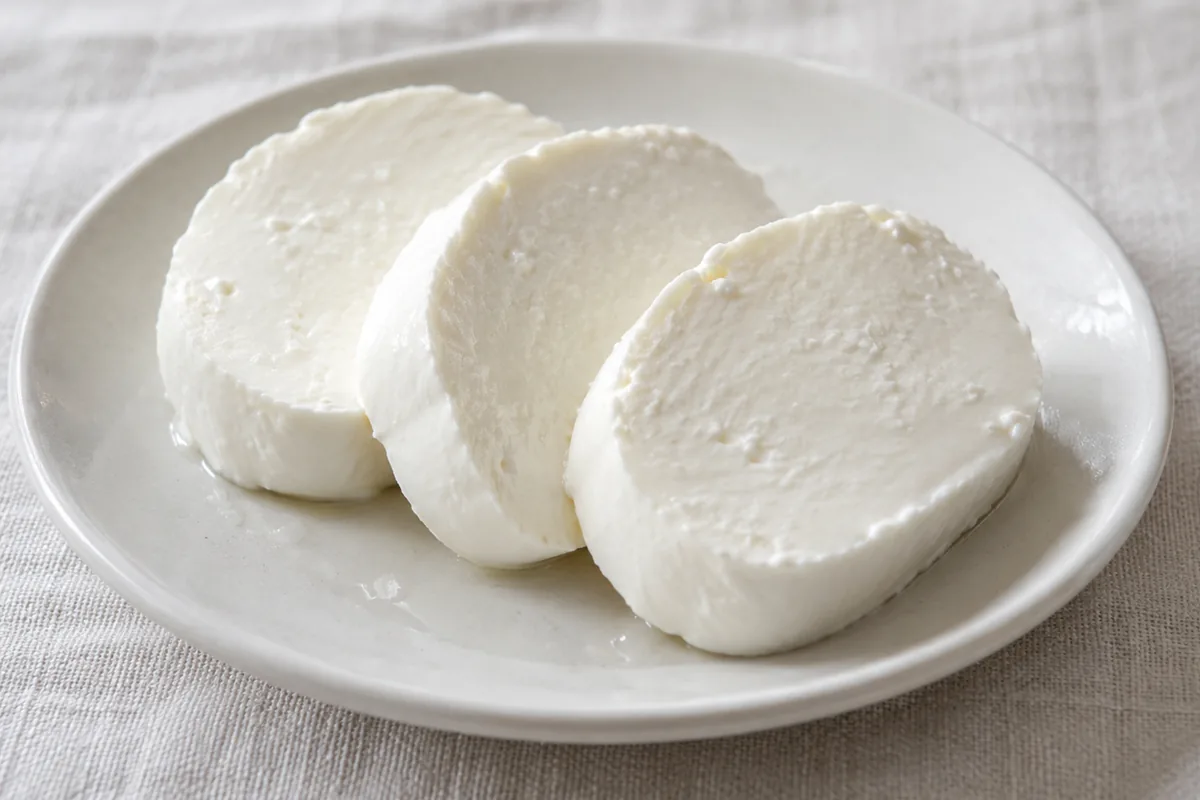
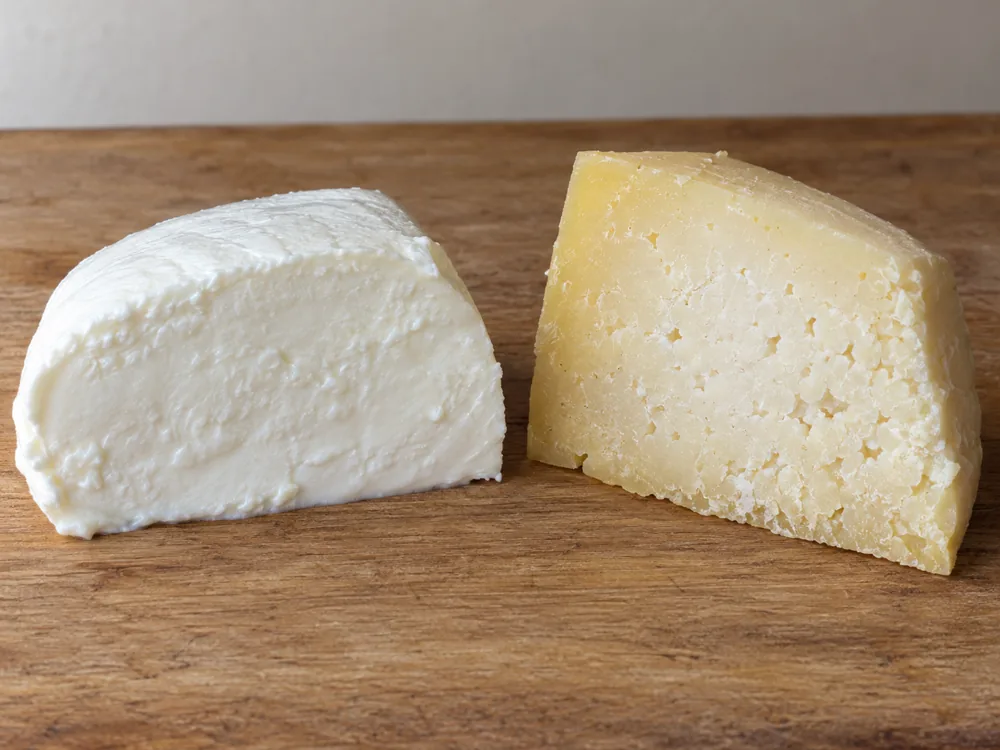
Frescal is white, soft and eaten within days, while curado is firmer, yellower and stronger, which is why the stage word on the pack matters more than the name Minas.
In This Article
What Are the Four Types of Minas Cheese?
Four varieties sit under the Minas name: frescal, meia-cura, curado and padrao, as Wikipedia lists them. The Serra da Canastra source groups them differently, naming frescal, padrao and artisanal, and ties artisanal to raw milk and the pingo starter rather than to an age.
| Type | Age | What it is like |
|---|---|---|
| Frescal | 4 to 10 days after making (Wikipedia, True Foodies) | White, tender, juicy and soft, with a mild taste |
| Meia-cura | About 1 to 5 weeks (True Foodies) | Between frescal and curado; neither Wikipedia nor True Foodies describes its taste or texture |
| Curado | Ready once the juice has evaporated and the cheese has solidified (Wikipedia, True Foodies) | Yellowish tint, stronger taste that tends toward bitter |
| Padrao | No age given by Wikipedia or True Foodies | Close to frescal but less juicy, soft and mild, and generally less salty (Wikipedia); True Foodies also calls it less salty and less juicy |
Padrao is the one Wikipedia calls a more recent development, so the traditional middle stage is meia-cura.
The stages overlap, because frescal's 4 to 10 days and meia-cura's 1 to 5 weeks share the span from 7 to 10 days. A stage word on a pack therefore names a condition more than a fixed age.
The 4 to 10 days for frescal measures how long after making it is served rather than a ripening period. Brazil's agriculture ministry defines Minas frescal as a fresh cheese with a whey-drained, unpressed, salted and unripened curd, made from milk that has been pasteurised or given an equivalent heat treatment.
What Does Brazil's Frescal Standard Allow in the Cheese?
The ministry standard of 1997, reworded by Normative Instruction 4 of 2004, classes Minas frescal as a semi-fat cheese of very high moisture that is meant to be eaten fresh. It names coagulation of the milk with rennet or other suitable coagulating enzymes, with or without specific lactic bacteria added.
- Required: milk, which may be reconstituted milk, and rennet or other suitable coagulating enzymes
- Optional: powdered milk, cream, milk solids, sodium chloride, calcium chloride and specific lactic bacteria cultures
Because the standard accepts reconstituted milk and allows powdered milk, cream and calcium chloride, two packs sold as frescal can be made differently and still meet it. What it fixes more tightly is the outline: a cylinder weighing 0.3 to 5 kg, in plastic packaging or another container fit for food.
The standard adopts a Mercosur technical regulation, resolution GMC 145/96, and applies to Minas frescal sold in the Mercosur trade bloc, not only in Brazil.
What Does Minas Cheese Taste Like?
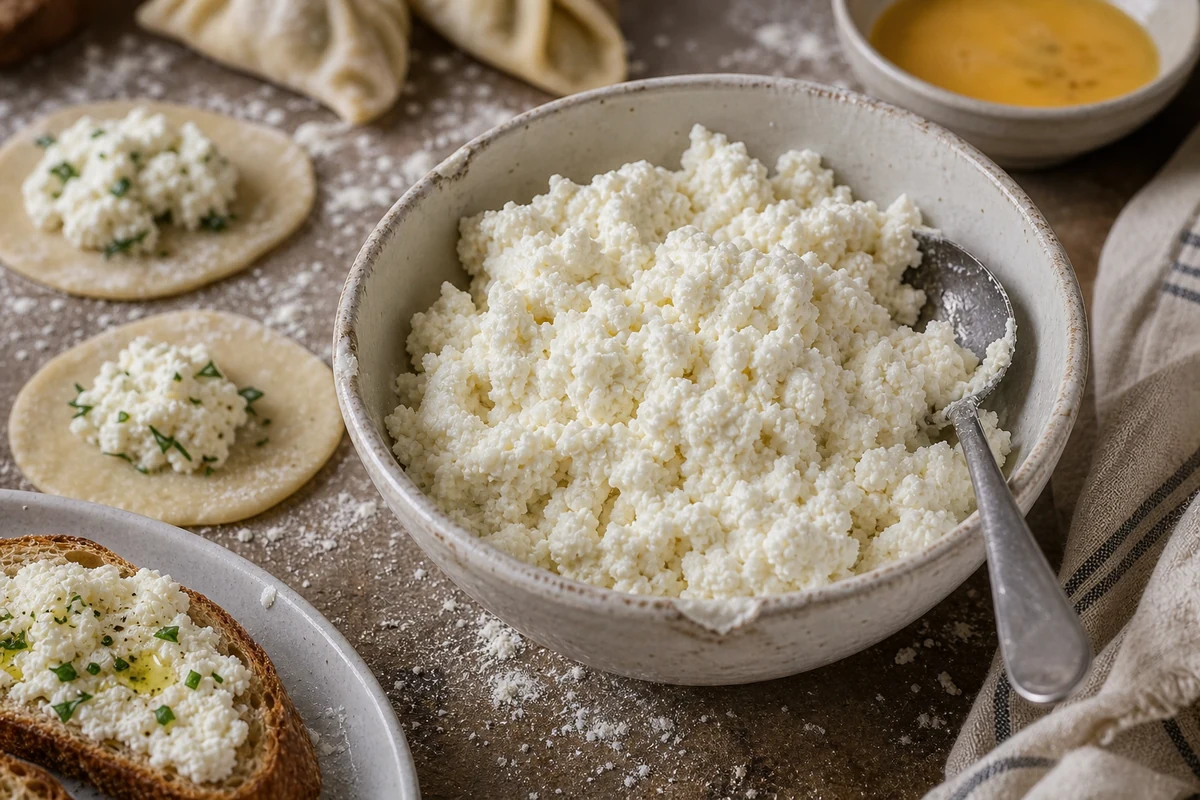
Frescal is juicy, soft and slightly granulated rather than rubbery, with a mild taste (Wikipedia). The ministry's standard sets the same range: a soft consistency, a whitish colour, a mild or slightly acid flavour, and either no rind or a thin one.
Descriptions of the finer points differ. True Foodies calls fresh Minas mild and a little salty and says it can be spongy with many air bubbles, while the ministry standard allows a texture with or without mechanical openings and mentions them only as an occasional feature.
The saltiness of frescal varies widely across producers (Wikipedia), which fits the standard listing sodium chloride only as an optional ingredient.
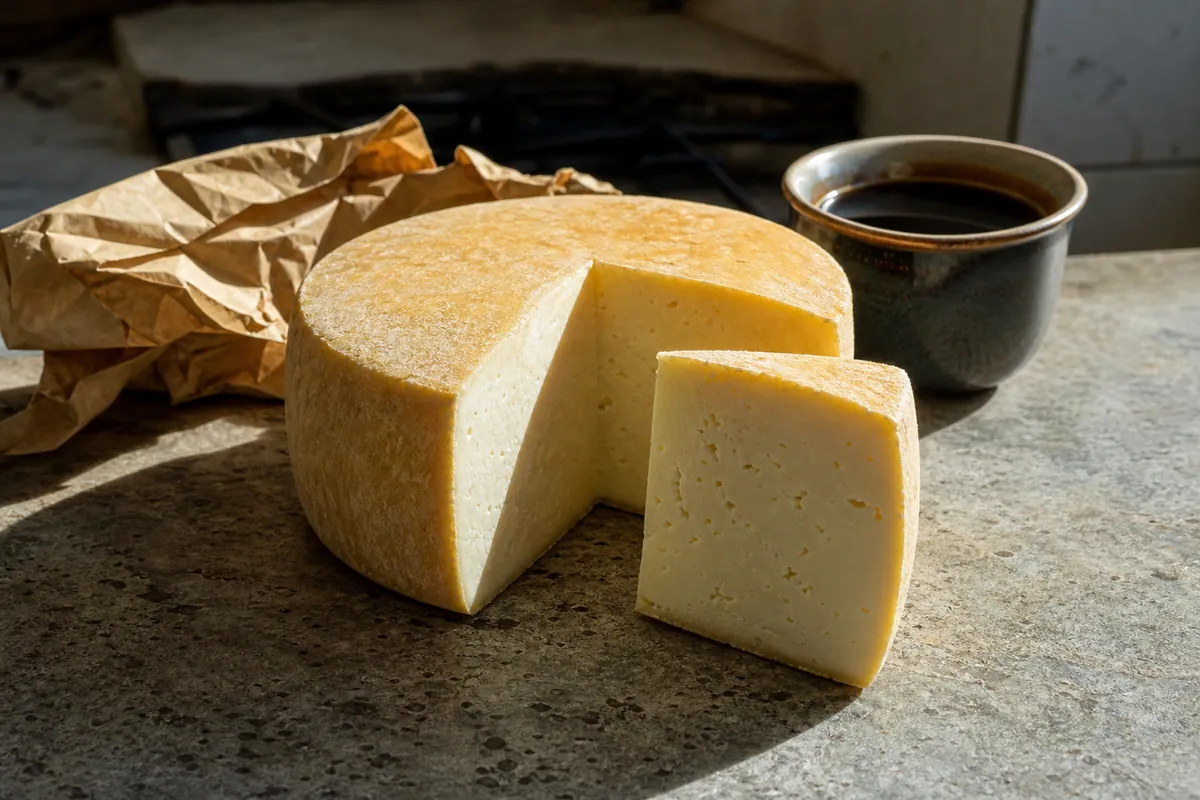
Curado is a different bite: a white core punctured with tiny air bubbles, a paste slightly more granulated than frescal, a yellowish tint, and a stronger taste that tends toward bitter (Wikipedia).
The cheese used to be matured in the open air or, much less often, dried over a cooker (Wikipedia), which fits the description of curado as ready once the juice has evaporated.
Curado is therefore not simply a stronger frescal, since the extra strength can include bitterness.
How Is Minas Cheese Eaten in Brazil?
The best-known pairing is Romeu e Julieta, frescal with goiabada, a sweet guava product similar to quince cheese. Wikipedia says the pair is eaten as it is or used in cakes, pies and ice cream, and that frescal also goes with other fruit preserves and with doce de leite.
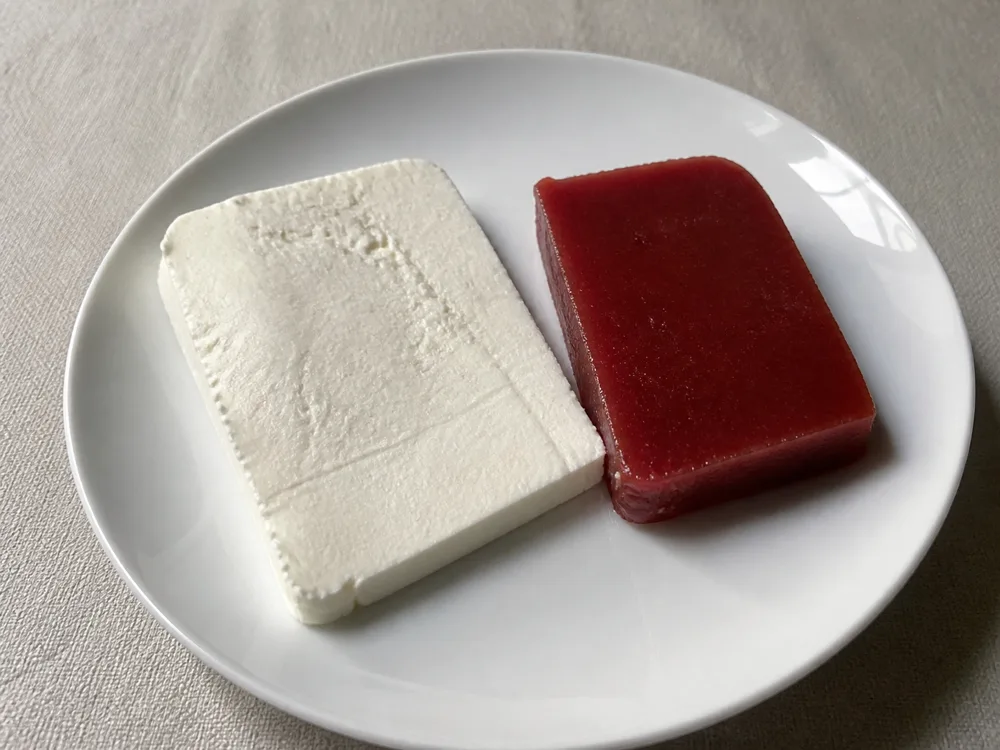
Other pairings come from two sources, each naming its own:
- Cold cuts and vegetables: Wikipedia lists turkey breast and other low-fat cold cuts, cooked onions, tomatoes, salad rockets, cooked spinach and other strong-tasting vegetables with frescal
- Bread, pastry and fruit: True Foodies lists sandwiches, pancakes and pastries, and jams and fruit as partners for frescal
- Wine: True Foodies suggests a light, dry white such as Sauvignon Blanc or Riesling
Heated frescal turns slightly rubbery instead of stringy (Wikipedia) or melting (True Foodies). Wikipedia calls it unsuitable for cooking except with beef or pork, where its juice helps enhance the taste, and True Foodies leaves the cooking role to curado.
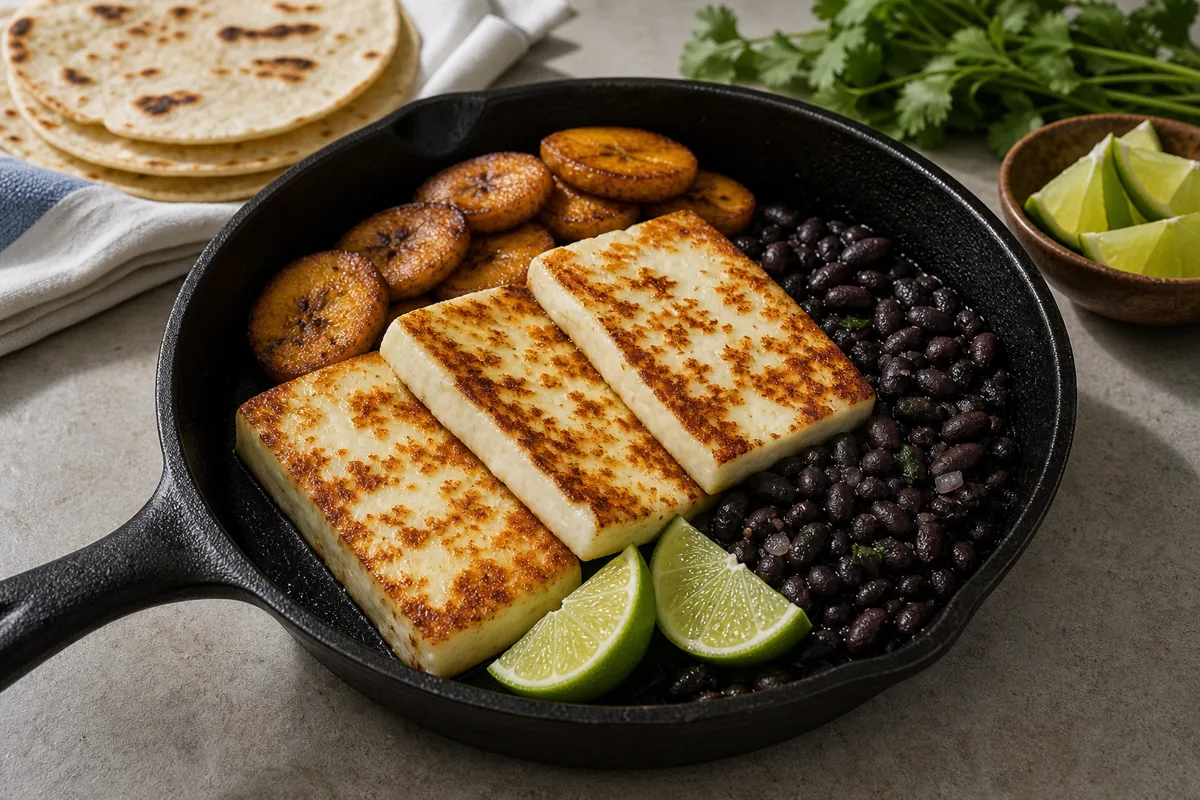
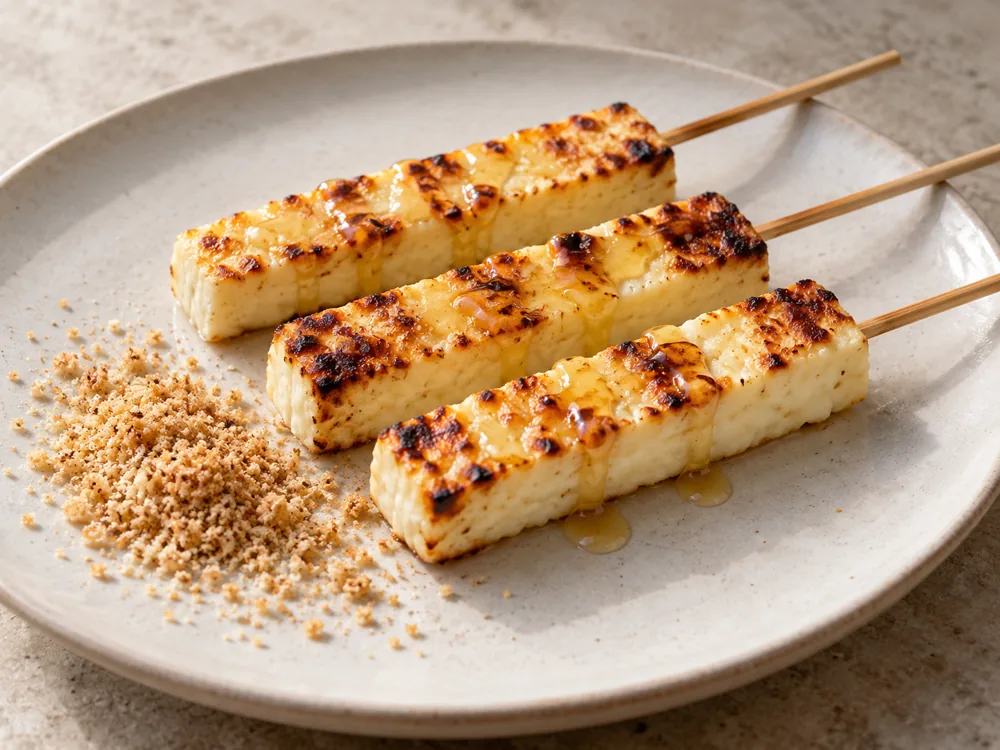
Texas de Brazil describes Brazilian grilled cheese, espetinhos de queijo, as nothing more than cheese skewered and grilled, salty and smoky, often with a honey drizzle. Its own version adds farofa, toasted cassava, for crunch.
Which Minas Cheese Goes in Pao de Queijo?
Wikipedia's Minas entry calls curado excellent for cooking and names pastel de queijo and the famous pao de queijo, the Brazilian cheese bun, among its dishes, and True Foodies likewise lists the bun among the uses of curado.
Both sources rate frescal poorly for cooking, which makes curado the stage to look for when the bun is the plan.
Frescal is the stage served fresh with goiabada, in sandwiches and pastries, and on a grilled skewer. Curado is the stage both Minas sources assign to cooking and to the cheese bun.
What Makes Artisanal Minas Cheese Different?
Artisanal Minas, queijo minas artesanal or QMA, is made from raw cow's milk with a natural starter called pingo, and the Serra da Canastra source adds that the cheese is also called queijo de tabua or yellow cheese.
IMA, the agriculture institute of Minas Gerais, defined it in its 2013 portaria as made only from raw cow's milk of the maker's own production, with the whey starter soro fermento, which the portaria equates with pingo.
The portaria required maturation at ambient temperature, tied the period to what scientific research indicates, barred sale without an approved label, and covered only dairies inside Brazil's national inspection system for animal products.
A historian at the Federal University of Minas Gerais, José Newton Coelho Meneses, is quoted by the Canastra source describing the cheese as a living food whose colour, flavour, consistency and microbial load are shaped by the ecology around the milk and the cheesemaking.
Scale is reported two ways, and government sources cited by Wikipedia put the state at about 30,000 artisanal cheese producers.
The Minas Gerais government figure in the Canastra source is more than 3,100 agroindustries making QMA, about 21.8 thousand tonnes a year, or 65.2 percent of the artisanal cheese from family agroindustries. The two counts differ roughly tenfold, probably because one counts producers and the other agroindustries.
Which Regions Make Artisanal Minas Cheese?
The Serra da Canastra source lists ten recognised producing regions: Serro, Canastra, Cerrado, Araxa, Triangulo Mineiro, Campo das Vertentes, Serra do Salitre, Serras da Ibitipoca, Diamantina, and Entre Serras da Piedade ao Caraca. QMA can be made legally anywhere in Minas Gerais, but only cheese from those regions may carry the name on the pack.
Sources disagree on certification: Wikipedia's infobox lists none, and True Foodies says Minas holds Denomination of Controlled Origin status. What the Canastra source describes is narrower, a regional recognition through IMA that decides who may print the QMA name.
The source describes how Diamantina became the ninth region officially recognised through IMA: the review weighed how the cheese is made, its sensory traits, the producers and properties, and evidence of traditional cheesemaking in its municipalities. Entre Serras da Piedade ao Caraca is the tenth.
| Region | Piece weight | Rind and paste | Flavour |
|---|---|---|---|
| Serro | 700 g to 1.2 kg | Yellowish, compact, semi-hard inside | Slightly acidic yet mild |
| Canastra | 1 to 1.2 kg | Light cream, homogeneous, semi-hard to soft | Pleasant acid taste |
| Cerrado | Not given | Thin yellowish rind, compact paste, semi-hard to soft, even slightly buttery | Slightly acidic, not pungent |
| Araxa | 1 to 1.2 kg | Thin yellowish rind, homogeneous cream-coloured interior, semi-hard to soft, sometimes buttery | Acidic, not pungent |
| Triangulo Mineiro | Not given | Thin yellowish rind, compact paste, semi-hard to soft | Mildly acidic |
| Campo das Vertentes | 700 g to 1 kg | Semi-hard, whitish-yellow inside | Slightly acidic yet mild |
| Serra do Salitre | 800 g to 1.2 kg | Golden yellow, compact | Mild, low acidity |
| Serras da Ibitipoca | Not given | Light yellow, semi-hard with a softer centre | Mild, only slightly acidic |
The source calls Canastra light cream, Serra do Salitre golden yellow and Serro yellowish, and gives Cerrado, Araxa and Triangulo Mineiro a thin yellowish rind. For Serro it credits the mild acidity to bacteria in the soil around the Serra do Espinhaco.
Region size varies: Cerrado spans 19 municipalities, Campo das Vertentes and Serras da Ibitipoca 15 each, Serro and Araxa 11 each, Diamantina 9 and Entre Serras 6, while Serra do Salitre's production is concentrated in the single municipality that gives the region its name.
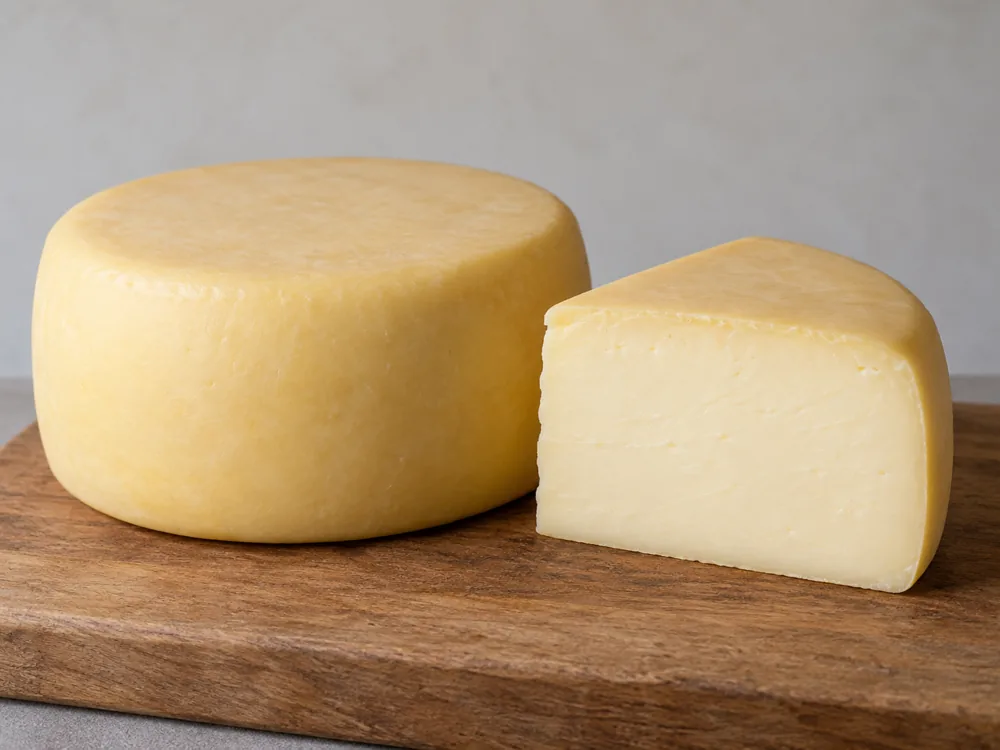
The minimum maturation changes with the region. IMA's 2013 portaria, as amended in 2017, set 14 days for Araxa, 17 days for Serro, and 22 days for Canastra, Cerrado, Campo das Vertentes, Serra do Salitre and Triangulo Mineiro.
The wording makes those figures provisional, valid until new research confirms or corrects them, and the portaria asked the other recognised regions to present research showing that maturing for fewer than 60 days is effective.
IMA revoked that portaria in 2020, so those figures may have changed since.
What Did UNESCO Recognise in 2024?
In 2024 UNESCO inscribed the traditional ways of making Artisan Minas Cheese in Minas Gerais on its Representative List of the Intangible Cultural Heritage of Humanity. Wikipedia places the inscription at the committee's 19th session in December.
The inscription's title names the artisan way of making the cheese, so it covers artisanal Minas rather than commercial frescal made from pasteurised milk.
Brazil's heritage institute Iphan had already declared the cheese of the Serro region national cultural heritage in 2008, after the state of Minas Gerais recognised it in 2002, according to the Canastra source.
The historian quoted there says tradition means transmission through time rather than things staying as they were: values, techniques and forms persist, while tools, concepts and even the terroir change, so a listing for a tradition is not a description of one fixed recipe.
Can You Buy Minas Cheese Outside Brazil?
Texas de Brazil says minas cheese "is not readily available outside of Brazil".
For the raw-milk version the FDA states that cheese made from unpasteurized milk must be aged at not less than 35 degrees Fahrenheit for at least 60 days, under 21 CFR part 133. The 14 to 22 day minimums in IMA's 2013 portaria fall well short of that, so a wheel matured only to one of those minimums would not meet the US rule.
Frescal is a different case, because by the Brazilian definition it is unripened and made from pasteurised or equivalently heat-treated milk.
What Can You Use Instead of Minas Cheese?
Texas de Brazil's grilled-cheese recipe is the only source here that names stand-ins for Minas. It calls fresh minas the preferred choice for Brazilian cheese sticks and asks of a substitute a salty cheese with a high melting point that keeps its structure after grilling.
Wikipedia and True Foodies describe heated frescal as rubbery instead of stringy, which looks like the shape-keeping the recipe asks for, and the recipe names four stand-ins:
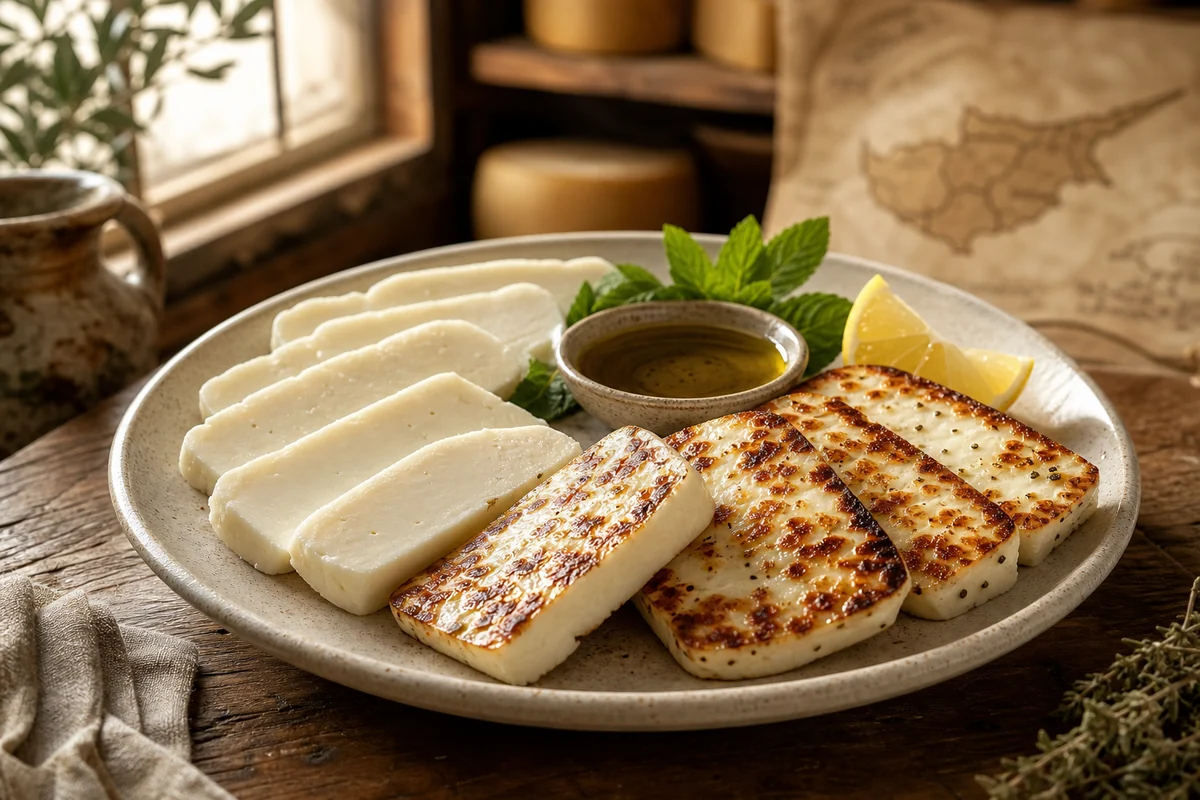
- Halloumi: made from sheep's and goat's milk and originally from Cyprus, and soaked in cold water for half an hour in the recipe to draw out excess salt
- Kefalotyri: a Greek sheep's and goat's milk cheese, somewhat harder and saltier than halloumi, and gives a somewhat softer, smoother result
- Paneer: a hard cow's milk cheese common in South Asia, the recipe's favourite, and less expensive than halloumi
- Queso panela: a Mexican cow's milk cheese, mild and slightly salty and similar in taste and texture to minas, but with more water, so it does poorly on a skewer or held in the hand
How Cold Should Minas Frescal Be Kept?
The Brazilian standard says frescal must be kept at no more than 8 °C (46 °F). The CDC advises a refrigerator at 40 °F (4 °C) or below, so a kitchen following the CDC stays under the Brazilian limit.
For how long frescal keeps, go by the date printed on the pack.
Is Minas Cheese Safe During Pregnancy?
Neither NHS nor CDC names Minas cheese, so what applies during pregnancy depends on which Minas it is. Commercial frescal is made from pasteurised milk or an equivalent heat treatment under the Brazilian standard, and the NHS lists pasteurised soft cheeses without a white coating, such as cottage cheese, cream cheese, mozzarella, feta and ricotta, as safe.
True Foodies lists Minas as unpasteurised, so check the frescal pack for the word pasteurised, as the NHS advises; a pack that does not say pasteurised leaves the question open.
The CDC wording is stricter: it lists any queso fresco-type cheese, made with pasteurized or unpasteurized milk, among the riskier choices. Whether fresh, soft frescal counts as queso fresco-type is not settled by that list, so ask a midwife or doctor before eating frescal cold.
Artisanal Minas is made from raw milk, and the CDC lists soft cheese from unpasteurized milk as riskier. The NHS lists hard cheeses as safe whether pasteurised or not but names only pasteurised semi-hard cheeses such as edam.
Serra da Canastra describes Serro wheels as semi-hard inside and Canastra and Cerrado cheese as ranging from semi-hard to soft, so a raw-milk wheel falls outside the NHS line for pasteurised semi-hard cheeses.
Heating changes the picture in both agencies' wording: the NHS treats any cheese cooked until steaming hot as safe, and the CDC treats pasteurized soft cheese heated to an internal 165 °F, or until steaming hot, as safer.
For frescal, the steaming-hot route brings the rubbery texture that cooking already gives it.