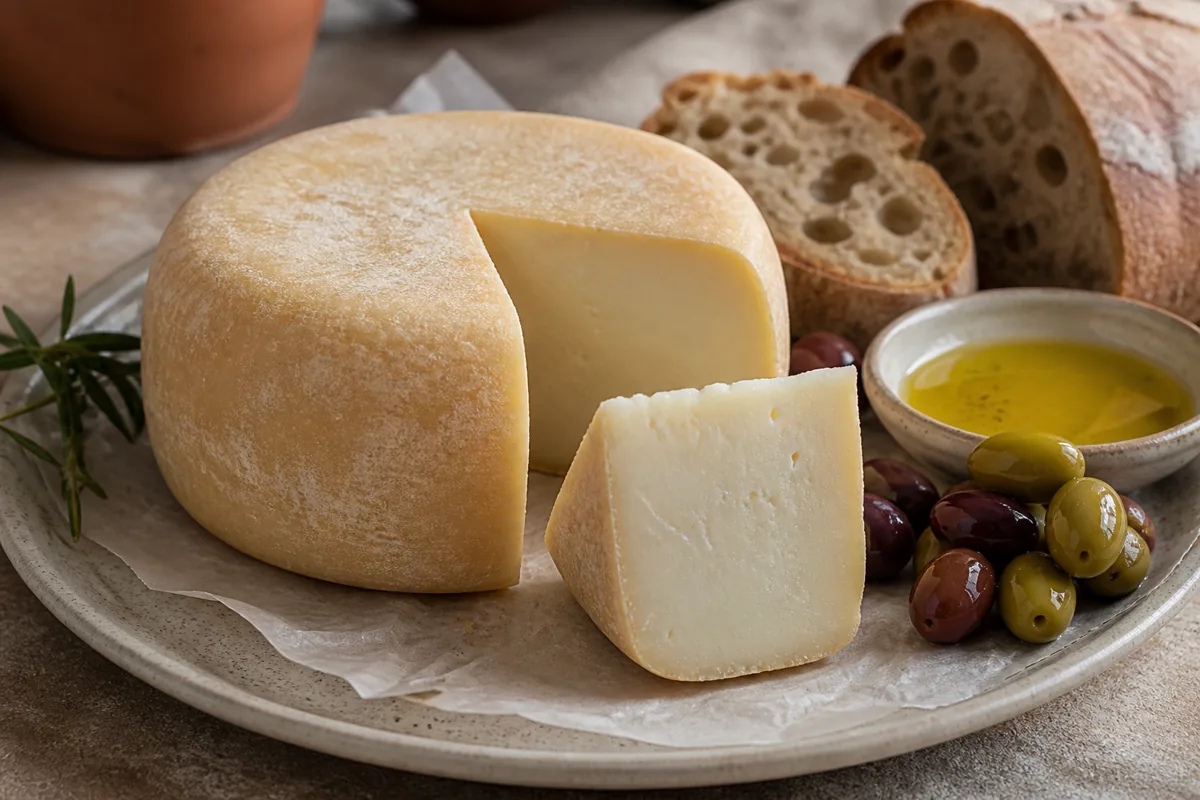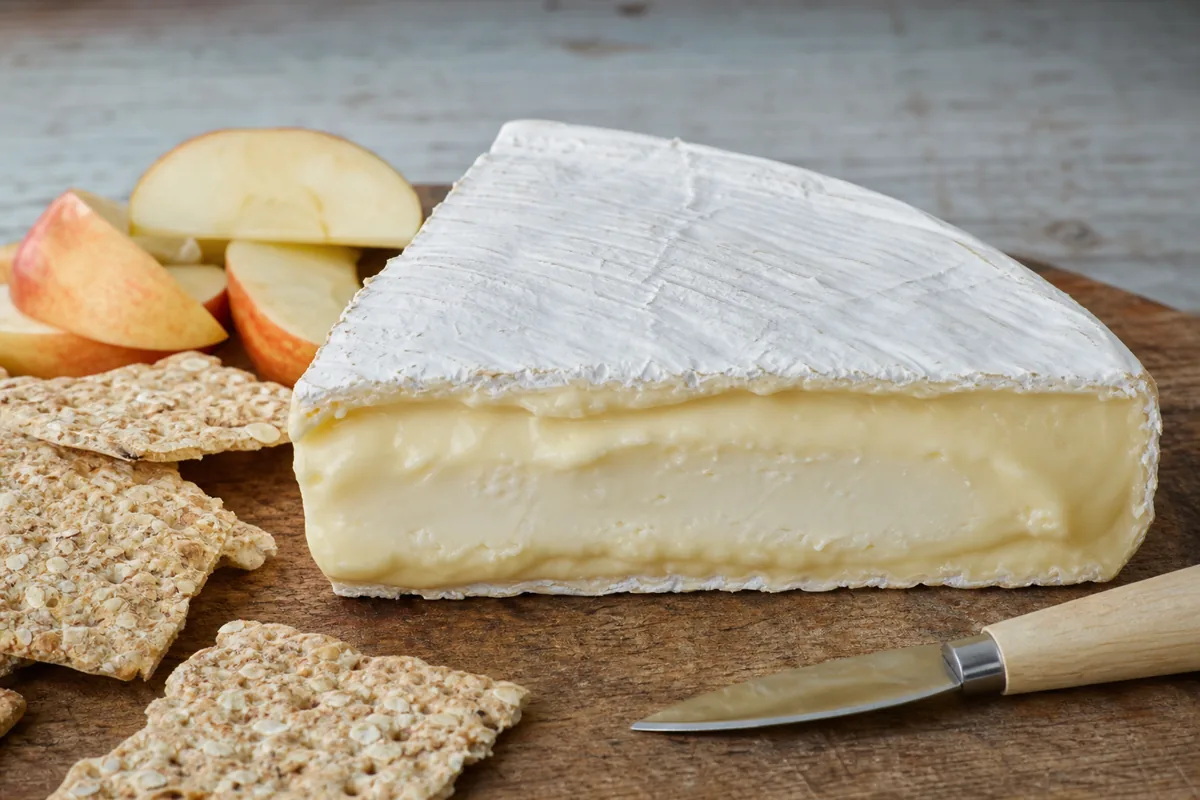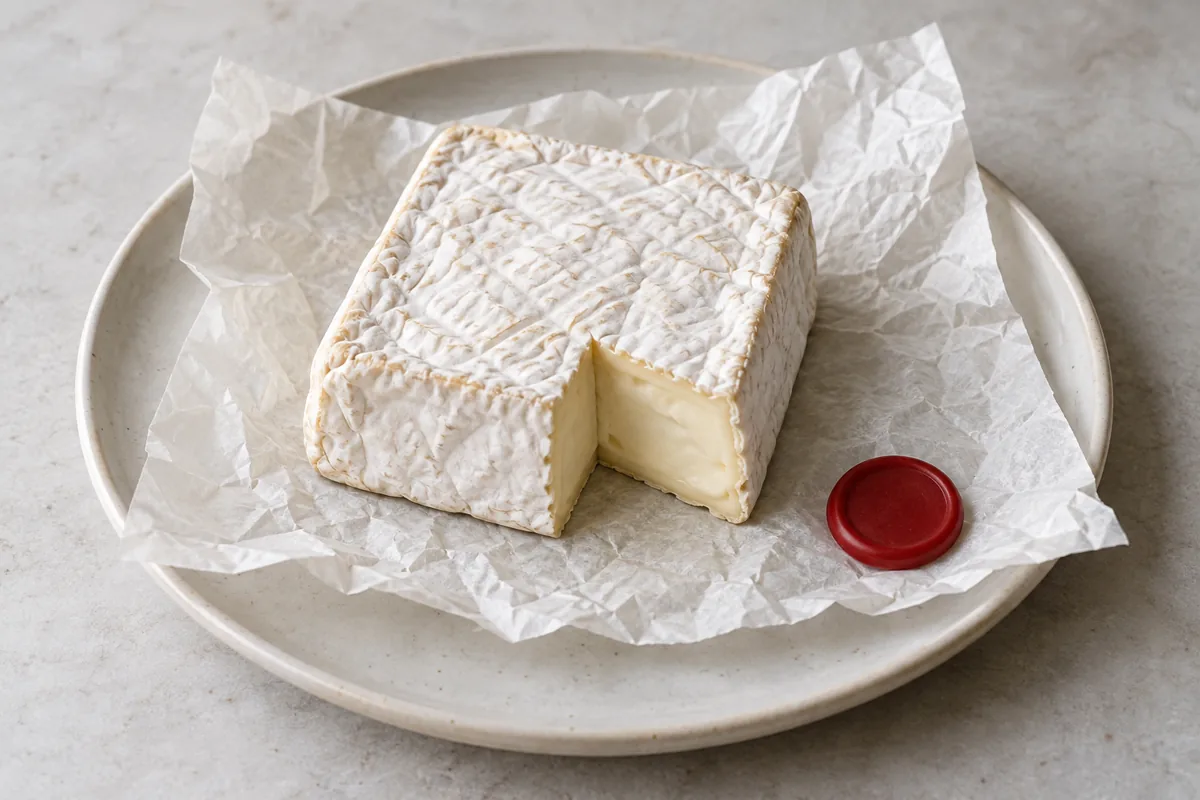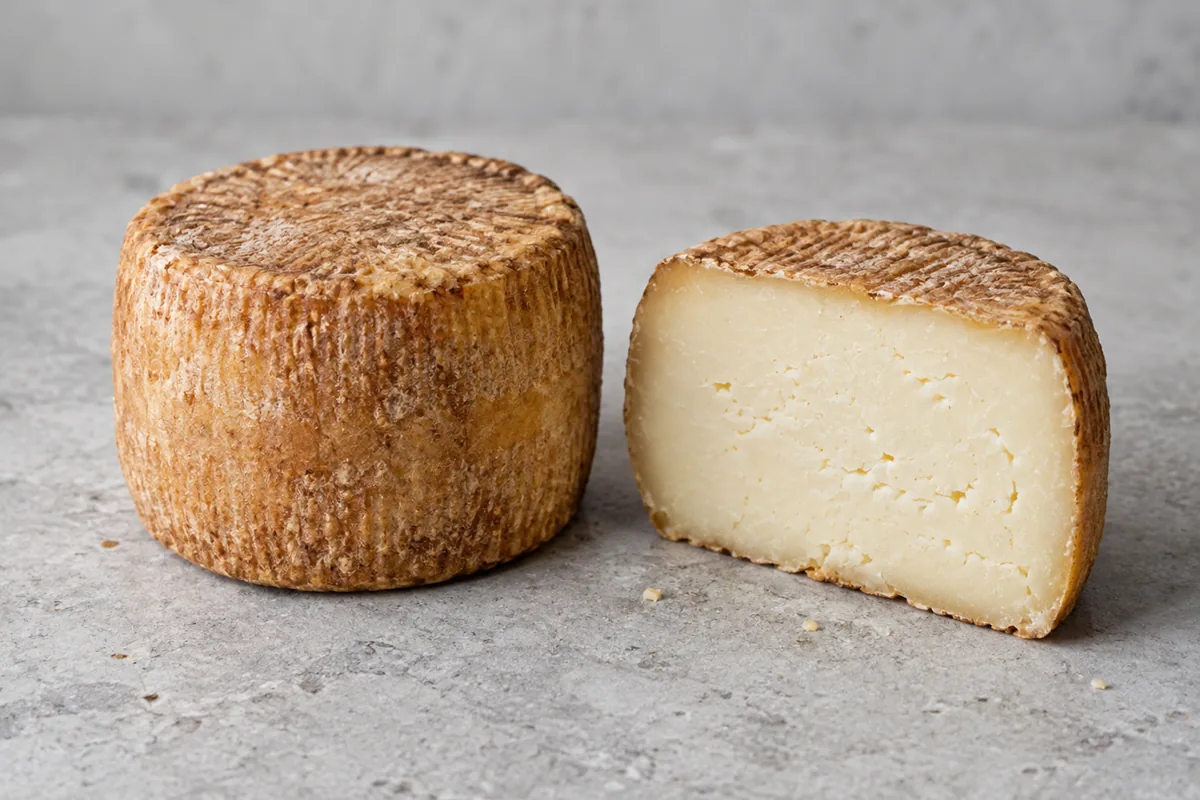
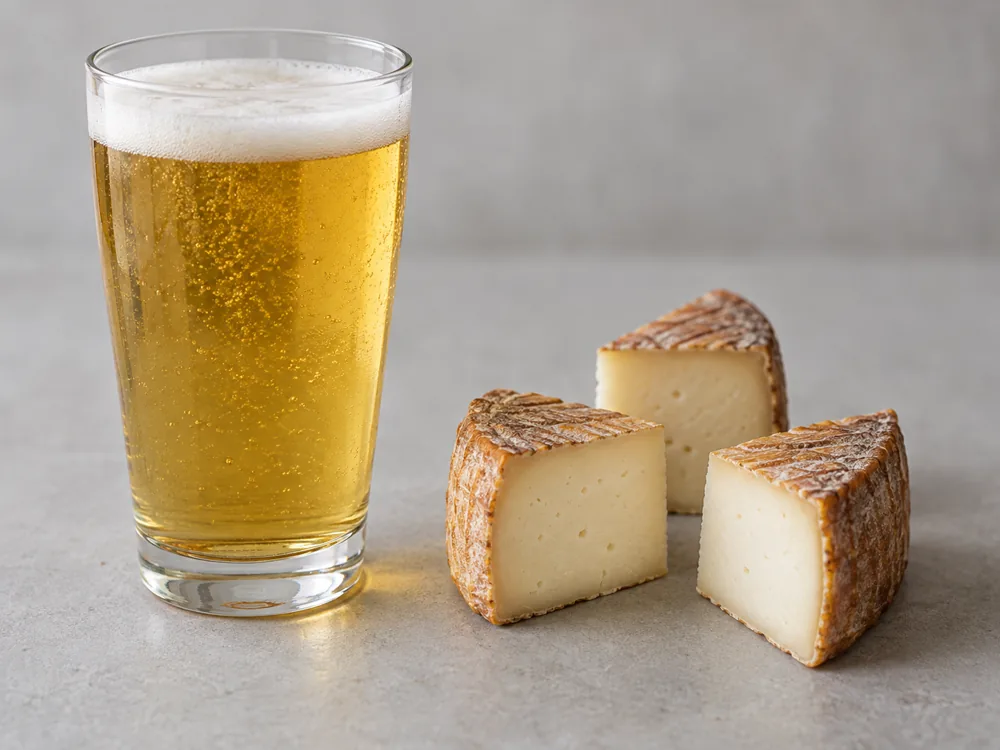
Caciobirraio is a small cow's milk caciotta from La Casearia Carpenedo, a cheese-maturing house in Veneto. It is matured in beer, and the one retailer that describes it calls it a sweet, delicate cheese with a malt note.
That retailer's page shows it as unavailable, and La Casearia's own category pages do not list it.
In This Article
Can You Still Buy Caciobirraio?
Not easily. Spaghetti e Mandolino's page for the 425 g wheel shows "non disponibile" (not available) for both the product and shipping.
La Casearia sorts its range into six categories: Erborinati, Ubriachi, Barricati, Aromatizzati, Selezione Premium and I Regionali. None of the six category pages names Caciobirraio.
A different product shares the name. Giornale della Birra reported a limited run of 60 wheels named Cacio Birraio, released in December 2022 through Ferrowine's stores in Castelfranco Veneto and Jesolo Lido.
Every product figure for the small caciotta comes from a 2017 trade catalog, a retailer page or a reference site, and each may describe an earlier pack. Check the ingredients, the pasteurization statement and the use-by date on the cheese you actually buy.
How Does the 2022 Cacio Birraio Differ From Caciobirraio?
Cacio Birraio, the 2022 edition, was a project led by Ferrowine, with Casearia Carpenedo as the maturer and Birrificio Rurale's beer, so a record for one does not describe the other. Giornale della Birra says Ferrowine's cheese selector wanted a cheese that carried the Ferrowine name.
Casearia Carpenedo matured the wheels for about three months in barrels filled with Triple Pepper beer, which the announcement calls fruity and spicy. The records for the small caciotta give Belluno-area beer and a minimum of 15 days or one month, and they say nothing about barrels.
| Attribute | Caciobirraio (small caciotta) | Cacio Birraio (2022 edition) |
|---|---|---|
| Milk | Cow's milk; pasteurized per Cheese.com only | 100% pasteurised cow's milk of Veneto origin |
| Beer | Belluno-area beer | Triple Pepper from Birrificio Rurale |
| Maturing | In beer, 15 days or one month minimum | About three months in barrels of beer |
| Paste | Soft, elastic, milk-white | Semi-cooked, medium aged |
| Flavour | Sweet, delicate, malt | Delicate, with quince, mirabelle plum, abate pear and a herbal hop note |
| Sold | Retailer page shows unavailable | 60 wheels in two Ferrowine stores |
The announcement calls the 2022 milk pasteurised, but that statement belongs to the 2022 wheels and does not settle the milk of the small caciotta. The quince, plum and pear aftertaste likewise describes a barrel-matured cheese made with a fruity, spicy beer, not the malt note the retailer gives the small cheese.
Because the spelling differs only by a space, the maker and the beer named on the label are what separate the two.
What Is Caciobirraio?
A 2017 trade catalog entry for La Casearia Carpenedo says the cheese began when Antonio Carpenedo met a master brewer at the foot of the Dolomites. The meeting led the maturer to create Caciobirraio, a caciotta matured in beer.
Cheese.com lists it as a soft, compact cheese with a natural rind, made by La Casearia Carpenedo S.r.l. in Veneto, Italy. It is also the only record that says the milk is pasteurized.
The retailer's ingredient list names rennet without saying what kind, and Cheese.com marks the cheese as not vegetarian.
Both the catalog and the retailer call the milk local.
La Casearia's own method page says it starts from a cheese that renowned dairies make, chosen for what it will be combined with, from wine and pomace to hay and beer. Giornale della Birra likewise calls the company maturers, with more than 40 years of experience at Camalò di Povegliano, near Treviso.
Cheese.com and the retailer both list La Casearia as the producer, which may mean the maturer rather than the dairy that makes the caciotta.
How Does the Beer Get Into the Cheese?
The retailer's ingredient list places beer, made from water, barley malt, corn and hops, at a minimum of 0.1 percent in the rind, which it calls edible. Its blog says the maker manages to make the aromas penetrate the paste, and Cheese.com says the cheese is aged in the beer.
If the 0.1 percent refers to the whole 425 g wheel, it is about 0.4 g of beer, and as a minimum it sets a floor rather than the real amount.
Another beer cheese in the same 2017 catalog, L'Ottavio pichin, uses beer differently: its entry says a craft beer blended with barley malts goes straight into the raw milk shortly before curdling, and the wheels are then massaged one by one with the same mixture.
Caciobirraio's records describe maturing in beer and place the beer in the rind, so any flavour in the paste has travelled inward from the outside, as the blog's claim about aromas penetrating the paste implies.
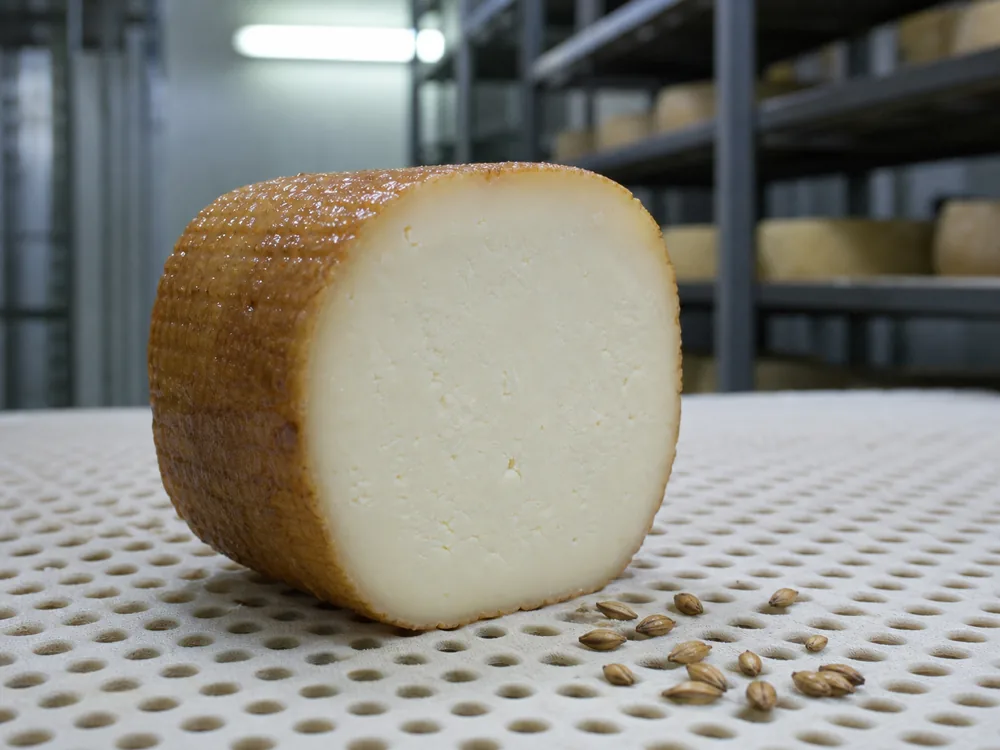
The retailer describes the rind as malt-colored and slightly irregular, with light ridges it attributes to the mold the cheese is shaped in.
Cheese.com's colour field says straw without saying whether it means the paste or the rind, while the retailer gives a milk-white paste and a malt-colored rind, so the colour word cannot be matched to the retailer's description.
The table sets out how four records describe the beer and the maturing, and they do not line up.
| Source | Beer | Maturing |
|---|---|---|
| Cheese.com | Artisan pure malt Italian beer | At least 15 days in the beer |
| Spaghetti e Mandolino product page | Beer from the Belluno area; water, barley malt, corn, hops | Caciotta matured at least one month |
| Spaghetti e Mandolino blog | Lees from the kettles of Pedavena, a Veneto brewery, after malt and hop fermentation | Not stated |
| 2017 trade catalog | Beer from the Belluno area | Not stated |
Treat Cheese.com's 15 days and the retailer's one month as two separate minimums rather than adding them together.
The retailer describes the maturing in beer as delicate and non-invasive.
La Casearia's method page says its protocols rest on a secret dosage of time, humidity, temperature and environment, set differently for each type of cheese.
The same page traces the first Ubriaco to farmers near the Piave who hid cheese under fermenting grape pomace during the First World War, and says the tannins and wine flavour reached the heart of the wheel. The blog applies the same logic to beer, asking why a method that works with wine should not work with beer.
What Does Caciobirraio Taste Like?
The retailer's notes describe a sweet, delicate cheese in which the malt gives a velvety sweetness alongside fresh milk. It says the cheese turns creamy in the mouth and leaves a delicate, persistent aftertaste.
Cheese.com describes a delicate, slightly bitter taste with toasted malt notes in the aftertaste. The two descriptions agree on delicate and on malt, and Cheese.com's data fields also list the flavour as bitter and subtle and the aroma as aromatic and toasty.
Both can hold if sweetness comes first and the bitterness arrives in the aftertaste, which only Cheese.com says, because the retailer calls its aftertaste delicate and persistent, not bitter.
The retailer's notes match the 2017 trade catalog's description almost word for word in Italian, so they read as the maker's own text rather than a separate tasting.
On texture, the retailer calls the paste soft, elastic and pleasant to the touch, and also fresh and dry, while Cheese.com calls it compact.
What Does the Nutrition Label Show?
The retailer lists these average values per 100 g of cheese.
| Nutrient | Per 100 g |
|---|---|
| Energy | 353 kcal (1,463 kJ) |
| Fat | 30.0 g |
| Saturated fat | 20.9 g |
| Carbohydrate | 0.84 g |
| Sugars | 0.0 g |
| Protein | 19.9 g |
| Salt | 1.5 g |
A 40 g piece, a portion we picked for the arithmetic, works out to about 141 kcal, 12 g of fat and 0.6 g of salt.
At the retailer's roughly 425 g, a whole wheel works out to about 1,500 kcal, 128 g of fat and 6.4 g of salt, and saturated fat is about 70 percent of the fat.
The retailer lists sugars at 0.0 g per 100 g, so someone avoiding lactose should ask the maker for a lactose figure rather than rely on that line.
Its allergen line names milk only, while the ingredient list shows barley malt in the beer on the rind, so someone avoiding gluten should ask the maker.
How Do You Serve It?
The retailer calls the cheese fresh and dry and says it suits eating with the fingertips. It recommends it for aperitifs with a blond lager-style beer.
Is Caciobirraio Safe During Pregnancy?
The rules for cheese in pregnancy turn on whether the milk was pasteurized and whether the cheese is heated.
The NHS lists pasteurised soft cheeses without a white coating as safe, and it says any cheese cooked until steaming hot is safe, including soft cheese. It also lists hard cheeses such as cheddar as safe whether pasteurised or not, which does not cover this soft cheese.
For Caciobirraio, the CDC answer depends on the milk: it lists soft cheese made from unpasteurized milk as a riskier choice, and its safer choice for a pasteurized soft cheese is heating it to an internal temperature of 165 degrees F or until steaming hot. Its pregnancy page also says pregnant women are 10 times more likely to get a Listeria infection.
What Can You Buy Instead of Caciobirraio?
The retailer's sold-out page recommends La Casara Roncolato's Formaggio Cimbro aged in beer, a 300 g cheese it labels hard paste. Caciobirraio's paste is soft and elastic in the same retailer's words, so that swap keeps the beer and changes the texture.
La Casearia's Barricati page lists three cheeses, Vento d'Estate, Conciato al pepe and Caciobarricato, and says barrique-matured cheeses there are enriched with herbs, black pepper, wine or pomace. None of them uses beer on that page, so another cheese from the same maturer comes with a wine or herb treatment, not a beer one.
A wheel sold as Caciobirraio should show La Casearia Carpenedo as maker, beer in the rind in the ingredient list, a pasteurization statement and a current use-by date. Ferrowine's 2022 Cacio Birraio is a different cheese.
How Long Does It Keep?
The 2017 trade catalog describes the pack as vacuum-sealed with an outer wrapper and gives a shelf life of 100 days. That figure belongs to the 2017 pack and says nothing about a wheel sold today or a piece cut open at home.
The same catalog lists 20 days for Tomasoni's PrimoLight stracchino, 60 days for the beer-and-raw-milk L'Ottavio pichin and 12 months for a Balze Volterrane pecorino, so 100 days places this caciotta between a fresh soft cheese and a long-aged one.
Follow the date and instructions on the current label, including any storage temperature it gives.
As a dairy food, Caciobirraio falls under the CDC's general food-safety guidance: keep the refrigerator at 40°F or below, and refrigerate perishable food, dairy included, within 2 hours, or within 1 hour when the air is above 90°F.
SOURCES & REFERENCES
Caciobirraio is a small cow's milk caciotta from La Casearia Carpenedo in Veneto that is matured in beer, and the retailer describes its rind as edible and malt-colored.
The Spaghetti e Mandolino page shows it as unavailable, and La Casearia's category pages do not list it. A 2022 limited edition called Cacio Birraio is a different product.
The retailer's allergen line names milk only, but the ingredient list shows barley malt in the beer on the rind. Ask the maker if you must avoid gluten.
No. Cacio Birraio was a 2022 limited run of 60 wheels led by Ferrowine and matured about three months in barrels with Triple Pepper beer, while Caciobirraio is La Casearia's small caciotta matured in Belluno-area beer.
The retailer's ingredient list calls the rind edible. Check the current label, because the record may describe an earlier pack.
The retailer describes a sweet, delicate cheese with a velvety malt note, and Cheese.com adds a slightly bitter taste with toasted malt in the aftertaste.