Low-moisture mozzarella is a useful first choice for pizza, cheddar for a cheese sauce, and Gruyere for fondue or a browned gratin. The best melting cheese depends on whether you want long strands, a spoonable sauce, or a flavorful crust.
A cheese that stretches across a pizza slice can make a sauce frustratingly stringy. Choosing for the finished dish is more useful than buying the most expensive wedge or the cheese with the highest fat percentage.
In This Article
Which cheese suits your dish?
| Dish | Starting choice | What to watch |
|---|---|---|
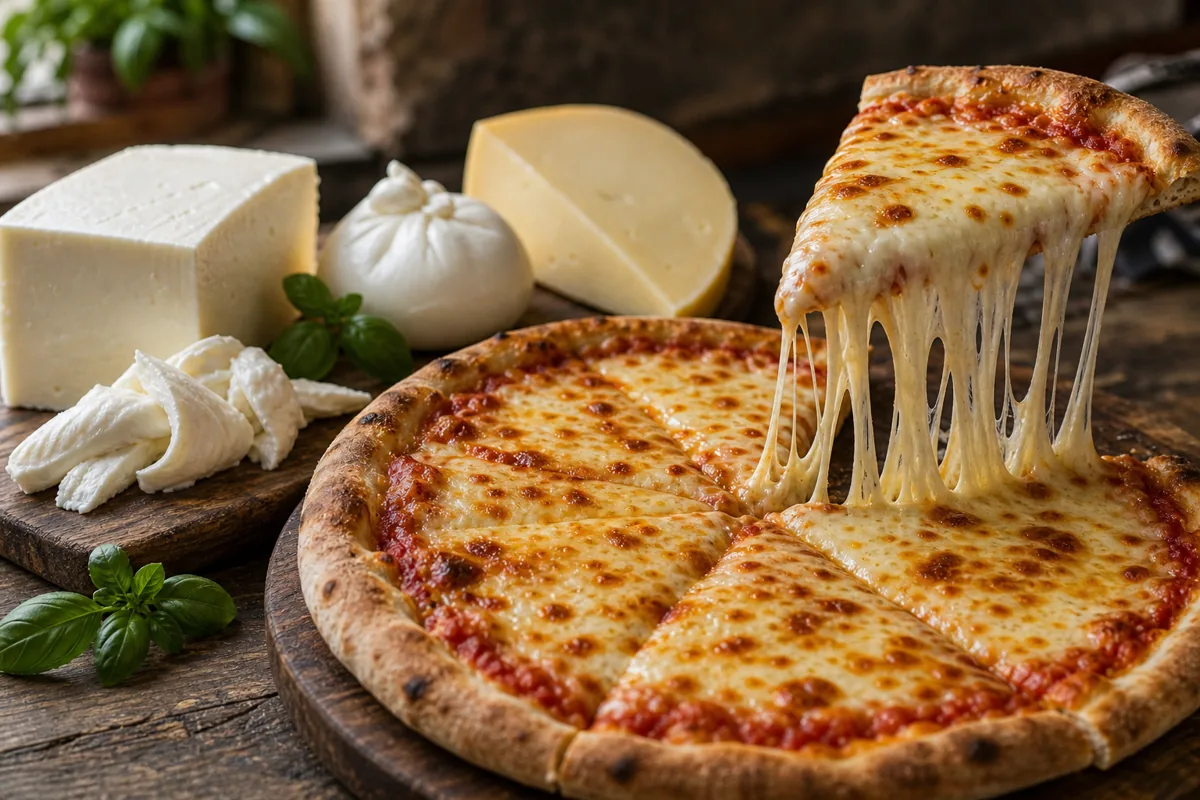
| Pizza | Low-moisture mozzarella | Fresh mozzarella brings more moisture. Drain it and use it with a recipe suited to that style. |
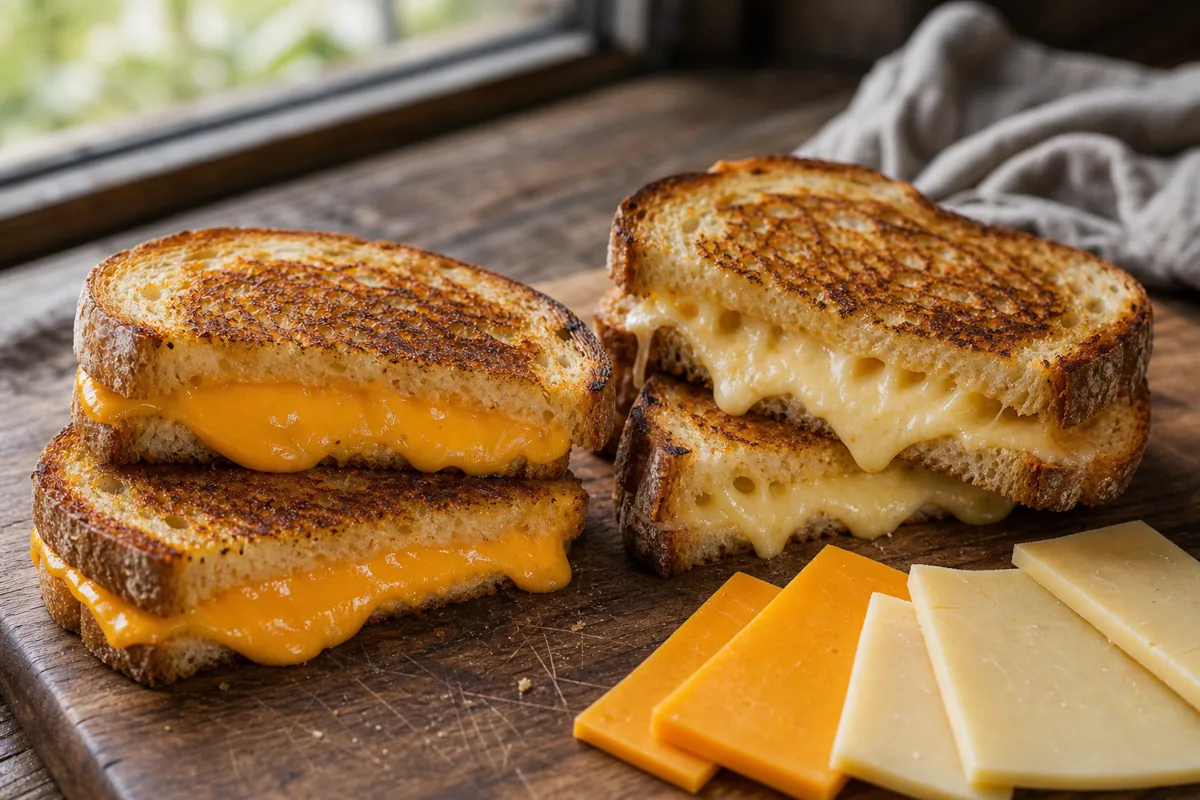
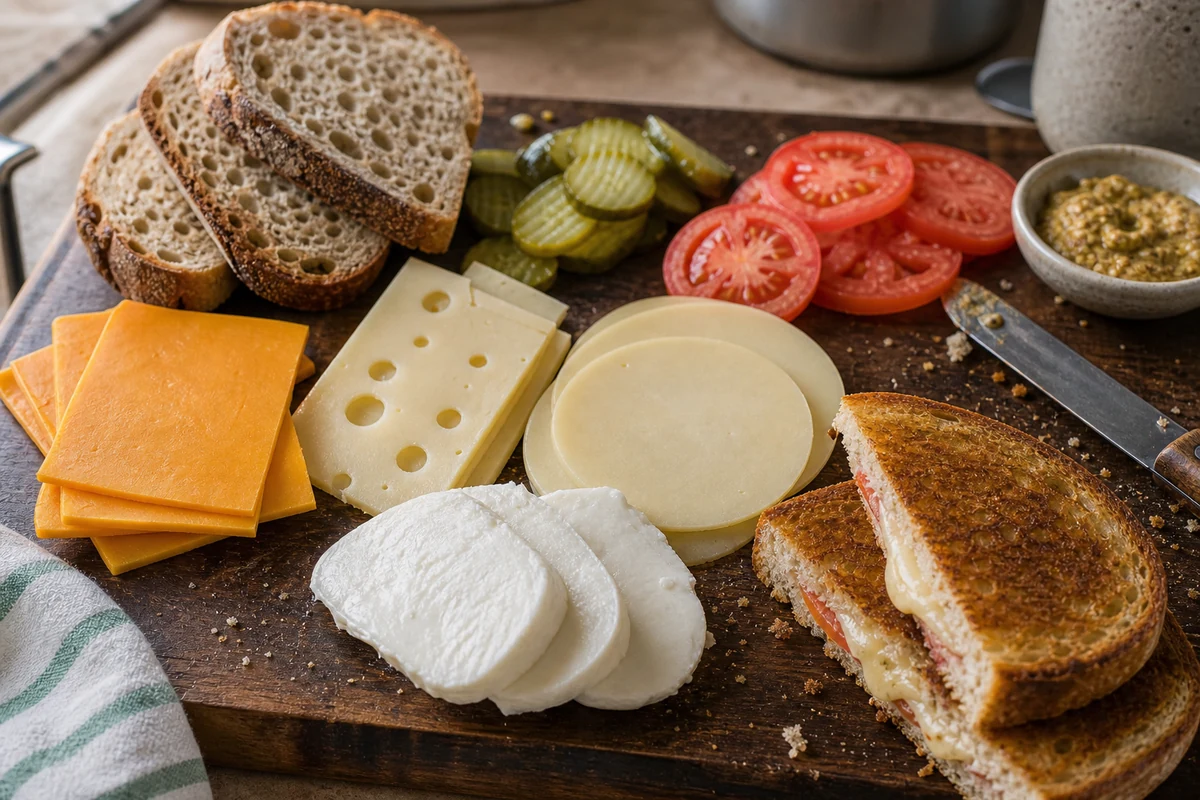
| Grilled cheese | Young cheddar, Monterey Jack, or Havarti | Thin slices melt before thick bread becomes too dark. |
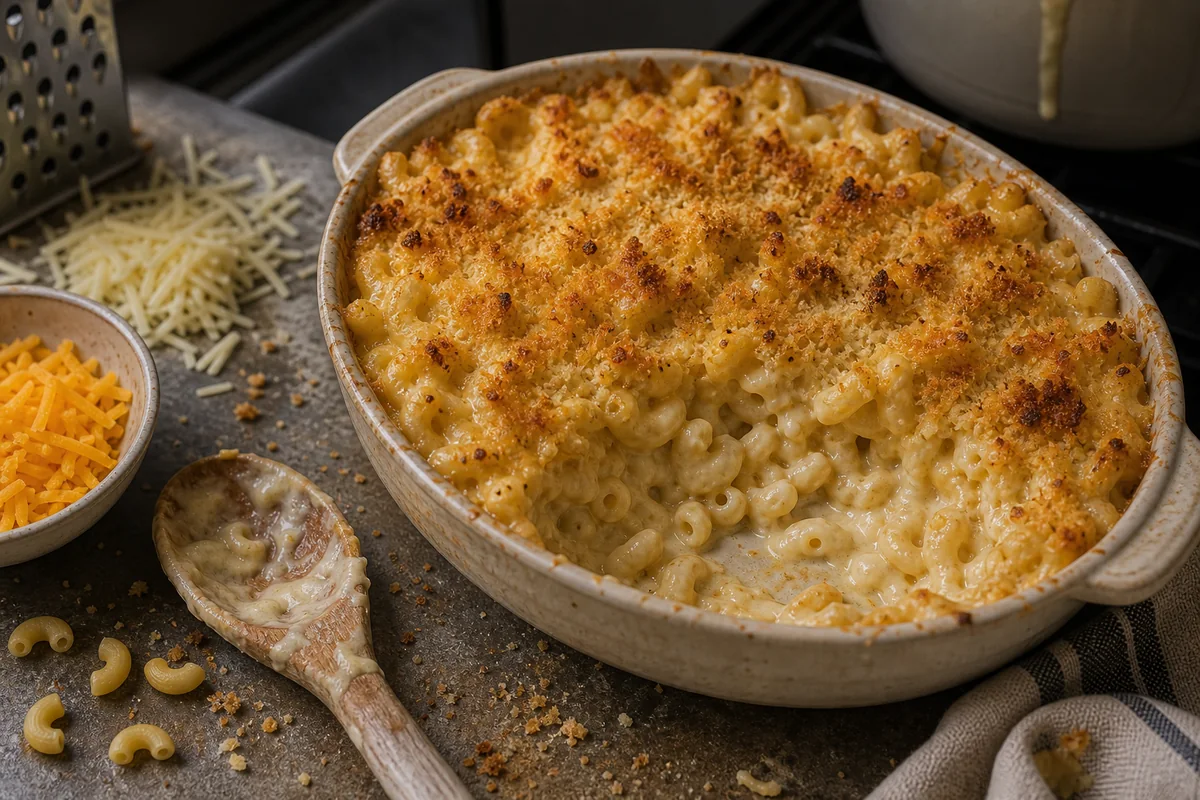
| Macaroni or vegetable sauce | Cheddar in a prepared sauce base | Cheese alone does not guarantee a smooth sauce. The liquid, starch and heat matter. |
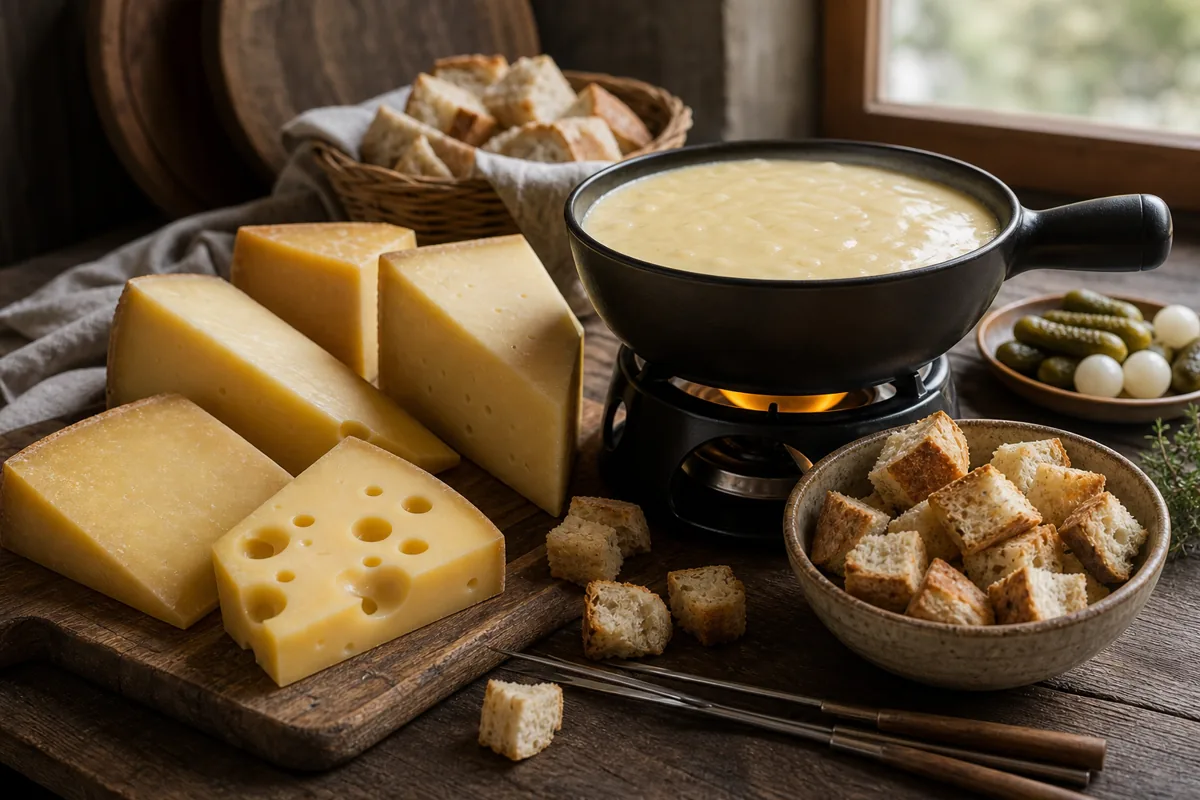
| Fondue | Gruyere in a complete fondue recipe | Follow the recipe's cheese, liquid and starch quantities rather than improvising a pot of melted cheese. |
| Gratin or toast topping | Gruyere, with Parmesan if you want a sharper finish | A dry grated cheese can add flavor without being the main melting layer. |
Which Melting Cheese Works Best for Pizza?
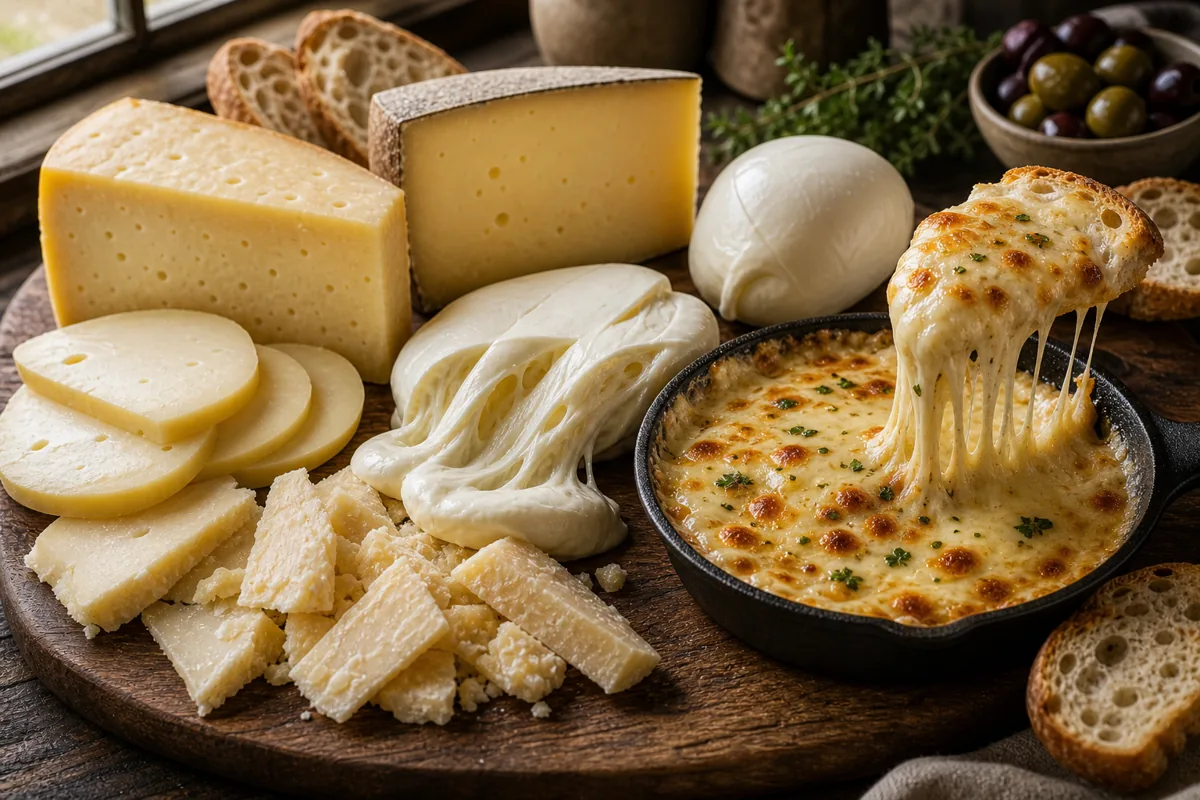
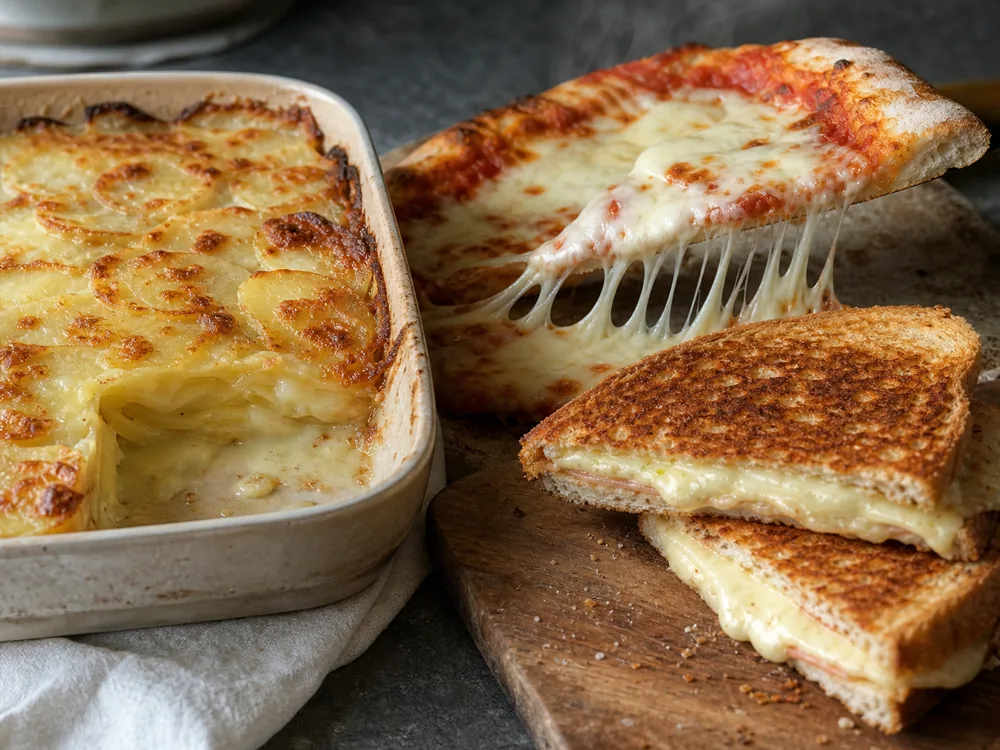
Low-moisture mozzarella spreads into an elastic layer without bringing the packing liquid of a fresh ball.
Fresh mozzarella remains a good choice for pizzas designed around its milky flavor and softer finish. Drain it before use, and avoid treating a wet ball as an identical replacement for grated low-moisture cheese.
For more flavor, try provolone or a little cheddar alongside mozzarella. King Arthur Baking's published pizza comparison found several cheeses melted well but differed in stretch, so its results do not support one winner for every pizza.
How Do You Melt Cheese Evenly in a Sandwich?
Young cheddar gives a grilled sandwich a familiar savory flavor, while Monterey Jack or Havarti suits a milder filling. Thin slices or an even layer of shreds help heat reach the cheese before the bread overbrowns.
Very mature cheddar can add a sharper taste but may release more oil and give less stretch than a younger cheese. If the sandwich is oily, using a younger cheese is a more useful change than simply adding more of the same mature wedge.
Why Does a Cheese Sauce Need More Than Cheese?
For a conventional macaroni cheese sauce, cheddar stirred into a cooked milk-and-flour base is a practical starting point. Let the base thicken first, then reduce the heat and add grated cheese gradually instead of boiling the finished sauce.
Mozzarella is useful when you want a stretchy baked topping, but it can pull into strings in a pouring sauce.
Processed American cheese is another option when a smooth, mild melt matters more than an aged flavor. Products vary, so use a recipe written for the cheese you bought rather than swapping equal weights into an unrelated sauce.
Why Does Fondue Need a Complete Recipe?
Gruyere contributes a savory, nutty flavor to fondue, but its fat content does not make separation impossible.
The official Gruyere moitie-moitie recipe combines equal weights of Gruyere AOP and Vacherin Fribourgeois AOP with white wine and cornstarch.
Follow its full method rather than treating the cheese blend alone as the recipe.
How Do You Layer Cheese for a Gratin?
Gruyere works well over potatoes or vegetables when you want cheese flavor throughout a browned topping. A little finely grated Parmesan can add a saltier finish, while mozzarella gives a milder, stretchier layer.
If the vegetables are still firm when the cheese browns, cook them sufficiently before the final browning stage rather than leaving the cheese under strong heat until it dries out.
Which Other Cheeses Melt Well?
Several more cheeses melt well in particular dishes, and each one below links to its full profile with the melt detail it gives.
| Cheese | Where it melts best | What to know about the melt |
|---|---|---|
| Raclette | Scraped over boiled potatoes | Made to be melted and scraped. Let each slice melt but not for too long, or the fat separates; wheels aged for years are poorly suited to melting. |
| Vacherin Fribourgeois | Fondue, half and half with Gruyere | Its AOP rules grade melting ability, and an older wheel becomes very melting, sometimes almost creamy. |
| Fontina | Fonduta, gratins and risotto | Sliced into potato or vegetable gratins, it gives an even melt without greasiness. |
| Comté | Recipes that call for a melting cheese | Choose a wheel aged only a few months for cooking; its texture is creamier. |
| Emmental | Cheese toast and fondue | Gentle heat in a saucepan gives grated Emmental time to melt without driving off the liquid. |
| Taleggio | A pourable sauce for vegetables, pasta or gnocchi | Small pieces melt into heated milk and cream; trim the rind first if the sauce should be smooth. |
| Provolone Dolce | Hot sandwiches and pizza | Young Dolce melts into smooth, stretchy pools; aged Piccante is too firm and dry to melt well. |
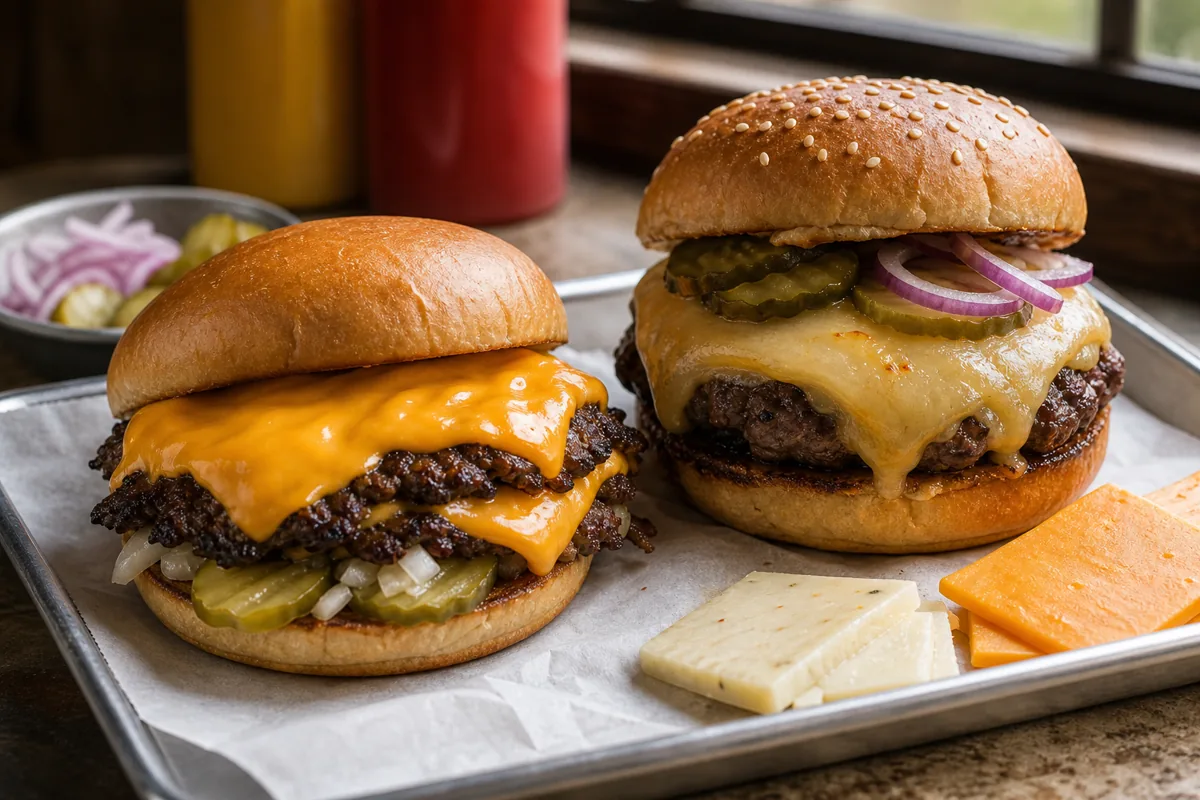
| Havarti | Grilled cheese, eggs and burgers | Melts early into a smooth layer, but melts flat rather than browning under a broiler. |
| Young Monterey Jack | Quesadillas and toasted sandwiches | Gives a soft melted filling; take it off strong heat once melted, since it can release oil. |
Why do some cheeses soften without flowing?
Cheese contains a protein structure holding fat and water. Moisture, acidity, calcium and changes during aging all affect how that structure behaves under heat, so fat percentage alone cannot predict the result.
As Cheese Science Toolkit explains, moisture can help a cheese melt, while very dry aged cheeses may need added liquid. Acid-set cheeses such as fresh goat cheese behave differently and can soften without forming the stretchy layer you get from mozzarella.
Aging also changes the protein structure, which can reduce stretch and allow oil to escape. A young and a long-aged version of the same cheese may therefore behave differently in the pan.
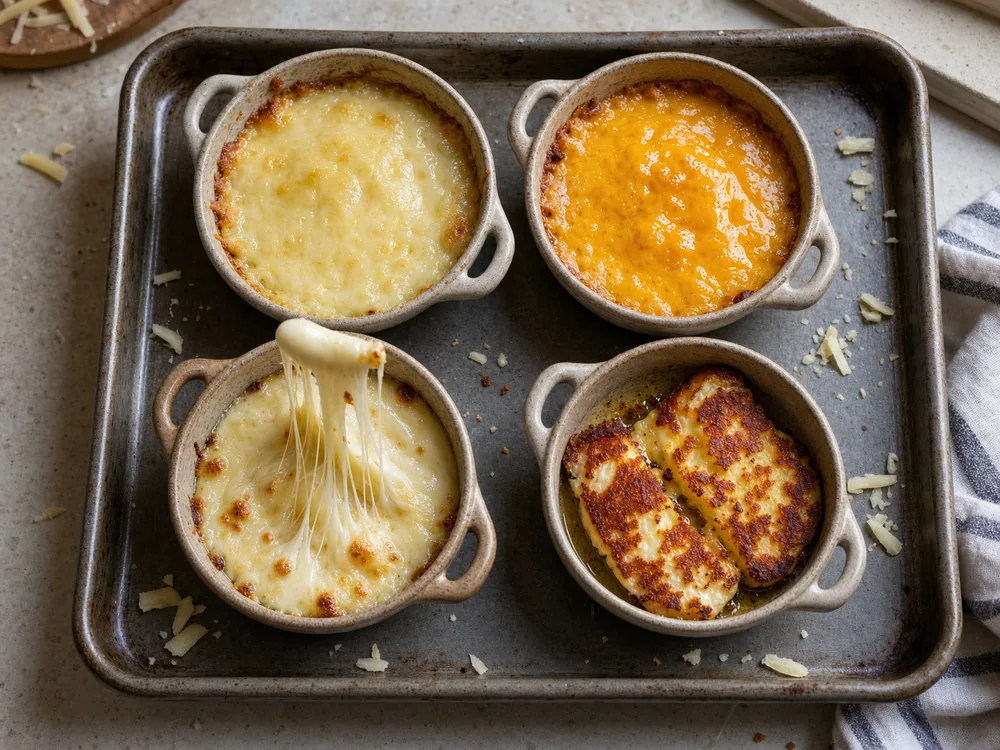
Halloumi, paneer and feta can be useful in hot dishes precisely because they hold their shape or soften without flowing into a sauce. Ricotta adds soft curds to a filling, while Parmesan can join a sauce with the right liquid and method despite being a poor choice for a thick stretchy layer.
How can you avoid a greasy or watery result?
Oil collecting around the cheese: reduce the heat or shorten the final cooking stage. In a sauce, stop boiling and check the recipe's liquid and thickener before adding more cheese, since extra cheese can make an already concentrated mixture harder to manage.
Water on a pizza or gratin: check wet toppings as well as the cheese. Drained fresh mozzarella will still behave differently from a low-moisture block, and watery mushrooms or tomatoes can contribute to a soggy base.
Separate shreds in a sauce: use smaller shreds and add them gradually to a warm base. Grating a block gives you control over shred size and avoids the anti-caking ingredients used in many bags.
A rubbery layer after cooling: serve a stretchy cheese while it is warm, or choose a sauce-based dish when it needs to stay spoonable. Reheating gently with the liquid specified by the recipe may help, but it will not turn a shape-holding cheese into mozzarella.