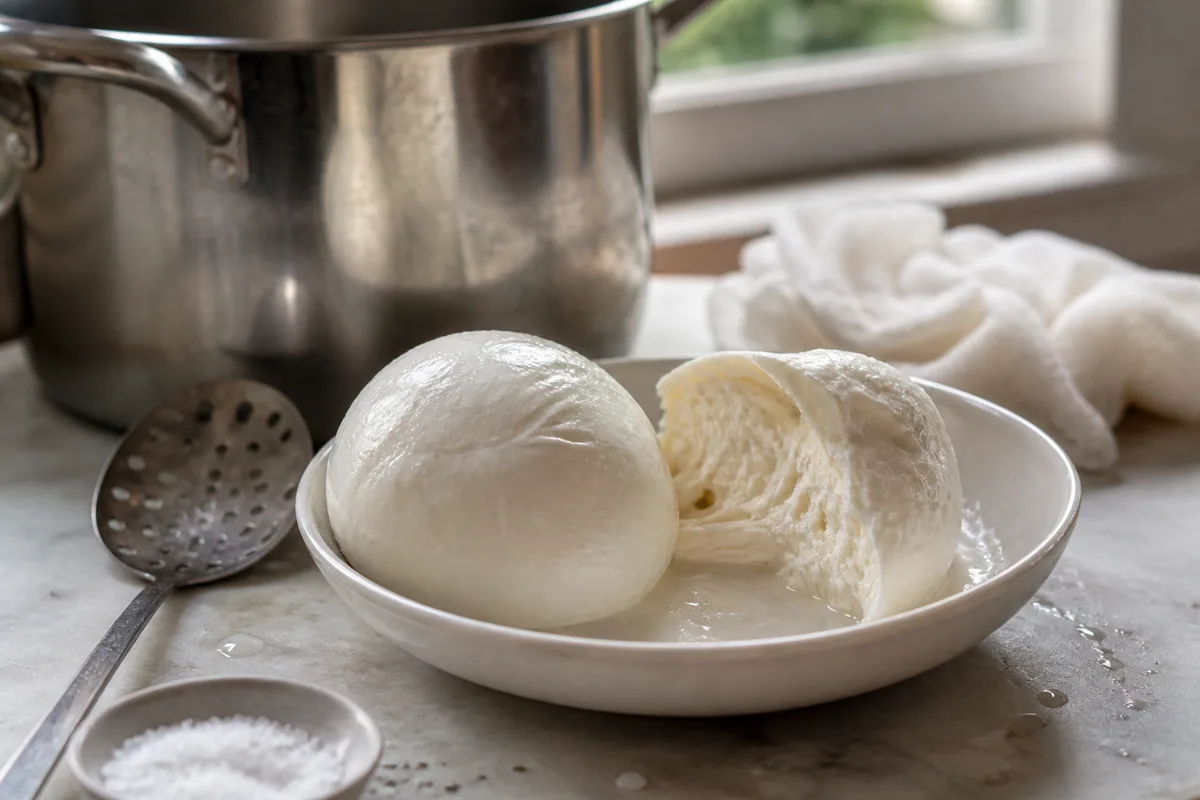
Thirty-minute mozzarella works, and it fails for a small number of reasons that are all identifiable before you start.
The method swaps the slow bacterial acidification of traditional cheesemaking for citric acid, which is why it takes half an hour instead of most of a day.
Everything else follows the same sequence any cheesemaking does. Acidify, set with rennet, cut, drain, and in this case stretch.
In This Article
This Is Not the Mozzarella Italy Makes
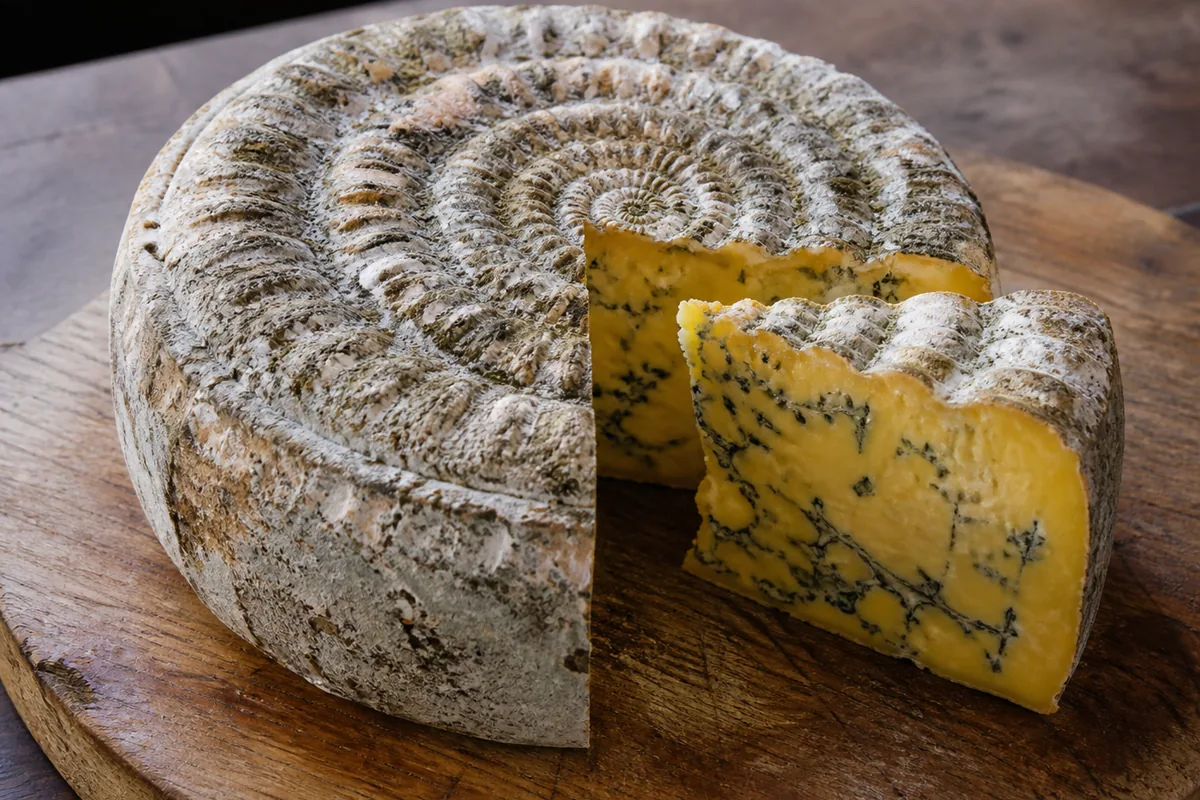
Traditional mozzarella is acidified by bacteria over hours, and the flavour that develops in that time is part of the cheese.
Citric acid does the same chemical job in minutes by lowering the pH directly.
You gain a cheese you can make on a weeknight, and you lose the lactic complexity that slow acidification builds.
Taste tells you which one is in front of you. The citric acid version arrives clean and milky with a faint sharpness at the edge, and a slow-set one carries a deeper savoury note behind the milk.
That trade is worth making for a fresh cheese eaten the same day, and it is not a substitute for buying good buffalo mozzarella when the cheese itself is the point of the meal.
The Milk Decides Whether This Works at All
Most failed batches were doomed at the shop rather than at the stove, and the carton is the one place you can still do something about it. Nothing later in the method compensates for the wrong milk, so the decision that matters most happens before a pot comes out.
Ultra-pasteurised milk will not set into a usable curd. The heat treatment damages the milk proteins, and no adjustment to acid or rennet recovers them.
The harder problem is the milk that is not labelled ultra-pasteurised but was still heated hard.
Some processors take milk to 170 to 180 F, just short of the ultra-pasteurised threshold. That milk often forms a curd that looks correct in the pot and then dissolves later, during heating or stretching, which is a demoralising way to lose a batch.
Freshness matters too. The closer the milk is to its production date, the better it performs, and milk near the end of its life gives softer curds.
Buy plain pasteurised whole milk and check the carton rather than trusting the shelf position. If a brand fails once, it will fail again, and the fix is a different milk rather than a different technique.
The Equipment That Actually Matters
Three things decide whether the process is controllable, and none of them is a cheese press.
- A probe thermometer, the one item you cannot improvise, because every decision here is a temperature and judging 90 F from 105 F by hand costs a gallon of milk
- A heavy non-reactive pot, stainless or enamelled and wide enough to stir without slopping, since thin pans scorch the milk at the base and that flavour survives into the cheese
- Cool non-chlorinated water for the citric acid and the rennet, because chlorine interferes with the rennet and weakens the set before you have started
A long knife that reaches the bottom of the pot and a slotted spoon finish the list. Everything else is convenience.
The Recipe
Everything below is per gallon of milk, and every step in the card is a temperature rather than a matter of feel.
30-Minute Mozzarella
Ingredients
- 1 gallon plain pasteurised whole milk, not ultra-pasteurised
- 1½ teaspoon citric acid, dissolved in 1 cup cool non-chlorinated water
- ¼ tablet vegetable rennet or ½ teaspoon liquid animal rennet, dissolved in ¼ cup cool non-chlorinated water
- Salt, to taste, added at the end
- No calcium chloride, which this one cheese is better without
Method
- Stir the dissolved citric acid into cold milk, adding it slowly while stirring briskly so no pocket of milk turns far more acidic than the rest.
- Heat the milk slowly to 90 F, stirring gently.
- Off the heat, stir the dissolved rennet through for about 30 seconds, then stop moving the milk.
- Leave it undisturbed until it sets into a clean curd, by which point it will be around 97 F.
- Cut the curd into roughly 1-inch squares, down to the bottom of the pot.
- Reheat the cut curd gently to 105 F, stirring slowly to firm it.
- Lift the curd out and press off as much whey as you can without tearing it, and keep that whey hot for the stretching step.
If the curd is weak, raise the setting temperature rather than adding more acid. Taking the milk to 95 or even 100 F instead of 90 F gives a firmer set, and extra citric acid pushes the cheese toward a grainy texture instead.
The acid is the one quantity that changes with what you are working with.
| Item | Standard | Adjust when |
|---|---|---|
| Citric acid | 1½ tsp in 1 cup cool water | 2 teaspoon for raw or late-lactation milk, and for powdered milk with cream. 3½ teaspoon for buffalo milk |
| Rennet | ¼ tablet vegetable, or ½ teaspoon liquid animal | ½ tablet for older milk or a firmer curd. Liquid vegetable rennet is double strength, so use ⅛ tsp |
| Salt | To taste, at the end | Optional, though it does improve the flavour |
| Water | Cool, non-chlorinated | Chlorine interferes with the rennet |
| Calcium chloride | None | Leave it out for this cheese even though other recipes call for it |
Calcium chloride is the omission worth explaining, because it is normally added to processed or cold-stored milk to firm up the curd and most cheesemaking instructions tell you to use it.
Mozzarella is the exception. Leaving it out gives a better stretch and a better final texture, because the stretching step depends on calcium leaving the protein network rather than being topped up in it.
Dissolve the rennet in about a quarter cup of cool non-chlorinated water before it goes anywhere near the pot.
Rennet tablets keep for around a year at room temperature and up to five years in the freezer, so buying a pack for one batch is not the waste it appears to be.
Add the citric acid slowly and keep stirring while you do it.
Poured in quickly, it makes pockets of milk that are far more acidic than the rest, and those pockets coagulate on their own and leave you with a grainy result.
If the curd is weak, raise the setting temperature rather than adding more acid. Taking the milk to 95 or even 100 F instead of 90 F gives a firmer set, and adding extra citric acid to compensate pushes the cheese toward a grainy texture instead.
Cutting, Draining, and Getting to 135F
Stretching is a temperature event rather than a knack, and the number that settles it is the one inside the curd rather than the one in the water. Everything from the cut to the last fold is about reaching that number and holding it there long enough to work.
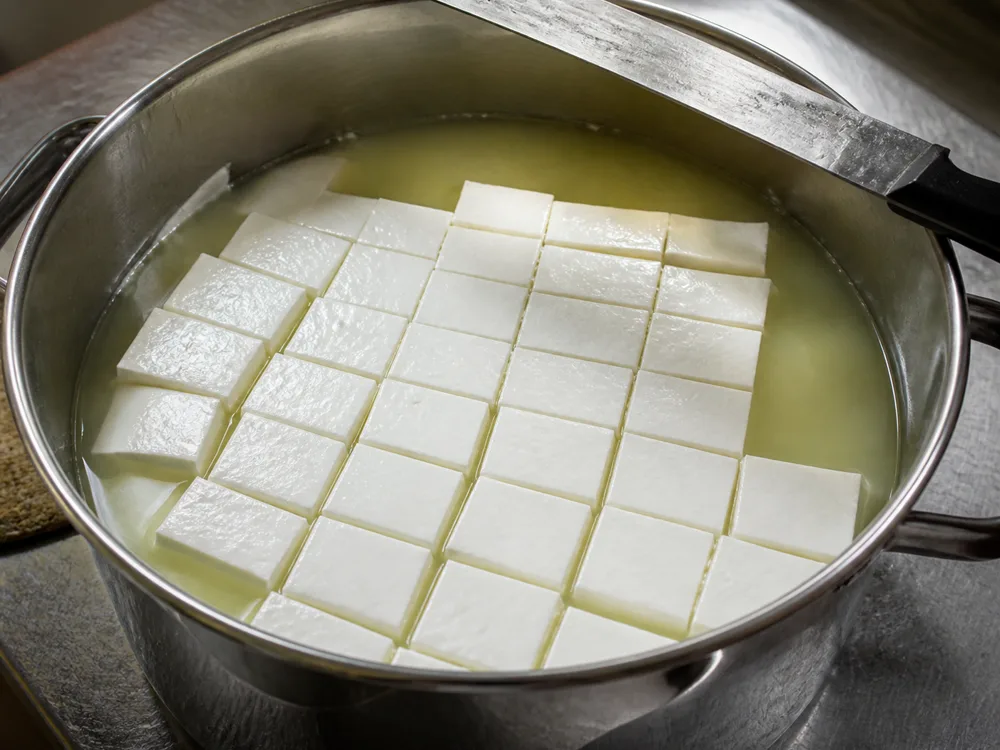
The curd will not stretch until its interior reaches 135 F. Below that it tears no matter how patiently you work it, and no amount of kneading substitutes for heat.
There is a ceiling as well as a floor. Push the curd much past that point and it starts to melt and come apart instead of stretching, and above roughly 175 F it dissolves outright.
Two routes get you there, and they differ in how much control you keep.
- Microwave: heat the drained curd in short bursts, folding between each one until it turns glossy and pulls into a rope
- Hot water or whey: submerge the curd in liquid heated to about 175 F and warm it through from the outside, which is slower and much easier to control
Use a probe thermometer in the curd mass rather than guessing from the water temperature. The outside of a curd ball reaches temperature long before its middle does.
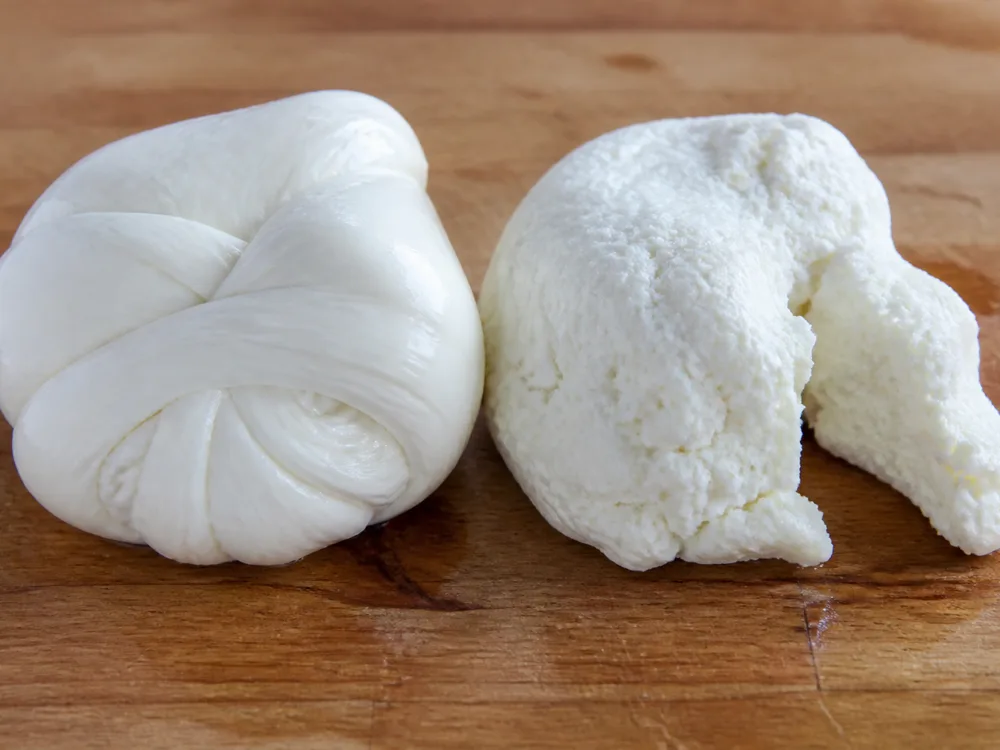
Fold and stretch until the surface is smooth and shiny, then stop. Every extra pull drives out more moisture, and moisture is what keeps the finished cheese tender.
How Much Cheese a Gallon Actually Gives
A gallon of whole milk returns roughly a pound of mozzarella, and that ratio is the honest expectation rather than a target to beat.
Butterfat is what moves the number. Milk with less fat gives a smaller ball, and skimmed or low-fat milk produces a curd that is both smaller and harder to stretch.
A weak curd costs yield twice over.
When the set is soft, butterfat escapes into the whey instead of staying in the curd, so the ball shrinks and the whey turns visibly cloudy and rich rather than clear yellow-green.
Read the whey as a report card. Clear whey means the fat stayed where you wanted it, and milky whey means the set was too soft or the curd was cut before it was ready.
Scale by whole gallons rather than fractions. Half-gallon batches are harder to manage because the curd mass is small enough to lose heat during stretching, which is the moment you least want it cooling.
Do Not Pour the Whey Away
A gallon of milk leaves you with a small ball of cheese and a great deal of liquid.
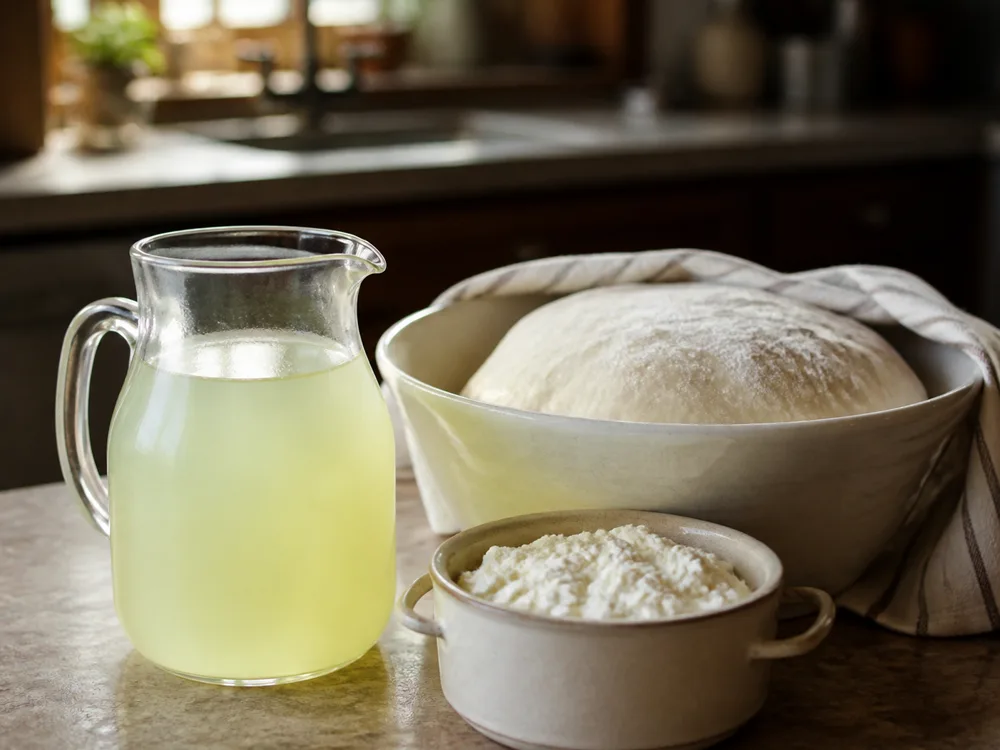
That liquid still carries protein, and the traditional answer to it is ricotta, whose name means recooked because the classic version comes from reheating the whey another cheese left behind.
Whey ricotta from this recipe is a modest return rather than a second cheese course.
Citric acid has already stripped much of what a cultured whey would still hold, so expect a small yield, and add a little fresh milk to the pot if you want more than a spoonful.
The simpler use is the stretch itself. Hot whey warms the curd more gently than plain water and does not dilute the flavour, so keep it hot on the back of the stove while you work.
Whatever is left goes further as a liquid than as waste. It cooks grains and beans, enriches bread dough, and thins a soup without watering it down.
When It Goes Wrong
Each failure here has one dominant cause, and reading the symptom backwards is what saves the next gallon. The table runs from the failures you can see in the pot to the ones that only show themselves at the stretch, which is the cruellest place to find out.
| What happened | Most likely cause | Fix |
|---|---|---|
| No curd formed at all | Ultra-pasteurised or over-heated milk | Change milk brand, not method |
| Curd set but stayed soft | Not enough rennet, or older milk | Use ½ tablet next time, or set at 95 to 100 F |
| Curd dissolved while stretching | Milk heated to 170 to 180 F at the dairy, or curd taken too hot | Different milk, and keep the stretch water near 175 F rather than boiling |
| Grainy, patchy texture | Citric acid added too fast | Add it slowly with brisk stirring |
| Low yield | Low butterfat, or fat lost to the whey from a weak curd | Whole milk, and a firmer set |
| Finished cheese will not melt | Over-kneaded and too dry | Stretch less and keep more moisture |
When two or more of these happen at once, suspect the milk before anything else.
A single bad carton produces a weak curd, a poor yield, and a mass that will not stretch, and changing three variables at once to chase it wastes several more gallons.
Turning the Same Curd Into Burrata
Burrata was invented in Puglia in the early 1900s as a way to use up mozzarella scraps, which makes it the natural next thing to do with this curd.
The construction is simple once the stretching is understood. A stretched sheet of curd becomes an outer pouch, and the pouch is filled with stracciatella, which is torn curd mixed with cream.
Work while everything is still warm. Stretch a portion of curd thin enough to line a small bowl, then tear the remaining curd into shreds, mix it with heavy cream and a pinch of salt, and spoon that into the lined bowl before gathering the edges and sealing them.
Proportion is the part people get wrong. A generous filling and a thin skin is the point of burrata, and a thick casing turns it back into a stuffed mozzarella ball.
Eat it the same day without exception. A cream filling has a shorter life than the cheese around it, and refrigeration firms the casing while the filling stays loose.
Raw Milk, Children, and Who Should Be Careful
This recipe involves no ageing, so nothing in the process reduces risk after the milk goes in the pot.
Pasteurised milk is the straightforward choice, and it is also what the temperature guidance in this recipe assumes.
Raw milk is used by some makers and does work, with the citric acid raised to around two teaspoons per gallon. It carries the ordinary raw-milk cautions and no ageing step to offset them.
The people who should be most careful are the usual ones.
Pregnant readers, young children, older adults, and anyone immunocompromised should stay with pasteurised milk here rather than treating a fresh homemade cheese as equivalent to an aged shop-bought one.
See pregnancy cheese safety for the general rules, then apply them to the milk you actually bought.
Salting, Storing, and Why Not in Brine
Salt at the end, once the stretching is finished, and treat it as optional rather than structural.
It is not required for the cheese to work, and it noticeably improves a fresh cheese that otherwise tastes mostly of milk.
Do not store it in water or brine.
Shop-bought fresh mozzarella arrives in liquid, so the instinct is understandable, but this version loses calcium into the liquid and turns slimy. Wrap it and keep it dry in the fridge instead.
Salt the outside rather than working it through the curd. A little rubbed over the warm ball seasons the first bite where you notice it, and kneading it in costs more moisture at the stage the cheese can least afford to lose any.
Eat it the day you make it if you can. High-moisture fresh cheese is at its best within hours, and the texture tightens noticeably by the second day.
If You Want to Go Further Than Citric Acid
The shortcut and the traditional method differ in one step, and swapping it changes the cheese rather than the schedule alone.
Replacing citric acid with a thermophilic starter culture means the bacteria acidify the milk over several hours instead of the acid doing it in seconds.
What you gain is flavour that the fast route cannot produce, because those bacteria generate aromatic compounds while they work rather than only lowering pH.
What you take on is timing. A cultured curd has to be ripened to the right acidity before it will stretch, and reaching that point is judged rather than measured off a clock.
Try the citric acid version until the stretch is reliable. The temperature discipline is identical in both, and learning it on a thirty-minute batch is far cheaper than learning it on a five-hour one.
What to Do With It the Same Day
This cheese carries a lot of water, which decides where it belongs.
| Use | How It Works |
|---|---|
| Eaten warm | Torn while still warm with salt, olive oil, and bread, which is where the texture shows best. |
| Tomato salad | Sliced raw against ripe tomato, where its mildness is the point rather than a limitation. |
| Fast hot pizza | Only on a very hot short bake, since a slow oven will make it weep. |
| Fried | Cubed and fried briefly so the surface sets before the inside can run. |
| Next day | Grate the firmer leftovers into a cooked dish rather than serving them raw. |
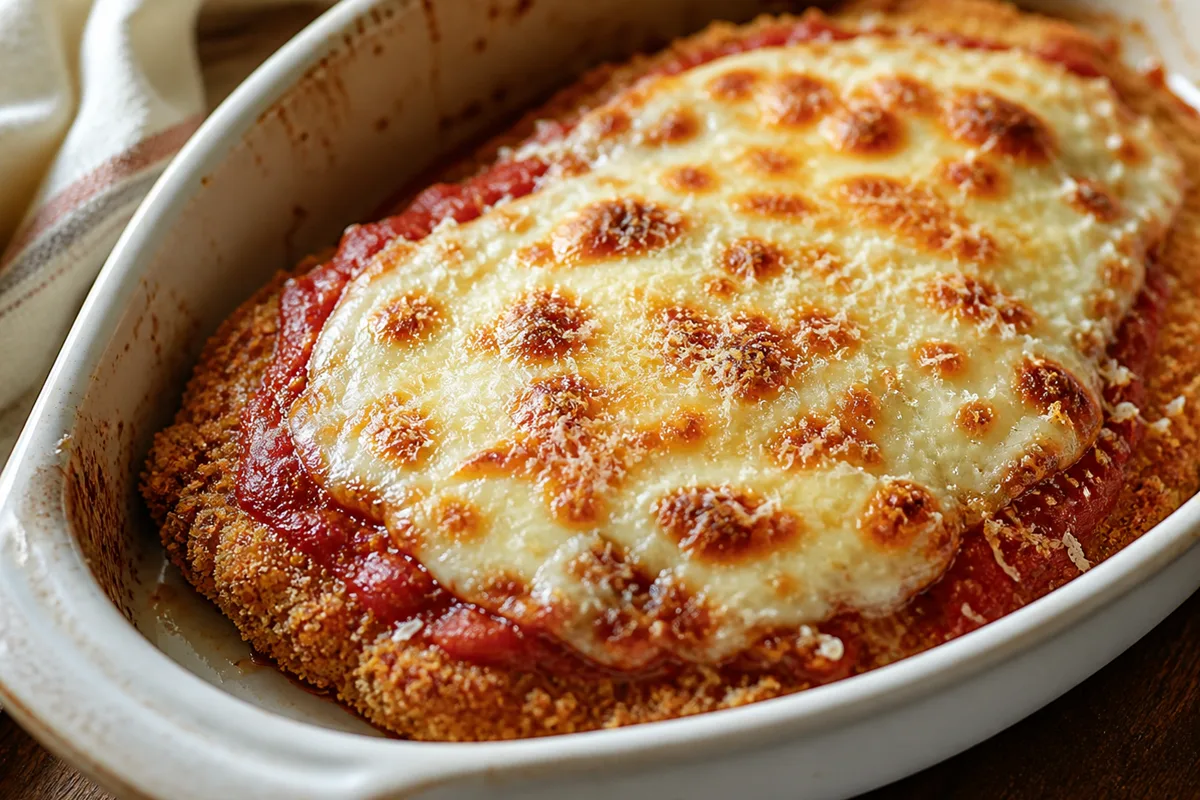
Keep it away from long slow bakes. The same moisture that makes it pleasant to eat raw will pool in a dish that spends twenty minutes in a moderate oven, which is the problem a low-moisture block exists to solve.
Tear it rather than slicing it wherever it is served raw. A torn edge is rough enough to hold oil and tomato juice, and a knife-cut face sheds both onto the plate.
If it firms up overnight, stop treating it as fresh mozzarella. At that point it behaves closer to cheese curds and works better cooked than raw.