Cheese Profile

Stracchino Cheese: Freshness Window, Bread Uses, and Buying Cues

Stracchino is the Italian soft table cheese that only makes sense if you understand how short its best window is. Among Italian table cheeses, it stands out because the point is freshness, softness, and immediacy, not age, rind, or deep cellar complexity.

That is why it often confuses shoppers. The cheese is mild, but it is not boring.

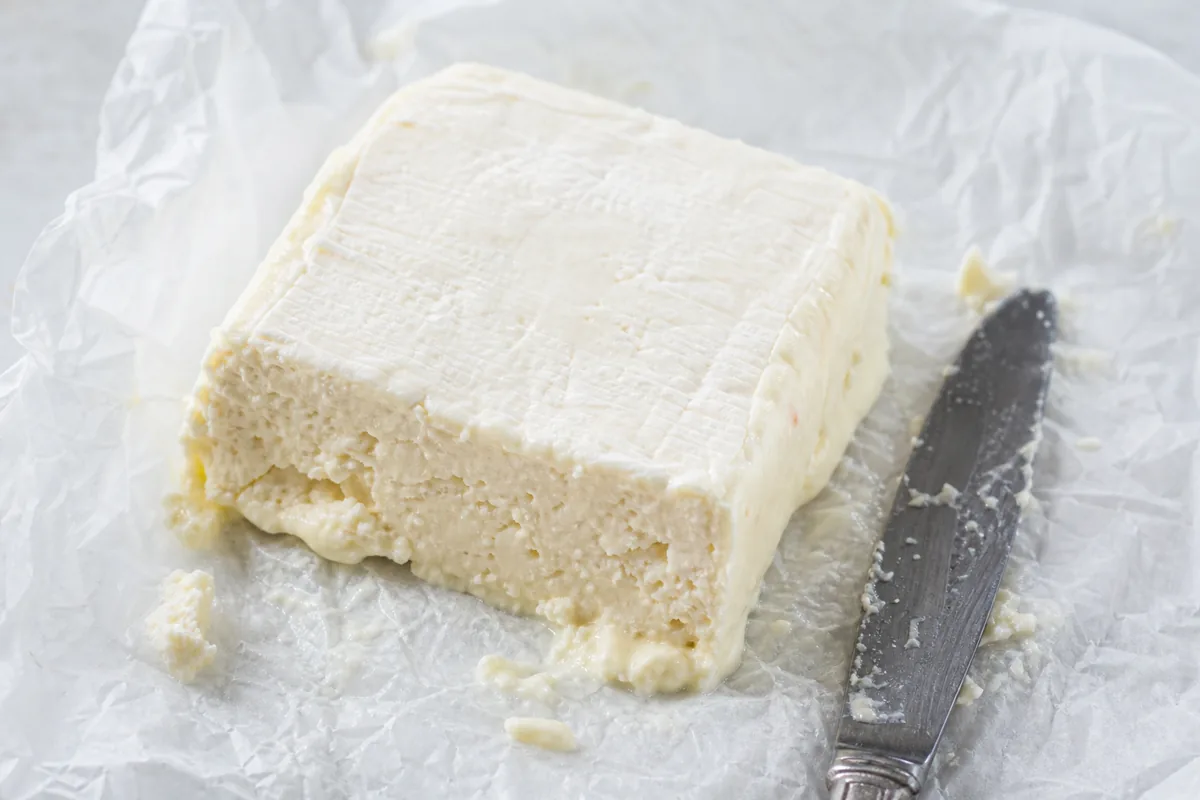
Its whole value is the tender spreadable body you get when a very fresh northern Italian cheese is bought at the right moment and eaten before the texture falls away.

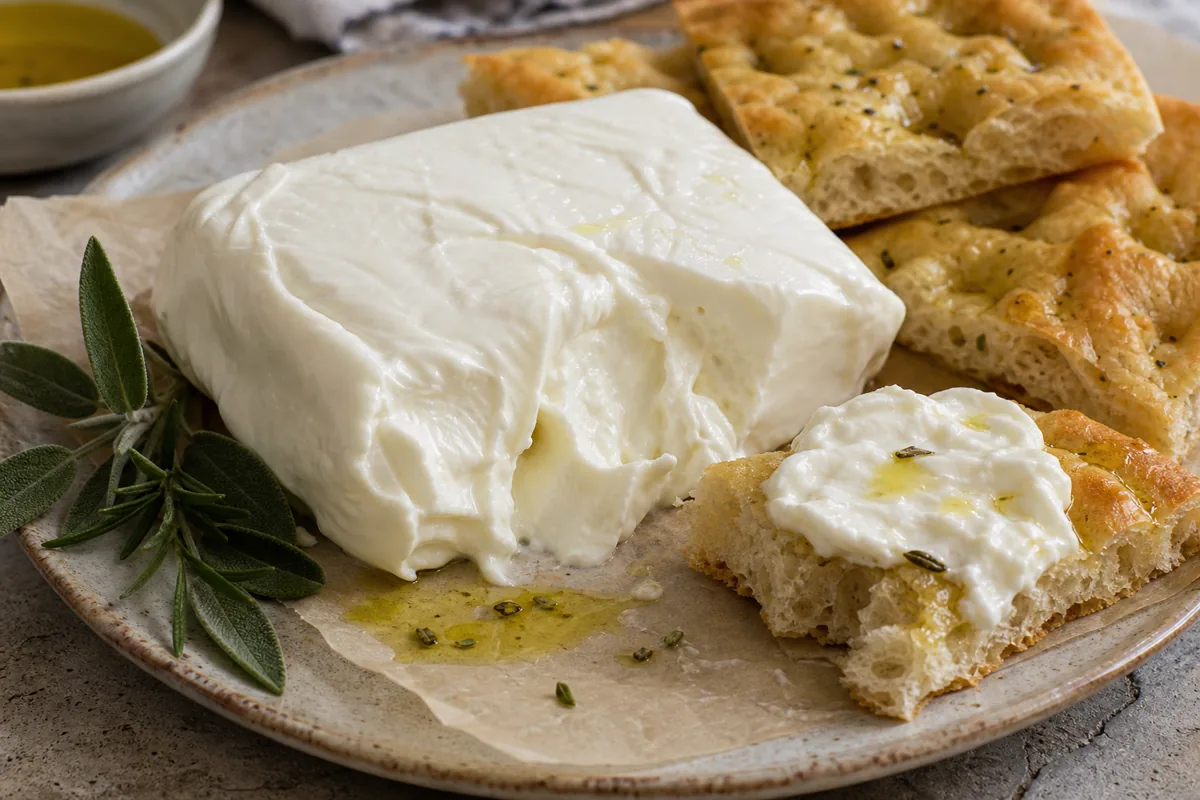
Think of it as a bread cheese before you think of it as a board cheese. It belongs close to warm dough, simple sandwiches, and fast table service.

This profile covers what stracchino is, why the crescenza label overlap matters, where it shines in focaccia and sandwiches, and how to buy it before the short shelf-life starts working against you.

What Stracchino Is and Why Crescenza Often Means the Same Thing

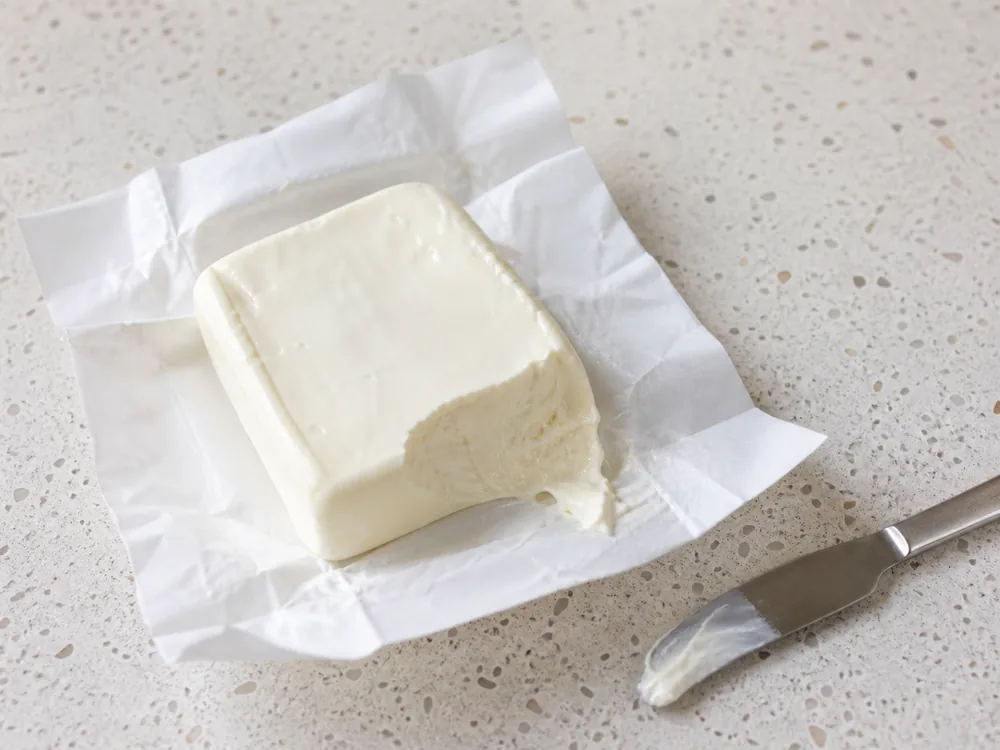
Stracchino is a fresh high-moisture cow's milk cheese from northern Italy, especially Lombardy. In many markets it overlaps heavily with crescenza, and some producers use the two names almost interchangeably for the same tender square or block-style table cheese.

Remember it later

Planning to try this recipe soon? Save it for a quick find later!

The practical takeaway is that shoppers should think less about name purity and more about style. If the cheese is soft, rindless, mild, and meant for fast eating, it sits near fresh robiola styles without the same label complexity.

The name stracchino points to a northern Italian tradition of very young, soft cow's milk cheese. Crescenza often points to the same retail experience: a moist, square, short-life cheese that should not wait around.

  • Region: Strongly tied to Lombardy and the fresh-cheese culture of northern Italy.
  • Name overlap: Crescenza often refers to the same style or a nearly identical style in retail practice.
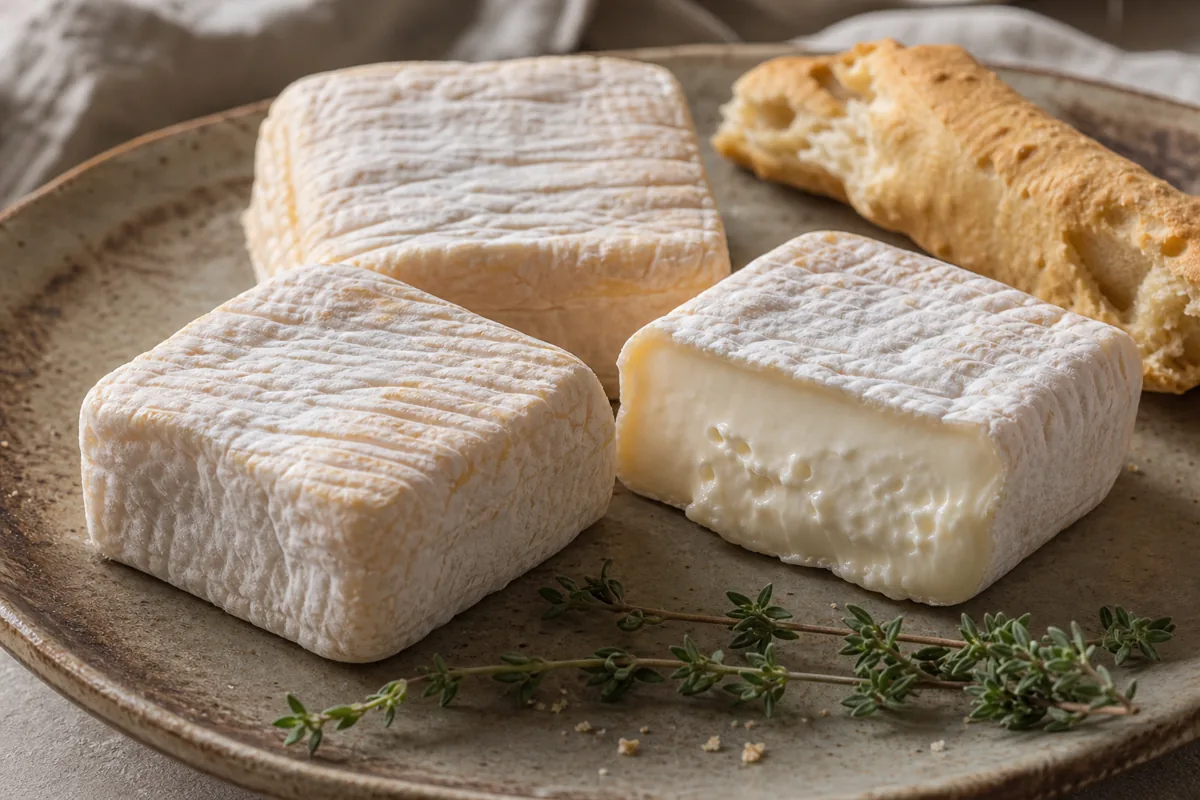
  • Rind: None, which makes freshness and moisture the real quality signals.
  • Texture: Soft, yielding, and lightly spreadable instead of elastic or crumbly.
  • Retail job: A short-window table cheese, not a long-hold refrigerator staple.

That immediate-use identity makes stracchino a very different buy from Italy's aged and rind-led cheeses. This is a deli and bakery cheese first, not a cave-cheese story.

That distinction matters because the cheese does not improve by sitting in your fridge. It is at its best when the package still feels fresh and the paste looks moist.

Why the Cheese Feels Delicate Instead of Dense

Stracchino tastes mild, but the body is the real story. The cheese is built around moisture and tenderness, so the bite feels pillowy and loose where a firmer cheese would feel elastic or compact.

That makes it different from washed-rind Taleggio, which brings more aroma and more rind.

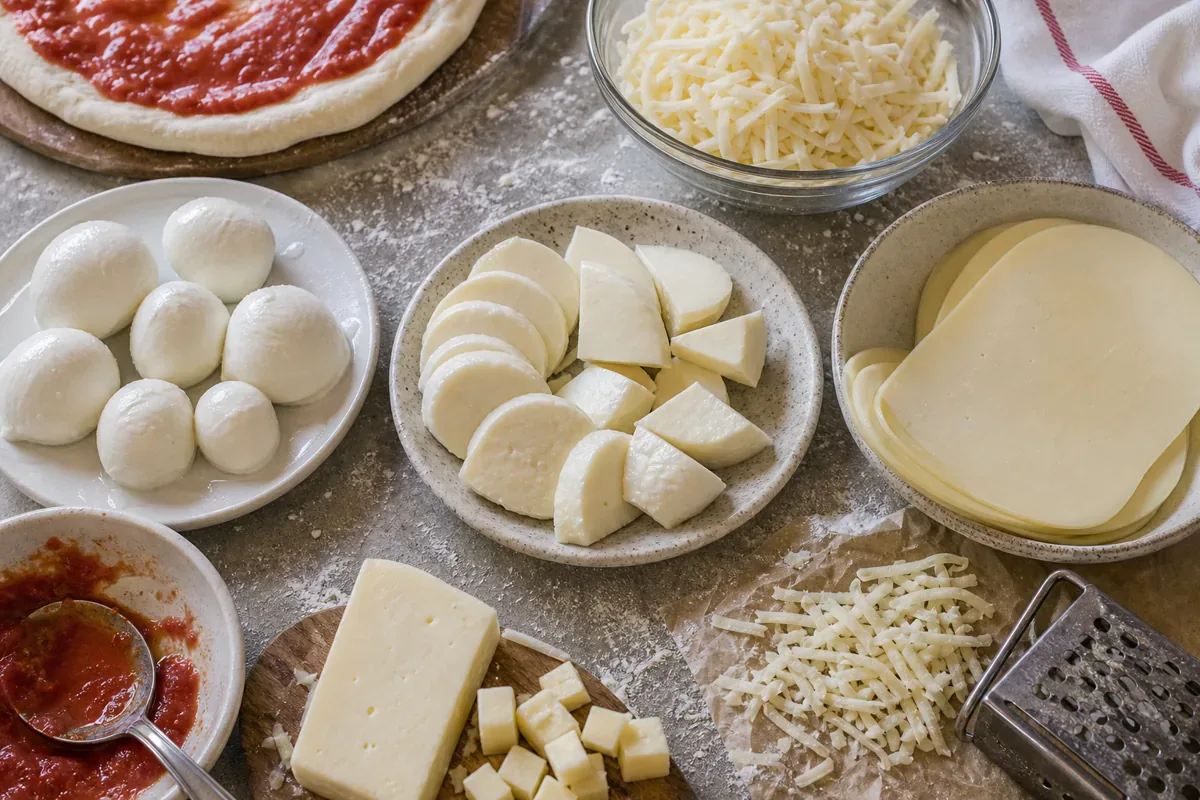
It also differs from a mozzarella block, because mozzarella brings more structure and pull.

Stracchino brings softness that almost disappears into warm bread, unlike burrata's filled center.

The high moisture gives the cheese its charm and its weakness. It spreads beautifully, but it dries, weeps, and turns tired faster than firmer cheeses.

FLAVOR PROFILE
SALTYSWEETBITTERSOURUMAMICREAMY
Salty
14
Sweet
12
Bitter
4
Sour
22
Umami
18
Creamy
84

The radar shows why the cheese feels so easy to keep eating. Creaminess and lactic tang lead, while salt and bitterness stay low enough that the cheese reads fresh and gentle rather than forceful.

  • Milk note: Fresh and soft rather than aged or nutty.
  • Tang level: Noticeable enough to keep the cheese alive, but never sharp.
  • Mouthfeel: More cushiony than stretchy, which is why it spreads and slumps so naturally in warm dishes.
  • Finish: Brief and clean, which suits sandwiches and flatbreads better than heavy board theatrics.

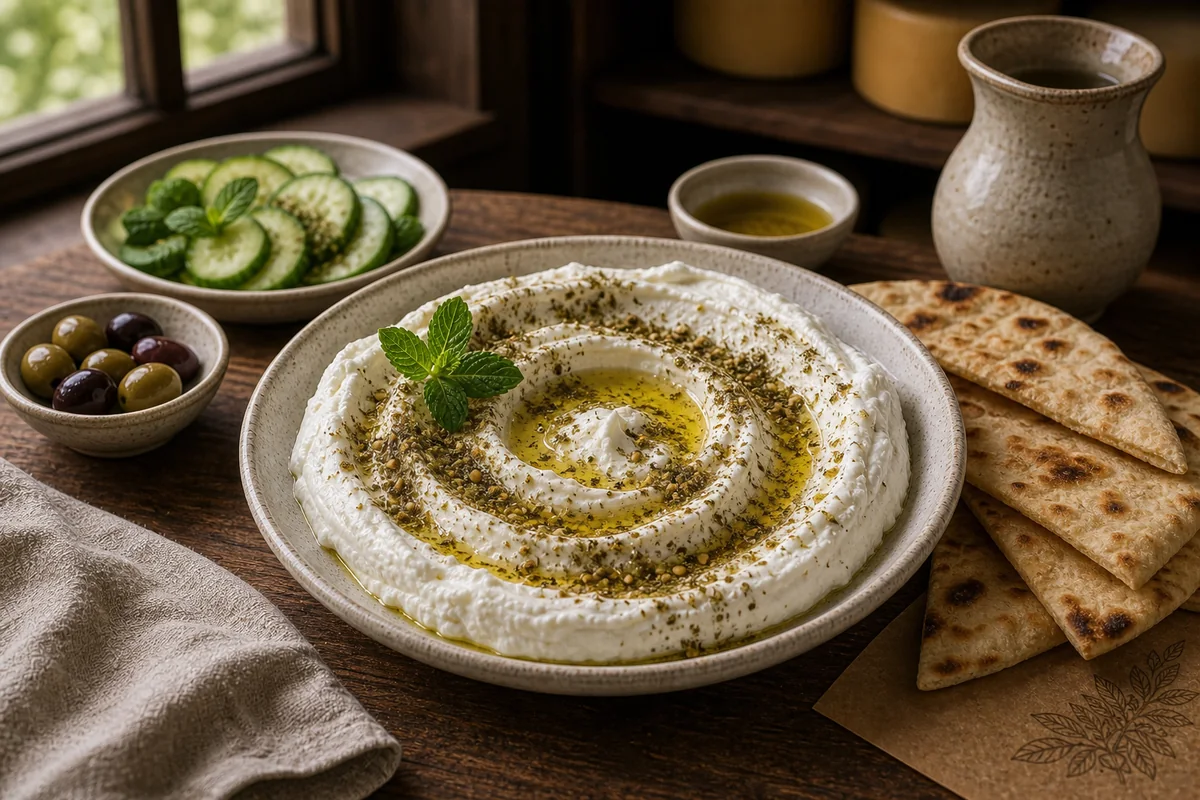
Compared with labneh's cultured thickness, stracchino feels more like a true cheese than a strained spread. Compared with teleme or feta-style brined cheeses, it is far less salty and far more focused on dairy softness.

TIP

If the cheese seems firm and tidy straight from the fridge, let it sit briefly before judging it. Stracchino opens up fast, and a cold piece can hide the soft creamy texture that makes the style worth buying.

That room-temperature shift is part of the cheese, not a serving trick. A good piece should relax quickly while still tasting clean and fresh.

Where Stracchino Shines in Warm Bread and Simple Sandwiches

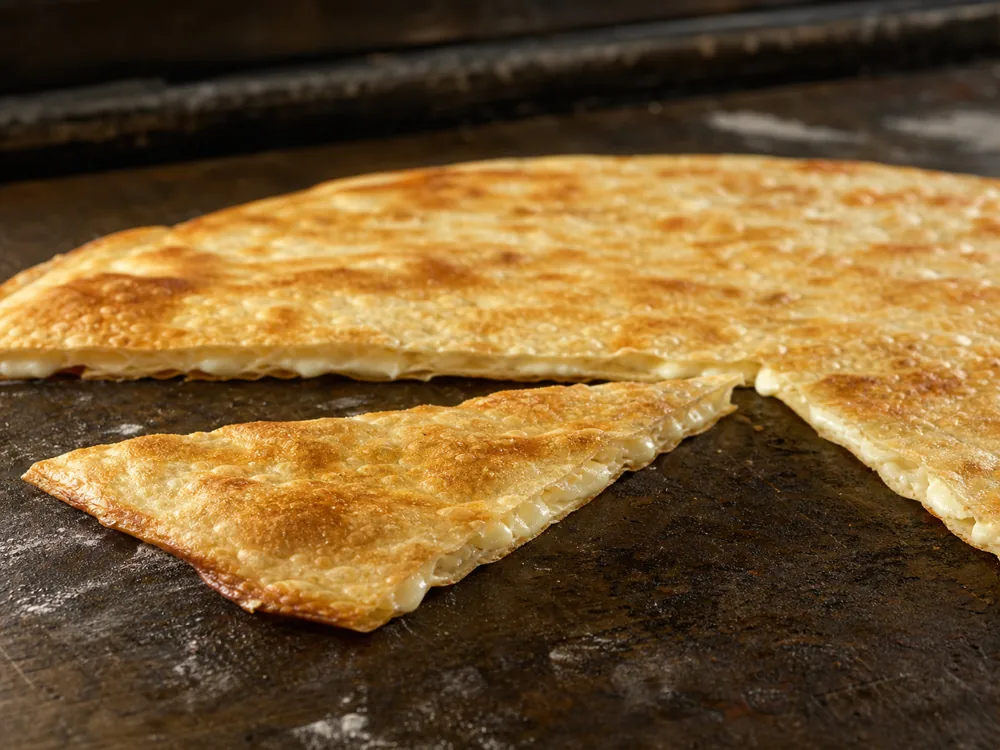
Stracchino is strongest in dishes where heat softens it without asking it to brown aggressively. The classic example is focaccia di Recco, where the cheese melts into thin layers of dough and creates a rich but still delicate filling.

Outside that Ligurian benchmark, use the same logic. Choose thin bread, moderate heat, and fillings that let the cheese supply mild cream rather than dramatic stretch.

  • Focaccia di Recco: The cheese softens into the dough instead of staying as thick molten pockets, which is exactly why the dish feels elegant rather than heavy.
  • Warm flatbreads: Spread or tuck the cheese into thin breads where a mild creamy center is the goal.
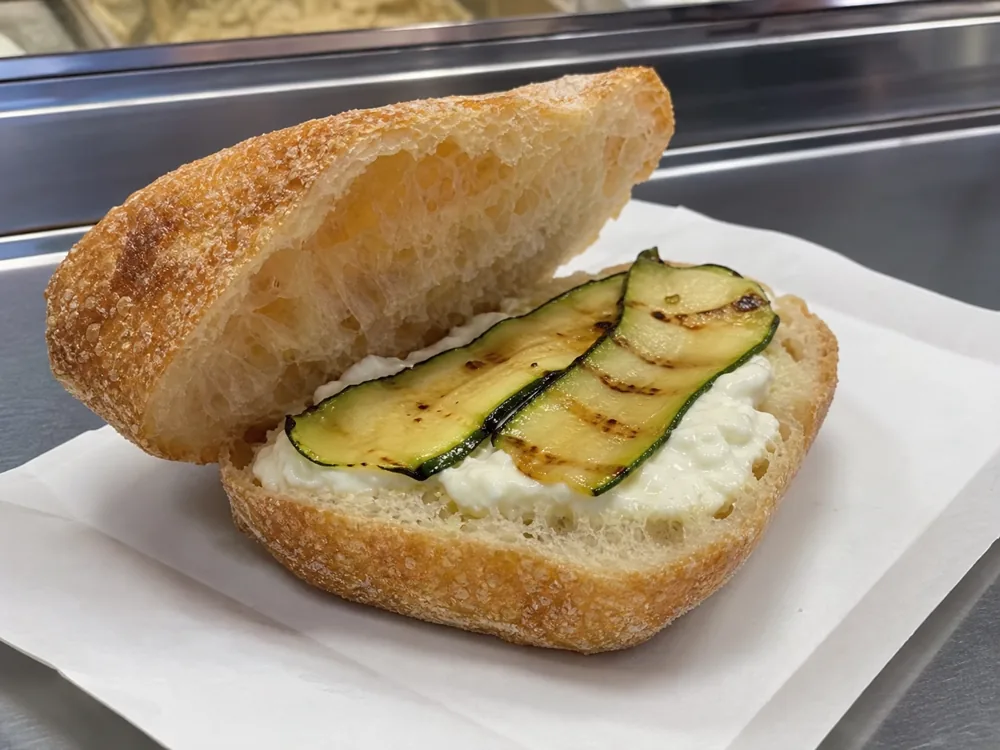
  • Sandwiches: Stracchino works especially well in simple vegetable or prosciutto sandwiches because the cheese adds richness without taking over. The soft sandwich cheeses page is useful when you want the filling to stay balanced.
  • Table service: Serve it with plain bread and a restrained drizzle of olive oil when the goal is freshness rather than drama.

It is much less useful as a hard-sear or high-browning cheese than sear-friendly halloumi or paneer.

For a spoonier dairy layer, ricotta's fresh curd is the better lane.

Stracchino works best when the dish treats softness as the feature. If the recipe needs chew, pull, or a browned crust, another cheese will give you a cleaner result.

Why Focaccia di Recco Is the Right Benchmark

Stracchino makes the most sense when you think of it in warm flatbread instead of on a generic cheese board. In focaccia di Recco, the cheese softens into a creamy layer between thin sheets of dough without needing a dramatic stretch or a salty brine hit.

That use case explains the cheese better than most tasting notes do. Stracchino is not trying to be a showpiece rind cheese or a long-hold sandwich slice.

It is a young high-moisture table cheese that gives bread and simple starches a mild dairy center.

The benchmark also explains what can go wrong. Too much heat dries the dough before the cheese relaxes, and too much cheese makes the filling heavy instead of tender.

  • Warm-bread fit: The cheese softens quickly and spreads into tender pockets instead of pulling like mozzarella.
  • Flavor role: Its mild lactic profile lets olive oil, dough, and herbs stay visible in the final bite.
  • Freshness consequence: The better the cheese is when young, the less reason there is to hold it for later complexity.
  • Wrong expectation to avoid: If you want a salty frying cheese or a dramatic melt pull, another cheese will do the job better.

That benchmark helps shoppers immediately. If the dish in your head looks closer to soft bread filling than to pizza cheese, you are in stracchino territory.

Crescenza Labels Tell You More About Freshness Than Age

Many shoppers only realize late that stracchino and crescenza often point to the same soft-cheese lane. In practice, the label matters less than the moisture level, firmness, and how recently the cheese reached the case.

That overlap matters because some markets use crescenza for the fresher everyday retail name, while recipes and cheese counters may lean on stracchino when they want the older regional identity. The cheese itself still asks the same question: how soon are you going to eat it?

Do not chase age here. A package that looks moist, cold, and recently dated usually beats a romantic label attached to a tired block.

If a recipe says crescenza, stracchino is often the right shopping answer. If the recipe says stracchino, a clean fresh crescenza package can usually do the same warm-bread job.

  • Fresh square packages: These usually aim at immediate bread, table, or sandwich use.
  • Softer deli cuts: These are better if the goal is spreading into warm bread or folding into pastries the same day.
  • Too-cold shopping mistake: A very chilled package can hide how soft the cheese already is, so the date and the feel of the package both matter.
  • Label lesson: With stracchino and crescenza, the retail condition tells you more than the romantic name does.

That is why freshness beats terminology here. Buy the cheese that feels right for tonight's use, even if the package says crescenza instead of stracchino.

Storage Cues for a Very Short-Life Cheese

Stracchino is a short-window cheese because moisture is part of its identity. Once opened, the surface loses quality fast, and the mild flavor leaves little room to hide stale notes.

Buy the amount you can use soon. If a recipe needs only a little, plan the rest for bread, sandwiches, or a warm vegetable plate within the next few days.

  • Fresh surface: Look for a moist paste that smells clean, milky, and lightly tangy.
  • Weak surface: Avoid packages with sour puddling, tough edges, or a tired refrigerator smell.
  • Opened package: Rewrap gently and keep it cold, but do not expect the texture to improve.
  • Serving timing: Warm only the portion you plan to eat, because repeated temperature swings hurt the paste.

This is the rare cheese where buying less can feel more generous. A small fresh piece will beat a larger tired one almost every time.

That short-life pressure is not a flaw in the style. It is the tradeoff that gives stracchino its soft, lactic, almost custardy usefulness in simple food.

If You Cannot Find Stracchino

The best substitute depends on whether you want gentle dairy softness or a better-known Italian cheese. Few replacements copy the exact same short-window tenderness.

  • Crescenza: The closest substitute because it is often the same cheese or an almost identical retail style.
  • Teleme: Best when you want another soft sliceable table cheese with mild tang, though teleme is saltier and more structured.
  • Labneh: Best when the real need is tangy creamy spreadability rather than true cheese structure.
  • Mozzarella: Best when the dish needs mild melt but the exact creamy collapse of stracchino is less important.

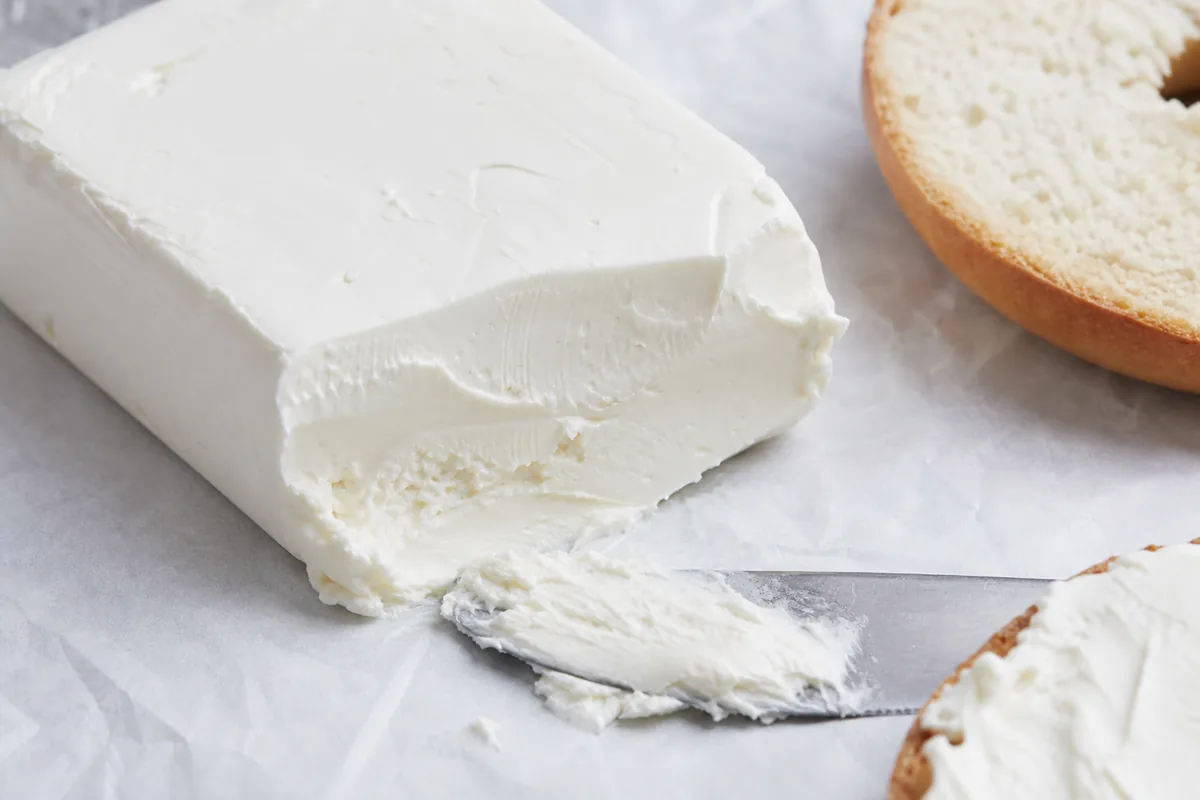
The tradeoff is clear. Most substitutes can copy the mildness or the softness, but cream-cheese body cannot copy the tender fresh-cheese feel that makes stracchino so good in warm bread.

Stracchino Nutrition and Pregnancy Notes

Stracchino is a moderately rich fresh cheese, so it sits between very lean fresh curd cheeses and saltier or heavier table cheeses. The mild flavor can make it easy to eat quickly, which is another reason portion awareness matters.

~85
Calories per oz
~5 g
Protein per oz
~6 g
Fat per oz
Fresh soft cheese
Style class
  • Moderate richness: Rich enough to feel satisfying, but not as heavy as triple-creams or full brined frying cheeses.
  • Mild salt: Lower salt makes the cheese versatile, but it also means freshness stands out more clearly.
  • Fresh-cheese caution: Pasteurization and cold handling matter because this is a high-moisture fresh cheese.
  • Best in short runs: The cheese is ideal for same-week eating rather than long-term refrigerator grazing.
CHECK THE LABEL
Pasteurized stracchino is the safer option for pregnancy, but it should still come from a cold, clearly dated source and be eaten promptly after opening because it is a high-moisture fresh cheese.

The same short-life rule helps everyone, not only pregnant readers. Stracchino is best as a planned fresh purchase, not a backup cheese for the back of the drawer.

SOURCES & REFERENCES
1.
Italian cheese reference
reference
2.
Stracchino overview
reference
3.
Italian culinary context for fresh soft cheeses
reference

Stracchino FAQ

These are the quick shopper questions that usually come up before someone buys a package.

Stracchino is a fresh soft cow's milk cheese from northern Italy, especially Lombardy. It is mild, moist, and rindless, and it is often sold under or alongside the name crescenza in retail cases.
Often, yes in practical retail terms. Some producers use the names interchangeably, while others make slight distinctions, but shoppers usually meet them as the same tender high-moisture Italian table-cheese style.
Stracchino tastes mild, lactic, buttery, and gently tangy. The flavor is soft and fresh rather than salty, aged, or rind-driven, which is why it works so well in simple breads and sandwiches.
It is best in focaccia di Recco, warm flatbreads, simple sandwiches, and plain bread service with olive oil. The cheese shines when heat softens it gently instead of forcing it to brown hard.
Use it within about 2 to 4 days for the best texture. Rewrap it well, keep it cold, and do not expect the texture to improve with time because this is a short-window fresh cheese.