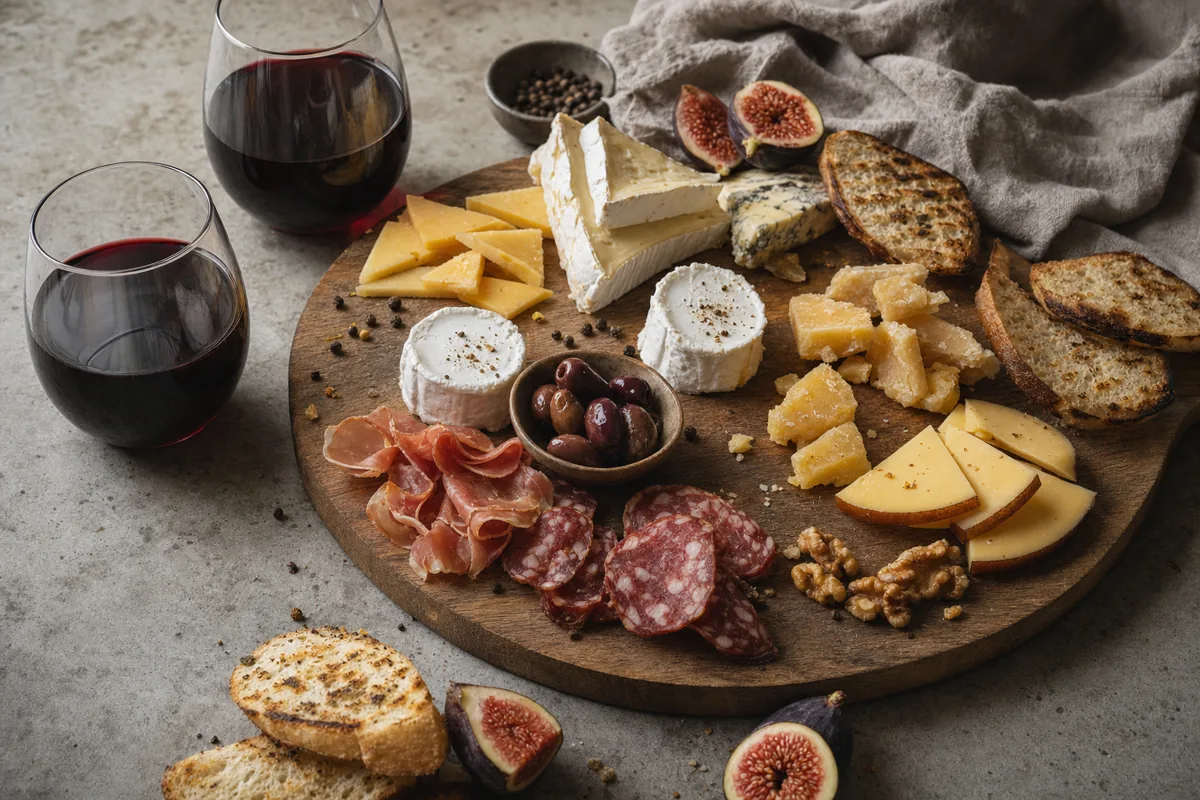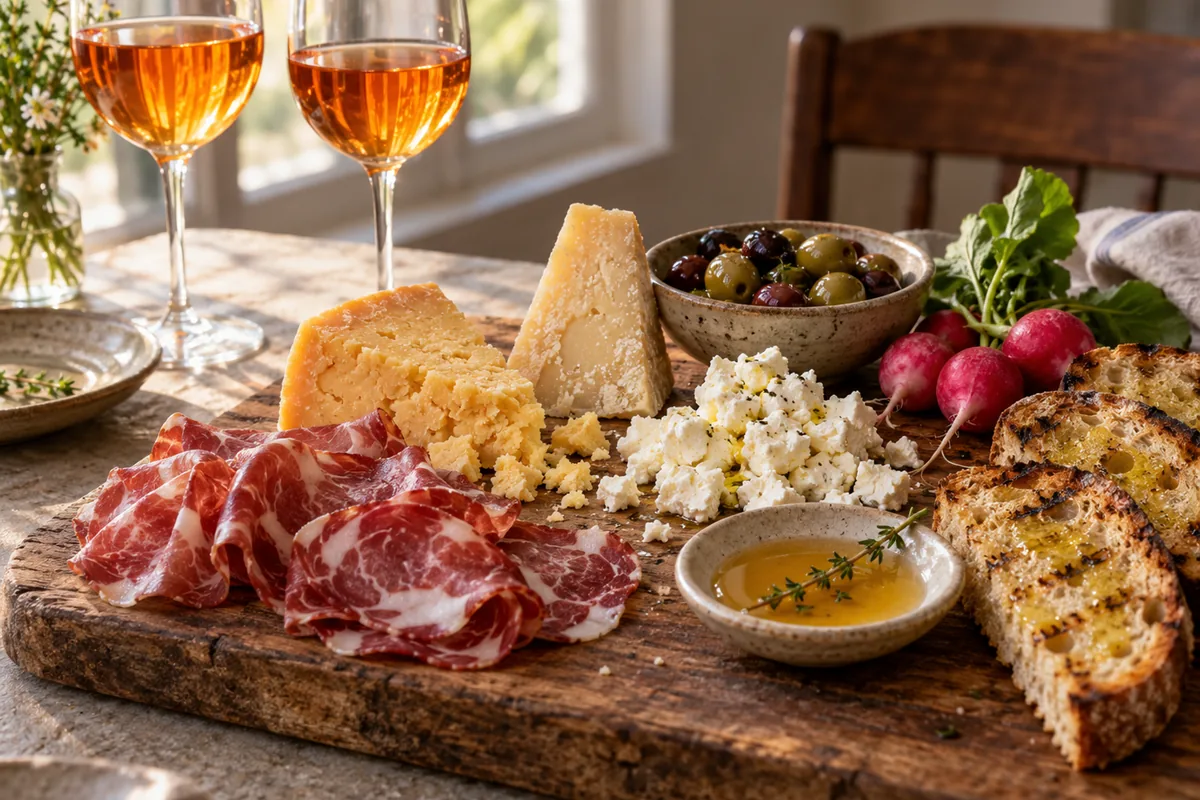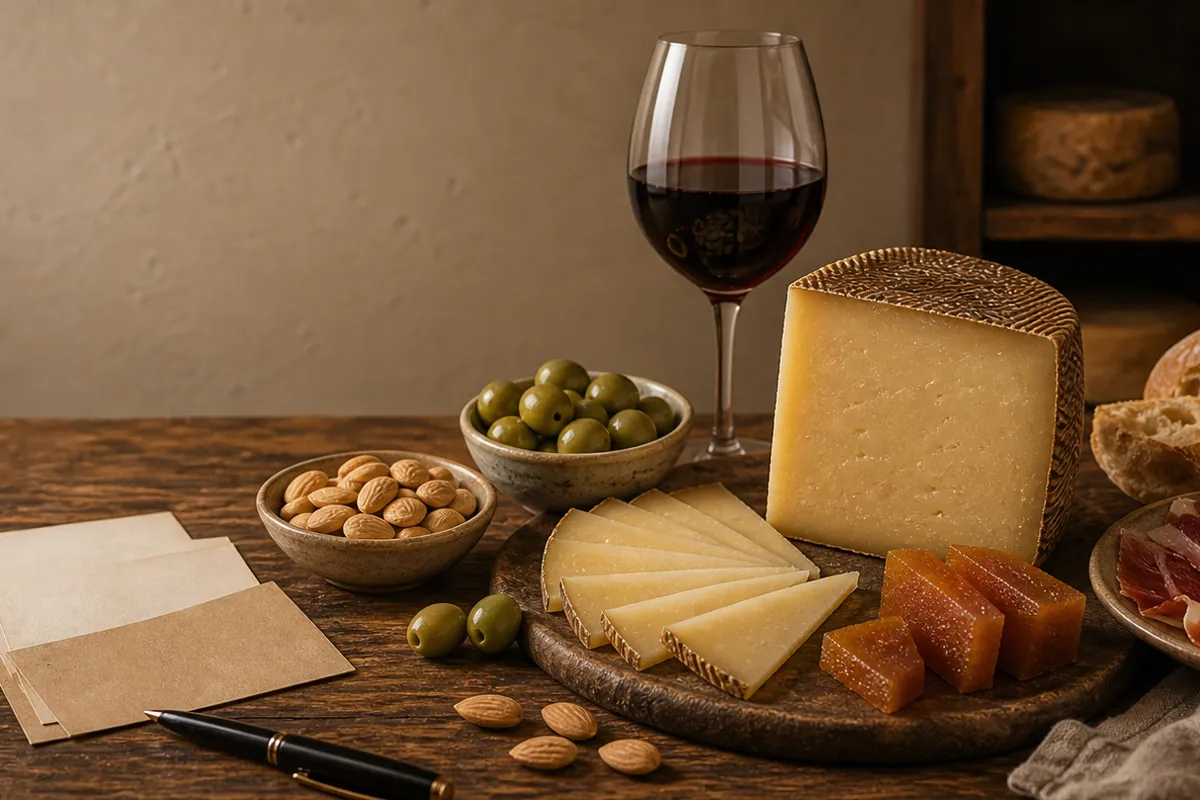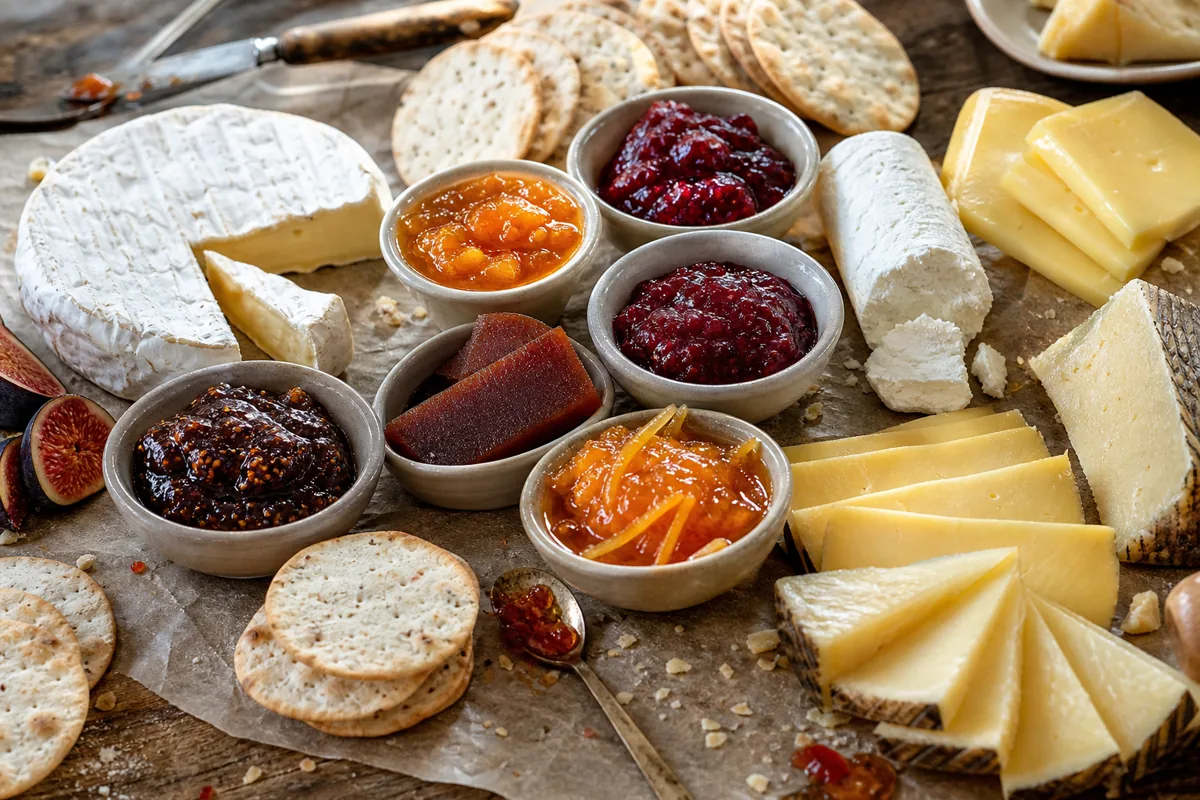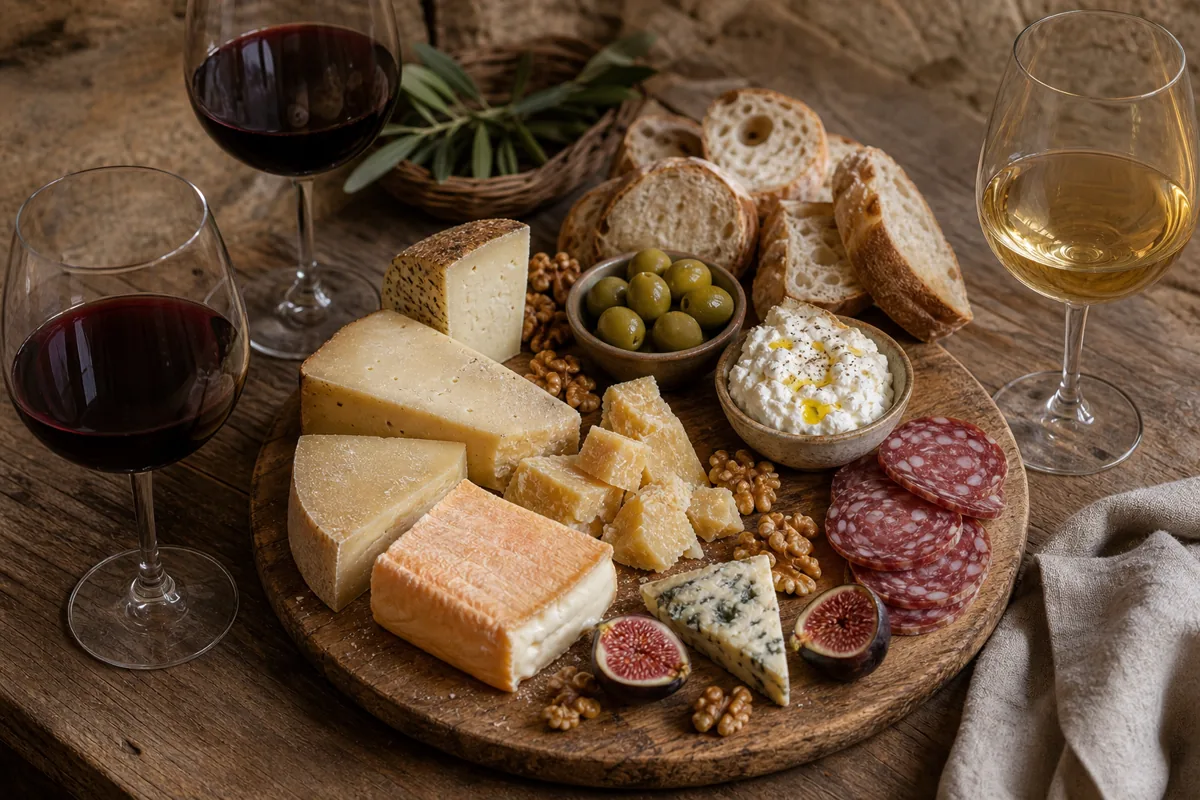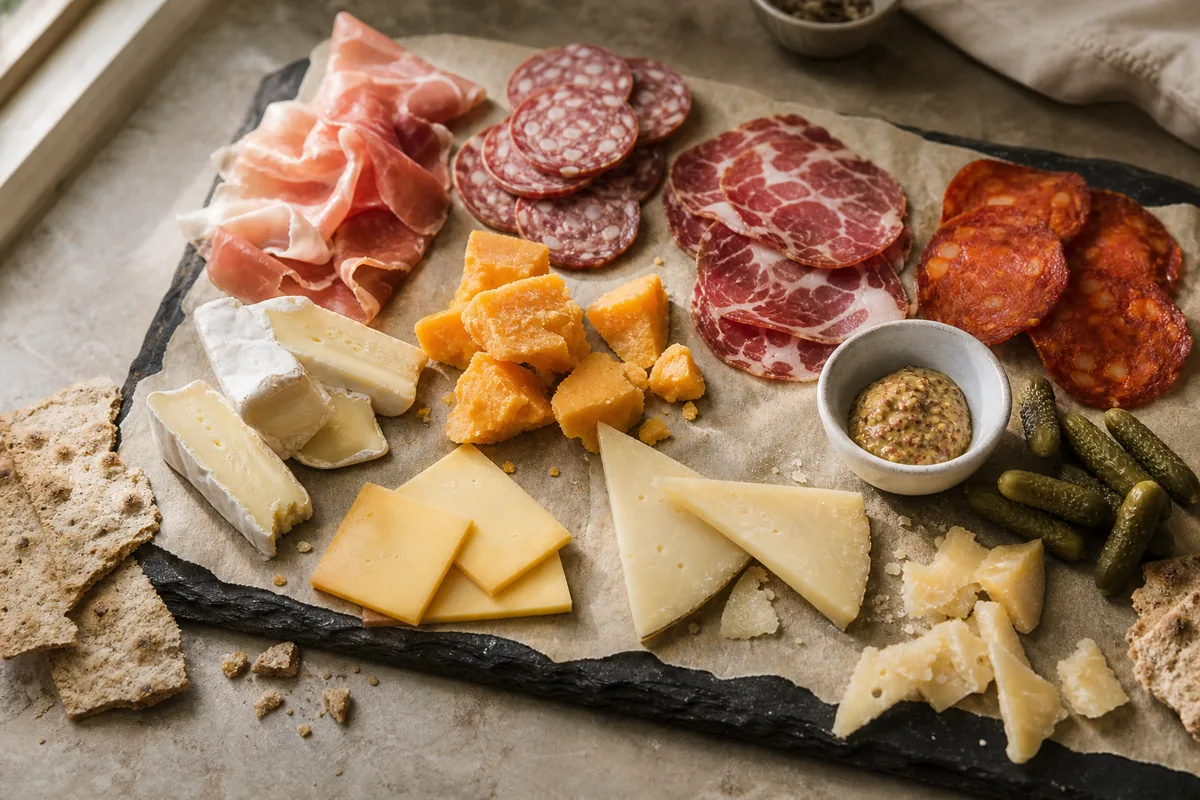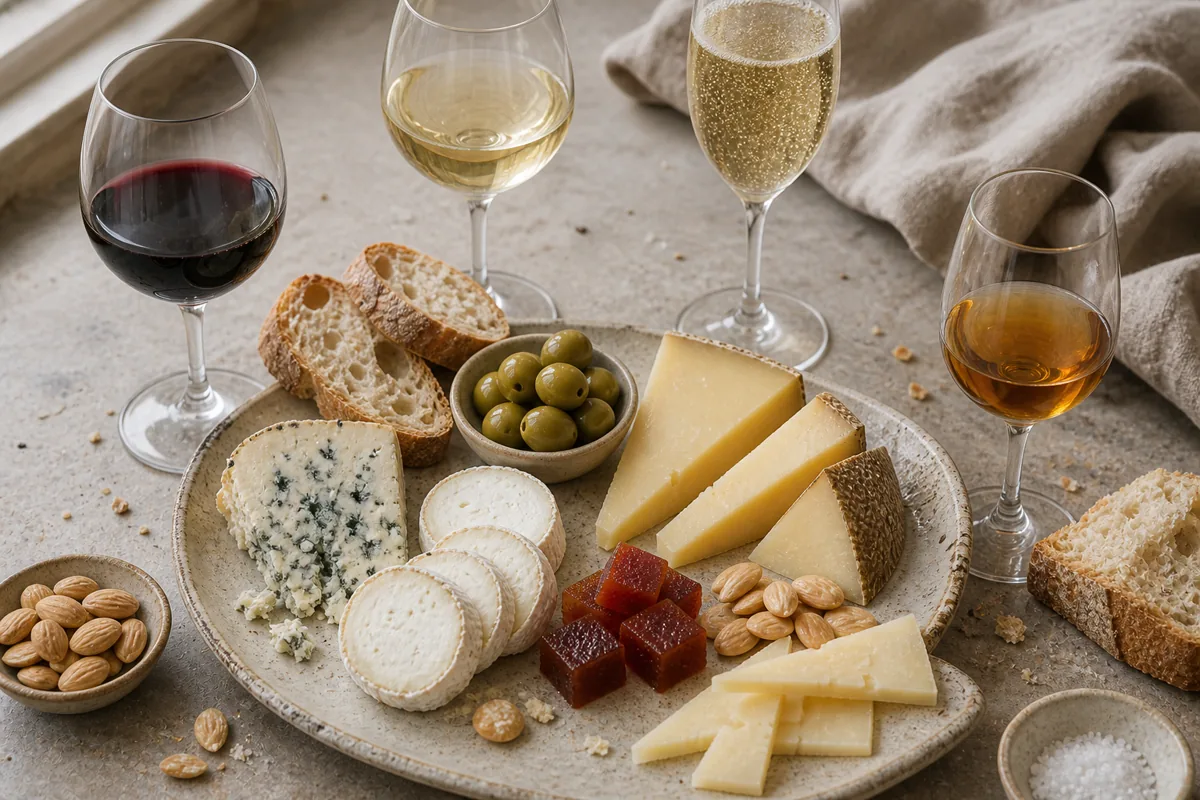
Spain has a proverb about this pairing: in the Cheese Professor's account, Que no te la den con queso ("don't get it with cheese") dates from the days when winemakers served cheese tapas to tasters, because a strong cheese could hide a poor wine.
The matches below come from five places: Cheese.com, the Cheese Professor, a Ribera y Rueda guide by James Beard Award-winning author Laura Werlin, an ICEX interview with sommelier Gretchen Thomas, and the Sherry regulatory council's own wine pages. When two of them recommend different wines for one cheese, both appear with the name of the source that made the call.
In This Article
Which Wine Goes With Spanish Cheese?
Sorted by cheese style, the sources point to three wine families: Tempranillo reds for firm sheep cheeses, high-acid whites for soft and goat cheeses, and sweet Pedro Ximénez Sherry for strong blues. Almost every cheese has an exception, so the matches below give each cheese with the source behind the pick.
| Pairing | Type | Why It Works |
|---|---|---|
| Manchego + Tempranillo red | Red wine | Cheese.com picks Ribera del Duero Roble or Crianza for aged wheels, and the Cheese Professor picks an aged Rioja. ICEX's Gretchen Thomas matches young wheels with young wine and aged wheels with aged wine. |
| Idiazabal + Rioja Crianza or Reserva | Red wine | Cheese.com's pick. Three other sources name three other wines, set out below. |
| Torta del Casar + Godello or Albariño | White wine | Cheese.com matches the soft, spoonable sheep's milk cheese from Extremadura with fresh, high-acid Galician whites. |
| Soft goat cheese + Verdejo | White wine | Laura Werlin matches lemony, soft-ripened Spanish goat cheeses with young or lees-aged Verdejo from Rueda. |
| Murcia al Vino + Monastrell | Red wine | Cheese.com picks Monastrell from Jumilla or Yecla. The Cheese Professor picks a bright red from Jumilla, Yecla, Alicante or Utiel-Requena. |
| Mahón + Cava | Sparkling wine | The Cheese Professor's classic match. Thomas prefers a Mediterranean Garnacha, and Werlin a Ribera del Duero Tempranillo. |
| Cabrales + Pedro Ximénez | Fortified wine | Cheese.com, ICEX and the Sherry council all name it, and Cheese.com offers dry Oloroso as the less sweet choice. |
| Tetilla + unoaked Godello | White wine | Thomas pairs the teardrop-shaped Galician cheese with an unoaked white. |
Counting the alternatives the sources offer, a Galician or Rueda white, a Tempranillo red and a Pedro Ximénez Sherry give every cheese in that list at least one recommended partner.
For a first bottle of each colour, Thomas names an Albariño from Rías Baixas as a reliable Spanish white and Rioja as the first red to try.
Does Pairing by Region Work for Spanish Cheese?
Region guides some matches and not others, and the Cheese Professor's map of Spain's milk shows why the cheese changes before the wine does.
Cow's milk cheeses sit along the Cantabrian coast, sheep's milk cheeses inland from Cantabria and the Basque Country down to Castilla y León, Castilla-La Mancha, Aragón and Extremadura, and goat's milk cheeses along the Mediterranean coast, with mixed-milk cheeses from Catalonia to Andalucía.
Some pairings follow that map to the same place. Cheese.com sends Idiazabal to the red wines of nearby La Rioja, and Murcia al Vino goes with reds from Jumilla and Yecla, in the cheese's own region.
Others cross the country. Cheese.com matches Torta del Casar from Extremadura with Galician whites, Manchego from La Mancha with Ribera del Duero, and Cabrales from Asturias with Sherry from Andalucía.
Thomas's unexpected match is regional by design: cow and goat cheeses from the Canary Islands, aged with a cornmeal rind or in pimentón, go with the islands' light, low-alcohol reds, which she says have a distinct volcanic quality.
Cheese.com cites over 150 registered varieties with 26 under Protected Designation of Origin, while the Cheese Professor counts 100 types with 30 under PDO.
What Wine Goes With Manchego at Each Age?
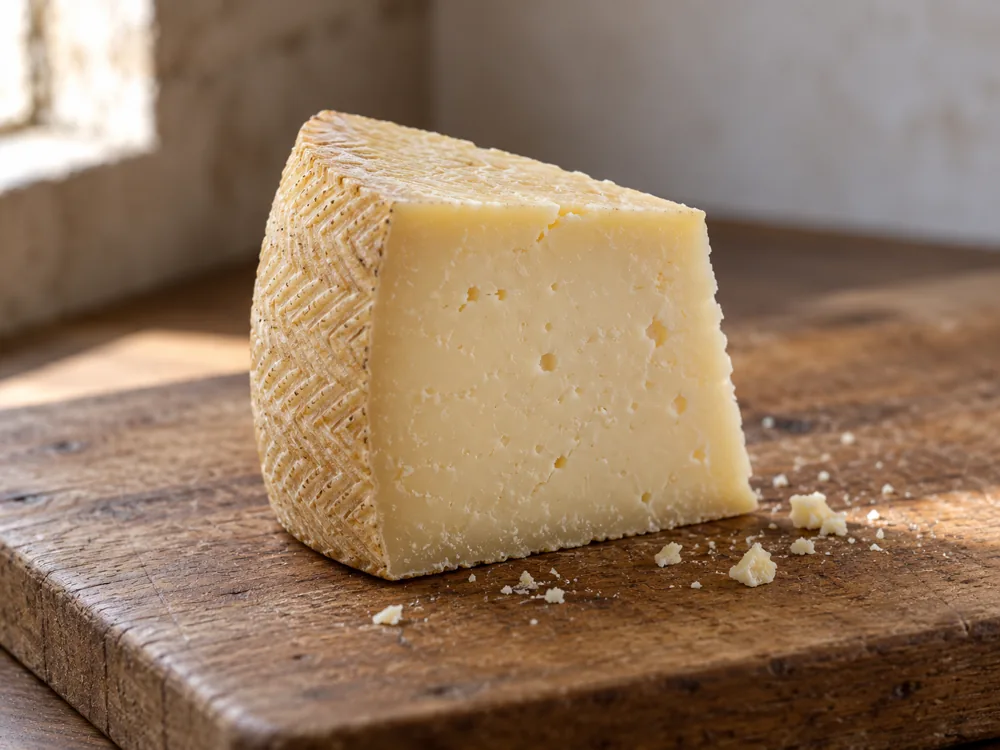
Age is the variable that moves the answer for Manchego, and the regulatory council sets the window at a minimum of 30 days for pasteurised-milk cheeses of 1.5 kg or less, 60 days for larger ones, and a maximum of 24 months. Thomas calls Manchego almost Spain's version of Parmesan, good both young and aged.
The council describes the flavour as slightly acidic and strong, turning spicy in very matured cheeses, with a buttery texture that can turn grainy in very mature ones. The Cheese Professor adds that the ivory paste crystallizes with age, moving from open to flaky and a little crunchy over about a year.
The Cheese Professor gives the range as 60 days to 2 years, so its floor is the council's figure for larger wheels and not the 30 days allowed for small pasteurised ones.
At the counter, the council's sensory notes give two checks: the side of the rind carries the imprint of esparto matting, and the paste can hold small, unevenly scattered eyes, although some wheels have none.
| Manchego age | Wine named | Who suggests it | Reason given |
|---|---|---|---|
| Younger wheels | Dry rosado from Ribera del Duero | Cheese.com | Called delightful with younger Manchego |
| Younger wheels | Young Tempranillo, Rioja first | ICEX (Gretchen Thomas) | Young cheese with young wine, aged with aged |
| About 6 months | Lees-aged or oak-aged Verdejo | Ribera y Rueda (Laura Werlin) | Acidity refreshes the palate, and the medium body holds up to a rich, nutty cheese |
| Aged wheels | Ribera del Duero Roble or Crianza | Cheese.com | Structured, with dark fruit and earthy depth |
| Aged wheels | Aged Rioja | The Cheese Professor | Dark red fruit and smooth tannins in the bottle it names |
| Any age, as the alternative | Medium-dry Sherry | The Cheese Professor | Offered as the edgier option |
The sources split by colour. Cheese.com and the Cheese Professor send aged Manchego to red, while Werlin sends a six-month wheel to white.
Which Wine Suits Idiazabal When Sources Disagree?
Four of the sources name Idiazabal, a Basque cheese made from Latxa sheep's milk, and each recommends a different wine.
| Source | Wine named | Reason given |
|---|---|---|
| Cheese.com | Rioja Crianza or Reserva | Subtle oak, bright red fruit and a touch of spice suit the rich sheep's milk and smoky notes without overwhelming them |
| The Cheese Professor | Old-vine Garnacha from Campo de Borja, or a richer dry Sherry as the edgier option | The cheese's creaminess cuts the wine's richness, and the cheese rounds out the soft, drying tannins |
| ICEX (Gretchen Thomas) | Txakoli, or a white from Galicia | She looks for acidity, and Txakoli has green apple and floral flavour |
| Ribera y Rueda (Laura Werlin) | Ribera del Duero Tempranillo | Sheep's milk cheeses share Tempranillo's tang, and she says Idiazabal, with its hint of smokiness, loves red wine and red fruit |
The split follows how each source describes the cheese. Cheese.com calls it bold and often smoked, the Cheese Professor gives it a definitive smoky note and a gamey character, and Werlin sees a hint of smokiness, while Thomas calls it a mild cheese.
That pattern suggests the right wine depends on how smoky and rich the wheel in hand is.
Whether a wheel is smoked is the first thing to find out at the counter.
What Cheese Goes With Rioja and Ribera del Duero Reds?
Sheep's milk cheeses are the sources' first choice for these reds, and Werlin gives the reason. Like Tempranillo, most sheep's milk cheeses have a pronounced tang on the finish, plus richness, balanced salt and a slightly grainy texture.
Idiazabal and Manchego are the two sheep's milk cheeses named most often. Werlin adds Zamorano, a raw sheep's milk cheese from Zamora in Castilla y León that she describes as nutty, fruity, buttery and sweet and often compares with Manchego.
She also pairs Ribera del Duero Tempranillo with a year-old Mahón Reserva, which is covered under Mahón below.
Blue cheese is the narrow case. She pairs Tempranillo only with a blue that is earthy, low on pungency, balanced in salt and medium-creamy, and avoids wines high in oak or acidity because most blues exaggerate both traits.
Her guide lists how Ribera del Duero labels its Tempranillo, and the tiers change how bright or heavy the red tastes:
- Crianza: a minimum of 24 months, at least one year of it in oak, with brighter red fruit and fresher, higher acidity.
- Reserva: a minimum of 36 months, at least 12 of them in oak, with darker fruit, more pronounced oak, firmer structure and tannins.
- Gran Reserva: a minimum of five years, at least two of them in oak, with dark, sometimes compote-like fruit, more oak spice and greater complexity.
- Cosecha: a catch-all class covering young unoaked wines, wines with at least three months in oak and others that fit no tier, where Werlin says finding the cheese partner takes research and tasting.
These minimums are Werlin's figures for Ribera del Duero, and none of the sources gives the matching Rioja rules, so they are not carried over to Rioja here.
Which White Wines Suit Soft and Goat Cheeses?
Soft and creamy cheeses draw a fresh, high-acid white from most of the sources.
Cheese.com matches Torta del Casar, a soft, spoonable sheep's milk cheese from Extremadura, with Godello or Albariño, two Galician whites, and says Godello adds mineral notes and structure that stand up to the cheese's texture.
That texture comes from a plant-based coagulant that Cheese.com says was once seen as a flaw, and it compares the cheese with Vacherin Mont d'Or, best served opened like a natural fondue with bread and a spoon.
For Tetilla, a teardrop-shaped Galician cheese that is usually made with cow's milk and can be quite smoky, Thomas points to an unoaked white such as Godello.
For goat cheese, Werlin names Verdejo. MitiCaña Caña de Cabra and Leonora are soft-ripened cheeses that soften under a white bloomy rind and taste lemony and creamy,.
Thomas matches Leonora, a creamy aged goat cheese with an ashy rind, with Mencía from neighbouring Bierzo, a fruity red with acidity, and ICEX adds Albariño for white-wine drinkers.
Werlin describes Monte Enebro as an earthy goat cheese with a thin blue mould on the outside, and says it goes with every Verdejo style and with some Tempranillos too.
Verdejo comes in three styles in Werlin's guide, each with its own cheese partners, and Monte Enebro suits all three:
- Joven: young, light and bright, with grapefruit, lemon and lime notes. Werlin pairs it with MitiCaña Caña de Cabra and Leonora.
- Lees-aged: time on spent yeast cells gives a creamy, fuller body while the acidity stays, close to Chablis in her description. It suits the same two goat cheeses and 6-month Manchego.
- Oak-aged: barrel time adds spice and a broader palate without making the wine taste oaky. She pairs it with 6-month Manchego.
Werlin frames the common thread as acidity to balance richness, which is the job each of these whites does for a soft cheese.
Murcia al Vino: Matching a Cheese Cured in Red Wine
The name means "goat with wine," and the Cheese Professor passes on a story that a wheel once fell into a barrel of wine and went unfound for two days. The cheese is made from the pasteurised milk of Murciana goats in Jumilla, cured for 48 to 72 hours in red wine and then aged another 90 days.
The result is semi-firm, smooth and pliable with a delicate grapy note. The Cheese Professor says the paste stays nearly pure white while the rind turns violet, where Cheese.com calls the rind deep burgundy.
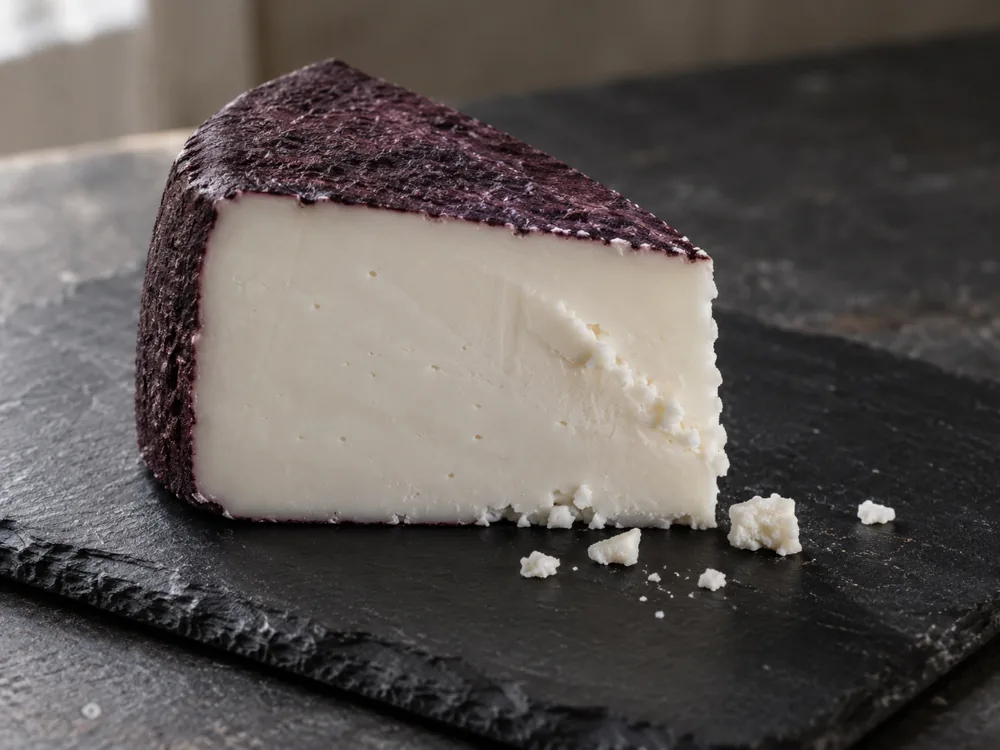
Cheese.com treats the wine pairing as already half made, since the cheese pairs naturally with wines from its own region, and it picks a Monastrell (Mourvèdre) from Jumilla or Yecla. The fruity, spicy, full-bodied wine echoes the wine-cured rind and brings out the goat cheese's tangy brightness, in Cheese.com's description.
The Cheese Professor's classic pairing is a bright red from Alicante, Jumilla, Utiel-Requena or Yecla, and its edgier option is a crisp Rueda white, with a Marqués de Riscal Sauvignon Blanc as the example, showing honeydew, herbal and citrus notes.
Both sources lead with a red from Spain's south-east but differ on weight. Cheese.com asks for a full-bodied wine and the Cheese Professor for a bright one.
What Wine Suits Mahón From Menorca?
The Cheese Professor says Mahón was a sheep's milk cheese until Friesian cattle arrived on Minorca with the British in the 18th century, after which the recipe moved to cow's milk.
It ages 2 to 12 months in salty, dry conditions and is rubbed with oils. That gives a stone-coloured rind and a semi-firm cheese that is bright, flaky and salty with an unmistakable tang, with a texture like Parmesan that can be grated.
Werlin describes a Mahón Reserva aged about a year, square with rounded corners and a bright orange pimentón-rubbed rind, with nutty, piquant and even sweet flavours.
For the Cheese Professor the classic partner is sparkling wine, and its example is a Penedès Cava of 50% Macabeo, 35% Xarel·lo and 15% Parellada that spends 18 months on its lees, with white fruit, citrus and lively acidity. Its edgier choice is a sweet fortified wine from Málaga.
Thomas describes Mahón-Menorca as soft and delicate, a creamy, fatty cheese, and picks a Mediterranean Garnacha.
Werlin picks Ribera del Duero Tempranillo for the year-old Reserva, because the cheese has enough personality to stand up to the wine's earth and fruit without dominating it, and its semi-hard texture contrasts with the wine's silky body.
The three sources describe different stages of the cheese, which may explain part of the split, but none of them ties a wine to an age.
Why Do Sources Pair Cabrales With Sweet Sherry?
Cheese.com describes Cabrales as one of the most intense blue cheeses in the world, with something of Roquefort in it but wilder. It matures in natural caves in the Picos de Europa in Asturias and is made with raw cow's milk or a blend with goat and sheep milk.
It picks Pedro Ximénez because the sweetness and viscosity balance the cheese's sharpness and saltiness, in the way Stilton works with Port, and offers a dry Oloroso for readers who want something less sweet but still bold.
The Sherry council makes the same match from the wine's side. Pedro Ximénez comes from overripe grapes dried in the sun, its fermentation is stopped with added wine alcohol, and it carries enough acidity to mitigate the sweetness.
The council lists blue cheeses of great intensity such as Cabrales or Roquefort as its partners and recommends serving the wine between 12 and 14 °C.
Thomas prefers Valdeón, a less intense blue in the Cabrales style, with Pedro Ximénez, and says the wine could practically be poured over it.
Werlin's rule runs on strength. A mild, earthy blue can take Tempranillo, but stronger, more pungent and in some cases gamy blues are best paired with dessert wines.
What Cheese Goes With Five Styles of Sherry?
Four of the five styles below are dry: the council's pages give under 4 grams of sugar per litre for Fino, Manzanilla, Amontillado and Oloroso, against more than 212 grams for Pedro Ximénez.
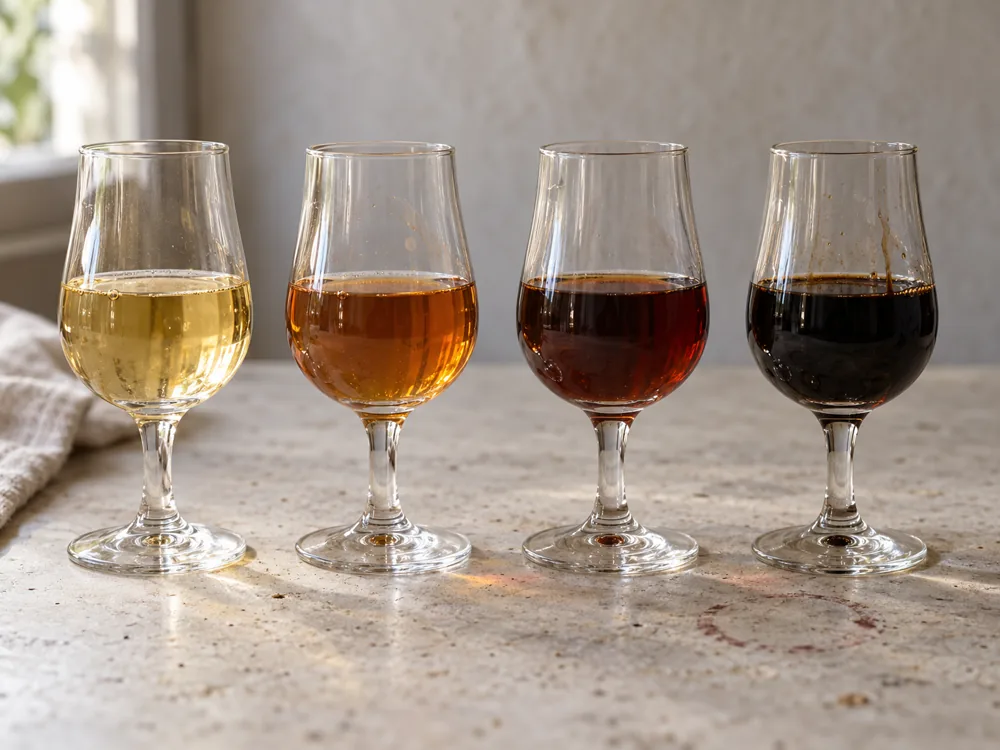
| Style | How it is made | Sugar per litre | Council's serving text |
|---|---|---|---|
| Fino | Palomino grapes fortified to 15% and aged at least two years under a yeast film called flor | Under 4 g, usually under 1 g | Tapas, olives, nuts and Iberian cured ham; no cheese named |
| Manzanilla | The same flor ageing, done only in Sanlúcar de Barrameda | Under 4 g, usually under 1 g | Fish, seafood, salted fish and cured meats; no cheese named |
| Amontillado | Aged first under flor, then oxidatively once the flor disappears | Under 4 g, usually under 1 g | Semi-cured cheeses, with soups, white meat, tuna and wild mushrooms |
| Oloroso | Fortified to 17% so no flor forms, then aged oxidatively | Under 4 g | Well cured cheeses, with red meat, game and wild mushrooms |
| Pedro Ximénez | Sun-dried grapes, fermentation stopped with alcohol, oxidative ageing | More than 212 g | Blue cheeses of great intensity such as Cabrales or Roquefort |
The council lists almonds, fresh dough and wild herbs in Fino, hazelnut and dark tobacco in Amontillado, walnuts in Oloroso, and raisins, figs and dates in Pedro Ximénez. It says Fino stimulates the taste buds and that its savoury character intensifies the flavours in a dish.
The council serves Fino and Manzanilla chilled to 6 to 8 °C, and Amontillado, Oloroso and Pedro Ximénez slightly chilled at 12 to 14 °C.
The Cheese Professor names a medium-dry Sherry for Manchego and a richer dry one for Idiazabal without giving a style, and the council's pairings would map semi-cured cheese to Amontillado and well cured cheese to Oloroso.
For Fino and Manzanilla the council's serving text names tapas and seafood rather than a cheese.