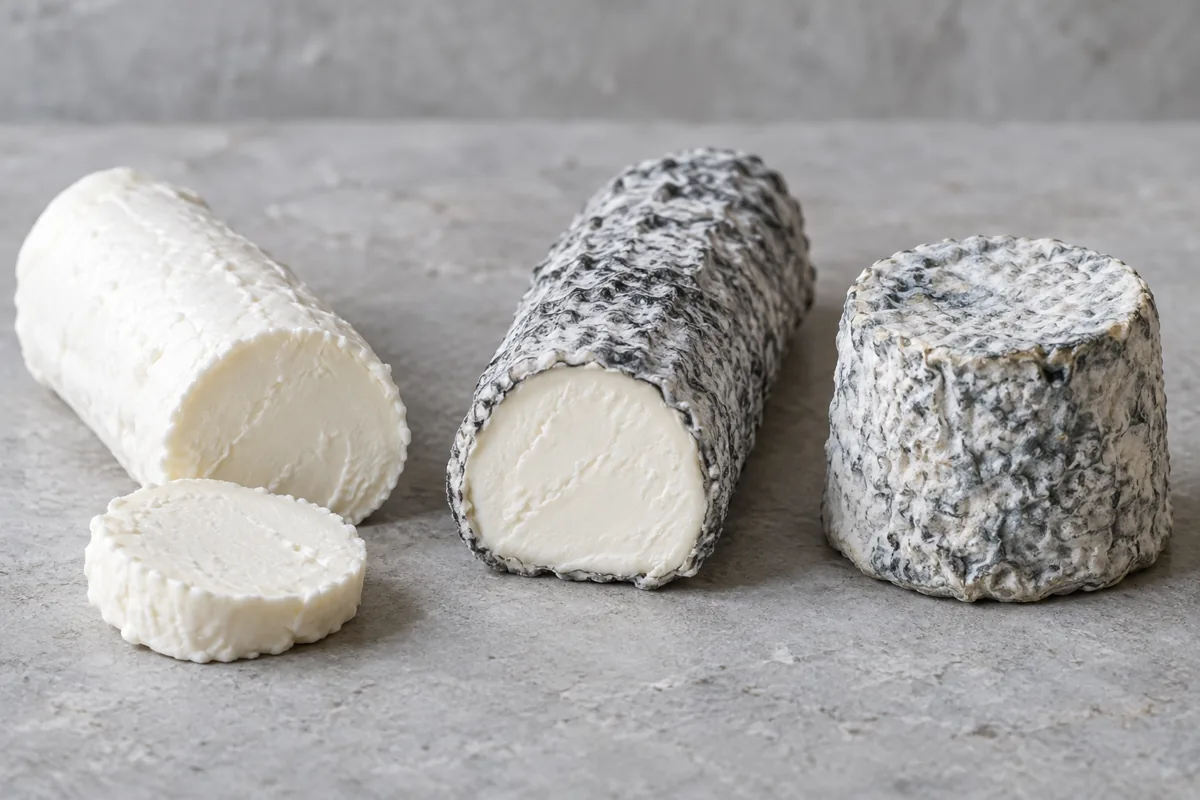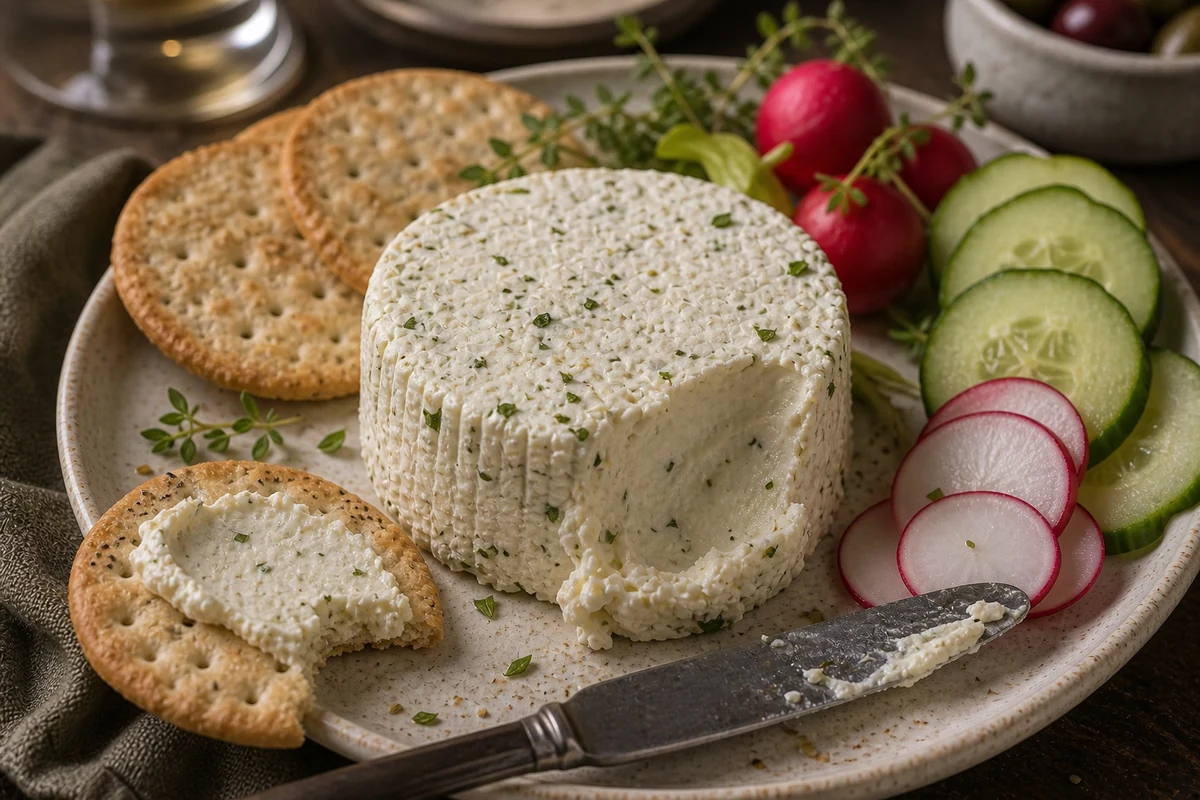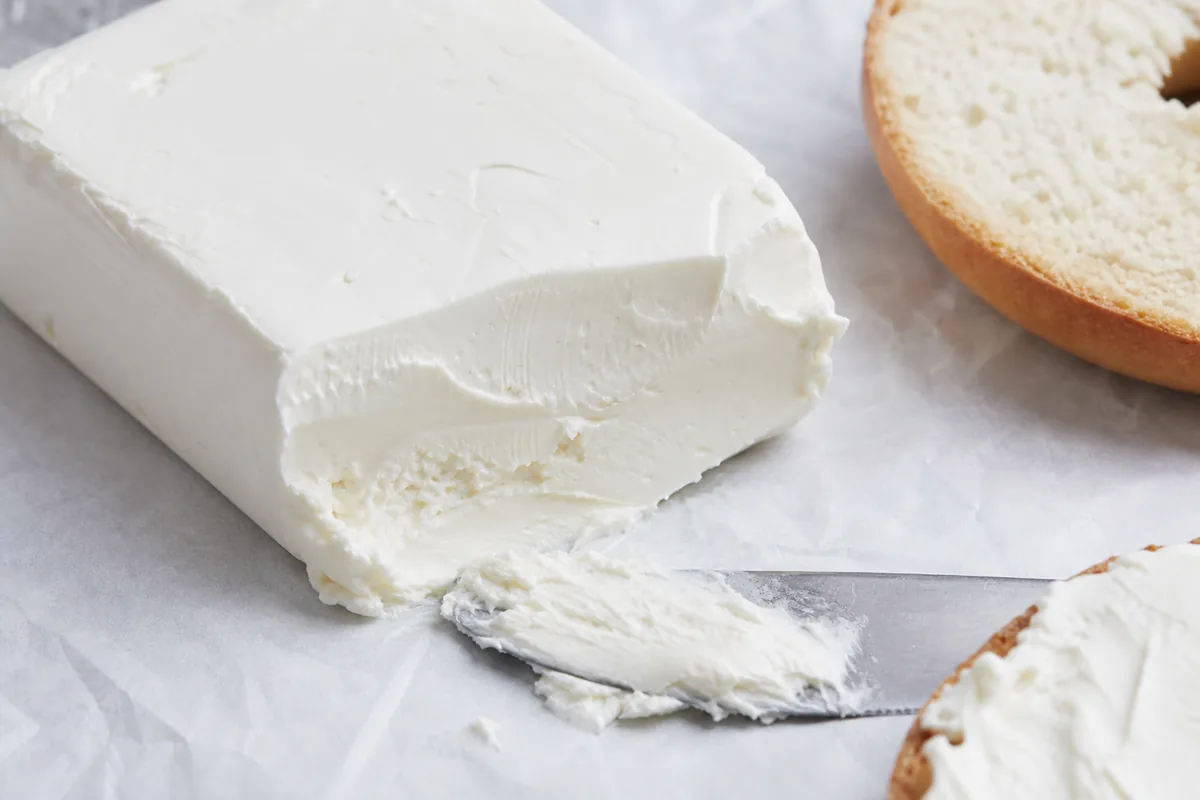
Cream cheese is an American fresh cheese built around smooth spreadability, mild tang, and high milkfat. It sits in a unique category: too rich to be yogurt, too soft to be a pressed cheese, and too mild to be a ripened product.
Cream cheese is not complex on its own, so the useful question is which format gives your recipe the right spread, set, tang, and moisture control. A dense brick and an airy whipped tub may share a name without performing the same job.
In This Article
What Legally Counts as Cream Cheese?
The legal definition is specific because the FDA defines cream cheese as a fresh, unaged, acid-set cheese made from milk and cream with at least 33% milkfat and no more than 55% moisture.
Those two limits explain why a standard brick feels richer and firmer than a generic dairy spread. Milkfat supplies body and tenderness, while the moisture ceiling keeps the product dense enough to hold a clean slice when it is cold.
The standard also gives shoppers a useful baseline when package claims sound similar, since a product labeled as a spread may follow a different formula and should not be assumed to set like cream cheese in a baked filling.
Unlike most cheeses, cream cheese uses lactic acid bacteria as the primary coagulant rather than rennet. The cultures acidify the milk-cream blend into a soft curd that needs no pressing, aging, or rind formation.
That definition matters in the grocery aisle. A real cream cheese block should be rich, dense, and fresh-tasting, not a light dairy spread stretched with too much water.
- Origin -- invented in Chester, New York, in 1872 by dairyman William Lawrence
- Milk -- pasteurized cow's milk blended with cream to reach 33%+ fat
- Method -- acid-set coagulation with lactic cultures, no rennet required
- Trademark history -- the Philadelphia brand name was adopted in 1880 for marketing
- FDA standard -- minimum 33% milkfat, maximum 55% moisture
William Lawrence, a New York dairyman, created cream cheese in 1872 while trying to reproduce the French original, but his richer version later took the name "Philadelphia" because a New York distributor associated that city with high-quality dairy.
The Philadelphia connection is purely a marketing choice. The cheese has never been produced in Philadelphia.
Large brands, store brands, and small dairies all work from the same acid-set idea, while stabilizers, fat, moisture, and incorporated air create the differences between products. For a richer dessert spread, triple-cream mascarpone sits in the same cold-serve lane.
Read the ingredient list together with the format and nutrition panel because two products can meet the basic identity while one uses stabilizers for a firm clean cut and another emphasizes a softer, tangier dairy texture.
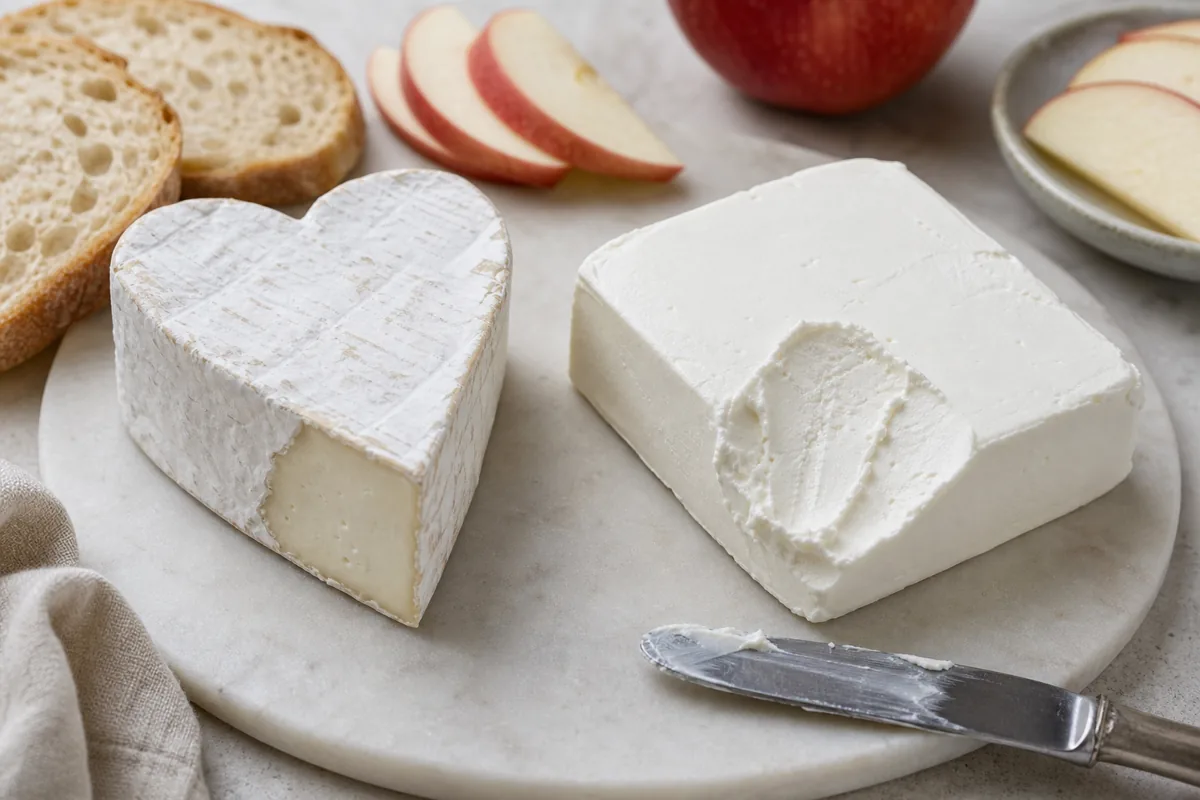
Neufchatel sold in the U.S. is a lower-fat cream cheese with about 23% fat instead of 33%. French Neufchatel is a separate bloomy-rind cheese aged for several weeks.
What Should Cream Cheese Taste Like?
The flavor should be mild and slightly tangy, with a rich buttery finish. Lactic acid supplies the tang, while the high cream content gives the cheese its rounded richness.
Texture sets cream cheese apart from other fresh cheeses because it spreads smoothly when softened and holds its shape when chilled. That temperature response lets it work as both a cold spread and a structural baking ingredient.
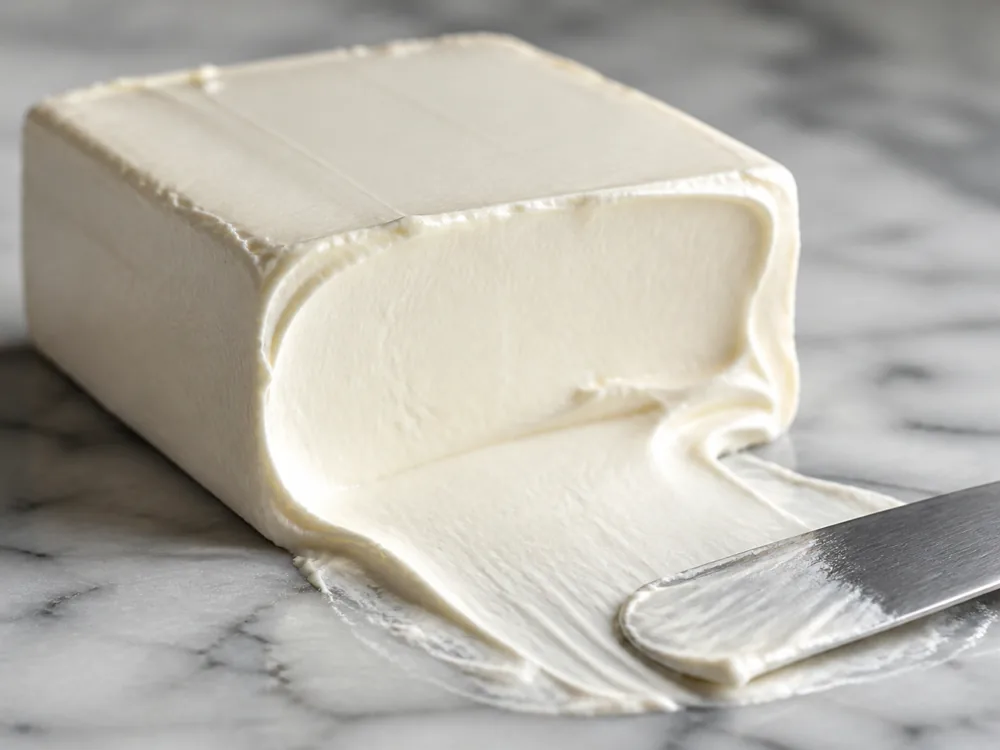
A chilled brick should cut with straight edges and a dense satin surface rather than shatter like curd or slump like sour cream, then take a clean knife stroke after a short warm-up without releasing a wet halo.
Cream cheese is defined by extreme creaminess with moderate acidity. It is one of the least complex cheeses in flavor but one of the most versatile in function.
- Mild tang -- lactic acid gives a gentle sour note without sharpness
- Buttery richness -- 33% fat creates a full mouthfeel
- No aging character -- no crystals, no rind flavor, no developed complexity
- Smooth and dense -- emulsification creates a uniform paste with no graininess
Stabilizers in commercial cream cheese (usually carob bean gum or xanthan gum) contribute to the smooth, spreadable consistency. Artisan cream cheese without stabilizers tends to be softer and slightly grainier, with a more pronounced tang.
Neither texture is automatically better, but the difference changes the use because a softer cultured product can taste excellent on toast while giving cheesecake batter less predictable water control.
The flavor is intentionally neutral because cream cheese is designed to carry other ingredients rather than compete with them. That restraint makes it a useful base for herb dips, smoked fish spreads, frostings, and sweet desserts.
The easiest quality test is texture after warming because a good brick softens into a clean spread without turning watery. Wet grains before mixing usually point to cheese that is too cold, too old, or the wrong format for the job.
Fresh cream cheese should smell milky and lightly cultured, while a distinctly yeasty, sharply sour, or stale refrigerator odor means the product will not improve once sugar, herbs, or other ingredients are mixed in.
How Is Cream Cheese Made?
The production process is simpler than that of most cheeses because it has no rennet coagulation, pressing, or aging. The full path from milk and cream to a packaged refrigerated product can take less than 24 hours.
Milk and cream are blended to hit the target fat percentage. The mixture is pasteurized, then cooled to fermentation temperature.
The blend determines more than richness because protein, fat, and water must remain balanced after acidification. Too much free moisture would make the curd loose, while insufficient cream would leave a leaner texture that cannot deliver the expected smooth body.
- Blend milk and cream -- adjust fat content to 33-35%
- Pasteurize -- heat to kill pathogens, then cool to 72-77 degrees F (22-25 degrees C)
- Add lactic cultures -- mesophilic bacteria acidify the blend over 12-16 hours
- Heat and drain -- gentle heating separates curds from whey
- Homogenize -- mechanical processing creates the smooth, spreadable texture
The lactic cultures ferment for 12-16 hours, slowly lowering the pH until the proteins coagulate into a soft curd that gentle heating helps separate from the whey.
This slow acid set produces a delicate curd rather than the springy pieces associated with rennet-set cheese. Draining must remove enough whey for body without taking away the moisture that lets the finished cheese spread.
After draining, the curd is homogenized at high pressure to create the characteristic smooth, dense texture. Without that treatment, acid-set curd remains grainier and more crumbly, closer to fresh ricotta than commercial cream cheese.
Homogenization also explains why a commercial brick can look completely uniform from edge to center, while a home-drained version often retains tiny curd particles even after blending.
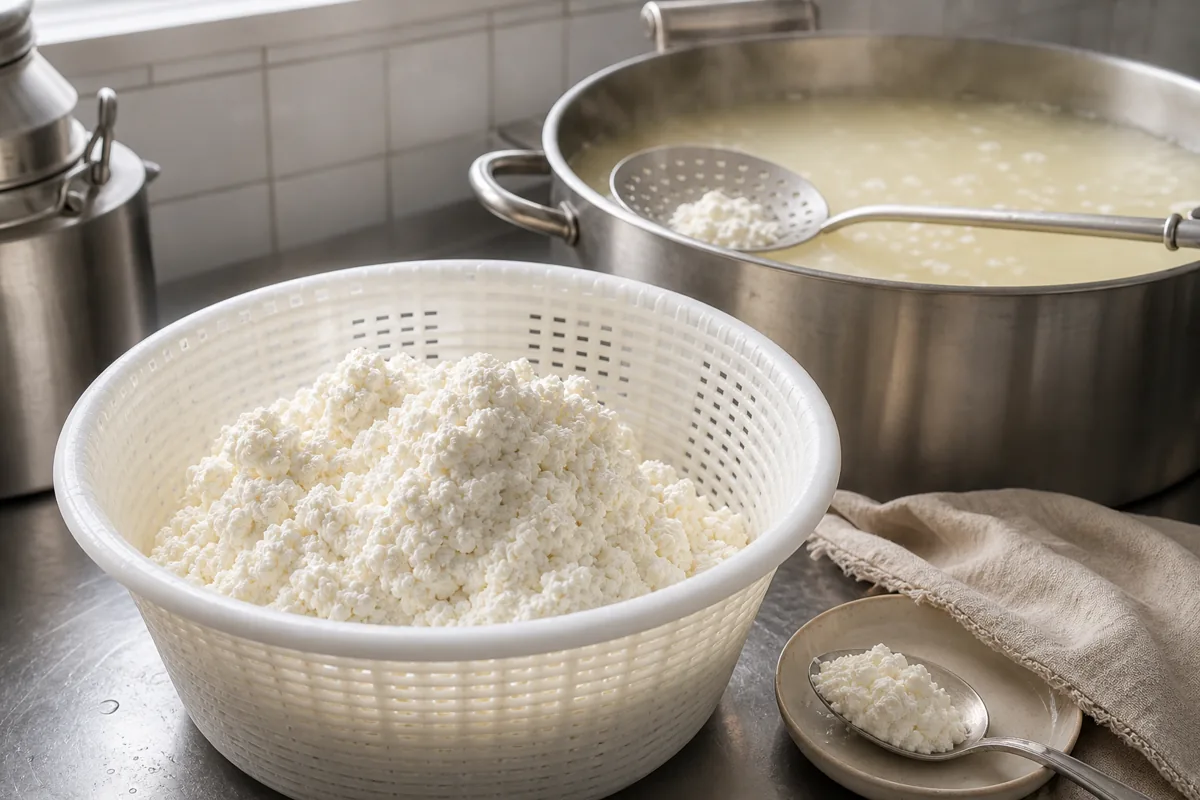
For a basic home version, heat whole milk and cream to 180 degrees F, add lemon juice, drain the curd through cheesecloth for 1-2 hours, then blend it with salt. The result is tangier and softer than commercial cream cheese, which makes it better suited to dips and spreads than structured baking.
Salt and stabilizers are added during or after homogenization, then the finished product is packaged and refrigerated immediately. No aging or ripening stage follows.
Brick, Tub, Whipped, or Neufchatel?
The package format changes performance more than the label design because brick cream cheese is dense, firm, and measured by weight. Tub and whipped formats spread cold more easily, but the same spoonful may contain more softness, air, or water.
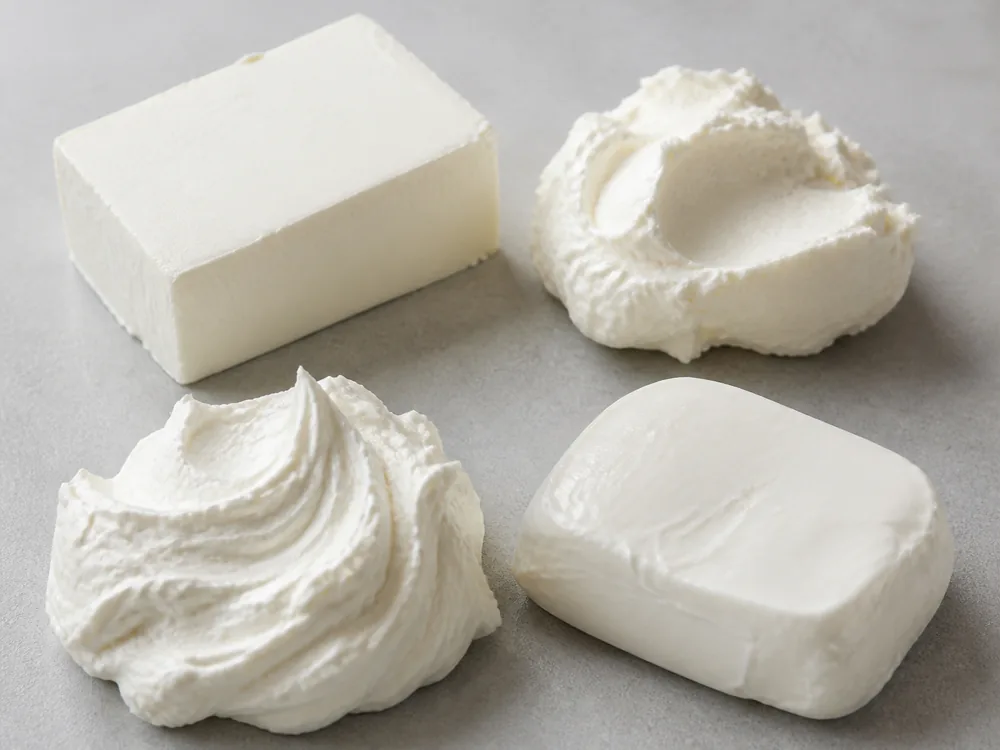
Compare formats by weight when a recipe gives ounces or grams. A cup of whipped cream cheese can look generous in a bowl but cannot replace the mass, fat, and water balance of a weighed brick.
That difference matters most in cheesecake, frosting, pastry filling, and cookie dough because a whipped tub can occupy the expected volume while supplying less cheese by weight and less structure than a brick.
Tub-style spread is useful when convenience is part of the job. It takes herbs and seasonings quickly, spreads without tearing bread, and gives a cold lunch a softer texture without waiting for a dense block to warm.
| Format | Best use | What can go wrong |
|---|---|---|
| Full-fat brick | Cheesecake, frosting, baked dips, firm fillings | Hard to spread straight from the fridge |
| Whipped tub | Bagels, toast, quick cold dips | Too airy for measured baking recipes |
| Reduced-fat Neufchatel | Everyday spreading, lighter dips, sandwiches | Less structure in cheesecake and frosting |
| Flavored tub | Crackers, wraps, snack boards | Seasoning can clash with sweet or neutral recipes |
American Neufchatel often sits beside cream cheese and offers a practical lower-fat spreading option. Use it when a softer, lighter result is acceptable, but avoid treating it as a direct replacement in recipes that depend on full-fat structure.
Flavored tubs require a separate check because garlic, chive, smoked fish, fruit, or sweetener can solve one snack and disrupt the next recipe. Plain cream cheese remains the flexible choice when one package must cover both savory and sweet uses.
Which Form Does Your Recipe Need?
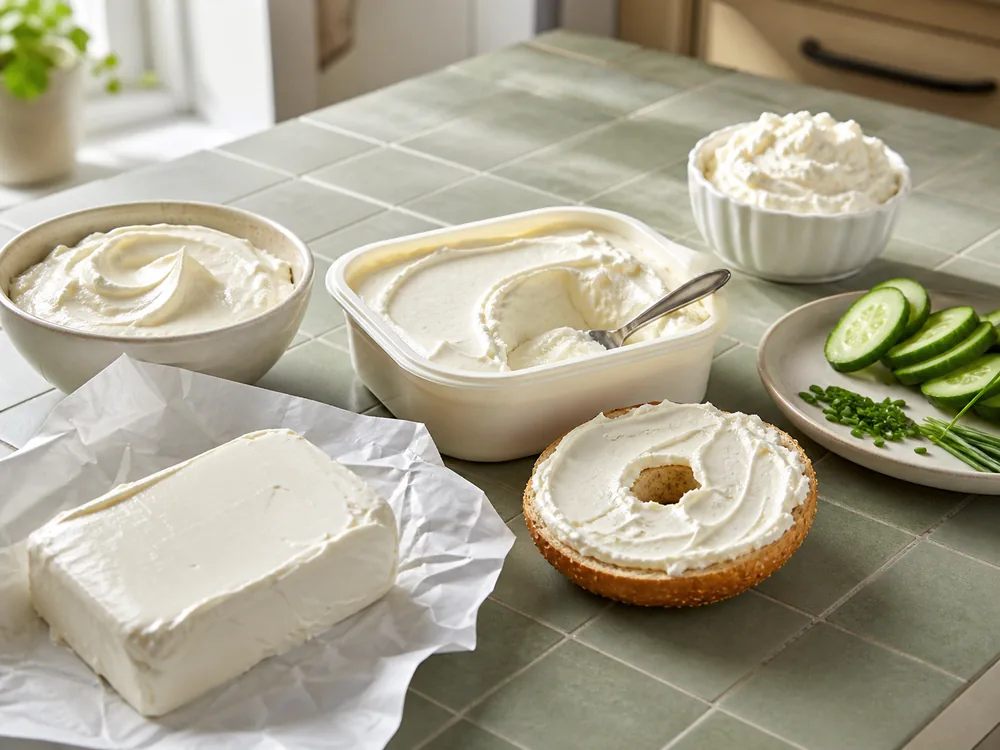
Format matters because cream cheese works as both a cold spread and a structural baking ingredient, two roles that few cheeses can cover without changing the rest of a recipe.
Start by deciding whether the cheese should remain visible, dissolve into a mixture, or set after baking. That one question usually narrows the choice to a cold-spread tub, a dense brick, or a lighter whipped product before flavor enters the decision.
| Use | How It Works |
|---|---|
| Bagel Spread | The signature use. Spread thick on toasted or fresh bagels with lox, capers, and red onion. Room temperature cream cheese spreads best. |
| Cheesecake | The structural base of New York-style cheesecake. The 33% fat content creates the dense, creamy texture that defines the dessert. |
| Frosting | Beat with butter and powdered sugar for cream cheese frosting. The tang balances the sweetness. Essential for carrot cake and red velvet. |
| Dips and Spreads | Base for hot and cold dips. Combine with herbs, garlic, smoked salmon, or hot sauce. Holds mix-ins evenly without separation. |
| Pasta Sauces | Stir into hot pasta for an instant creamy sauce. Melts smoothly when added to warm liquid. Works with both tomato and white sauces. |
| Stuffed Proteins | Pipe into jalapenos, stuff into chicken breasts, or spread under the skin of roasted poultry. Stays creamy through oven heat. |
- Spreading -- bagels, toast, crackers, wraps, and sandwich bases
- Baking -- cheesecake, pound cake, cookie dough, pastry cream
- Sauces -- stir into hot pasta, soup, or mashed potatoes for instant richness
- Dips -- base for spinach artichoke, buffalo chicken, and herb dips
For baking, choose full-fat brick cream cheese unless the recipe was tested for another format, since extra air or water can soften cheesecake and loosen frosting. For a savory dip that needs more tang, fresh goat cheese supplies a sharper edge.
In frosting, density helps the mixture hold its shape after sugar is added, while a wetter spread can turn the same formula glossy and loose even when every other ingredient stays unchanged.
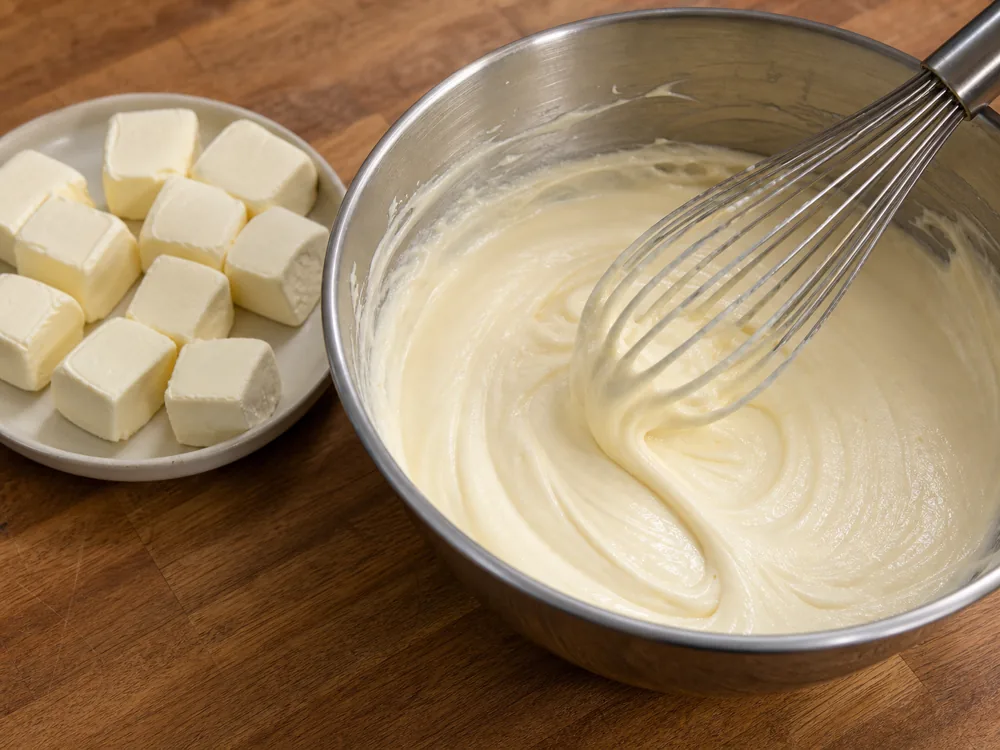
Butter and cream cheese should reach a similar pliable state before frosting is mixed, since soft cheese beaten into hard butter leaves flecks while melted butter weakens the finished frosting.
Cheesecake texture often comes down to cream cheese temperature because every block must soften evenly before mixing. A cold center creates small lumps that prolonged beating may spread through the batter rather than remove cleanly.
Once the cheese is smooth, add eggs at the speed and stage the recipe specifies because aggressive late mixing traps air that can lift the cake in the oven and leave a sunken center as it cools.
For hot sauces, format matters less than technique because even a dense brick can blend smoothly when it is cubed and introduced to warm liquid gradually. Direct high heat can separate the fat before the cheese has time to emulsify with the sauce.
Thin the cheese with a small amount of the warm cooking liquid before returning it to the pan so the temperature rises gradually and the sauce needs less forceful stirring.
For dips, a tub can beat a brick when you need a soft base quickly for herbs, smoked fish, hot sauce, or onion. A brick still works, but it needs time to soften or a measured addition of milk, sour cream, or yogurt to loosen it.
Choose the loosening ingredient to match the finish, using milk for neutral richness, yogurt for added tang, or sour cream when the dip needs both body and acidity.
Chill a mixed dip before making the final texture adjustment because cream cheese firms as it cools and dried seasonings continue absorbing moisture during the rest.
What Goes With Cream Cheese?
Mild and slightly tangy, it pairs best with ingredients that supply the flavor or texture it lacks. Its fat softens sharp, salty, smoky, or acidic foods, while its smooth body needs toast, crackers, seeds, or raw vegetables to keep each bite from feeling flat.
Smoked salmon is the classic savory match because the cheese rounds its salt and smoke while capers, red onion, lemon, and dill restore acidity and freshness.
For vegetables, use crisp cucumber, radish, celery, or bell pepper with a seasoned spread rather than piling more soft ingredients together. Roasted peppers and caramelized onion also work, but they need pepper, herbs, or acid to prevent the combination from becoming overly sweet.
Hot chile, horseradish, mustard, and pickled vegetables work in savory spreads because the cheese distributes their heat, while the added acid keeps the finished bite from tasting heavy.
Fruit works when it brings either tartness or fragrance, with berries, sour cherry, apple, pear, and citrus zest giving plain cream cheese more definition than very ripe low-acid fruit.
Bread changes the balance as much as the topping. A toasted bagel supports a thick layer and smoked fish, while thin rye, seeded crackers, or crispbread suit smaller savory portions that would overwhelm soft sandwich bread.
With sweet dishes, cinnamon, vanilla, cocoa, coffee, toasted nuts, and dark fruit preserve contrast better than adding sweetness alone.
Coffee and black tea handle a rich breakfast spread because their bitterness clears the palate. For wine, choose bright sparkling or high-acid white styles and keep the toppings in mind, since smoked salmon, berries, and hot pepper each shape the pairing more strongly than plain cream cheese does.
Build the combination around one contrast first, such as smoke, acid, crunch, or bitterness, then add seasoning only when it makes that contrast clearer.
How Do You Soften and Bake Cream Cheese?
Temperature decides the outcome. It behaves best when temperature matches the job.
A bagel only needs a spreadable surface, while cheesecake, frosting, and batter require the center to soften so the fat and water phases blend evenly.
Soft does not mean melted. Properly tempered cream cheese still looks matte and holds a cube shape, but a finger or spatula can press through the center without meeting a cold hard core.
The fastest safe method is to cut the brick into cubes and leave the pieces on a clean plate until they bend under light pressure. A whole cold block can feel soft at the edges while the center stays firm, which is how lumps get trapped in cheesecake batter.
Use texture rather than a fixed counter time as the cue because cube size, room temperature, and starting refrigerator temperature all change how quickly the center softens.
Measure the amount you need before softening it so the unused portion can remain cold instead of warming and returning to the refrigerator with every baking session.
Mixing order protects texture once the cubes are ready. Smooth the cheese with sugar or another compatible ingredient before adding thin liquids, then scrape the bowl so no dense streak stays hidden against the sides.
A broad bowl and flexible spatula reveal hard streaks more clearly than a deep narrow vessel, which makes it easier to correct uneven softening before eggs or liquid hide the problem.
- For cheesecake: soften the blocks before adding sugar, then mix until smooth before eggs go in.
- For frosting: beat butter first, then add softened cream cheese so the mixture stays fluffy instead of loose.
- For hot dips: cube the brick and stir it into warm liquid slowly so it melts evenly.
- For bagels: use a tub or let a brick soften briefly, then keep the rest refrigerated.
Microwaving can work, but short bursts should stop before the cheese turns glossy or oily. Melted edges can make frosting split and can push cheesecake batter away from the dense texture the recipe expects.
Overbeating creates the opposite problem because extra mixing adds air after the cheese is already smooth. Air can help a cold dip, but it can make cheesecake rise, crack, and settle unevenly while cooling.
The goal is a uniform batter rather than maximum volume, so stop once the mixture has no visible flecks or lumps and follow the recipe's stated speed and timing for eggs, cream, or other ingredients.
Finding cream cheese is rarely difficult, while choosing the right brick, whipped, tub, or flavored format is the decision that changes the result.
If you need more tang and texture for a recipe, brined feta might be a better fit depending on the dish.
When Does Cream Cheese Fail?
Mild, smooth and rich is why it gets used. Those strengths become weaknesses when the dish needs melt, salt, stretch, or a cheese flavor that stands up on its own.
Temperature does most of the work. It softens into a creamy sauce when mixed with liquid, but it does not melt like mozzarella or Gruyere.
Use it for body rather than the elastic pull expected from toast-friendly melt or pizza cheese.
It also cannot replace a shredded topping when a casserole needs browned edges and distinct melted strands, so keep cream cheese inside the sauce or filling and use a lower-moisture melting cheese across the surface.
It also struggles when salt must travel through a large bowl because its mild flavor can disappear behind tomatoes, bitter greens, olives, or cured meat unless the recipe adds seasoning elsewhere.
- Skip it for cheese pulls: use mozzarella, provolone, or Monterey Jack instead.
- Skip it for sharp flavor: use Cheddar, feta, or goat cheese when tang needs to lead.
- Skip it for long room-temperature boards: use aged cheeses that tolerate service time better.
- Use it for creamy body: sauces, dips, frosting, cheesecake, and stuffed dishes are where it earns its place.
The best use is usually behind the scenes. Cream cheese makes fillings smoother, dips thicker, and frosting tangier, but it rarely makes a cheese board more interesting by itself.
A room-temperature board is a particularly poor fit because a fresh high-moisture spread needs tighter time control and offers less flavor progression than an aged wedge. Serve it in a chilled dip or prepared bite instead of leaving a plain block out for extended grazing.
How Long Does an Open Block Last?
Fresh dairy with no protective rind needs stricter handling than aged wedges. It requires consistent refrigeration and careful handling after opening.
Separate the portion you plan to serve with a clean knife, then return the main package to the refrigerator so repeated warming and contact do not shorten the life of the whole brick.
For a wider fridge rule set, wrapped blocks and tubs need different moisture control than aged wedges.
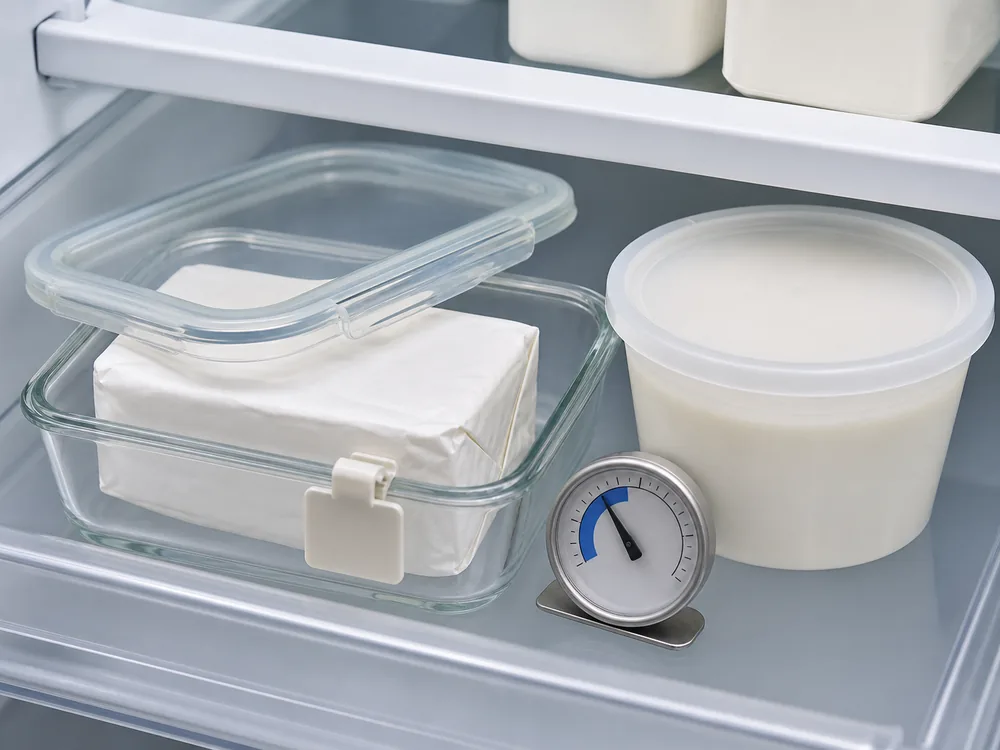
- Keep sealed until use -- exposure to air accelerates spoilage and surface drying
- Refrigerate at 35-40 degrees F -- never leave out for more than 2 hours (or 1 hour if exposed to temperatures above 90 degrees F)
- Store in the back of the fridge -- door shelves fluctuate in temperature
- Discard if pink or slimy -- surface discoloration indicates bacterial growth
The sell-by date matters because cream cheese does not keep developing after purchase like an aged hard cheese. Its high moisture and fresh structure make refrigeration, clean utensils, and sealed storage more important than rind care.
A brick needs protection from both drying and contamination after its original wrapper is opened. Fold clean wrapping against the cut face, place the package inside a closed container, and avoid scraping crumbs or spread back into it from a used knife.
Tubs create a different risk because their broad surface is opened repeatedly, so keep the rim clean, close the fitted lid completely, and discard the product when liquid separation arrives with off odors, discoloration, or a slimy surface.
For baking projects, buy cream cheese no more than a week before you plan to use it. Fresher blocks produce smoother batters and more stable frostings.
Do not leave cream cheese at room temperature for more than 2 hours, or more than 1 hour if exposed to temperatures above 90 degrees F. Discard it after that limit instead of returning it to the refrigerator.
Freezing fresh cheese is possible, but thawed cream cheese becomes grainier and may separate. Reserve it for cooked applications such as baked pasta or heated dips, where other ingredients can mask the texture change.
Party dips need the same temperature control as the plain block, so serve a smaller amount and replace a warming bowl with a clean chilled one instead of refilling it from the refrigerator.
Freezing is a waste-reduction option rather than a quality-preserving storage method because thawing changes the emulsion, so mark the frozen portion for sauce, casserole, or hot dip instead of expecting it to spread smoothly again.
Should You Buy Brick or Tub?
The dairy case usually gives you four main formats. Each has a specific best use, and buying the wrong one is the most common baking mistake.
Begin with the recipe's unit of measure because ounces or grams point toward a dense brick, while a casual instruction to spread or scoop can accommodate a tub. This prevents a volume-for-weight substitution before you compare price.
| Format | Use it for | Avoid it for |
|---|---|---|
| Full-fat brick | Cheesecake, frosting, baked dips, structured fillings | Quick spreading straight from the fridge |
| Whipped tub | Bagels, toast, cold dips, lunch prep | Cheesecake and firm frosting |
| Reduced-fat Neufchatel | Everyday spreading and lighter cold dips | Recipes that depend on full-fat structure |
| Flavored tub | Crackers, sandwiches, snack boards | Sweet baking or neutral sauces |
- Brick (8 oz foil-wrapped) -- baking, frosting, cheesecake, dense dips
- Tub (whipped, 8-12 oz) -- spreading on bagels, toast, and crackers
- Reduced-fat (Neufchatel) -- spreading only, not for baking
- Flavored varieties -- spreading only, pre-seasoned for convenience
Store brands often perform well because the FDA standard keeps basic fat and moisture within a defined range, although stabilizer blends can change frosting stiffness. Test an unfamiliar product before an important bake, while everyday bagels and dips usually depend more on freshness than on the logo.
Compare price by net weight rather than package size because a large whipped tub can contain less cheese than its volume suggests, while a compact foil brick gives a predictable amount for a measured recipe.
Choose package size by planned use as well. Two smaller sealed bricks can protect freshness across separate baking days better than one large opened package that sits in the refrigerator between projects.
Reject a package with a broken seal, swollen lid, leaking wrapper, or dried residue around the rim because those visible defects remove the freshness advantage of an otherwise distant date.
What Replaces Cream Cheese?
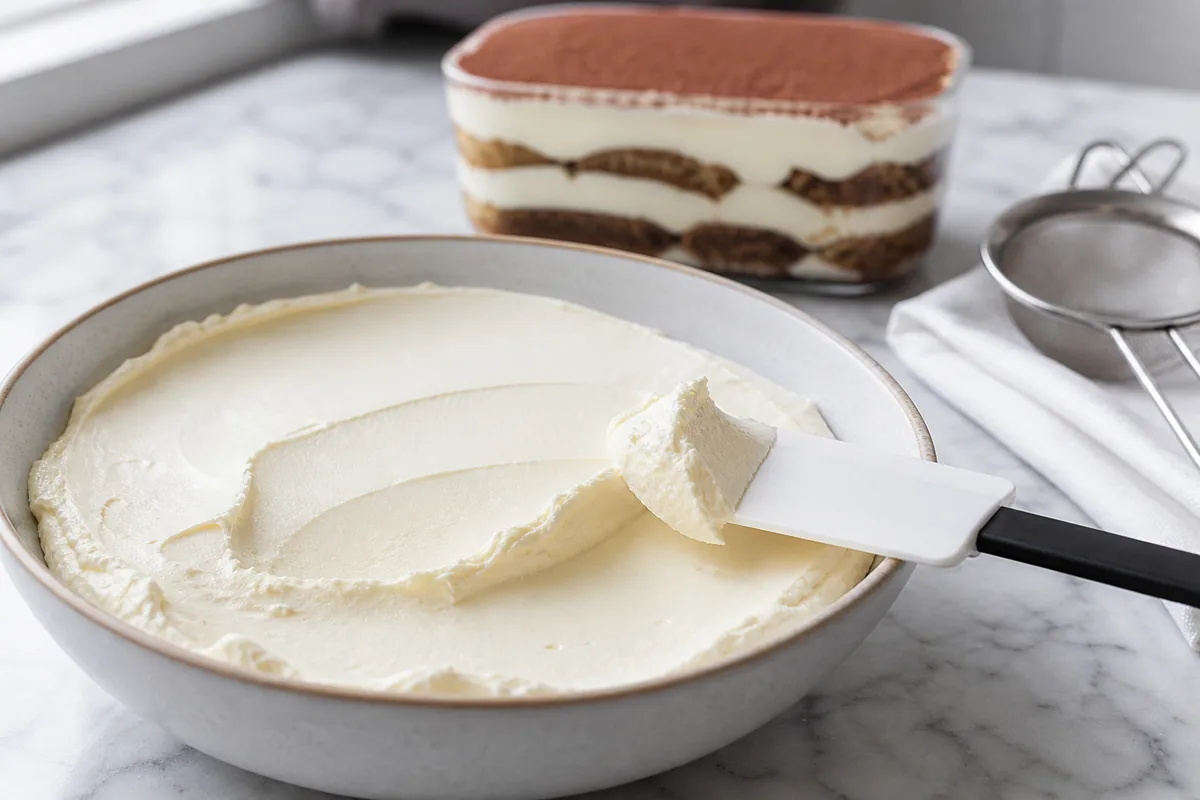
For spreading, mascarpone is the closest texture match. It is richer (44% fat vs 33%) and less tangy, but spreads the same way and works in most dip recipes.
A substitute should match the role before it matches the color. Mascarpone covers richness, strained yogurt covers tang, blended ricotta covers a lighter filling, and fresh goat cheese covers a more assertive savory spread.
A blended curd base can replace cream cheese in baked pasta and stuffed applications, but its lower fat and grainier texture change the character of the dish.
- Mascarpone -- richer and milder, best for sweet applications and spreading
- Ricotta (blended smooth) -- lighter option for baked dishes and fillings
- Goat cheese (chevre) -- tangier and crumblier, works in savory dips and spreads
- Greek yogurt (strained) -- lower fat, higher tang, good for cold dips only
For cheesecake specifically, mascarpone produces a lighter, less dense result. Italian-style cheesecake uses smooth ricotta filling instead of cream cheese, yielding a grainier but lighter texture.
Drain watery substitutes before measuring them and expect to adjust seasoning after blending, since extra whey loosens a filling while stronger acidity can change how much lemon, salt, or sugar the recipe needs.
How Much Lactose Is in Cream Cheese?
The nutrition profile is calorie-dense for a fresh cheese because of the high fat content. The 33% minimum fat gives it more calories per ounce than many aged cheeses that taste richer.
Use the serving weight when comparing labels because whipped products can show fewer calories per spoonful partly by containing more air. A gram-for-gram comparison reveals the difference between a lighter portion and a fundamentally different nutrient profile.
- High fat, low protein -- the opposite ratio of aged hard cheeses
- Low calcium -- only 28mg per ounce vs 200+ for most pressed cheeses
- Low sodium -- 85mg per ounce makes it one of the lower-sodium cheese options
- Moderate lactose -- fresh cheese retains more lactose than aged varieties
One ounce of cream cheese provides 1.7 grams of protein, while an ounce of cheddar provides about 7 grams, so choose another cheese when protein matters more than spreadability or richness.
Reduced-fat Neufchatel drops to about 70 calories and 6 grams of fat per ounce, making it a reasonable everyday spread. Use full-fat brick cream cheese when a baking recipe depends on density and stable emulsification.
Fresh cream cheese also retains more lactose than a long-aged hard cheese, so individual tolerance and portion size matter. Goat or lactose-free claims should come from the specific label rather than from assumptions about all soft white cheeses.
The standard's milkfat percentage describes the product by weight, while the nutrition panel describes the portion you actually eat, so use the serving line when calories or saturated fat guide your choice.
CDC lists pasteurized cream cheese as a safer cheese choice during pregnancy. The practical controls are the product label, clean handling, refrigeration, and the 2-hour limit at room temperature (or 1 hour if exposed to temperatures above 90 degrees F) rather than the cheese name alone.
Prepared dips deserve extra attention because several people may use the same bowl and the time outside refrigeration may be unclear. A sealed pasteurized package and a shared room-temperature party dip present different handling questions even when both contain cream cheese.
Cream cheese brings mild tang and dense richness to cheesecake, frosting, dips, and bagels rather than the developed flavor of an aged table cheese. Buy a full-fat brick for structural baking, a tub for easy spreading, and a whipped product only when light texture matters more than measured density.
How Do We Source Cream Cheese Claims?
We use the FDA standard of identity for milkfat, moisture, pasteurized-ingredient, and Neufchatel claims, then use USDA nutrition data for baseline calories, fat, sodium, protein, and calcium.
For safety advice, we treat cream cheese as a high-moisture refrigerated dairy product. FoodSafety.gov supports the 2-hour room-temperature rule, CDC supports the pregnancy wording for pasteurized cream cheese, and NHS guidance gives a second public-health reference for pasteurized soft cheeses.
Category standards establish what cream cheese must be, but the package remains the authority for that product's ingredients, pasteurization statement, serving size, storage direction, and printed date.
- Use FDA standards for composition and label-category claims.
- Use USDA data for nutrition per ounce.
- Use public-health sources for opened blocks, party dips, and pregnancy context.
SOURCES & REFERENCES
Which Cream Cheese Questions Come Up Most Often?
Most cream cheese problems trace back to the form in the trolley, so these answers keep pointing at brick against tub.
No, because incorporated air changes the volume-to-weight ratio and a recipe calling for 16 ounces expects the density of brick cream cheese. Whipped cream cheese produces a lighter, less stable filling that may not set properly.
No, because mascarpone is an Italian fresh cheese with higher fat content, about 44% compared with 33%, and a richer, milder flavor. The two can substitute in some recipes, but the result changes in density, tang, and richness.
Keep cream cheese at room temperature for no more than 2 hours (or 1 hour if exposed to temperatures above 90 degrees F) because its high moisture supports faster bacterial growth once it warms above 40 degrees F, and discard cheese left out beyond that limit.
You can freeze cream cheese for 2-3 months, but thawing makes it grainier and can cause separation. Use the thawed cheese in cooked or baked dishes rather than spreads or cold dips.
American Neufchatel is a softer, slightly tangier reduced-fat cream cheese containing about 23% milkfat instead of 33%, while French Neufchatel is a separate bloomy-rind aged cheese. Use the American product for spreading rather than as a full-fat brick replacement in structural baking.